
At 12 place Paul-Asseman, Renée operates in a register that Dunkirk's dining scene rarely reaches: traditional northern French cooking executed with the precision of a chef who has worked at serious establishments. Skate wings à la grenobloise, pâté en croûte, shrimp croquettes, the menu reads like a love letter to the region's larder, delivered with rich sauces and a technical confidence that makes every plate count.
Pearl is the En Primeur Club membership app — saves, bookings, and concierge access live there. Same editors, same standards.
- Address
- 12 place Paul-Asseman
- Phone
- +33 3 61 44 04 73
- Website
- renee-restaurant.fr
- Directions
- Get directions
 Saves & bookings on Pearl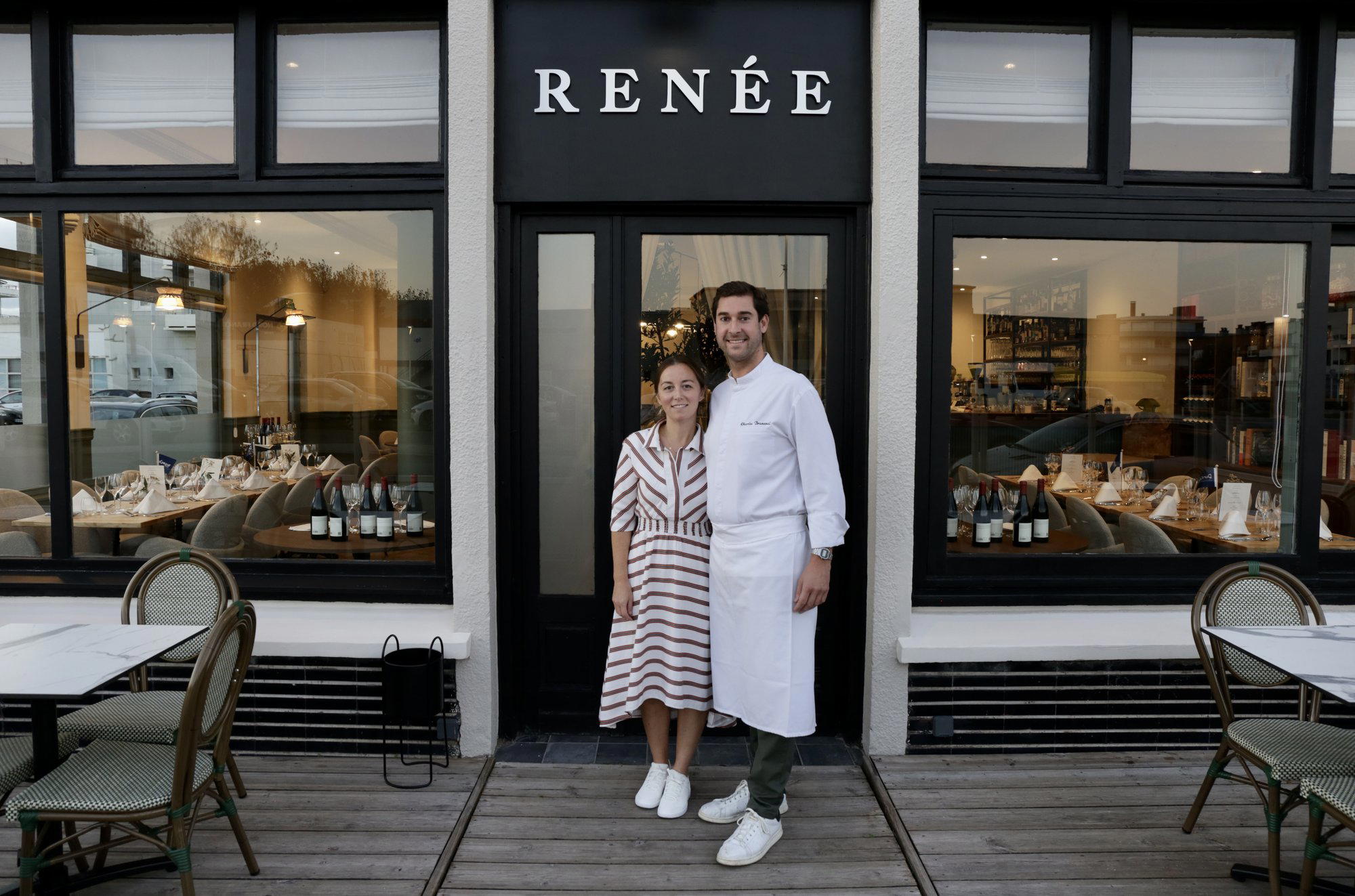
Where Northern France's Larder Finds Its Leading Argument
Place Paul-Asseman sits in the older civic fabric of Dunkirk, a port city that tends to be passed over by the Paris-to-Brussels corridor crowd. The square is unhurried, the kind of setting where you arrive expecting a neighbourhood restaurant and leave reassessing what northern French cooking is capable of. Renée, at number 12, occupies that gap between the region's unpretentious self-image and the technical ambition that occasionally surfaces in it. The room is deliberately unaffected, with no theatrical plating stations or open-kitchen performance. The cooking does the talking, and the cooking has clearly been trained to speak well.
The Ingredient Argument: What the North of France Puts on the Table
The Hauts-de-France coastline is one of the country's most underappreciated sources of seafood and charcuterie. The waters off Dunkirk and the surrounding Flemish plain have supplied European kitchens for centuries: North Sea shrimp, skate, herring, and flatfish that feature in recipes with strong ties to both French and Belgian culinary tradition. At Renée, the menu works directly within that heritage. Shrimp croquettes are not a novelty item here, they are a regional staple, one that demands careful béchamel work, precise frying temperature, and shrimp with enough character to hold the centre of the dish. Skate wings à la grenobloise, with their brown butter, capers, and lemon, are a classic preparation that rewards the ingredient above the technique: poor-quality skate collapses under that treatment, while fresh, well-sourced fish carries it.
Pâté en croûte belongs to the charcuterie tradition that runs deep through northern France and into the Flemish border country. It is a labour-intensive preparation, forcemeat, aspic, laminated pastry, that most restaurants have quietly dropped from their menus because the margin-to-effort ratio is punishing. The fact that it appears on this menu is itself an editorial statement about the kitchen's priorities. Dishes like these don't survive in a restaurant unless the chef believes in them enough to absorb the cost. For wider context on how French regional kitchens are engaging with their own ingredient traditions, the approaches taken at Bras in Laguiole and Auberge du Vieux Puits in Fontjoncouse offer a useful comparison, both anchor menus to hyperlocal sourcing as a guiding principle rather than a marketing position.
The Cooking: Tradition as a Technical Discipline
French regional cooking at this level is often misread as conservative. The opposite is true: maintaining the integrity of a sauce grenobloise or a properly set pâté en croûte requires as much technical control as avant-garde plating, with no visual complexity to obscure errors. Charles Bruneval completed his training at serious establishments before returning to his home city to open Renée, a trajectory familiar in French provincial dining. The restaurant's name, a tribute to his grandmother, signals where his culinary frame of reference begins: in domestic, regional cooking, refined by professional rigour rather than replaced by it.
Rich sauces are especially direct evidence of a kitchen's sauce work, and at Renée they are described as a defining characteristic. Sauce-making is where French training either holds or breaks down, it requires stock quality, reduction control, and an understanding of when to stop. That this is consistently noted alongside the cooking's precision places the kitchen in a different conversation from casual bistros working off base sauces. For a sense of how seriously French culinary institutions treat this tradition, Paul Bocuse's Auberge du Pont de Collonges and Auberge de l'Ill in Illhaeusern represent the institutional end of that lineage. Renée operates at a different scale and price point, but within the same culinary value system.
Dunkirk's Dining Scene: Context Matters
Its food identity is tied to the port, to working-class Flemish-French cooking traditions, and to a local population that eats at restaurants without much interest in whether those restaurants have been photographed for a magazine. That context shapes what Renée is and what it can be. It is not competing with the three-star creative programs at Alléno Paris au Pavillon Ledoyen or Mirazur in Menton. It is operating in a comparable set defined by regional French cooking at the serious end, kitchens like Assiette Champenoise in Reims or Au Crocodile in Strasbourg, where the discipline is classical and the ambition is expressed through execution rather than concept.
That positioning is increasingly rare. The pressure on regional French restaurants to adopt tasting menus, minimalist plating, and contemporary format has been significant over the past decade. Renée's apparent resistance to that pressure, hearty, traditional, meticulous, is not nostalgia. It is a specific choice about what the local dining tradition is worth preserving, and the technical precision described across its menu suggests that choice is being made with full awareness of the alternatives. For wider reference on how French kitchens at different scales approach their regional identity, Flocons de Sel in Megève and Troisgros in Ouches both move through the tension between tradition and evolution in distinct ways. Internationally, the commitment to regional sourcing as a primary value has parallels at Le Bernardin in New York, where ingredient integrity rather than technique spectacle remains the central argument. A different version of that regionalist commitment appears at Emeril's in New Orleans and AM par Alexandre Mazzia in Marseille, where local culinary identity is the creative engine rather than the decorative frame.
Planning Your Visit
Renée is at 12 place Paul-Asseman in Dunkirk. Advance booking is recommended. The setting is unpretentious, which in this context means the dress code matches the room: neat rather than formal. Dunkirk is accessible by rail from Lille in under an hour, making a day trip viable for those building a northern France itinerary.
- shrimp croquettes
- pâté en croûte
- skate wings à la grenobloise
- scallops
- blue lobster
- veal sweetbreads
- chocolate mousse
- hare à la royale
Comparable Venues
Comparable venues nearby, for context on price, style, and recognition.
| Venue | Cuisine | Price | Awards | Notes |
|---|---|---|---|---|
| RenéeThis venue — the venue you are viewing | Traditional French Farm-to-Table Brasserie | $$ | Michelin Plate | Not listed |
| Le Puzzle | Modern French Bistro | $$ | Not listed | Citadelle |
| La table de Cha' | Traditional French Bistro | $$ | Not listed | Citadelle |
| Le Gaston | French Bistronomic | $$ | Not listed | Rosendael |
| Comme Vous Voulez | Traditional French Bistro | $$ | Not listed | Malo-les-Bains |
| Estaminet Flamand | Traditional Flemish French | $$ | Not listed | city centre |
Recognition history
Dated appearances from independent guides and award organizations, with the underlying list record or original source where available.
Michelin Plate
Michelin · 2026 Michelin Plate
Michelin Bib Gourmand
Michelin
Continue exploring
More in Dunkirk
Restaurants in Dunkirk
Browse all →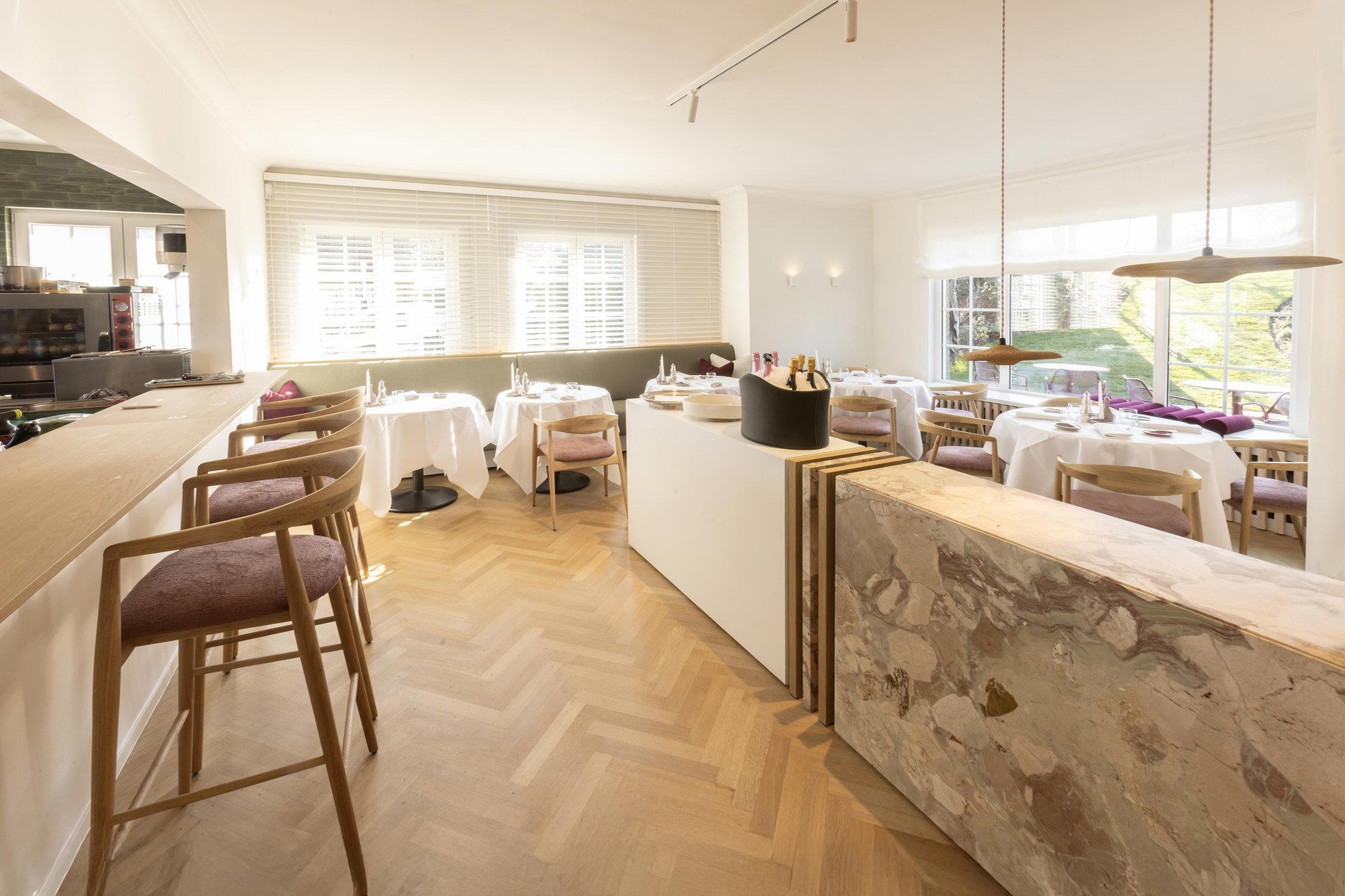
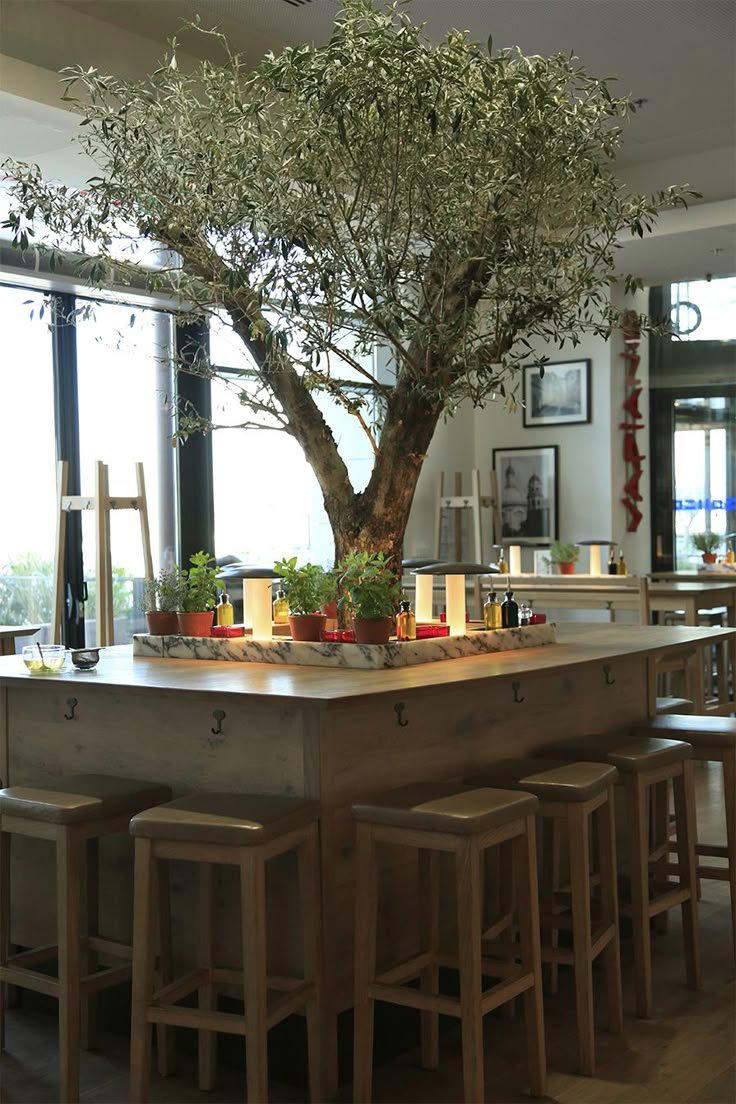
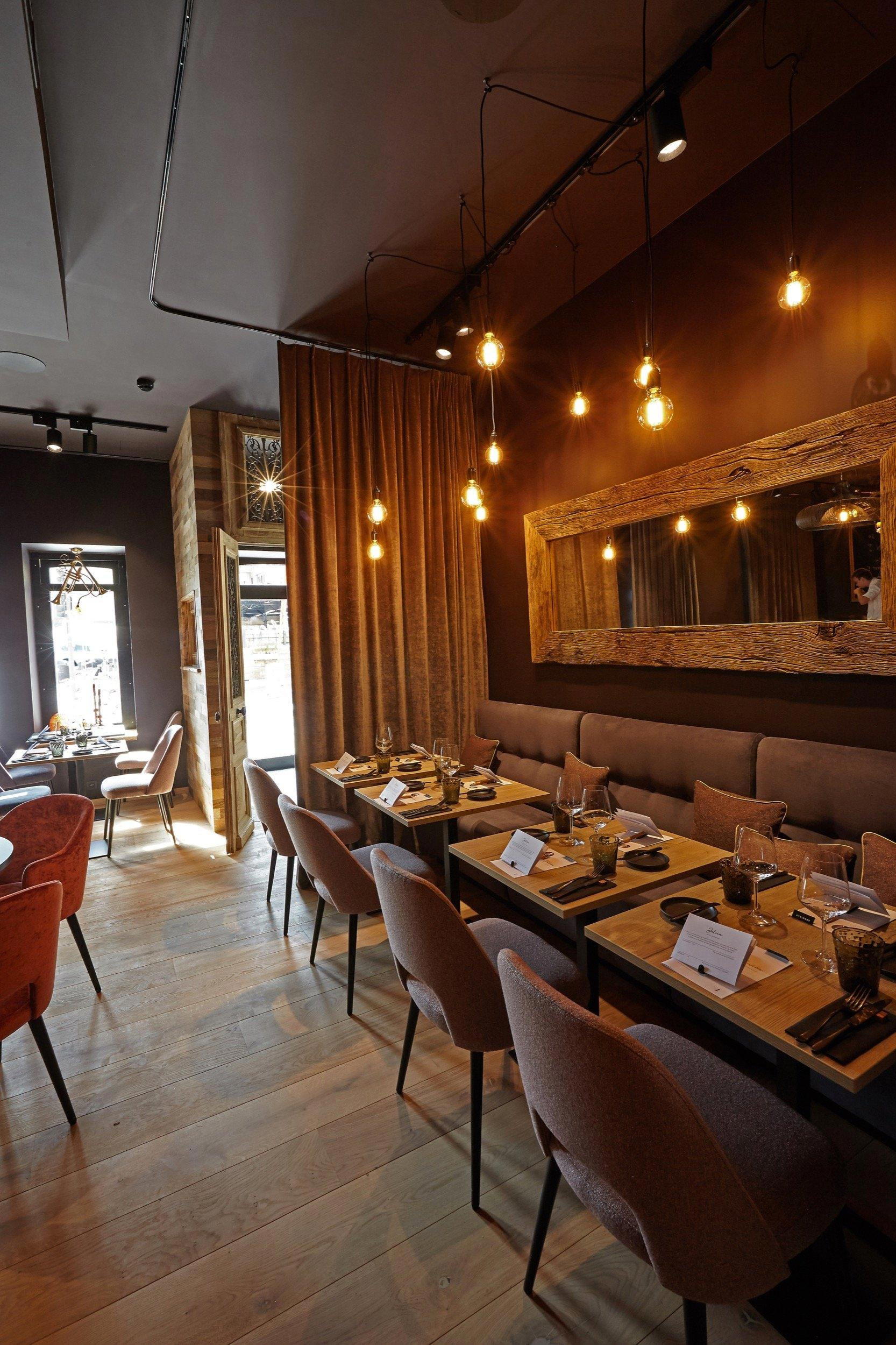
Hotels in Dunkirk
Browse all →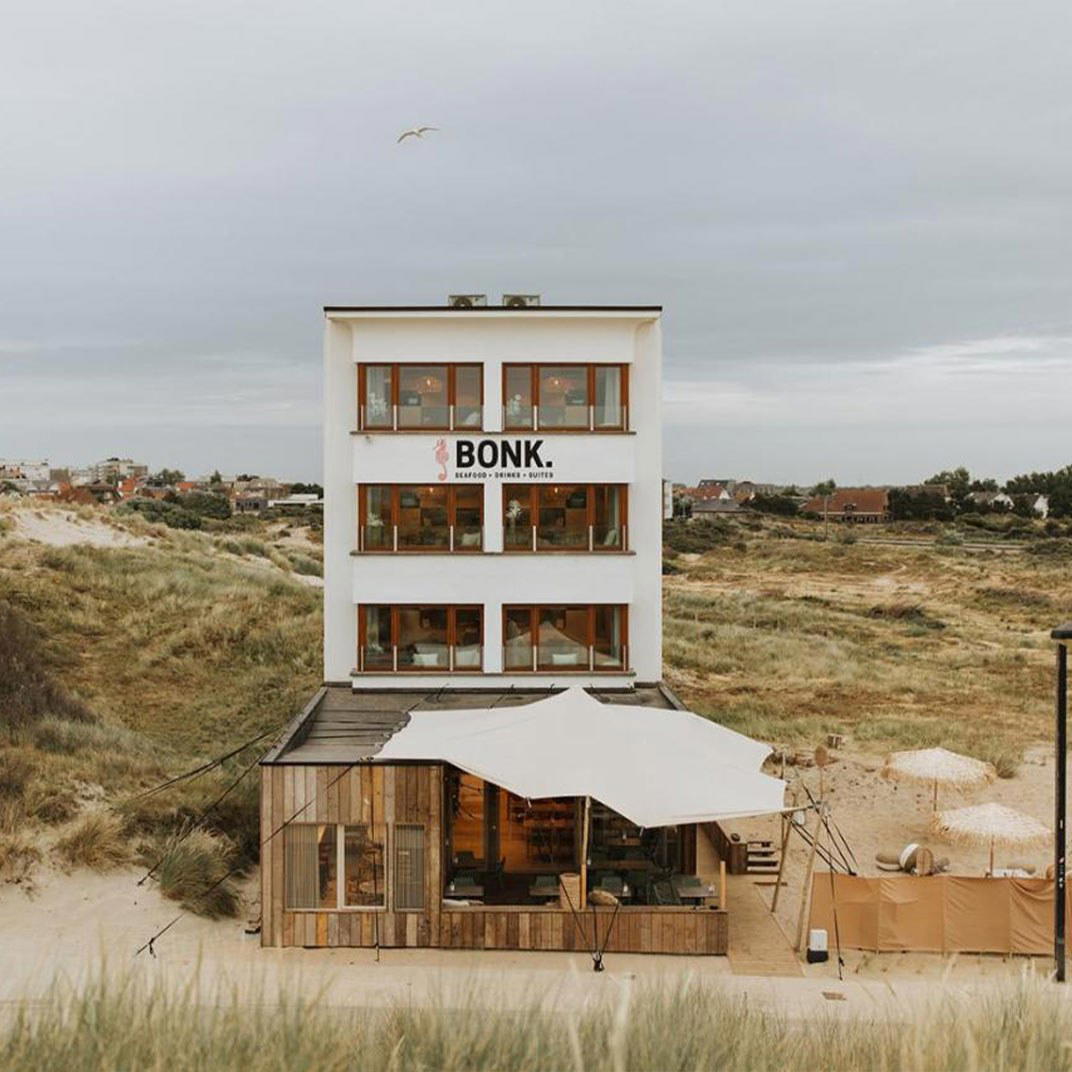
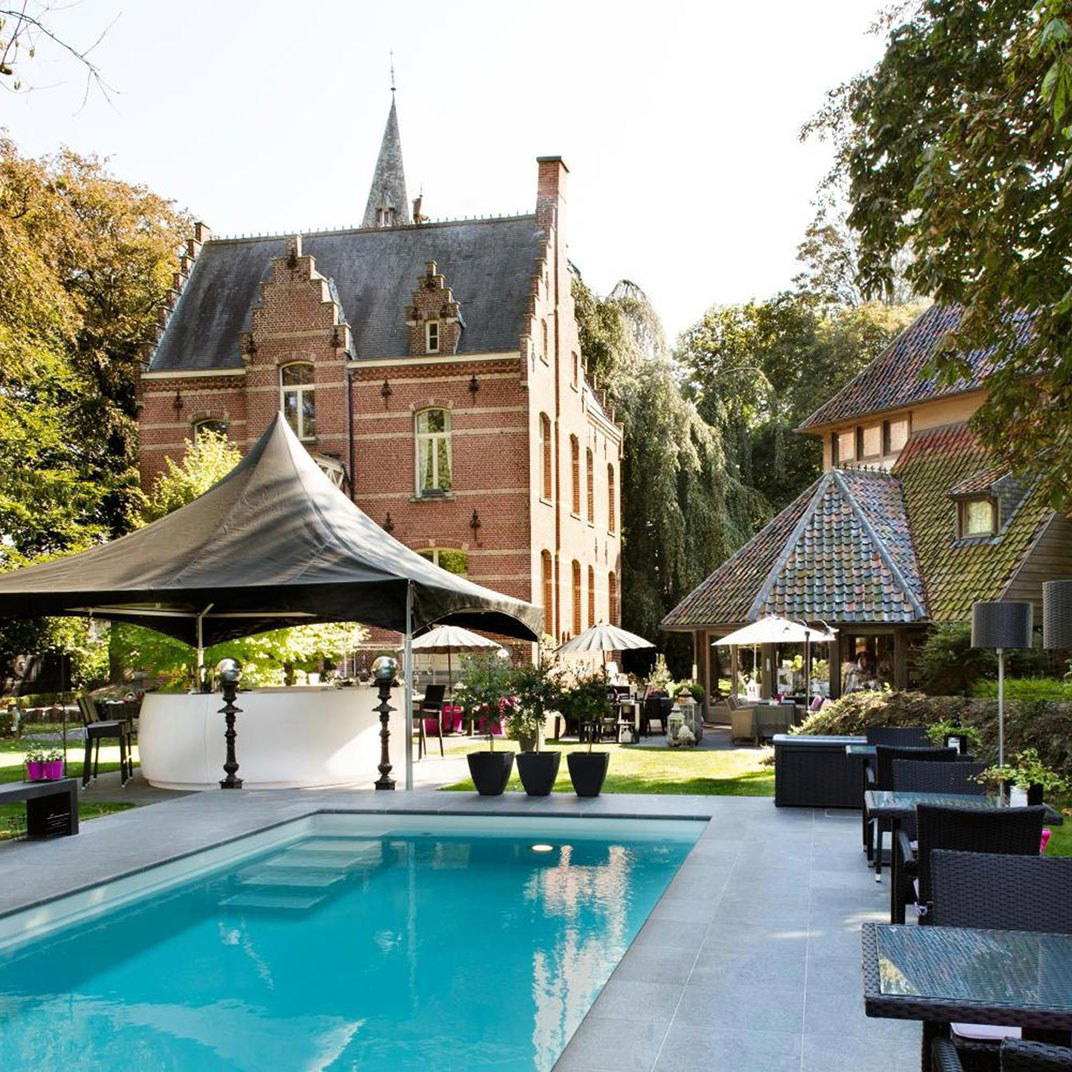
Wineries in Dunkirk
Browse all →
At a Glance
- Cozy
- Elegant
- Romantic
- Classic
- Date Night
- Family
- Celebration
- Special Occasion
- Terrace
- Private Dining
- Standalone
- Sommelier Led
- Farm To Table
- Local Sourcing
Current opening hours
- Monday
- Closed
- Tuesday
- 12–1:15 PM, 7–9:15 PM
- Wednesday
- 12–1:15 PM
- Thursday
- 12–1:15 PM, 7–9:15 PM
- Friday
- 12–1:15 PM, 7–9:15 PM
- Saturday
- 12–1:15 PM, 7–9:15 PM
- Sunday
- Closed
Hours can change for holidays and private events. Last verified .
Warm, bright, and tastefully decorated modern family setting with simple elegant decor, tables spaced apart, and a welcoming atmosphere that balances sophistication with unpretentiousness.