Arnaud's New Orleans
Our verdict
One of the French Quarter's oldest dining institutions, Arnaud's has anchored Creole cooking on Bienville Street since 1918. The dining rooms move at different speeds depending on the hour: leisurely jazz brunch by day, more formal Creole tradition after dark. Either way, the room itself — gas-lit, tile-floored, draped in century-old atmosphere — does a great deal of the work.

Pearl is the En Primeur Club membership app — saves, bookings, and concierge access live there. Same editors, same standards.
- Address
- 813 Bienville St, New Orleans, LA 70112
- Phone
- (504) 523-5433
- Hours
- Mon–Thu 5:30–9 PMFri 11:30 AM–1:30 PM, 5:30–9 PMSat 5:30–9 PMSun 10 AM–1:30 PM
- Website
- arnaudsrestaurant.com
- Directions
- Get directions
- Booking
- Book on OpenTable
The menu
What to order
- Shrimp Arnaud
- Oysters Arnaud
- Turtle Soup
A Room That Sets the Terms Before You Sit Down
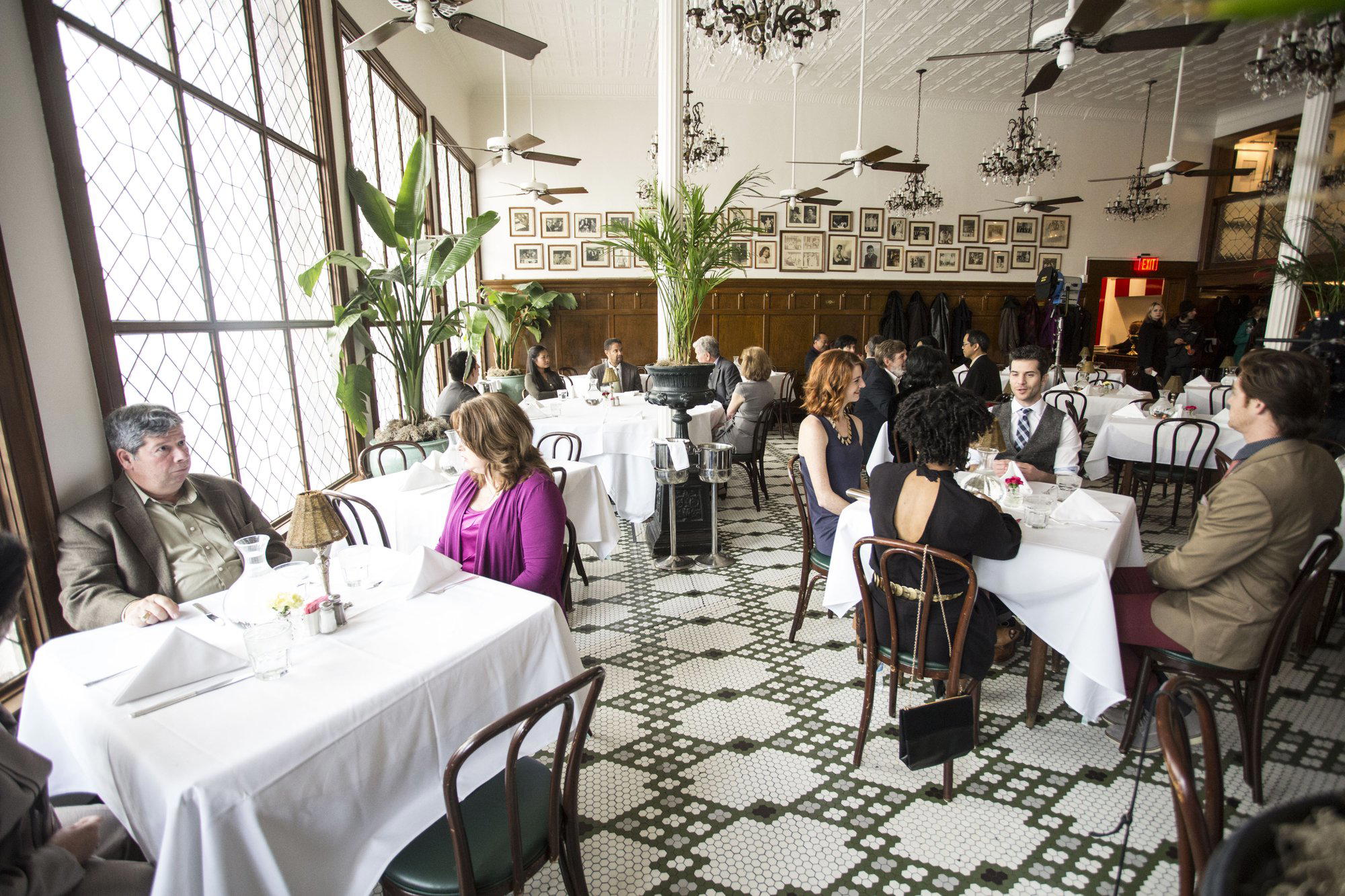
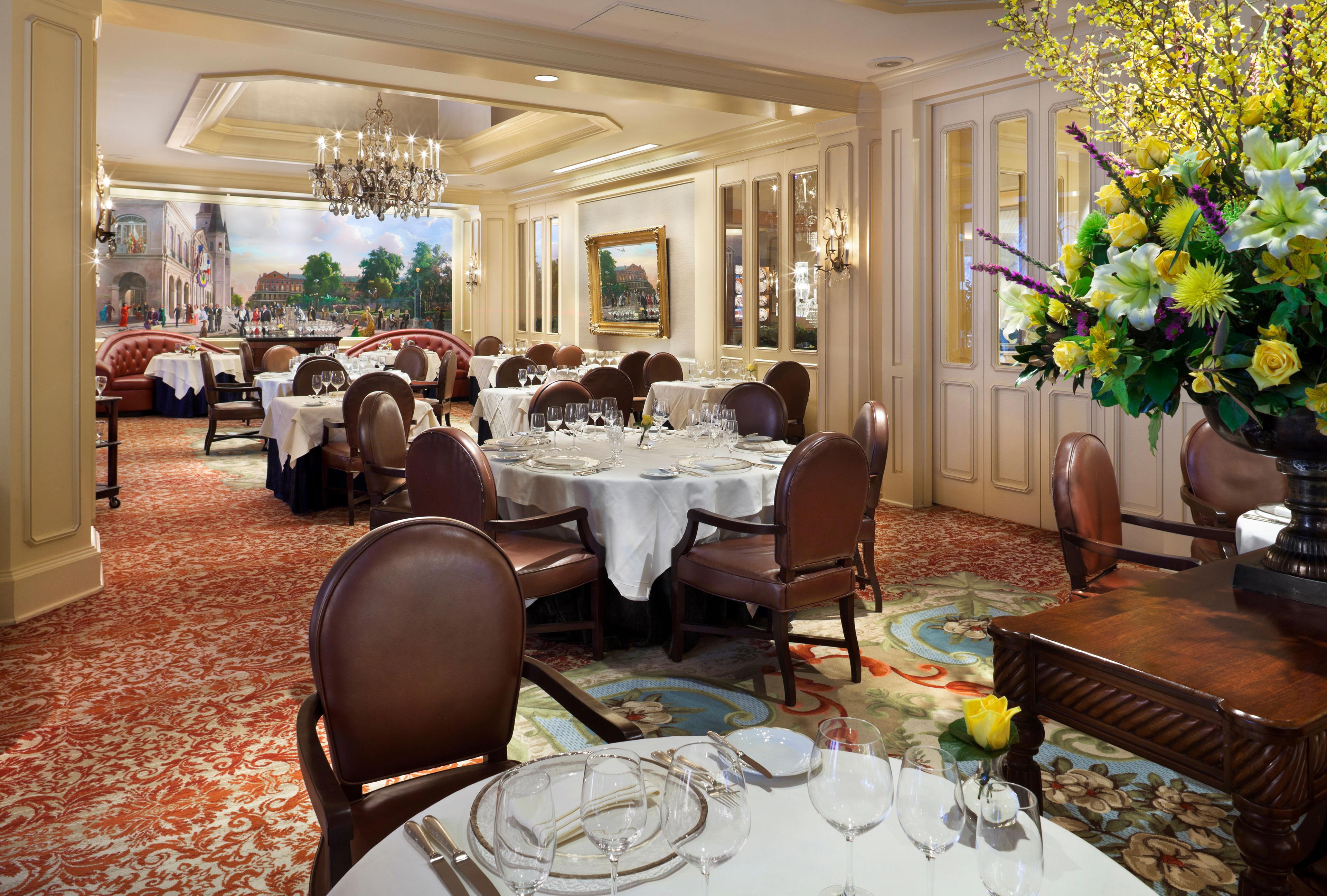
Walk into Arnaud's on Bienville Street in the French Quarter and the building does something most modern restaurants cannot: it makes the argument for itself through architecture alone. The pressed-tin ceilings, the stained glass, the mosaic tile floors worn smooth over a century of service — these are not decorative choices made by a designer. They are the accumulated residue of time. Arnaud's opened in 1918, and the dining room carries that age without apology. In a city where culinary heritage is currency, that kind of physical continuity matters. It places the restaurant in a peer group defined not by price point or tasting-menu format, but by institutional weight.
New Orleans has several dining institutions that operate in this register — places where the room and the tradition are inseparable from the food. Emeril's brought Cajun cooking into a more modern idiom; Commander's Palace built its reputation on white-tablecloth Creole with a jazz brunch format that has been copied across the city. Arnaud's sits in this same tier, though its disposition runs older and more formal than most of its peers. The comparison point is less the contemporary Re Santi e Leoni or the seasonal American confidence of Bayona and more the idea of a Creole grand dame that has outlasted every trend since Prohibition.
The Lunch and Dinner Divide
Few restaurants in New Orleans split more clearly along the lunch-versus-dinner axis than Arnaud's, and understanding that divide is the most useful thing a first-time visitor can know before booking.
Daytime service at Arnaud's is anchored by the jazz brunch, a format that has become one of the more reliable expressions of the New Orleans Sunday ritual. The mood during brunch is relaxed in a way that the evening room is not: the music runs live, the light filters in gently, and the format allows for lingering over courses without the formal rhythm of a dinner service. Brunch also tends to represent a more accessible entry point into the Arnaud's experience, both in pacing and in the way it draws a broader cross-section of guests, locals celebrating alongside visitors who have made the pilgrimage specifically for this format. Among the New Orleans restaurants that practice the jazz brunch tradition, Arnaud's version is among the most architecturally appropriate: the room was built for exactly this kind of unhurried, high-ceilinged occasion.
Dinner shifts the register considerably. The evening service at Arnaud's reads more formally, closer to the white-tablecloth Creole tradition that defined New Orleans fine dining through most of the twentieth century. The rhythm is slower and more deliberate, the room darker and quieter. Where brunch at Arnaud's can feel celebratory and communal, dinner tilts toward occasion dining, anniversaries, pre-theatre meals, the kind of evening where guests dress for the room rather than the other way around. For visitors who want to experience the French Quarter's older, more ceremonial dining culture, the dinner service provides a more unfiltered version of it. For those who want the history and the atmosphere without the full formality, the jazz brunch is the shrewder call.
This lunch-dinner split is not unusual for New Orleans institutions. The city's dining culture has long accommodated both registers simultaneously, and the leading restaurants here know how to modulate between them. What makes Arnaud's interesting in this context is that neither service feels like an afterthought. The brunch is not a casual concession to weekend traffic, and the dinner is not a relic maintained for nostalgia's sake. Both carry conviction.
Creole cuisine occupies a specific and frequently misunderstood position in American cooking. It is not Cajun, though the two traditions share ingredients and geography. Creole cooking developed in the city itself, drawing on French, Spanish, African, and Caribbean influences in a way that produced dishes with more urban refinement and greater complexity of sauce than the rural Cajun tradition. At a restaurant like Arnaud's, that distinction is embedded in the menu logic: the sauces are richer, the preparations more structured, the lineage more explicitly French than in the bayou-derived cooking that Emeril's helped bring to national attention in the 1990s.
Against the broader context of American fine dining, Arnaud's operates in a different register from the tasting-menu-driven restaurants that define the upper tier of cities like New York, San Francisco, and Chicago. Le Bernardin in New York City, Lazy Bear in San Francisco, and Smyth in Chicago are all built around highly controlled, sequenced tasting formats. Arnaud's does not compete in that category. That is not a criticism. It is a category distinction, and Arnaud's makes sense precisely because it is not trying to be those places. Restaurants like Addison in San Diego, Providence in Los Angeles, Blue Hill at Stone Barns in Tarrytown, and The Inn at Little Washington each carry regional institutional authority in their own markets. Arnaud's holds that same position for New Orleans.
For visitors weighing their options in the French Quarter, it is useful to know where Arnaud's sits relative to the city's newer generation. Saint-Germain and Zasu represent the more contemporary end of the New Orleans dining spectrum. Frasca Food and Wine in Boulder offers a useful parallel from outside the city: a restaurant where institutional depth and regional identity do more work than chef-driven innovation. Atelier Moessmer Norbert Niederkofler in Brunico represents the opposite pole entirely, a restaurant where the personal vision of a chef is the primary argument. Arnaud's argues from tradition, not from individual personality, and that distinction shapes everything from the menu to the dress code to the way the room is laid out.
Planning Your Visit
Arnaud's sits at 813 Bienville Street in the French Quarter, close enough to the activity of Bourbon Street to be convenient but sufficiently removed to maintain a different temperature. For weekend jazz brunch, booking ahead is the sensible approach; the format draws consistent demand from both locals and visitors, and walk-in availability on Saturday or Sunday mornings cannot be assumed. Dinner reservations are advisable for the same reason, particularly during the city's festival seasons and around major event weekends, when hotel occupancy in the Quarter runs high and restaurant capacity tightens across the board. Visitors who want to see Arnaud's full range should consider attending both services on separate occasions rather than treating it as a single-visit decision. For further context on where Arnaud's fits among the city's dining options, see our full New Orleans restaurants guide.
Frequently asked questions
What's the address for Arnaud's New Orleans?
Arnaud's New Orleans is located at 813 Bienville St, New Orleans, LA 70112, New Orleans.
How long has Arnaud's been open in the French Quarter, and what does that continuity mean for the dining experience?
Arnaud's has operated on Bienville Street in New Orleans since 1918, placing it among a small number of American restaurants with more than a century of continuous service in a single location. That duration is not merely historical decoration: the dining rooms, service cadence, and menu vocabulary reflect a Creole tradition maintained across multiple ownership generations rather than reconstructed for nostalgia. Dining there is as close as New Orleans gets to experiencing the city's grand restaurant culture in its original architectural and culinary context.
What's the must-try dish at Arnaud's New Orleans?
Arnaud's has anchored its reputation on classic Creole preparations, with shrimp Arnaud and oysters Bienville among the dishes most closely associated with the house. Both trace back to the restaurant's French Quarter origins and appear consistently across decades of editorial coverage. Specific menu availability changes seasonally, so confirming current offerings directly with the restaurant before your visit is advisable.
Do I need a reservation for Arnaud's New Orleans?
For dinner, a reservation is strongly advisable, particularly on weekends and during New Orleans festival seasons when the French Quarter operates at full capacity. The dining room at 813 Bienville Street accommodates large parties and private events, which can limit walk-in availability. Lunch tends to be more accessible, but booking ahead remains the safer approach for groups larger than two.
What's the defining dish or idea at Arnaud's New Orleans?
The defining idea at Arnaud's is Creole cooking presented within the formal register it occupied before that formality became rare in American dining. The kitchen works within a tradition that draws on French technique, Spanish influence, and Gulf Coast ingredients, distinct from Cajun cooking in its urban, sauce-forward character. Shrimp Arnaud, the house namesake dish, is the clearest expression of that identity on the plate.
Is Arnaud's New Orleans good for vegetarians?
Classic Creole cooking is built substantially around Gulf seafood, roux-based sauces, and meat proteins, which means Arnaud's menu architecture is not oriented toward vegetarian dining. Vegetarians can typically find options, but they will be working against the grain of what the kitchen does at its strongest. Contacting the restaurant directly at 813 Bienville Street ahead of your visit gives the best picture of current accommodations.
Cuisine and Credentials
Comparable venues nearby, for context on price, style, and recognition.
| Venue | Cuisine | Price | Awards | Notes |
|---|---|---|---|---|
| Arnaud's New OrleansThis venue — the venue you are viewing | Classic Louisiana Creole | $50–100 | Not listed | Not listed |
| Le Salon | Traditional Afternoon Tea | $50–100 | Not listed | Central Business District |
| Pelican Club | Modern Creole Fine Dining | $50–100 | Wine Spectator Award of Excellence | French Quarter |
| Couvant | French-Southern Brasserie | Not listed | Not listed | Central Business District |
| Seaworthy | Modern Seafood Oyster Bar | $50–100 | Not listed | Arts District |
| Le Moyne Bistro | Modern French Bistro with New Orleans Influence | $50–100 | Wine Enthusiast Best Wine Restaurants | Warehouse District |
Continue exploring
More in New Orleans
Restaurants in New Orleans
Browse all →
Bars in New Orleans
Browse all →
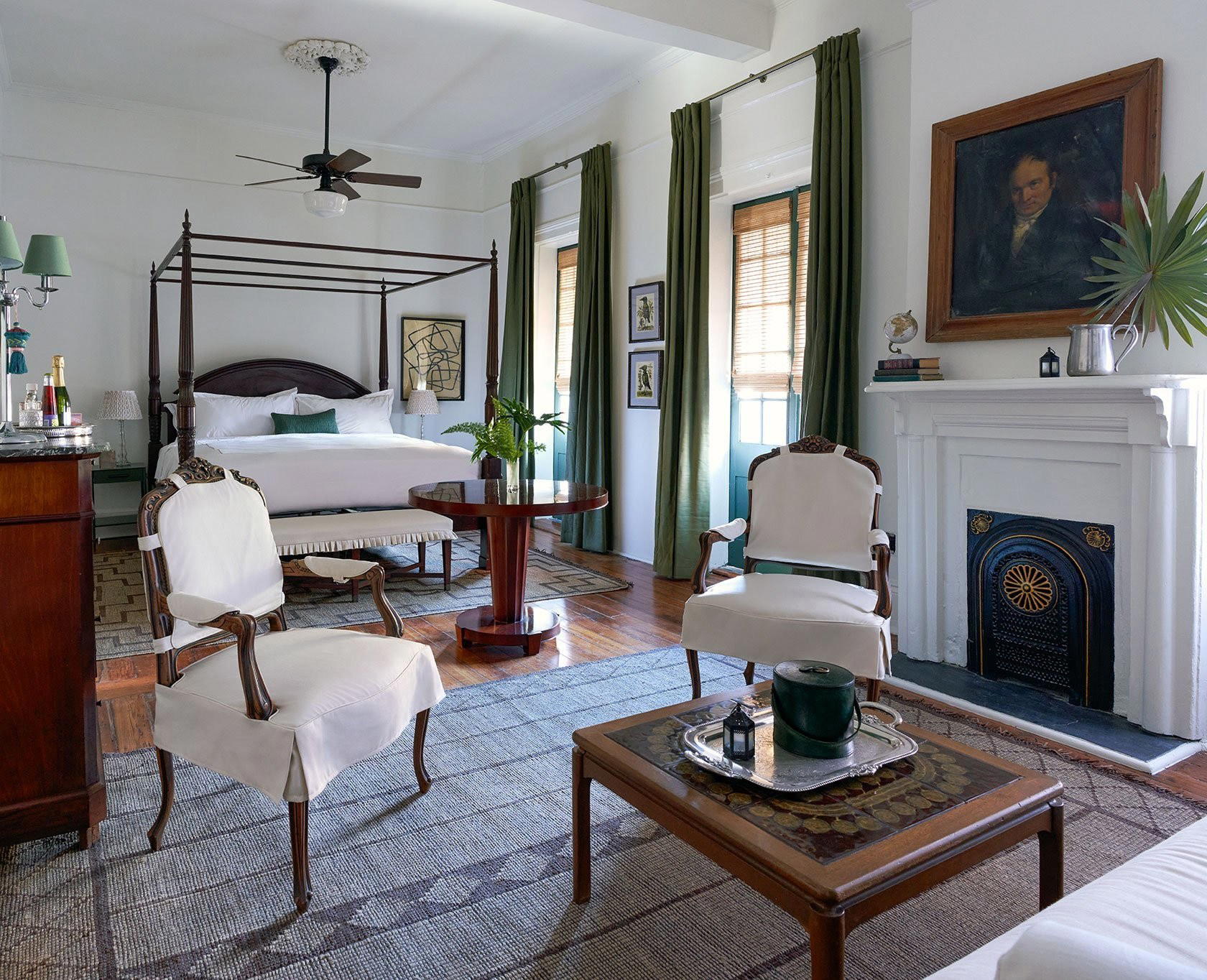
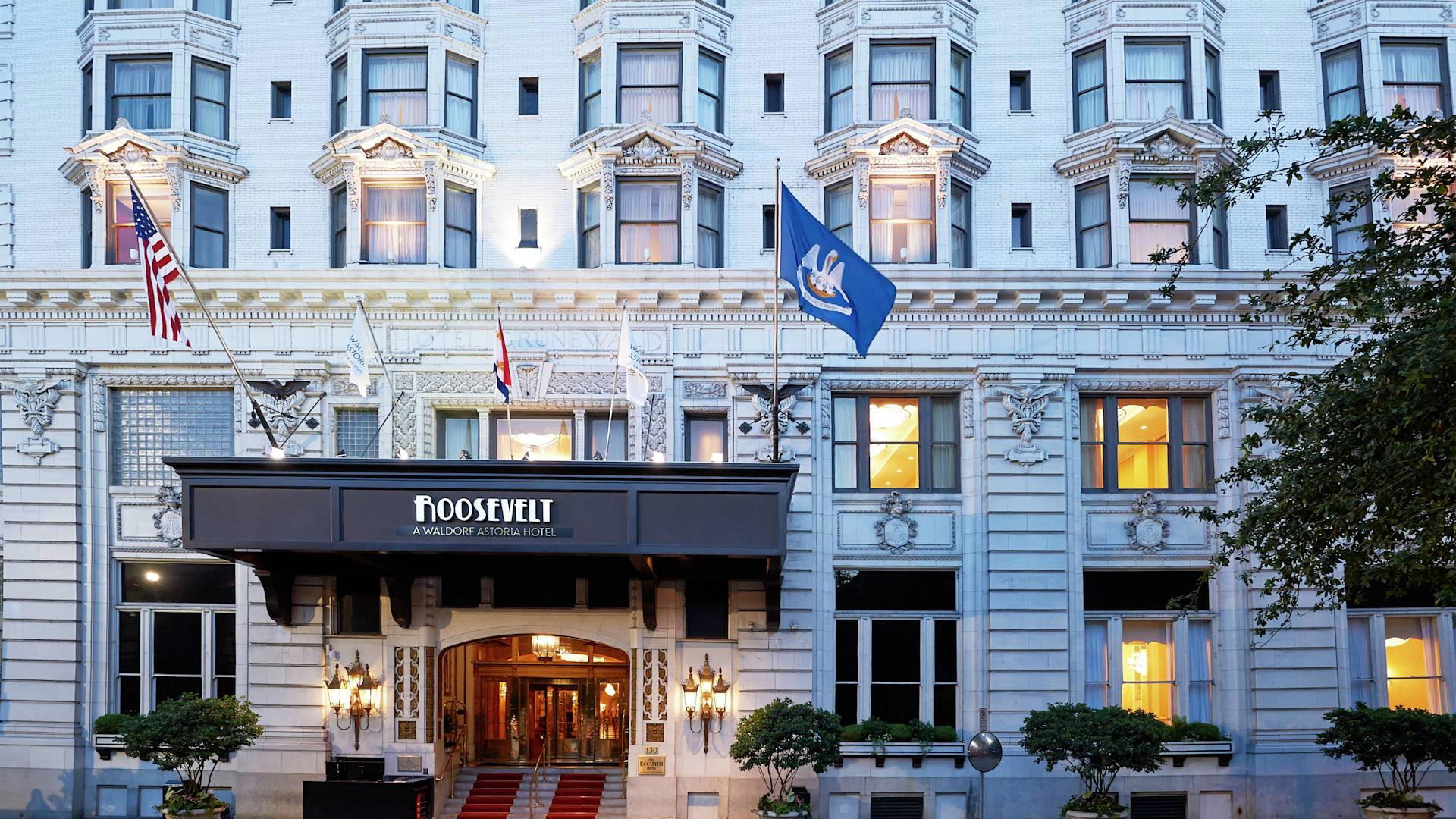
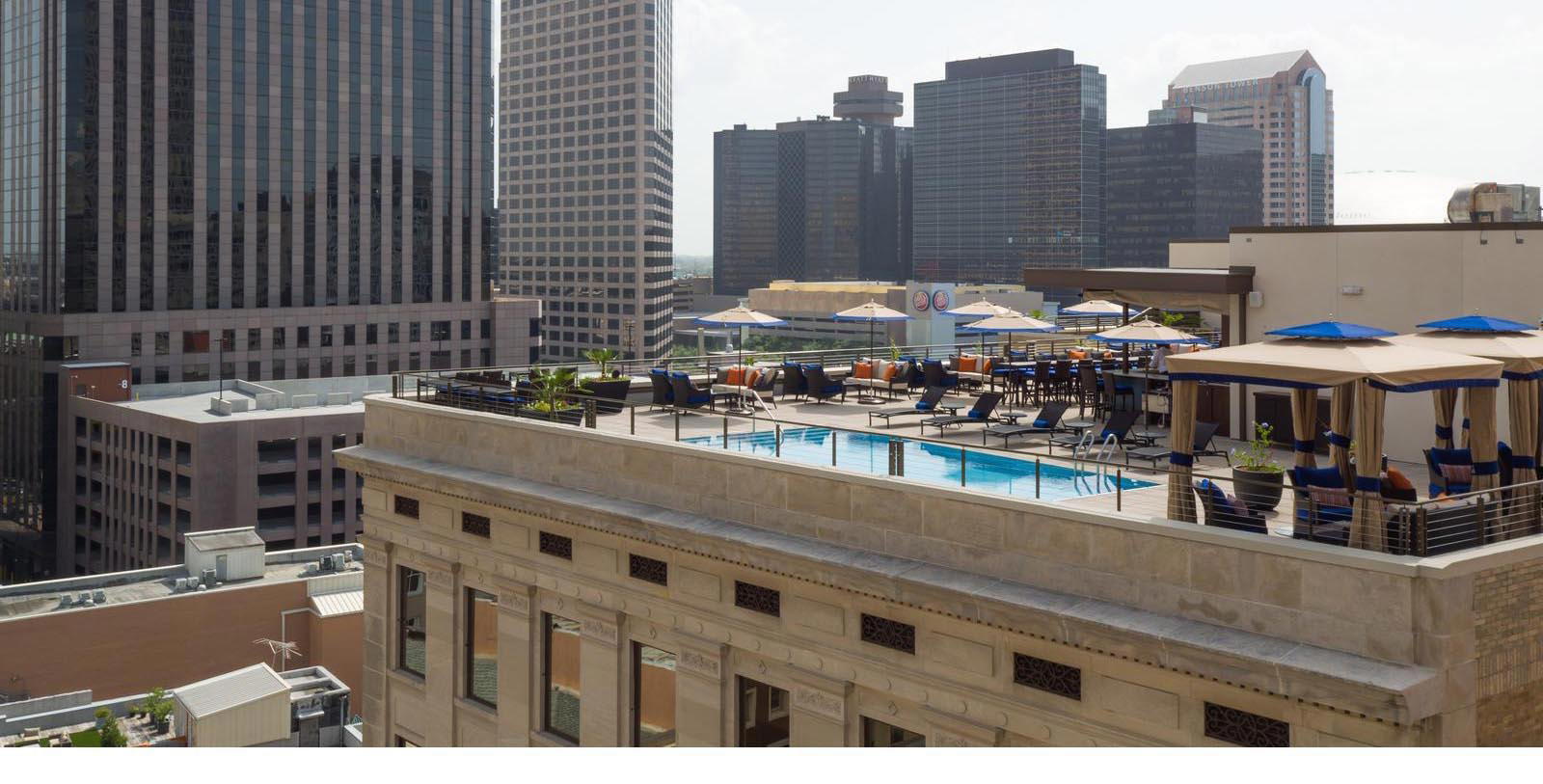
Arnaud's New Orleans
The wine
- Wine program
- Curated wine list
- Craft cocktails
Details
- Classic
- Elegant
- Well Known
- Sophisticated
- Special Occasion
- Celebration
- Date Night
- Historic Building
- Live Music
- Craft Cocktails
- Local Sourcing
- Street Scene
- A La Carte
- Prix Fixe
- Craft Cocktails
Current opening hours
- Monday
- 5:30–9 PM
- Tuesday
- 5:30–9 PM
- Wednesday
- 5:30–9 PM
- Thursday
- 5:30–9 PM
- Friday
- 11:30 AM–1:30 PM, 5:30–9 PM
- Saturday
- 5:30–9 PM
- Sunday
- 10 AM–1:30 PM
Hours can change for holidays and private events. Last verified .
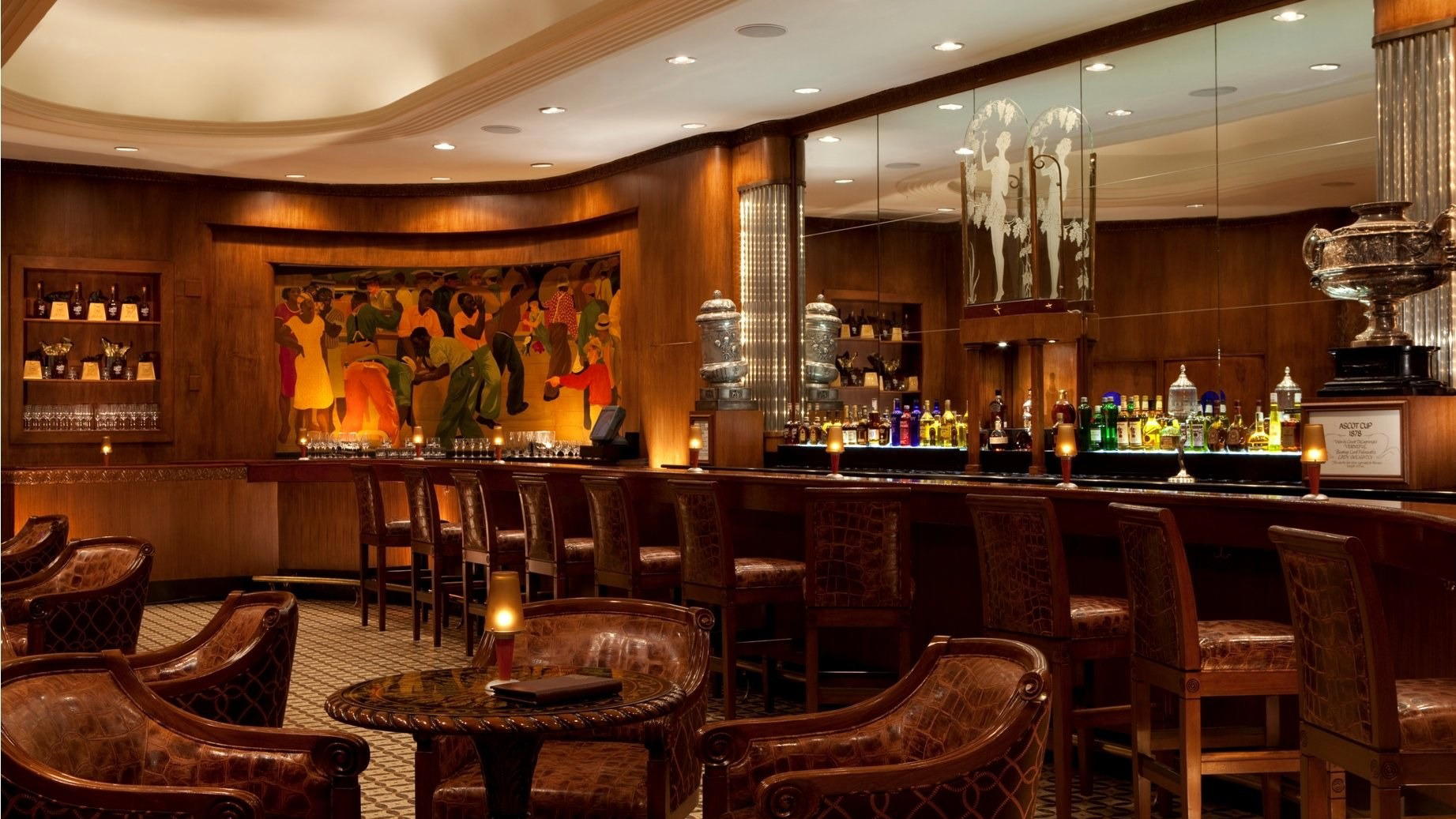
Timeless, chic setting with ornate décor, grand chandeliers, and rich wood paneling evoking elegance and charm.