DeBlaze at 131
On East Main Street in Carnegie, Pennsylvania, DeBlaze at 131 occupies a corner of Pittsburgh's southwestern suburbs where independent dining is quietly asserting itself against the city's more recognizable corridors. The kitchen works within a tradition of ingredient-conscious cooking that has taken hold in smaller American municipalities, where sourcing decisions carry as much weight as technique. Carnegie rewards the detour for those tracking where serious eating is moving beyond major urban centers.
Pearl is the En Primeur Club membership app — saves, bookings, and concierge access live there. Same editors, same standards.
- Address
- 131 E Main St, Carnegie, PA 15106
- Phone
- +14123197475
- Website
- deblazeat131.com
- Directions
- Get directions
 Saves & bookings on Pearl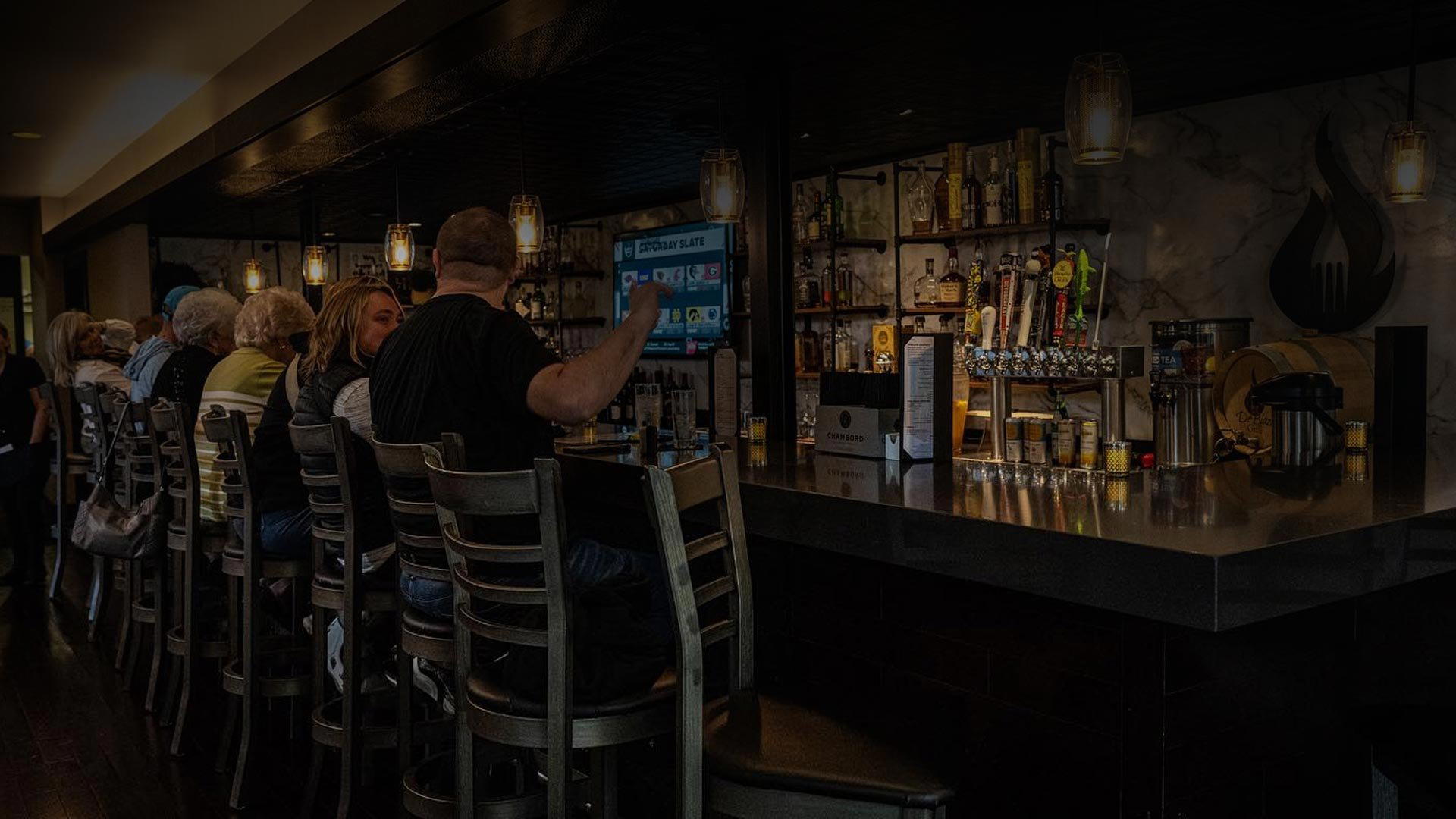
East Main Street and the Quiet Case for Suburban Seriousness
Carnegie, Pennsylvania sits roughly eight miles southwest of downtown Pittsburgh, close enough to draw from the city's dining culture but distinct enough to operate on its own terms. East Main Street, where DeBlaze at 131 occupies its address at number 131, runs through a borough that has been recalibrating its commercial identity for years. The pattern is recognizable across mid-sized American cities: a main street that once contracted finds a second act through independent food and drink operators who trade square footage and rent costs for community proximity and sourcing flexibility. DeBlaze at 131 fits that pattern, and the address itself signals something about intention. Restaurants that plant on a main street in a place like Carnegie are making a bet on neighborhood loyalty as much as destination traffic.
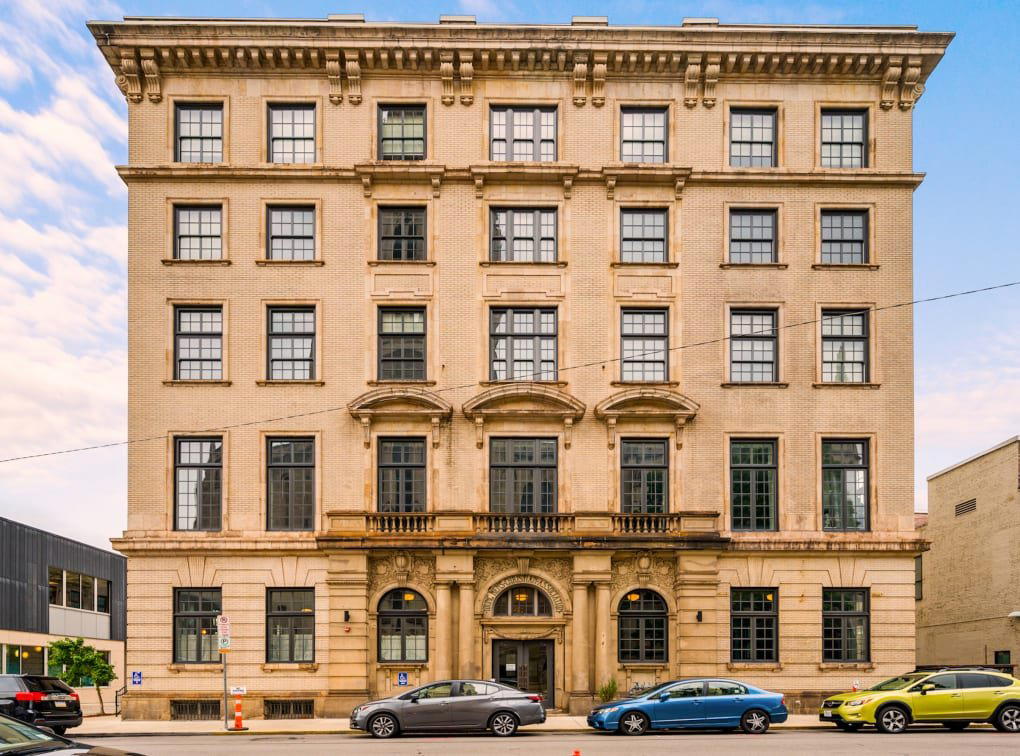
The physical approach matters here. East Main Street in Carnegie has the architectural texture of a working Pennsylvania borough: storefronts at street level, a scale that keeps things human, none of the high-polish anonymity of a purpose-built dining district. Walking toward number 131, the surrounding blocks read as context rather than competition. This is not a restaurant row. It is a single address making an argument on its own.
Ingredient Sourcing as the Editorial Frame
Across American dining at every price point, the conversation about sourcing has shifted from marketing language to operational expectation. At the premium end of the spectrum, kitchens like Blue Hill at Stone Barns in Tarrytown and Single Thread Farm in Healdsburg have made the farm-to-table supply chain the structural spine of the entire dining experience. At the civic end, places like Oyster Oyster in Washington, D.C. have built menus around hyper-local and regenerative sourcing as a point of difference. What these operations share is a recognition that where ingredients come from shapes what cooking can do, and that transparency about supply chains has become a form of credibility rather than a footnote.
Western Pennsylvania is not an obvious node in that conversation, but it has the raw materials to participate meaningfully. The region sits within reach of serious agricultural production in the broader tri-state area, with access to Appalachian foraging traditions, Pennsylvania livestock farming, and the freshwater resources of the Ohio River watershed. Kitchens that pay attention to those supply chains in this geography operate differently than kitchens that simply order from a broadline distributor. The distinction shows in the menu's seasonal responsiveness and in the specificity of what ends up on the plate.
DeBlaze at 131's presence on East Main Street positions it within a cohort of independent operators in secondary American markets that are taking sourcing seriously precisely because they cannot rely on the ambient credibility of a major dining district. In cities like Pittsburgh, particularly interesting eating has frequently happened at the edges, where operators make deliberate choices rather than default ones. Comparable moves in other metros produced places like The Wolf's Tailor in Denver and Frasca Food & Wine in Boulder, both of which built reputations in markets that required the work of destination dining to function.
The Pittsburgh Suburban Dining Context
Pittsburgh's dining geography is more distributed than in cities built around a single core. Neighborhoods like Lawrenceville, Squirrel Hill, and Shadyside have drawn editorial attention, but the pattern of serious independent cooking extending into boroughs like Carnegie reflects something broader about how Pittsburgh eats. The city's working-class roots and relatively low cost of entry for restaurant real estate have consistently allowed operators to open without the financial pressure that forces early compromise on sourcing or format. That structural advantage is visible in places like Carnegie, where a kitchen at 131 E Main St can make choices that a comparable operator in a higher-rent urban corridor might defer.
The American restaurants that have earned sustained critical attention, from Smyth in Chicago to Addison in San Diego to Bacchanalia in Atlanta, share a commitment to operating with deliberate specificity rather than broad-market appeal. Ingredient sourcing, seasonal discipline, and a defined point of view on what the kitchen is doing and why it is doing it are the common threads. The restaurant operates in a smaller market with fewer external validators, which means that its reputation is built incrementally on repeat local traffic and word-of-mouth rather than on award cycles or press visits from national publications. That is not a weakness. It is a different kind of accountability.
Planning Your Visit
Carnegie is accessible from Pittsburgh by car in under twenty minutes from most central neighborhoods, and the borough has street parking along East Main Street. For visitors coming from further, Pittsburgh International Airport is the logical entry point, with Carnegie sitting closer to the airport than downtown Pittsburgh by road distance. Restaurants at this scale in secondary markets often operate on schedules that prioritize local regulars, and arrival without confirmation is a risk worth avoiding.
The broader Pittsburgh dining itinerary for visitors who include Carnegie should account for the metro's spread. For comparative reference across American markets where sourcing-led kitchens have built track records, the EP Club profiles on Providence in Los Angeles, Lazy Bear in San Francisco, Le Bernardin in New York City, Emeril's in New Orleans, The Inn at Little Washington, ITAMAE in Miami, Atomix in New York City, The French Laundry in Napa, and Atelier Moessmer Norbert Niederkofler in Brunico offer useful calibration across price tiers and geographies.
How It Stacks Up
Comparable venues nearby, for context on price, style, and recognition.
| Venue | Cuisine | Price | Notes |
|---|---|---|---|
| DeBlaze at 131This venue — the venue you are viewing | Italian Steakhouse | $$ | Not listed |
| LA Dolce Vita | Traditional Italian Trattoria | $$ | South Side Slopes |
| Lucca Ristorante | Italian Trattoria | $$$ | Bellefield |
| Talia | Modern Italian Rosticceria | $$ | Central Business District |
| Frick Park Tavern | American Gastropub | $$ | Swissvale |
| Breakneck Tavern | American with BBQ and Cajun | $$ | Mars |
At a Glance
- Lively
- Cozy
- Date Night
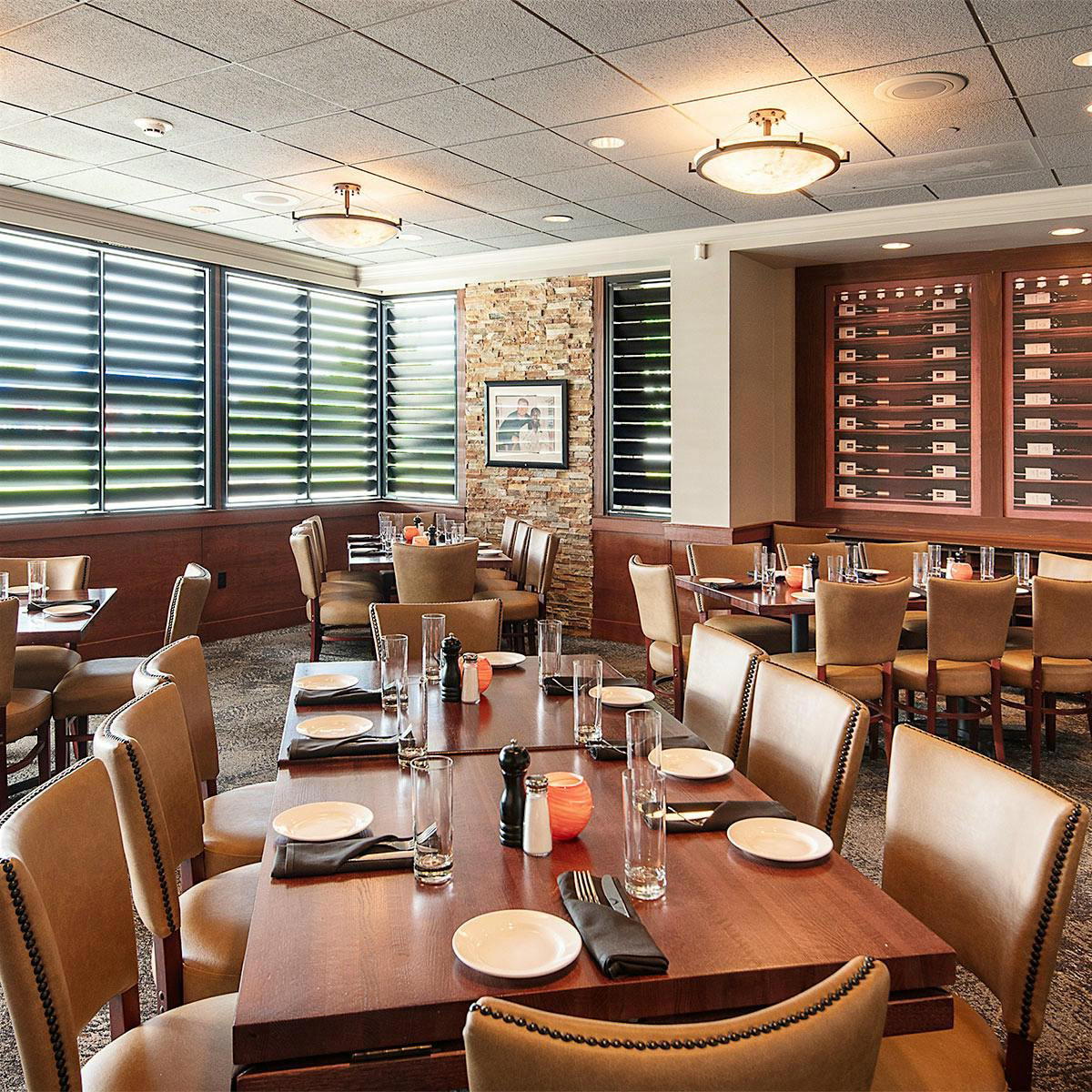
- Group Dining
- Family
- Live Music
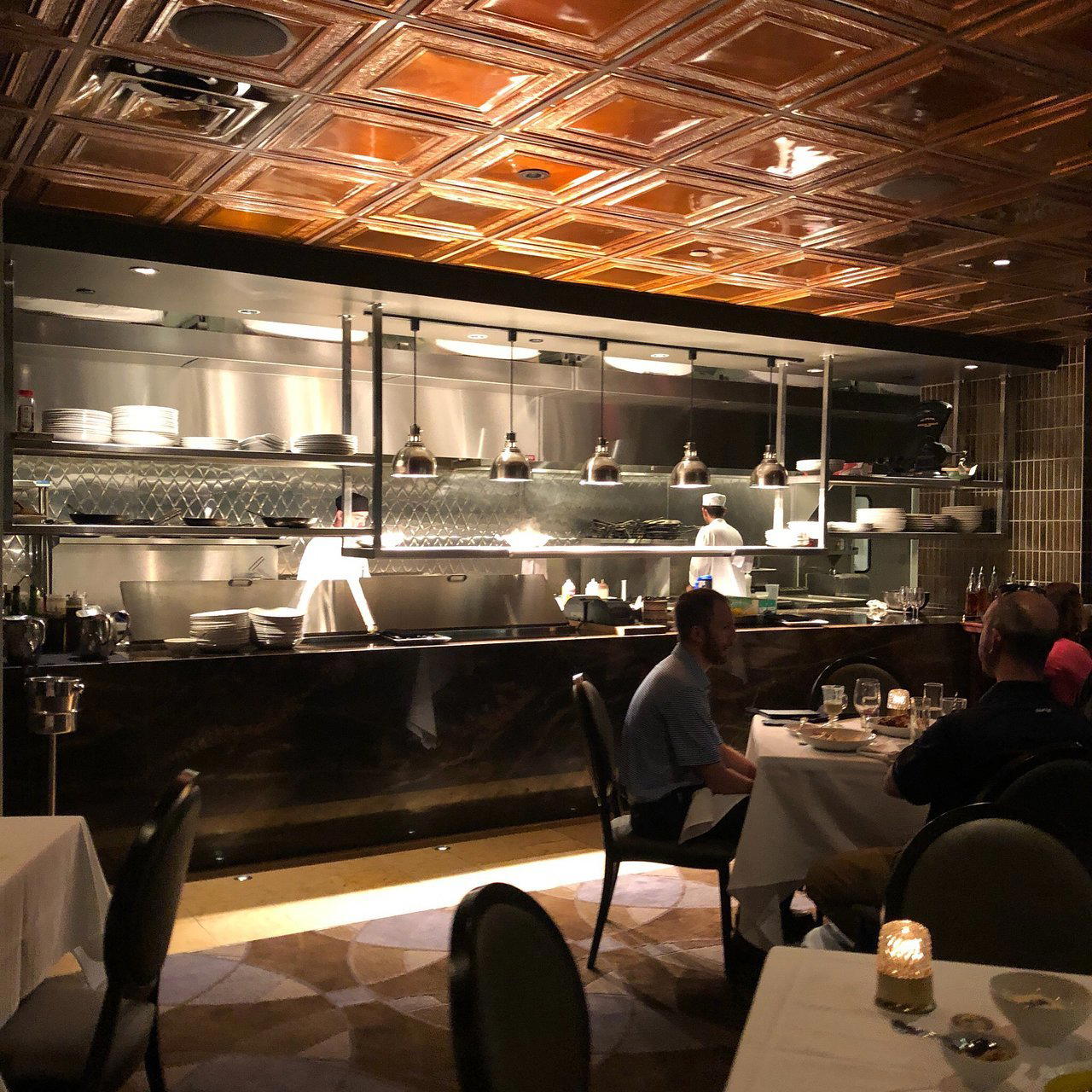
- Open Kitchen
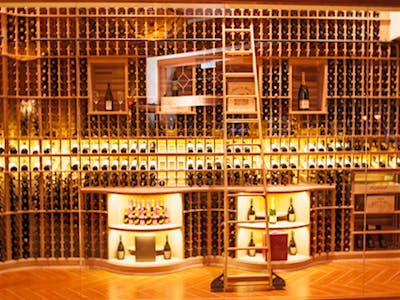
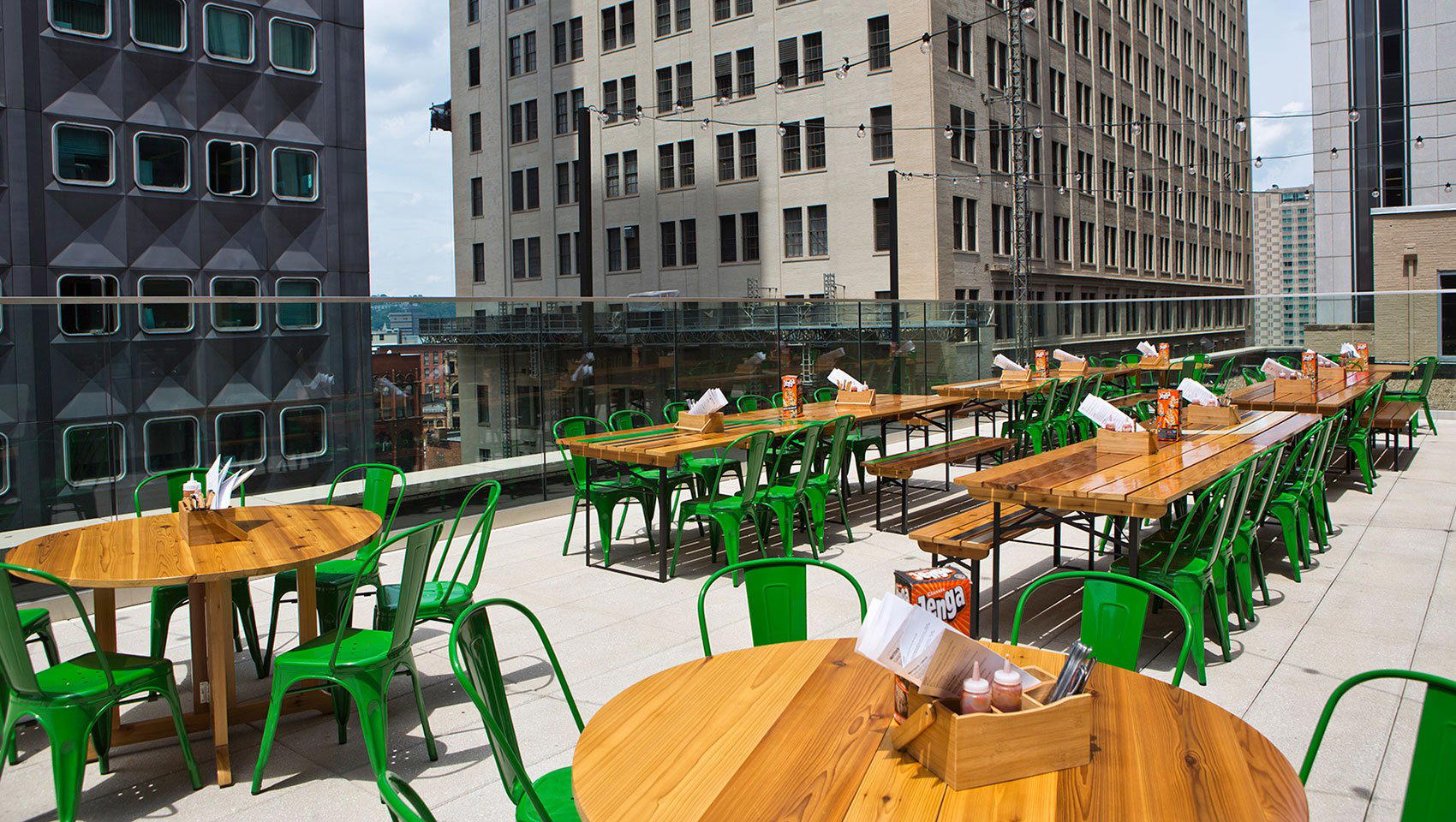
- Terrace
- Craft Cocktails
- Beer Program
- Local Sourcing
- Street Scene
Current opening hours
- Monday
- 11:30 AM–9 PM
- Tuesday
- 11:30 AM–9 PM
- Wednesday
- 11:30 AM–9 PM
- Thursday
- 11:30 AM–9 PM
- Friday
- 11:30 AM–10 PM
- Saturday
- 10 AM–10 PM
- Sunday
- 10 AM–7 PM
Hours can change for holidays and private events. Last verified .
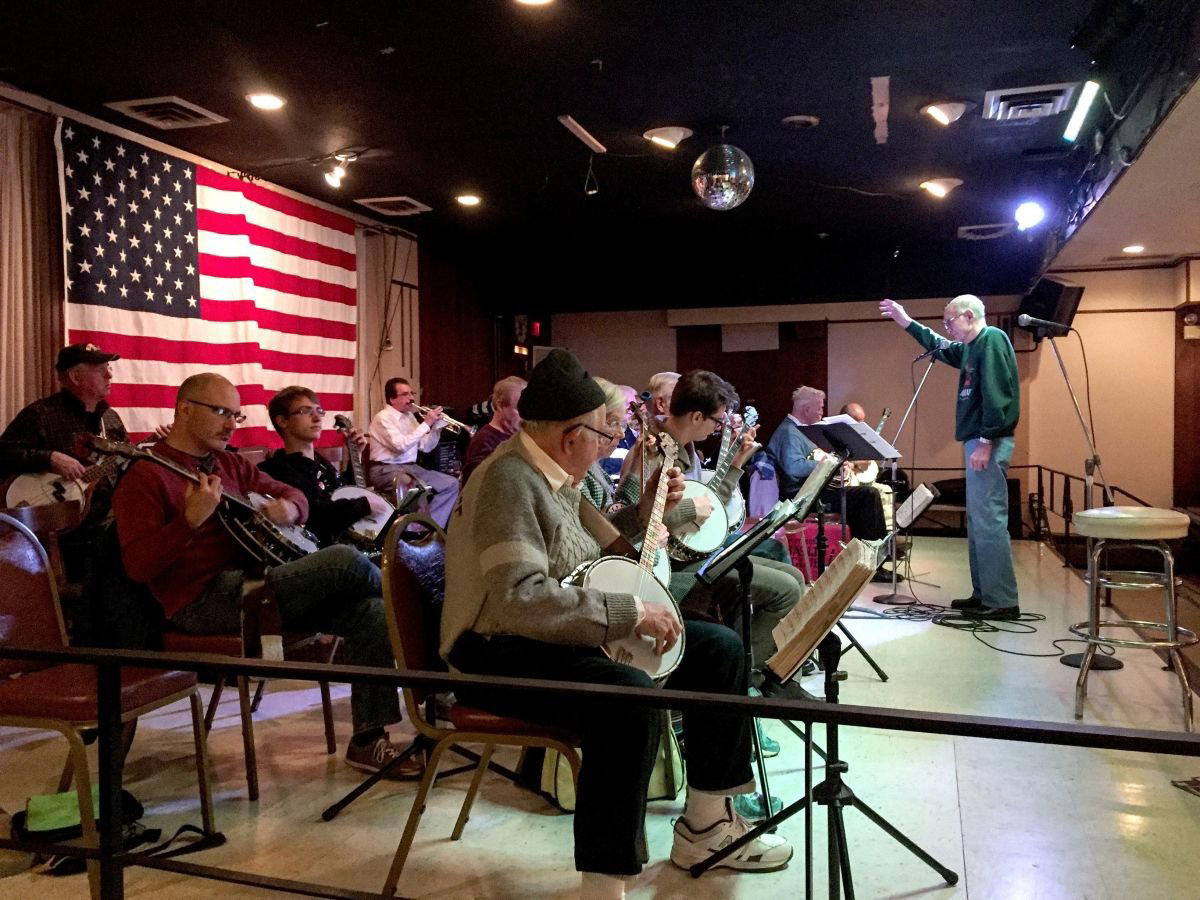
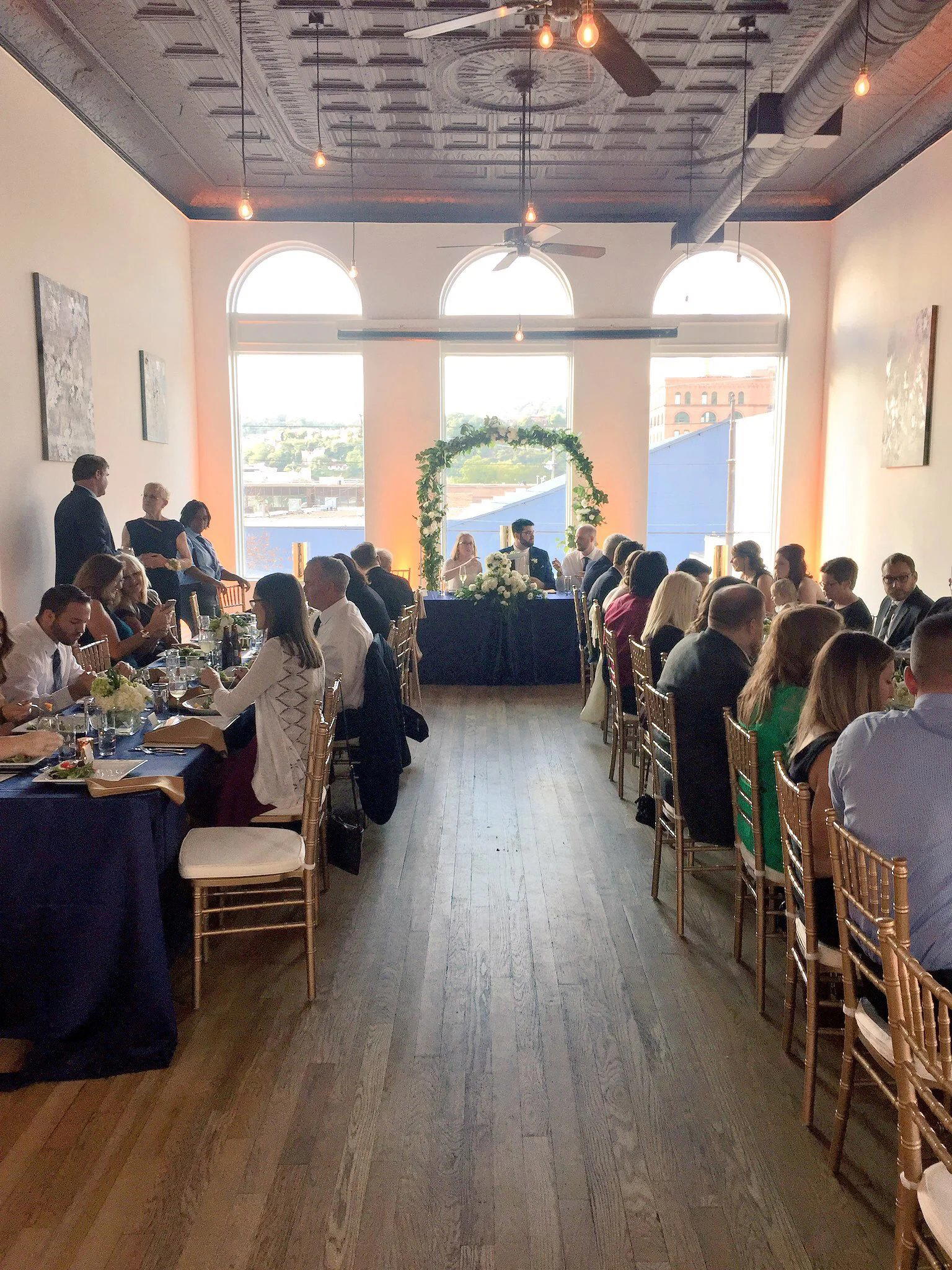
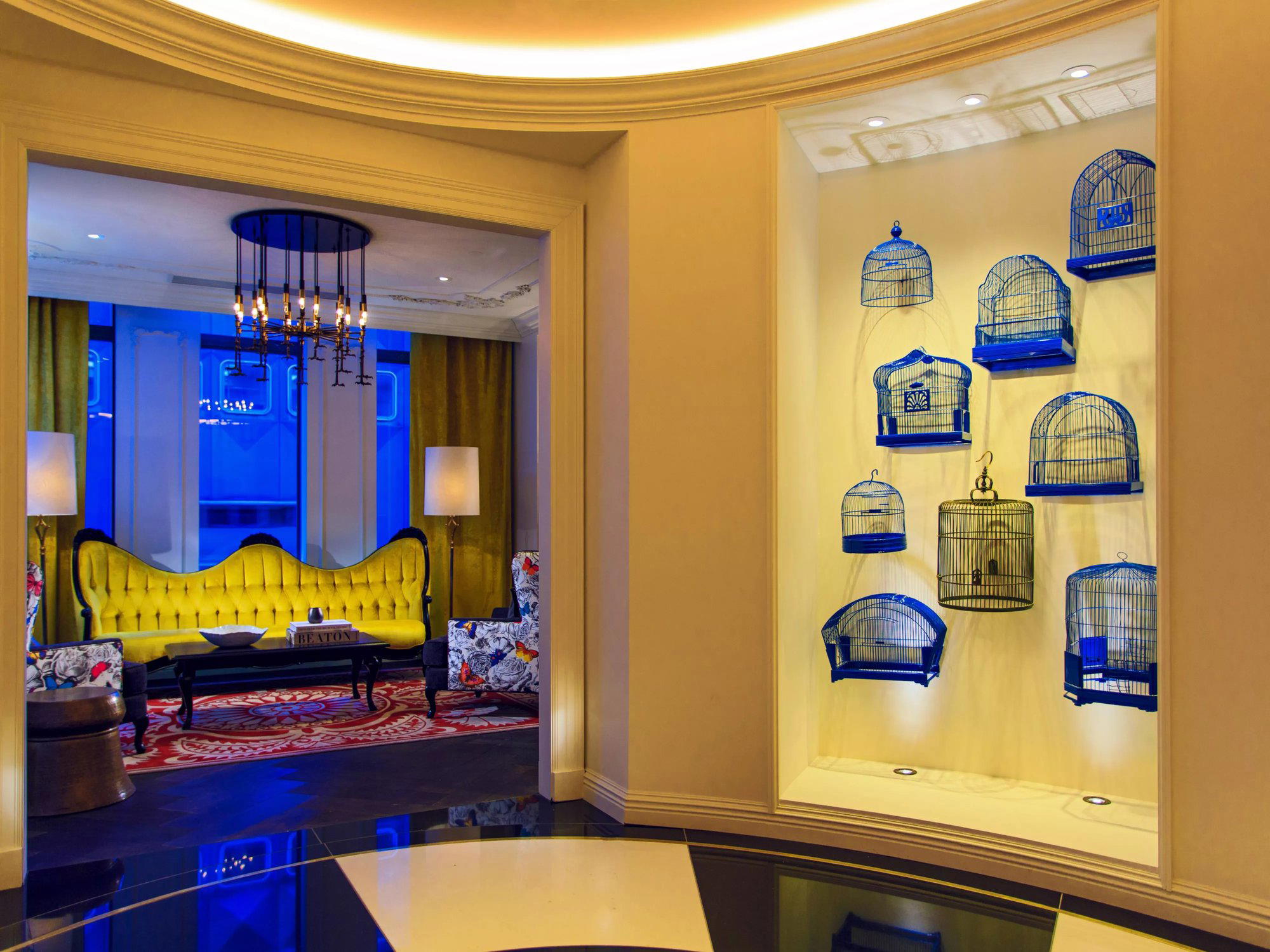
Lively atmosphere with balcony outdoor seating, attentive service, and a welcoming vibe enhanced by live music on weekends.