Arlecchino
Arlecchino gives Cape Town another Italian address in a city where the genre can swing from red-sauce comfort to regional cooking with sharper identity. Read it through that lens: not as a generic pasta stop, but as a place to assess how Roman directness, Tuscan restraint, Neapolitan generosity, and Milanese polish translate at the southern tip of Africa.
Pearl is the En Primeur Club membership app — saves, bookings, and concierge access live there. Same editors, same standards.
- Address
- Cape Town, South Africa
- Website
- arlecchino.co
- Directions
- Get directions
 Saves & bookings on Pearl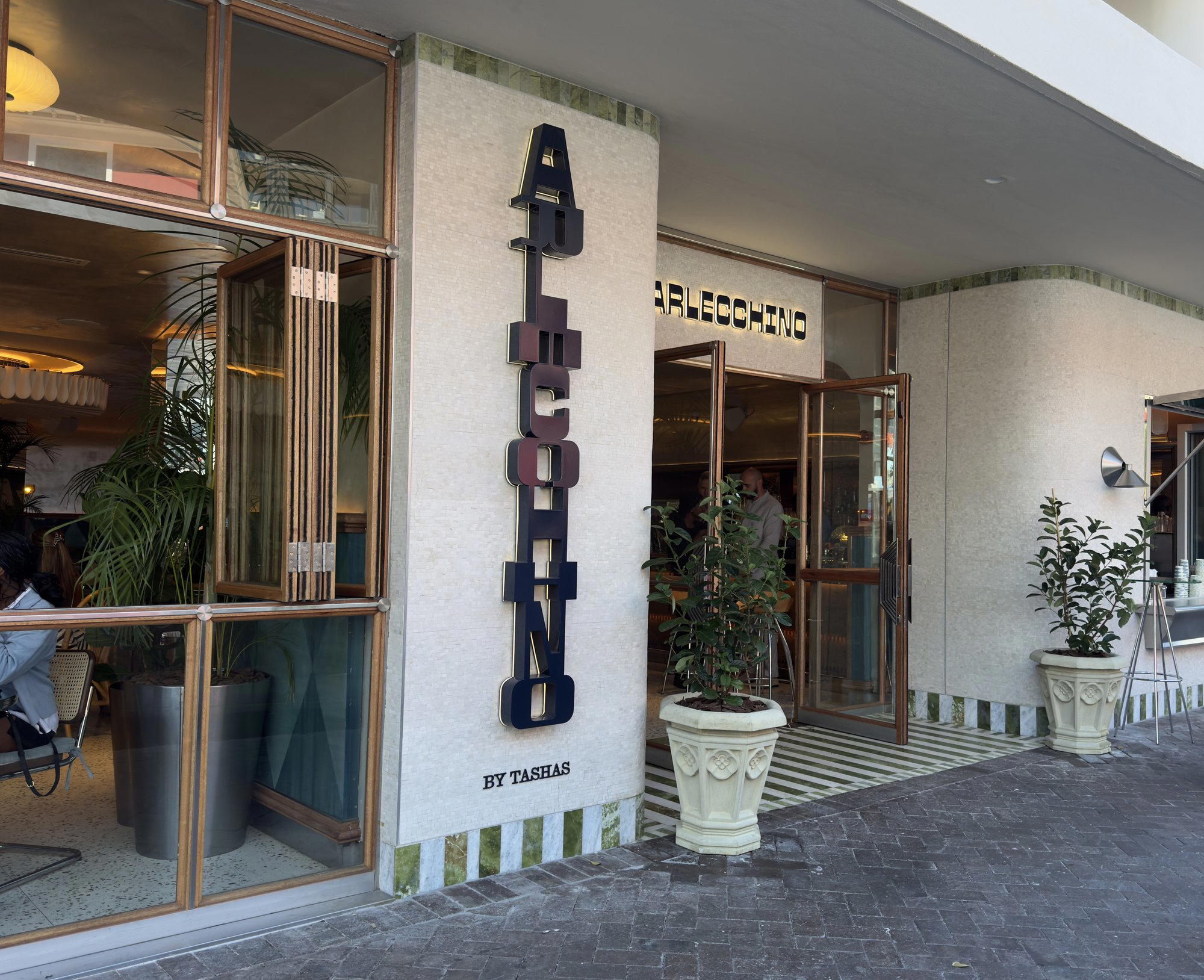
The first cue at an Italian table in Cape Town is rarely a single dish. It is the room’s attitude toward abundance: whether the kitchen leans into Neapolitan warmth, Tuscan spareness, Roman salt-and-fat confidence, or the cleaner, urban register associated with Milan. Arlecchino sits in that conversation as an Italian restaurant in a city that has learned to treat European formats less as imported theatre and more as adaptable dining grammar.
Cape Town’s restaurant culture is shaped by produce, wine, weather, and neighbourhood rhythm. Italian cooking works here when it resists generic Mediterranean shorthand and chooses a lane. A Roman reading prizes punch and structure, often built around pasta, bitter greens, pecorino, guanciale-style depth, and the appeal of dishes that arrive without ceremony. A Tuscan reading is more austere: grilled meats, beans, olive oil, bread, and a belief that restraint can carry the table. Neapolitan influence shifts the mood toward tomato, dough, seafood, and generosity. Milan brings gloss, risotto logic, veal, butter, and a city-dining polish that can feel more tailored than rustic.
Italian identity in Cape Town is regional, not just Mediterranean
Arlecchino is useful because Italian is too broad a label to mean much on its own. In Cape Town, the category competes not only with contemporary South African tasting menus and wine-country restaurants, but also with casual neighbourhood dining where price sensitivity, sharing formats, and bottle selection matter. The better question is not whether an Italian restaurant feels “authentic”; it is which Italy it is trying to translate, and how clearly that choice reads on the plate and in the room.
That regional test matters for travellers. A plate of pasta can signal Roman discipline if the sauce is built on emulsion and salt rather than cream. A wood-fired or tomato-led menu can point toward Naples without needing costume. A meat-and-wine structure can lean Tuscan if the cooking keeps ornament out of the way. Milanese influence usually announces itself through composure: tighter service, richer sauces, and a dining cadence that feels closer to a city brasserie than a trattoria.
For a wider read on how the city handles dining categories beyond Italian, start with Our full Cape Town restaurants guide. Travellers building a broader itinerary can also map the city through Our full Cape Town hotels guide, Our full Cape Town bars guide, Our full Cape Town wineries guide, and Our full Cape Town experiences guide.
How to read the room before reading the menu
The Cape Town Italian meal is often decided by format before food. A serious date-night room asks different things of pasta than a family-friendly neighbourhood table. A wine-led dinner changes the centre of gravity, especially in a city with easy access to South African bottles that can flatter tomato, olive oil, cured meats, and grilled seafood without forcing the meal into European orthodoxy.
Arlecchino’s appeal should be assessed through that practical lens. If the kitchen’s Italian identity is broad, order across regions and look for balance rather than purity. If the menu is narrower, follow the signal: Roman-style pastas reward focus, Tuscan-style mains reward simplicity, Neapolitan-leaning dishes reward heat and generosity, and Milanese references reward texture and timing. In a city where many restaurants borrow Italian cues, clarity is the point.
EP Club’s Cape Town coverage places Arlecchino within a larger dining map rather than a closed category. Nearby research might include Figo, 1800, 95 at Parks, Alice Restaurant, and Amura, each useful for understanding how the city’s restaurant field stretches across different moods and formats.
Use Arlecchino as a regional test case, not a generic pasta booking
The stronger way to approach Arlecchino is to treat it as a test of translation. Italian cooking outside Italy succeeds when it keeps the logic of the region intact while accepting local context: South African wine, Cape Town’s preference for relaxed pacing, and a dining public that can move from beach lunch to formal dinner in the same week.
That is why the useful order is not necessarily the longest one. Build the meal around the clearest regional signals. If the menu points south, look for tomato, seafood, heat, and dough. If it points central, follow pasta structure and pecorino-driven savour. If it points north, richer sauces and rice-led dishes become the test. The point is not to chase a checklist of Italian classics, but to see whether the kitchen makes a coherent argument.
For South Africa context beyond Cape Town, EP Club also covers 96 Winery Road Restaurant in Raithby, Aduna Bistro in Johannesburg, African Boma in Thornybush Game Reserve, Amelia's at The Plettenberg in Plettenberg Bay, Babel Restaurant in Paarl, and Babylonstoren in Simondium. For international Italian reference points, compare the category’s range through 112 Eatery, Italian in Minneapolis and 8 1/2 Otto e Mezzo Bombana (Hong Kong), Italian in Hong Kong.
Reputation & Price
Comparable venues nearby, for context on price, style, and recognition.
| Venue | Cuisine | Price | Notes |
|---|---|---|---|
| ArlecchinoThis venue — the venue you are viewing | Not listed | $$$ | Not listed |
| Grand Africa Café & Beach | Not listed | $$$ | Mouille Point, Mediterranean Beach Café with Italian Influences |
| Carne Keerom Cape Town | City Bowl, Italian Steakhouse | $$$ | Not listed |
| Grub & Vine Norval | Westlake, Polished Bistro | $$$ | Not listed |
| Osteria Tarantino | Not listed | $$ | Schotschekloof, Authentic Italian Osteria |
| Beluga | Not listed | $$$ | Schotschekloof, Euro-Asian Fusion with Sushi |
Continue exploring
More in Cape Town
Restaurants in Cape Town
Browse all →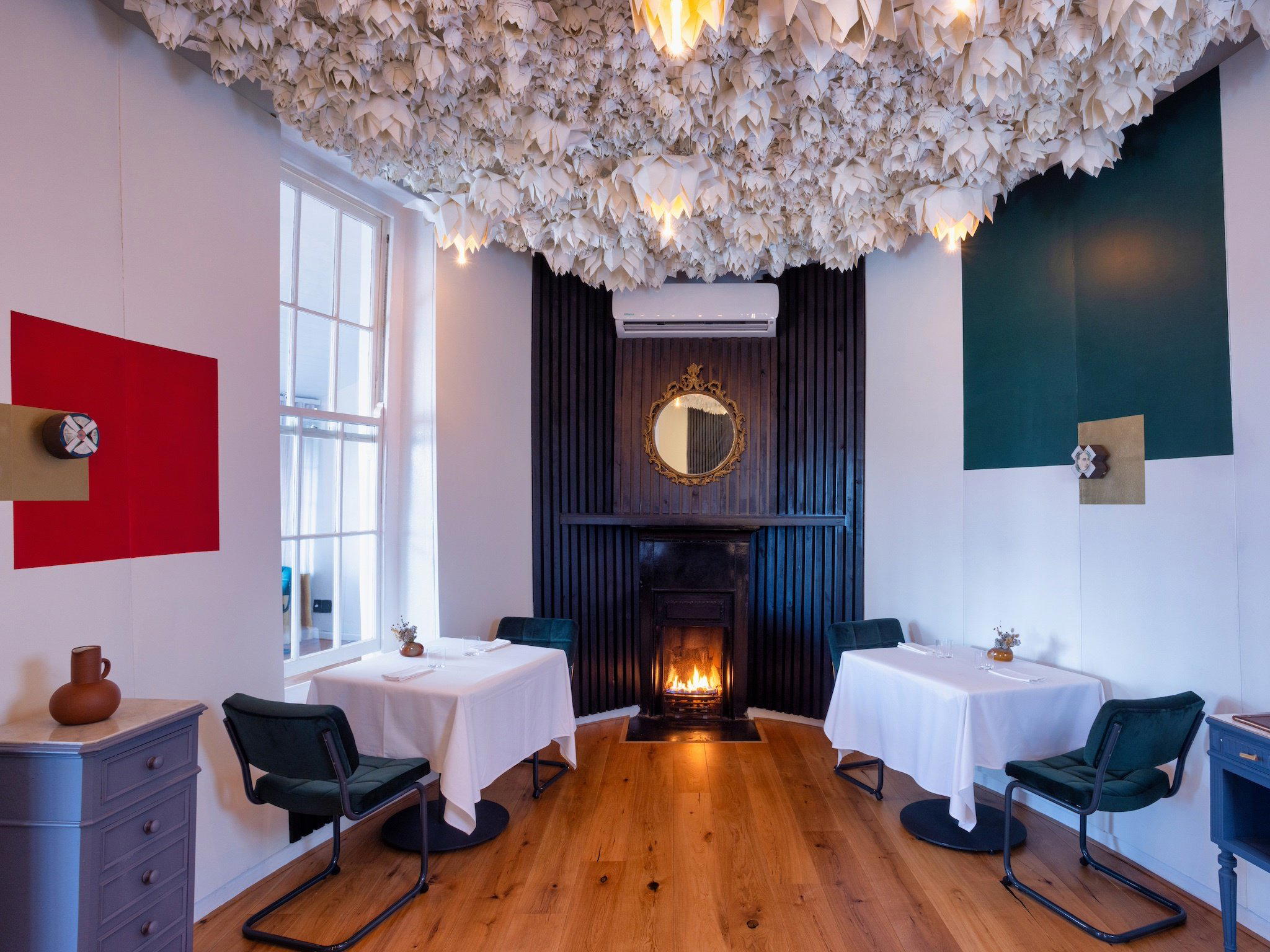
Bars in Cape Town
Browse all →
Hotels in Cape Town
Browse all →
At a Glance
- Elegant
- Modern
- Ornate
- Sophisticated
- Lively
- Trendy
- Date Night
- Business Dinner
- Group Dining
- Celebration
- After Work
- Brunch
- Design Destination
- Standalone
- Craft Cocktails
- Extensive Wine List
- Zero Proof
- Street Scene
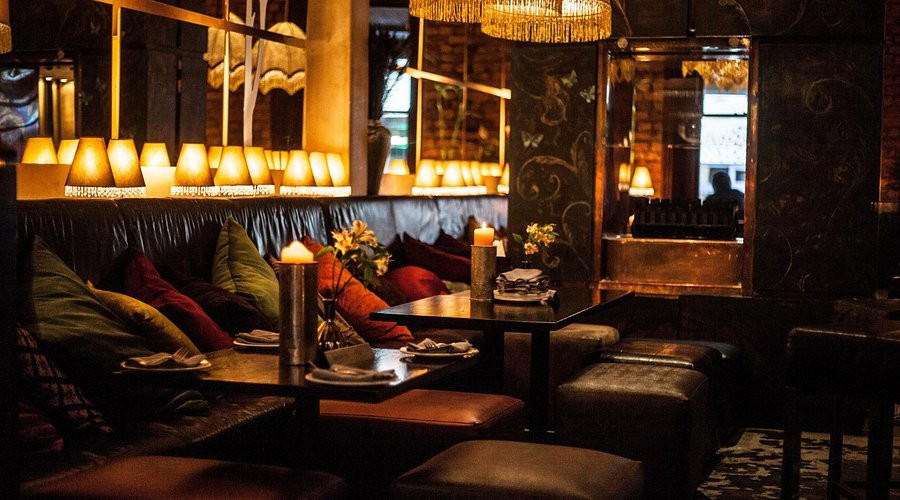
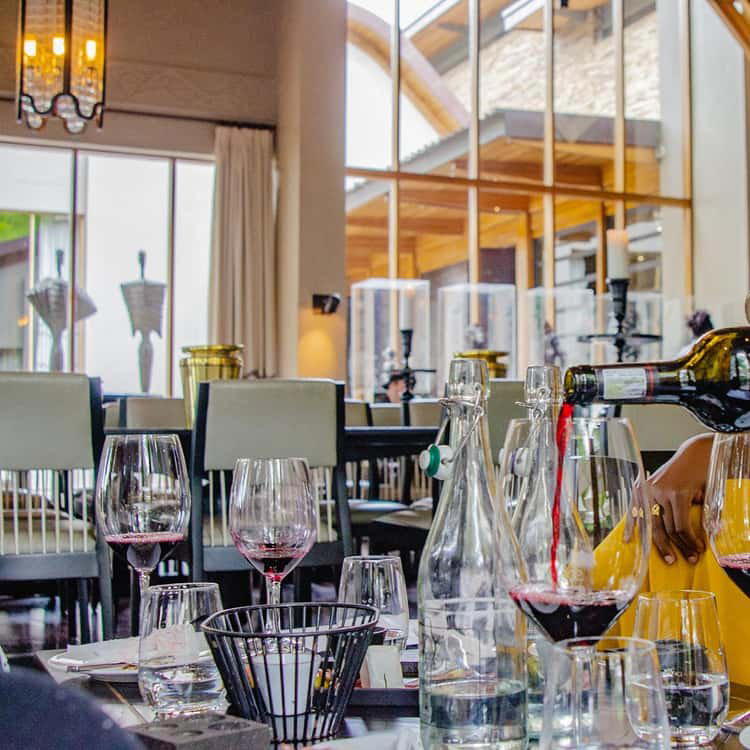
Daytime is bright and sun‑struck with open, cafe‑style energy, while evenings shift into a dimmer, more seductive mood with harlequin motifs, polished steel, velvets and 70s‑inspired Venetian glamour, creating a sophisticated yet lively atmosphere.