Area 31
Our verdict
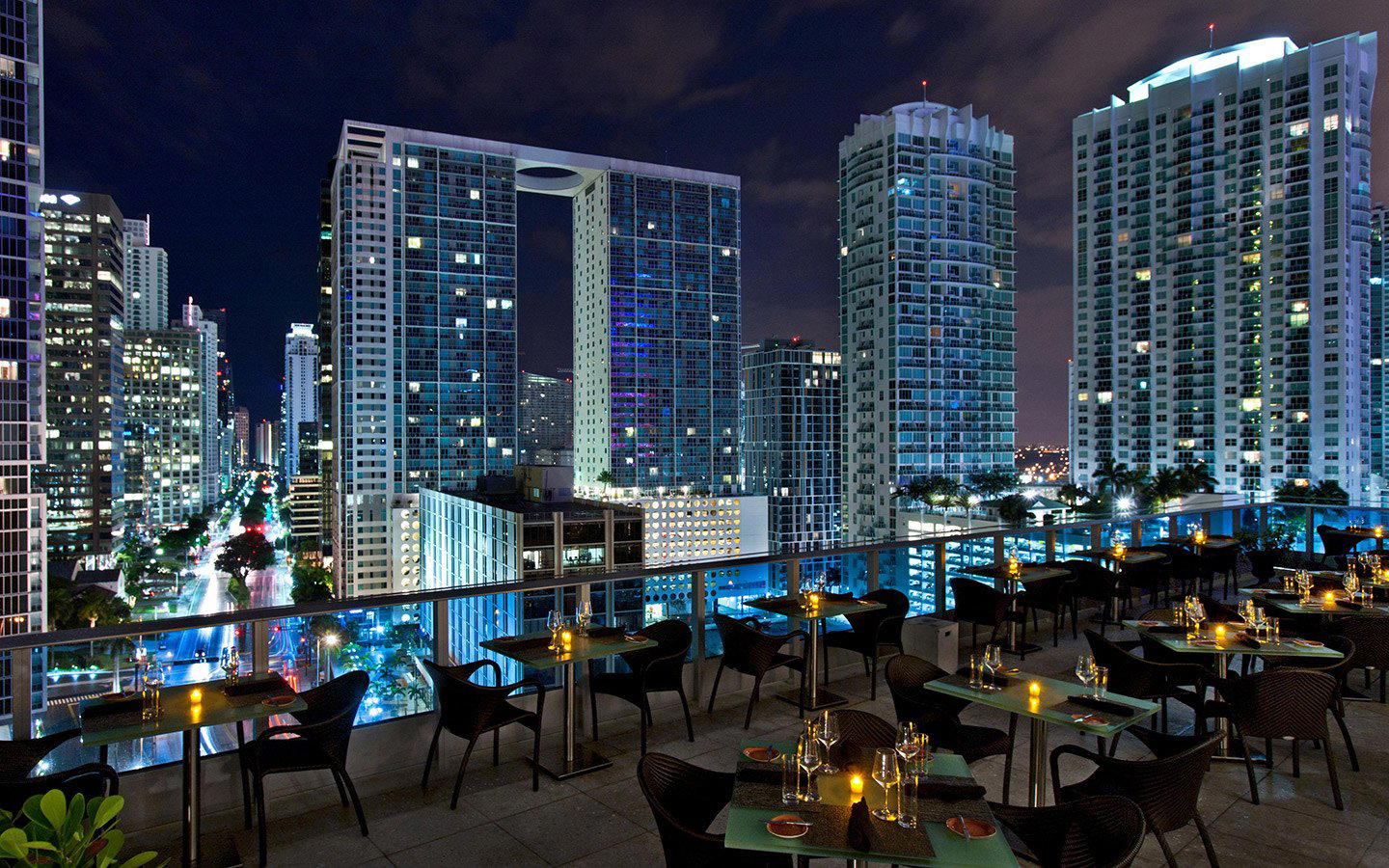
Area 31 occupies a high-floor perch above Biscayne Bay at 270 Biscayne Blvd Way, positioning it within Miami's seafood-forward dining tier where Gulf and Atlantic sourcing meets European technique. The address places it in the financial district corridor, where the view across the water is as deliberate as the menu. It belongs in the same conversation as the city's serious fish-driven rooms.

Pearl is the En Primeur Club membership app — saves, bookings, and concierge access live there. Same editors, same standards.
- Address
- 270 Biscayne Blvd Way, Miami, FL 33131
- Phone
- (305) 424-5234
- Hours
- Mon–Thu 7 AM–10 PMFri–Sat 7 AM–11 PMSun 7 AM–10 PM
- Website
- area31restaurant.com
- Directions
- Get directions
- Booking
- Book on OpenTable
The menu
What to order
- Oysters
- Pulpo a la Plancha
- Tropical Ceviche
- Smash Burger
Where the Atlantic Meets the Kitchen
Step off the elevator into Area 31 and the first thing that registers is the water. Biscayne Bay fills the glass line on every side, the late-afternoon light moving across it in broad copper sheets. Miami has always oriented its dining rooms toward the sea, but few manage to make that orientation feel structural rather than decorative. Here, the view is not backdrop — it frames the argument the kitchen is making about sourcing.
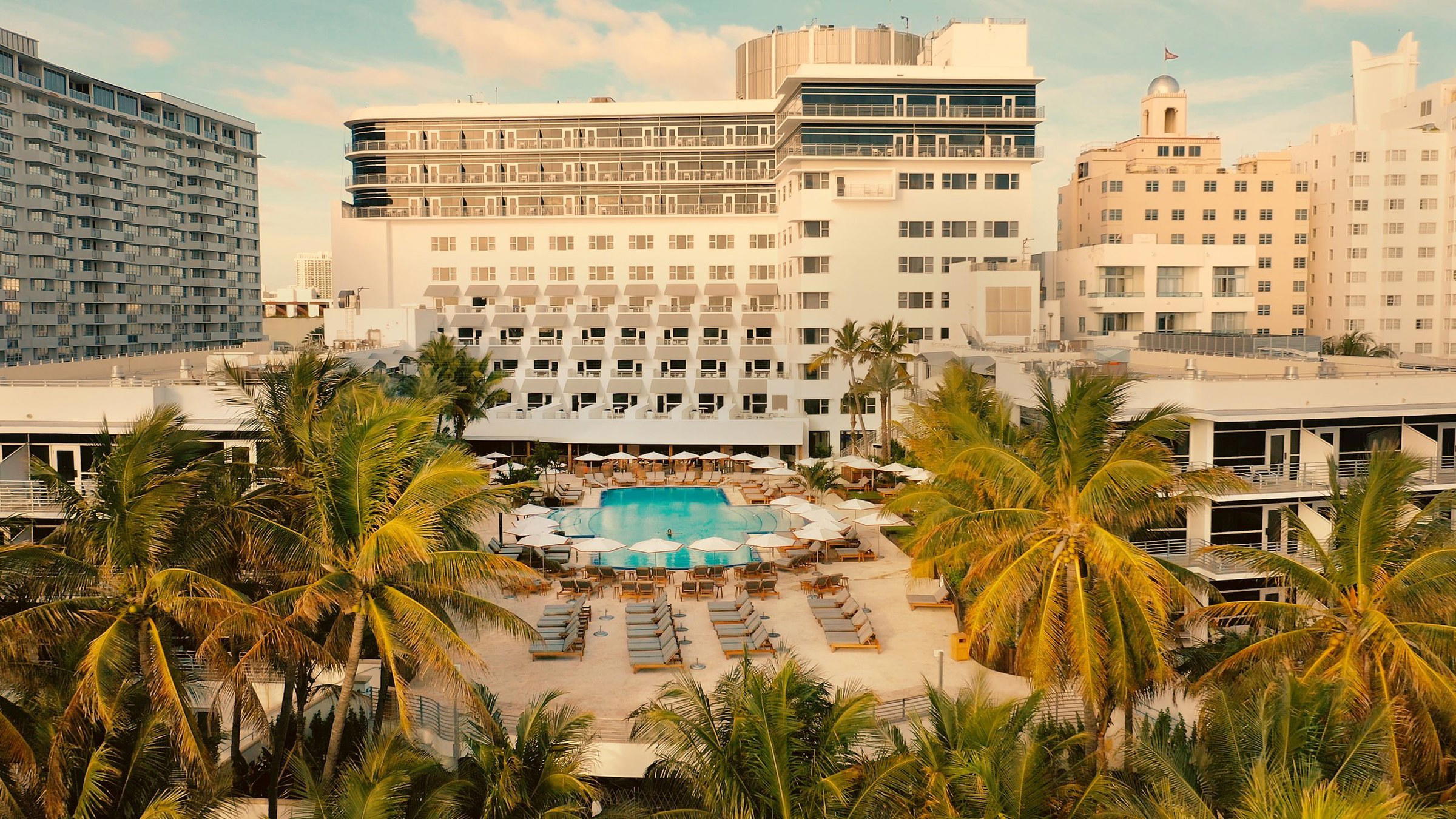
The restaurant's address at 270 Biscayne Blvd Way puts it on the upper floors of the EPIC Hotel in the city's financial district, a neighborhood that has historically underperformed its geography. Brickell captures the money; Wynwood captures the press. The Biscayne corridor sits between both, which has kept places like Area 31 slightly outside the loop of Miami's more aggressively marketed dining rooms. That relative quietness has not hurt quality — it has, in some ways, protected it.
Florida Waters, Classical Framework
The editorial angle that defines serious seafood restaurants on the American coasts in the 2020s is the tension between locally sourced product and formally trained technique. On the West Coast, Providence in Los Angeles has spent years building a program around domestic seafood interpreted through classical French discipline. On the East Coast, Le Bernardin in New York City remains the reference point for European rigor applied to premium fish. Area 31 operates in that tradition but with a specifically Floridian register: the Gulf Stream runs offshore, the Keys supply spiny lobster, and the season cycles that govern what arrives in Miami kitchens are different from anything a chef trained in Lyon or San Sebastián would have studied.
Florida seafood is genuinely underrepresented in the national fine dining conversation. Stone crab, grouper, mahi-mahi, pompano, these are not ingredients that appear frequently on tasting menus in Chicago or San Francisco. When a kitchen takes them seriously and applies structured, technique-driven cooking rather than the beach-casual preparation that dominates most of the state's seafood scene, the results carry a kind of regional authority that imported ingredients simply cannot replicate. Area 31's position, refined format, local product, places it in the same conceptual bracket as Single Thread Farm in Healdsburg or Blue Hill at Stone Barns in Tarrytown, where the sourcing geography is as deliberate as the cooking method.
Miami's Competitive Seafood Tier
Miami's serious dining room population has expanded sharply since 2019, and the competitive set now includes rooms making credible claims across multiple categories. Cote Miami anchors the high-end protein conversation from the beef side. Ariete and Boia De have built reputations on chef-driven tasting formats with strong editorial recognition. L'Atelier de Joël Robuchon Miami occupies the European technique bracket. What Area 31 holds that few Miami rooms can claim is the combination of altitude, water view, and seafood specificity, a format that reads as coastal fine dining rather than the urban tasting menu or the steakhouse.
The Peruvian-inflected seafood tradition that ITAMAE has developed represents another strand of Miami's fish-forward cooking, one that draws on ceviche and Nikkei technique. The two restaurants are not in direct competition, their price points, formats, and culinary references differ, but together they demonstrate that Miami's relationship with seafood is more sophisticated than its reputation for ceviche bars and fish shacks would suggest. The city has the water, the climate, and increasingly the chef talent to sustain serious fish cooking across multiple formats.
The Technique Layer
What separates a hotel restaurant operating at Area 31's level from the mid-tier rooms that also claim bay views is the application of formal cooking technique to ingredients that casual kitchens treat as self-explanatory. Florida pompano does not need much done to it, the argument for applying European classical training is not that the fish is improved by complexity, but that restraint and precision at this level require as much skill as elaboration. The same principle governs the cooking at Smyth in Chicago or Addison in San Diego, where the discipline visible on the plate is in inverse proportion to its apparent simplicity.
Global technique in this context means sauce work, textural contrast, the calibrated use of acid and fat, the toolkit that trained cooks bring to any protein. Applied to Gulf grouper or Florida snapper, it produces food that is recognizably local in its materials and formally structured in its execution. That combination is rarer than it sounds, and it is what places Area 31 in a different category from the hotel dining rooms that source globally and cook generically.
Visiting Area 31
The restaurant sits on the 16th floor of the EPIC Hotel at 270 Biscayne Blvd Way, making it accessible from the hotel lobby or directly from Biscayne Boulevard. The financial district location means traffic from the Brickell Metro station is a short walk, and self-parking is available through the hotel. Dinner service on weekend evenings fills quickly enough that walk-in availability is uncertain; for any party larger than two, advance reservation is the practical approach. The dress code aligns with what a high-floor hotel dining room in Miami implies: smart casual holds, but the room itself pulls toward the polished end of that range. The bar seats, which face the water directly, are worth specifying when booking if the full dining room is not available.
For readers building a Miami itinerary across multiple nights, Area 31 pairs logically with the chef-driven rooms in Wynwood and Coconut Grove rather than replacing them. See our full Miami restaurants guide for how the city's serious dining tier maps across neighborhoods.
In a broader American context, the tradition Area 31 draws from, regional seafood interpreted through formal training, connects to programs at Emeril's in New Orleans, Lazy Bear in San Francisco, and The Inn at Little Washington, each of which has made the argument that American regional ingredients deserve the same technical seriousness as European produce. Internationally, the parallel holds at Atelier Moessmer Norbert Niederkofler in Brunico, where Alpine ingredients receive treatment normally reserved for coastal luxury produce, and at Atomix in New York City, where Korean ingredient logic is filtered through a fine dining structure. The French Laundry in Napa remains the canonical American example of European technique applied to domestic product at the highest level. Area 31 operates in a less rarefied register, but the underlying ambition, to make Florida's waters legible through structured cooking, belongs to the same lineage.
Frequently asked questions
Where is Area 31 in Miami?
Area 31 is located at 270 Biscayne Blvd Way, Miami, FL 33131, Miami.
Does Area 31's location inside the EPIC Hotel affect access for non-hotel guests?
Non-hotel guests enter Area 31 through the EPIC Hotel lobby at 270 Biscayne Blvd Way or directly from Biscayne Boulevard — the restaurant operates independently of hotel occupancy. The 16th-floor position means you take the elevator up from the lobby, which adds about two minutes to arrival but does nothing to limit access. Reservations are open to the public.
What should I order at Area 31?
Area 31 anchors its menu in Florida-sourced seafood, so the strongest choices track the day's local catch rather than any fixed signature. The kitchen sits on the 16th floor of the EPIC Hotel above Biscayne Bay, and the cooking reflects a classical framework applied to Gulf and Atlantic product. Ask the server which Florida-origin fish came in that day — that's the editorial line the restaurant has built its identity around.
Can I walk in to Area 31?
Walk-ins depend on the day and season, and Miami's dining scene has grown sharply more competitive since 2019. Area 31 sits at 270 Biscayne Blvd Way inside the EPIC Hotel, accessible from the hotel lobby or directly from Biscayne Boulevard. For weekend evenings specifically, a reservation is the practical move.
What has Area 31 built its reputation on?
The restaurant's position in Miami's serious dining tier rests on two things: a sustained focus on Florida and Atlantic seafood sourcing, and the application of formal cooking technique in a room that hotel restaurants frequently let slide. The 16th-floor setting above Biscayne Bay at the EPIC Hotel gives it a physical identity that most Miami seafood rooms lack. That combination of credible kitchen output and a genuine bay-view dining room is what separates it from the mid-tier competitors claiming similar territory.
Can Area 31 accommodate dietary restrictions?
A kitchen operating at Area 31's level in Miami's competitive dining market will routinely handle dietary requests, and a seafood-forward menu gives them structural flexibility for pescatarian and gluten-aware diners. Contact the restaurant at 270 Biscayne Blvd Way directly before your visit to confirm specific allergen protocols — don't rely on assumptions for serious restrictions.
Is a meal at Area 31 worth the investment?
That depends on what you're benchmarking against. Within Miami's Brickell corridor, Area 31 operates at the higher end of the hotel restaurant tier, where you're paying for both kitchen quality and the Biscayne Bay view from the 16th floor of the EPIC Hotel. If the sourcing-driven seafood approach and that specific setting align with what you're after, the case is straightforward. If you want street-level energy or a chef-driven independent room, the calculus shifts.
Nearby-ish Comparables
Comparable venues nearby, for context on price, style, and recognition.
| Venue | Cuisine | Price | Awards | Notes |
|---|---|---|---|---|
| Area 31This venue — the venue you are viewing | Sustainable Mediterranean Seafood | $50–100 | Not listed | Not listed |
| Casablanca on the river | Fresh Seafood on the Miami River | $30–50 | Not listed | Overtown |
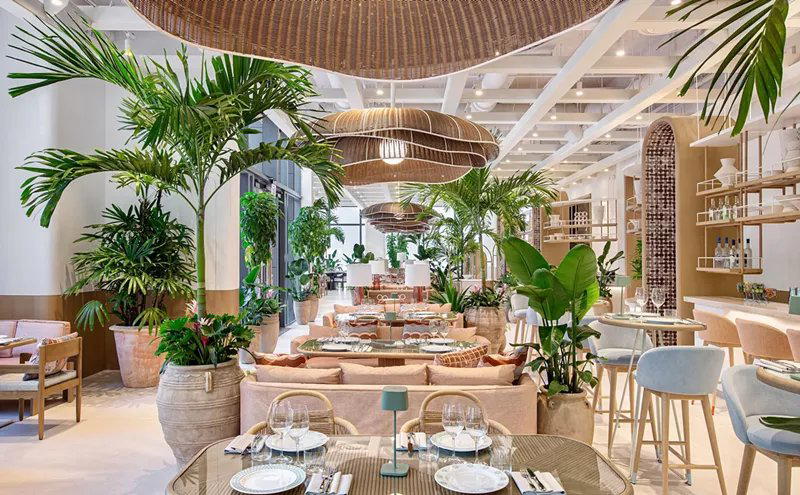
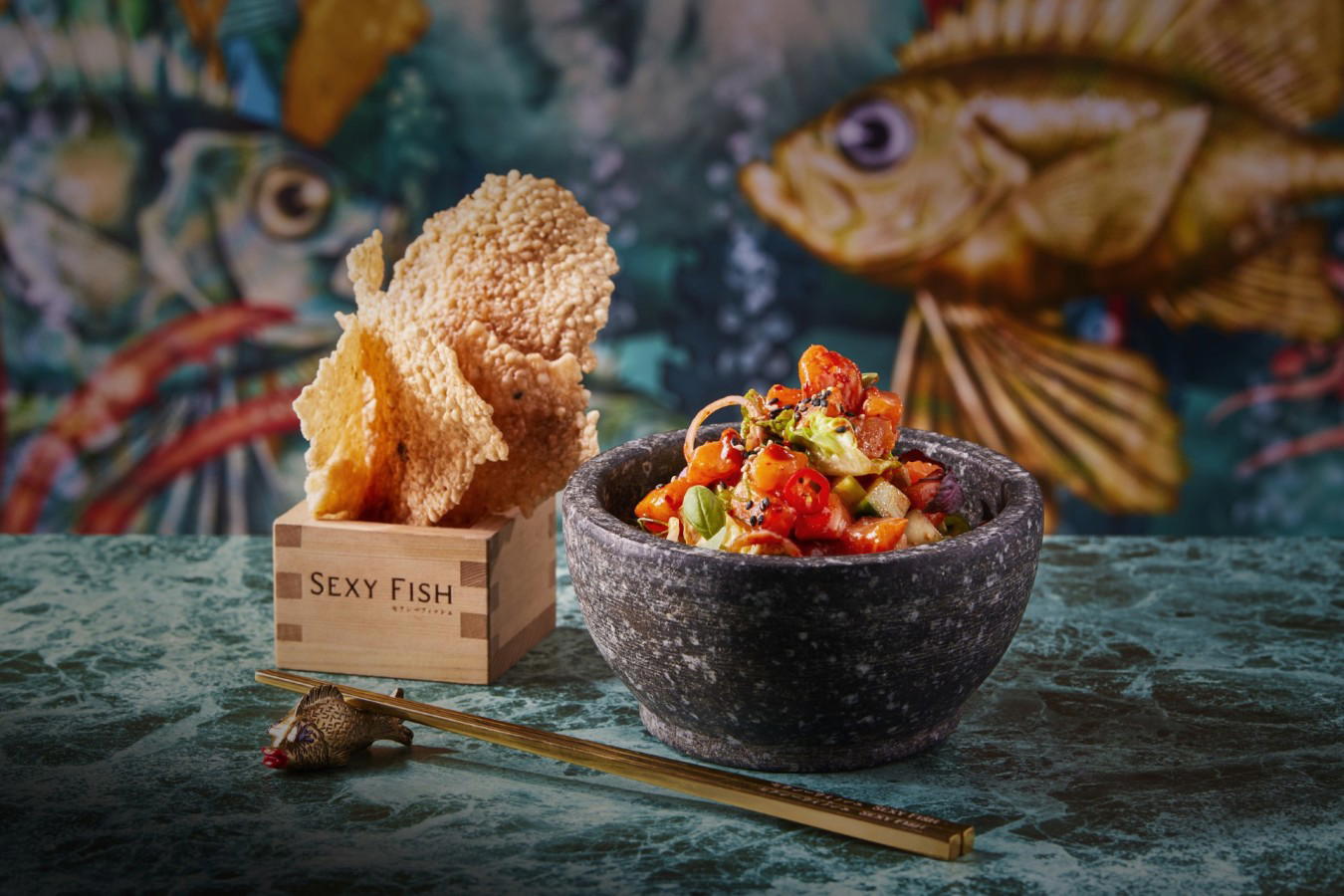
| Sexy Fish Miami | Asian-Inspired Seafood | $100–150 | Star Wine List · Pinnacle Guide 1 Pin | Miami Financial District |
| Habibi Miami | Modern Mediterranean Moroccan Fusion | $50–100 | Not listed | Overtown |
| CARBONE VINO | Classic Italian-American Enoteca | $50–100 | Wine Spectator Best of Award of Excellence | Coconut Grove |
| Hereford Grill | Modern Argentine Steakhouse | Not listed | Wine Spectator Award of Excellence | Flagami |
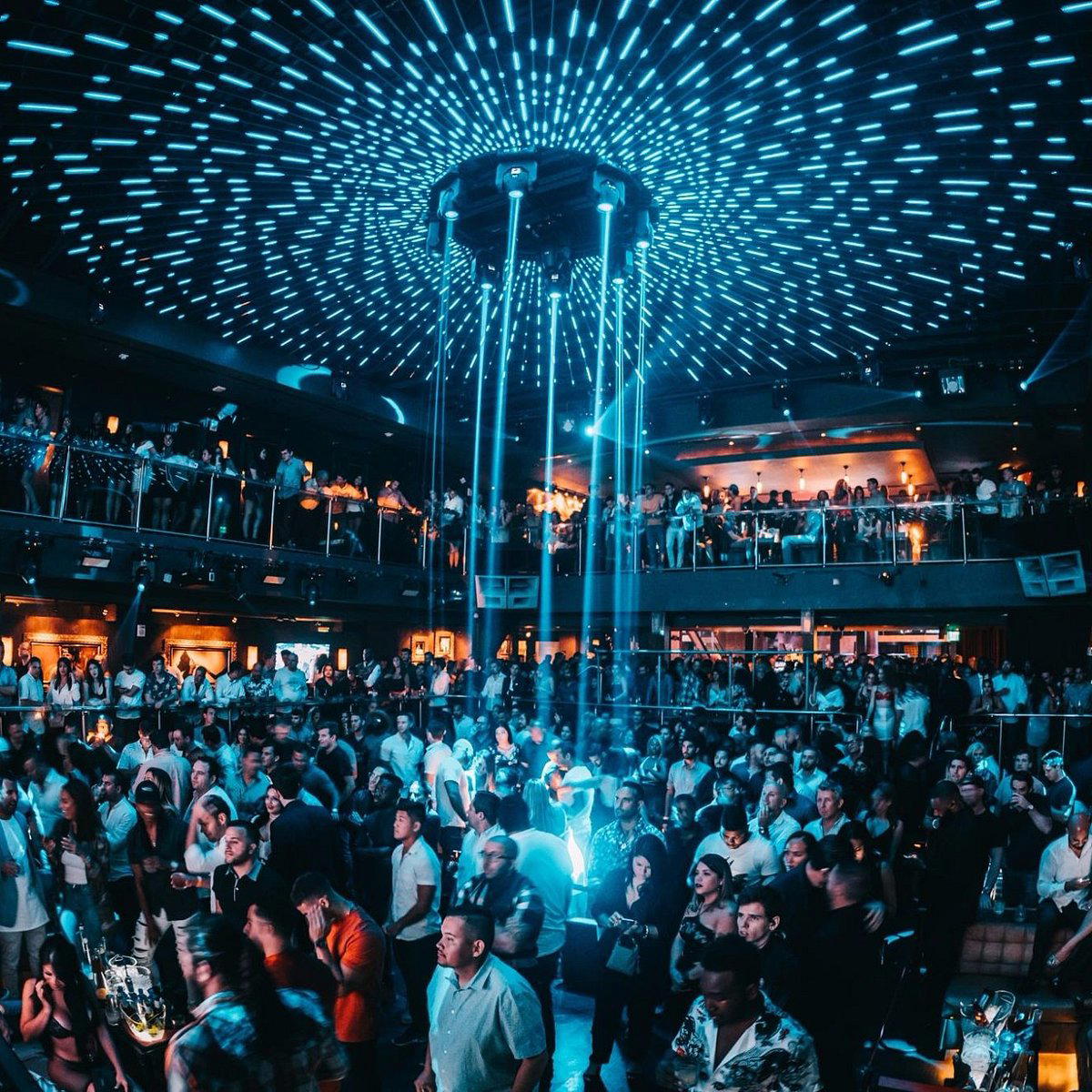
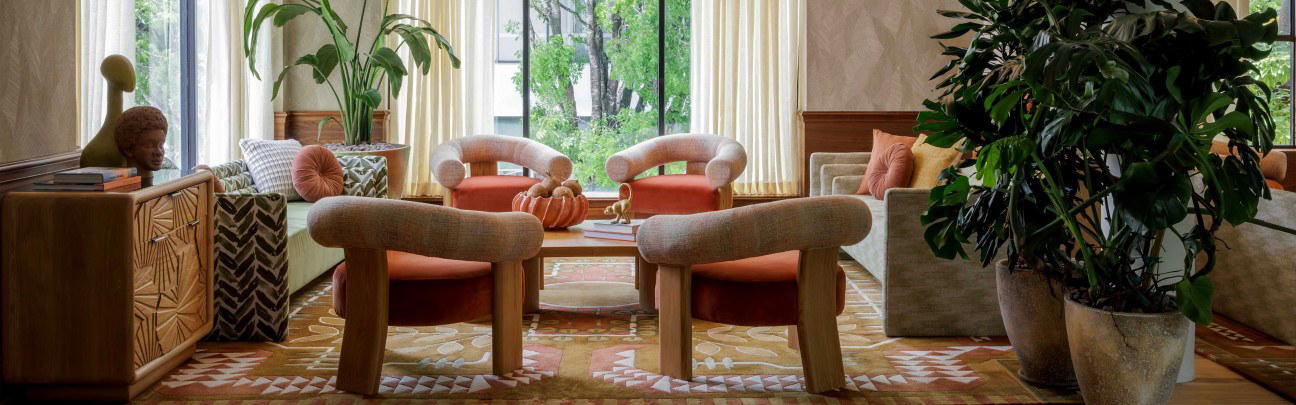
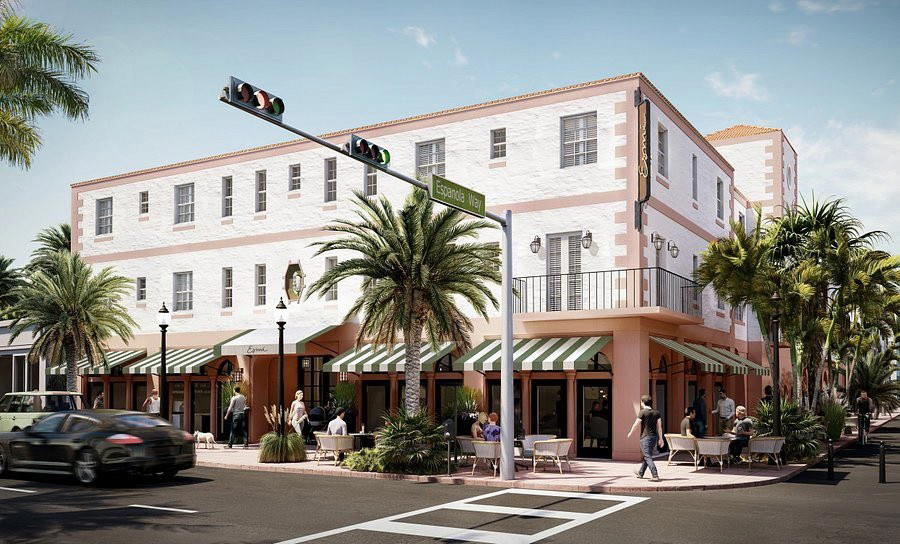
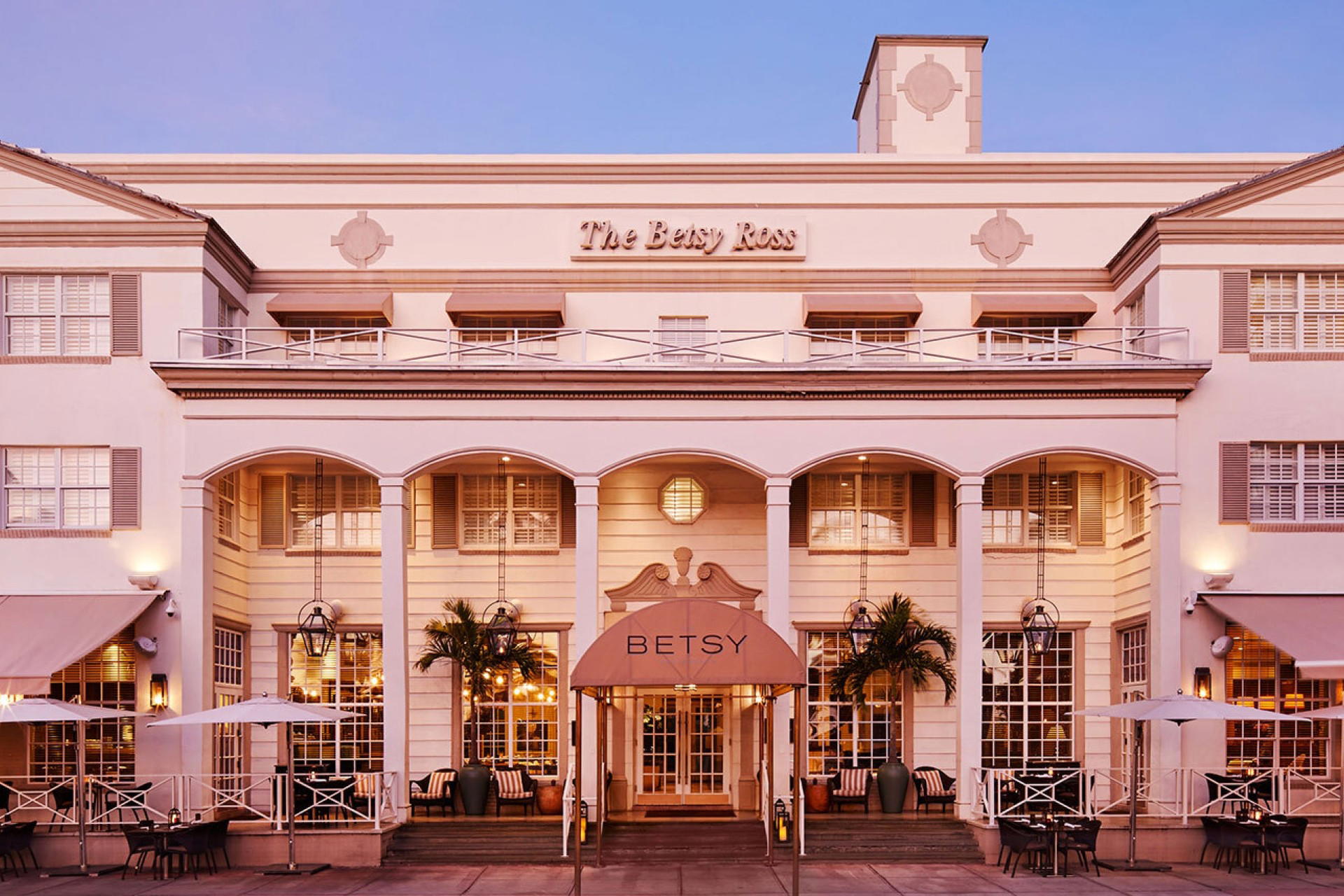
Area 31
The wine
- Wine program
- Curated wine list
- Extensive wine list
- Craft cocktails
- Beer program
Details
- Elegant
- Scenic
- Sophisticated
- Lively
- Date Night
- Business Dinner
- Celebration
- Brunch
- Rooftop
- Waterfront
- Panoramic View
- Terrace
- Hotel Restaurant
- Open Kitchen
- Craft Cocktails
- Extensive Wine List
- Beer Program
- Farm To Table
- Local Sourcing
- Sustainable Seafood
- Waterfront
- Skyline
- A La Carte
- Small Plates
- Craft Cocktails
- Seasonal Cocktails
- International Wines
- Vegetarian Friendly
- Vegan Options
- Gluten Free Options
- Pescatarian Friendly
Current opening hours
- Monday
- 7 AM–10 PM
- Tuesday
- 7 AM–10 PM
- Wednesday
- 7 AM–10 PM
- Thursday
- 7 AM–10 PM
- Friday
- 7 AM–11 PM
- Saturday
- 7 AM–11 PM
- Sunday
- 7 AM–10 PM
Hours can change for holidays and private events. Last verified .
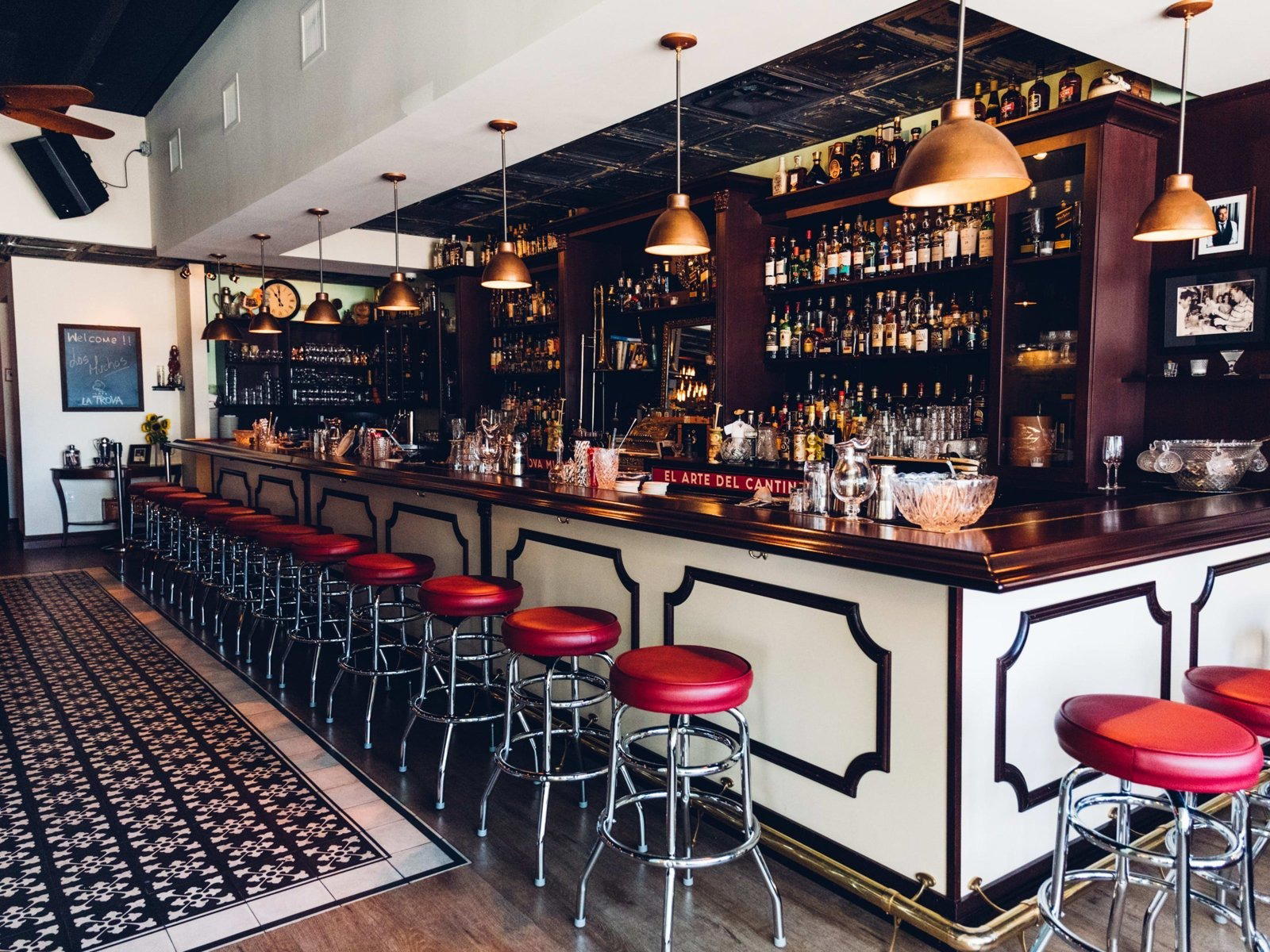
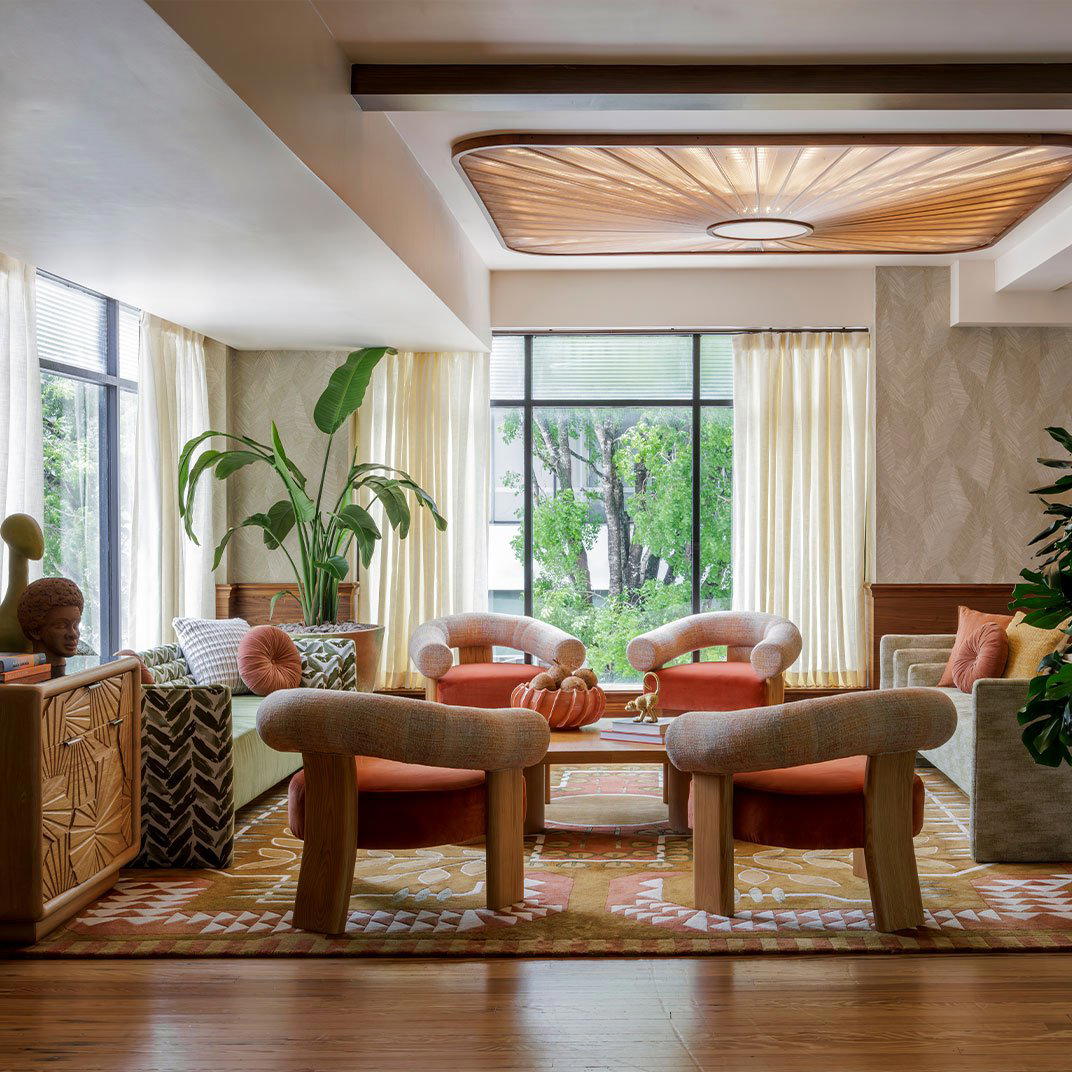
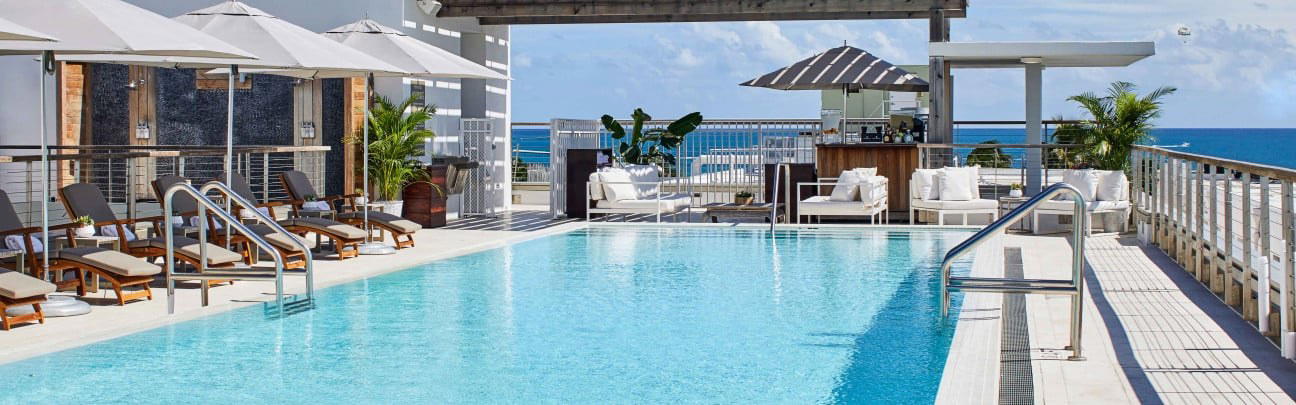
Bright and elegant with floor-to-ceiling windows showcasing glittering bay views; sophisticated yet approachable atmosphere with a lively bar scene at happy hour.