CARBONE VINO

Wine Spectator Best of Award of Excellence
Our verdict
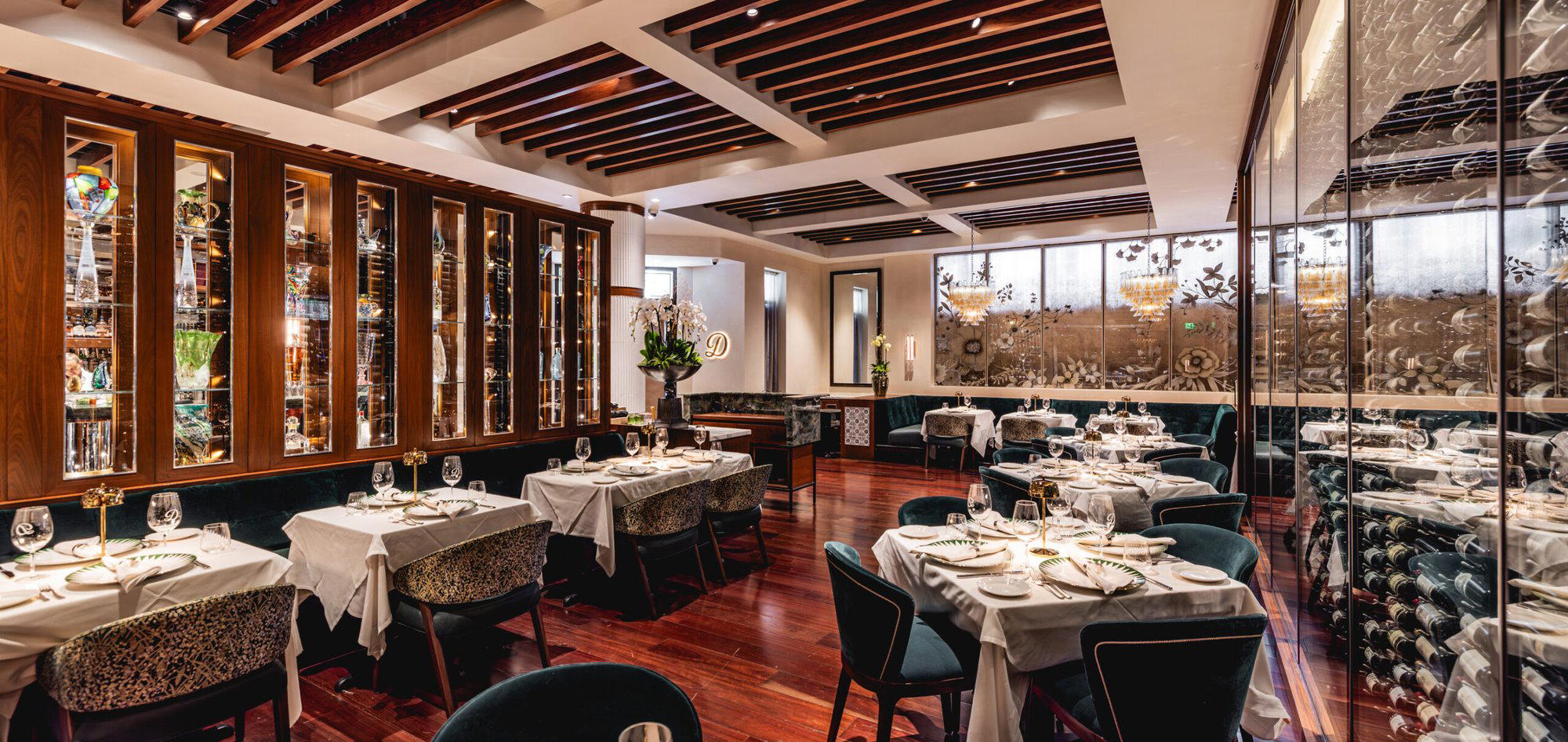
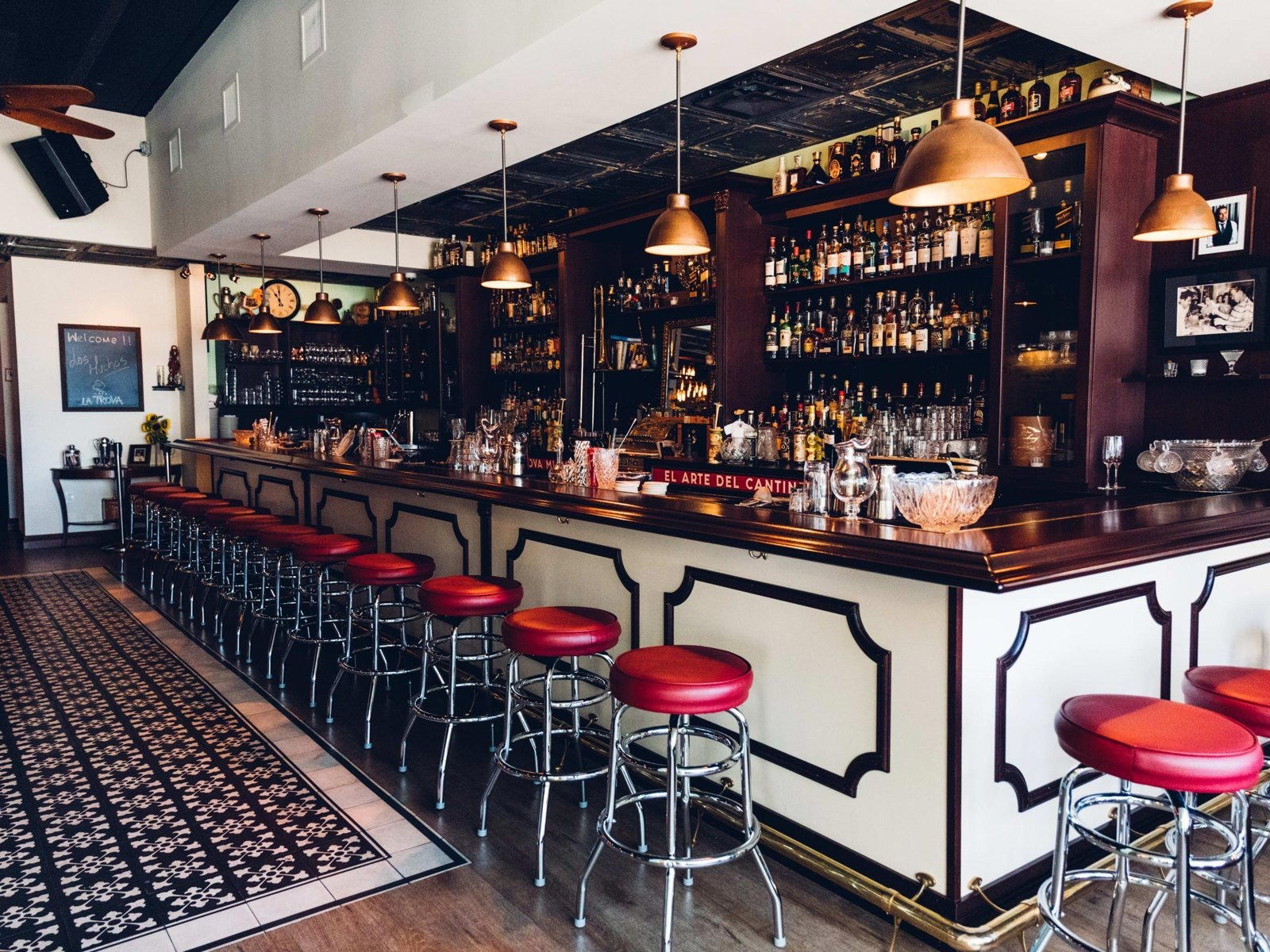
Carbone Vino occupies a sleek address in Coconut Grove, bringing the Carbone brand's red-sauce Italian sensibility to Miami's most verdant neighbourhood. The wine-forward format places it in a different register from the flagship's New York theatrics, trading table-side ceremony for a more approachable bottle-and-plate rhythm that suits the Grove's slower pace.

Pearl is the En Primeur Club membership app, where members save venues, book tables and use the concierge.

The menu
What to order
- Caesar Salad alla ZZ
- Spicy Rigatoni alla Vodka
- Veal Parmesan
- Pumpkin Agnolotti
- Tortellini Tartufo Nero
- Carrot Cake
- Cannoli Sundae
Coconut Grove's Italian Wine Bar Moment
Coconut Grove has long operated at a different frequency from South Beach or Brickell. The neighbourhood's canopy streets and low-rise retail blocks attract a crowd that is local first, tourist second, and the dining scene reflects that. Where other Miami zip codes race toward volume and spectacle, the Grove supports the kind of mid-format room where the wine list carries as much weight as the menu. Carbone Vino, positioned at 2911 Grand Ave in the Village Square, enters that context as the wine-bar extension of the Major Food Group's Carbone brand, a name with enough New York cultural gravity to land with intention rather than anonymity.
The Room and What It Signals
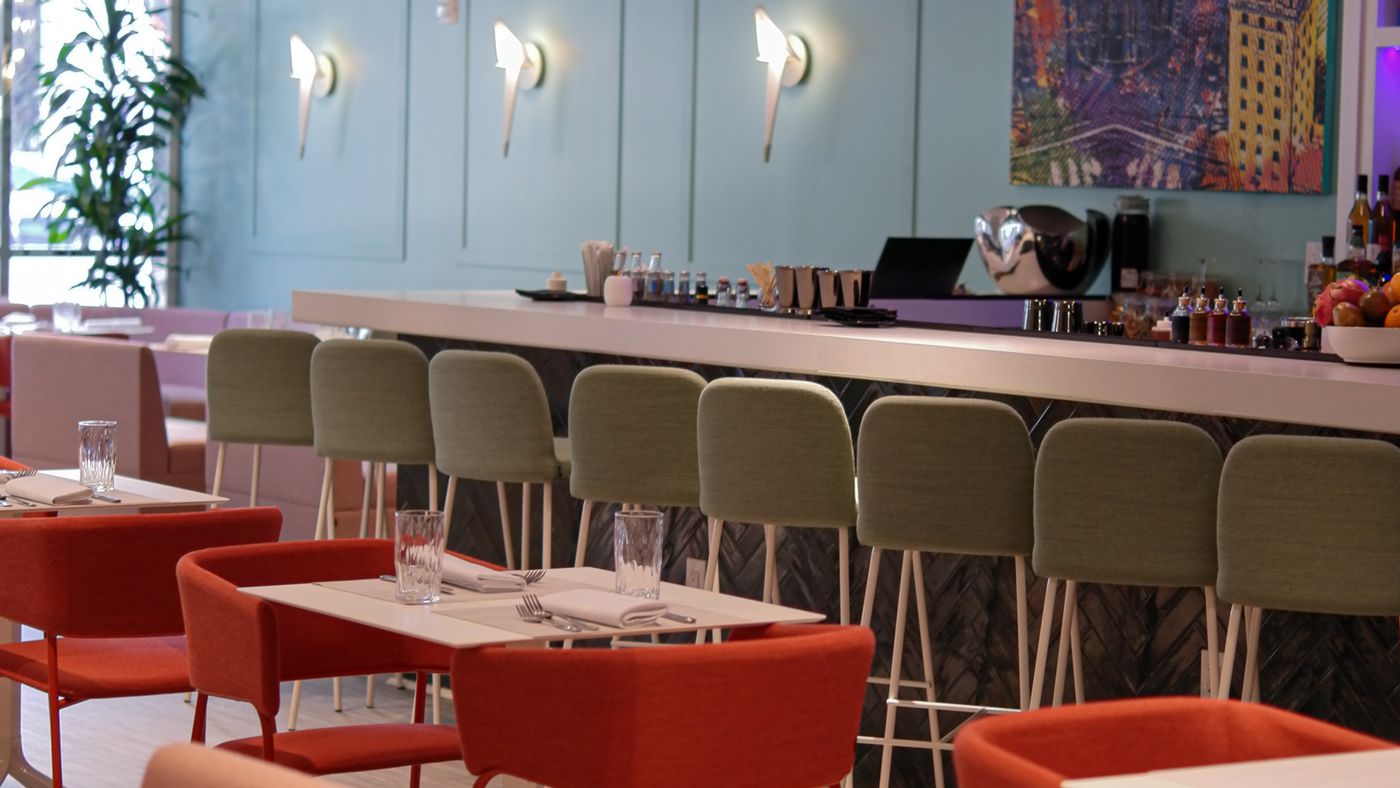
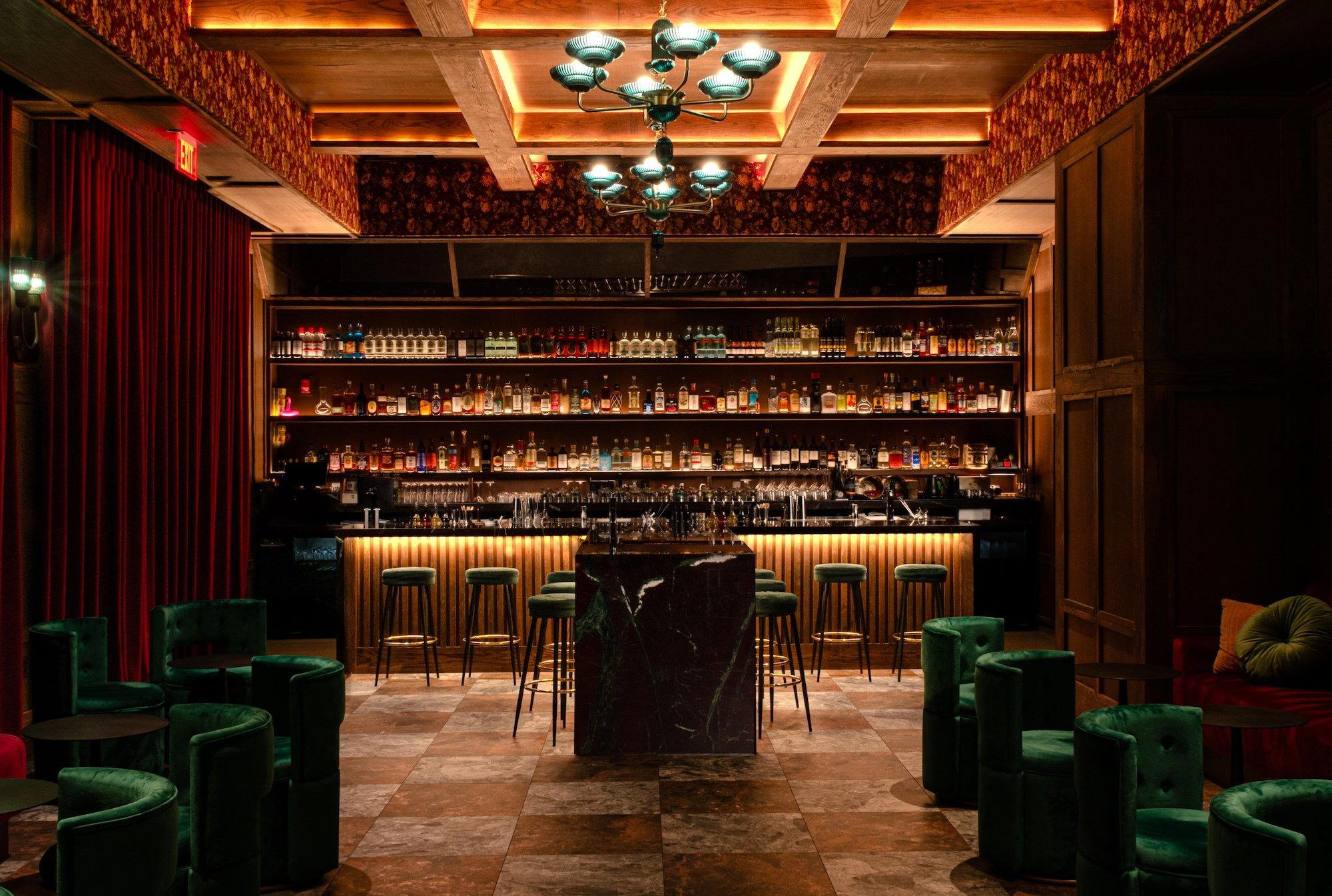
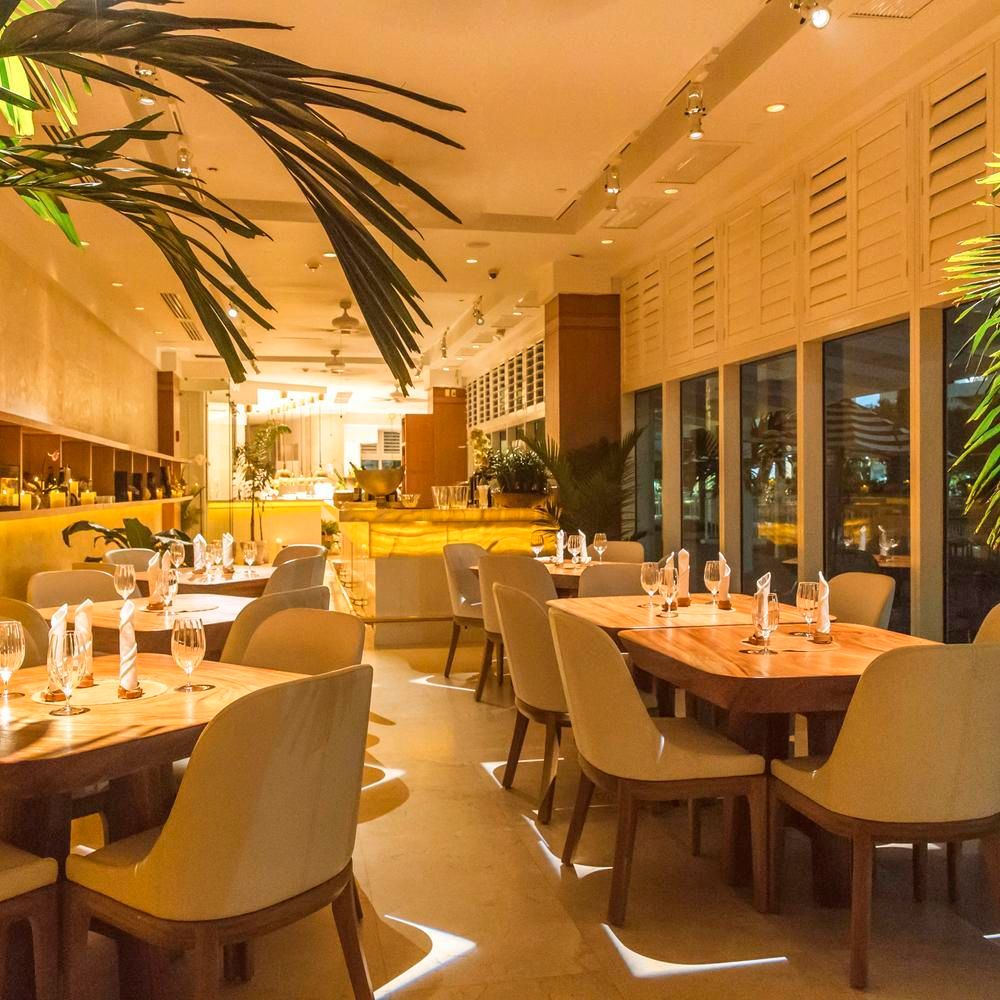
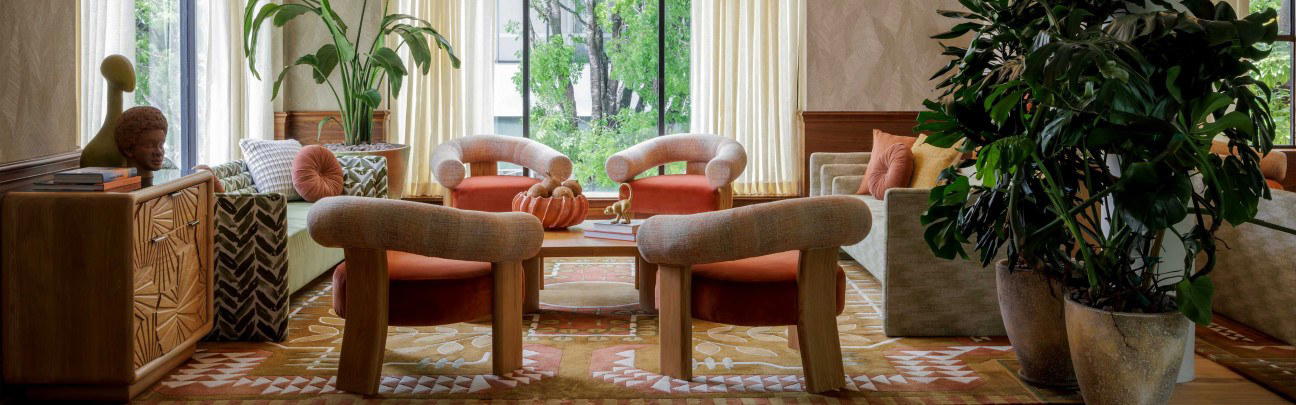
Wine bars that succeed in neighbourhoods like Coconut Grove tend to do so through restraint: lower ceilings, warm light, and a format that makes lingering feel appropriate rather than by the clock. Carbone Vino follows that architecture of ease. The visual register connects to the parent brand's Italian-American mid-century reference points without replicating the full theatrical weight of a Carbone dining room. Here, the red-sauce drama is dialled toward something quieter, where a bottle of Barolo and a plate of pasta can exist without the surrounding ceremony demanding your attention. That tonal shift is deliberate. A wine bar format lives or dies on whether the room invites a second glass, and the Grove's pace allows it.
For Miami's dining scene, this matters as a locational signal. The city's most discussed openings of recent years have clustered in Wynwood, Brickell, and the Design District. Coconut Grove has remained comparatively quieter on the national food radar, which makes a brand-extension placement there notable. It reads less as a foothold strategy and more as a considered neighbourhood match, the kind of move that works when the format fits the block. The Italian wine-bar genre, with its approachable price-per-glass mechanics and food menu designed for sharing across a two-hour window, is well-suited to a tree-lined commercial strip where the competition includes Ariete, one of Miami's more serious Modern American rooms operating just blocks away.
Italian Wine Bar in a Miami Context
The Italian wine bar as a format has matured considerably across American cities over the past decade. The initial wave imported the enoteca concept with varying degrees of fidelity, but the stronger operators understood that American versions needed to solve a specific local problem: where do you go when you want a serious bottle without committing to a full tasting menu experience? In Miami, that gap has been addressed from multiple directions. Boia De, a compact Italian contemporary room in Little Haiti, demonstrated that a focused Italian programme with genuine wine ambition could attract a loyal following beyond its immediate neighbourhood. Carbone Vino enters the conversation from the other end of the brand-recognition spectrum, carrying a name that most Miami diners already associate with a specific style and expectation.
That brand recognition is a double-edged instrument. It drives initial traffic and confers immediate credibility, but it also sets a floor for what regulars expect from the kitchen and the cellar. The Carbone name in New York operates at the level of a cultural institution, with covers priced and paced accordingly. In the wine bar format, the pricing and pacing shift, and the question becomes whether the kitchen retains enough of the signature Italian-American grammar to satisfy visitors arriving with flagship expectations while also working for Grove regulars who want something functional on a Tuesday. The format suggests the latter is the primary audience.
For those comparing the Miami Italian dining tier more broadly, Cote Miami operates in the premium steakhouse register, while ITAMAE represents the Peruvian-Japanese nikkei tradition that Miami has adopted with particular enthusiasm. Carbone Vino sits in a different lane entirely: accessible, wine-led, with a cuisine type that invites repeat visits rather than occasion dining.
Where the Format Sits Among American Wine Programs
The wine-bar-with-kitchen model has produced some of the more interesting dining rooms in American cities over the past five years. Venues like Smyth in Chicago and Lazy Bear in San Francisco operate at the far end of the ambition spectrum, where the kitchen drives the experience. The wine bar format inverts that hierarchy, placing the bottle at the centre and the food in a supporting role. This is not a lesser proposition; it is simply a different one, and it serves a genuine function in cities where the full-tasting-menu tier is well-covered. Miami's premium dining options include L'Atelier de Joël Robuchon for counter-format French fine dining, and the Carbone Vino model does not compete in that register. It occupies the space below, where the cover charge is implied through bottle prices and small plates rather than set menus.
Across the broader American fine and premium dining map, the wine bar extension has become a recognisable growth format for established restaurant groups. Le Bernardin in New York City, The French Laundry in Napa, and Providence in Los Angeles represent the tier above, where the kitchen carries the full narrative weight. Carbone Vino is not positioning against those rooms; it is solving for a different reader entirely, one who wants the brand's Italian sensibility in a format that does not require a reservation made weeks in advance.
Know Before You Go
- Address: 2911 Grand Ave Suite 194, Coconut Grove, FL 33133
- Neighbourhood: Coconut Grove, Miami
- Format: Wine bar with kitchen, Italian-American
- Price: Contact venue for current pricing
- Nearby: Village Square retail, Coconut Grove waterfront
Frequently asked questions
Where is CARBONE VINO in Miami?
CARBONE VINO is located at 2911 Grand Ave Suite 194, Coconut Grove, FL 33133, Miami.
How does Carbone Vino's Coconut Grove setting shape the dining experience?
Coconut Grove operates at a slower pace than South Beach or Brickell, and Carbone Vino's address at 2911 Grand Ave places it inside a neighbourhood where the expectation is an evening spent rather than turned over. The Italian wine bar format, built around bottles, small plates, and unhurried pacing, fits that rhythm more naturally here than it would in Miami's higher-volume dining corridors. For guests used to the Carbone name in New York or Las Vegas, this Miami outpost signals a deliberate shift toward the enoteca end of the spectrum.
What's the signature dish at CARBONE VINO?
Carbone Vino operates as a wine-forward Italian bar in Coconut Grove, Miami, where the kitchen is built to complement the bottle list rather than anchor the menu around a single hero dish. The format, enoteca-style, with food as accompaniment, suggests a rotating, ingredient-led approach rather than fixed signature plates.
Can I walk in to CARBONE VINO?
Walk-in availability at Carbone Vino's Coconut Grove location on Grand Ave depends on the night and the size of your group. Italian wine bars in this format tend to hold some counter or bar seating for walk-ins even when tables are reserved. Contacting the venue directly before arriving is the most reliable way to confirm availability on a given evening.
What do critics highlight about CARBONE VINO?
Carbone Vino sits within the broader conversation around Italian wine bar concepts that have matured across American cities over the past decade, translating the enoteca model into neighbourhood dining rooms built for repeat visits. In Coconut Grove specifically, the low-rise, canopy-street context rewards the format's emphasis on restraint and lingering.
Price Lens
Comparable venues nearby, for context on price, style, and recognition.
| Venue | Cuisine | Price | Awards | Notes |
|---|---|---|---|---|
| CARBONE VINOThis venue (the venue you are viewing) | Classic Italian-American Enoteca | $50–100 | Wine Spectator Best of Award of Excellence | Not listed |
| Erba | Modern Italian with Miami Influences | Not listed | Esquire Best New Restaurants #18 | Coconut Grove, Modern Italian with Miami Influences |
| Casa Gianna | Modern Italian Trattoria | $50–100 | Not listed | Park West, Modern Italian Trattoria |
| Osteria | Authentic Italian Osteria | Not listed | Not listed | Shorecrest, Authentic Italian Osteria |
| Carbone Miami Beach | Classic Italian-American Red Sauce | $200–300 | Wine Spectator Best of Award of Excellence | South Beach, Classic Italian-American Red Sauce |
| Bar Bucce | Italian Market Pizzeria & Wine Bar | $30–50 | Resy Best of the Hit List | Little Haiti, Italian Market Pizzeria & Wine Bar |
Recognition history
Dated appearances from independent guides and award organizations, with the underlying list record or original source where available.
Wine Spectator Best of Award of Excellence
Wine Spectator