Aracely Cafe
Aracely Cafe sits at 401 13th Street on Treasure Island, a neighborhood whose relative remove from the San Francisco mainland gives it a character distinct from the city's better-mapped dining districts.
Pearl is the En Primeur Club membership app — saves, bookings, and concierge access live there. Same editors, same standards.
- Address
- 401 13th St #312, San Francisco, CA 94130
- Phone
- +14156785724
- Website
- aracelysf.com
- Directions
- Get directions
 Saves & bookings on Pearl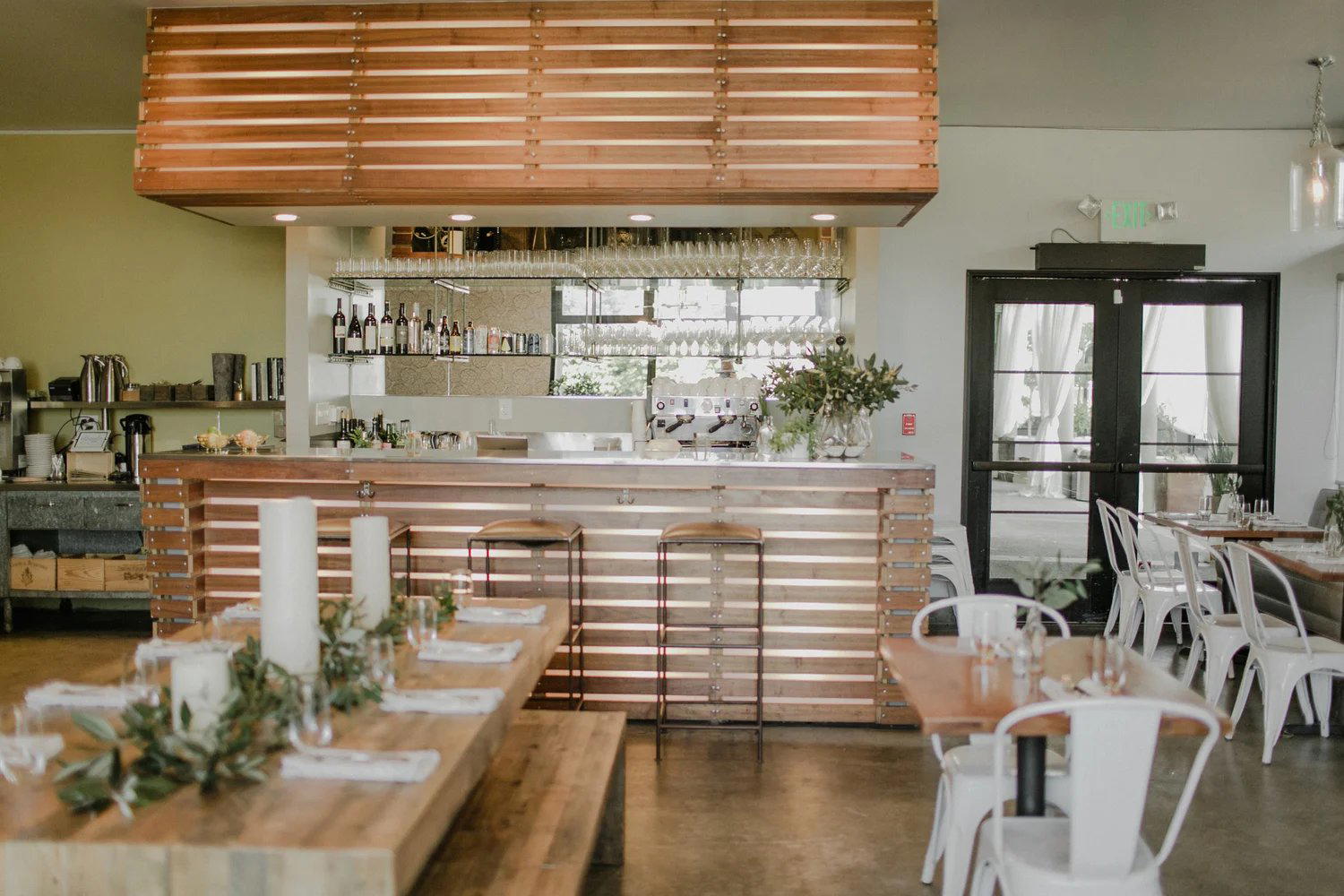
Treasure Island and the Edges of San Francisco's Dining Map
San Francisco's restaurant conversation tends to collapse toward a small number of zip codes: the Financial District corridors where Benu and Quince have built their reputations, the SoMa blocks that anchor Lazy Bear, the Marina-adjacent pockets that house Atelier Crenn. Treasure Island sits outside all of those gravitational fields. The address, 401 13th Street, places Aracely Cafe on a man-made island in the middle of the Bay, reachable by a single road off the Bay Bridge, and that physical separation from the city's dining mainstream is its most defining geographical fact.
That remove is not accidental context. In American dining broadly, the venues that exist outside prestige neighborhoods tend to operate by different rules. Reservation pressure is lower. The customer base skews local rather than tourist or expense-account. The implied contract between kitchen and diner is less about performance and more about regularity.
What the Treasure Island Location Actually Means
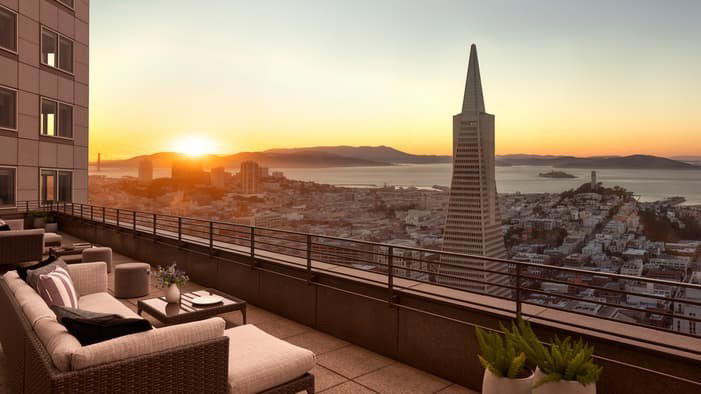
Treasure Island was a naval station until 1997, and its subsequent residential and commercial redevelopment has been gradual and, by San Francisco standards, low-profile. The island has a panoramic view of the city skyline and the Bay Bridge, one of the more dramatically framed dining settings in the region, even if it rarely appears in the publications that cover Saison or track the city's Michelin count. The community that has grown there is small and self-contained enough that a neighborhood cafe plays a different social function than it would in, say, the Mission or the Richmond.
That social function matters when thinking about how to evaluate a place like this. The American cafe tradition, not the European espresso-bar model, but the distinctly Californian version, has always mixed counter service, daytime hours, and a menu built around accessibility rather than ambition. California's version of that tradition is inflected by proximity to good produce, a relatively high baseline expectation for coffee quality, and a customer base that often knows the difference between a good breakfast plate and a mediocre one. The Californian cafe, at its more considered end, sits somewhere between the diner and the neighborhood bistro, without fully committing to either. It's a format that rewards consistency and punishes pretension.
San Francisco's Cafe Culture in Context
The city has exported more coffee culture than almost any American metropolis, and that history shapes what diners expect even at informal registers. The third-wave coffee movement, which has roots in Bay Area roasters, pushed quality expectations upward across categories, espresso, filter, and the food that cafe kitchens serve alongside. Internationally, parallels exist in places like Melbourne and Oslo, where cafe culture has professionalized without becoming formal. San Francisco occupies a similar position domestically, though the cost pressures of operating in the city have thinned the mid-tier considerably in recent years.
What has survived that thinning tends to fall into one of two categories: the destination cafe with a defined identity (a roasting program, a cult pastry, a breakfast dish that travels by word of mouth) or the neighborhood anchor that survives on loyalty rather than discovery. Treasure Island's geography makes the second model more plausible than the first for Aracely Cafe, though without verified menu or operational data, the specific form that takes here remains unclear. For readers approaching from the mainland, the island's relative unfamiliarity is itself worth factoring into any visit, this is not a drop-in location, and the trip should be planned accordingly.
Placing Aracely Cafe in a Broader American Dining Frame
To understand where a neighborhood cafe fits in a city like San Francisco, it helps to look at what surrounds it at other price and ambition levels. At the upper end, venues like The French Laundry in Napa, Le Bernardin in New York City, and Blue Hill at Stone Barns in Tarrytown define one end of American fine dining's range. At the ingredient-forward mid-range, places like Single Thread Farm in Healdsburg and Frasca Food and Wine in Boulder occupy a position between ambition and accessibility. Further afield, Smyth in Chicago, Providence in Los Angeles, Addison in San Diego, Atomix in New York City, Emeril's in New Orleans, and The Inn at Little Washington each represent regional expressions of American dining seriousness. Even internationally, a venue like Atelier Moessmer Norbert Niederkofler in Brunico shows how place-specific dining identity can be built around geographic remove. None of these are direct comparators, but mapping the full range makes it easier to locate what neighborhood-scale California cafe dining is actually doing, and why it matters separately from the city's decorated tier.
Planning a Visit
The Treasure Island address (401 13th Street, San Francisco, CA 94130) is confirmed. Access from the Bay Bridge requires taking the Treasure Island exit; the island is not reachable by BART, so driving or rideshare is the practical approach for most visitors.
For the broader San Francisco dining picture, including verified hours, pricing, and booking windows for the city's full restaurant range, see our full San Francisco restaurants guide.
| Venue | Format | Price Tier | Booking |
|---|---|---|---|
| The restaurant | Neighborhood cafe, Treasure Island | Not confirmed | Not confirmed |
| Lazy Bear | Progressive American, tasting menu | $$$$ | Ticketed in advance |
| Atelier Crenn | Modern French, tasting menu | $$$$ | Advance reservation required |
| Benu | French-Chinese, tasting menu | $$$$ | Advance reservation required |
| Saison | Progressive Californian, tasting menu | $$$$ | Advance reservation required |
A Pricing-First Comparison
Comparable venues nearby, for context on price, style, and recognition.
| Venue | Cuisine | Price | Notes |
|---|---|---|---|
| Aracely CafeThis venue — the venue you are viewing | Not listed | $$ | Not listed |
| Town's End Brunch | Not listed | $$ | Financial District/South Beach, American Brunch |
| The Post Room | Not listed | $$ | Financial District/South Beach, American Brasserie with Californian Farm-to-Table |
| Bluestem Brasserie | Not listed | $$ | Financial District/South Beach, Seasonal American Brasserie |
| Dolores Park Cafe | Mission, American Cafe | $$ | Not listed |
| Old Skool Cafe | Not listed | $$ | Bayview Hunters Point, International Soul Food |
Continue exploring
More in San Francisco
Restaurants in San Francisco
Browse all →
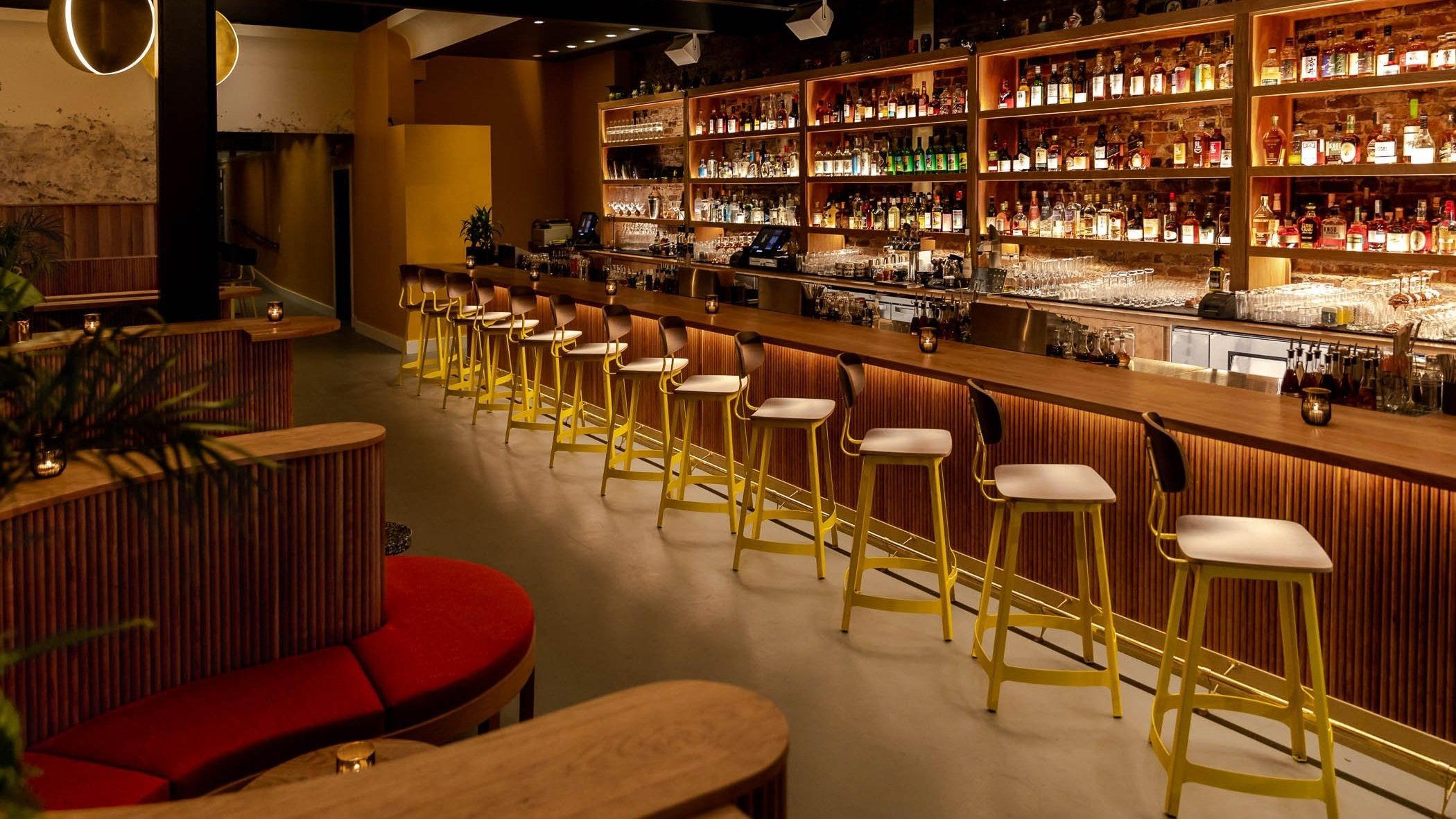
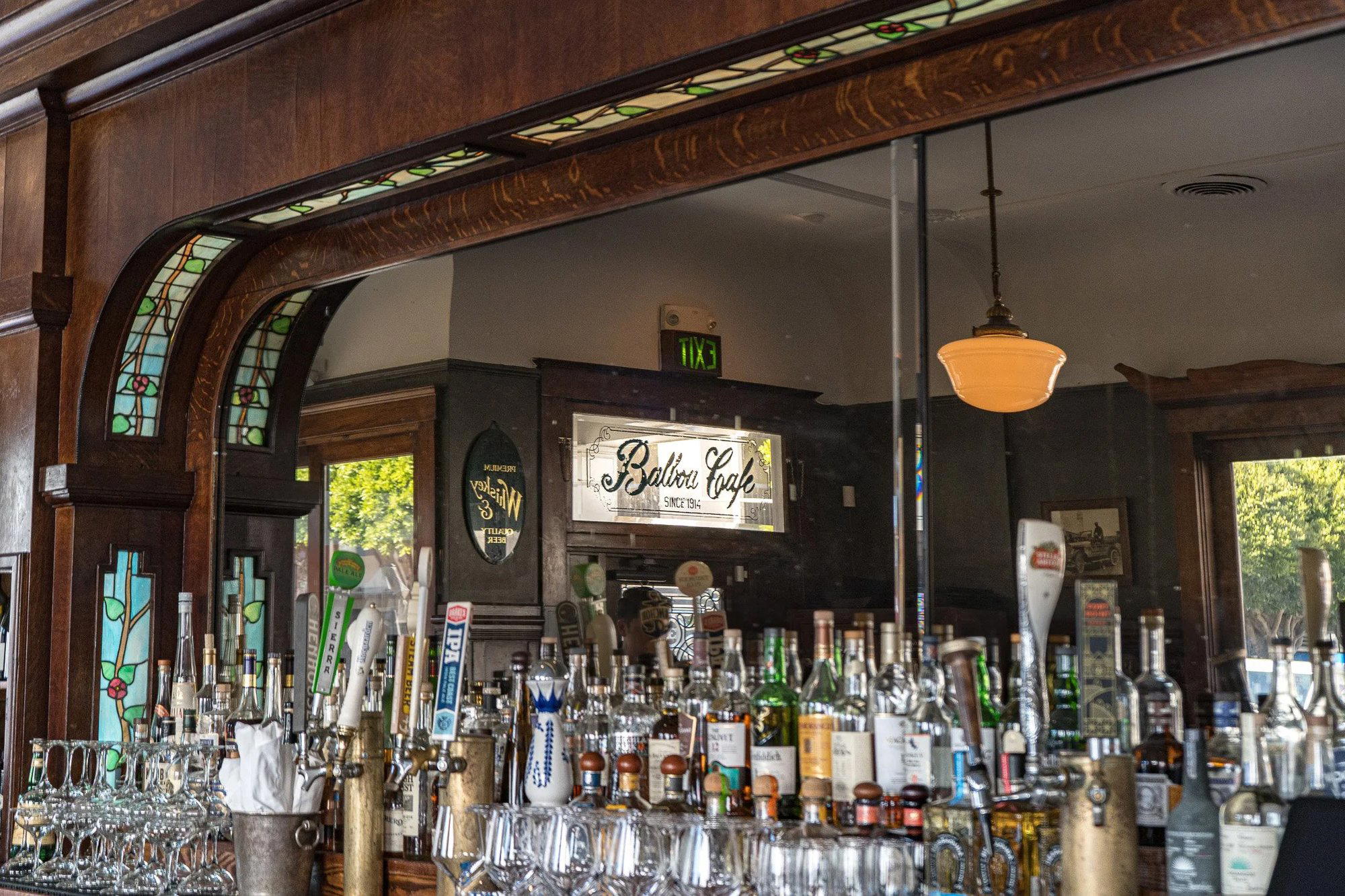
Bars in San Francisco
Browse all →
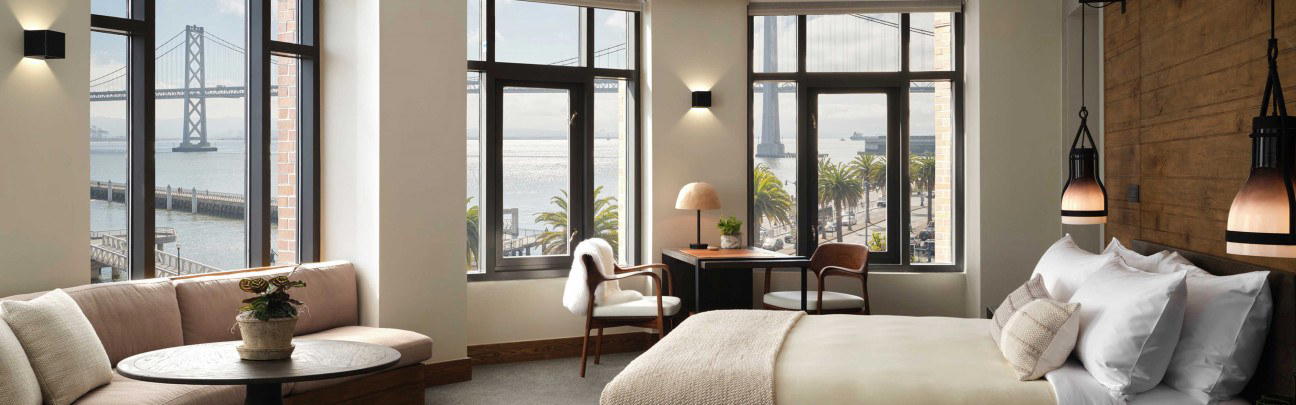
Hotels in San Francisco
Browse all →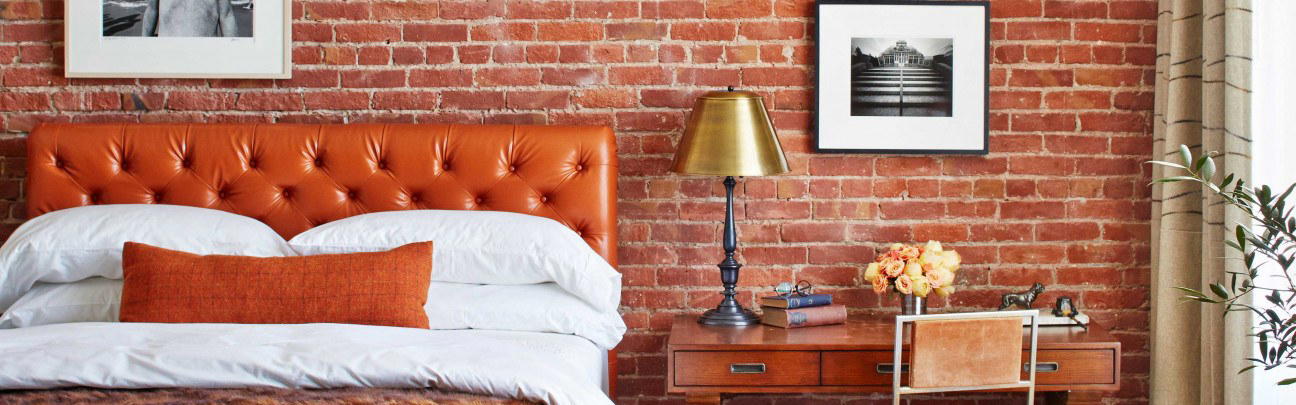
At a Glance
- Cozy
- Scenic
- Brunch
- Casual Hangout
- Terrace
- Open Kitchen
- Craft Cocktails
- Local Sourcing
- Skyline
Current opening hours
- Monday
- 8 AM–3 PM
- Tuesday
- 8 AM–3 PM
- Wednesday
- 8 AM–8 PM
- Thursday
- 8 AM–8 PM
- Friday
- 8 AM–8 PM
- Saturday
- 8 AM–8 PM
- Sunday
- 8 AM–3 PM
Hours can change for holidays and private events. Last verified .
Relaxed and cozy with indoor fireplace, outdoor fire pit, fresh flowers, and a welcoming patio atmosphere.