Arabeska bistro
On Štúrova Street in Bratislava's Old Town fringe, Arabeska bistro occupies a stretch where the city's café culture and neighbourhood dining overlap. The name signals a decorative sensibility, layered, pattern-driven, warm, and the bistro format places it squarely in the mid-register of Bratislava's dining scene, where the cooking is taken seriously without the formality of the city's fine-dining tier.
Pearl is the En Primeur Club membership app — saves, bookings, and concierge access live there. Same editors, same standards.
- Address
- Štúrova 8, 811 02 Bratislava, Slovakia
- Phone
- +421911600623
- Website
- arabeskabistro.sk
- Directions
- Get directions
 Saves & bookings on Pearl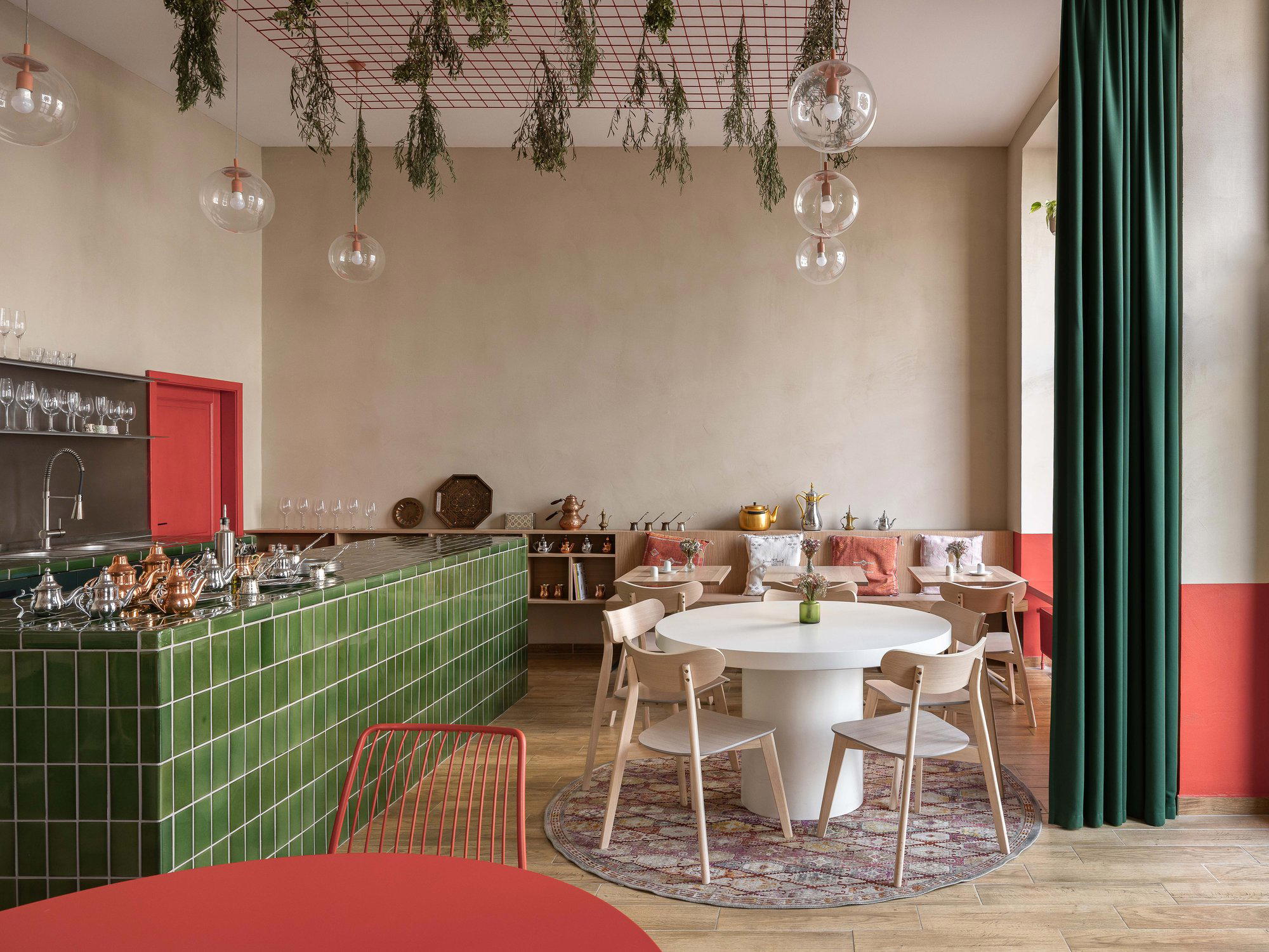
Where Štúrova Street Sets the Tone
Arabeska bistro is an Authentic Arabic Bistro in Bratislava, Slovakia, with a casual dress code and a recommended reservation policy. Arabeska bistro, at Štúrova 8 in the 811 02 postal district, occupies this second register. Štúrova is a transitional street, close enough to the Old Town's tourist corridors to catch passing trade, but used enough by locals that the restaurants on it have to earn repeat visits rather than coasting on foot traffic.
The name itself is worth pausing on. An arabesque is a repeating decorative motif, geometric and layered, drawing from Islamic architectural traditions and adopted widely across Central European ornamental design. As a frame for a bistro, it suggests an interior language built on pattern, warmth, and accumulated detail rather than the stripped-back minimalism that defines many of Bratislava's newer openings.
The Bistro Format in Bratislava's Current Scene
Bratislava's bistro category has matured considerably. A format that once meant little more than a sandwich counter with a chalkboard menu has, in the past five years, come to include places with genuine kitchen ambition, wine lists that extend beyond house pours, and a willingness to charge accordingly. Ako doma, which operates in the comforting, home-style register, and Al Faro, which leans into Mediterranean reference points. Antica Toscana and APOLKA Restaurant occupy slightly different positions on the formality scale, while Albrecht Restaurant represents the upper end of the city's independent dining tier.
Arabeska sits in this field as a casual neighbourhood restaurant with a recommended reservation policy. What positions a bistro in this context is consistency of execution, a readable identity, and a room that functions well across the hours it serves. The Štúrova address gives it neighbourhood credibility that a strictly tourist-zone location would not.
Atmosphere as the Primary Argument
In the bistro format, atmosphere is not decoration around the food, it is part of the value proposition. The leading Central European bistros function as social rooms: places where the sound level sits at a pitch that allows conversation without effort, where the light shifts from lunch brightness to something warmer by early evening, and where the physical arrangement of the room signals how long you are expected to stay. A bistro that clears tables aggressively tells you one thing; one with tablecloths and a wine list that runs to two pages tells you something entirely different.
Bratislava's café and bistro culture draws on a layered inheritance: the Austro-Hungarian coffeehouse tradition, the more austere habits formed under the communist period, and a post-2000 wave of influence from Western European bistro formats. The result is a local bistro type that tends to be unhurried, generous with portions, and more comfortable with the idea of a long lunch than many Western European cities. Whether Arabeska leans into that tradition or positions itself closer to a contemporary all-day format, the Štúrova location gives it access to both the lunch trade from nearby offices and the evening custom of locals who live in the surrounding residential streets.
Slovakia Beyond Bratislava: Where Dining Has Been Developing
Understanding Bratislava's bistro scene is easier with some sense of what is happening in the rest of the country. Serious cooking has been spreading outward from the capital in notable ways. Gašperov Mlyn in Batizovce and ARTE in Svätý Jur represent the regional ambition that now exists outside the capital, while Seven Restaurant Café by Villa Sandy in Košice and Origin in Lučenec show that the country's second city and provincial towns are producing kitchens worth the drive. Further afield, Afrodita in Cerenany, Alej Bojnice in Bojnice, Allora Fresh Pasta in Nitra, Bakoš Bistro in Košice, Cafe Sissi in Trenčín, and Dublin Cafe in Prešov District all indicate that Slovakia's dining geography is no longer a single-city story. That context matters for anyone spending time in Bratislava: the city's mid-tier bistros are now competing, loosely, against a national scene that is more active than it was five years ago.
For global reference points in how bistro formats operate at their most refined, places like Le Bernardin in New York City and Lazy Bear in San Francisco represent what happens when the bistro impulse, informal, personal, driven by a specific sensibility, is taken to its most deliberate conclusion. Bratislava's better bistros are not in that tier, but the gap is narrowing in ambition if not in execution.
Planning a Visit to Arabeska
Arabeska bistro is located at Štúrova 8, within walking distance of Bratislava's Old Town and accessible from the main SNP Bridge axis. The address puts it on a route that connects the historic centre to the Petržalka-facing embankment, meaning it is easy to combine with an afternoon in the Old Town or to reach from the southern residential quarters. Without published hours or a confirmed booking channel in the public record, the practical advice is to arrive with some flexibility, particularly at peak lunch hours on weekdays and Friday and Saturday evenings, when Bratislava's bistros at this price and location level tend to fill quickly.
- hummus
- falafel
- moutabal
- shawarma
- sambousek
- katayef pancakes
Comparable Spots
Comparable venues nearby, for context on price, style, and recognition.
| Venue | Cuisine | Price | Notes |
|---|---|---|---|
| Arabeska bistroThis venue — the venue you are viewing | Authentic Arabic Bistro | $$ | Not listed |
| Banchan Korean Bistro | Authentic Korean Bistro | $$ | Staré Mesto |
| Zichy Restaurant | Traditional Slovak | $$ | Staré Mesto |
| Ako doma | Traditional Slovak Home-Style | $$ | Staré Mesto |
| Matyšák | Traditional Slovak | $$ | Staré Mesto |
| SHUGETSU Bistro | Authentic Japanese Ramen & Tsukemen | $$ | Dúbravka |
Continue exploring
More in Bratislava
Restaurants in Bratislava
Browse all →
Bars in Bratislava
Browse all →
Hotels in Bratislava
Browse all →
At a Glance
- Cozy
- Modern
- Elegant
- Casual Hangout
- Group Dining
- Family
- Date Night
- Standalone
- Terrace
- Local Sourcing
Current opening hours
- Monday
- Closed
- Tuesday
- Closed
- Wednesday
- 11 AM–9 PM
- Thursday
- 11 AM–9 PM
- Friday
- 11 AM–9 PM
- Saturday
- 12–9 PM
- Sunday
- 12–9 PM
Hours can change for holidays and private events. Last verified .
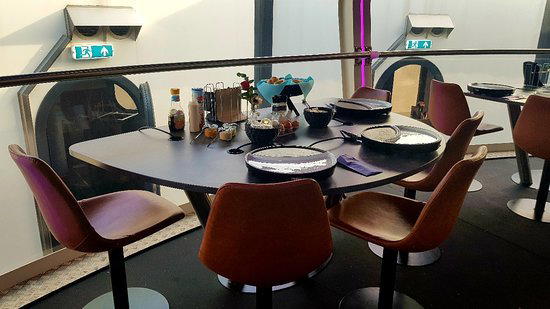
Cozy and stylish contemporary Arabic interior with warm, welcoming atmosphere and Arabic music playing in the background.