Antoine's
Antoine's on St. Louis Street has operated from the same French Quarter address since 1840, making it the oldest family-run restaurant in the United States. The kitchen works in a tradition of French Creole cooking that predates the city's modern dining scene by more than a century, with rooms that carry the architectural weight of that history. Reserve well ahead and dress accordingly.
Pearl is the En Primeur Club membership app — saves, bookings, and concierge access live there. Same editors, same standards.
- Address
- 713 St Louis St, New Orleans, LA 70130
- Phone
- +15045814422
- Website
- antoines.com
- Directions
- Get directions
 Saves & bookings on Pearl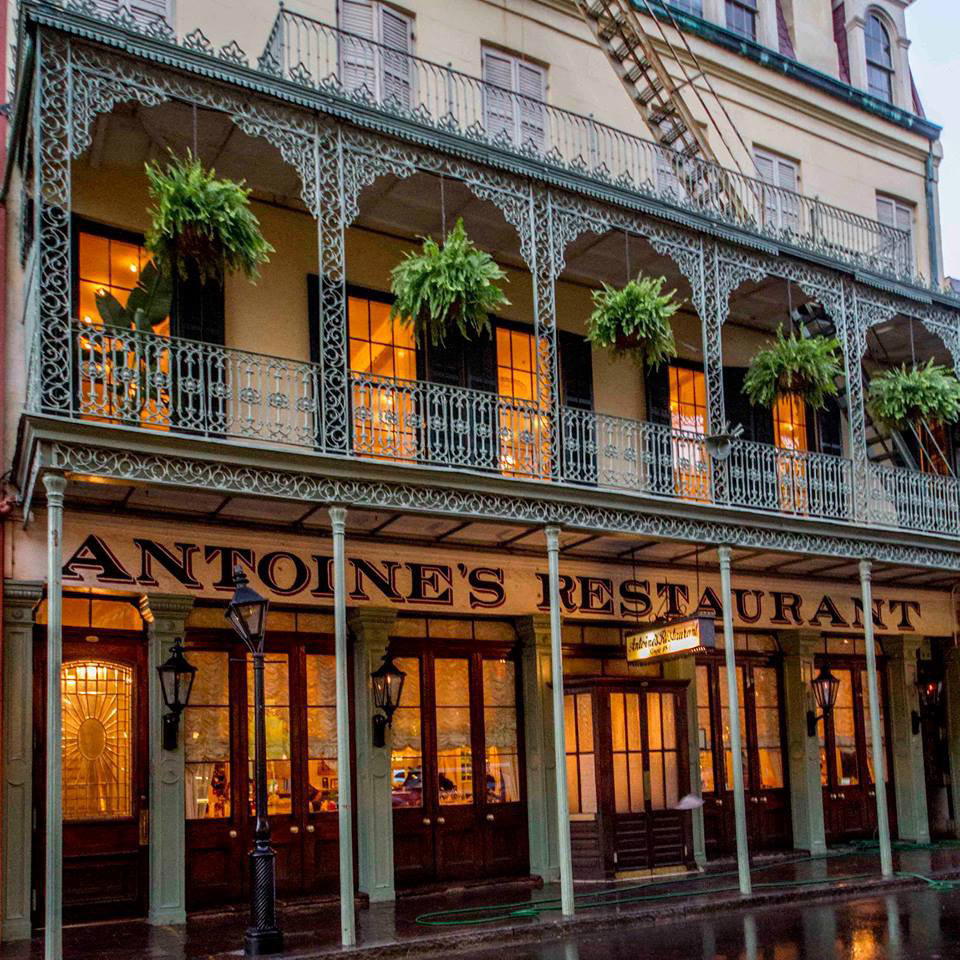
A French Quarter Institution in Its Original Form
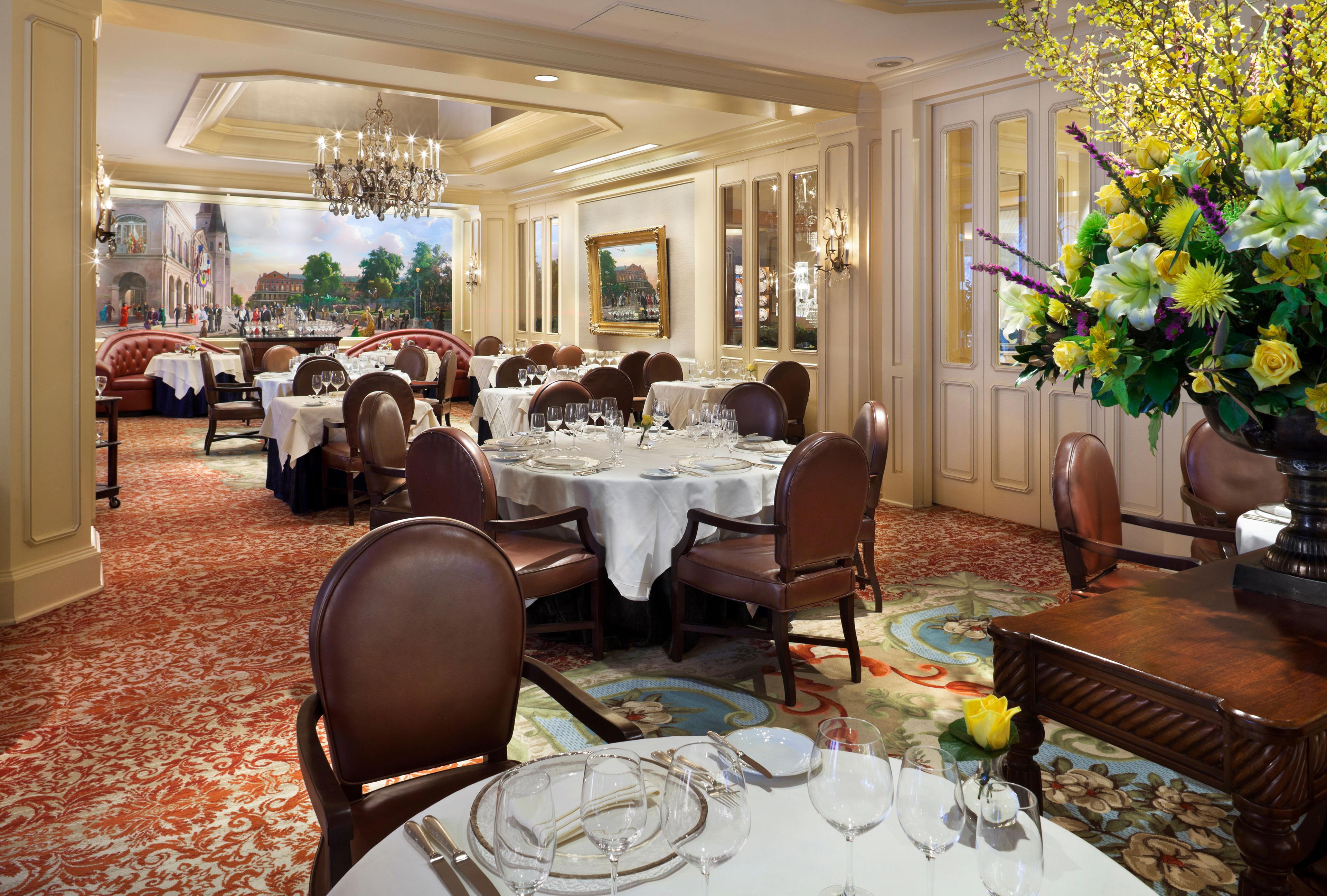
The dining rooms at 713 St. Louis Street carry a particular kind of institutional weight that is rare in American restaurants. Gas-lamp-era photographs line the walls, private dining rooms bear the names of decades-long regulars, and the waitstaff operate with a formality that belongs to a pre-casual dining era. Antoine's has occupied the same French Quarter address since 1840, which makes it the oldest continuously operating family-run restaurant in the United States, a credential that places it in a peer category with almost no American counterparts.
That longevity shapes everything about the experience. Unlike the newer generation of French Quarter restaurants that engage with Creole tradition as a reference point, Antoine's is the reference point. The dishes that define Louisiana cooking at places like Emeril's and Bayona draw, directly or indirectly, from a kitchen tradition that Antoine's codified generations ago.
The Cultural Weight of French Creole Cooking
French Creole cuisine is one of the more precisely defined regional cooking traditions in the United States, and the restaurant sits at its historical center. The cuisine emerged from the intersection of French technique, Spanish colonial administration, West African ingredients and methods, and the Caribbean trade routes that made New Orleans a port city unlike any other in North America. The result is a cooking style that is genuinely stratified: French in its sauce architecture, African in its use of okra and file, Spanish in its seasoning temperament, and shaped by a subtropical Gulf Coast larder that has no equivalent in European cooking.
The restaurant codified several dishes that are now treated as Creole canon. Oysters Rockefeller, created in the restaurant's kitchen in 1899, is the clearest example: a preparation of Gulf oysters baked under a sauce of green herbs, butter, and anise that has been replicated across the city and the country for more than a century without the original recipe ever being made public. The preparation's name, a reference to John D. Rockefeller's wealth at the time, suggests both the richness of the dish and the era's sense of occasion.
Pommes de Terre Souffles, another preparation closely associated with the restaurant, involves a double-frying process that inflates potato slices into hollow, crisp shells. The technique is French in origin but was kept alive in New Orleans long after it fell from fashion in Europe. Both dishes illustrate how the restaurant functioned not just as a restaurant but as a preservation mechanism for a specific culinary tradition at a moment when that tradition might otherwise have been absorbed and diluted.
Where Antoine's Sits in the New Orleans Dining Conversation
New Orleans now has a deep tier of serious restaurants operating at price points and with critical ambitions that would not have been imaginable a generation ago. Saint-Germain and Re Santi e Leoni represent one end of the contemporary fine dining spectrum, while Zasu occupies a more casual but technically precise American contemporary register. Commander's Palace sits in the Creole fine dining tier with sustained national press and a long lineage of chefs who went on to shape American cooking more broadly.
The restaurant occupies a different position entirely. It does not compete on the axis of culinary innovation or rotating seasonal menus. Its claim is institutional: the restaurant is the primary archive of a specific cooking tradition in its city of origin. That is a different kind of authority from the kind signaled by Michelin stars or 50 Best placement, and it attracts a correspondingly different visitor. Americans who eat regularly at Le Bernardin in New York City, The French Laundry in Napa, or Smyth in Chicago come to the restaurant not for a contemporary tasting menu but for the experience of eating in a room where American culinary history is physically present.
That distinction matters when setting expectations. The restaurant is not trying to be Lazy Bear in San Francisco, Single Thread Farm in Healdsburg, or Providence in Los Angeles. The logic of the kitchen is rooted in continuity, not reinvention. Readers familiar with the ambitions of Blue Hill at Stone Barns, Addison in San Diego, The Inn at Little Washington, Frasca Food & Wine in Boulder, Atomix in New York City, or Atelier Moessmer Norbert Niederkofler in Brunico should approach the restaurant as a different register of dining entirely: archival, formal, historically significant.
The Rooms and the Ritual
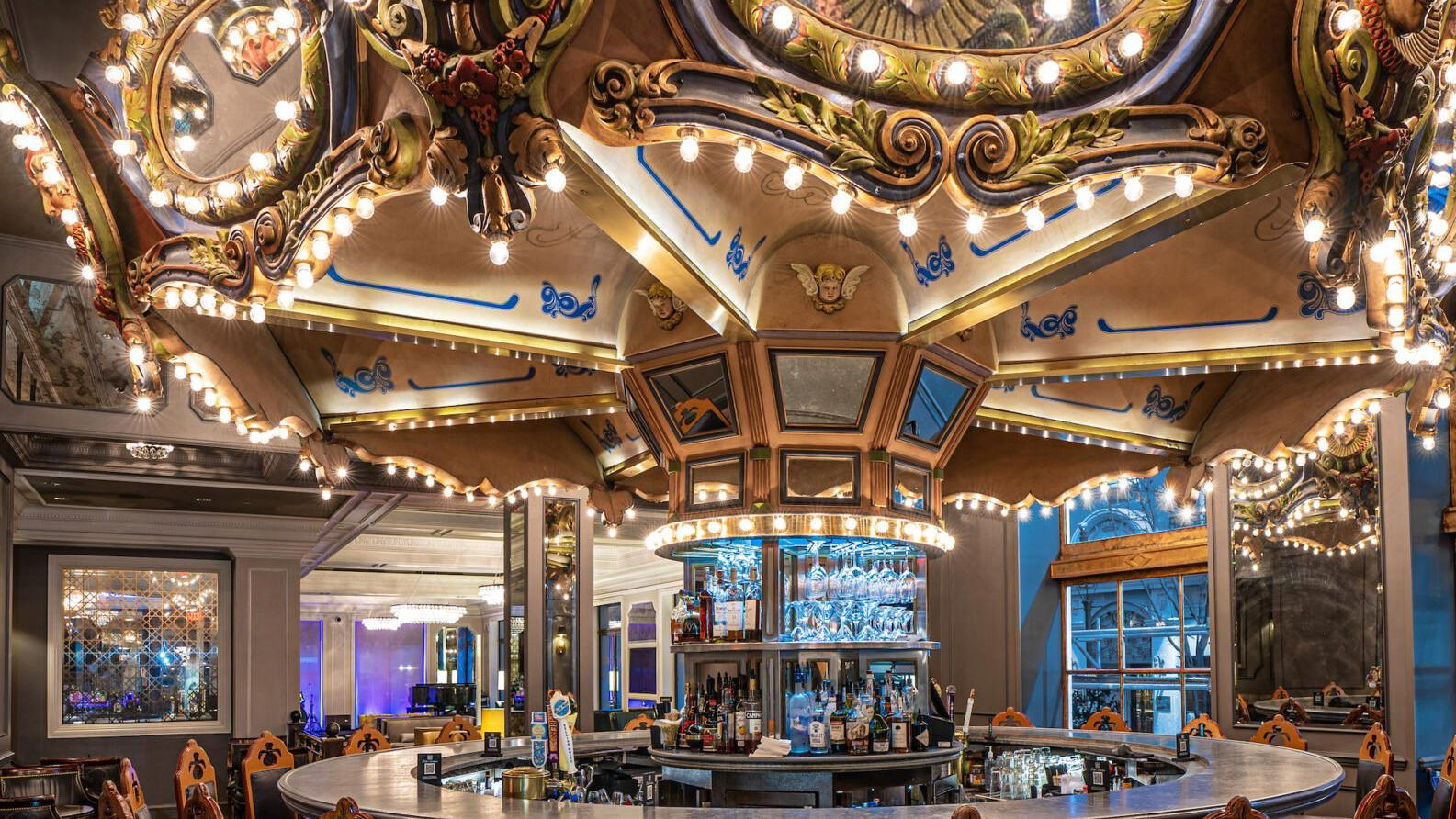
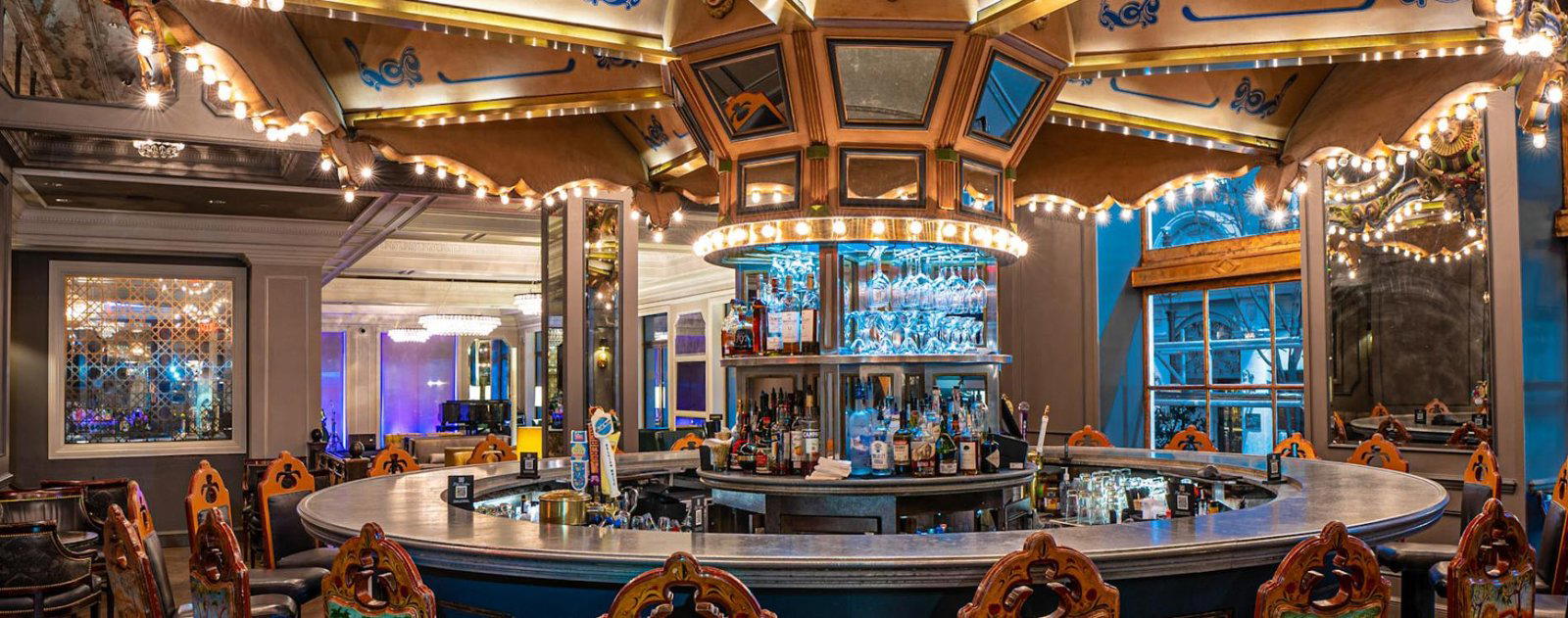
The restaurant spans multiple dining rooms across a historic French Quarter building, and several of those rooms have been named after prominent regulars or historical associations over the decades. The Hermes Bar, the Mystery Room, and the Rex Room each carry different associations and varying degrees of formality. Being seated in the right room for the right occasion is something longtime guests understand intuitively; first-time visitors benefit from specifying their preference when booking.
The service format is traditional French restaurant service: tableside preparation remains part of the experience in certain dishes, and the pace is deliberate. This is not a restaurant designed for a ninety-minute dinner. The experience runs longer, and the rhythm of the meal is expected to match the room's sense of occasion.
Know Before You Go
- Address: 713 St. Louis Street, New Orleans, LA 70130 (French Quarter)
- Reservation: Recommended, particularly for Friday and Saturday evenings and during Mardi Gras and Jazz Fest seasons
- Dress code: Smart casual at minimum; the formal dining rooms skew toward business casual and above
- Timing: Lunch service is available and historically has been a quieter entry point than dinner; the room fills considerably on weekend evenings
- Room preference: Specify your preference when booking, the private and named dining rooms carry distinct characters
Where the Accolades Land
Comparable venues nearby, for context on price, style, and recognition.
| Venue | Cuisine | Price | Notes |
|---|---|---|---|
| Antoine'sThis venue — the venue you are viewing | French-Creole | $$$ | Not listed |
| Bijoux | French with Louisiana Influences | $$$ | Central Business District |
| Charmant | Contemporary European Bistro with New Orleans Influences | $$$ | Mid-City |
| Sac-a-Lait | Modern Cajun and Creole | $$$ | Arts District |
| Bistro Daisy | American Bistro with Creole Influences | $$$ | Audubon |
| Fulton Alley | American Gastropub | $$$ | Arts District |
Continue exploring
More in New Orleans
Restaurants in New Orleans
Browse all →
Bars in New Orleans
Browse all →
At a Glance
- Classic
- Elegant
- Well Known
- Historic
- Sophisticated
- Special Occasion
- Celebration
- Business Dinner
- Historic Building
- Private Dining
- Live Music
- Extensive Wine List
Current opening hours
- Monday
- 10:30 AM–2 PM, 5–9 PM
- Tuesday
- 5–9 PM
- Wednesday
- 5–9 PM
- Thursday
- 10:30 AM–2 PM, 5–9 PM
- Friday
- 10:30 AM–2 PM, 5–9 PM
- Saturday
- 10:30 AM–2 PM, 5–9 PM
- Sunday
- 10:30 AM–2 PM, 5–9 PM
Hours can change for holidays and private events. Last verified .
Elegant historic atmosphere with 15 themed dining rooms featuring Mardi Gras memorabilia, polished service, and a sense of timeless sophistication.