
A family-run osteria set in a villa on the edge of woodland outside Vicenza, Antica Osteria da Penacio holds consecutive Michelin Plate recognition (2024 and 2025) for its grounded Venetian cooking. The price point sits at the accessible end of the regional dining spectrum, with two refined dining rooms and a small wine bar attached.
Pearl is the En Primeur Club membership app — saves, bookings, and concierge access live there. Same editors, same standards.
- Address
- Via Soghe, 62, 36057 Arcugnano VI, Italy
- Phone
- +39 0444 273540
- Website
- penacio.it
- Directions
- Get directions
 Saves & bookings on Pearl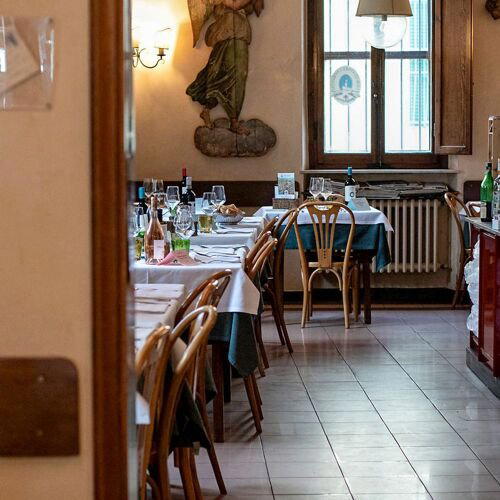
A Woodland Edge, a Villa, and the Weight of Venetian Tradition
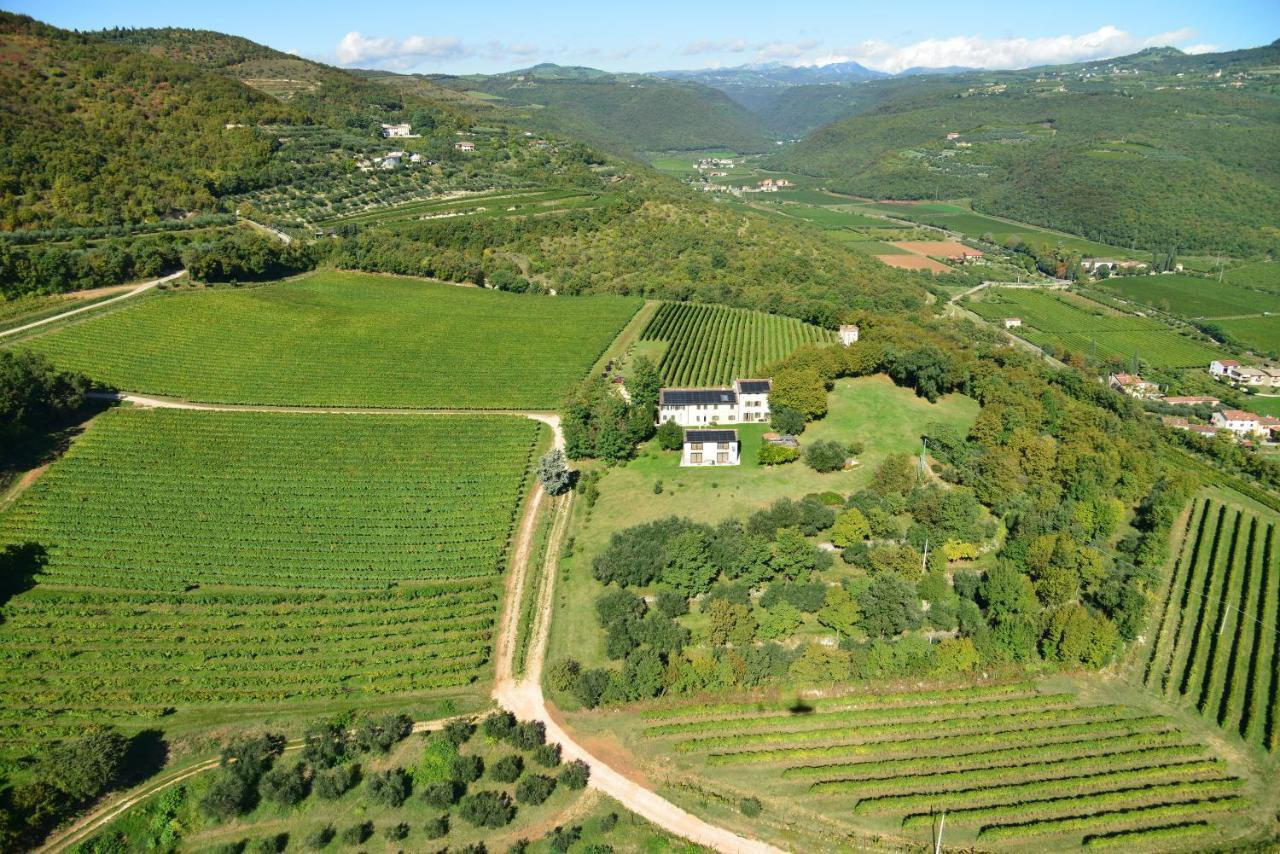
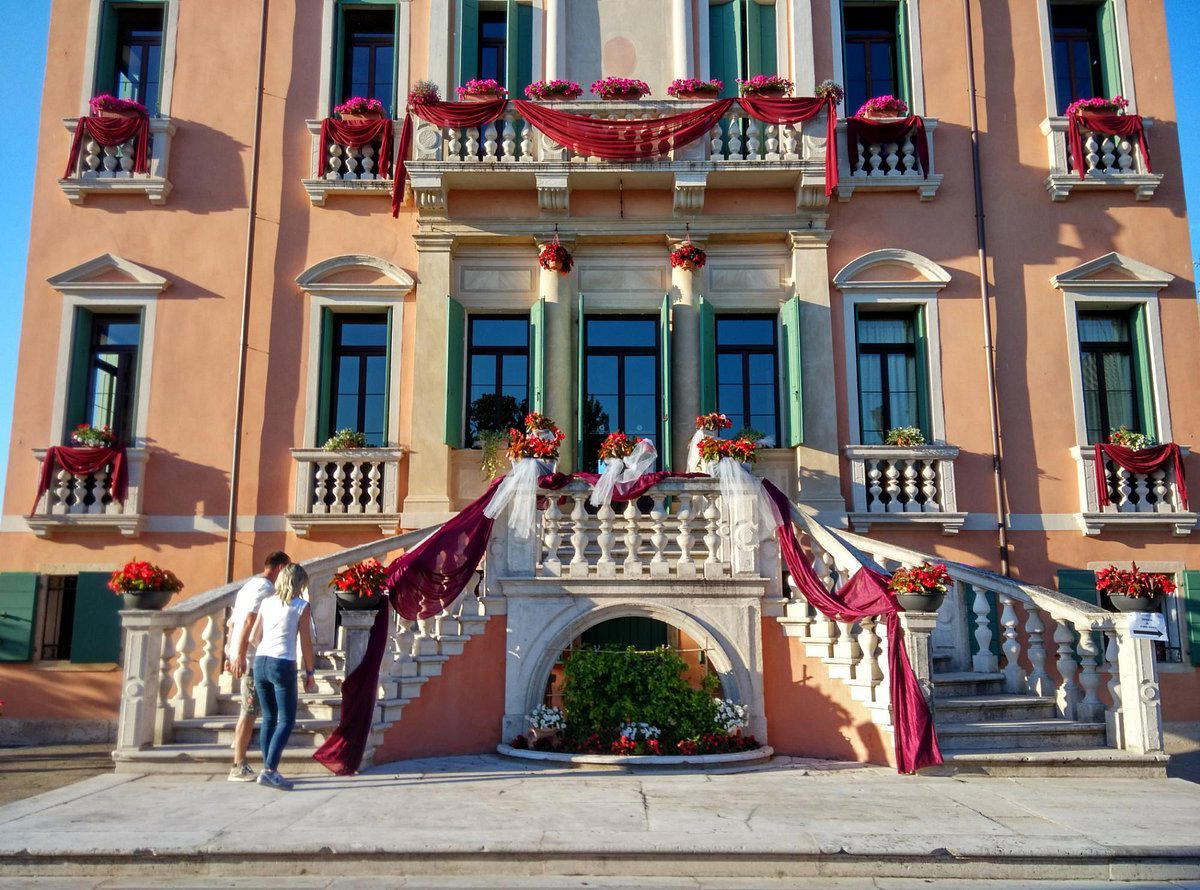
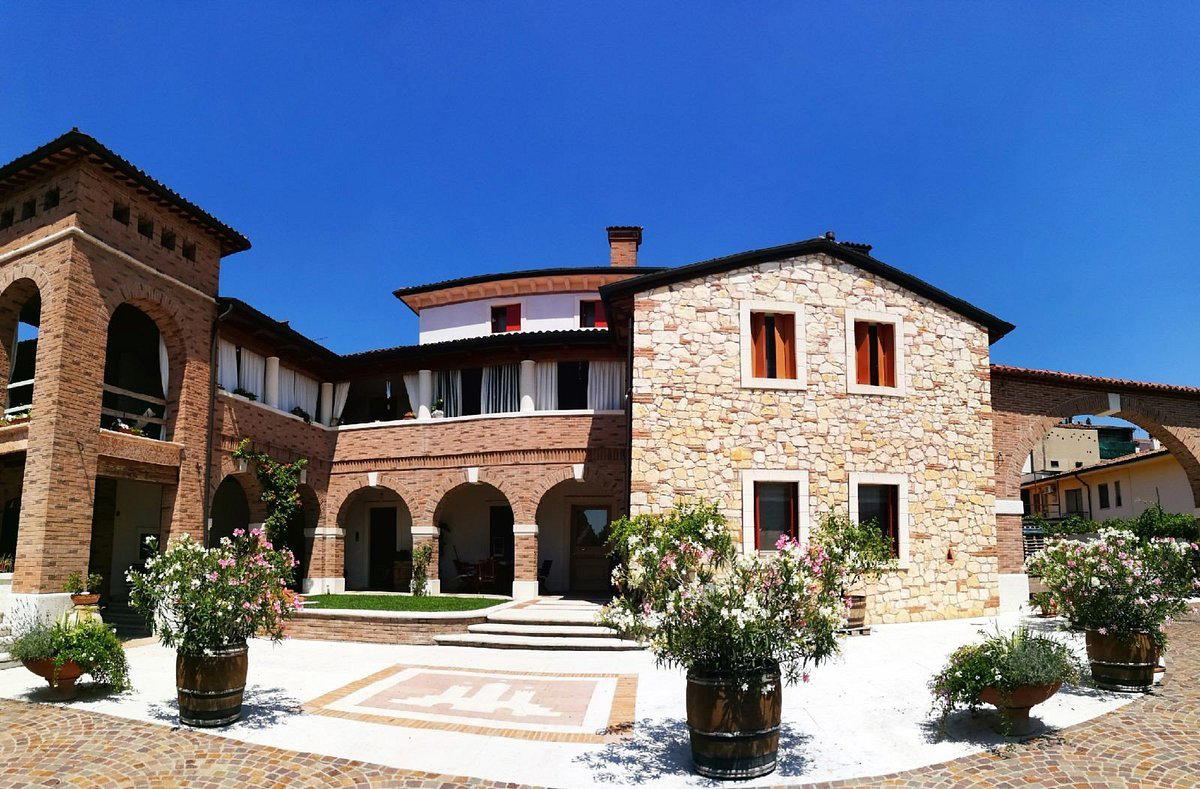
Arriving at a restaurant set in a villa at the boundary of a wood changes the register of the meal before you've ordered anything. The building does what centuries of northern Italian rural architecture has always done: it signals that eating here is a deliberate act, not a convenience stop. Arcugnano, a comune in the Colli Berici hills south of Vicenza, occupies a stretch of the Veneto that most visitors route around rather than through, which means the dining room at Antica Osteria da Penacio fills with a crowd that has made a considered choice to be there. That self-selection tends to produce a particular kind of evening.
The Colli Berici have historically sat in the shadow of Verona and Venice when it comes to food recognition, yet the hills have long supported a cooking culture rooted in local produce, game, freshwater fish from the Bacchiglione tributaries, and the polenta-and-bean backbone that defines inland Venetian eating.
Two Rooms, One Wine Bar, and How the Space Is Used
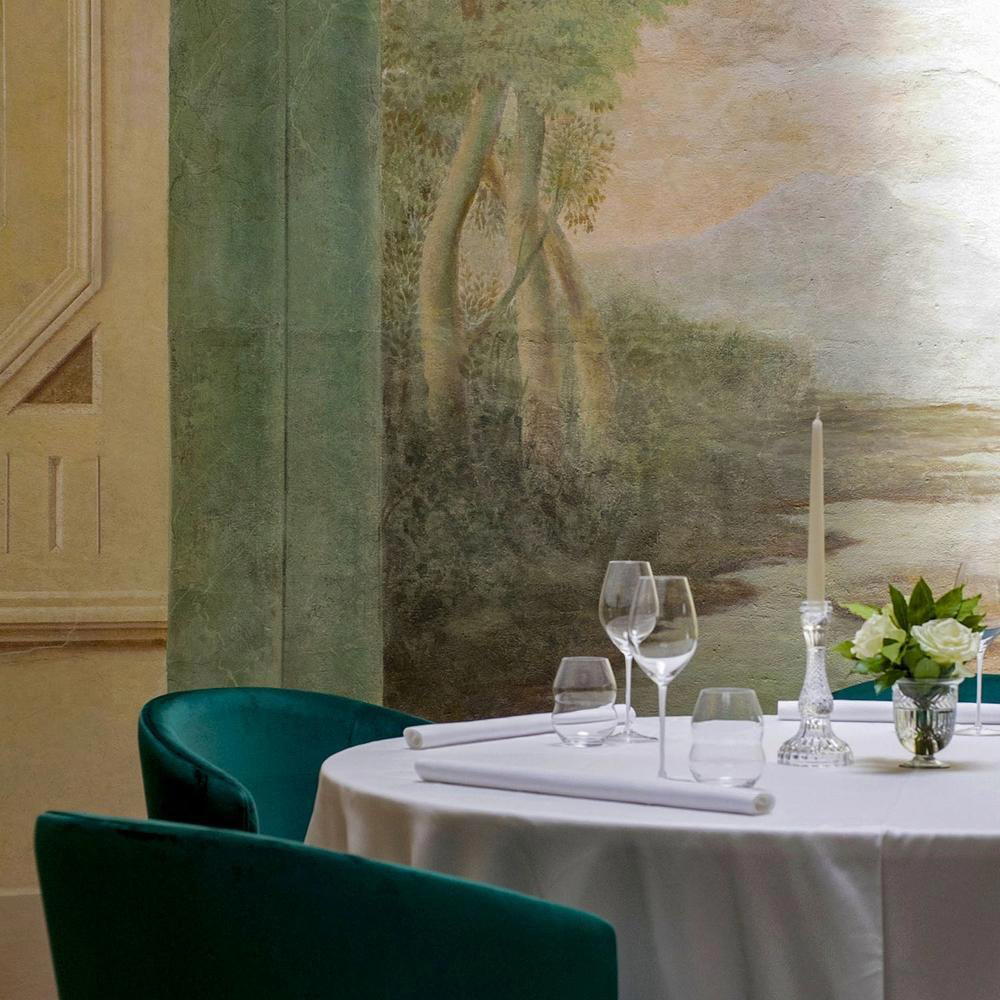
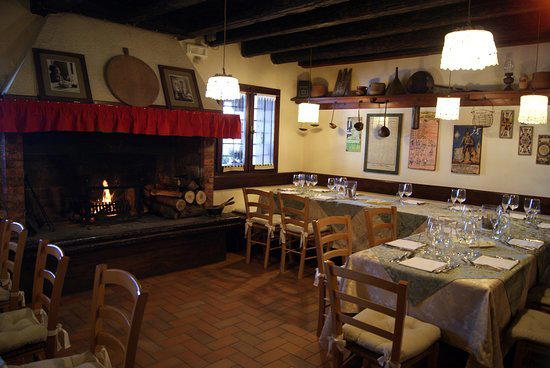
Inside the villa, the layout divides into two dining rooms and a wine bar that the venue itself describes as small but well stocked. That structure is significant. In Venetian hospitality, the wine bar is not an afterthought but a social institution, and osterie that maintain a genuine one alongside a full kitchen are operating in a different cultural key from restaurants that simply list wine by the glass. The rooms themselves are described as refined, which in a rural villa context typically means local materials handled without excess, linen on the tables, and acoustics that allow conversation rather than competing with it.
The wine bar component also places Antica Osteria da Penacio in a specific local tradition. Veneto's cicchetti culture and its broader habit of standing at a counter with a small glass are expressions of the same instinct: wine and food are social infrastructure, not performance. A table in the dining room and a glass at the bar are two different speeds of the same meal.
The Chef and the French-Venetian Axis
Chef Guilhem Blanc-Brude brings a set of credentials that sit at an interesting angle to the kitchen's stated identity. A French name in a Venetian osteria is not unusual in 2025, but it is worth examining what that cross-pollination typically produces. One productive version of this axis tends not to impose French technique onto Italian ingredients but to use classical training to edit and sharpen rather than transform. The Venetian tradition already has its own precision, particularly in its handling of preserved fish, its sense of when sweetness belongs in a savoury dish, and its understanding of bitterness as a flavour category rather than a fault. A chef trained in French kitchens who works within that framework rather than against it tends to produce food that is more disciplined than either tradition alone would dictate.
The kitchen's recognition in 2024 and 2025 suggests a level of consistency that merits attention. Consecutive Plate recognition across two years indicates that the standard is not incidental. For reference, the starred end of Italian fine dining in the same broad region includes Le Calandre in Rubano and Casa Perbellini 12 Apostoli in Verona, both operating at €€€€. Antica Osteria da Penacio sits at a €€€ price tier, which signals a more considered spend.
Venetian Cooking as a Reference Point
Venetian cuisine is one of Italy's most historically layered, shaped by the Republic's trade routes into the Eastern Mediterranean, its control of salt and spice markets, and its dependence on the lagoon and the rivers of the terraferma. The inland Veneto, away from the tourist infrastructure of Venice itself, carries a version of that tradition that is less visible but more intact. Dishes built on local birds, cured meats, dried legumes, and aged cheeses from the Berici and Euganean hills define a cooking mode that values depth over novelty. Osterie that operate faithfully within this mode are doing something that the starred kitchens, by definition, cannot: maintaining the everyday register of a cuisine rather than its celebratory peak.
The comparison set for what the restaurant represents editorially is not Osteria Francescana in Modena or Enoteca Pinchiorri in Florence, though understanding where those kitchens sit helps calibrate the spectrum. It is not Dal Pescatore in Runate or Atelier Moessmer Norbert Niederkofler in Brunico, Piazza Duomo in Alba, Uliassi in Senigallia, Reale in Castel di Sangro, Quattro Passi in Marina del Cantone, or Enrico Bartolini in Milan. Those are reference points for understanding the starred tier, not direct comparators. The restaurant operates in the osteria mode, where the measure of success is consistency and rootedness rather than creative ambition.
For those travelling from further afield who want to understand how Venetian cooking translates outside the lagoon city, the osteria model is worth experiencing alongside its more formal counterparts. The Arcugnano version, at its price point and in its hill setting, is a different proposition from any of those: less mediated, less travelled.
Planning a Visit
The restaurant is located at Via Soghe, 62, in Arcugnano, within the Colli Berici hills south of Vicenza. Reaching it by car from Vicenza takes approximately fifteen to twenty minutes; the location in a wood-edge villa means public transport options are limited, so driving or a hired car is the practical choice. The price range sits at €€€, making it an evening that does not require extravagant spending. Given the consistent review volume and consecutive Michelin Plate recognition, booking ahead rather than walking in is advisable, particularly at weekends when Vicentine families and visitors from the broader Veneto make the trip.
A Quick Peer Check
Comparable venues nearby, for context on price, style, and recognition.
| Venue | Cuisine | Price | Awards | Notes |
|---|---|---|---|---|
| Antica Osteria da PenacioThis venue — the venue you are viewing | Traditional Venetian Osteria | $$$ | Michelin Plate | Not listed |
| Acchiappagusto | Modern Italian Fine Dining | $$$ | Not listed | Arcugnano |
| La Locanda di Piero | Modern Italian Fine Dining | $$$ | Michelin Plate | Montecchio Precalcino |
| Trattoria I Masenini | Modern Italian Trattoria | $$$ | Michelin Plate | Cittadella |
| Incàlmo | Modern Italian Fine Dining | $$$ | Michelin Plate | Este |
| Al Pozzo | Modern Italian Seafood | $$$ | Michelin Plate | Mason Vicentino |
Recognition history
Dated appearances from independent guides and award organizations, with the underlying list record or original source where available.
Michelin Plate
Michelin
Michelin Plate
Michelin
Michelin Plate
Michelin
Continue exploring
More in Arcugnano
Restaurants in Arcugnano
Browse all →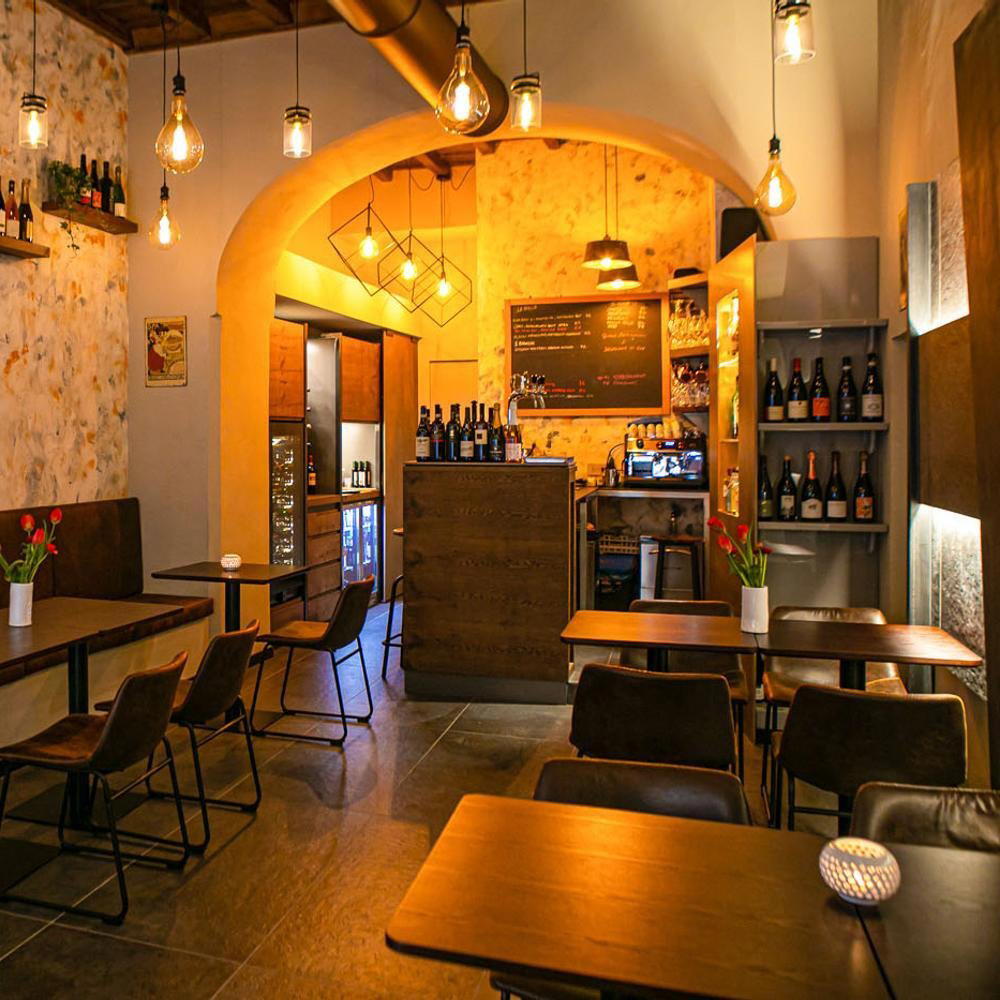
Bars in Arcugnano
Browse all →
Hotels in Arcugnano
Browse all →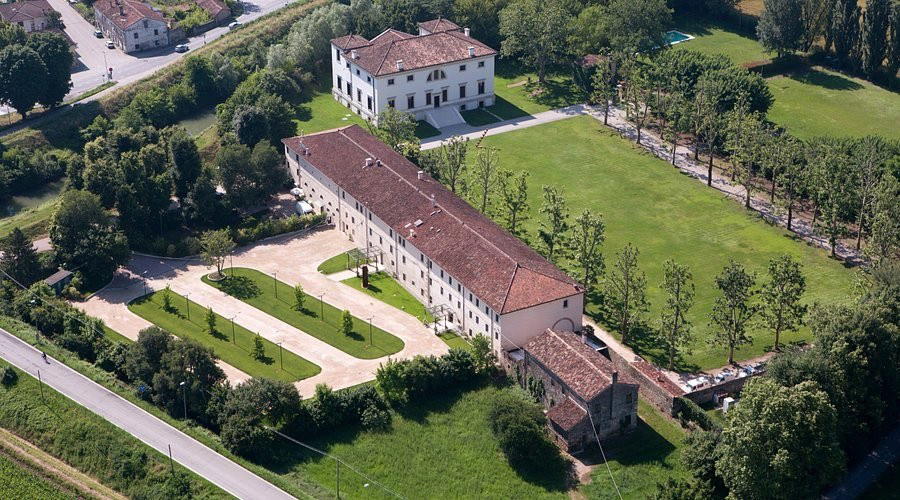
At a Glance
- Rustic
- Elegant
- Cozy
- Classic
- Date Night
- Family
- Special Occasion
- Historic Building
- Extensive Wine List
- Local Sourcing
- Mountain
Current opening hours
- Monday
- 7:45–10 PM
- Tuesday
- 7:45–10 PM
- Wednesday
- Closed
- Thursday
- Closed
- Friday
- 7:45–10 PM
- Saturday
- 7:45–10 PM
- Sunday
- 12:15–2 PM, 7:30–10 PM
Hours can change for holidays and private events. Last verified .
Refined dining rooms with cozy, elegant atmosphere and magnificent hill views, though can be noisy during peak lunch service.