Restaurant de La Gare


In the southern Alsatian village of Guewenheim, Restaurant de La Gare occupies a category of French regional dining that has become increasingly rare: the serious country table where the welcome is as considered as the wine list. Owner Annick's hospitality and Michel Seidel's deep wine cellar anchor a room that rewards the detour from Mulhouse or the Alsace wine route.
Pearl is the En Primeur Club membership app — saves, bookings, and concierge access live there. Same editors, same standards.
- Address
- 2 Rue de Soppe, 68116 Guewenheim, France
- Phone
- +33 3 89 82 51 29
- Directions
- Get directions
 Saves & bookings on Pearl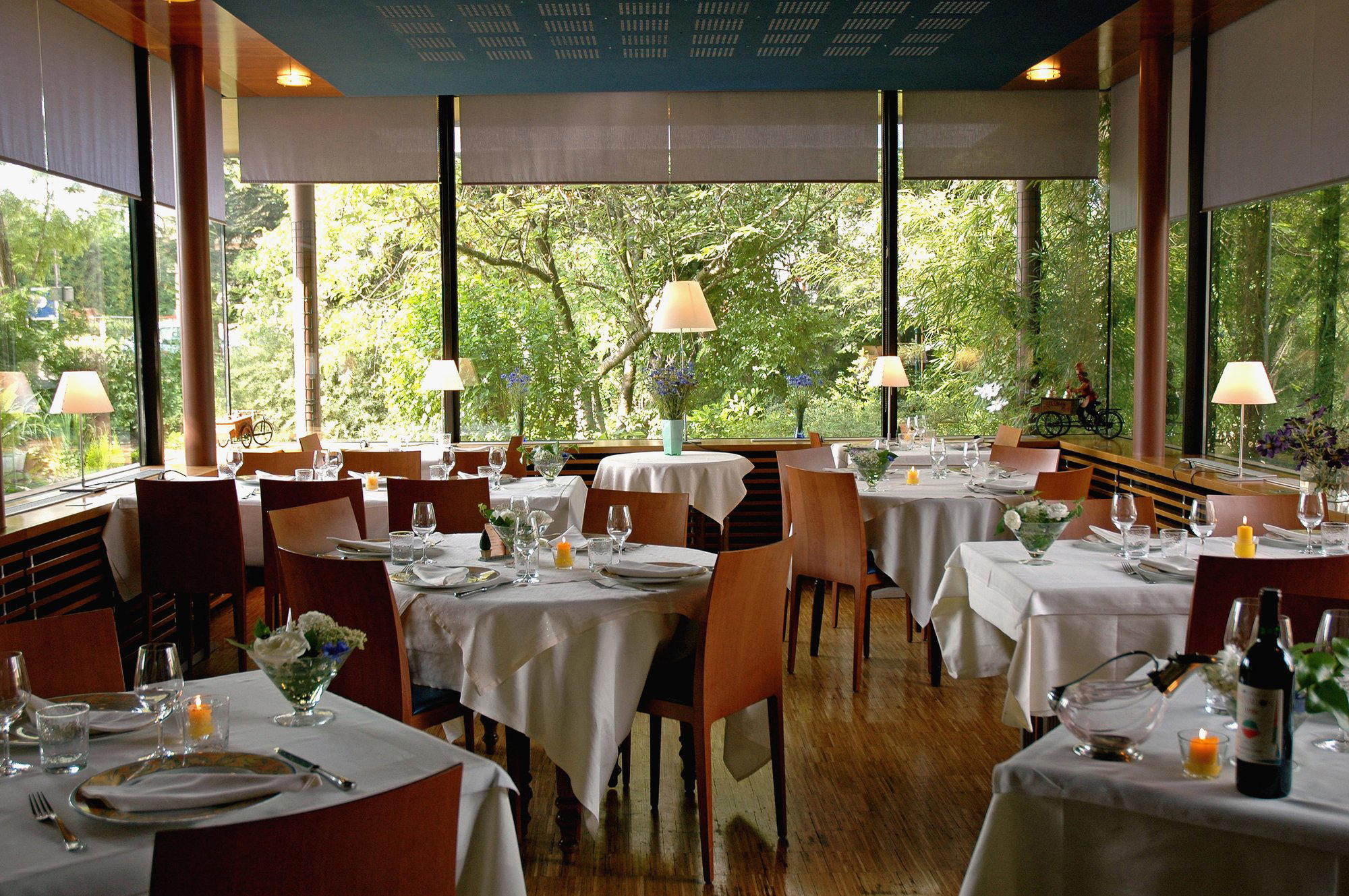
A Different Kind of Alsatian Table
The Alsace region has long operated two parallel dining traditions. The first is the grand maison: white tablecloths, formal procession, cooking that earns column inches in Paris and stars in Geneva. The second is harder to categorise and increasingly difficult to find, the serious village restaurant where the cooking is grounded in local sourcing, the wine list runs deeper than the menu suggests, and the person who greets you at the door genuinely means it. Restaurant de La Gare in Guewenheim sits firmly in that second tradition, and that positioning matters more than any formal credential.
Guewenheim is a small commune in the Haut-Rhin, south of Mulhouse and close to the Sundgau, the rolling agricultural sub-region that separates Alsace from the Franche-Comté border. It is not on the wine route. It is not adjacent to a cathedral or a Christmas market. What it has is good farmland, proximity to producers who supply without the premium markup that tourist-facing towns demand, and, on the Rue de Soppe, a restaurant that has understood that geography as an advantage rather than a handicap.
What the Cellar Signals
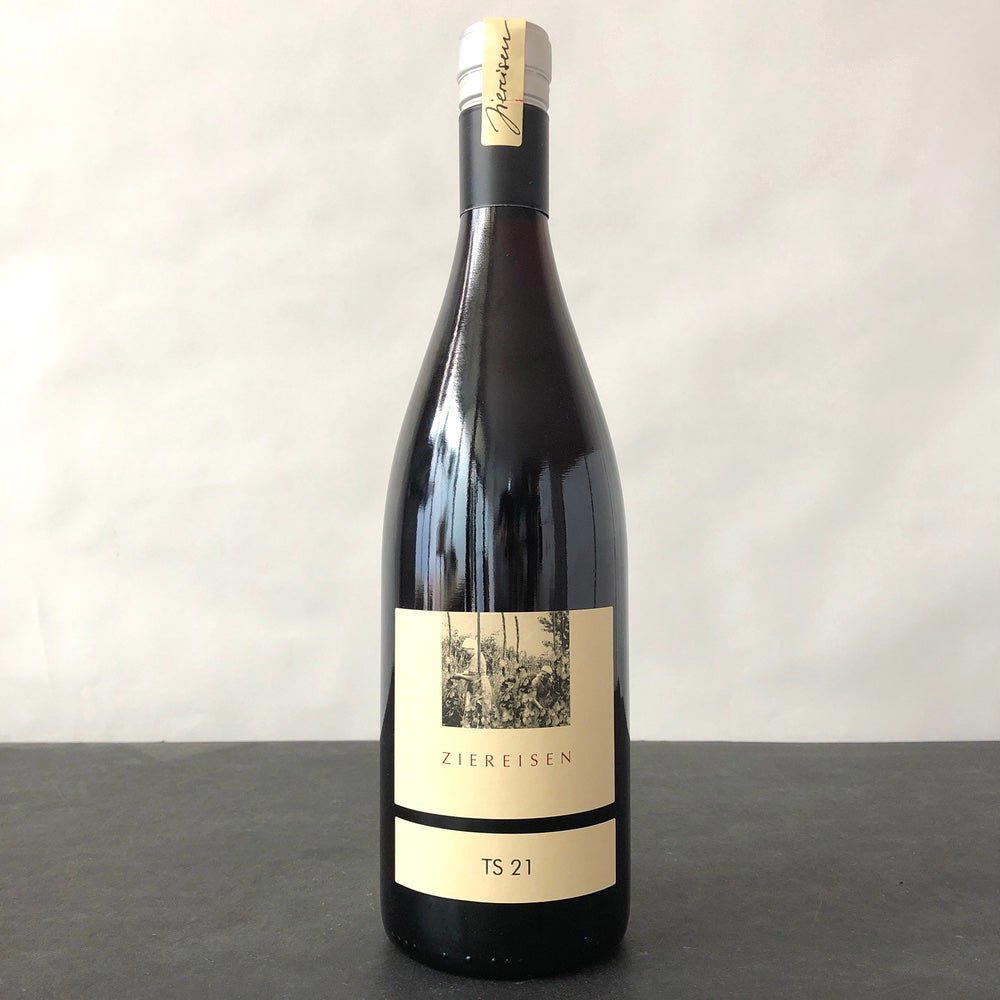
In French provincial dining, the wine list is frequently one honest indicator of a kitchen's seriousness. Restaurants that treat wine as an afterthought tend to treat sourcing the same way. Michel Seidel's cellar at La Gare has been described in terms that invoke the cave of Ali Baba, a comparison that, stripped of its romanticism, points to something specific: depth, accumulation over time, and a curatorial logic that goes beyond what a distributor's rep recommends this quarter.
Alsace produces some of France's most terroir-expressive whites, Riesling from the Grand Cru slopes around Guebwiller and Thann, Pinot Gris that can age for a decade, Gewurztraminer that divides opinion sharply and rewards those who engage with it seriously. A cellar with genuine depth in this region will typically hold verticals from small domaines that don't reach Paris restaurant lists, vintages that require patience, and a selection that reflects the Sundgau and Haut-Rhin as a wine-producing geography rather than a generic Alsatian backdrop. Whether Seidel's cellar fits that precise description, only a visit confirms, but the framing of it as something notable by those who know it suggests it operates well outside the standard house-wine-plus-a-few-bottles model common to restaurants of this scale.
The Sourcing Logic of a Sundgau Kitchen
The editorial angle that leading explains La Gare's position in the regional dining conversation is ingredient sourcing. The Sundgau and Haut-Rhin produce with genuine specificity: carp from the ponds around Hirsingue and Durlinsdorf, freshwater fish from the Doller and the Ill, charcuterie from small producers working in a tradition that predates the AOC system, and seasonal vegetables from farms that don't truck produce to Strasbourg wholesale markets before it comes back south. A village restaurant in Guewenheim, without the overhead of a tourist-facing address, is structurally positioned to work with those producers directly, shorter supply chains, less price pressure, produce at a stage of ripeness that a three-star kitchen in the city often cannot access because of the logistics involved.
That sourcing logic, where it holds, produces cooking with a different register than urban fine dining. It is less about technical transformation and more about timing: knowing when the first carp of the season is worth putting on the menu, or when the local Munster has aged to the point where it needs nothing but bread. This is the tradition that restaurants like Bras in Laguiole and Flocons de Sel in Megève have formalised at a different price point, terrain-driven cooking where the provenance is the argument. At La Gare, the argument is made without the ceremony.
Annick and the Dying Art of the French Welcome
French restaurant hospitality has bifurcated in recent years. At the summit tier, tables like Alléno Paris au Pavillon Ledoyen, Mirazur in Menton, or Assiette Champenoise in Reims, hospitality is a trained, choreographed discipline. At the other end, it has often dissolved into functional transactionalism: orders taken, plates delivered, bill produced. What has largely disappeared is the middle register: the hostess who is not performing warmth but expressing it, who knows the regulars by name and makes strangers feel they could become regulars. The description attached to Annick's welcome at La Gare, generous, energetic, and positioned as something that has become genuinely rare, maps precisely onto that vanishing middle register.
That kind of hospitality is not incidental to the experience of eating at a French country restaurant. It is the experience, in large part. The cooking arrives inside a frame of welcome that affects how you receive it. Restaurants that understand this, and La Gare appears to be one of them, tend to retain a loyalty from local and regional diners that no review can manufacture or take away.
Planning Your Visit
Guewenheim sits roughly 20 kilometres south of Mulhouse, making it a plausible lunch or dinner destination from the city, from the southern Alsace wine villages, or from cross-border visitors arriving through Basel-Mulhouse airport. The restaurant's address on the Rue de Soppe places it in the village centre, accessible by car with parking typical of Haut-Rhin village settings. The restaurant is recommended for reservations, and its regular opening hours are Mon: 12–2 PM, 6–9 PM; Tue: Closed; Wed: Closed; Thu: 12–2 PM, 6–9 PM; Fri: 12–2 PM, 6–9 PM; Sat: 12–2 PM, 6–9 PM; Sun: 12–2 PM, 6–9 PM.
For those building a longer itinerary in the region, cover the surrounding area. Those comparing La Gare against the wider spectrum of serious French regional cooking might also find value in the pages for Troisgros in Ouches, Au Crocodile in Strasbourg, or Paul Bocuse in Collonges-au-Mont-d'Or, each representing a different point on the axis between regional tradition and formal ambition.
At-a-Glance Comparison
Comparable venues nearby, for context on price, style, and recognition.
| Venue | Cuisine | Price | Awards | Notes |
|---|---|---|---|---|
| Restaurant de La GareThis venue — the venue you are viewing | Modern French Brasserie | $$$ | Not listed | Not listed |
| La Gare | Traditional Alsatian French Brasserie | $$$ | Michelin Plate | Guewenheim |
| Momento | Modern French-Mexican Fusion | $$$ | Not listed | Bué |
| Bienheureux | Modern French seasonal tasting menu | $$$ | Not listed | Wasquehal |
| L'Angélus | French Brasserie | $$$ | Not listed | Rue de la République |
| Les Jardins de Sophie | French Regional Fine Dining | $$$ | Not listed | Xonrupt-Longemer |
Recognition history
Dated appearances from independent guides and award organizations, with the underlying list record or original source where available.
Michelin Plate
Michelin
Star Wine List
Star Wine List
Michelin Plate
Michelin
Michelin Plate
Michelin
Continue exploring
More in Guewenheim
Restaurants in Guewenheim
Browse all →
Bars in Guewenheim
Browse all →

Hotels in Guewenheim
Browse all →

At a Glance
- Elegant
- Classic
- Cozy
- Sophisticated
- Date Night
- Business Dinner
- Special Occasion
- Terrace
- Extensive Wine List
- Garden
Current opening hours
- Monday
- 12–2 PM, 6–9 PM
- Tuesday
- Closed
- Wednesday
- Closed
- Thursday
- 12–2 PM, 6–9 PM
- Friday
- 12–2 PM, 6–9 PM
- Saturday
- 12–2 PM, 6–9 PM
- Sunday
- 12–2 PM, 6–9 PM
Hours can change for holidays and private events. Last verified .
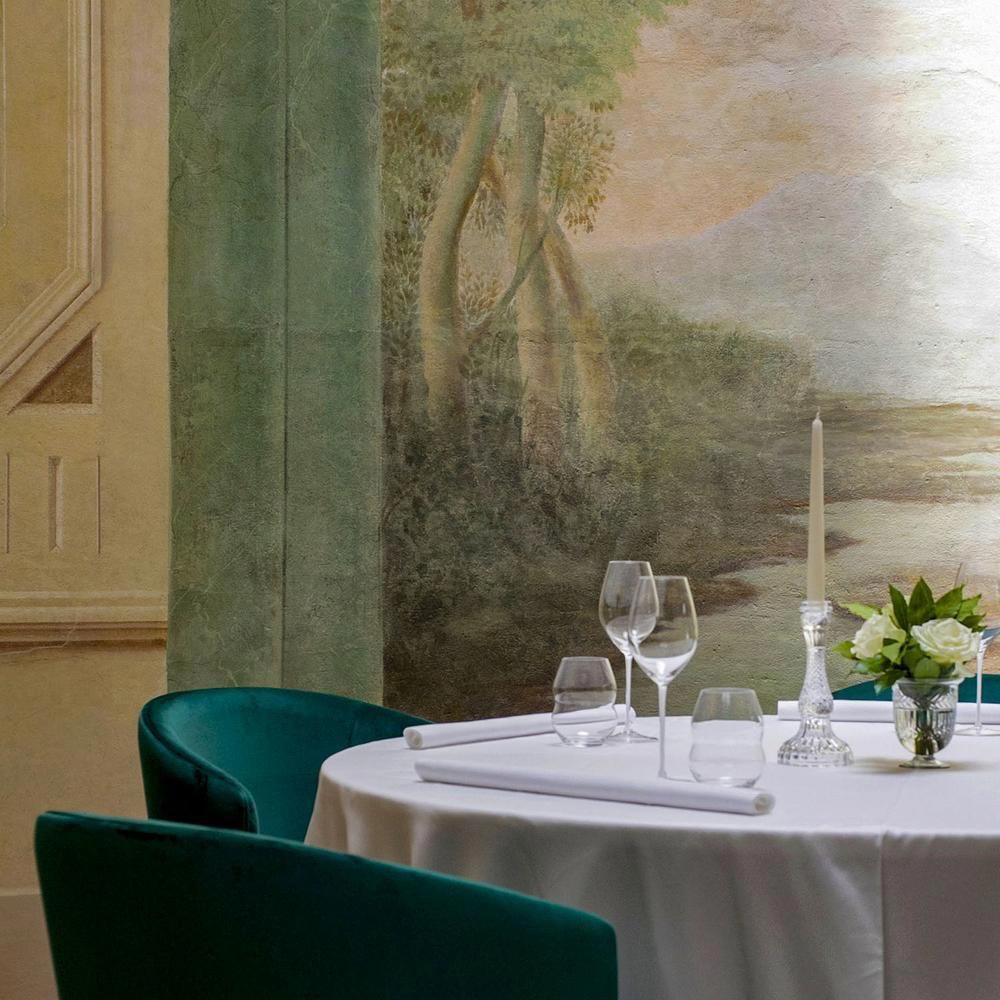
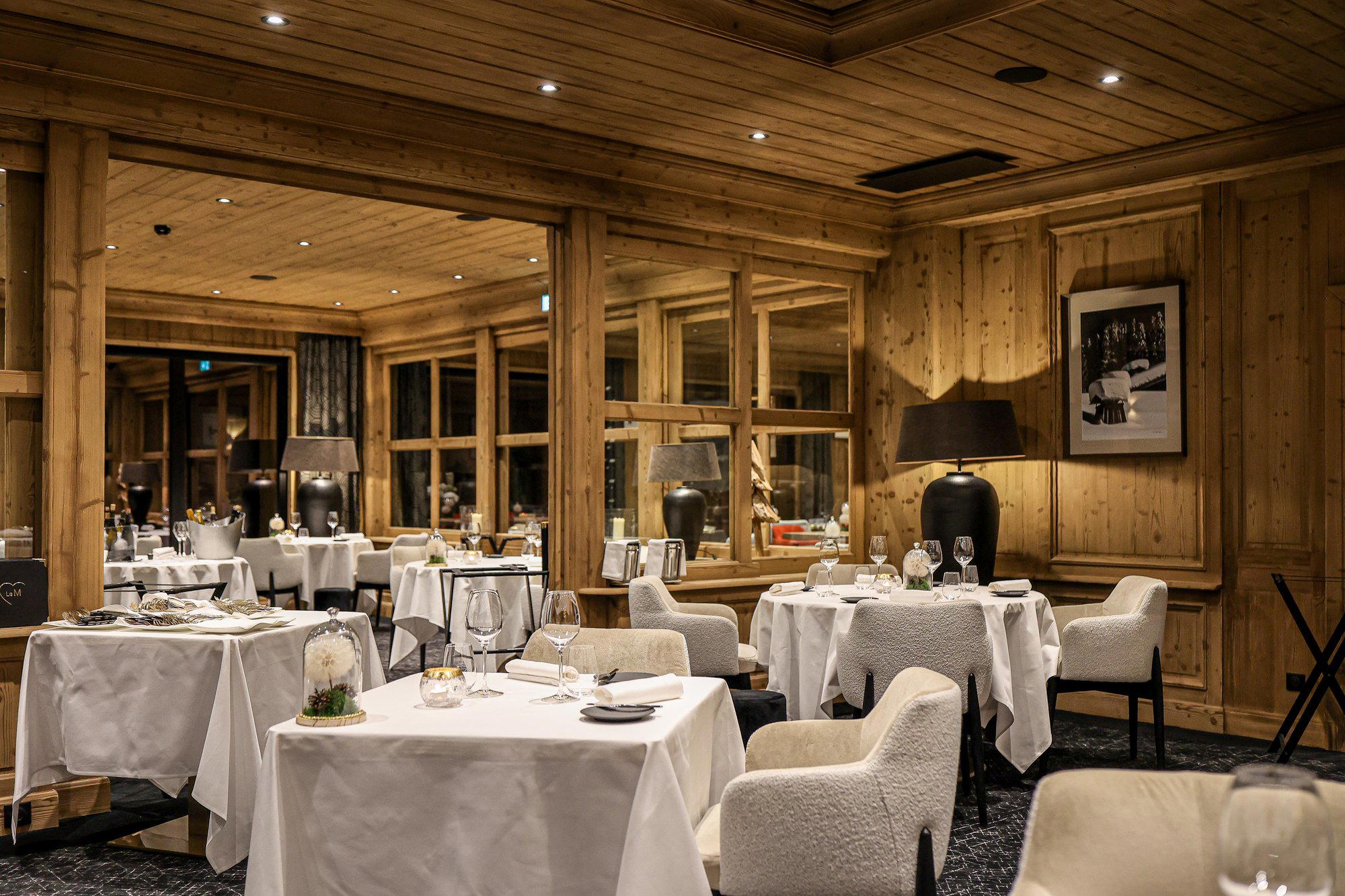
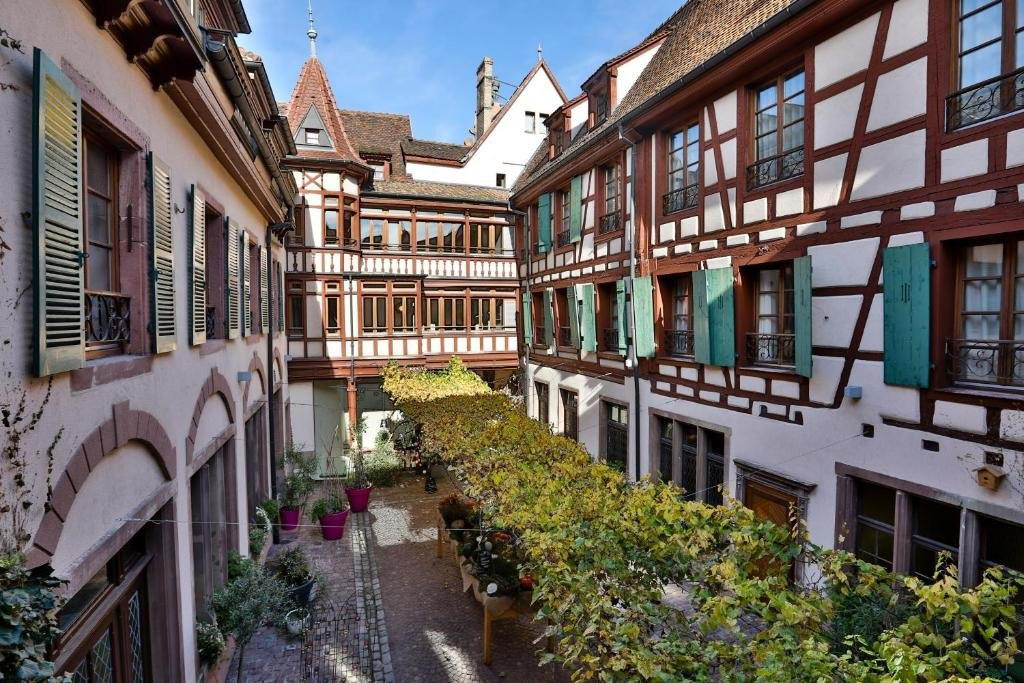
Elegant and contemporary with renovated sober decor, bright conservatory veranda in a park setting, combining vitality and conviviality.