Anaheim Packing House
A converted 1919 citrus-packing facility on South Anaheim Boulevard, the Packing House channels Southern California's agricultural past through a multi-vendor food hall format. Dozens of independent stalls occupy the original timber-frame structure, making it one of Orange County's more honest arguments for eating locally. Arrive early on weekends; the building fills quickly and the good stalls run short.
Pearl is the En Primeur Club membership app — saves, bookings, and concierge access live there. Same editors, same standards.
- Address
- 440 S Anaheim Blvd, Anaheim, CA 92805
- Phone
- +17145337225
- Website
- anaheimpackingdistrict.com
- Directions
- Get directions
 Saves & bookings on Pearl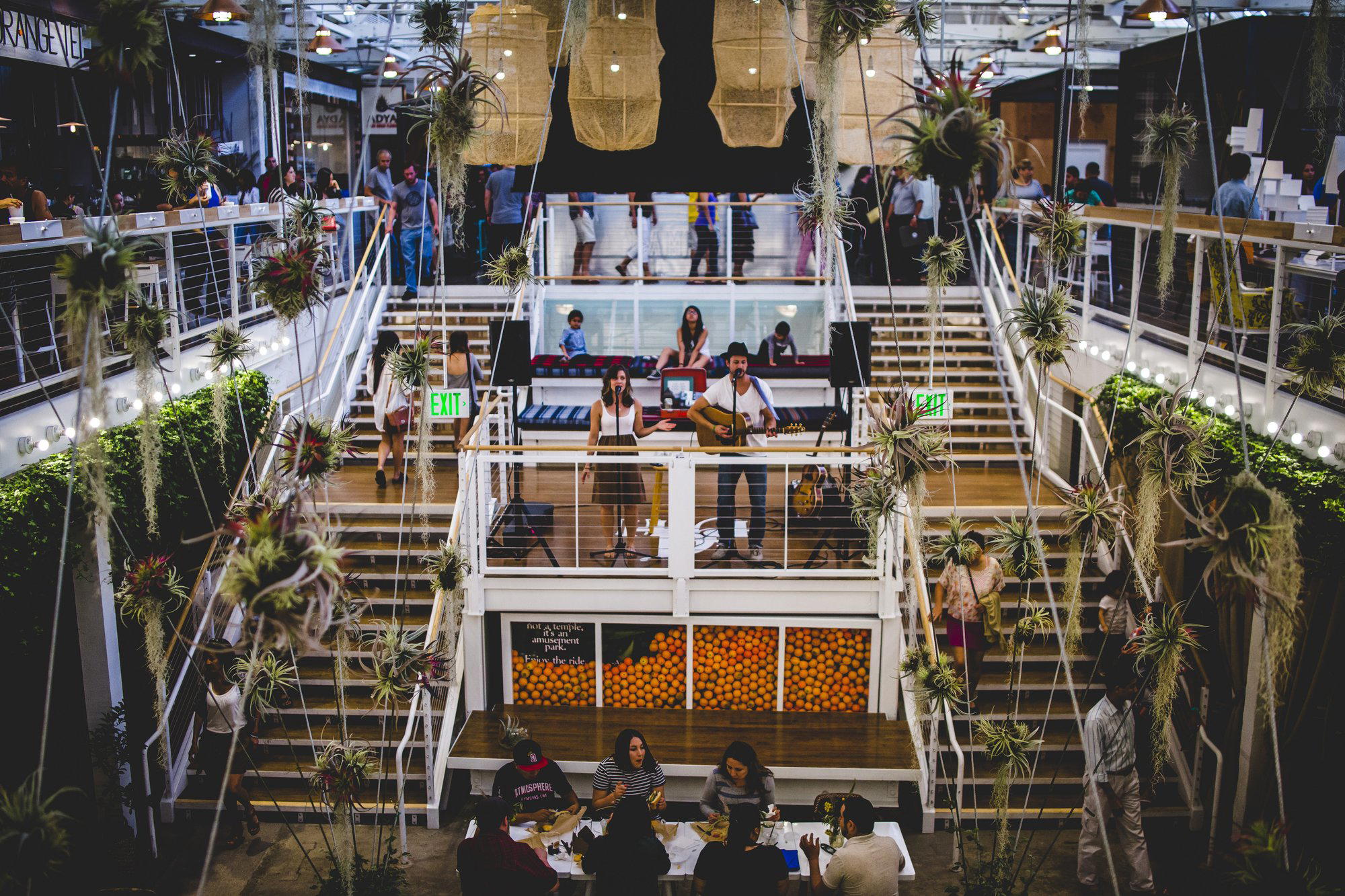
Where the Citrus Industry Left Its Bones
Southern California's relationship with food has always been inseparable from its agricultural history, and few places in Orange County make that connection as physically legible as the Anaheim Packing House. The building at 440 S Anaheim Blvd was constructed in 1919 as a working citrus-packing facility, part of the infrastructure that made Anaheim's groves commercially viable before suburbanization swallowed the orchards. The timber-frame structure survived long enough for preservationists and developers to recognize its potential as something other than a demolition site, and what opened in its place belongs to a format that has gained traction across American mid-sized cities: the adaptive-reuse food hall, where the architecture does as much editorial work as the food itself.
Walking into the Packing House, the first thing you register is the scale of the original industrial bones. The exposed rafters and mezzanine levels are not decorative additions; they are the building's original working structure, repurposed rather than reconstructed. That distinction matters in a region where "historic" often means a fresh coat of paint and some reclaimed wood paneling. Here, the past is load-bearing.
The Food Hall Format and Why Sourcing Is the Story
The food hall model, when it works, is an argument about provenance. At its worst, it becomes a curated retail moment with no meaningful connection to local agriculture or craft tradition. At its most coherent, it functions as a distribution point for producers and cooks who lack the capital for standalone restaurants but have something specific and locally grounded to offer. The Anaheim Packing House sits closer to the latter end of that spectrum than most of its California peers, occupying a downtown corridor that has been working to establish an identity distinct from the theme-park economy that defines the city's national profile.
Orange County has the agricultural substrate to support serious ingredient-sourcing conversations. The broader Southern California region feeds into a supply chain that reaches from Coachella Valley dates and desert citrus to coastal seafood and Central Valley stone fruit. Vendors operating within a food hall format can, in principle, draw on that geography more directly than a conventional restaurant locked into a single menu concept and fixed kitchen overhead. The stalls at the Packing House represent a range of cuisines and formats, which means sourcing decisions vary by vendor, but the building's own history as a citrus facility gives the whole enterprise a geographic honesty that corporate food-hall developments often lack.
This is a different register from what you encounter at Orange County's formal dining tier. Providence in Los Angeles or Addison in San Diego operate in a world of documented sourcing relationships, named farms, and seasonal menus rebuilt around what arrives each week. Single Thread Farm in Healdsburg and Blue Hill at Stone Barns in Tarrytown have made ingredient provenance the entire editorial premise of the dining experience. What it offers is something more accessible: a public space where independent vendors can present food with some rootedness in local and regional tradition, at price points that don't require a reservation strategy.
Anaheim's Broader Restaurant Scene and Where the Packing House Fits
Anaheim's dining identity has historically been split between two poles: the hyper-controlled, experience-engineered food operations inside the Disneyland Resort, and the more workaday commercial strips serving the city's substantial residential and immigrant communities. Blue Bayou and the private 21 Royal dining room operate firmly in the first category, where every detail is managed within a larger entertainment architecture. Aleppo's Kitchen and the immigrant-community eating corridors along much of the city represent the other pole, where authenticity comes from necessity rather than curation.
The Packing House occupies a third position: a civic food space oriented toward the downtown district, drawing locals who want something beyond fast-casual chains and visitors who have discovered that Anaheim has a geography beyond the resort corridor. Strong Water, the tiki bar operating within the same complex, reinforces the destination character of the building. Anaheim White House, the formal Italian-American institution a short distance away, represents the older formal-dining tradition in the city. The Packing House reads as something newer in civic ambition: a food space that treats Anaheim residents as the primary audience rather than as incidental to a tourist economy.
For context on what ingredient-led dining looks like at the highest American tier, Le Bernardin in New York City, The French Laundry in Napa, Lazy Bear in San Francisco, Smyth in Chicago, Emeril's in New Orleans, The Inn at Little Washington, Atomix in New York City, and Atelier Moessmer Norbert Niederkofler in Brunico each demonstrate how sourcing transparency can function as an organizing principle for an entire dining program. That ambition is not what the Packing House is selling, but understanding that spectrum helps calibrate what a food hall format can and cannot deliver.
Planning Your Visit
The Packing House operates as a public market, which means no reservations are required for the food hall itself, though individual vendors may have their own queues. Weekend afternoons draw the heaviest traffic, and particularly popular stalls tend to run out of key items before closing. The building's multi-level layout means the mezzanine level often moves faster than the ground floor, where first-time visitors tend to cluster. Parking is available in the surrounding downtown district, and the address at 440 S Anaheim Blvd places it well within the walkable core of the Anaheim Colony Historic District.
In Context: Similar Options
Comparable venues nearby, for context on price, style, and recognition.
| Venue | Cuisine | Price | Notes |
|---|---|---|---|
| Anaheim Packing HouseThis venue — the venue you are viewing | Artisan Food Hall with Global Cuisines | $$ | Not listed |
| Villains Brewing Company | Smoked BBQ & Mexican Fusion Gastropub | $$ | Downtown Anaheim |
| Tangerine Room | Modern Californian | $$ | Resort District |
| Craft by Smoke and Fire | Craft BBQ and Smoked Meats | $$ | Center Street Promenade |
| Hanagi Restaurant | Authentic Japanese Sushi and Shabu Shabu | $$ | Anaheim Resort |
| Anaheim White House | Classic Italian Fine Dining | $$$ | Anaheim |
Continue exploring
More in Anaheim
Restaurants in Anaheim
Browse all →
Bars in Anaheim
Browse all →
Hotels in Anaheim
Browse all →
Wineries in Anaheim
Browse all →
At a Glance
- Lively
- Rustic
- Trendy
- Well Known
- Group Dining
- Family
- Casual Hangout
- After Work
- Historic Building
- Open Kitchen
- Live Music
- Courtyard
- Craft Cocktails
- Beer Program
- Local Sourcing
- Farm To Table
Current opening hours
- Monday
- 11 AM–9 PM
- Tuesday
- 11 AM–9 PM
- Wednesday
- 11 AM–9 PM
- Thursday
- 11 AM–9 PM
- Friday
- 11 AM–11 PM
- Saturday
- 11 AM–11 PM
- Sunday
- 11 AM–9 PM
Hours can change for holidays and private events. Last verified .
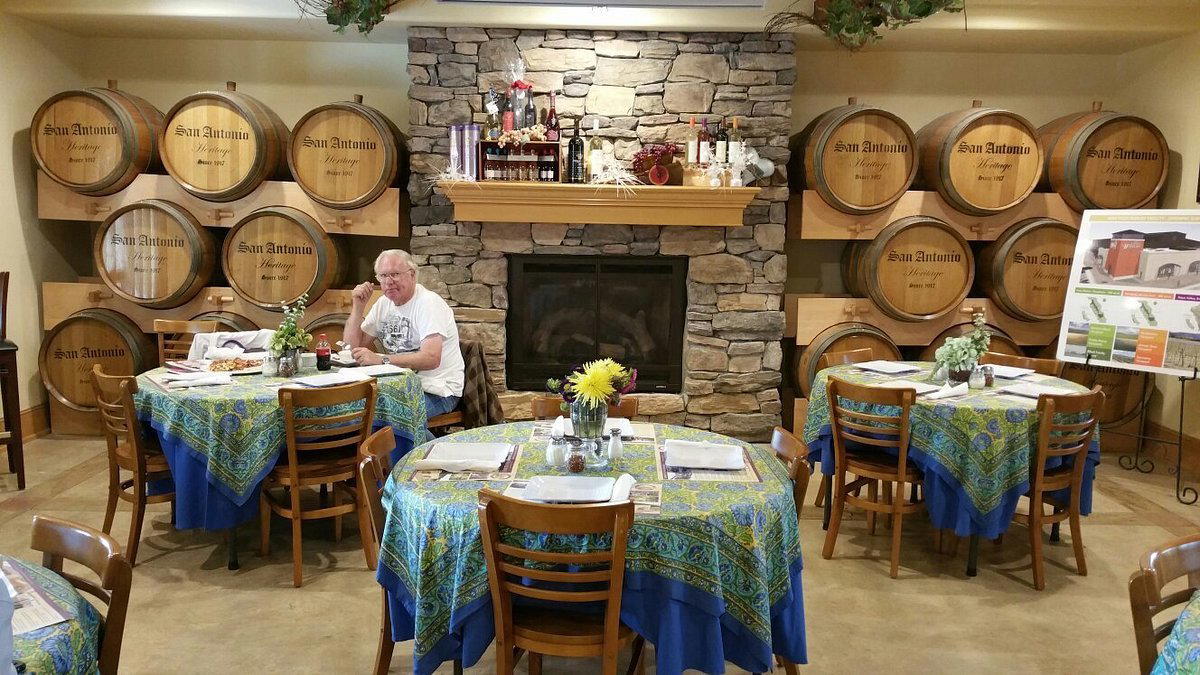
Lively and inviting with rustic industrial decor featuring revitalized historic architecture, abundant seating throughout multiple levels, and a lively social atmosphere encouraging families and groups to gather.