Blue Bayou
Blue Bayou sits inside Disneyland's Pirates of the Caribbean attraction at 1313 S Harbor Blvd, Anaheim, one of the few dining rooms in the United States where the setting is itself a ride. Eternal twilight, bayou atmosphere, and Creole-inflected comfort food define the experience, drawing visitors who want more than a quick-service meal inside the park.
Pearl is the En Primeur Club membership app — saves, bookings, and concierge access live there. Same editors, same standards.
- Address
- 1313 S Harbor Blvd, Anaheim, CA 92802
- Phone
- +17147814636
- Website
- disneyland.com
- Directions
- Get directions
 Saves & bookings on Pearl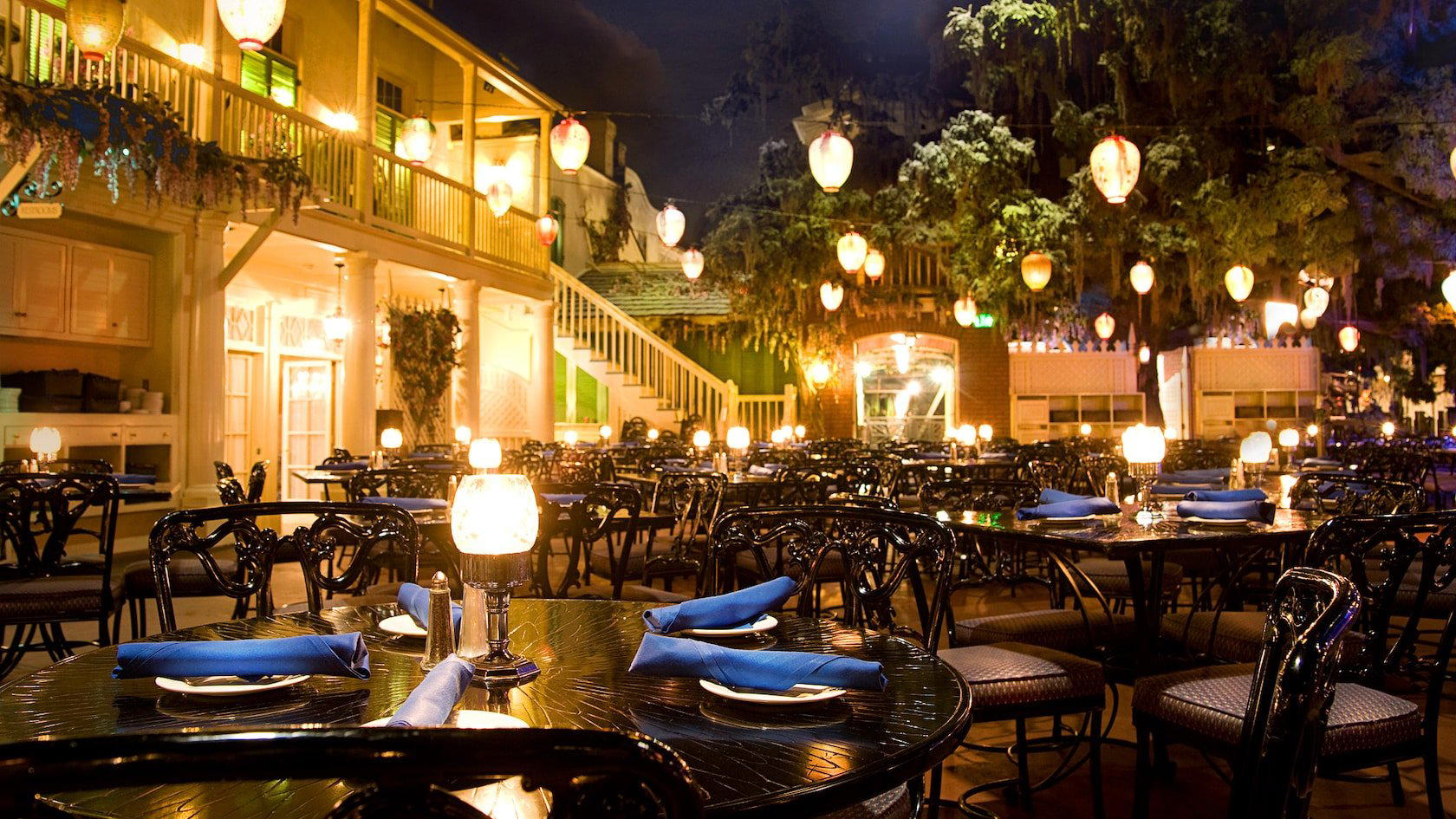
Dining Inside the Ride: What Blue Bayou Represents in American Theme Park Dining
Theme park dining in the United States has historically occupied two poles: fast-casual throughput designed around crowd management, and a small number of reservable sit-down rooms that function as genuine restaurants inside an engineered environment. The dining room sits physically inside the Pirates of the Caribbean attraction, meaning guests eat in perpetual simulated dusk while boats loaded with other park visitors drift past on the water a few feet away. That spatial arrangement is not a gimmick layered onto an existing restaurant. It is the restaurant's defining architectural and atmospheric fact.
That context matters when assessing Blue Bayou against the broader American dining scene. Venues like Le Bernardin in New York City, The French Laundry in Napa, or Providence in Los Angeles compete on ingredient sourcing, technical execution, and critical recognition. Blue Bayou competes on something different: the density of atmosphere per square foot, and its role as the only full-service dining room in the contiguous United States where your table occupies the opening scene of a theme park attraction. That specificity places it in a comparable set of one.
The Southern Gothic of It All: Cultural Roots and Setting
The restaurant's aesthetic draws from Louisiana bayou iconography, Spanish moss draped from artificial cypress trees, firefly-effect lighting suspended in a painted night sky, and the low ambient sound of crickets and water. This is not an accident of theming. When Disneyland opened Pirates of the Caribbean in 1967, the bayou setting served as a narrative threshold, a transitional zone between the park's main thoroughfares and the swamp-to-Caribbean journey of the ride itself. The restaurant was designed to sit within that threshold, making diners part of the atmosphere rather than observers of it.
The cultural reference point is the Louisiana low country: slow water, Spanish colonial architecture, the particular mood of the American South before the heat of the day. That aesthetic has sustained an entire American culinary tradition rooted in Creole and Cajun technique, the same tradition that produced institutions like Emeril's in New Orleans. The restaurant does not operate at that level of culinary ambition, nor does it try to. Its role is atmospheric anchoring, not technical fine dining. Understanding that distinction is essential before booking.
Blue Bayou Within Anaheim's Dining Context
Anaheim's restaurant scene has diversified considerably over the past decade. The Anaheim Packing House repositioned a historic citrus warehouse as a multi-vendor food hall, drawing a local crowd separate from the Disneyland tourism corridor. Strong Water established a serious rum-focused cocktail program that has little to do with theme park adjacency. Aleppo's Kitchen represents the city's Syrian community at the table. The Anaheim White House has operated as a formal Italian dining room in the city for decades. These venues serve a resident population and a food-motivated visitor demographic. The restaurant serves a different audience entirely: families and visitors inside Disneyland who want a seated meal that functions as part of the park experience rather than a break from it.
That distinction does not diminish the restaurant. It clarifies what the venue is actually for.
What the Food Is Doing Here
The menu at the restaurant operates in Creole-adjacent American comfort territory, Monte Cristo sandwiches, gumbo, jambalaya, and similar dishes that reinforce the Louisiana bayou theming. The food's function is contextual: it completes the atmosphere rather than competing with it for attention. In that sense the restaurant shares something with the logic of Blue Hill at Stone Barns in Tarrytown, where the setting and the sourcing philosophy are inseparable from the plate, though the culinary ambition and price tier are entirely different. At the restaurant, the bayou theming and the food are designed to be mutually reinforcing, not independently evaluated.
For visitors whose primary interest is technical culinary achievement, California offers Addison in San Diego, Lazy Bear in San Francisco, or Single Thread Farm in Healdsburg. The restaurant sits in a different register entirely.
Planning Your Visit
The restaurant requires advance dining reservations through Disneyland's booking system, and tables during peak periods, summer, school holidays, and major park events, fill weeks ahead. Park admission is required to dine here, which effectively sets a price floor for the experience that exceeds what you would pay for a comparable sit-down meal elsewhere in Anaheim.
Visitors planning a more exclusive Disneyland dining experience may also consider 21 Royal, which operates at a significantly higher price point and capacity limit within the park. For an even more rarefied tier of American dining that uses theatrical environment as a deliberate tool, though in a different context, The Inn at Little Washington, Smyth in Chicago, and Atomix in New York City each use physical environment as a considered element of the dining experience, albeit with entirely different culinary and critical frameworks. The comparison is not to suggest equivalence, but to note that environment-as-ingredient is a legitimate dining category, and the restaurant was practicing it decades before it became a fine dining talking point.
Budget and Context
Comparable venues nearby, for context on price, style, and recognition.
| Venue | Cuisine | Price | Notes |
|---|---|---|---|
| Blue BayouThis venue — the venue you are viewing | New Orleans Square, Cajun & Creole | $$$$ | Not listed |
| 21 Royal - Disneyland | Not listed | $$$$ | New Orleans Square, Modern American Fine Dining |
| THE RANCH Saloon | Not listed | $$$$ | The Colony, American Steakhouse & Country Saloon |
| Club 33 - Disneyland | New Orleans Square, American Fine Dining | $$$$ | Not listed |
| Craft by Smoke and Fire | Not listed | $$ | Center Street Promenade, Craft BBQ and Smoked Meats |
| Tocca Ferro Italian Chophouse | Anaheim Resort, Italian Chophouse | $$$$ | Not listed |
Continue exploring
More in Anaheim
Restaurants in Anaheim
Browse all →
Bars in Anaheim
Browse all →
Hotels in Anaheim
Browse all →
Wineries in Anaheim
Browse all →
At a Glance
- Romantic
- Elegant
- Well Known
- Scenic
- Date Night
- Special Occasion
- Celebration
- Family
- Waterfront
- Historic Building
- Hotel Restaurant
- Craft Cocktails
- Waterfront
Current opening hours
- Monday
- 11 AM–3:55 PM, 4–9 PM
- Tuesday
- 11 AM–3:55 PM, 4–6:45 PM
- Wednesday
- 11 AM–3:55 PM, 4–9 PM
- Thursday
- 11 AM–3:55 PM, 4–6:45 PM
- Friday
- 11 AM–3:55 PM, 4–10 PM
- Saturday
- 11 AM–3:55 PM, 4–10 PM
- Sunday
- 11 AM–3:55 PM, 4–10 PM
Hours can change for holidays and private events. Last verified .
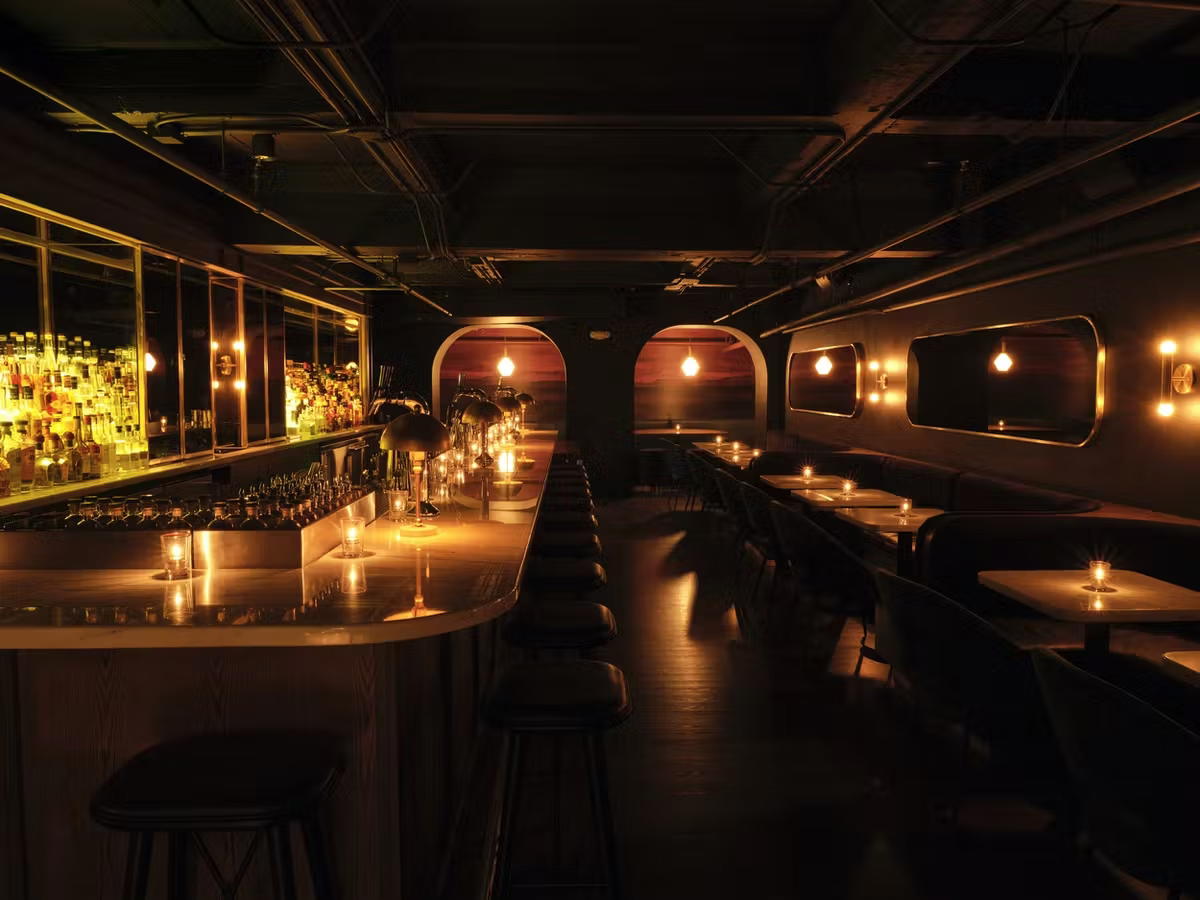
Dark, atmospheric lighting evoking a romantic bayou at night with an elegant and immersive Disney ambiance.