Aleppo's Kitchen
Aleppo's Kitchen brings the pantry traditions of the Levant to Anaheim's Katella Avenue corridor, drawing on the aromatic spice profiles that define northern Syrian and broader Eastern Mediterranean cooking. In a city better known for theme-park dining, it occupies a quieter register: a neighborhood-scale restaurant where the sourcing logic behind the food matters as much as what ends up on the plate.
Pearl is the En Primeur Club membership app — saves, bookings, and concierge access live there. Same editors, same standards.
- Address
- 2414 E Katella Ave, Anaheim, CA 92806
- Phone
- +17149915000
- Website
- alepposkitchen.com
- Directions
- Get directions
 Saves & bookings on Pearl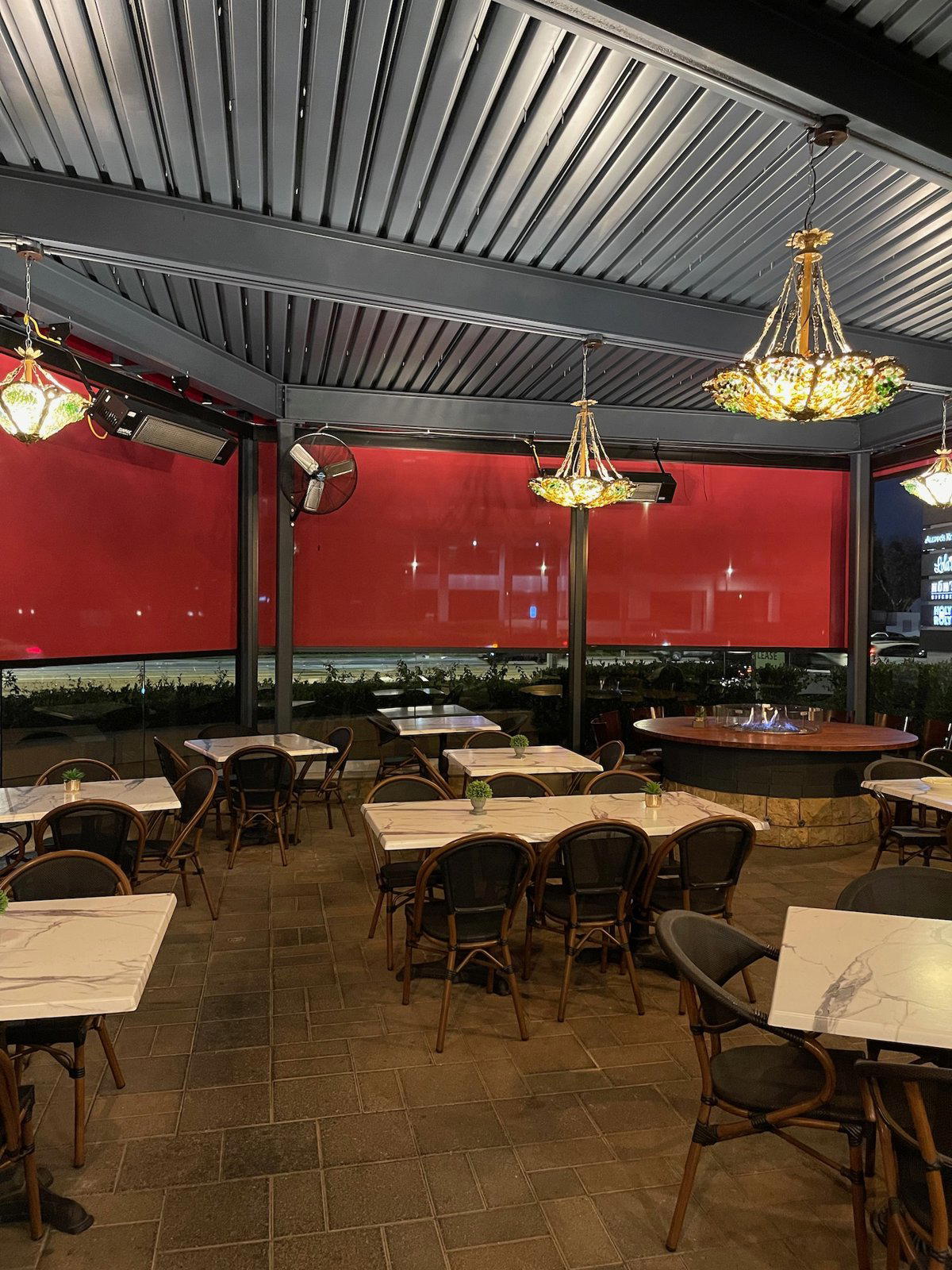
Spice Routes on Katella Avenue
Anaheim's dining scene divides fairly cleanly between two gravitational pulls. The first is the resort corridor along Harbor Boulevard, where restaurants like Blue Bayou and 21 Royal - Disneyland exist in deliberate theatrical relationship with Disneyland itself. The second is the city's less-discussed but more varied residential and commercial strip, where the cooking tends to reflect actual community rather than visitor expectation. Aleppo's Kitchen sits in the second category, at 2414 E Katella Ave, Anaheim, CA 92806.
The name alone does a lot of editorial work. Aleppo, in northwestern Syria, was for centuries among the more significant spice-trading cities in the world, a crossroads where Persian, Ottoman, and Arab culinary traditions overlapped and argued with each other. The Aleppo pepper, now a mainstream pantry staple in Western kitchens, originates from that region: moderately hot, fruity, with a slight oiliness that distinguishes it from the sharper heat of cayenne or the earthiness of ancho. A restaurant that takes its name from this city is making a claim about ingredient heritage, not just geography.
The Sourcing Logic of Levantine Cooking
Eastern Mediterranean cuisine, in its more serious expressions, is built around a set of sourcing principles that predate the farm-to-table movement by centuries. The tradition of preserving lemons, fermenting yogurt into labneh, sun-drying tomatoes, and blending spice mixes like za'atar or baharat in-house reflects a pantry philosophy where the transformation of raw ingredients is itself part of the cooking. Restaurants that take this tradition seriously treat the spice cabinet the way a fine-dining kitchen treats its protein sourcing: as the primary variable that separates thoughtful cooking from adequate cooking.
In Southern California, this tradition has found an increasingly confident home. The region's large Arab-American and broader Middle Eastern diaspora communities have sustained Levantine cooking across Los Angeles and its surrounding cities for decades, creating a knowledge base that now supports restaurants ranging from casual shawarma counters to more considered sit-down formats. Anaheim, with its demographic diversity, is part of that network. Aleppo's Kitchen operates within it, offering a point of access to a culinary tradition that, outside of diaspora contexts, still receives less critical attention in the United States than its French or Japanese counterparts.
For comparison: the ingredient-sourcing philosophy that drives high-end American farm-to-table restaurants, from Blue Hill at Stone Barns in Tarrytown to Single Thread Farm in Healdsburg, has its direct analogue in the leading Levantine kitchens, where the sourcing of sumac, pomegranate molasses, or dried limes is as deliberate as a Michelin-starred chef's relationship with a particular dairy farm. The difference is that Levantine sourcing traditions are community-embedded rather than chef-driven, which means they sometimes go unremarked precisely because they predate the contemporary emphasis on provenance as a marketing tool.
Anaheim's Wider Dining Context
To understand where Aleppo's Kitchen fits, it helps to map the wider Anaheim restaurant scene. The city's premium dining options include the tasting-menu format of Anaheim White House, the cocktail-forward programming at Strong Water, and the multi-vendor energy of Anaheim Packing House. These are venues that target different reader decisions: a special-occasion dinner, a serious cocktail evening, a casual exploratory lunch. The restaurant targets a different decision entirely: the reader who wants to eat from a specific culinary tradition, cooked with care, in a setting that prioritizes the food over the occasion.
That positioning puts it in a different competitive set than the resort-adjacent options. The relevant peer group here is not Anaheim's event dining, but the broader Southern California roster of serious Levantine and Middle Eastern restaurants, a category that has produced nationally recognized kitchens in Los Angeles and the wider region. For readers who move between cities, it is useful to know that the same sourcing logic that drives Levantine programs in larger markets operates here at a neighborhood scale, without the price premium that attaches to higher-profile zip codes.
Nationally, the conversation about ingredient-forward cooking has been dominated by restaurants like Providence in Los Angeles, The French Laundry in Napa, and Lazy Bear in San Francisco, where sourcing transparency is built into the dining format. The Levantine tradition represents a parallel sourcing logic, one that has not always received equivalent editorial infrastructure, but which rewards the same quality of attention from the reader.
Planning Your Visit
The restaurant is located at 2414 E Katella Ave, Anaheim, CA 92806, which places it east of the resort district and closer to the residential and commercial Anaheim that locals actually use. For visitors staying near Disneyland, the drive is short, and the location makes it a practical alternative to the more heavily trafficked resort-adjacent options. Given the limited publicly available information about hours and booking requirements, confirming details directly before visiting is advisable. Our full Anaheim restaurants guide provides broader context for planning a multi-day itinerary across the city's different dining zones.
Readers calibrating Anaheim against other California destinations should note that the city's neighborhood dining scene operates at a different register than the high-end tasting formats found at Addison in San Diego or the nationally positioned programs at Alinea in Chicago or Atomix in New York City. The restaurant is not competing in that format tier. It is doing something more community-embedded: keeping a specific culinary tradition alive and accessible in a city that has not always been recognized for its dining depth.
Fast Comparison
Comparable venues nearby, for context on price, style, and recognition.
| Venue | Cuisine | Price | Notes |
|---|---|---|---|
| Aleppo's KitchenThis venue — the venue you are viewing | Authentic Syrian Mediterranean | $$ | Not listed |
| nFuse | Modern California-American Fusion | $$ | Convention Center |
| Villains Brewing Company | Smoked BBQ & Mexican Fusion Gastropub | $$ | Downtown Anaheim |
| Paseo | Modern Mexican Fine Dining | $$$ | Downtown Disney District |
| Craft by Smoke and Fire | Craft BBQ and Smoked Meats | $$ | Center Street Promenade |
| Anaheim White House | Classic Italian Fine Dining | $$$ | Anaheim |
Continue exploring
More in Anaheim
Restaurants in Anaheim
Browse all →
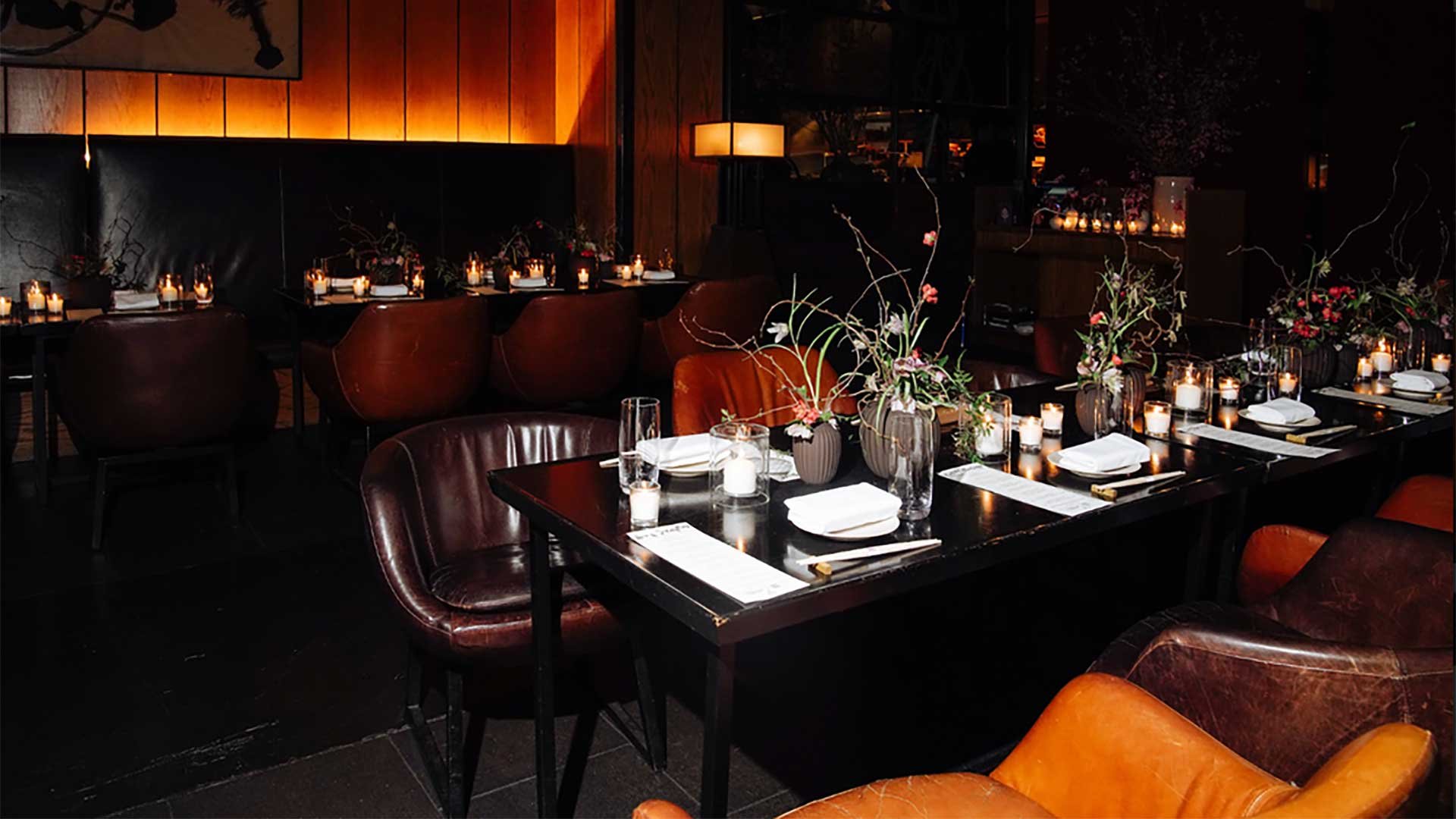
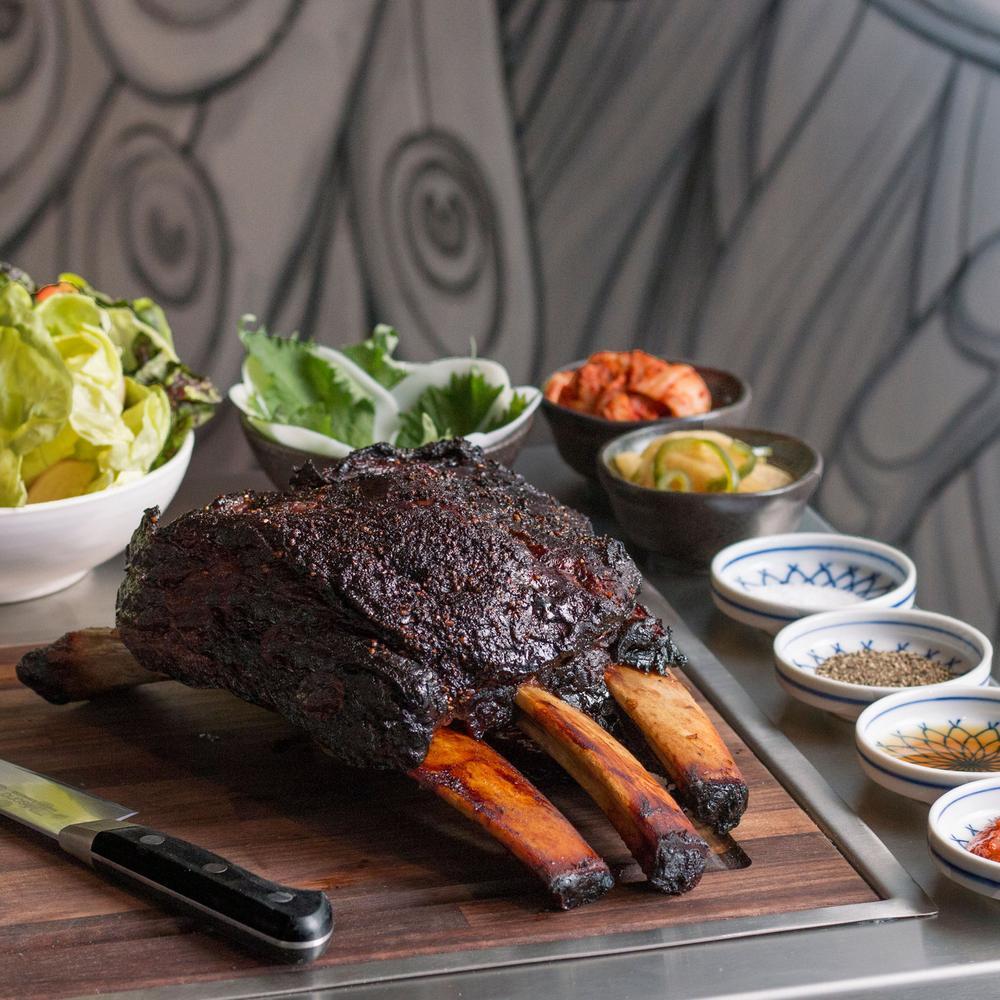
Bars in Anaheim
Browse all →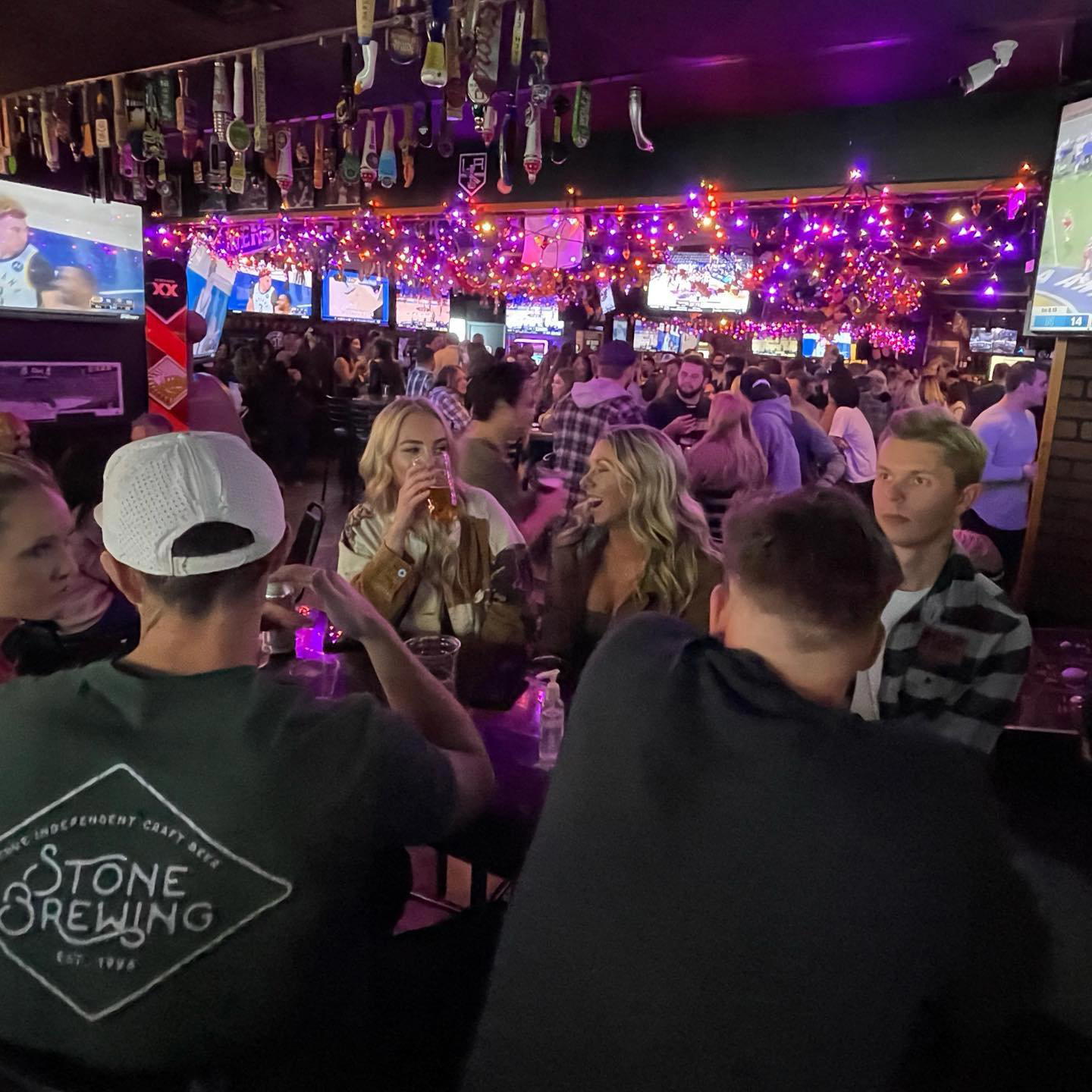
Hotels in Anaheim
Browse all →
Wineries in Anaheim
Browse all →
At a Glance
- Cozy
- Rustic
- Family
- Group Dining
- Casual Hangout
- Open Kitchen
Current opening hours
- Monday
- 11 AM–10:30 PM
- Tuesday
- 11 AM–10:30 PM
- Wednesday
- 11 AM–10:30 PM
- Thursday
- 11 AM–10:30 PM
- Friday
- 11 AM–11 PM
- Saturday
- 11 AM–11 PM
- Sunday
- 11 AM–10:30 PM
Hours can change for holidays and private events. Last verified .
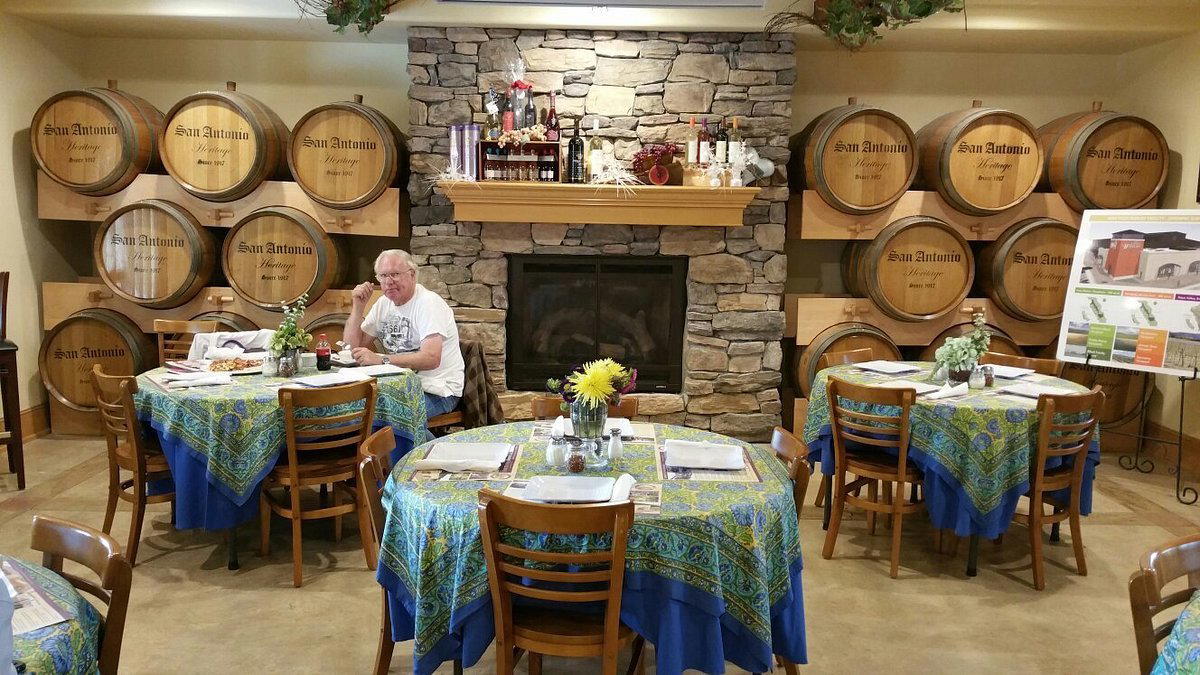
Warm and welcoming with murals of the Aleppo Citadel, evoking an authentic Mediterranean feel through lively spices and colorful vegetables.