On Avenue du Maine in the 14th arrondissement, Amour du Vietnam occupies a corner of Paris where Vietnamese cooking is taken seriously rather than simplified for mass appeal. The menu reads as a structured argument for regional Vietnamese distinction, making it a reference point among the neighbourhood's immigrant-tradition restaurants rather than a tourist-facing approximation of the cuisine.
Pearl is the En Primeur Club membership app — saves, bookings, and concierge access live there. Same editors, same standards.
- Address
- 157 Av. du Maine, 75014 Paris, France
- Phone
- +33140444818
- Website
- amourduvietnam.fr
- Directions
- Get directions
 Saves & bookings on Pearl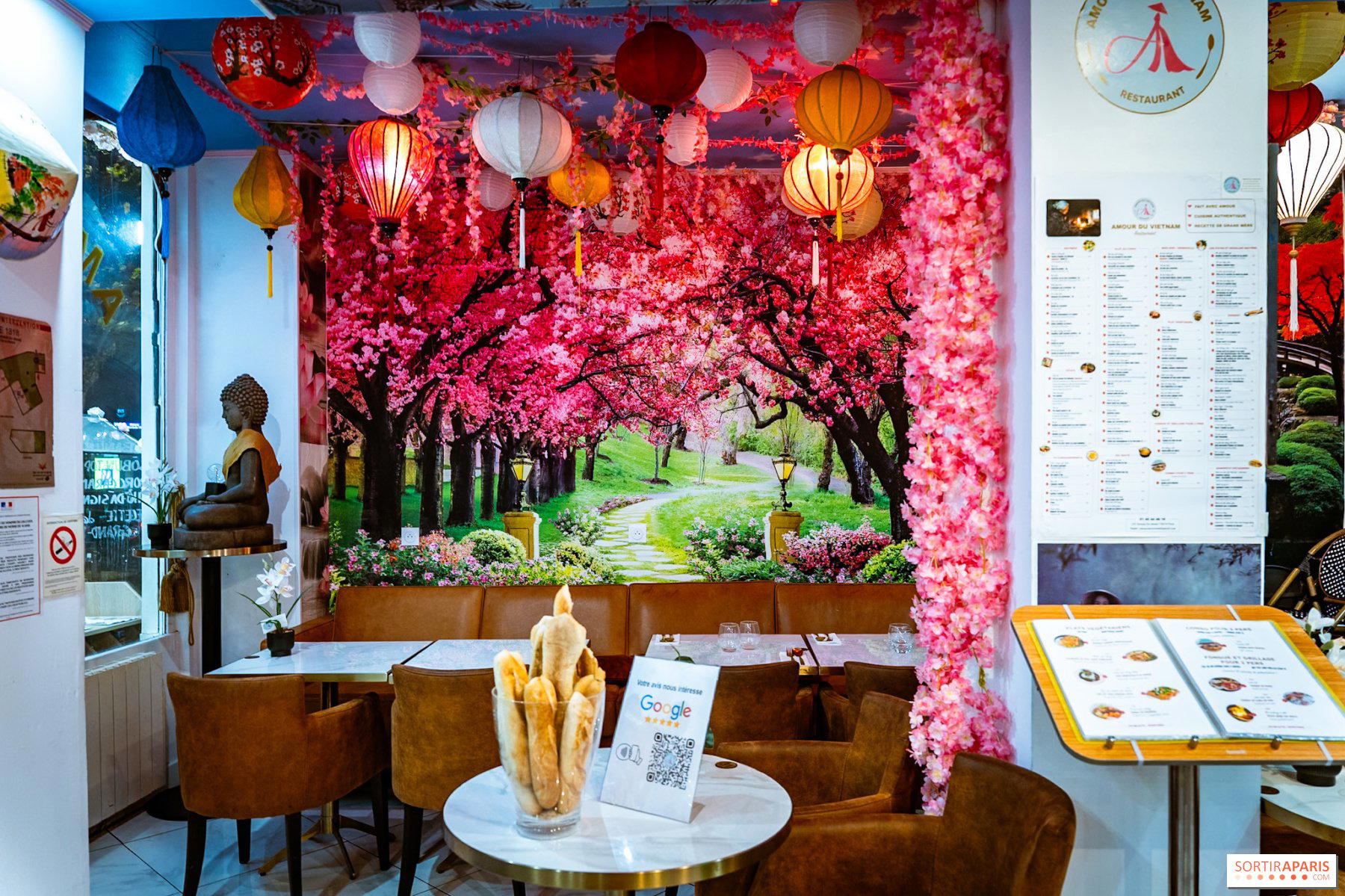
The 14th Arrondissement and the Case for Serious Vietnamese Cooking
Paris has never had a shortage of Vietnamese restaurants, but most operate within a narrow band: pho, banh mi, a few spring rolls, prices kept low enough to compete with the brasserie next door. The 14th arrondissement, which runs south from Montparnasse toward the Périphérique, has historically attracted a different kind of Vietnamese establishment. The neighbourhood's long-standing immigrant communities created a customer base that expected regional fidelity rather than a generalised Indochinese pastiche. Amour du Vietnam is a casual Vietnamese restaurant at 157 Avenue du Maine in Paris's 14th arrondissement, serving authentic Vietnamese cooking for about $25 per person. It sits within that tradition.
Vietnamese cuisine in France carries a particular historical weight. France maintained deep colonial ties with Vietnam from the mid-19th century through 1954, and the waves of migration that followed produced communities in Paris, concentrated in the 13th arrondissement's Cholon district but spreading across the southern arrondissements, that preserved cooking traditions with unusual care. The leading Vietnamese kitchens in Paris are not competing with their counterparts in Hanoi or Saigon; they are working within a Franco-Vietnamese culinary continuity that has its own logic and its own loyalties.
Menu Architecture: What the Structure Reveals
The way a Vietnamese restaurant organises its menu tells you almost everything about its ambitions. A menu that leads with pho and closes with lychee ice cream is making one kind of statement. A menu structured around regional distinctions, northern versus southern, street food versus table-service preparations, raw herb plates as a compositional tool rather than a garnish, is making a different argument entirely.
At Amour du Vietnam, the menu architecture reflects the latter approach. Vietnamese cooking is not a monolithic tradition: the north favours cleaner broths and less sweetness, the centre produces some of the country's most technically complex dishes (Hue's royal cuisine is among the more demanding in Southeast Asia), and the south operates with more sugar, more fresh herbs, more Chinese influence. A restaurant that acknowledges this geography in its menu structure is signalling culinary seriousness rather than convenience. That signal matters in a city where the distance between a considered Vietnamese kitchen and a takeaway counter can be measured in a single menu page.
The herb-and-condiment logic of Vietnamese cooking also functions as a kind of editorial framework: dishes arrive incomplete by design, requiring the diner to assemble flavour ratios at the table. This interactive structure is the opposite of the plated-and-finished approach at the city's haute cuisine addresses. For context, the formal tasting menus at places like Arpège or L'Ambroisie deliver a single resolved interpretation of each dish. Vietnamese table cooking transfers interpretive control to the guest. Both are defensible positions; they are just answering different questions about what a meal is for.
Situating Avenue du Maine
Avenue du Maine is a long, commercially mixed corridor that connects Montparnasse to the quieter residential blocks near Alésia. It is not a destination dining street in the way that certain stretches of the 1st or 8th arrondissements function for high-end French cooking, the kind of address concentration you find around Alléno Paris au Pavillon Ledoyen or Le Cinq at the Four Seasons George V. What Avenue du Maine offers instead is the texture of a working Parisian neighbourhood: practical shops, cafes that have not been repositioned for tourism, and restaurants whose customer base is primarily local and repeat. For a Vietnamese restaurant, this environment is an asset. The absence of tourist foot traffic creates natural pressure toward quality: the room fills because the cooking earns return visits, not because a landmark happens to be nearby.
The 14th also benefits from proximity to the 13th arrondissement's established Asian food culture, which provides both supply chains and a comparative standard. Vietnamese restaurants in the 13th range from basic to accomplished; those in adjacent arrondissements that survive the comparison tend to be doing something specific enough to justify the journey.
Vietnamese Cooking in the Context of Paris's Wider Dining Scene
It is worth mapping the gap between where Amour du Vietnam sits and where Paris's most decorated tables operate. The city's Michelin-starred tier is dominated by French cuisine in its various registers, classical at L'Ambroisie, Franco-Japanese at Kei, creative at Alléno. Beyond Paris, France's starred restaurants extend from Mirazur in Menton to Flocons de Sel in Megève, from Troisgros in Ouches to Auberge de l'Ill in Illhaeusern, from Bras in Laguiole to Paul Bocuse in Collonges-au-Mont-d'Or, AM par Alexandre Mazzia in Marseille, Assiette Champenoise in Reims, Au Crocodile in Strasbourg, and Auberge du Vieux Puits in Fontjoncouse. Vietnamese cooking sits outside that formal recognition structure in France, which says more about the Michelin framework's historical biases than about the ceiling of the cuisine.
Internationally, the shift toward recognising Southeast Asian and East Asian cooking within prestige frameworks has been gradual. Restaurants like Atomix in New York and Le Bernardin represent different ends of that spectrum. The question for Vietnamese cooking in Paris is not when it will receive formal institutional recognition, but whether the existing customer base, which has sustained these restaurants across generations without it, actually needs that validation in the first place.
Planning a Visit
The restaurant is located at 157 Avenue du Maine in the 14th arrondissement, accessible from the Mouton-Duvernet or Alésia metro stations on line 4, both within easy walking distance. The restaurant occupies a neighbourhood position rather than a tourist-circuit one, which means midweek evenings tend to draw a local crowd and weekends see higher demand from diners travelling from other arrondissements. Visiting during autumn and winter suits the menu's warmer preparations, broth-based dishes and braised proteins that Vietnamese kitchens build around the cooler months. As with most neighbourhood restaurants of this type, arriving without a reservation on a Friday or Saturday evening carries risk; the room is not large enough to absorb walk-ins reliably during peak service.
Peers Worth Knowing
Comparable venues nearby, for context on price, style, and recognition.
| Venue | Cuisine | Price | Notes |
|---|---|---|---|
| Amour du VietnamThis venue — the venue you are viewing | Authentic Vietnamese | $$ | Not listed |
| An Di An Di | Franco-Vietnamese Fusion | $$$ | Ménilmontant |
| Paris Hanoï | Traditional Vietnamese | $$ | Bastille |
| Fishmonger Dome | Fresh Seafood Market | $$ | Montparnasse |
| Dupin | Modern French Bistro | $$ | Notre-Dame-des-Champs |
| Shin Izakaya | Japanese Izakaya | $$ | Saint-Germain-des-Prés |
Continue exploring
More in Paris
Restaurants in Paris
Browse all →
Bars in Paris
Browse all →
Hotels in Paris
Browse all →
Wineries in Paris
Browse all →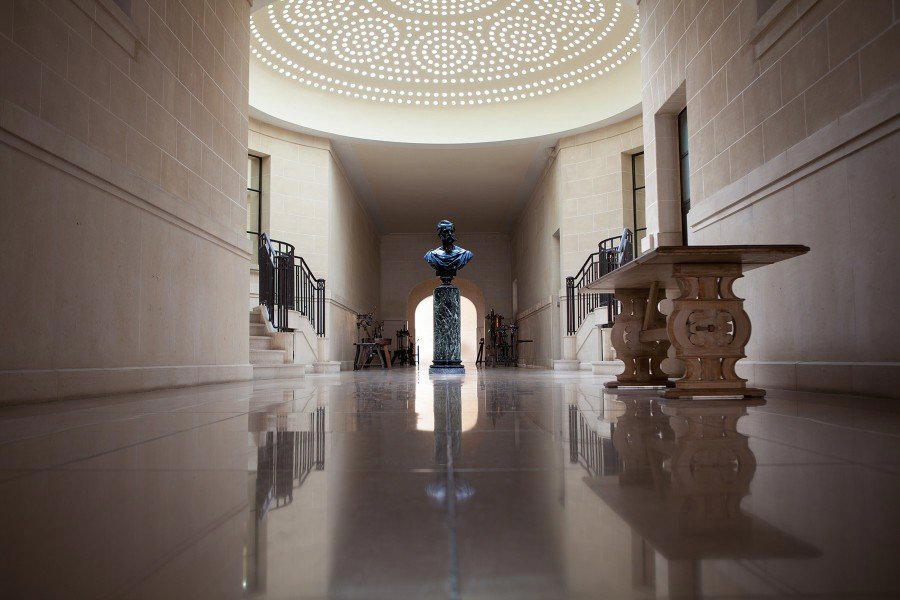
At a Glance
- Cozy
- Casual Hangout
- Group Dining
- Standalone
Current opening hours
- Monday
- 11 AM–3 PM, 6:30–11 PM
- Tuesday
- 11 AM–3 PM, 6:30–11 PM
- Wednesday
- 11 AM–3 PM, 6:30–11 PM
- Thursday
- 11 AM–3 PM, 6:30–11 PM
- Friday
- 11 AM–3 PM, 6:30–11 PM
- Saturday
- 11 AM–3 PM, 6:30–11 PM
- Sunday
- 11 AM–3 PM, 6:30–11 PM
Hours can change for holidays and private events. Last verified .
Light and airy room with a neighborhood feel, simple, warm, and welcoming decoration in Vietnamese colors creating a joyful and cozy vibe.