
Ammākase at One Raffles Place brings Indian cuisine into the omakase format, running a 6- to 10-course tasting menu that draws on ingredients from West Bengal, Gujarat, and Sri Lanka, refined through French technique. Chef Robin's Indian-inspired cocktail pairings complete the format. It occupies a small, deliberate space in Singapore's crowded fine-dining tier.
Pearl is the En Primeur Club membership app — saves, bookings, and concierge access live there. Same editors, same standards.
- Address
- #04-48, One Raffles Place
- Phone
- +65 8898 5275
- Website
- ammakase.com
- Directions
- Get directions
 Saves & bookings on Pearl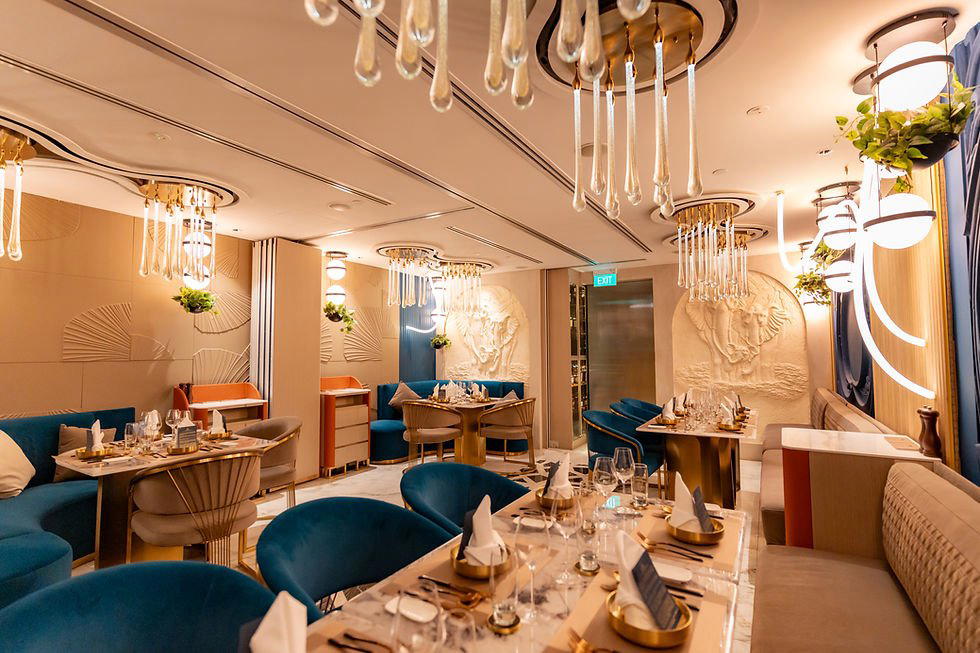
Indian Fine Dining and the Omakase Question
Ammākase is a restaurant in Singapore serving Neo-Indian Omakase. Singapore's fine-dining tier has long been dominated by European frameworks. The city's Michelin-starred restaurants skew French and contemporary European, with venues like Les Amis, Odette, and Zén anchoring a competitive set that prices and performs against global peers. Into that context, the idea of Indian cuisine presented as a tasting-menu format carries genuine editorial weight, not because it is novel for novelty's sake, but because Indian cooking has rarely been allowed to occupy the same structural space as French or Japanese cuisine in the city's upper-tier dining rooms.
The omakase format itself carries a specific contract with the diner: trust the kitchen, eat what arrives, and engage with a progression rather than a menu. Applying it to Indian cuisine is a different kind of argument, one that insists on treating Indian flavour traditions with the same precision and editorial control that the Japanese model demands.
The Format and What It Signals
Ammākase, situated on the fourth floor of One Raffles Place in the central business district, runs a 6- to 10-course omakase-style tasting menu. The variable course count is not unusual in the format; it typically reflects the kitchen's access to seasonal ingredients and the pace of any given service. What distinguishes this particular execution is the sourcing reach: the menu draws on ingredients from West Bengal, Gujarat, and Sri Lanka, three regions with markedly different flavour profiles, ingredient vocabularies, and cooking traditions.
That regional breadth matters. Indian cuisine is not a single tradition. The mustard oils and fermented notes of Bengali cooking sit in a different register from the groundnut and sesame-led preparations of Gujarat, or the coconut milk and tamarind currents that run through Sri Lankan cooking. A kitchen that works across all three is making an argument about Indian food as a continent of flavour rather than a single cuisine, and the tasting-menu format gives it the space to articulate that argument course by course.
The technique layer here is French. Ammākase applies classical French methodology to this sourcing framework, which is a familiar cross-cultural approach in Singapore's fine-dining scene. Jaan by Kirk Westaway does something comparable with British ingredients and French structure; Meta runs Korean influence through a European fine-dining lens. What changes at Ammākase is that the source material, Indian regional ingredients and spice traditions, has historically been underrepresented in this kind of technical framework in Singapore.
Cocktails as a Structural Choice
The pairing programme at Ammākase is built around Indian-inspired cocktails rather than wine. This is a meaningful decision. Wine pairing alongside spice-forward Indian cooking presents genuine technical challenges: the tannin structures and acidity profiles that work well against European fine dining do not always translate. A cocktail programme designed around the cuisine's own flavour vocabulary, using Indian spirits, botanicals, or spice-forward preparations, can track the menu's progression more precisely.
The move toward non-wine pairings has gained traction at restaurants built around non-European cuisines. At Ammākase, the cocktail-forward approach is not an alternative for non-drinkers; it appears to be the primary curatorial choice, which positions it as part of the dining experience's logic rather than an add-on.
Where It Sits in Singapore's Tasting-Menu Scene
Singapore supports a dense concentration of tasting-menu formats across price tiers. At the upper end, multi-course European restaurants set the structural benchmark. Below that, a group of innovative kitchens, Labyrinth with its Singapore-heritage focus, Seroja drawing on Malay and archipelago traditions, have made the case that non-European cuisines can carry the full weight of fine-dining format and scrutiny. Ammākase occupies a comparable position relative to Indian cuisine: it is making the same argument that Seroja has made for Malay cooking, in a different culinary language.
The One Raffles Place address places it in the financial district, a location that draws a clientele comfortable with formal dining formats and international culinary references. Business district fine dining in Singapore tends toward European frameworks, which makes a tasting-menu restaurant centred on Indian regional cuisine a deliberate counterpoint rather than a mainstream choice. For diners who move between Alain Ducasse's Louis XV in Monte Carlo and Alléno Paris au Pavillon Ledoyen as reference points, Ammākase offers a structurally familiar format built around a culinary tradition that rarely appears at equivalent technical ambition.
Planning Your Visit
Ammākase is located at #04-48, One Raffles Place. Reservations are essential.
Pricing, Compared
Comparable venues nearby, for context on price, style, and recognition.
| Venue | Cuisine | Price | Awards |
|---|---|---|---|
| AmmākaseThis venue — the venue you are viewing | RAFFLES PLACE, Neo-Indian Omakase | $$$$ | Michelin Plate |
| Fleur de Sel | CHINATOWN, Modern French Fine Dining | $$$$ | Michelin Plate |
| Nicolas | CHINATOWN, Traditional French Bistro | $$$$ | Michelin Plate |
| Shatōburian | BOULEVARD, Premium Japanese Yakiniku | $$$$ | Not listed |
| Springleaf Prata Place (Spring Leaf Garden) | SPRINGLEAF, Singaporean Indian Prata | $ | Michelin Plate |
| Mustard | FARRER PARK, Bengali & Punjabi | $$ | Michelin Plate |
Recognition history
Dated appearances from independent guides and award organizations, with the underlying list record or original source where available.
Michelin Plate
Michelin · 2026 Michelin Plate
Michelin Guide Plate
Michelin Guide
Continue exploring
More in Singapore
Restaurants in Singapore
Browse all →
Bars in Singapore
Browse all →
At a Glance
- Elegant
- Sophisticated
- Modern
- Intimate
- Special Occasion
- Business Dinner
- Date Night
- Celebration
- Chefs Counter
- Private Dining
- Extensive Wine List
- Sake Program
- Farm To Table
- Local Sourcing
Current opening hours
- Monday
- 12–3 PM, 6–11 PM
- Tuesday
- 12–3 PM, 6–9 PM
- Wednesday
- 12–3 PM, 6–11 PM
- Thursday
- 12–3 PM, 6–11 PM
- Friday
- 12–3 PM, 6–11 PM
- Saturday
- 11 AM–3 PM, 6–11 PM
- Sunday
- 11 AM–3 PM
Hours can change for holidays and private events. Last verified .
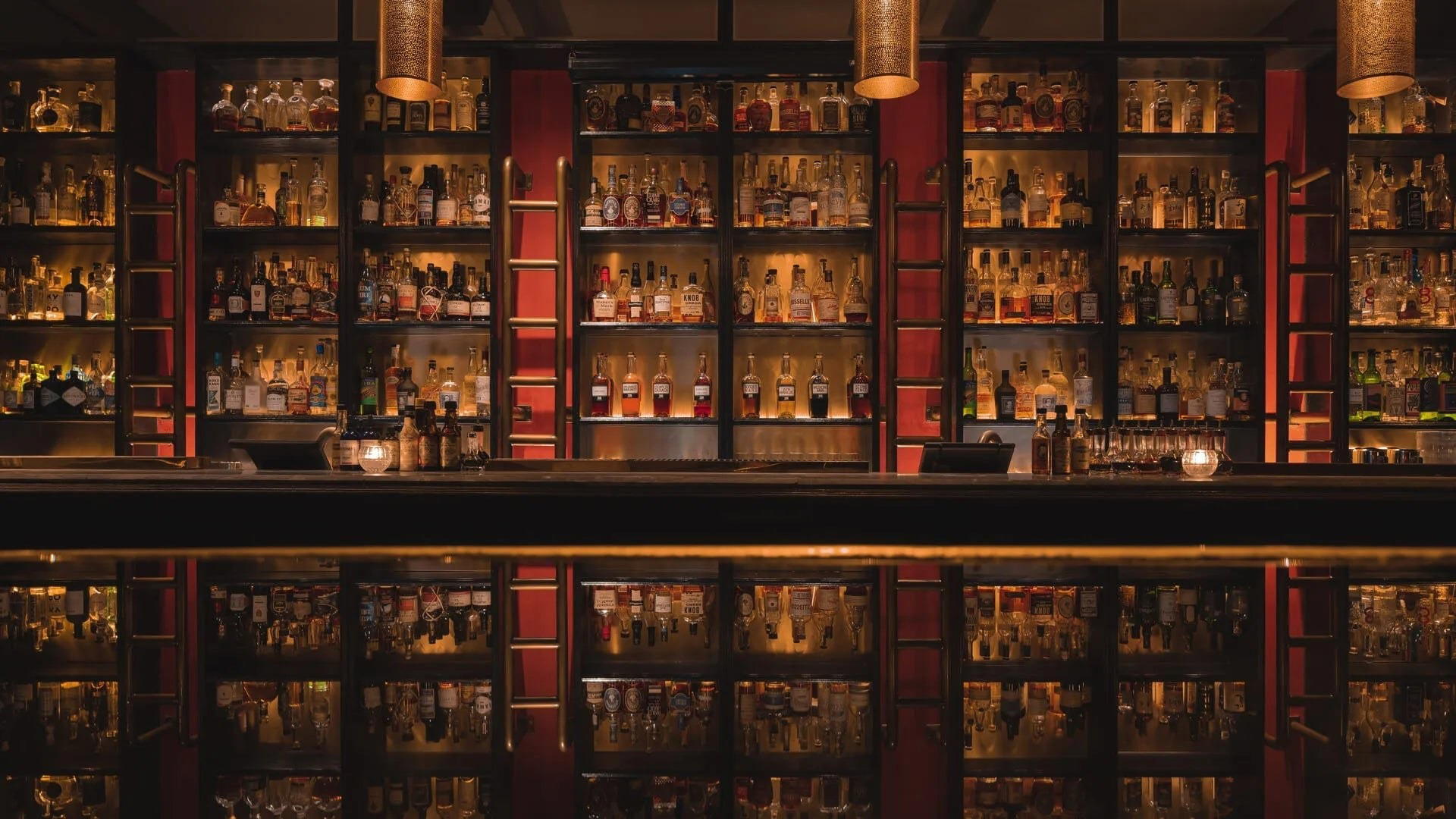
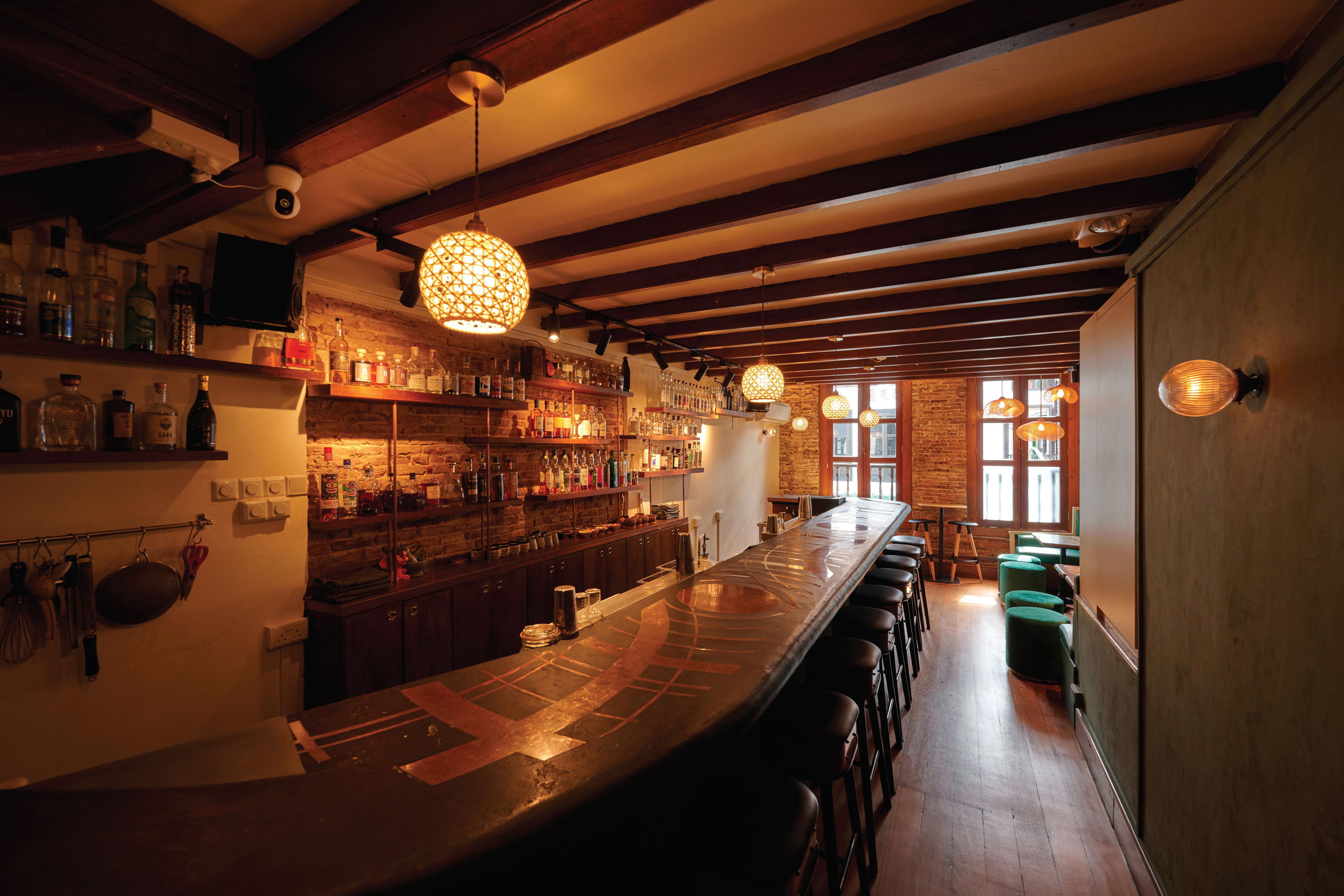
Elegant setting with crisp table settings, quality furnishings, and a lively yet cozy atmosphere as described in guest reviews.