Google: 4.7 · 229 reviews







Seroja Singapore elevates Malay Archipelago heritage to Michelin-starred heights, where Chef Kevin Wong's seafood-focused tasting menus celebrate Malaysian culinary traditions through sustainable sourcing and contemporary artistry. This intimate Bugis fine dining destination earned both a Michelin Star and Singapore's first Green Star within months of opening.
 Discover on Pearl
Pearl is the En Primeur Club membership app — saves, bookings, and concierge access live there. Same editors, same standards.
Where the Malay Archipelago Meets the Modern Tasting Counter
Duo Galleria sits at the junction of Bugis and Arab Street, a part of Singapore where the city's Malay and Peranakan heritage runs closer to the surface than in the gleaming districts further south. The ground-floor entrance to Seroja is measured rather than theatrical: no elaborate signage, no performance of arrival. The statement, instead, is made at the table, where a seafood tasting menu works through the spices, techniques, and coastal ingredients of the Malay Archipelago with the structural discipline of a French-trained kitchen.
That combination of backgrounds and references is not unusual in Singapore's contemporary dining tier. What distinguishes Seroja within that tier is how the collaboration between front of house and kitchen frames the experience for the guest. At most tasting-menu restaurants in this price bracket, the sommelier operates as a largely separate presence, appearing between courses to pour and explain. Here, the beverage and food programs are introduced as a single statement, with wine and non-alcoholic pairing options presented with the same editorial authority as the menu itself, designed to track the gradual intensification of the cooking rather than merely accompany it.
The Trajectory of Singapore's Malay-Rooted Fine Dining
Singapore's fine-dining scene has long skewed toward European and pan-Asian frameworks. Restaurants such as Les Amis, Odette, and Zén anchor the leading of the Michelin tier with French or European contemporary formats. A separate, growing cohort has been working to apply fine-dining precision to local culinary traditions, a project that involves not just technique but a willingness to treat Malay and regional Southeast Asian ingredients as primary rather than supportive. Seroja, which opened in 2022, is among the more cited examples of this approach, drawing on the spice vocabulary and seafood centrality of Malaysian coastal cooking without framing it through a nostalgia lens.
The regional seafood tasting format has its own international reference points. Le Bernardin in New York City established the template for protein-focused, technique-led seafood menus at the highest bracket. Aponiente in El Puerto de Santa María has pursued a similarly singular seafood identity rooted in its regional maritime tradition. Seroja's project is comparable in ambition but distinct in its source material: the spice routes, fishing communities, and agricultural produce of the Malay Archipelago, rather than a European Atlantic or Mediterranean tradition.
Awards and Positioning Within the Singapore Peer Set
The restaurant's award trajectory since opening has been consistent. Seroja received a Michelin star in 2024, placing it inside the mid-to-upper tier of Singapore's recognised dining scene alongside peers such as Jaan by Kirk Westaway and Meta, both operating at the $$$ price point. In 2025, Seroja entered the World's 50 Best Asia's Leading Restaurants list at number 40 and ranked 39th on the Opinionated About Dining Leading Restaurants in Asia list, having climbed from 165th in 2024 and 142nd in 2023. The La Liste 2026 assessment placed the restaurant at 80 points. A Black Pearl Diamond recognition in 2025 rounds out a credentials profile that, for a restaurant fewer than four years old, is difficult to dismiss.
Opinionated About Dining ranking is worth pausing on. The OAD list is compiled from experienced diner reviews rather than inspector assessments, which means a restaurant's position on it reflects repeated visits from an informed, travelling audience rather than a single inspector cycle. Moving from 165th to 39th in two years on that basis suggests the kitchen's consistency is registering across multiple sittings rather than performing to a single occasion.
For comparison, Atomix in New York City followed a similar arc of rapid critical ascent after opening, anchoring its recognition in a cuisine-specific identity (Korean fine dining) that gave critics a clear frame of reference. Seroja's Malay Archipelago positioning offers a comparable narrative clarity, which likely accelerates the confidence of reviewers who can assess it on its own terms rather than against a generic fine-dining template.
Chef Kevin Wong and the Training Behind the Menu
Chef Kevin Wong's formation spans France, the United States, and Singapore, the kind of multi-jurisdiction training that is now standard among Singapore's serious kitchen leads. That formation matters here as context rather than biography: it explains the structural rigour behind what is, at its core, a menu rooted in Malay culinary logic. The plating approach is precise without being decorative for its own sake, and the flavor profile operates through layers of spice and aromatics characteristic of the archipelago's cooking tradition, kept in balance rather than pushed toward intensity. Comparable kitchens in Asia working a similar territory include 8 1/2 Otto e Mezzo Bombana in Hong Kong, where European training frames a distinctly regional produce story, and Lazy Bear in San Francisco, where a chef's cross-cultural training shapes an entirely place-specific menu identity.
Front of House as Editorial Voice
At the price point Seroja occupies, front-of-house execution is the difference between a technically accomplished meal and a fully communicated one. The team's role is to translate the kitchen's source material for a table of guests who may have varying familiarity with Malay culinary tradition. This is a more complex task than explaining French classical references, where the vocabulary is widely shared. It requires the floor team to carry genuine knowledge of regional ingredients and their cultural contexts, not just the ability to recite preparation methods.
The availability of both wine and non-alcoholic pairings is a structural decision that reflects this front-of-house ambition. Singapore's demographic is diverse, and a non-alcoholic pairing program at this level signals a team capable of building a parallel beverage narrative from different ingredients. The two pairings run as equally weighted options rather than one being the default and the other the accommodation. In this respect, Seroja is in line with a broader shift in premium dining globally, where restaurants such as Alléno Paris au Pavillon Ledoyen and Alain Ducasse - Louis XV in Monte Carlo have developed beverage programs that treat the non-alcoholic track as an equal creative proposition.
Booking, Location, and Practical Context
Seroja is located at 7 Fraser Street, within Duo Galleria, a mixed-use development connected to Bugis MRT. The address places it within easy reach of the Kampong Glam area, one of Singapore's historically Malay and Arab districts, which gives the restaurant a geographical coherence with its culinary references that a CBD or Orchard Road address would not. At the $$$ price tier, it sits below the $$$$ bracket occupied by Zén and a step above the casual-dining category, consistent with the Michelin and OAD positioning. Given the restaurant's award trajectory and the Asia's 50 Best listing, advance booking is advisable; demand from an international dining audience is a predictable consequence of that level of recognition.
For those planning a broader Singapore itinerary around the dining program, EP Club's full Singapore restaurants guide covers the city's tasting-menu tier in full. Complementary resources include the Singapore hotels guide, the Singapore bars guide, the Singapore wineries guide, and the Singapore experiences guide. For reference restaurants in other cities where a single cuisine identity has driven rapid critical ascent, Emeril's in New Orleans provides a useful long-arc comparison in how regional culinary identity translates into sustained recognition.
Quick reference: Seroja, 7 Fraser Street, #01-30/31/32/32 Duo Galleria, Singapore 189356. Price tier: $$$. Awards: Michelin 1 Star (2024), World's 50 Best Asia's Leading Restaurants #40 (2025), OAD Asia #39 (2025), La Liste 80pts (2026), Black Pearl 1 Diamond (2025). Google rating: 4.7 from 190 reviews. Beverage pairing: wine or non-alcoholic. Advance booking recommended.
Accolades, Compared
These are the closest comparables we have in our database for quick context.
| Venue | Awards | Cuisine | Notes |
|---|---|---|---|
| Seroja | Michelin 1 Star, Black Pearl 1 Diamond (2025) | Singaporean, Malaysian | This venue |
| Zén | Michelin 3 Star | European Contemporary | European Contemporary, $$$$ |
| Jaan by Kirk Westaway | Michelin 2 Star | British Contemporary | British Contemporary, $$$ |
| Burnt Ends | Michelin 1 Star | Australian Barbecue, Barbecue | Australian Barbecue, Barbecue, $$$ |
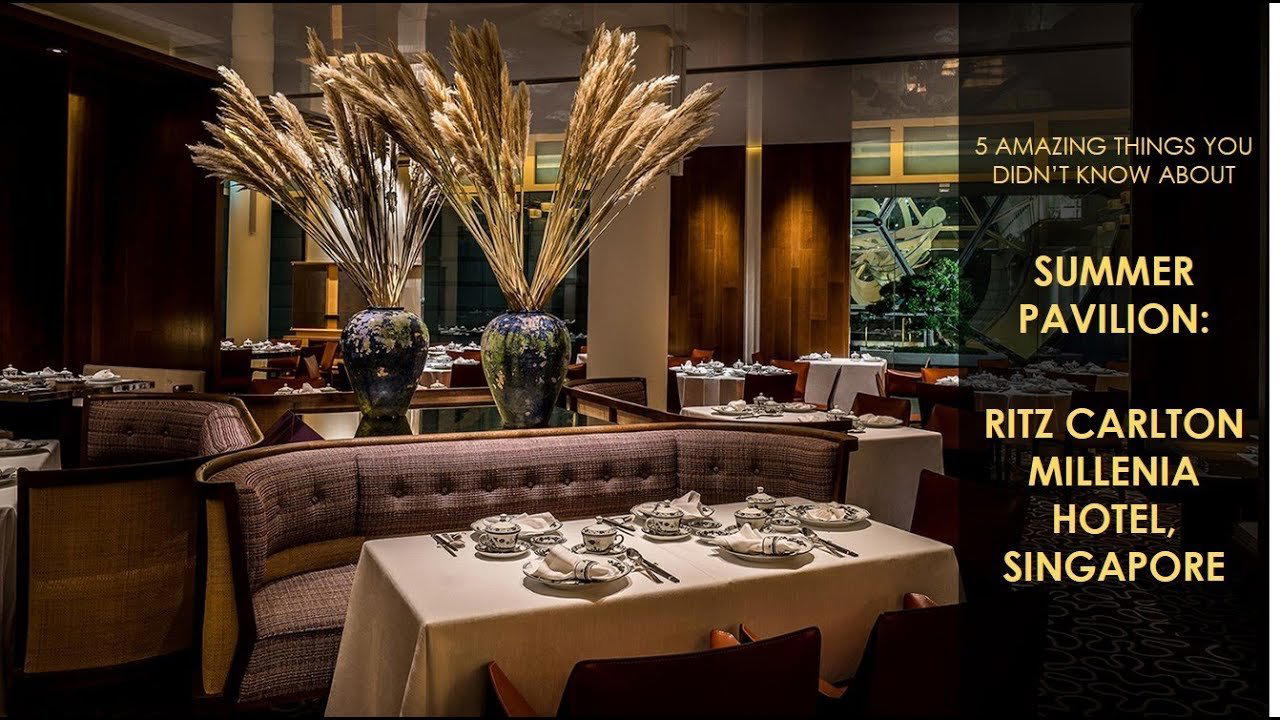
| Summer Pavilion | Michelin 1 Star | Cantonese | Cantonese, $$ |
| Born | Michelin 1 Star | Creative Cuisine, Innovative | Creative Cuisine, Innovative, $$$$ |
Continue exploring
More in Singapore
Restaurants in Singapore
Browse all →
Bars in Singapore
Browse all →
At a Glance
- Elegant
- Minimalist
- Sophisticated
- Modern
- Special Occasion
- Celebration
- Date Night
- Open Kitchen
- Chefs Counter
- Sommelier Led
- Natural Wine
- Local Sourcing
- Farm To Table
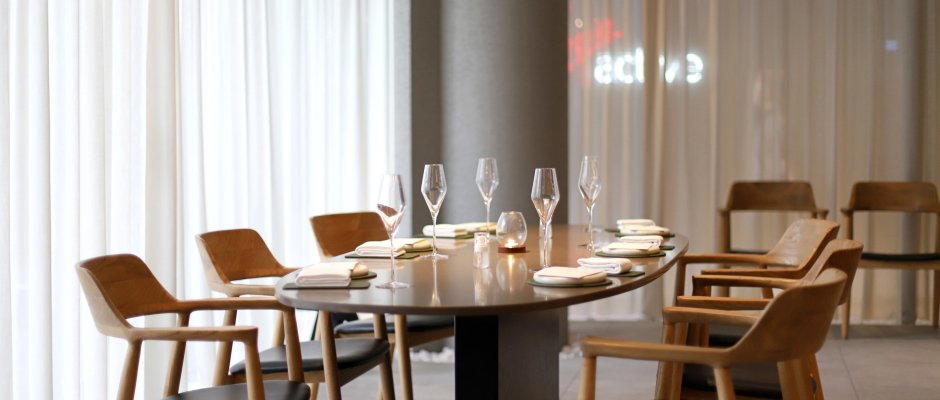
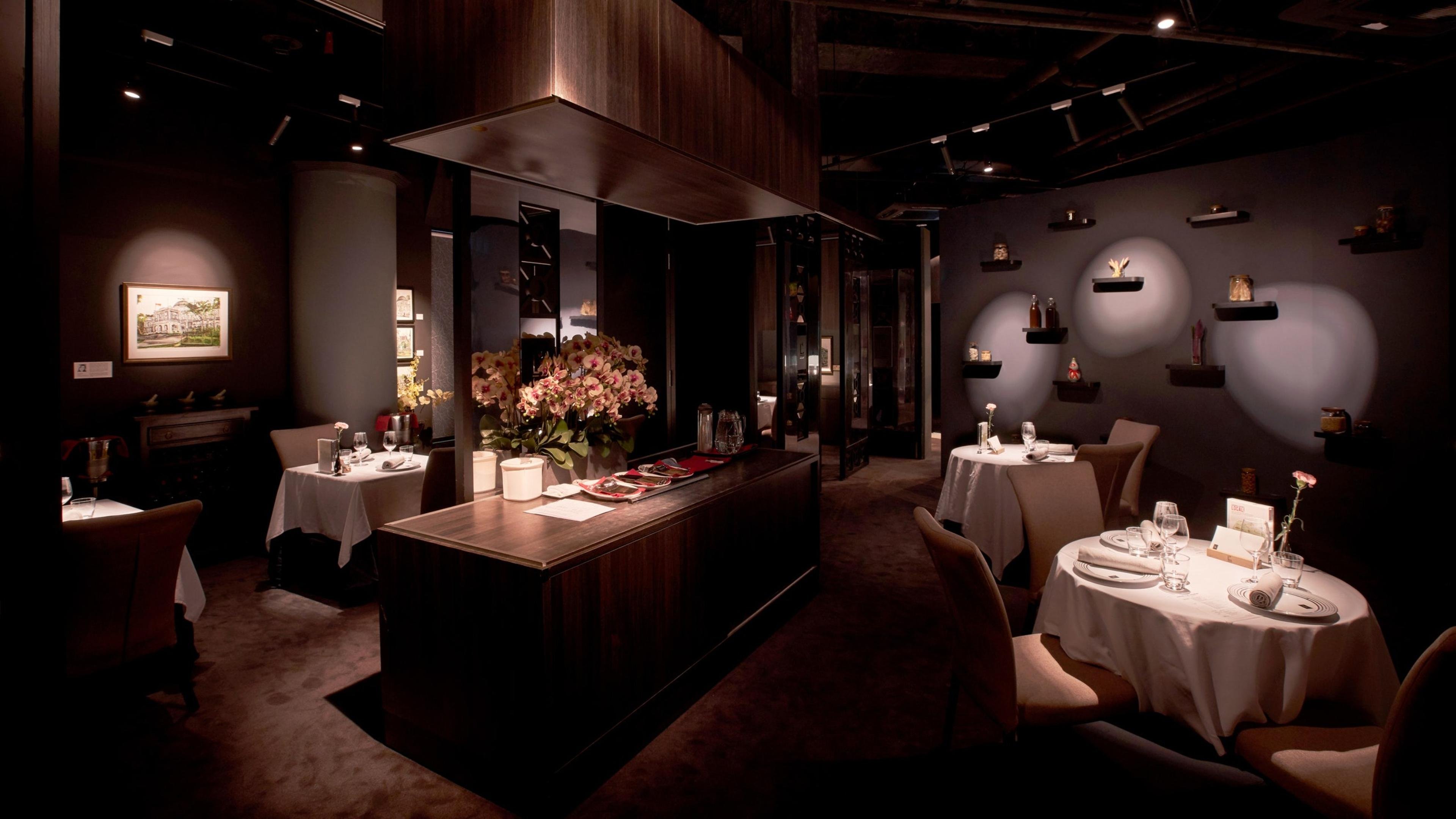
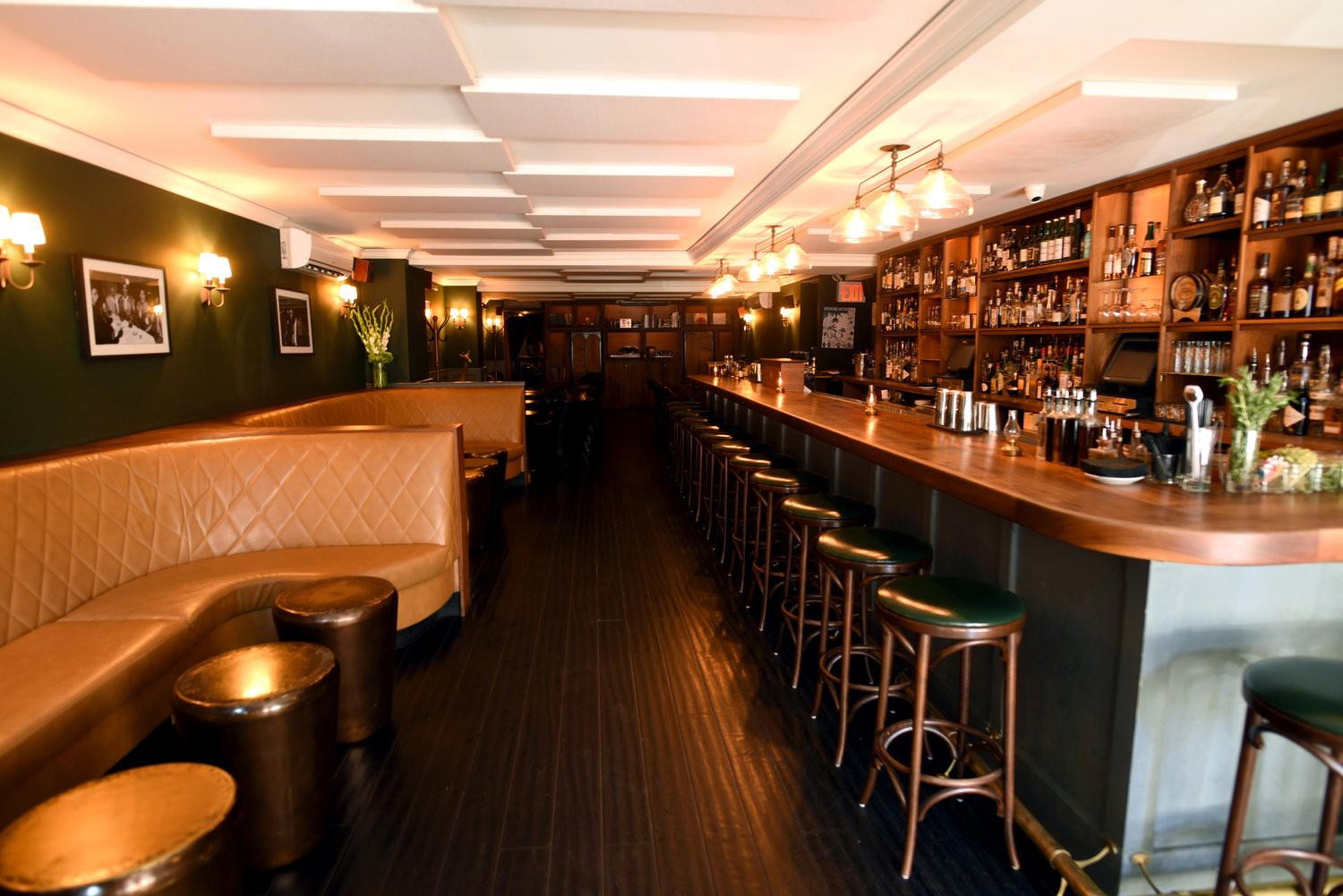
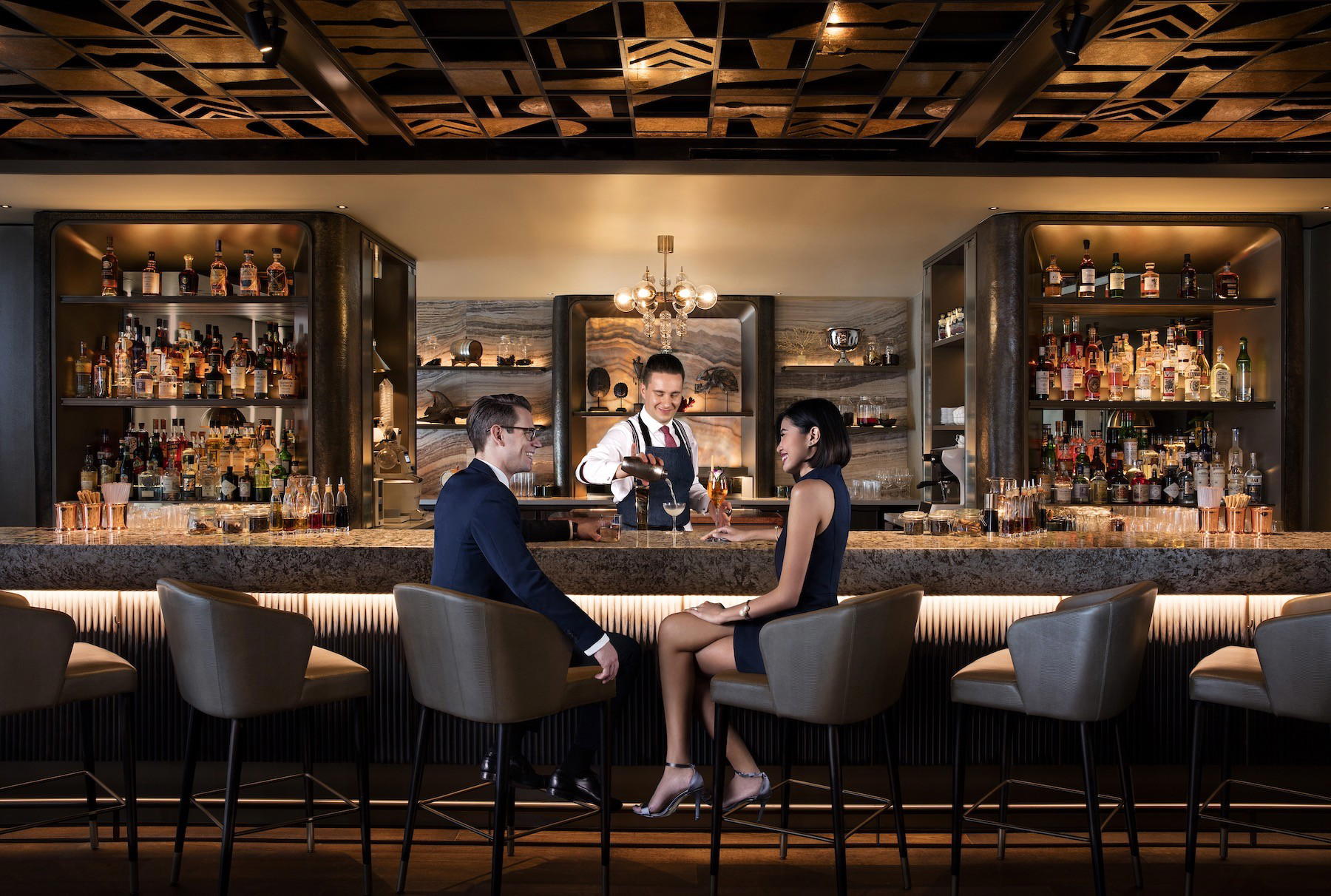
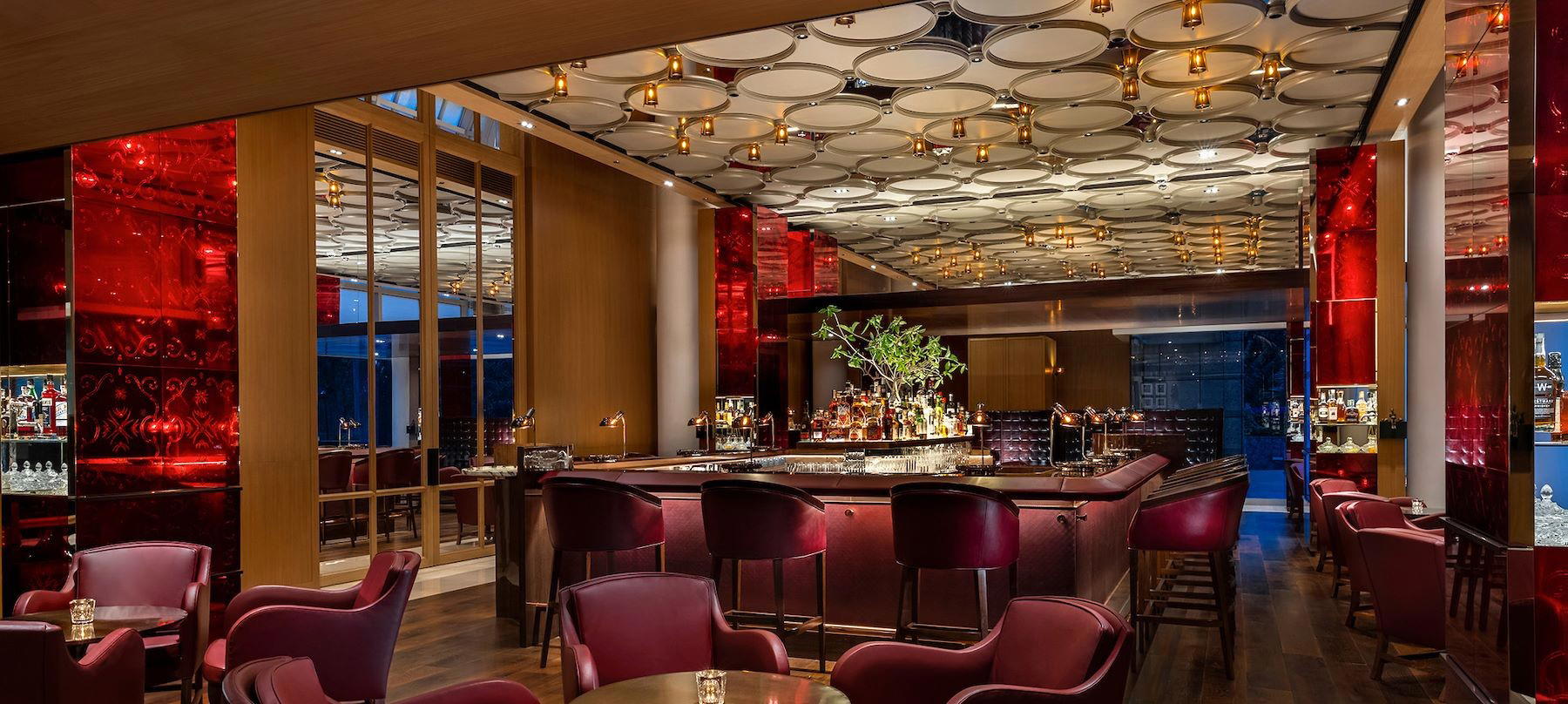
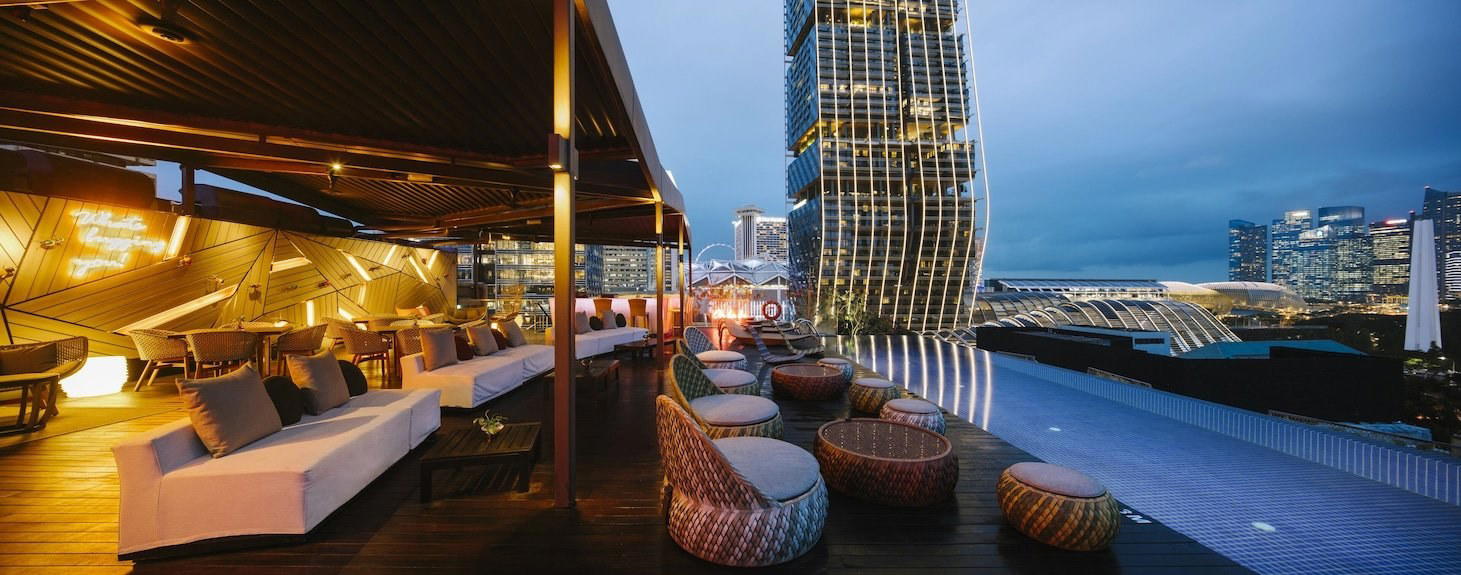
Elegant and minimalist space with a mix of long counter seating and intimate table settings; modern, refined design with direct views of the open kitchen creating an educational and immersive dining atmosphere.