
Finding authentic tapas in Munich takes effort, most bars offer approximations built around local convenience rather than Iberian tradition. Amistad, on Georgenstraße in Schwabing, has earned a reputation as one of the city's more credible Spanish addresses, with an open-air terrace and a bar that stays al fresco through summer. It reads less like a transplant and more like a bar that understands its source material.
Pearl is the En Primeur Club membership app — saves, bookings, and concierge access live there. Same editors, same standards.
- Address
- Georgenstraße 37, 80799 München, Germany
- Phone
- +49 89 85633600
- Website
- amistad.bar
- Directions
- Get directions
 Saves & bookings on Pearl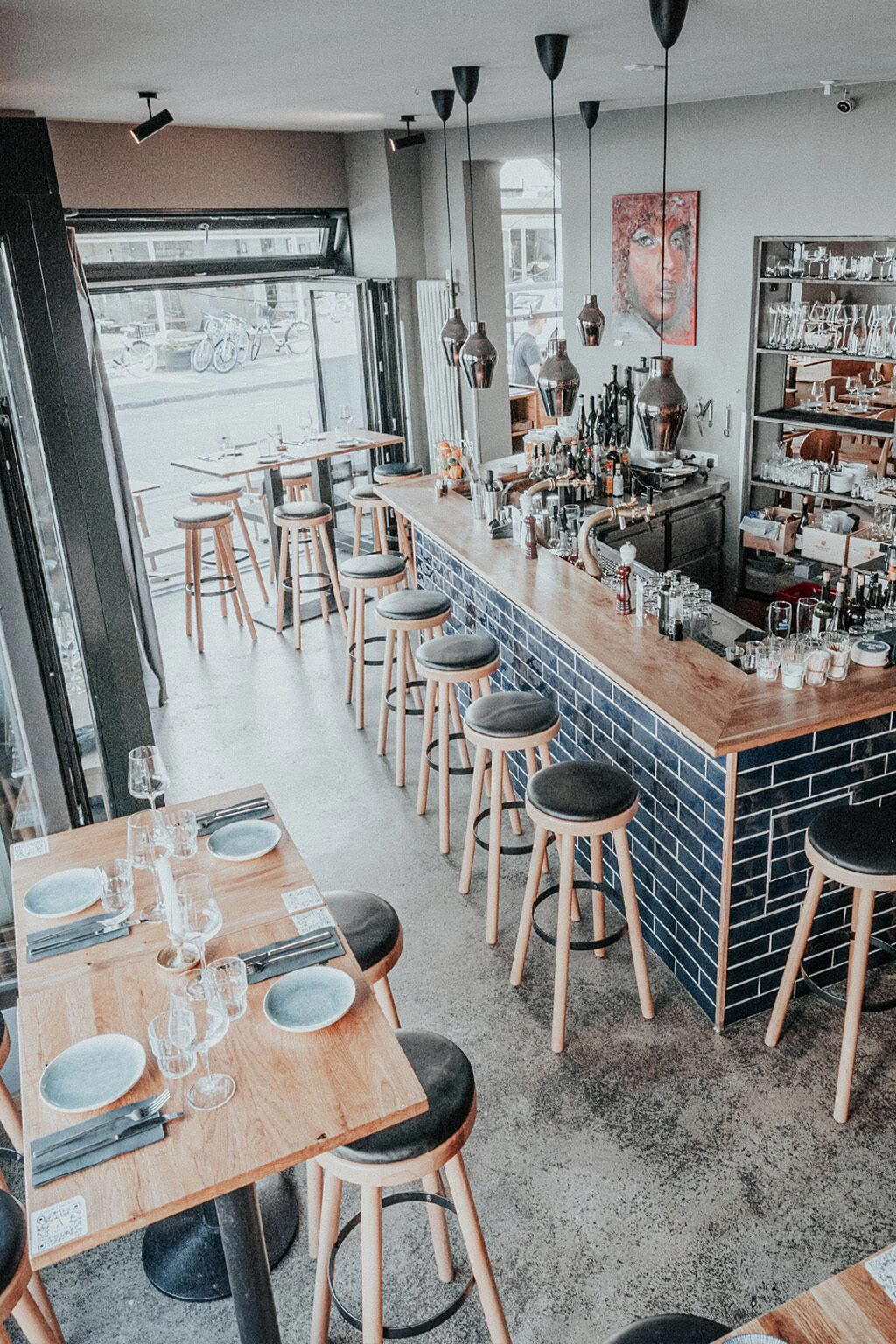
Where Munich Goes for Spain
Munich's restaurant scene tilts heavily toward its own traditions and toward the international fine-dining tier. The city has Michelin-decorated French at Tantris, creative tasting menus at Atelier and Alois - Dallmayr Fine Dining, and the German-Japanese precision of Tohru in der Schreiberei. What it lacks, at least convincingly, is Spain. The casual Iberian bar, the kind built around serious sourcing of jamón, tinned seafood, and cured meats rather than around approximating the aesthetic, remains genuinely scarce. That scarcity is part of what explains Amistad's quick traction in Schwabing.
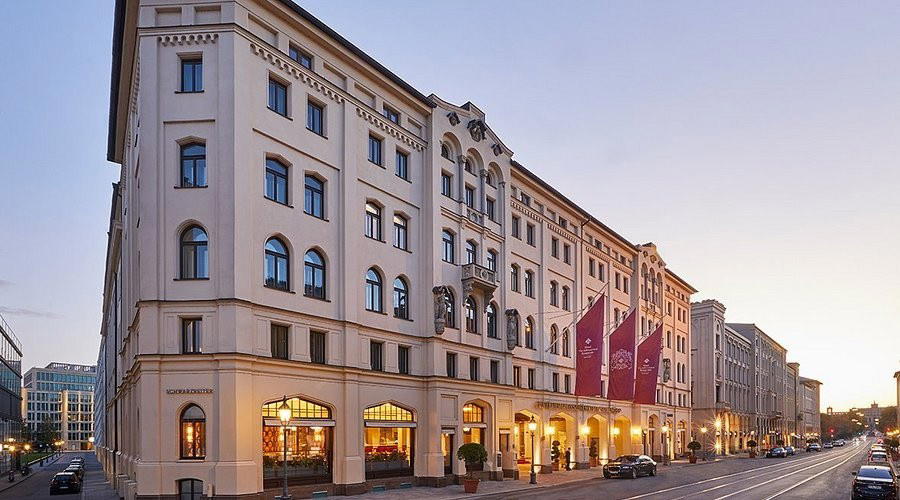
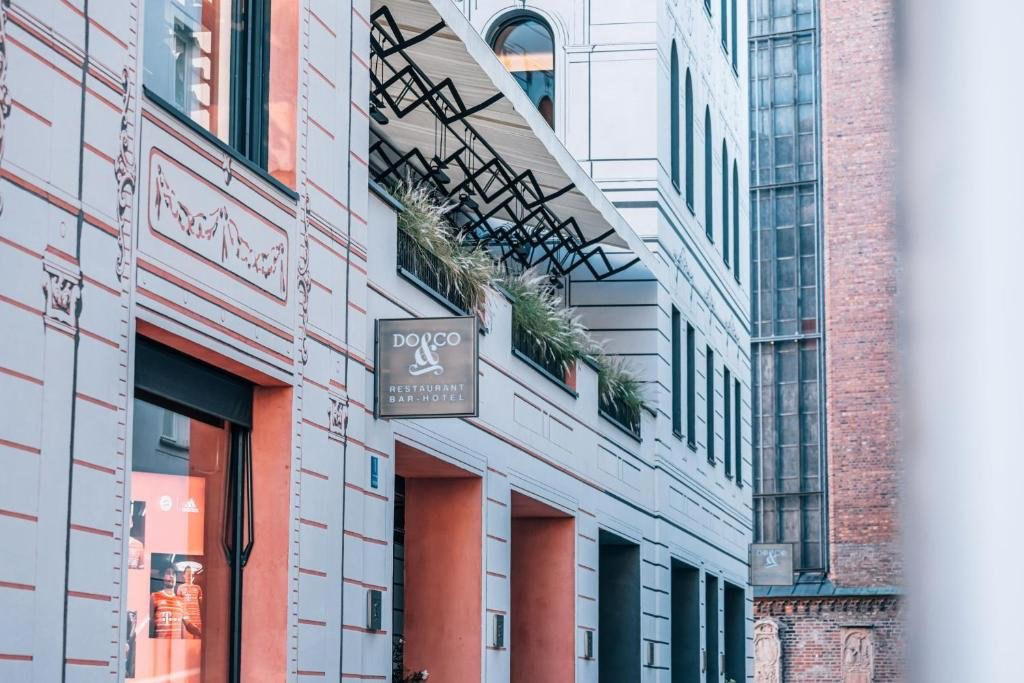
The address is Georgenstraße 37, in Schwabing-West, where the neighbourhood feels more lived-in than the polished sections closer to the English Garden. The street has independent character rather than tourist density, which suits a bar format that depends on repeat custom and neighbourhood loyalty. Amistad arrived here and found an audience quickly, not because Munich was starved of restaurants, but because it was starved of this specific kind of bar.
The Space: Terrace First, Bar Second
Spanish bar culture is inseparable from its physical setting. The terrace is not an afterthought or a seasonal add-on, it is where the rhythm of the place happens. At Amistad, a spacious terrace surrounds the interior, and in summer the bar itself opens to the air, collapsing the boundary between inside and outside in the way that characterises a well-run Iberian-style operation rather than a northern European one that has added outdoor seating as an amenity.
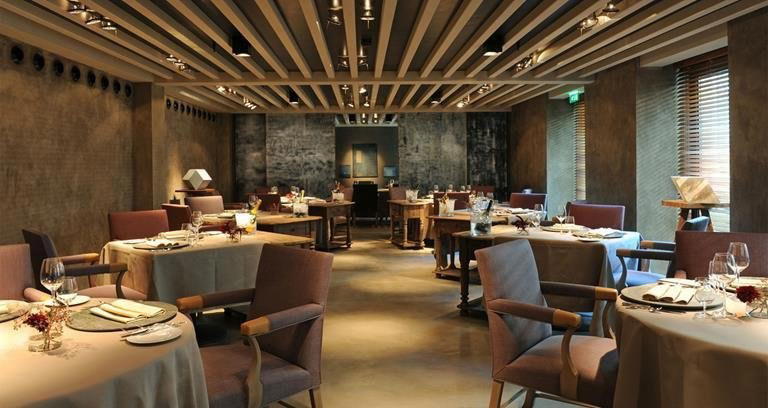
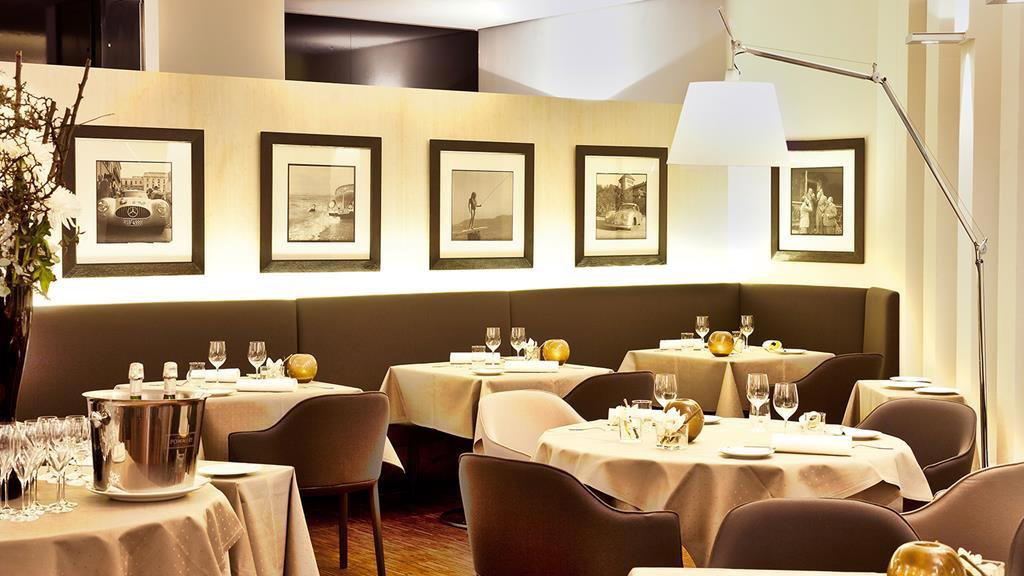
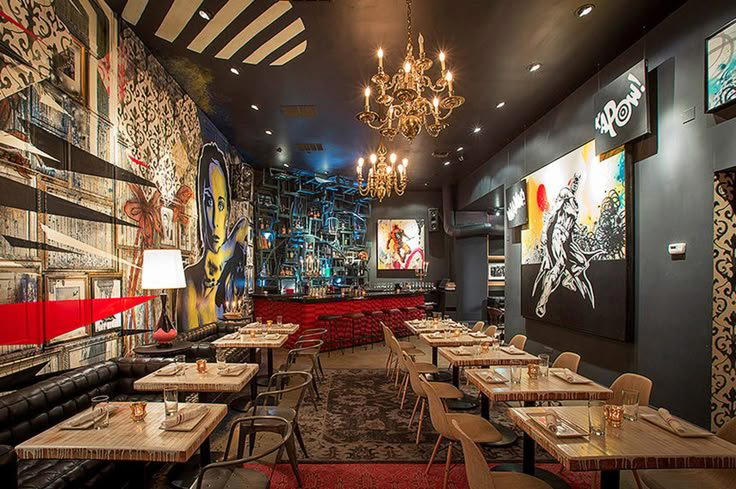
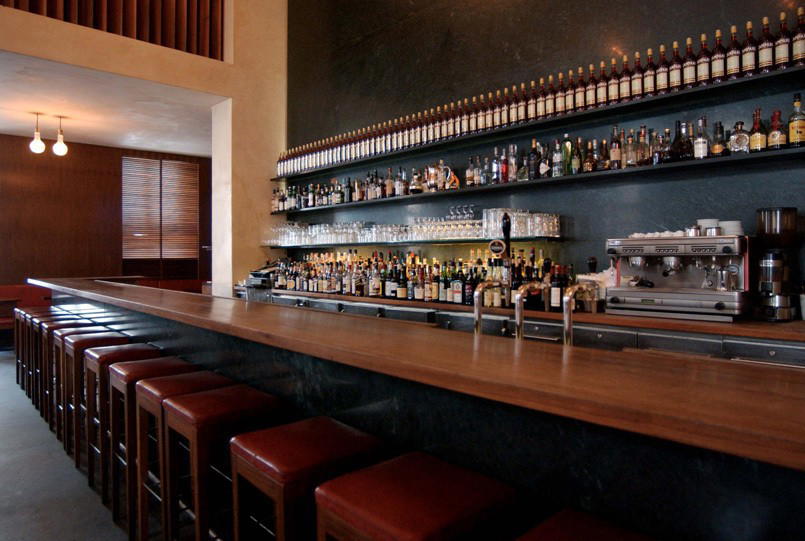
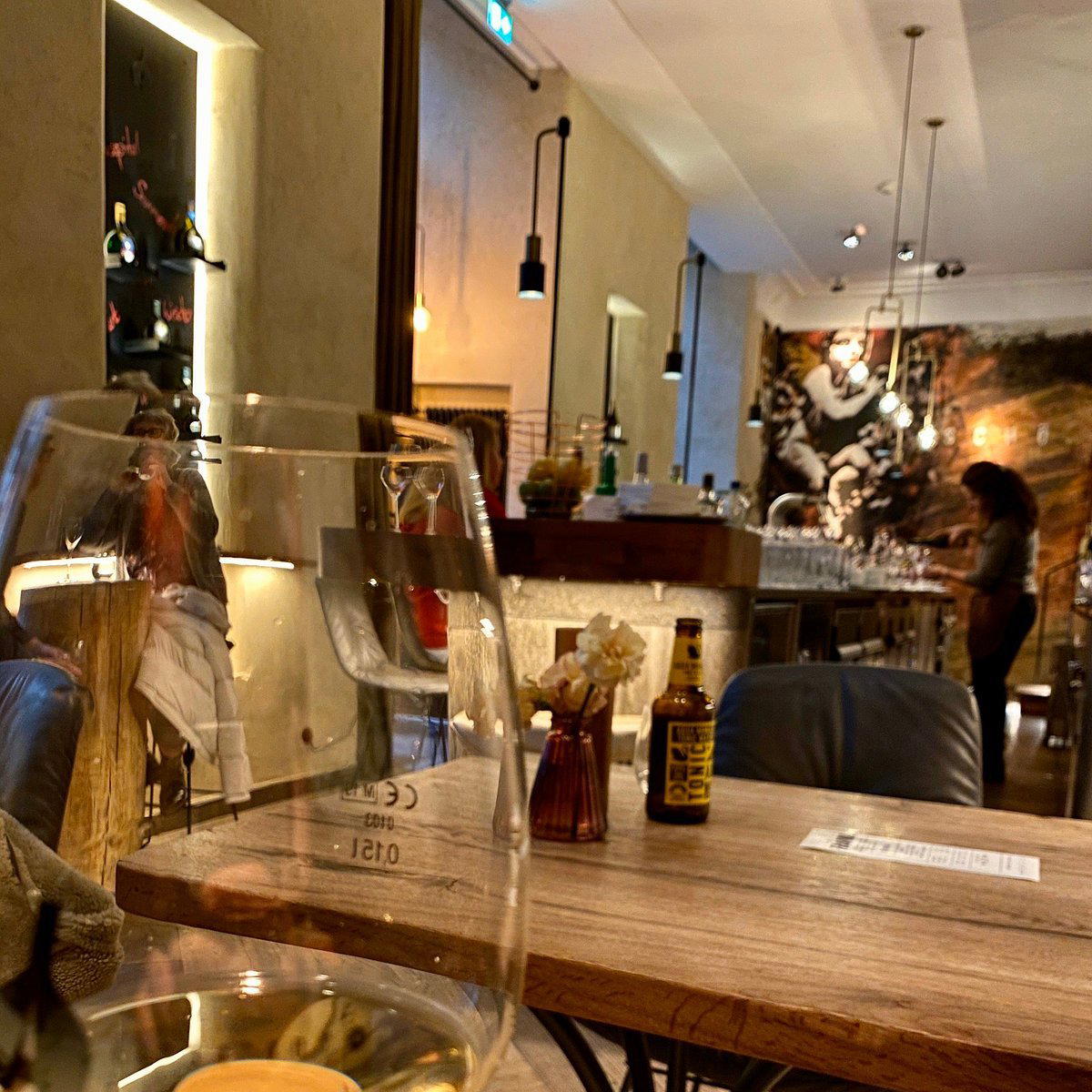
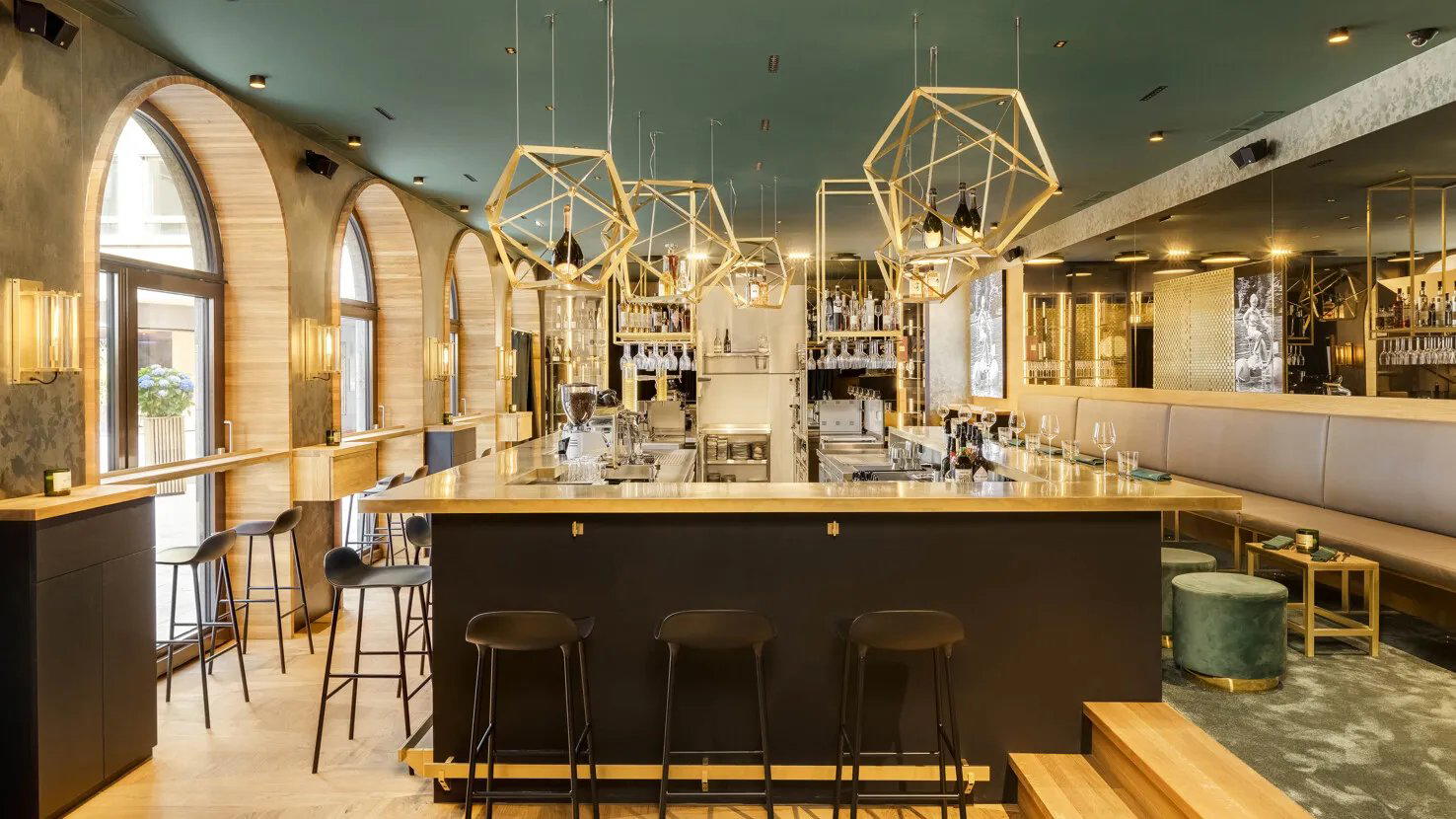
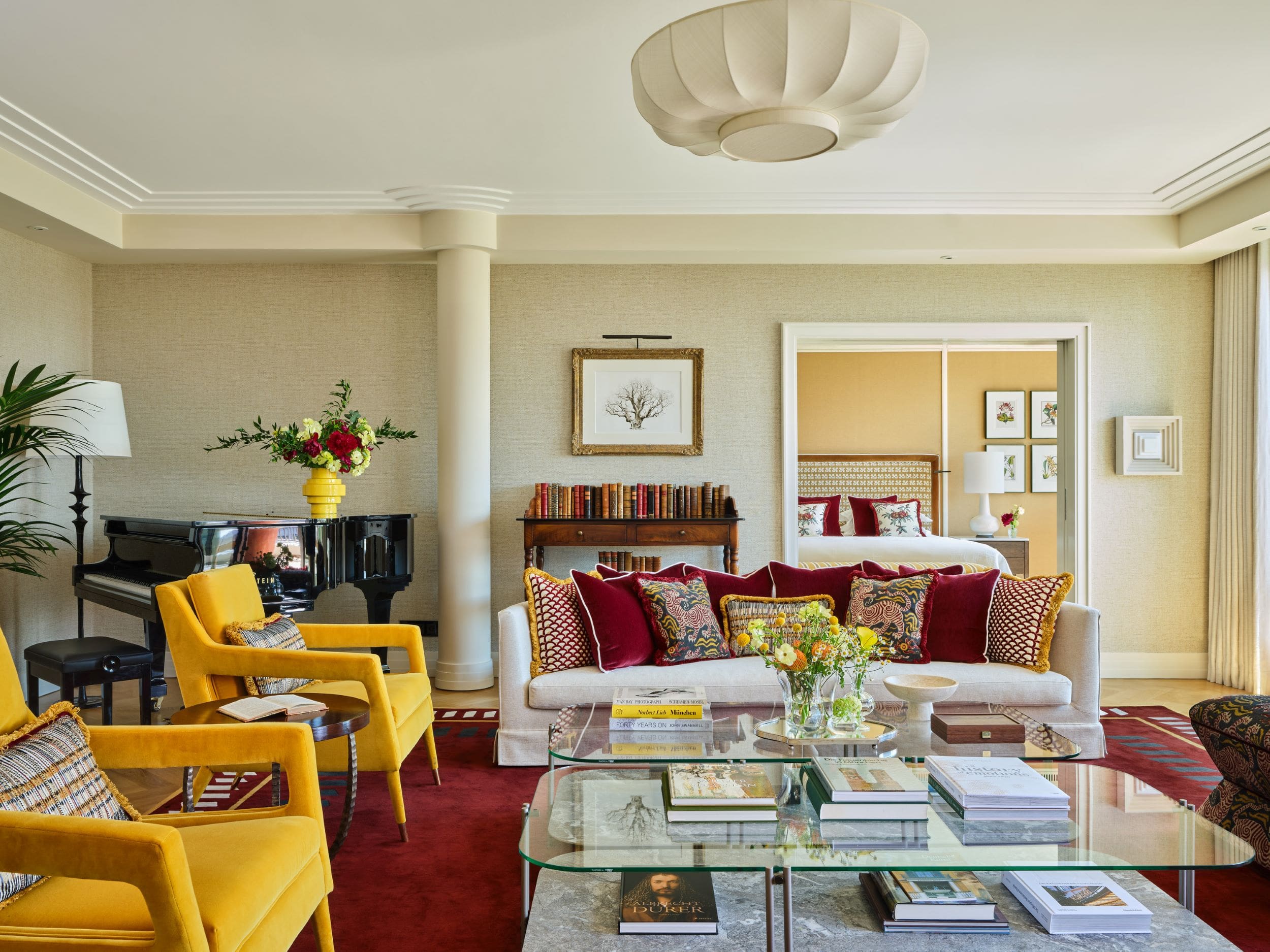
The interior reads as a bar meant to be used, not admired. The atmosphere is described as having a sexy quality, a word that implies confidence in the fit-out without the overthought minimalism that tends to dominate Munich's higher-end dining rooms. For the neighbourhoods around Schwabing, where the dining options range from formal to casual German, a room with that kind of edge is a practical gap-filler. It gives the area something that a Biergarten or a classic Italian trattoria does not.
Sourcing as the Core Argument
The credibility of a tapas bar outside Spain rests almost entirely on what it sources and how. The dish formats are simple enough that shortcuts in the ingredient chain become immediately apparent. A jamón carved from an underfed pig fed on grain rather than bellota acorns tastes like a different product. Tinned anchovies from a cheap packer bear no resemblance to Cantabrian L'Escala anchovies packed in quality oil. The question any serious tapas address must answer is whether its supply chain connects to the actual producers or to a European distributor's mid-range catalogue.
Authentic tapas are not easily replicated in Munich because the city sits far from the Iberian production zones that matter, the jamón-producing dehesas of Extremadura and Andalusia, the conservas factories of Galicia and the Basque coast, the olive groves of Jaén. Getting those ingredients to a Schwabing bar at the right quality and at a sustainable cost requires deliberate sourcing relationships rather than spot purchasing. Amistad's quick establishment as a go-to address for this food in Munich suggests its approach to that supply chain is more considered than the average approximation. That is a more meaningful signal than décor or service format.
The tradition Amistad is working within has a long and serious history. Across Andalusia, tapas began as functional small plates accompanying drinks, their ingredients drawn from whatever was locally abundant and preservable, cured meats, pickled vegetables, fried seafood, marinated olives. The conserva tradition of the Galician and Basque coast produced some of the world's most carefully processed tinned seafood, products that now appear on the menus of restaurants like Le Bernardin in New York City and command serious price points. Translating that tradition to Munich means either sourcing the real product or producing a facsimile, and the two outcomes taste nothing alike.
In the Context of Munich's Wider Restaurant Picture
Munich's fine-dining tier is well-documented. The city's Michelin-decorated addresses, including JAN, compete in a category where technique and sourcing are assumed to be rigorous. What the city's mid-tier and casual dining space has been slower to develop is the credible single-cuisine bar, the kind of address that treats a specific national tradition with the same seriousness that tasting-menu restaurants apply to their tasting menus.
The gap in authentic tapas is part of a broader pattern across German cities outside Berlin. Restaurants like CODA Dessert Dining in Berlin demonstrate how focused, format-specific concepts can build real authority in their category. The same logic applies to a well-sourced tapas bar: the narrower the focus, the more clearly quality shows or doesn't. Germany's decorated dining scene, from Aqua in Wolfsburg to Schwarzwaldstube in Baiersbronn to Vendôme in Bergisch Gladbach and Restaurant Haerlin in Hamburg, operates at a different register, but the underlying discipline around sourcing is the same principle applied at different price points. Amistad's positioning in Munich's casual tier makes it a different kind of address, not a lesser one.
For comparison beyond Munich, ES:SENZ in Grassau and Emeril's in New Orleans illustrate how regional identity and sourcing commitment translate differently across contexts.
Planning a Visit
Amistad sits at Georgenstraße 37 in Munich's Schwabing-West district, reachable on foot from the Münchener Freiheit U-Bahn stop or by a short ride from the city centre. The terrace operates through summer as an open-air bar, which makes warm-weather evenings the natural moment to experience the space as intended. Given the quick reputation the bar has built, arriving without a reservation on a weekend evening carries the usual risk of any address that has outrun its own capacity.
Fast Comparison
Comparable venues nearby, for context on price, style, and recognition.
| Venue | Cuisine | Price | Notes |
|---|---|---|---|
| AmistadThis venue — the venue you are viewing | Spanish Tapas | $$ | Not listed |
| Restaurant Ksara | Traditional Lebanese | $$ | Schwabing |
| La Vecchia Masseria | Classic Italian Trattoria | $$ | Isarvorstadt |
| Jack Glockenbach | Authentic Vietnamese | $$ | Isarvorstadt |
| Hofbräukeller | Traditional Bavarian Beer Garden | $$ | Haidhausen |
| Mokum | Modern Creative International Bistro | $$ | Theresienwiese |
Recognition history
Dated appearances from independent guides and award organizations, with the underlying list record or original source where available.
Star Wine List
Star Wine List
At a Glance
- Cozy
- Trendy
- Intimate
- Date Night
- Casual Hangout
- Group Dining
- Terrace
- Open Kitchen
- Extensive Wine List
- Street Scene
Current opening hours
- Monday
- 6 PM–12 AM
- Tuesday
- 6 PM–12 AM
- Wednesday
- 6 PM–12 AM
- Thursday
- 6 PM–12 AM
- Friday
- 6 PM–1 AM
- Saturday
- 6 PM–1 AM
- Sunday
- 6 PM–12 AM
Hours can change for holidays and private events. Last verified .
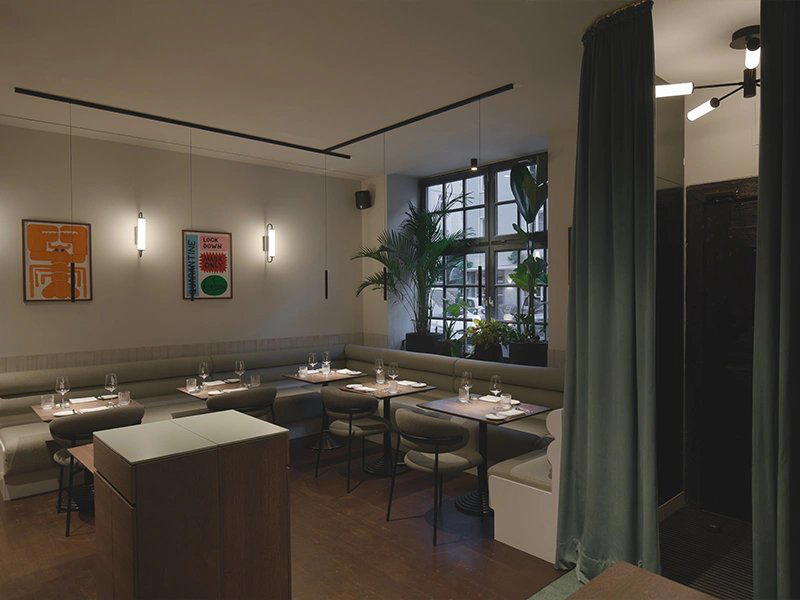
Cozy and modern with greyish decor, sexy interior bar, and inviting terrace atmosphere.