
Macarfi 7.1 Food Rating
Our verdict
Amazónico on Calle Jorge Juan brings the Amazon basin to Salamanca's most competitive dining strip, trading Madrid's prevailing Spanish-creative register for a pan-Latin format built on spectacle, tropical produce, and a room designed to override every sensory default. Against the city's Michelin-weighted fine-dining circuit, it occupies a different tier: high-production, bar-forward, and built for a long evening rather than a tasting menu countdown.

Pearl is the En Primeur Club membership app — saves, bookings, and concierge access live there. Same editors, same standards.
- Address
- C. de Jorge Juan, 20, Salamanca, 28001 Madrid, Spain
- Phone
- +34915154332
- Hours
- Daily 1 PM–2 AM
- Website
- amazonicorestaurant.com
- Directions
- Get directions
- Booking
- Book on the venue's website
The menu
What to order
- Huelva carabinero prawns
- Picaña beef
- Uramaki sushi with mango and cacao
- Espeto
A Room That Arrives Before the Food Does
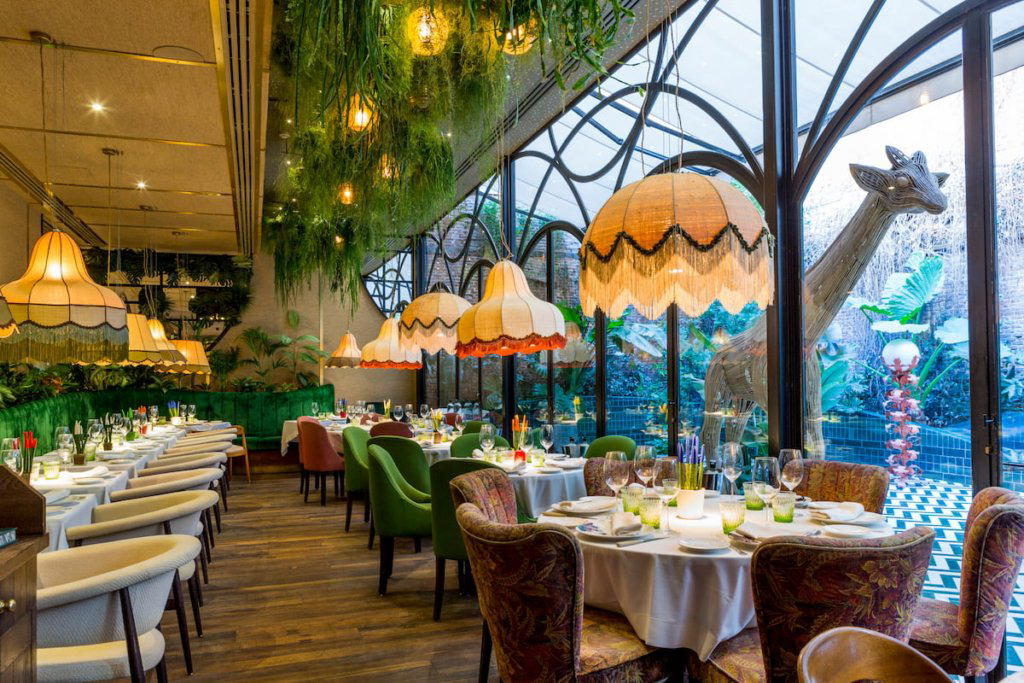
On Calle Jorge Juan, the street that concentrates more high-ticket dining per block than anywhere else in Madrid, most restaurants announce themselves quietly. Amazónico does the opposite. The entrance at number 20 gives way to a space that borrows its visual logic from the Amazon itself: dense tropical planting, warm amber light filtered through canopy-like structures, and a sound level calibrated closer to a club than to the hushed register of the city's tasting-menu rooms. Before a single dish reaches the table, the room has already made its argument.
This is not accidental. In the broader Madrid dining context, where the prestige end of the market is dominated by Spanish-creative formats — tasting menus running ten to twenty courses, white tablecloths, and a pacing that treats silence as an asset — Amazónico operates on a different logic entirely. The scene is the point. The jungle aesthetic, the cocktail bar that runs parallel to the dining room, the open grill and rotisserie visible from multiple angles: all of it is designed to make the act of being there feel like an event. Madrid's Salamanca neighbourhood, home to the city's old-money residential blocks and a concentration of international visitors, is exactly the right audience for that proposition.
Where Amazónico Sits in Madrid's Dining Hierarchy
Madrid's premium restaurant tier has fractured into two legible camps. The first is the Michelin-weighted creative-Spanish circuit: DiverXO, David Muñoz's three-star operation that remains the city's most technically demanding table; Coque, the Sandoval brothers' two-star format in Chamberí; Deessa, Quique Dacosta's hotel dining room in the Mandarin Oriental; DSTAgE and Paco Roncero rounding out the starred tier. These are rooms where the chef's vision structures the entire experience, where you eat what you're given and when you're given it.
Amazónico belongs to a different camp: high-production, à la carte, built for social occasions rather than culinary immersion. It has more in common with the international spectacle-restaurant format, think the kind of venue that opened in London's Mayfair before migrating to other capitals, than with Spain's indigenous fine-dining tradition. That positioning is neither a criticism nor a limitation. It reflects a deliberate choice to serve a different appetite, and in Madrid's Salamanca district, that appetite is substantial.
For readers building a broader picture of Spain's serious restaurant circuit, the starred rooms extend well beyond Madrid: El Celler de Can Roca in Girona, Mugaritz in Errenteria, Arzak in San Sebastián, Azurmendi in Larrabetzu, Martin Berasategui in Lasarte-Oria, Aponiente in El Puerto de Santa María, Cocina Hermanos Torres in Barcelona, Ricard Camarena in València, Quique Dacosta in Dénia, and Atrio in Cáceres. Amazónico does not compete with that circuit. It offers a counterpoint to it.
The Sensory Architecture of the Space
The design language at Amazónico draws on pan-Latin references that span the Amazon basin's ecological and cultural range: tropical timber, ceramic tile, hanging botanicals, and a colour palette that pushes into deep greens and terracottas. In practice, the effect is dense and theatrical without tipping into the kind of theme-restaurant literalism that ages quickly. The tropical planting is live, not decorative veneer, and the room's humidity shifts slightly as you move deeper in, away from the entrance. That is the kind of sensory detail that a photograph cannot transmit.
Sound management is a deliberate part of the offer. The dining room operates at volume levels that most serious Madrid restaurants would consider a problem to solve. Here it functions as a feature: conversations stay private despite the crowd, the energy stays refined throughout the evening, and the distinction between eating and socialising collapses in a way that the Spanish dining tradition, which runs dinner late and long, is culturally well-equipped to support. Madrid's restaurant dinner seldom starts before 9pm and rarely ends before midnight; Amazónico's energy arc is built around that rhythm.
The Grill, the Bar, and What to Order Around Them
The kitchen at Amazónico is organised around live fire and a rotisserie, the visual anchors of the dining room. The menu draws on South American reference points, charred and cured proteins, tropical fruits used in savoury contexts, ceviches and tiraditos running alongside grilled cuts, without adhering to any single national tradition. This is pan-Latin cooking in the sense that a good Peruvian-Japanese restaurant is not strictly either: it uses a set of borrowed techniques and ingredients to build something that belongs to neither tradition exclusively.
The cocktail bar deserves separate mention. At many restaurants of this production scale, the bar functions as a waiting area or a secondary revenue stream. At Amazónico, it operates as a genuine destination, with a drinks programme that uses Amazonian botanicals and Latin spirits as its foundation. Arriving early to drink before moving to a table is not a compromise; it is the intended use of the space.
Planning Your Visit to Calle Jorge Juan
Amazónico sits at Calle de Jorge Juan, 20, in the Salamanca district, walkable from the Velázquez and Serrano metro stations. Salamanca is Madrid's most concentrated luxury dining strip, meaning nearby competition is fierce and varied; this is one of the few blocks in the city where multiple high-production restaurants coexist within a short walk. Given the venue's scale and the neighbourhood's draw, booking ahead is strongly advisable, particularly for weekend evenings. Madrid's dining season runs year-round, but the spring and autumn months, April to June, September to November, bring the city's most active social calendar, and tables at high-profile addresses fill faster during those windows. For a broader view of where Amazónico fits within the city's full dining offer, see our full Madrid restaurants guide. For international comparison at a similar production register, Le Bernardin in New York City and Lazy Bear in San Francisco operate in the same tier of deliberate, high-investment dining experiences, though with entirely different culinary languages.
Frequently asked questions
What is Amazónico known for?
What's the signature dish at Amazónico?
Is Amazónico reservation-only?
Can Amazónico handle vegetarian requests?
Should I splurge on Amazónico?
How does Amazónico fit into a wider Madrid dining week?
A Lean Comparison
Comparable venues nearby, for context on price, style, and recognition.
| Venue | Cuisine | Price | Awards | Notes |
|---|---|---|---|---|
| AmazónicoThis venue — the venue you are viewing | Amazonian Fusion | $30–50 | Macarfi 7.1 Food Rating | Not listed |
| COKIMA | Modern Fusion Street Food | $30–50 | Macarfi 6.5 Food Rating | Gaztambide, Modern Fusion Street Food |
| Zielou | Modern Fusion Tasting | $50–100 | Not listed | Castilla, Modern Fusion Tasting |
| Ponja Nikkei | Nikkei Peruvian-Japanese Fusion | $50–100 | Not listed | Chueca, Nikkei Peruvian-Japanese Fusion |
| La Cuadra de Salvador Madrid | Peruvian-Fusion Steakhouse | $100–150 | Macarfi 7.1 Food Rating | Cortes, Peruvian-Fusion Steakhouse |
| Loca Obsesión | Fusion Brunch | $30–50 | Not listed | Sol, Fusion Brunch |
Recognition history
Dated appearances from independent guides and award organizations, with the underlying list record or original source where available.
Macarfi 7.1 Food Rating
Macarfi
Continue exploring
More in Madrid
Restaurants in Madrid
Browse all →
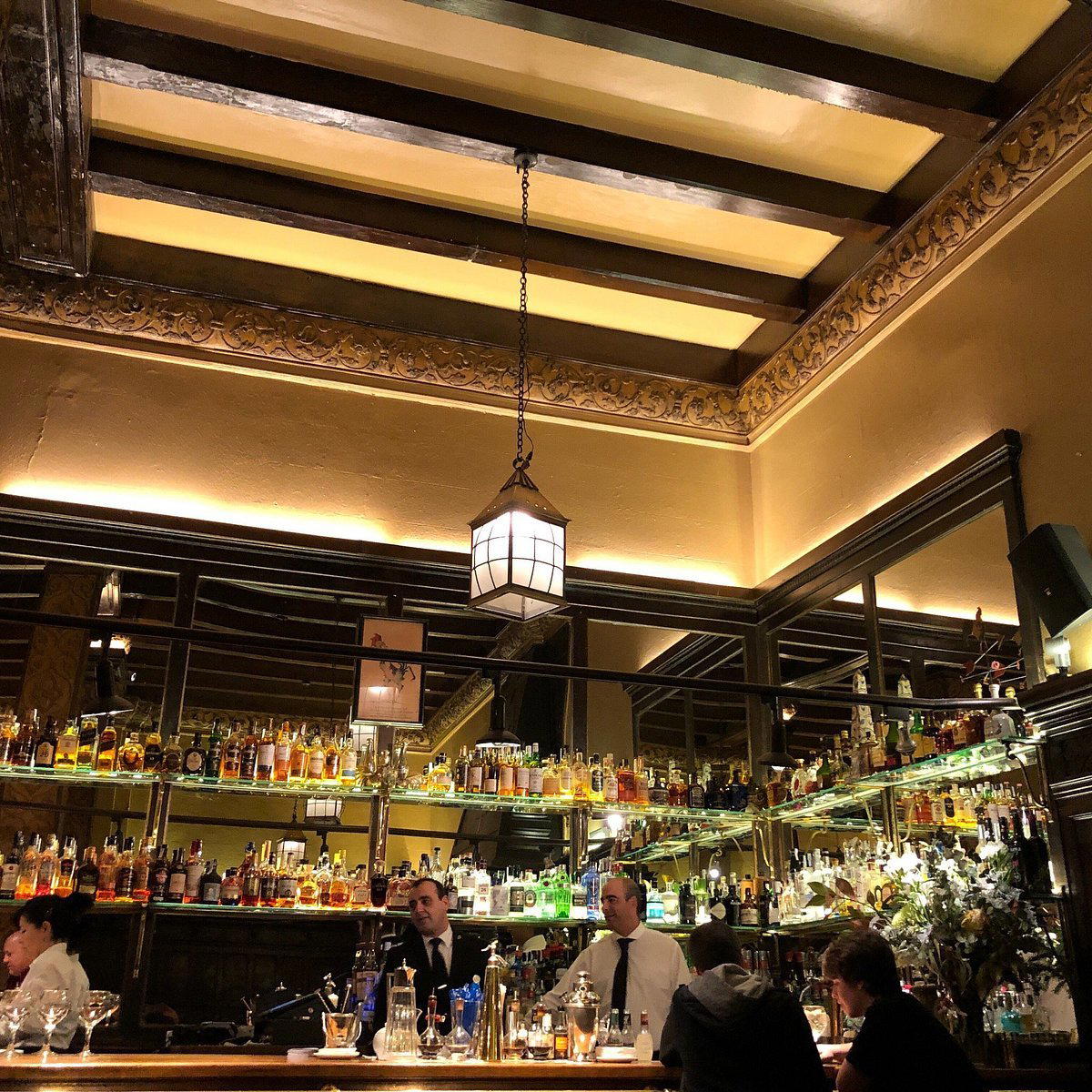
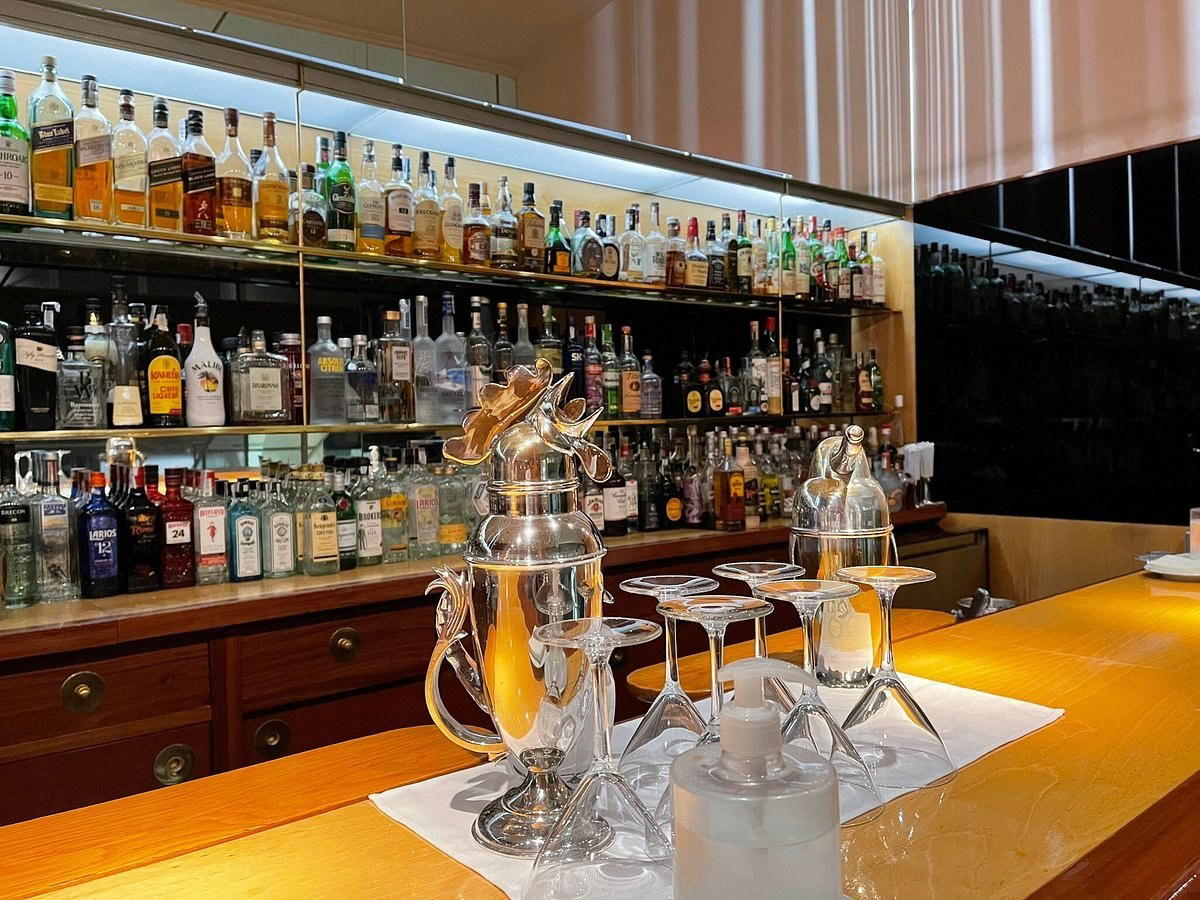
Bars in Madrid
Browse all →
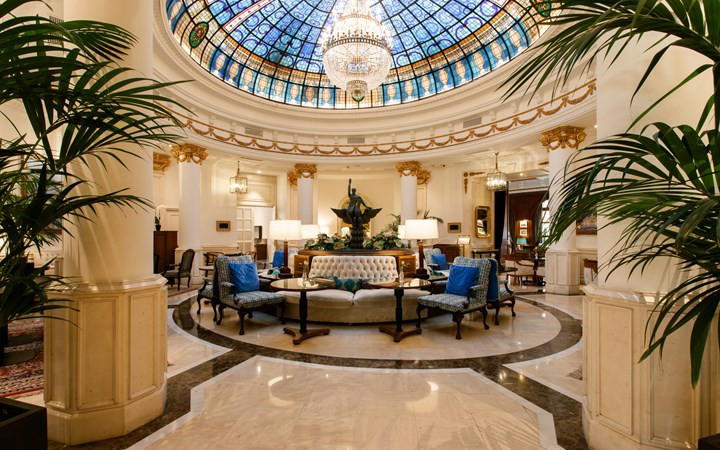
Hotels in Madrid
Browse all →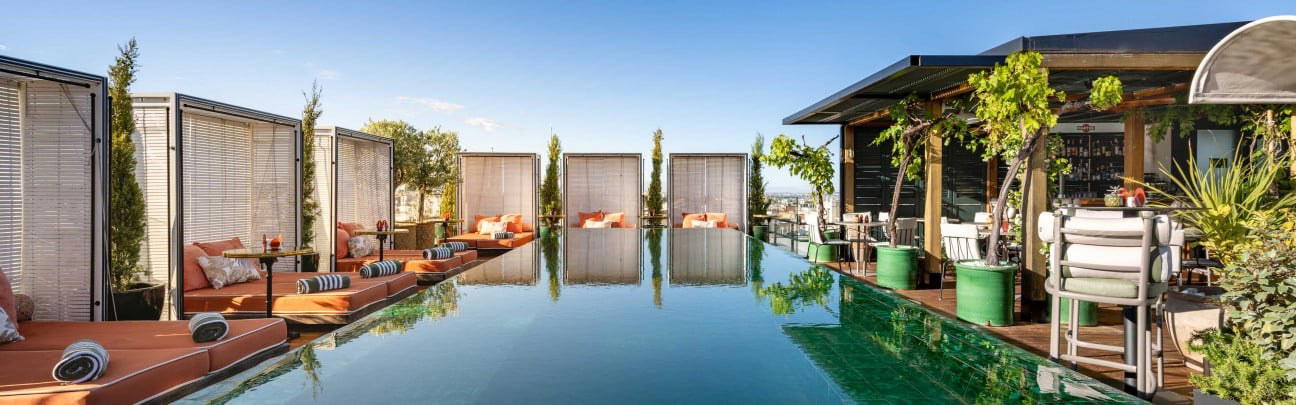

Details
- Lively
- Elegant
- Trendy
- Ornate
- Date Night
- Special Occasion
- Group Dining
- Open Kitchen
- Live Music
- Terrace
- Craft Cocktails
- Small Plates
- A La Carte
- Craft Cocktails
- Vegetarian Friendly
- Vegan Options
- Gluten Free Options
Current opening hours
- Monday
- 1 PM–2 AM
- Tuesday
- 1 PM–2 AM
- Wednesday
- 1 PM–2 AM
- Thursday
- 1 PM–2 AM
- Friday
- 1 PM–2 AM
- Saturday
- 1 PM–2 AM
- Sunday
- 1 PM–2 AM
Hours can change for holidays and private events. Last verified .
Lush tropical jungle decor with hanging greenery, lively energy, open kitchen views, and sophisticated jazz club atmosphere.