Amasa
Amasa brings a Latin steakhouse perspective to New York City, framing regional Latin cuisine around the discipline of the cut rather than the conventions of the American chophouse. In a city where the premium steakhouse tier is crowded and codified, Amasa occupies a distinct position: serious beef credentials filtered through South American tradition, plated for a room that expects both.

Pearl is the En Primeur Club membership app — saves, bookings, and concierge access live there. Same editors, same standards.
Where the Chophouse Tradition Ends and the Latin Steakhouse Begins
New York's steakhouse culture is among the more codified in the world. The city's classic chophouses operate on a format that has barely shifted in decades: aged prime beef, tableside pageantry, a wedge salad, and a wine list built around California Cabernet. That format works, and the city supports dozens of rooms that execute it at a high level. But it leaves a gap for something older and, in some respects, more disciplined, the South American tradition of beef, where the cut is not a supporting character in a performance of abundance but the entire point of the meal.
Amasa occupies that gap as a Latin steakhouse in New York City. As a Latin steakhouse operating within New York's competitive premium dining tier, it draws on regional Latin culinary frameworks, Argentine asado culture, the Brazilian approach to churrasco, the Colombian and Peruvian traditions of grilling and seasoning, while delivering a room and a price register that places it in conversation with the city's more established fine-dining addresses.
The Architecture of the Cut
In most American steakhouses, the cut functions as a preference, ribeye for richness, filet for tenderness, strip for the person who wants both and settles for neither. In South American beef traditions, the cut carries more specific cultural weight. The bife de chorizo, not to be confused with the sausage, is the Argentine equivalent of a New York strip, taken from the loin with a fat cap left intact, and it rewards grilling over wood or charcoal in a way that a conventionally seasoned strip does not. The entraña, or skirt steak, is handled with entirely different timing and heat. The tomahawk, adopted into Latin grilling culture from its American origins, has become a statement piece in high-end Latin steakhouses precisely because its long bone makes it a natural format for tableside carving.
Amasa's positioning as a Latin steakhouse means the cut selection, preparation method, and seasoning philosophy are all filtering through this tradition rather than the American chophouse framework. That distinction matters in practice: where an American chophouse applies salt and butter, South American beef traditions tend toward wood smoke, chimichurri, and the kind of dry-heat crust that only comes from an extremely hot open flame. The ribeye, under that treatment, reads differently than it does when it arrives at a steakhouse that has dry-aged it for 45 days and finished it in a broiler.
Latin Cuisine's Place in New York's Premium Dining Tier
New York's upper dining tier has expanded significantly in the past decade to accommodate non-European culinary traditions. Korean cuisine now holds serious ground at the premium level, Atomix and Jungsik New York both operate at price points and in formats that place them alongside Le Bernardin and Per Se without apology. Japanese cuisine, through addresses like Masa, has held that position even longer. Latin cuisine has been slower to establish itself at the same tier, partly because it has historically been received as casual or celebratory rather than technically rigorous.
The Latin steakhouse format changes that calculus by anchoring the offer in a product category, premium beef, that already carries cultural legitimacy in fine dining. It allows a kitchen to argue for serious prices and serious attention through the language the market already speaks, while delivering the food in a cultural frame that is more specific, and more interesting, than the generic American steakhouse template. Whether Amasa has fully capitalized on that opportunity is a question that individual visits will answer; what the positioning promises is a room where the beef is treated with the seriousness of the South American tradition and the production values of a Manhattan fine-dining address.
Regional Latin Cuisine Beyond the Grill
A Latin steakhouse framing suggests beef-forward menus, but regional Latin cuisine carries a broader range of technical vocabulary. Ceviches and tiraditos draw from Peruvian coastal tradition. Braised preparations, particularly those involving beef short rib or oxtail, appear across Colombian, Venezuelan, and Dominican cooking in forms that have no direct American chophouse equivalent. The use of ají amarillo, huacatay, and sofrito-based sauces adds a flavour register that separates Latin beef cookery from its North American counterpart in ways that go beyond seasoning choices.
A well-executed Latin steakhouse should be drawing on all of this. The premium cuts hold the room's attention, but the supporting dishes, the starters, the sides, the sauces, are where the regional specificity either comes through or collapses into generic Latin-American decoration. For comparison, consider how other American destination restaurants handle the tension between a strong culinary identity and broad accessibility: Emeril's in New Orleans built a career on making regional Louisiana cuisine legible to a national audience, while Lazy Bear in San Francisco and Alinea in Chicago each demonstrate what happens when a restaurant refuses to soften its editorial point of view for the sake of comfort.
Amasa's regional Latin cuisine designation suggests a similar commitment to specificity. Restaurants that carry that label without the underlying knowledge tend to present a smoothed-out, pan-Latin aesthetic that pleases broadly and says nothing in particular. Those that do the work present a menu where each dish could be located on a map.
Planning Your Visit
Amasa operates within New York's premium dining framework, which means reservation lead times, dress expectations, and per-head spend all calibrate to the upper tier of the city's restaurant market. For comparison purposes, the premium steakhouse and fine-dining bracket in Manhattan typically runs from $120 to $250 per person before wine, with tasting-format rooms at Per Se or Masa running considerably higher. Amasa's price tier places it in the premium range, and reservations are recommended.
Blue Hill at Stone Barns in Tarrytown offers a contrasting approach to ingredient-led dining at the premium level. Further afield, Single Thread Farm in Healdsburg, The French Laundry in Napa, Providence in Los Angeles, Addison in San Diego, The Inn at Little Washington, Bacchanalia in Atlanta, and internationally, 8 1/2 Otto e Mezzo Bombana in Hong Kong and Alain Ducasse at Louis XV in Monte Carlo, all represent the kind of fine-dining seriousness that frames what a premium restaurant is expected to deliver.
Comparable Spots, Quickly
Comparable venues nearby, for context on price, style, and recognition.
| Venue | Cuisine | Price | Notes |
|---|---|---|---|
| AmasaThis venue — the venue you are viewing | Latin Steakhouse | $$$$ | Not listed |
| Mari Vanna | Traditional Russian & Eastern European Home Cooking | $$$ | Midtown South-Flatiron-Union Square |
| MEAMA Georgian Kitchen | Modern Georgian Kitchen | $$$ | East Village |
| Porteño | Authentic Argentine Parrilla | $$$$ | Chelsea-Hudson Yards |
| Musaafer | Modern Regional Indian | $$$$ | Tribeca-Civic Center |
| Wolfgang's Steakhouse - Broadway | Classic Dry-Aged Steakhouse | $$$$ | Midtown-Times Square |
Continue exploring
More in New York City
Restaurants in New York City
Browse all →
Bars in New York City
Browse all →




At a Glance
- Elegant
- Sophisticated
- Date Night
- Business Dinner
- Special Occasion
- Hotel Restaurant
- Craft Cocktails
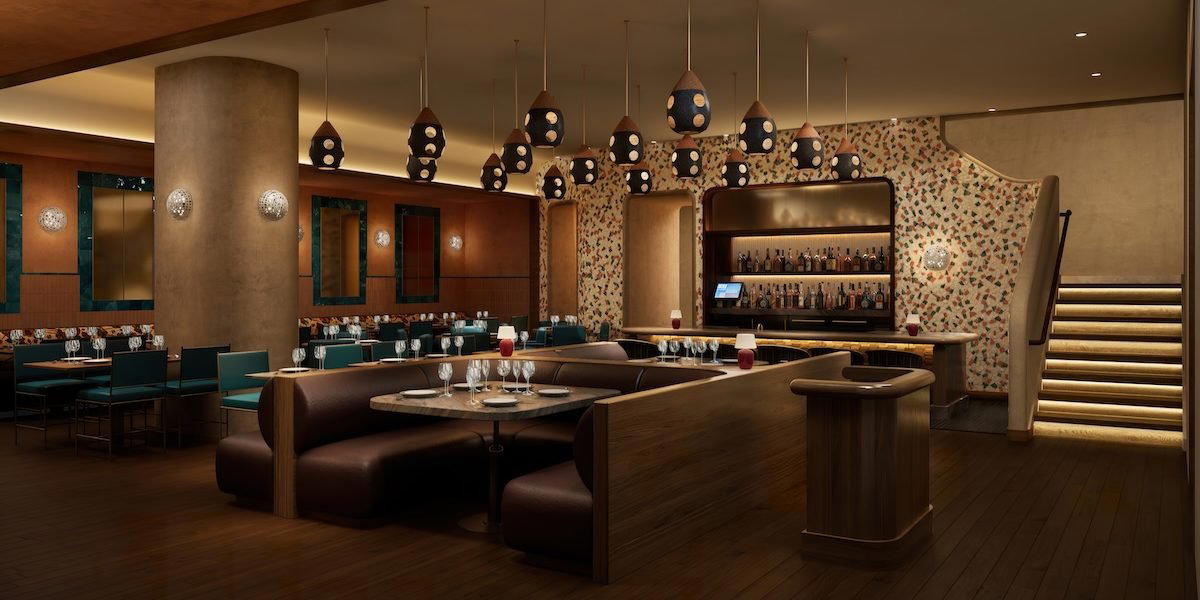
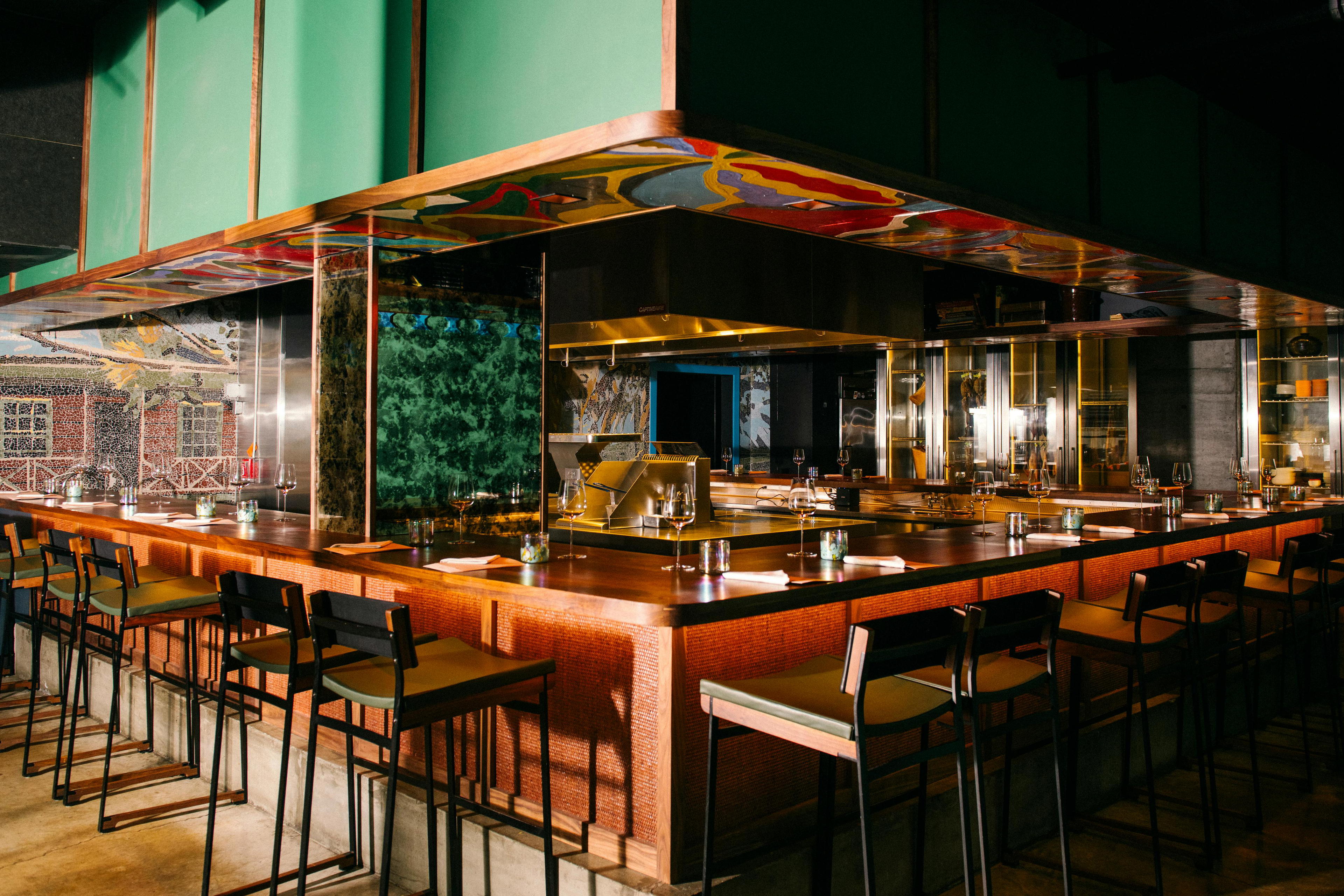
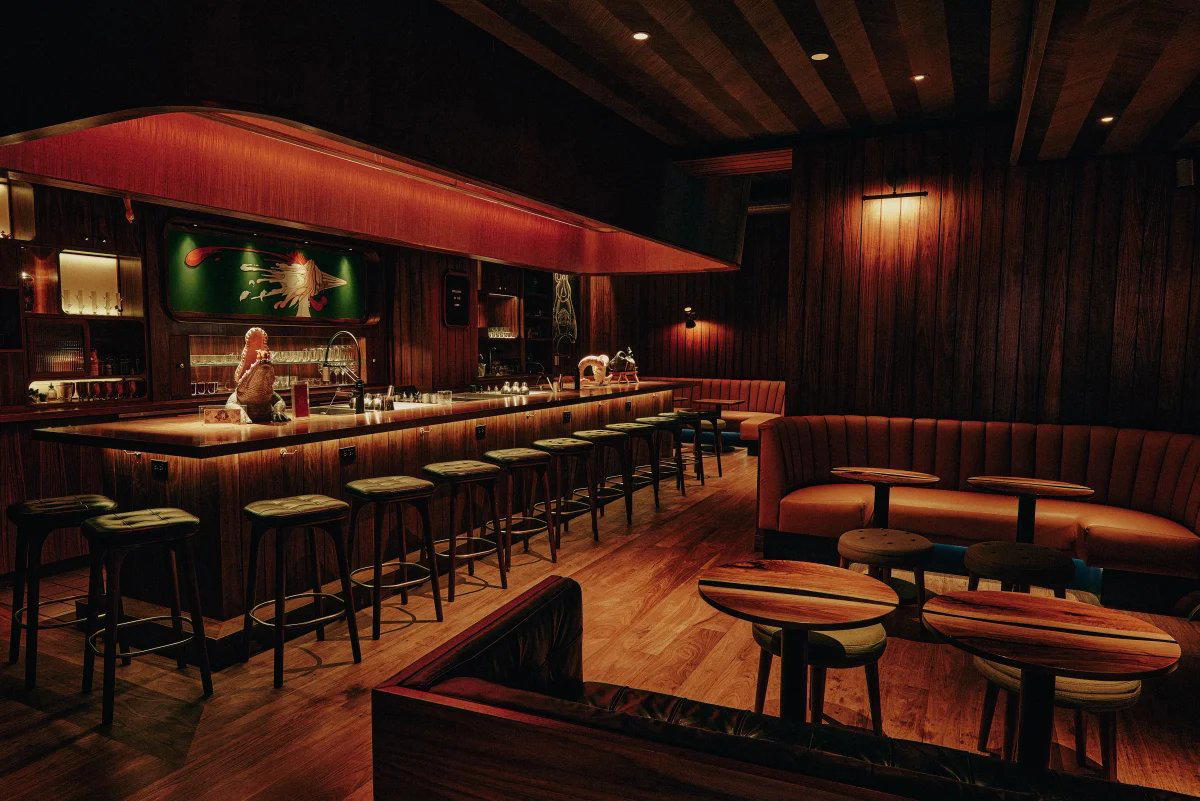
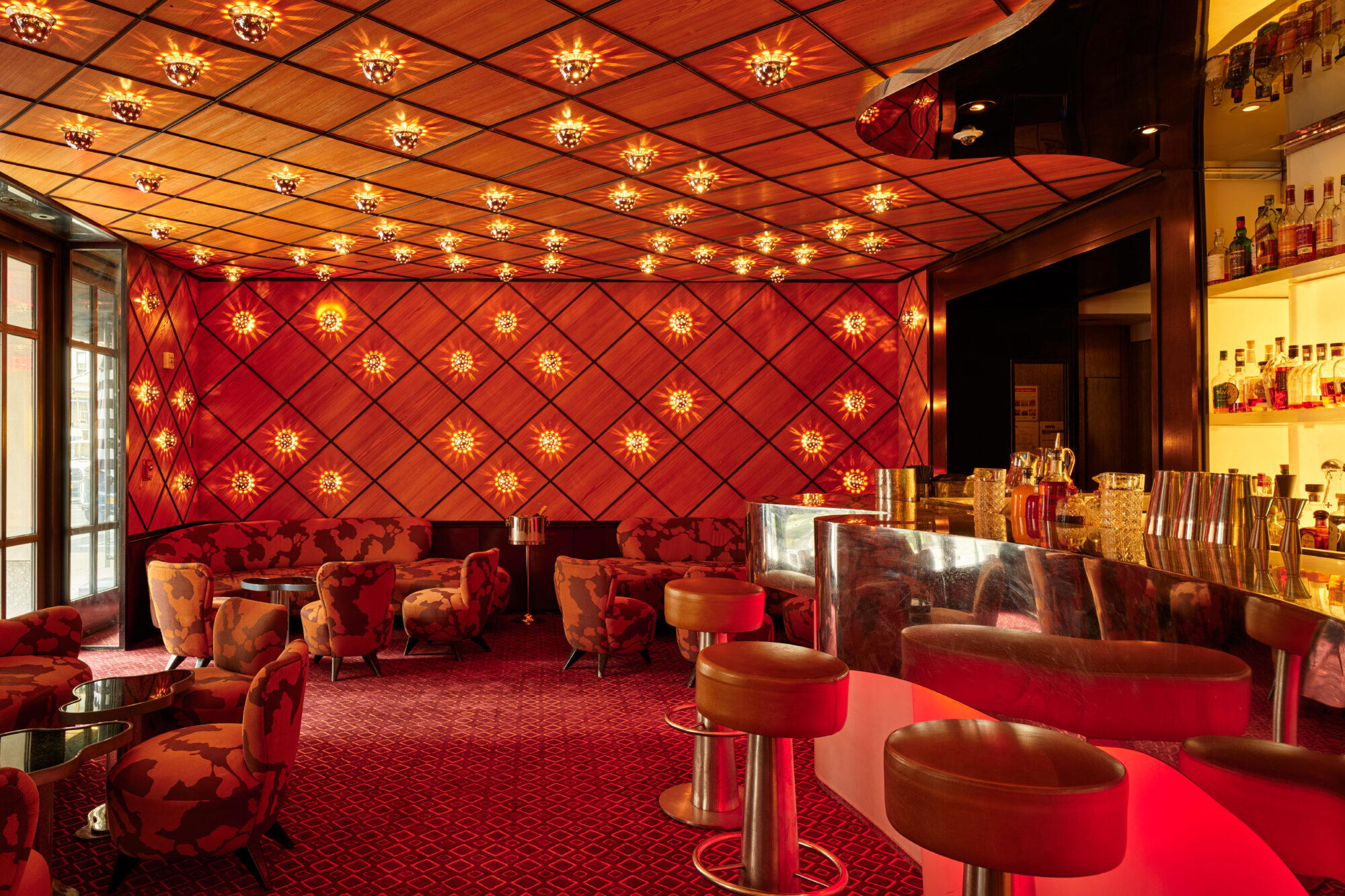
Earth-tone mosaic finishes, jewel-toned fabrics, and hand-crafted terracotta lighting inspired by Latin America's natural landscape.