Bu Latin Restaurant
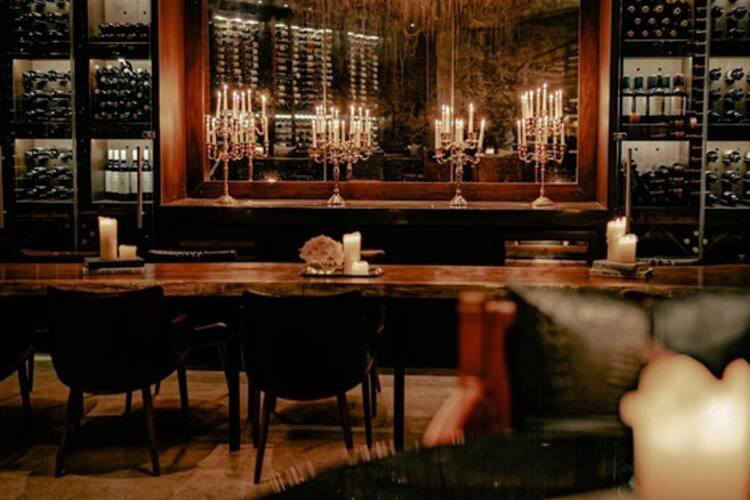
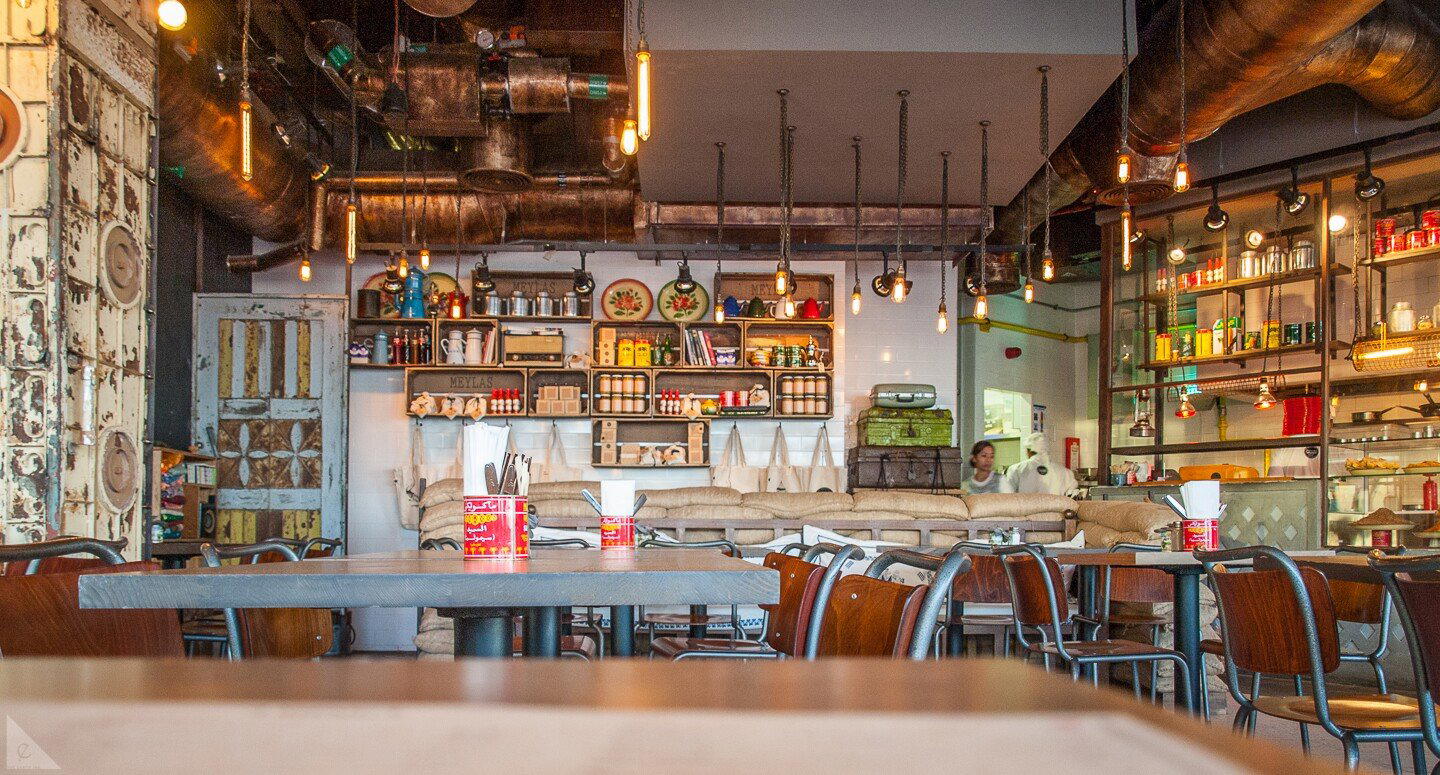
"Once you find Bu (derived from the Spanish buenísimo, or “exceptionally good”) in the Central Market at the World Trade Center in Abu Dhabi, you are in for a Latin-infused treat. Look for the elevators leading to the Hub and take one to the fourth floor. Bu’swood-and-steel industrial decor is offset by modern lines to providethe well-suited setting for its pan-Latin cuisine. Choose to order individually or from the expansive sharing menu. Don’t miss their assortment of a half-dozen ceviches which pair fresh fish with classic Latin flavors. Bu is also known for its innovative cocktail menu, which includes mezcal concoctions that tend not to be common in Abu Dhabi. Puff on a Cohiba cigar over dessert and you’ll almost be able to feel the Caribbean breeze."
- Address
- Al Danah - Zone 1 - Abu Dhabi - United Arab Emirates
- Directions
- Get directions
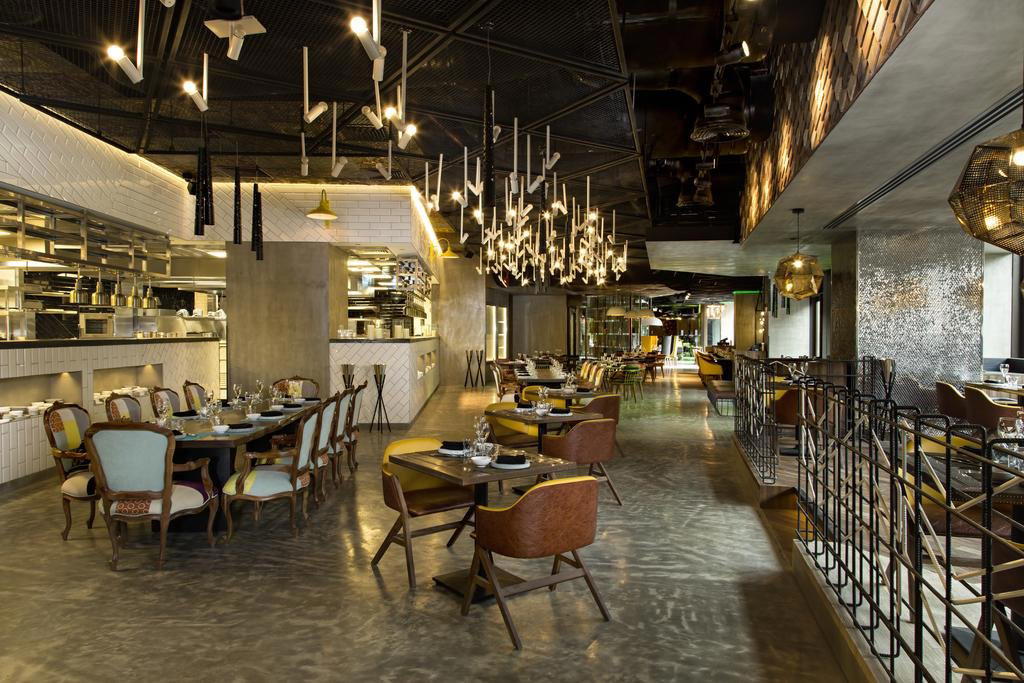
Latin America Lands in Al Danah
Abu Dhabi's Al Danah district has spent the past decade absorbing a quietly cosmopolitan dining mix, one that stretches from Lebanese neighbourhood staples to the kind of high-format European rooms that price against their Dubai counterparts. Into that layered scene, Bu Latin Restaurant introduces a cuisine tradition that remains genuinely underrepresented across the UAE: the grilled, spiced, acidic, and herb-driven cooking that spans the South American mainland. The address alone signals something about the restaurant's positioning. A Latin concept in this location is making a statement about confidence in its cuisine rather than reliance on tourist foot traffic.
What Latin American Menu Architecture Actually Looks Like
Latin American restaurant menus, when built with any seriousness, follow a structural logic that is quite different from European tasting formats or Middle Eastern mezze spreads. The architecture typically moves through cold preparations, cured proteins, and citrus-heavy starters before arriving at fire-cooked centrepieces. Ceviche and tiradito sit in their own lane, technically demanding dishes where the balance of acid, heat, and freshness is the measure of a kitchen's precision. Anticuchos, skewered and charcoal-grilled cuts drawn from Peruvian tradition, sit in a different register entirely. Empanadas, when treated with care, function as a pastry course in miniature. Across regions, the meal's rhythm is controlled by textural contrast and acidity management rather than by sauce complexity. Bu Latin's pan-Latin menu shapes everything about how the experience reads.
The emergence of Latin American cooking as a globally serious cuisine category has been one of the clearer shifts in fine dining over the past fifteen years. The rise of restaurants in Lima, Buenos Aires, Mexico City, and São Paulo on international rankings reshaped what the world expected from South American kitchens. That shift created a larger, more educated audience for serious Latin food globally. In cities like Abu Dhabi, where Hakkasan ($$$$ · Chinese) and Talea by Antonio Guida ($$$$ · Italian) set a high-format standard in their respective categories, the ceiling for what a Latin kitchen could plausibly achieve in this market is higher than it would have been a decade ago.
Fire, Acid, and the Structural Logic of the Plate
One of the things that distinguishes Latin American cooking at its more serious end is the intentional tension between elements on the plate. The use of aji amarillo, lime, fresh herb, and rendered fat on the same dish is not incidental; it is the architecture. In Peruvian cooking particularly, leche de tigre, the citrus and fish stock base for ceviche, functions almost like a sauce course in itself. Argentine and Uruguayan traditions place the emphasis elsewhere, on dry-aged beef, embers, and chimichurri, where restraint in the kitchen means allowing the protein and the fire to carry the conversation. A restaurant committed to Latin American cuisine has to make decisions about where on that spectrum it sits, and those decisions determine whether the menu reads as a coherent point of view or as a broad survey without depth.
For Abu Dhabi diners accustomed to the Mediterranean register of LPM Abu Dhabi or the modern Indian architecture of Trèsind Studio in Dubai, Bu Latin offers a different structural vocabulary. It is not a cuisine where umami layering or spice complexity defines the experience. The organising principles are brightness, smoke, and fat, deployed in that order across the progression of a meal.
Where This Fits in the Abu Dhabi Dining Picture
Abu Dhabi's higher-end dining tier has been consolidating around a smaller set of formats: European fine dining rooms, Asian concepts with strong international brand recognition, and modern Middle Eastern tables that centre on local produce. Erth (Modern Cuisine) represents the locally-rooted end of that development. At the accessible end of the market, Marmellata Bakery and LPM Abu Dhabi occupy recognisable European casual and brasserie formats. Latin American cooking sits in a gap in that map, which is precisely what gives Bu Latin a structural opportunity if the kitchen executes with discipline.
Internationally, the Latin fine dining conversation has been driven by venues like Le Bernardin in New York City on the technique side and by the more overtly narrative formats of Lazy Bear in San Francisco and Atomix in New York City. In contrast, Latin concepts in the Gulf have tended toward the casual and the accessible. Whether Bu Latin is aiming at something more structured is the question that the menu architecture will answer.
It is also worth placing the cuisine alongside the region's broader casual dining scene: AL NAWAB RESTAURANT LLC in Sharjah and the Lebanese dining traditions that define much of the UAE's mid-market show how confidently non-Western, non-European cuisines can hold space in this market when the product is right. Latin American cooking has the same potential, provided the sourcing and preparation meet a consistent standard.
Planning Your Visit
Bu Latin Restaurant is located in Al Danah, Zone 1, Abu Dhabi, a district that rewards those who drive rather than rely on walkable hotel-adjacent dining strips. Given the Al Danah address and the neighbourhood's residential character, the restaurant is likely to carry a local and returning clientele, which in practice often means that walk-in availability is more realistic than at hotel-strip venues, though booking ahead is the rational approach for weekend dining. Reservations are recommended, and current hours or dietary accommodation details should be confirmed directly with the restaurant. For dietary requirements specifically, direct communication before arrival is the safest course, as Latin American menus can carry shared fryer items, citrus-based marinades, and proteins that require kitchen-level disclosure to manage properly.
Credentials Lens
Comparable venues nearby, for context on price, style, and recognition.
| Venue | Cuisine | Price | Notes |
|---|---|---|---|
| Bu Latin RestaurantThis venue — the venue you are viewing | Pan-Latin | $$$ | Not listed |
| Antonia Chic | Italian Pizza & Pasta | $$$ | Al Maryah Island |
| Amara | Contemporary Lebanese | $$$ | Yas Island |
| Vasco's | Global Fusion Beachside | $$$ | Al Khubeirah |
| Nahaam | International Poolside Dining | $$$ | Al Bateen |
| 3Fils Abu Dhabi | Japanese-inspired Modern Asian | $$$ | Al Bateen Marina |
Continue exploring
More in Abu Dhabi
Restaurants in Abu Dhabi
Browse all →
Bars in Abu Dhabi
Browse all →



At a Glance
- Lively
- Trendy
- Brunch
- Celebration
- Terrace
- Craft Cocktails
- Skyline
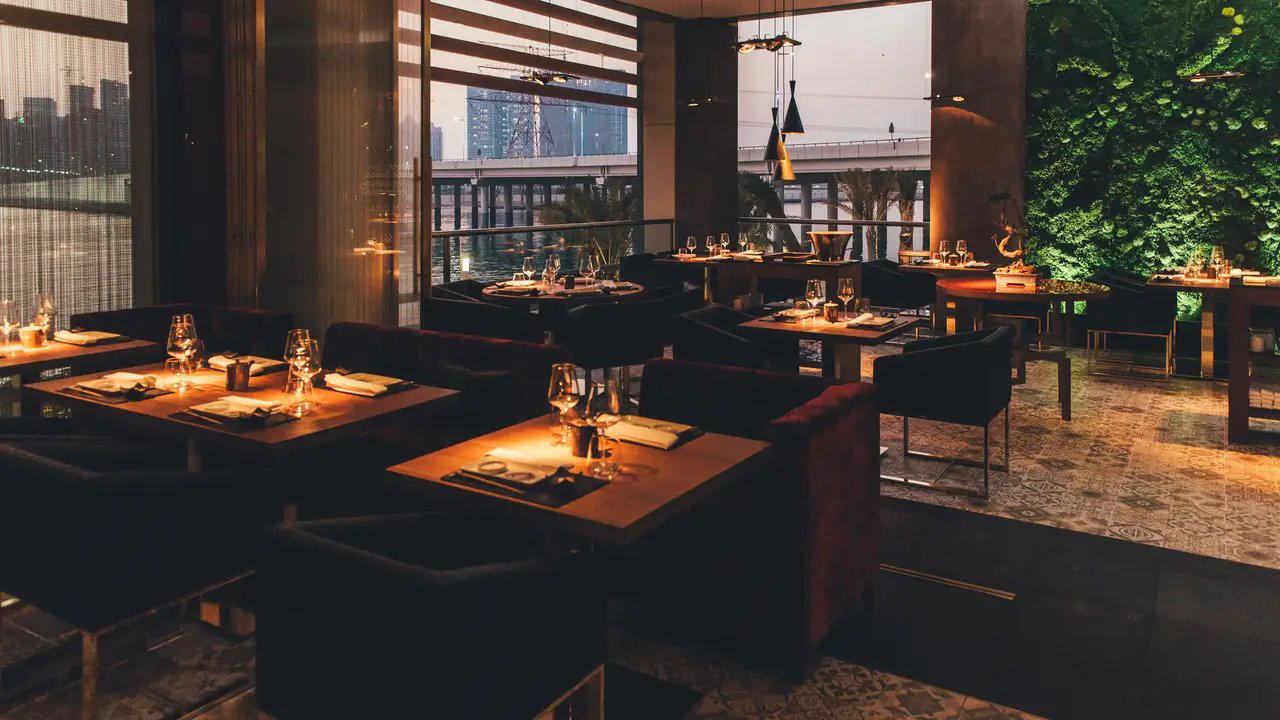
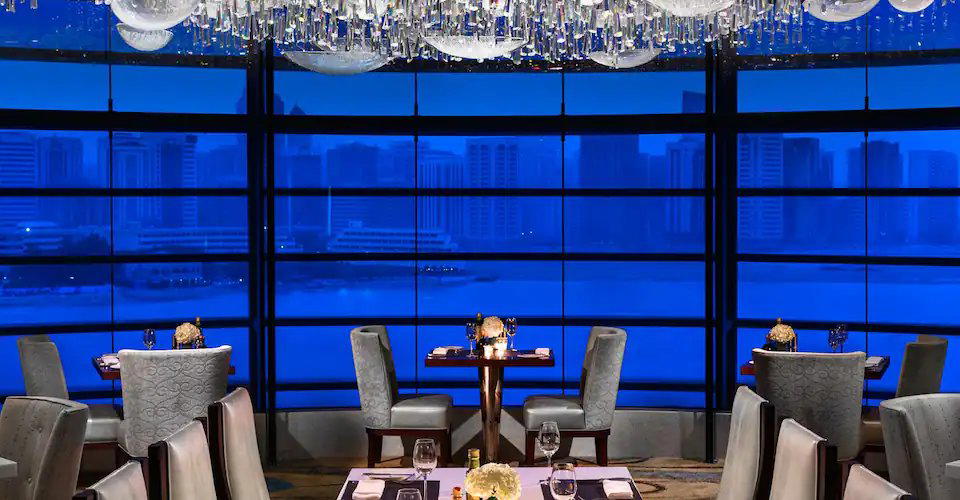
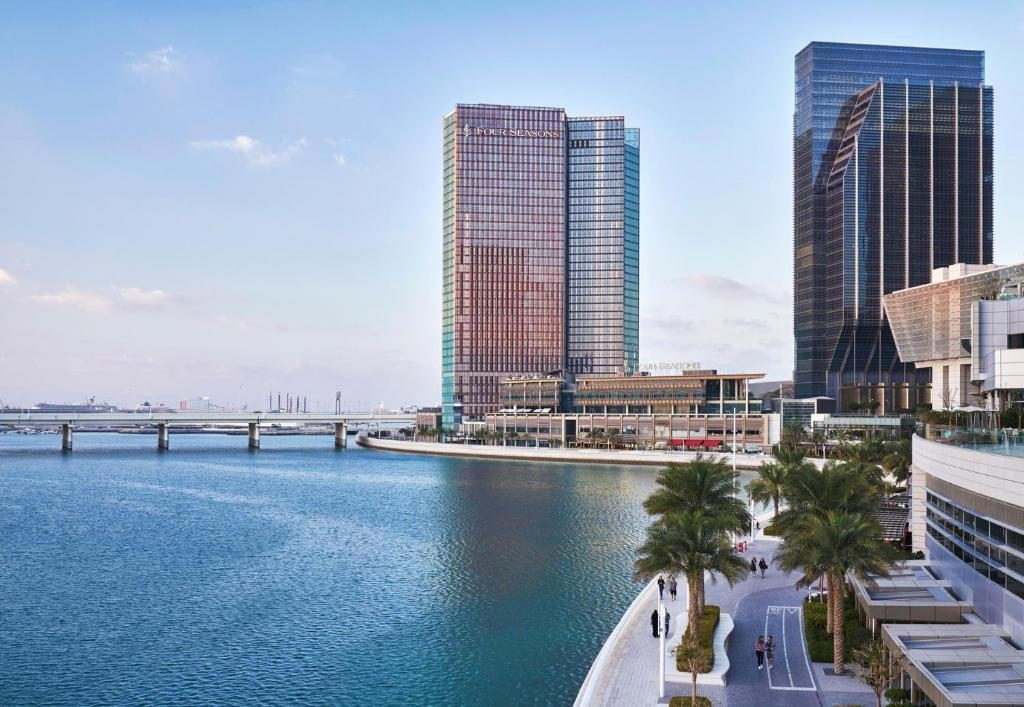
Lively nighttime vibe with terrace seating and city skyline views.