Byblos Sur Mer

Byblos Sur Mer holds a Michelin Plate for both 2024 and 2025, placing it among Abu Dhabi's recognised Lebanese tables at a mid-range price point. The restaurant operates from the InterContinental on Al Bateen's waterfront strip, where Lebanese cuisine in the city has moved well beyond diaspora-comfort territory into sharper, more technically considered cooking.
Pearl is the En Primeur Club membership app — saves, bookings, and concierge access live there. Same editors, same standards.
- Address
- F84H+4HJ InterContinental - King Abdullah Bin Abdulaziz Al Saud St - Al Bateen - W32 - Abu Dhabi - United Arab Emirates
- Phone
- +971 2 666 6888
- Directions
- Get directions
 Saves & bookings on Pearl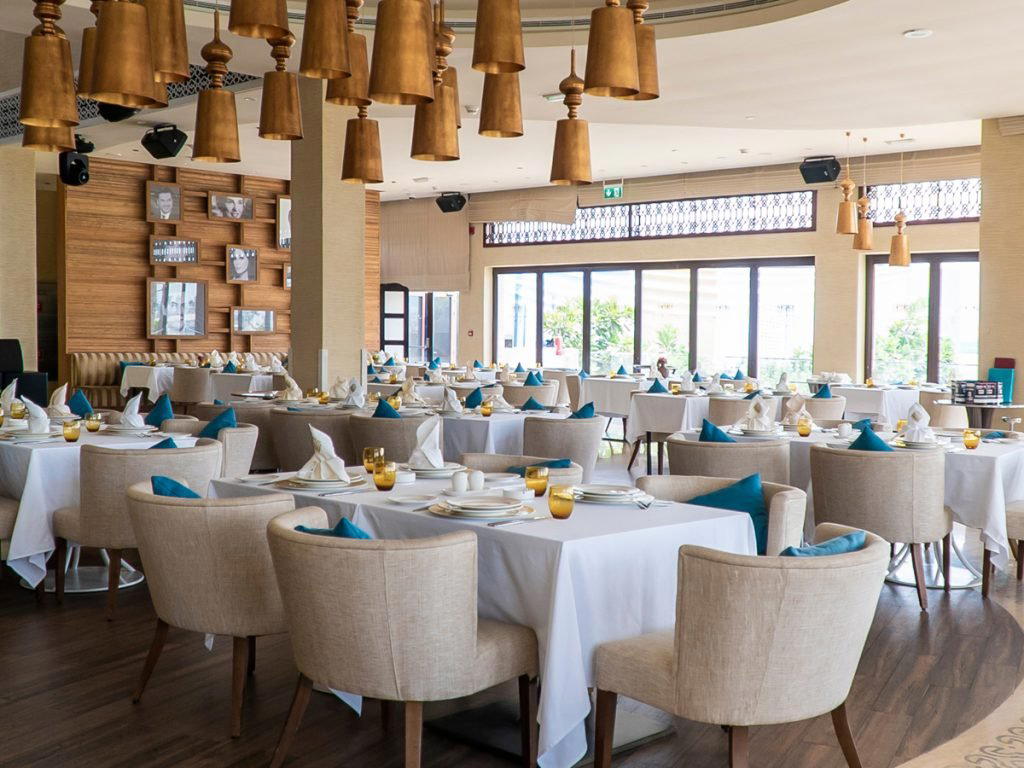
Where Lebanese Cooking Meets the Abu Dhabi Waterfront
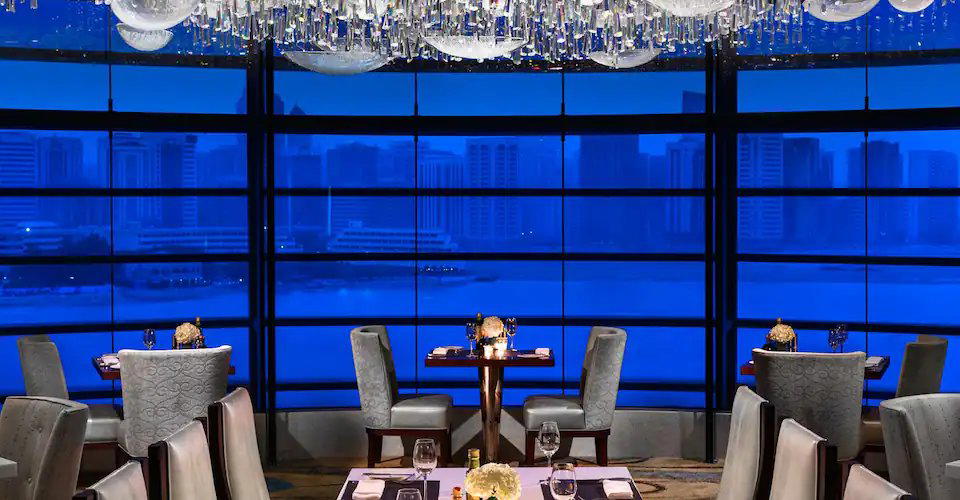
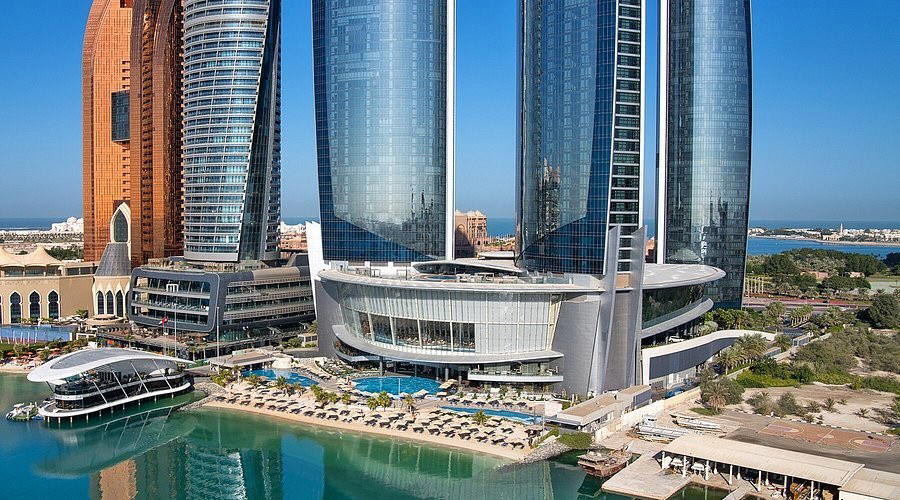
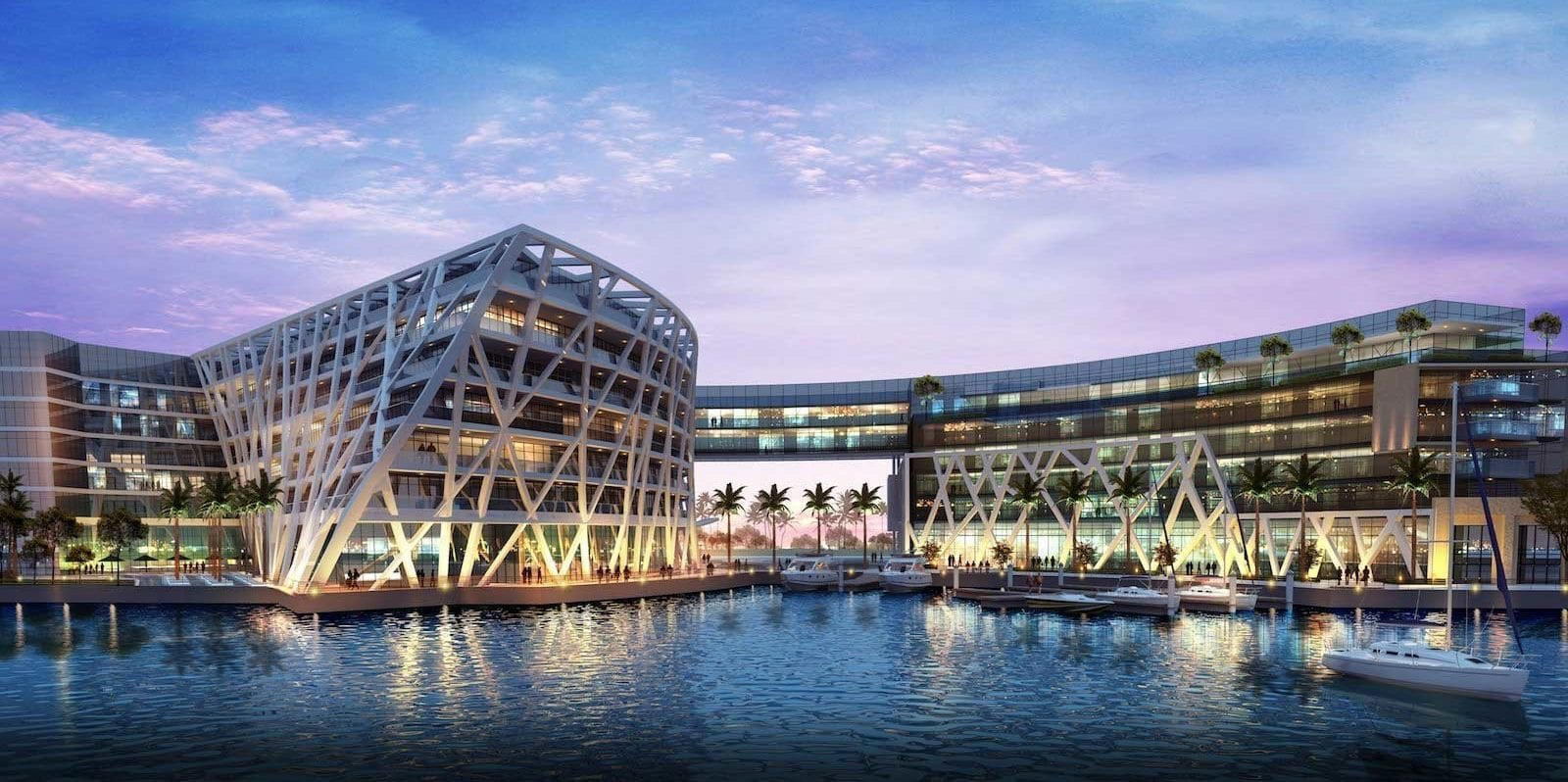
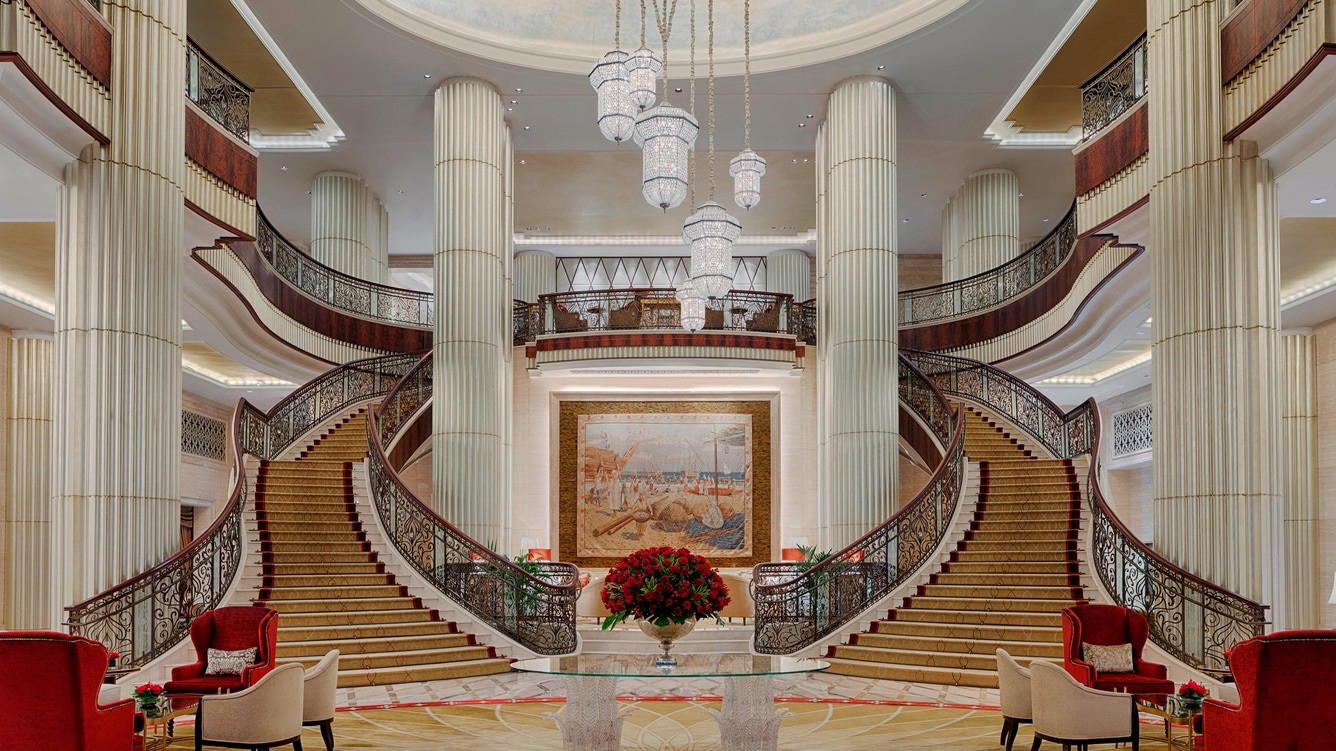
Al Bateen sits at a quieter remove from the commercial density of downtown Abu Dhabi, and the InterContinental that anchors this stretch of King Abdullah Bin Abdulaziz Al Saud Street carries the character of the neighbourhood into its dining outlets. Byblos Sur Mer occupies that position inside the hotel with a name that signals its dual frame of reference: the ancient Lebanese city of Byblos and the water immediately outside. The setting aligns with a broader pattern across Gulf hospitality, where hotel-anchored Lebanese restaurants have become a reliable format for delivering consistent, mid-market Lebanese cooking to a cosmopolitan resident population and international visitors who want something more considered than a casual mezze spread.
The Michelin Plate recognition, awarded in both 2024 and 2025, places Byblos Sur Mer inside a specific tier of Abu Dhabi's dining map. A Michelin Plate signals cooking that reviewers found worth noting, without the starred elevation of venues like Trèsind Studio in Dubai. In Abu Dhabi's Lebanese category, that recognition matters because the field is genuinely competitive. Almayass, Li Beirut, and Em Sherif Sea Café all operate in the same city, and the Michelin distinction helps separate venues with real culinary intent from those coasting on the category's inherent popularity in the UAE.
The State of Lebanese Cooking in Abu Dhabi
Lebanese cuisine has a specific social function in the Gulf that differs from its role in diaspora cities like Toronto, where Amal operates in a more nostalgic register, or Chicago, where Beity addresses a community audience. In Abu Dhabi, Lebanese restaurants occupy a middle ground between regional identity and international hospitality product. The city's Lebanese-origin population is substantial, but the dining format has also been shaped by decades of five-star hotel culture, which pushes presentation and service standards upward even at the mid-price tier.
What this means practically is that the $$ price positioning at Byblos Sur Mer, comparable to Almayass and well below the fine-dining bracket occupied by French and Italian hotel restaurants in the city, represents a value calculation that works in the venue's favour. Guests access a Michelin-noted kitchen, a hotel-standard setting on the water, and a menu rooted in Lebanese technique, without the price escalation that attaches to, say, the French room at a comparable property.
The broader movement in Lebanese cooking across the region and internationally involves chefs taking the canon of mezze, grilled proteins, and grain-forward dishes and reinterpreting them with global technique: more precise temperature control on proteins, fermentation applied to traditional dips, plating that shifts from sharing-table abundance toward individual courses. The 4.3-star Google average across 1,622 reviews suggests a kitchen that performs reliably rather than experimentally. Venues pushing aggressive reinterpretation tend to generate more polarised scores. The shape of this rating points toward accomplished, coherent execution of known reference points.
Abu Dhabi's Lebanese Table: How the Field Divides
It's useful to map the restaurant against the different approaches its competitors take. Grand Beirut and Beirut Sur Mer both operate in the city with names that foreground their Beirut reference directly, positioning themselves as extensions of the Lebanese capital's restaurant culture. Em Sherif Sea Café arrives with the brand weight of a Lebanese institution that has expanded to Monte Carlo and beyond. The restaurant, by contrast, operates within a hotel context that gives it structural stability, consistent footfall from guests, a fixed-cost base shared across the property, while still competing for local regulars and the broader Abu Dhabi dining-out market.
The waterfront position on Al Bateen is an asset that not every Lebanese competitor shares. The neighbourhood's relative calm, versus the more trafficked dining corridors on the Corniche or near the ADGM financial district, means the experience carries a different pace. That matters for a cuisine that is, at its core, designed for long meals with multiple plates arriving in sequence and no particular urgency to clear the table.
The Global Lebanese Comparison
Lebanese cooking has developed a serious international footprint: Al Mandaloun in Dubai, Base Kamp by Aïnata in Courchevel, and Brasserie Victória in São Paulo each carry Lebanese culinary DNA into different local contexts. Even Byblos in Miami, which shares a name root, takes the cuisine in a direction shaped by its American setting. Abu Dhabi, given its proximity to Lebanon and its large Lebanese-origin community, demands a different standard of authenticity than most of those international outposts. Guests here often have a direct reference point, family cooking, visits to Beirut, or years of eating at Lebanese tables in the Gulf. That context raises the bar on whether a kitchen's kibbeh or its hummus reads as credible.
Two consecutive Michelin Plate awards suggest the restaurant passes that test with enough consistency to satisfy the Guide's reviewers, who in the Gulf context are assessing precisely that combination of technique, execution, and culinary integrity.
Planning Your Visit
The restaurant sits within the InterContinental Abu Dhabi on King Abdullah Bin Abdulaziz Al Saud Street in the Al Bateen district, a neighbourhood accessible by taxi or ride-share from central Abu Dhabi without significant transit time. The $50 per person price positioning puts it at a mid-range spend relative to the city's broader restaurant field, expect per-head costs well below Abu Dhabi's luxury hotel dining rooms while remaining above the casual Lebanese canteen tier.
The Minimal Set
Comparable venues nearby, for context on price, style, and recognition.
| Venue | Cuisine | Price | Notes |
|---|---|---|---|
| Byblos Sur MerThis venue — the venue you are viewing | Al Bateen, Upscale Lebanese | $$$$ | Not listed |
| Butcher & Still | Not listed | $$$$ | Al Reem Island, Classic American Steakhouse |
| Oak Room | Al Bateen, Modern British Steakhouse | $$$$ | Not listed |
| Mijana | Al Rawdah, Contemporary Lebanese | $$$$ | Not listed |
| Cafe Milano | Al Reem Island, Contemporary Italian | $$$$ | Not listed |
| Maté | Not listed | $$$$ | Al Saadiyat Island, Argentinian-Lebanese Grill |
Recognition history
Dated appearances from independent guides and award organizations, with the underlying list record or original source where available.
Michelin Plate
Michelin
Michelin Plate
Michelin
Continue exploring
More in Abu Dhabi
Restaurants in Abu Dhabi
Browse all →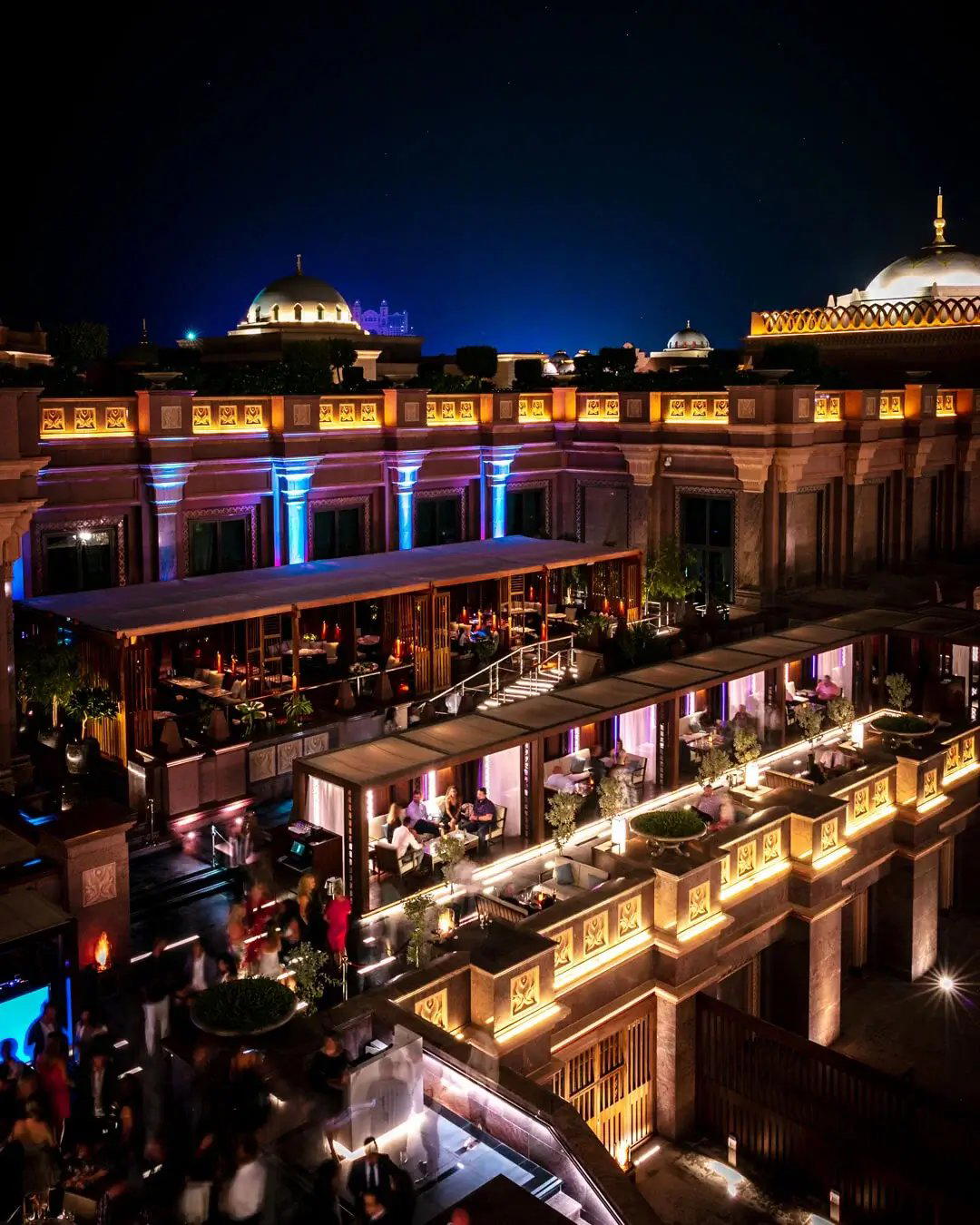
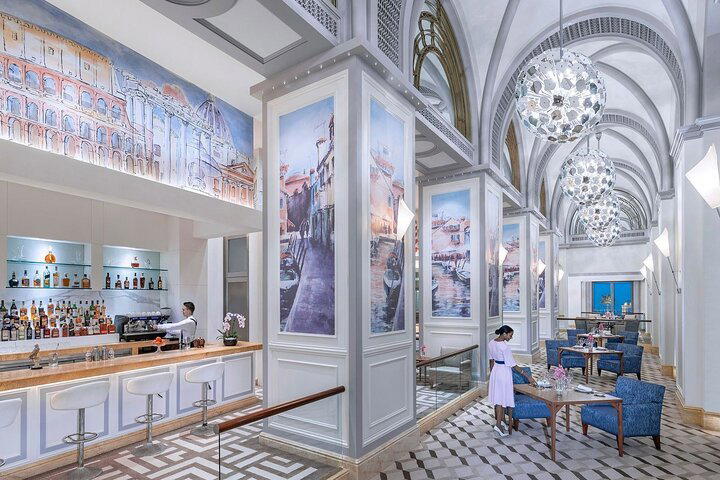
Bars in Abu Dhabi
Browse all →
At a Glance
- Elegant
- Sophisticated
- Scenic
- Date Night
- Group Dining
- Special Occasion
- Waterfront
- Terrace
- Waterfront
Current opening hours
- Monday
- 12:30 PM–12:30 AM
- Tuesday
- 12:30 PM–12:30 AM
- Wednesday
- 12:30 PM–12:30 AM
- Thursday
- 12:30 PM–12:30 AM
- Friday
- 12:30 PM–12:30 AM
- Saturday
- 12:30 PM–12:30 AM
- Sunday
- 12:30 PM–12:30 AM
Hours can change for holidays and private events. Last verified .
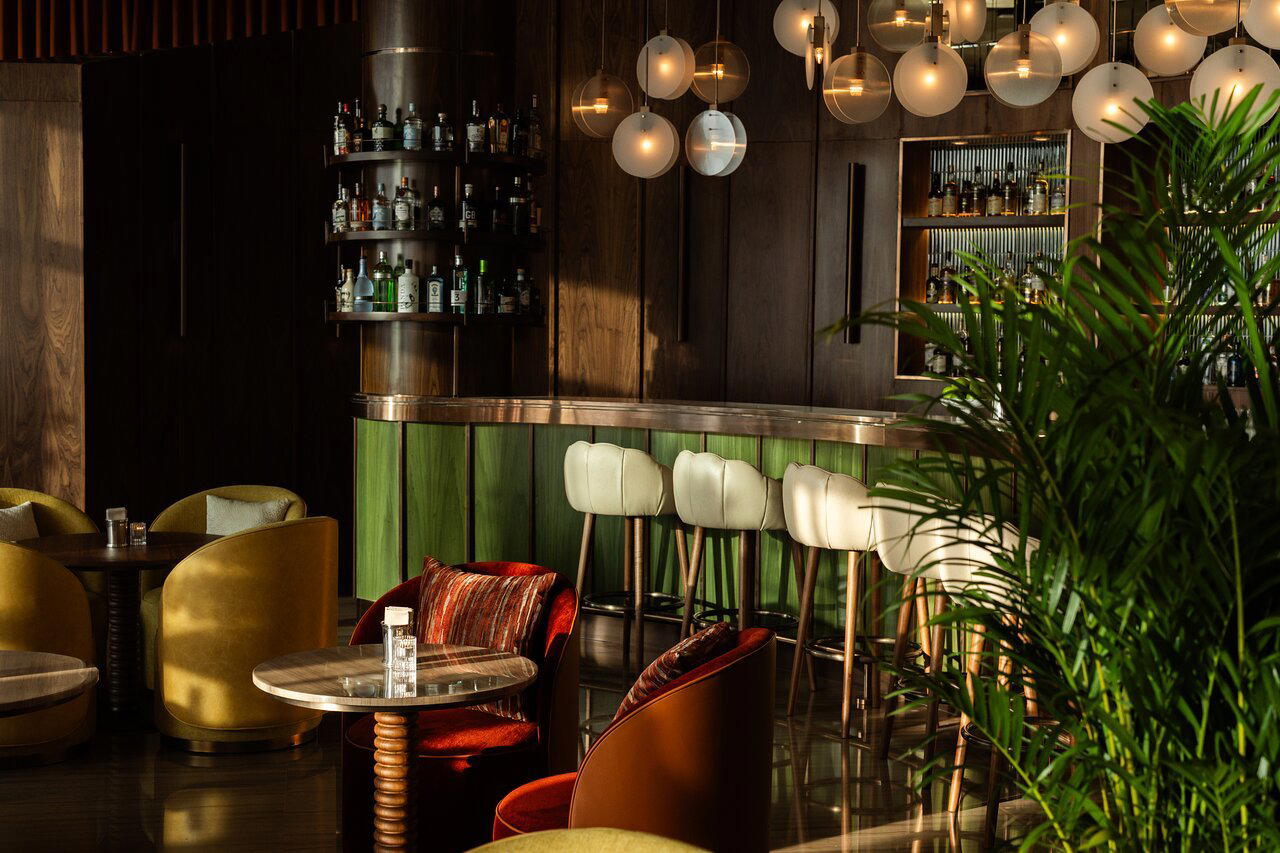
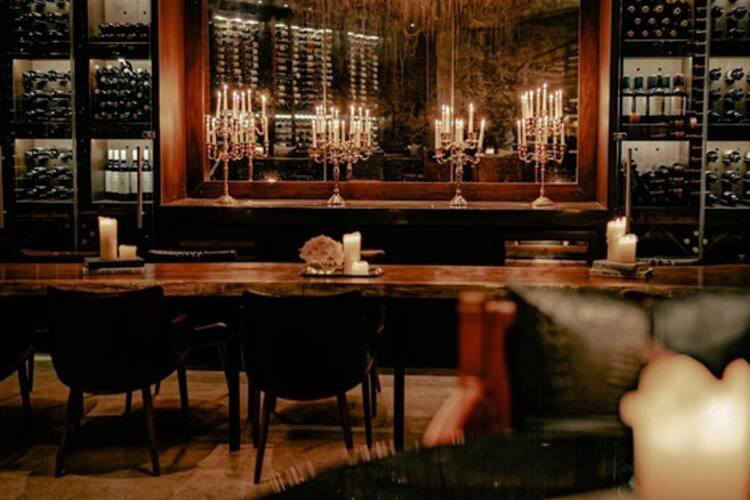
Dim warm amber glow from copper-coloured hanging lights across an expansive dining room opening to a terrace.