Amalfi Taste
Amalfi Taste brings the sourcing discipline of southern Italian coastal cooking to Montgomery, Texas, where ingredient provenance tends to carry more weight than format theatrics. The kitchen positions itself within a local dining scene still finding its footing with European regional traditions. Advance contact is advisable before visiting, as operational details remain limited in public records.
Pearl is the En Primeur Club membership app — saves, bookings, and concierge access live there. Same editors, same standards.
- Address
- 2295 Woodforest Pkwy N suite 200, Montgomery, TX 77316
- Phone
- +19365886984
- Website
- amalfitaste.com
- Directions
- Get directions
 Saves & bookings on Pearl
Where the Southern Italian Table Meets the Texas Interior
Amalfi Taste is an Italian Trattoria in Montgomery, Texas, at 2295 Woodforest Pkwy N suite 200. Amalfi Taste, operating out of a suite address on Woodforest Parkway North, occupies precisely that position.
The Amalfi Coast reference in a restaurant name signals a regional claim rooted in Campania. Across Italian regional cooking in America, the gap between restaurants that trade on these references symbolically and those that pursue the sourcing logic behind them is wide. One credible versions of this tradition, from trattorias in New York to coastal-influenced rooms in California, build their identity around where the product comes from rather than how the dish is plated.
The Ingredient Logic Behind Amalfi Coastal Cooking
Southern Italian cuisine, particularly in its coastal expression, has a sourcing architecture that is genuinely different from northern traditions. The pantry relies on olive oils from Campania and Sicily pressed from cultivars most American diners never encounter, preserved fish products with designated origin protections, and tomato varieties, including the San Marzano DOP, that are legally regulated to a specific volcanic soil band south of Naples.
Blue Hill at Stone Barns in Tarrytown has made its farm-to-table supply chain the explicit subject of its menu. Single Thread Farm in Healdsburg integrates its own agricultural operation directly into the kitchen calendar. Smyth in Chicago has built a foraging and fermentation program around hyper-local inputs. These are not the peer restaurants of a suburban Texas Italian room, but they illustrate the broader American movement toward kitchens where sourcing is the editorial statement rather than an afterthought.
Italian coastal cooking often is distinctive through olive oil quality, preserved ingredients, and a pasta program shaped by regional technique. These are the markers worth attending to when assessing whether a restaurant's regional Italian claim has operational substance.
Montgomery's Italian Dining Context
The Montgomery-Conroe corridor north of Houston has grown substantially in the past decade as residential development expanded from the urban core. Dining options in this corridor have followed, though the Italian segment remains relatively thin compared to the broader Tex-Mex, barbecue, and American casual categories that define the local eating culture. Within the EP Club's Montgomery coverage, Ravello represents another point of Italian reference in the market, and the comparison between the two reflects how different operators are interpreting the same broad culinary tradition for this audience.
Cooper's Hawk Winery and Restaurant anchors the wine-forward casual dining segment. Jeff Ruby's Carlo and Johnny occupies the upscale steakhouse tier. K-Pop Diner Korean Restaurant and La Jolla reflect the broadening of the area's culinary range. In that context, a restaurant staking out Amalfi coastal identity occupies a relatively open lane.
How Amalfi Taste Sits in the Broader Italian-American Conversation
Le Bernardin in New York City has long demonstrated what rigorous product sourcing does to the ceiling of a seafood-forward program, a relevant data point for any kitchen working with coastal Italian fish traditions. Providence in Los Angeles similarly treats ingredient sourcing as the first design decision in the kitchen. Emeril's in New Orleans built its reputation partly on connecting Louisiana regional product to broader American fine dining vocabulary, a model that Italian regional restaurants in secondary markets can learn from regardless of geography.
Further afield, Atelier Moessmer Norbert Niederkofler in Brunico has made hyper-regional Alpine sourcing the structural premise of its entire tasting format, and The Inn at Little Washington in Washington has sustained its kitchen garden program for decades as a sourcing commitment rather than a marketing gesture. Whether Amalfi Taste has that discipline embedded in its program is the meaningful question for any diner making the trip.
Planning Your Visit
The restaurant is located at 2295 Woodforest Parkway North, Suite 200, in Montgomery, Texas 77316. Current hours are Mon: 11:30 AM-9 PM; Tue: 11:30 AM-9 PM; Wed: 11:30 AM-9 PM; Thu: 11:30 AM-9 PM; Fri: 11:30 AM-10 PM; Sat: 11:30 AM-10 PM; Sun: 9 AM-9 PM, and reservations are recommended.
Frequently Asked Questions
- What is the leading thing to order at the restaurant?
- For a kitchen drawing on Amalfi coastal tradition, the strongest indicator of quality is typically the pasta program and any dishes built around imported Italian pantry ingredients such as preserved anchovies, San Marzano tomatoes, or Campanian olive oil. Ask the kitchen directly about what they source and from where.
- Do I need a reservation at the restaurant?
- For suburban Texas restaurants serving a growing residential corridor, weekend evenings can fill quickly. Contacting the venue in advance is advisable, particularly for groups of more than two.
- What has the restaurant built its reputation on?
- The restaurant's name signals a specific regional Italian commitment, namely the cuisine of the Amalfi Coast and broader Campania region. In markets where this tradition is underrepresented, that specificity itself becomes a differentiator. Confirmed award data is not available at this time.
- Is the restaurant allergy-friendly?
- Allergy and dietary accommodation details are not available in public records for this venue. Italian coastal cooking typically involves wheat-based pasta, seafood, and dairy, which are common allergen categories. Direct contact with the restaurant before visiting is the appropriate step for diners with specific dietary requirements.
- Does the restaurant serve authentic imported Italian products, or does it rely on domestic substitutes?
- This is the defining sourcing question for any restaurant invoking a specific Italian regional identity. Confirmed ingredient sourcing data for the restaurant is not available in current records, but it is a direct and reasonable question to raise with the kitchen. Restaurants committed to Campanian traditions typically distinguish themselves through their olive oil provenance, DOP-certified tomatoes, and imported preserved fish products, details worth asking about when you book.
For a fuller picture of where the restaurant sits within Montgomery's dining options, and how to plan a broader visit to the area, see our full Montgomery restaurants guide. For comparative reference on sourcing-led American restaurants across price tiers, Addison in San Diego, Lazy Bear in San Francisco, and Atomix in New York City each illustrate different models of how ingredient provenance shapes a kitchen's identity at the higher end of the American dining spectrum, a useful frame for understanding what regional Italian ambition can look like when fully realized.
How It Stacks Up
Comparable venues nearby, for context on price, style, and recognition.
| Venue | Cuisine | Price | Notes |
|---|---|---|---|
| Amalfi TasteThis venue — the venue you are viewing | Italian Trattoria | $$ | Not listed |
| Bufalina | Neapolitan Pizza & Seasonal Italian with Natural Wine | $$ | / East Cesar Chavez / Burnet Rd |
| Vinoteca Poscol | Italian Wine Bar | $$ | Montrose |
| Sorrento | Modern Creative Italian | $$$ | Montrose |
| Gino's East of Chicago | Chicago Deep-Dish Pizza | $$ | Downtown Austin |
| Milton's | Italian-American Trattoria | $$$ | Pemberton |
Continue exploring
More in Montgomery
Restaurants in Montgomery
Browse all →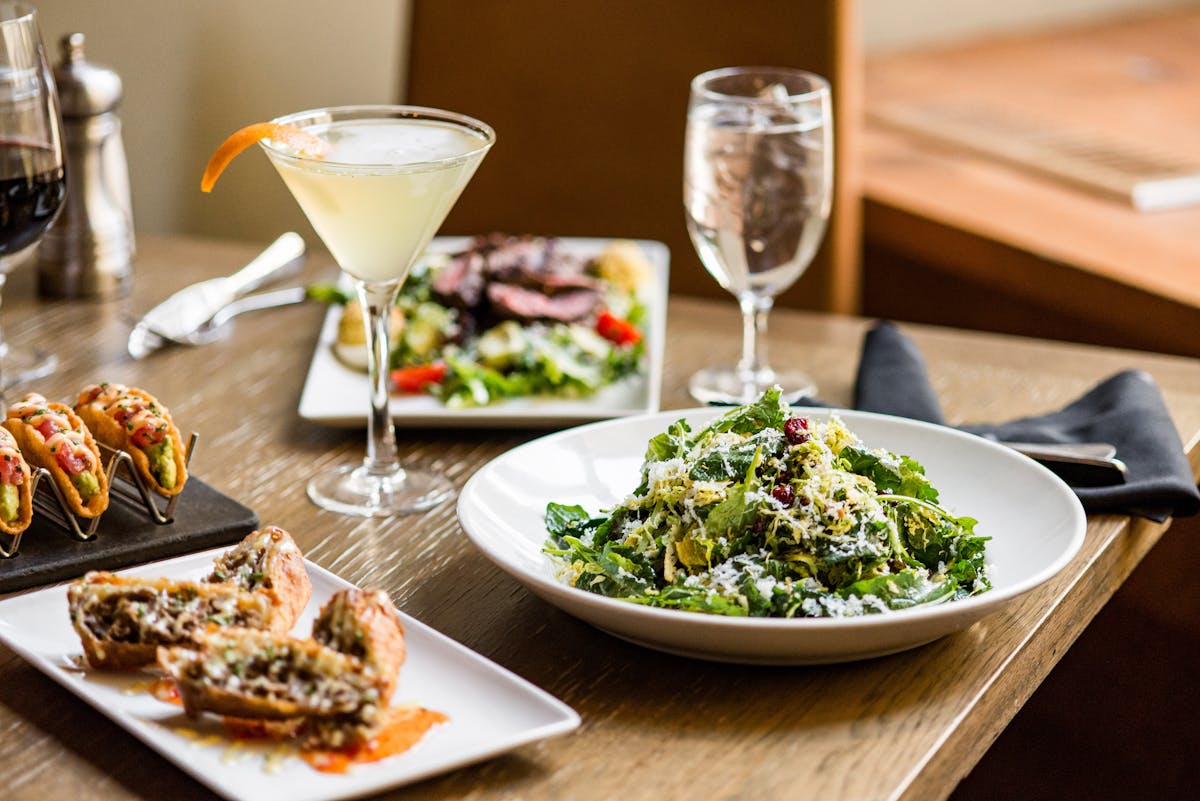
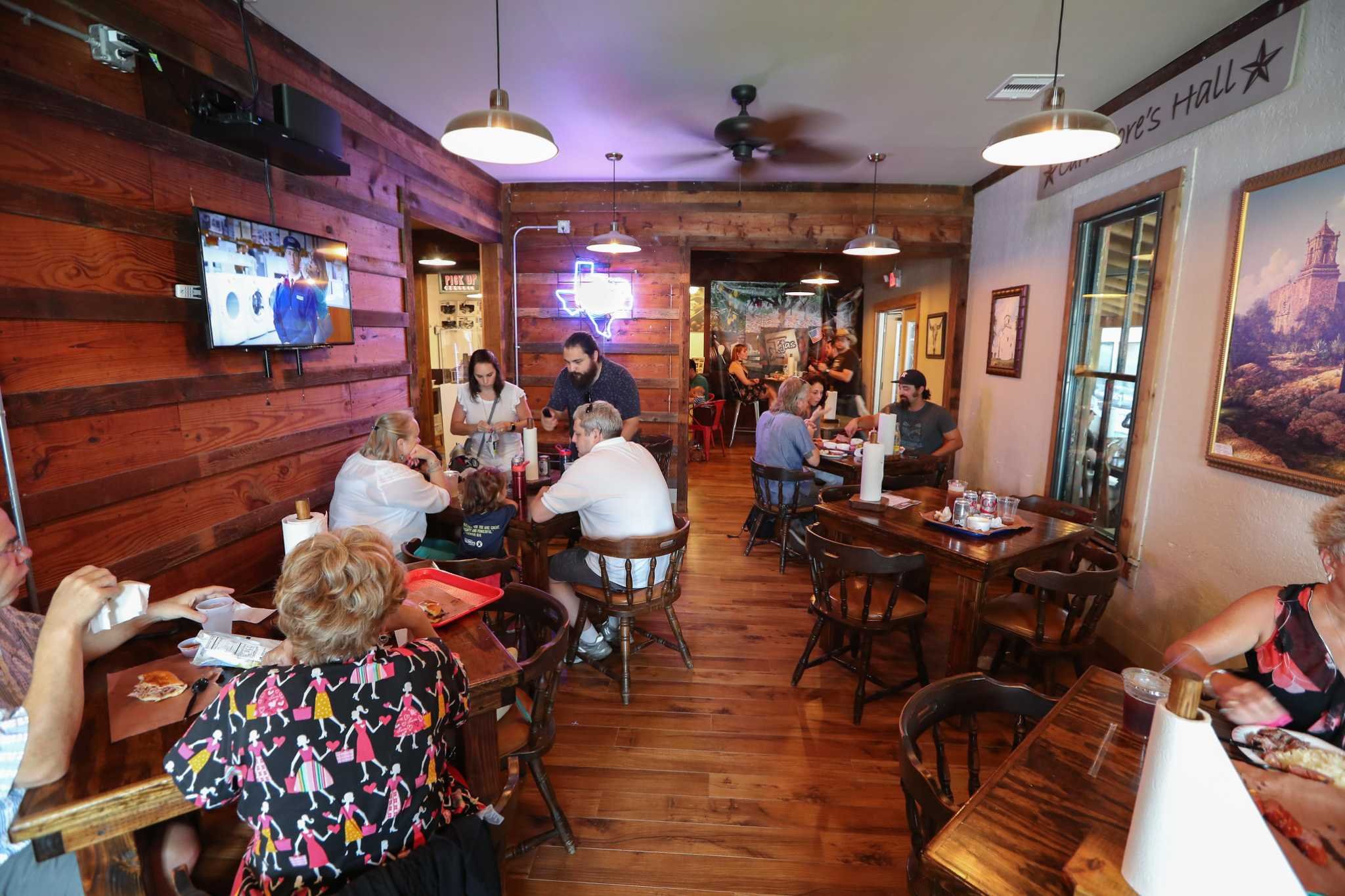
Bars in Montgomery
Browse all →
Hotels in Montgomery
Browse all →
At a Glance
- Cozy
- Romantic
- Elegant
- Date Night
- Brunch
- Open Kitchen
- Craft Cocktails
- Local Sourcing
Current opening hours
- Monday
- 11:30 AM–9 PM
- Tuesday
- 11:30 AM–9 PM
- Wednesday
- 11:30 AM–9 PM
- Thursday
- 11:30 AM–9 PM
- Friday
- 11:30 AM–10 PM
- Saturday
- 11:30 AM–10 PM
- Sunday
- 9 AM–9 PM
Hours can change for holidays and private events. Last verified .
Cozy and inviting home-away-from-home atmosphere with warm, attentive service.