Heights Hotel Daphne



Heights Hotel Daphne occupies a converted address at 347 W 20th St in Houston's Heights neighborhood, placing it inside one of the city's most architecturally layered residential corridors. The property sits in a tier of design-led independent hotels that position themselves against the neighborhood's historic character rather than downtown convention. For travelers prioritizing location over brand affiliation, it presents a different calculus than the city's flagships.
Pearl is the En Primeur Club membership app — saves, bookings, and concierge access live there. Same editors, same standards.
- Address
- 347 W 20th St, Houston, TX 77008
- Phone
- (346) 601-1099
- Website
- hyatt.com
- Directions
- Get directions
 Saves & bookings on Pearl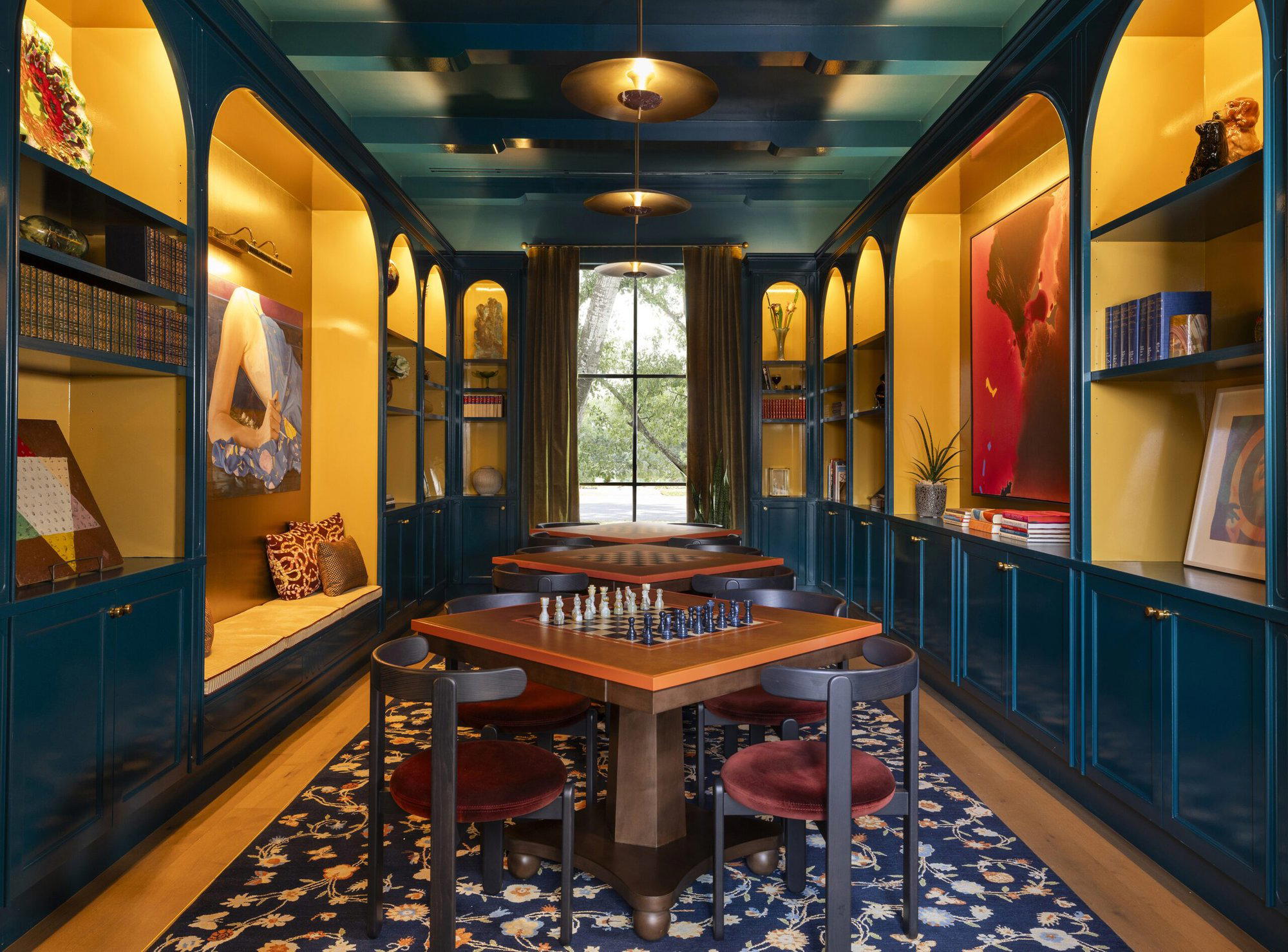
The Heights Corridor and What It Asks of a Hotel
Houston's Heights neighborhood operates on different terms than the city's downtown hotel cluster or the Galleria corridor where The Post Oak Hotel at Uptown Houston and Hotel Derek anchor the upscale lodging market. The Heights is a walkable, bungalow-dense district with 19th- and early 20th-century residential stock, a protected historic district overlay in parts, and a commercial strip along 19th Street that runs to independent restaurants, vintage dealers, and neighborhood bars. Placing a hotel at 347 W 20th St means the building must respond to that context — it cannot ignore the street scale or the architectural expectations the neighborhood enforces through proximity.
That tension between hospitality function and neighborhood form defines how smaller independent hotels in districts like the Heights read against the city's larger players. The Four Seasons Hotel Houston operates at a different urban register entirely — high-rise, downtown-adjacent, targeting corporate and event travel. Heights Hotel Daphne addresses a different traveler: one whose preference for neighborhood immersion outweighs the pull of a central business district address. That positioning is increasingly common in American mid-sized cities, where boutique independents in residential corridors compete not on amenity count but on location specificity and physical character.
Architecture at Street Scale: What the Building Communicates
The Heights imposes a kind of informal design discipline on any new construction or renovation within its grid. Bungalow-style craftsman houses sit close to the street, porches forward, with mature tree canopies overhanging sidewalks that are narrower and more pedestrian in scale than the rest of Houston. A hotel at this address, particularly one on W 20th, a quieter residential cross street rather than the commercial 19th Street strip, inherits that scale whether it chooses to or not.
Across American boutique hotel development in the last decade, the properties that read most coherently in residential-historic neighborhoods tend to be those that accept rather than override the existing architectural language. The conversion or infill approach, working with existing massing and setbacks, produces a different guest experience than a ground-up hospitality product. The building communicates before the lobby does: it signals whether the hotel sees itself as part of the neighborhood or merely located in it. For context on how that architectural attentiveness plays out at significant scale, properties like Troutbeck in Amenia and SingleThread Farm Inn in Healdsburg demonstrate what deep site responsiveness can mean for a property's overall register.
Within Houston's independent hotel set, the design-led properties tend to cluster around a few distinct modes: the art-forward model exemplified by Hotel ZaZa Memorial City and Hotel ZaZa Museum District, both of which lean into maximalist interiors as a brand identity; the historic-conversion model visible at Hotel ICON, Autograph Collection, which repurposed a turn-of-the-century bank building downtown; and a smaller, more neighborhood-embedded tier where physical scale and setting are the primary design argument. Heights Hotel Daphne operates closer to that third category.
Placing the Heights Against Houston's Broader Hotel Geography
Houston's hotel market does not concentrate in the way that Manhattan or Chicago lodging does. The city's sprawl means that neighborhood choice is genuinely consequential, staying in the Heights versus Midtown versus the Museum District versus Uptown produces materially different access patterns, dining options, and street-level experiences. The Heights sits roughly four miles from downtown, which in Houston traffic terms can represent anywhere from ten minutes to forty depending on time of day. That distance is a feature for guests who want the neighborhood and a friction point for those with dense downtown itineraries.
The Heights' proximity to some of Houston's most-discussed independent restaurants along 19th Street and White Oak Drive is arguably its strongest logistical argument for food-focused travelers. The neighborhood has developed a restaurant density that makes it viable as a base for that kind of trip without requiring a car for dinner. For guests comparing lodging options across the city, Hotel Saint Augustine offers a Montrose-area alternative that similarly trades on neighborhood character rather than flagship amenity, while Hotel Granduca Houston represents the European-villa approach to Houston luxury, positioned in the Uptown corridor with a decidedly different spatial logic. Our full Houston restaurants guide maps the dining options across all of these neighborhoods in detail.
The Independent Hotel Tier in American Cities: What It Means in Practice
Across American cities with maturing independent hotel scenes, Nashville, Charleston, Portland, and increasingly Houston, the smaller properties in residential neighborhoods have carved a distinct position in the premium lodging market. They typically compete on scarcity of keys, specificity of location, and the quality of the surrounding neighborhood rather than on points programs, spa square footage, or ballroom capacity. That model has proven durable in neighborhoods with strong pedestrian character and culinary identity.
The comparison set for a property like Heights Hotel Daphne is not the Four Seasons Hotel Houston or even Hotel ZaZa Museum District. The more useful comparisons are national: independently operated small hotels in walkable residential neighborhoods that have traded size for specificity. At the higher end of that national spectrum, properties like Hotel Bel-Air in Los Angeles and Raffles Boston in Boston operate on the premise that address and setting carry as much weight as amenity. At the design-forward end of American independent lodging, Aman New York in New York City and The Fifth Avenue Hotel in New York City show how architecture-led identity can anchor a hotel's positioning at the premium tier. Heights Hotel Daphne operates at a more intimate register, but the underlying logic, building as argument, neighborhood as amenity, runs through all of them.
For travelers whose itineraries extend beyond Houston, properties like Amangiri in Canyon Point, Post Ranch Inn in Big Sur, Little Palm Island Resort & Spa in Little Torch Key, Kona Village, A Rosewood Resort in Kailua Kona, Sage Lodge in Pray, Canyon Ranch Tucson in Tucson, Four Seasons at The Surf Club in Surfside, Auberge du Soleil in Napa, Aman Venice in Venice, and Badrutt's Palace Hotel in St. Moritz each demonstrate the range of what architecture-as-identity means across different geographies and price tiers.
Planning a Stay: What to Confirm Before Booking
Because Heights Hotel Daphne is a smaller independent property, travelers should verify room availability, current pricing, and on-site amenities directly with the hotel before finalizing plans. Smaller independents in residential neighborhoods frequently operate with limited front-desk hours and may not carry the full-service infrastructure of larger properties. The address at 347 W 20th St places guests within walking distance of the Heights' pedestrian commercial zone, which is worth factoring into itinerary planning, particularly for guests who prefer to arrive without a car. Restaurant reservations in the neighborhood, especially at the more-discussed spots on 19th Street and White Oak, typically require advance booking of one to three weeks during peak periods.
Side-by-Side Snapshot
| Venue | Cuisine |
|---|---|
| Heights Hotel DaphneThis venue — the venue you are viewing | This venue |
| Hotel ZaZa Memorial City | Michelin 1 Key |
| Hotel ZaZa Museum District | Michelin 1 Key |
| The Post Oak Hotel at Uptown Houston | Michelin 1 Key |
Recognition history
Dated appearances from independent guides and award organizations, with the underlying list record or original source where available.
AHEAD Awards AHEAD Americas Hotel Newbuild Shortlist
AHEAD Awards · AHEAD Americas Awards 2026 Shortlist - Hotel Newbuild
AHEAD Awards AHEAD Americas Guestrooms Shortlist
AHEAD Awards · AHEAD Americas Awards 2026 Shortlist - Guestrooms
Esquire Best New Hotels
Esquire
Michelin Selected
Michelin
Continue exploring
More in Houston
Hotels in Houston
Browse all →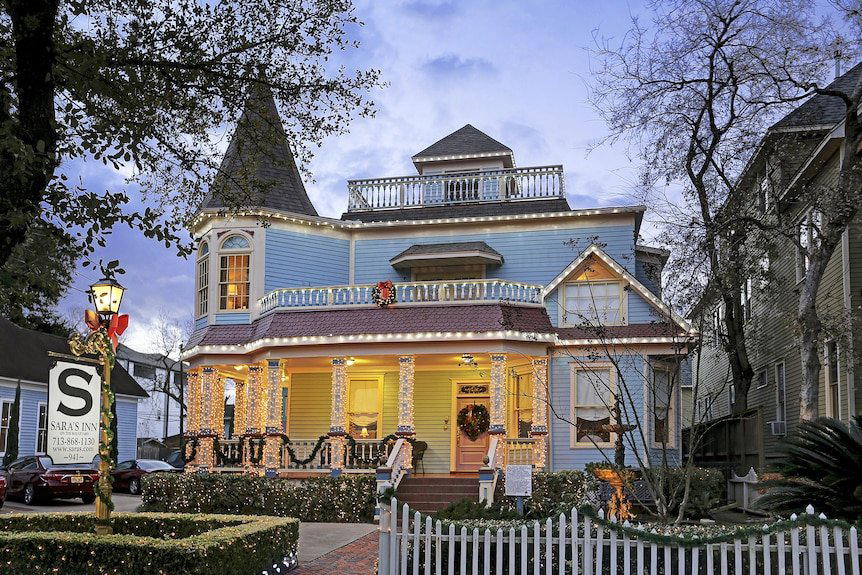
Bars in Houston
Browse all →
Restaurants in Houston
Browse all →
At a Glance
- Cozy
- Modern
- Elegant
- Scenic
- Romantic Getaway
- Weekend Escape
- Courtyard
- Historic Building
- Wi Fi
- Restaurant
- Concierge
- Wi Fi
- Restaurant
- Concierge
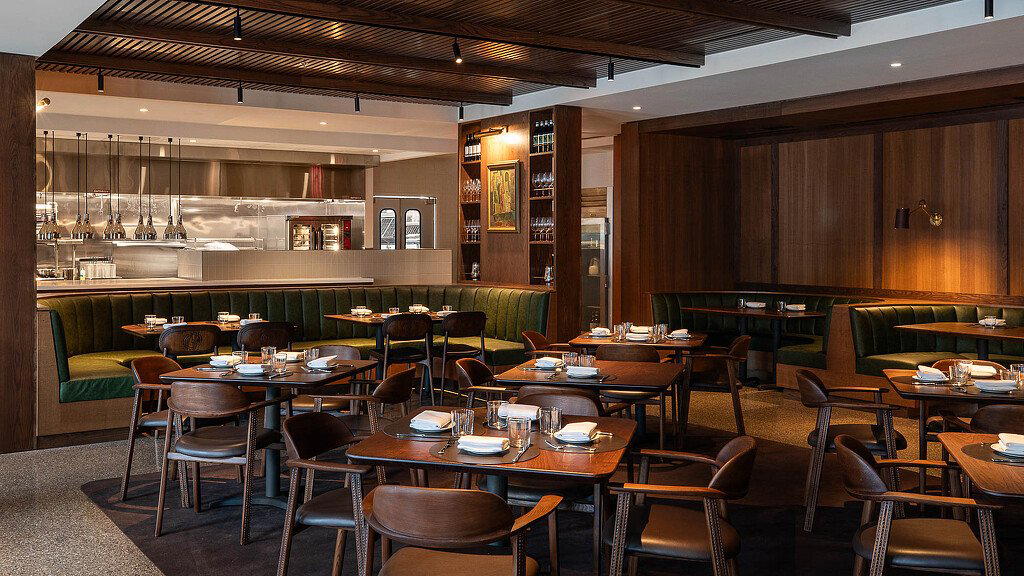
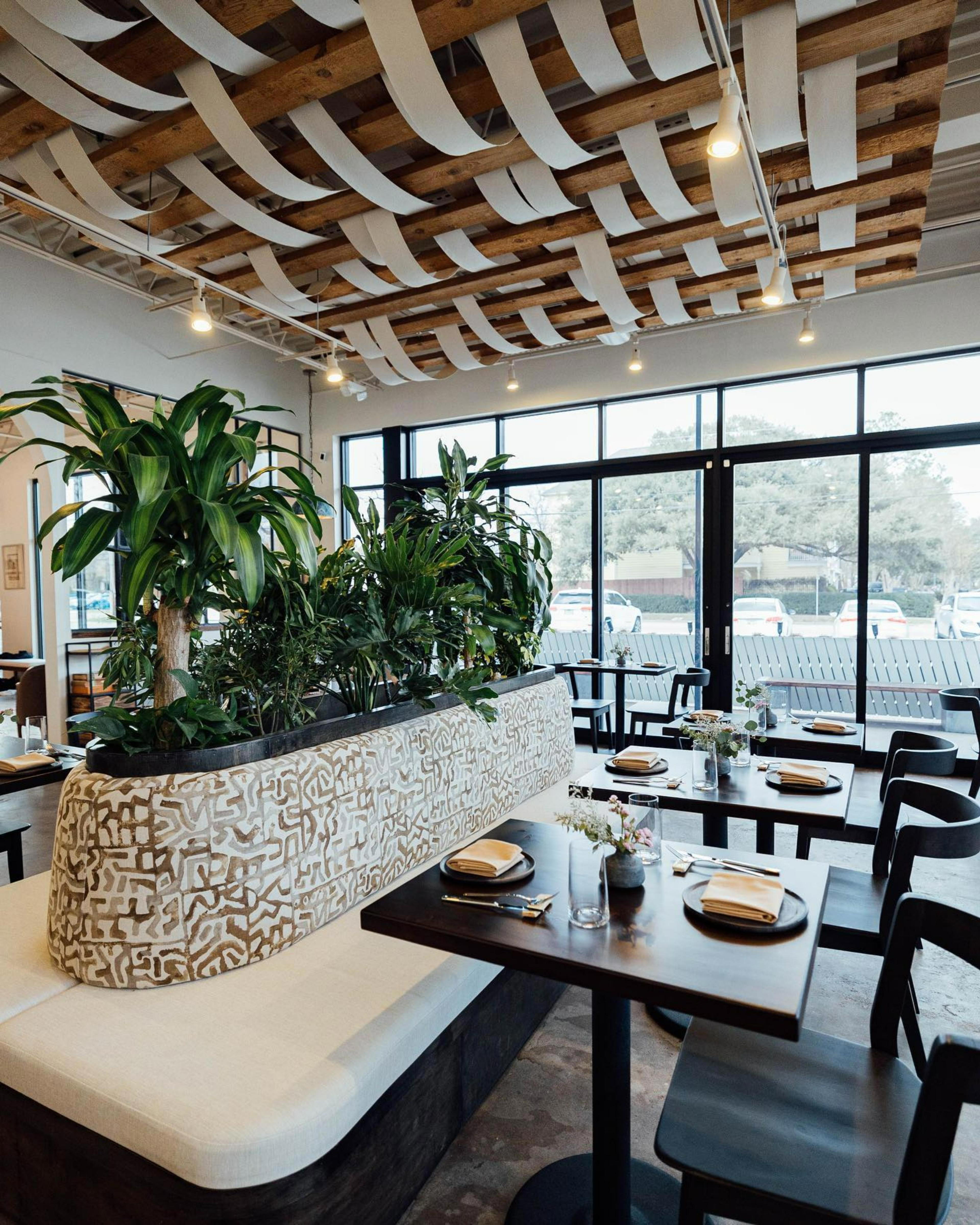
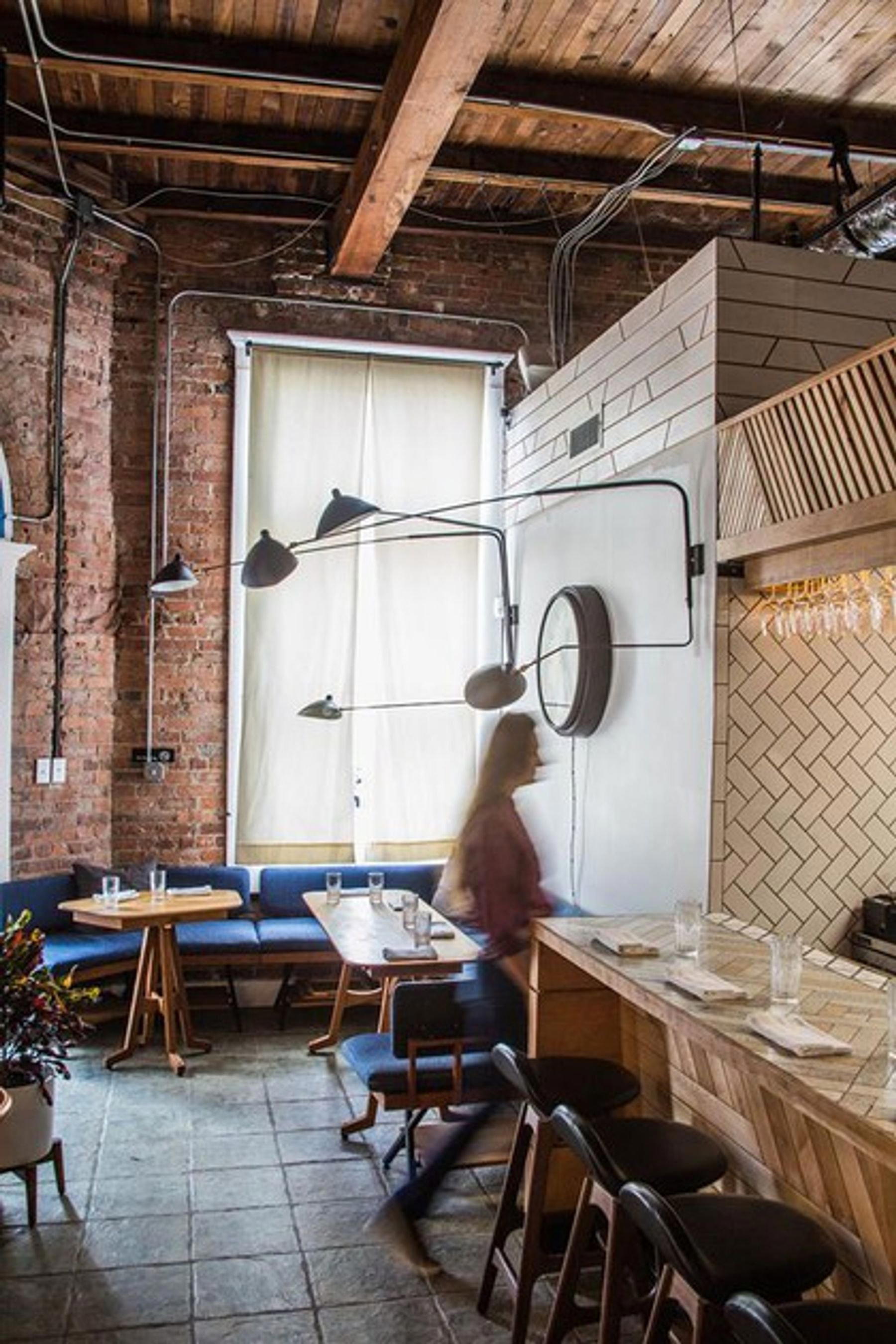
Cozy and innovative atmosphere with natural wood, stone interiors in blues and greens, evoking the eclectic artistic character of the Heights neighborhood.
Know Before You Go
- Getting there
- 347 W 20th St, Houston, TX 77008