Lone Pint Brewery
Lone Pint Brewery operates out of a converted commercial space on Commerce Street in Magnolia, Texas, placing craft beer production squarely in the small-town exurban corridor northwest of Houston. The taproom format puts the brewery's output front and centre, positioning it as a local anchor for the region's growing craft beer interest. Check our full guide for context on the wider Magnolia dining and drinks scene.
Pearl is the En Primeur Club membership app — saves, bookings, and concierge access live there. Same editors, same standards.
- Address
- 507 Commerce St, Magnolia, TX 77355
- Phone
- +1 281 789 4061
- Website
- lonepint.com
- Directions
- Get directions
 Saves & bookings on Pearl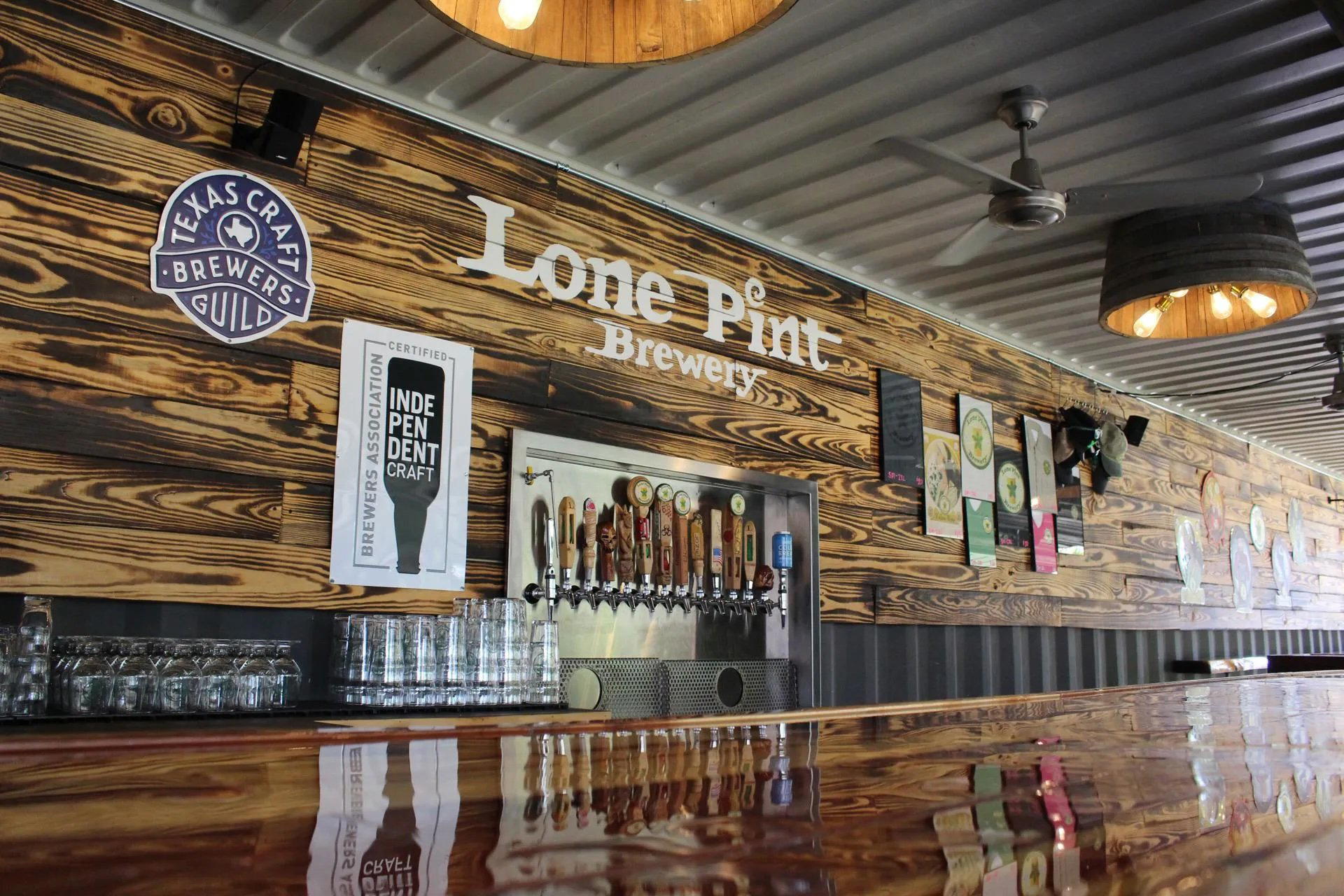
Small Town, Serious Tanks: Craft Beer in Magnolia's Exurban Corridor
The stretch of small Texas towns running northwest from Houston along the US-249 corridor has not, historically, been territory that serious craft beer drinkers tracked closely. That has been changing. Magnolia, a town of roughly 2,000 residents that sits at the convergence of Montgomery and Harris counties, now has a brewery operating at 507 Commerce Street that functions as something closer to a community hub than a production facility. Lone Pint Brewery occupies that particular niche in American craft beer geography: the local taproom that exists not as a satellite of a metropolitan scene but as the primary reference point for its immediate area.
In the broader American craft brewery map, that positioning matters. The taproom-as-anchor model proliferated across smaller Texas cities and exurban towns through the 2010s as state legislation loosened restrictions on on-site consumption. Breweries in this tier tend to serve a dual function, operating as production facilities while also becoming the default gathering space for communities that lack the bar density of larger cities. Lone Pint fits that pattern at 507 Commerce St, drawing from Magnolia proper and from the surrounding Montgomery County towns that lack comparable options.
The Taproom Format and What It Signals
American craft taprooms in this category typically organise themselves around rotating tap lists anchored by one or two flagship beers that serve as the brewery's calling card. The format prioritises accessibility over complexity, with the physical space usually calibrated for conversation and lingering rather than high-volume throughput. Bare concrete, repurposed industrial fittings, and long communal tables are the shorthand visual grammar of this brewery tier, and the atmosphere they produce is deliberately unglamorous in a way that contrasts with the polished cocktail bar environments of larger cities.
Bars like Julep in Houston operate within a formally structured cocktail programme tradition where every drink carries a considered technical argument. The craft taproom model, by contrast, delegates most of the sensory decision-making to the brewing process rather than to front-of-house execution. The bartender's role shifts from creative technician to guide and ambassador for a product that has already been determined upstream. This is a different relationship between server and drink, and it shapes the visiting experience accordingly.
What the Craft Beer Category Looks Like at This Scale
Small-town Texas breweries occupy a specific position in the state's craft beer development. They operate well outside the competitive intensity of Houston's urban craft market, where breweries like Saint Arnold and Karbach established the category's commercial template, and outside the prestige-driven Austin scene. The audience is less likely to approach a flight as a comparative exercise and more likely to be on a first or second visit to a craft taproom at all. That context shapes what the on-tap selection communicates and how a venue earns loyalty in this geography.
Nationally, particularly sophisticated taproom programmes have pushed toward category education and technical depth: barrel-aged programmes, wild fermentation, and small-batch experiments presented with the same contextualising seriousness you find at programme-focused cocktail bars. Canon in Seattle and ABV in San Francisco represent that approach in the spirits and cocktail space, where depth of inventory and programme rigour serve as the primary editorial statement. Whether a smaller craft operation in Magnolia reaches for comparable depth or prioritises community accessibility over technical ambition shapes its position in its local market more than any individual product decision.
Craft breweries at this scale typically rotate seasonals alongside a core lineup, using the seasonal calendar to signal ambition beyond the flagship and to give returning visitors a reason to keep coming back.
In the cocktail bar world, a sustained programme is what separates destination venues from neighbourhood stops. Kumiko in Chicago and Jewel of the South in New Orleans have built recognisable editorial identities through programme consistency and depth. At the taproom scale, that identity is typically constructed through the flagship beer rather than through menu architecture. A brewery's signature release does the work that a cocktail bar's signature drink does: it establishes the house voice, sets expectations for the rest of the offering, and becomes the object around which word-of-mouth organises itself.
Internationally, the same dynamic holds. Bar Leather Apron in Honolulu, Allegory in Washington, D.C., and Bitter and Twisted in Phoenix each operate in markets with distinct local characteristics but share the structural reality that programme identity drives return visits. Superbueno in New York City, Bar Kaiju in Miami, and The Parlour in Frankfurt extend that point across different format types, confirming that a legible drinks identity is the common denominator across bar categories at a certain quality tier.
Planning a Visit to Lone Pint
Lone Pint Brewery is located at 507 Commerce Street in Magnolia, Texas 77355, within the small commercial centre of the town. Magnolia sits roughly 40 miles northwest of downtown Houston, making it a realistic day-trip destination from the city rather than a stopover on a denser urban itinerary. The drive on US-249 is direct and typically runs 50 to 60 minutes from central Houston depending on traffic. Given the limited hospitality infrastructure in Magnolia itself, a visit to the brewery works well as a deliberate destination rather than part of a multi-stop evening.
At-a-Glance Comparison
Comparable venues nearby, for context on price, style, and recognition.
| Venue | Cuisine | Price | Notes |
|---|---|---|---|
| Lone Pint BreweryThis venue — the venue you are viewing | beer_bar | $$ | Not listed |
| Neighbors | wine_bar | $$ | Second Ward |
| Eloise Nichols | Bar | $$ | Galleria |
| Winnie's | cocktail_bar | $$ | Midtown |
| Barrel House Frisco | sports_bar | $$ | Frisco |
| Johnny's Gold Brick | cocktail_bar | $$ | Greater Heights |
Continue exploring
More in Magnolia
Bars in Magnolia
Browse all →
Restaurants in Magnolia
Browse all →
Hotels in Magnolia
Browse all →
Wineries in Magnolia
Browse all →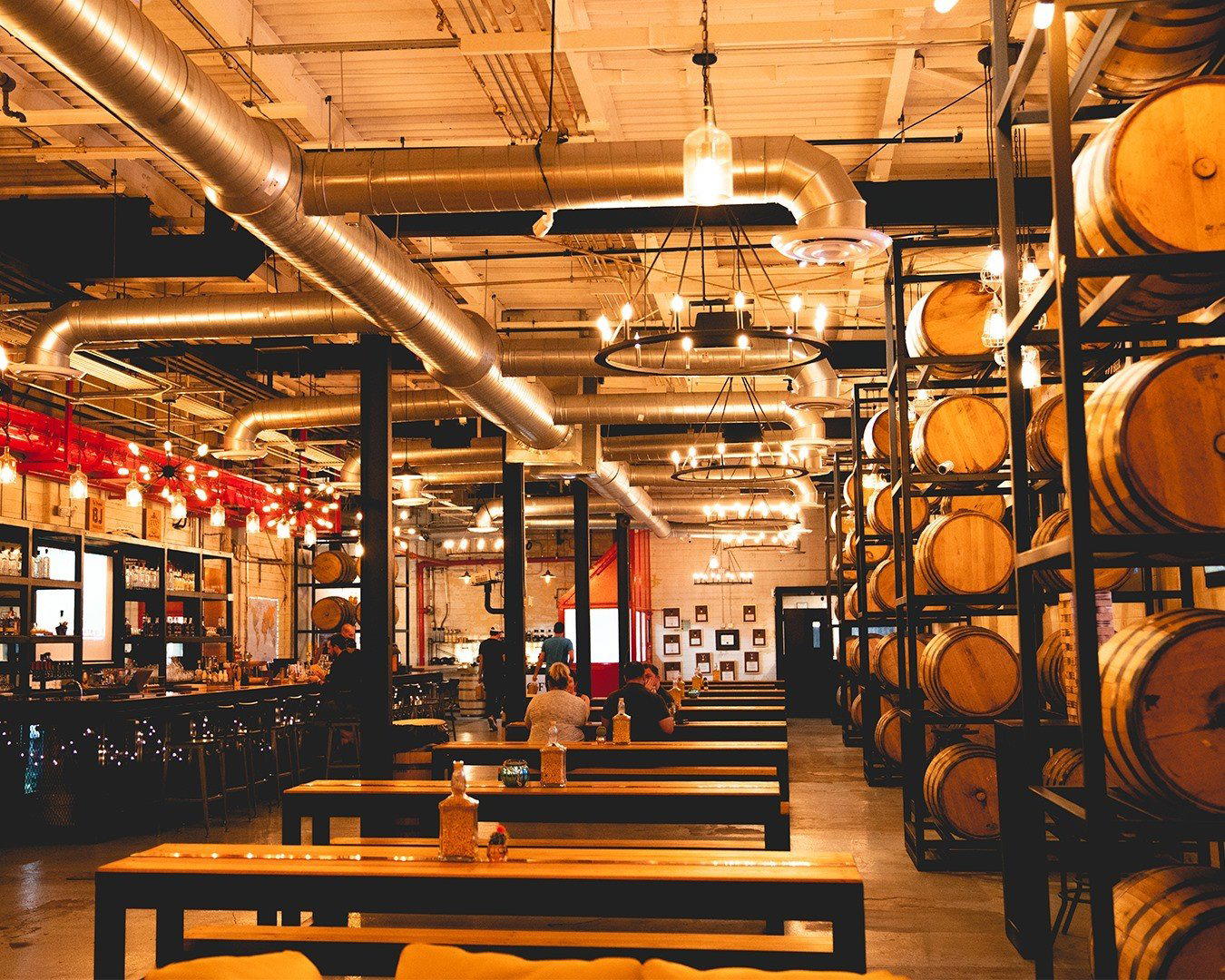
At a Glance
- Rustic
- Lively
- Cozy
- Casual Hangout
- Group Outing
- Beer Garden
- Live Music
- Outdoor Terrace
- Communal Tables
- Craft Beer
Current opening hours
- Monday
- 2–8 PM
- Tuesday
- 2–8 PM
- Wednesday
- 2–8 PM
- Thursday
- 2–8 PM
- Friday
- 12–10 PM
- Saturday
- 12–10 PM
- Sunday
- 12–8 PM
Hours can change for holidays and private events. Last verified .
Spacious beer garden with a lively, rustic Texas atmosphere featuring hoppy ales and event-filled outdoor space.