Gatlin's BBQ
Gatlin's BBQ on Ella Boulevard sits inside Houston's tradition of wood-smoke barbecue that pulls from Texas pit culture while reflecting the city's layered culinary identity. A neighborhood spot in the Heights-adjacent corridor, it draws a local crowd that treats it as a weekly ritual rather than a destination detour. The address puts it within reach of Houston's broader north-side dining circuit.
 Discover on Pearl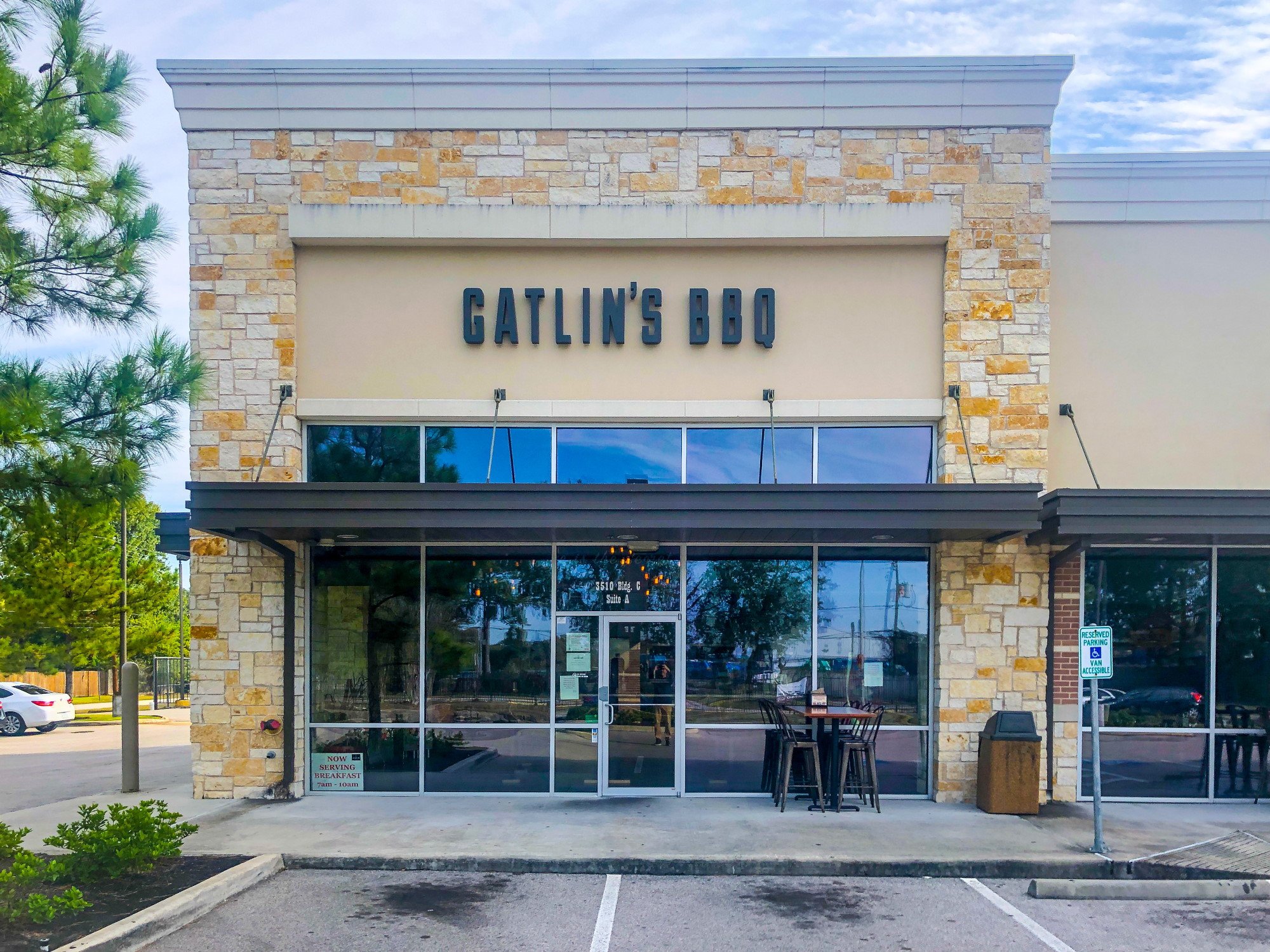
Smoke, City, and the Pit Tradition That Defines Houston's Table
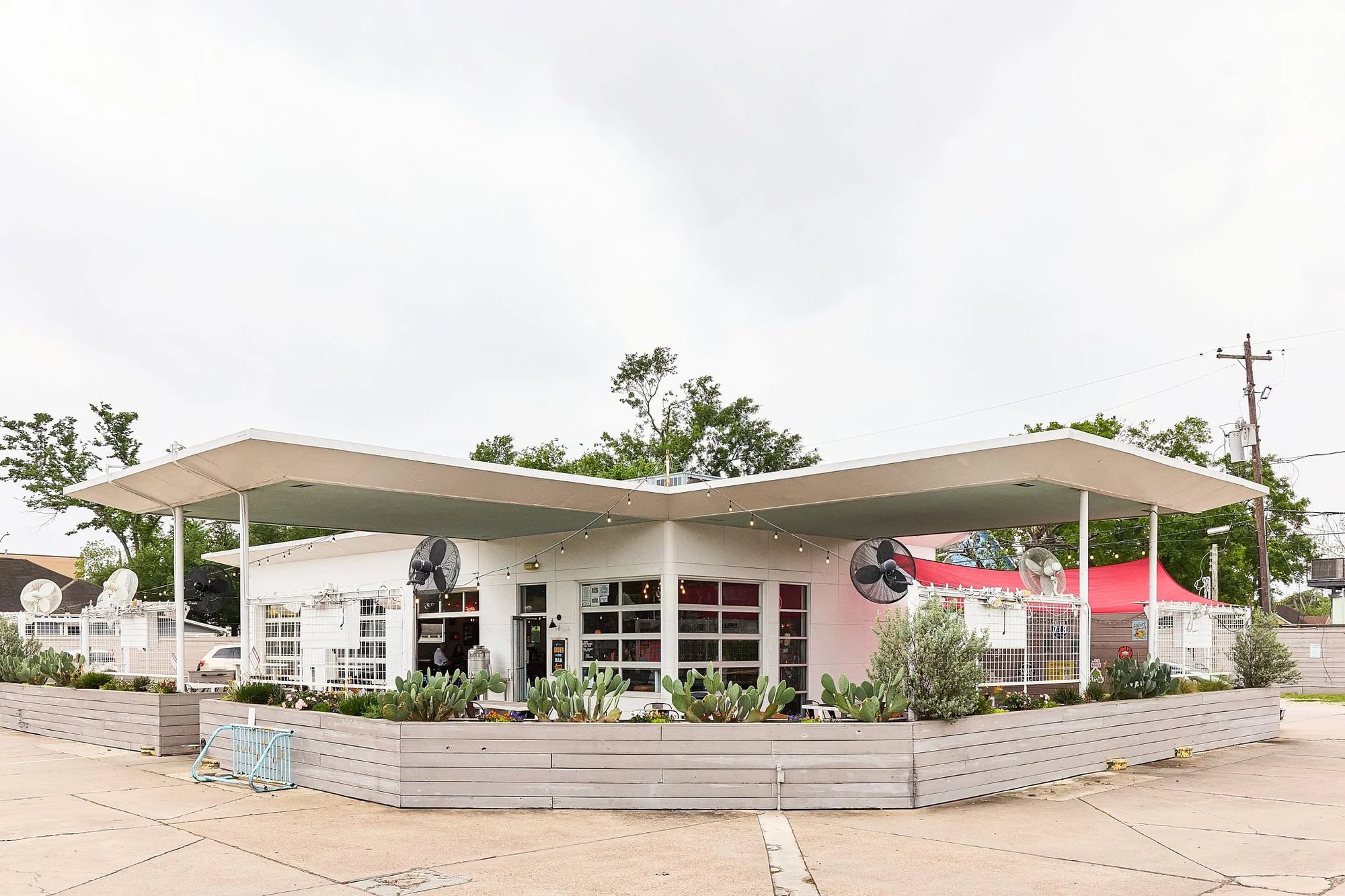
Pull up to the stretch of Ella Boulevard on the north side of Houston and the visual grammar is familiar Texas: a low-slung building, a parking lot that fills before noon on weekends, and the kind of smoke that announces itself before you've cut the engine. Gatlin's BBQ occupies a unit in a modest commercial strip at 3510 Ella Blvd, and that physical modesty is, in this context, a form of credibility. Houston's serious barbecue establishments rarely telegraph ambition through architecture. They telegraph it through wood selection, smoke times, and the behavior of a lunch line.
What makes Houston's barbecue scene worth studying as a distinct regional category is the degree to which it has diverged from the Central Texas orthodoxy that dominates national barbecue conversation. Austin and Lockhart built their reputations on brisket served on butcher paper with minimal sides; Houston built its identity on a denser, more pluralistic food culture shaped by the Gulf Coast, a large African American culinary tradition rooted in East Texas and the Deep South, and successive waves of immigration that introduced different techniques and flavor registers. Gatlin's sits inside that Houston tradition rather than imitating the post-Franklin Barbecue wave of brisket-forward operations that began replicating Central Texas models across the country after 2009.
The Intersection of Pit Method and Gulf Coast Pantry
The editorial angle worth pursuing with a place like Gatlin's is not the specific cuts or prices, but rather what the Houston pit tradition represents as a technical and cultural convergence. Slow-fire smoking over hardwood is one of the oldest food preservation and cooking methods in the Americas, but the way it gets practiced in Houston reflects an imported methodology shaped by local geography and ingredient access in ways that differ from the Hill Country canon.
East Texas, which culturally and geographically bleeds into the Houston metropolitan area, developed a style of barbecue that emphasizes pork ribs alongside beef, incorporates sweeter and more assertive sauce profiles than the Central Texas tradition, and places higher value on the role of sides. That last point matters more than it sounds. A Houston barbecue plate reads as a composed meal in a way that a Central Texas brisket-and-white-bread setup does not. The sides at a Houston pit, whether that means potato salad, beans cooked with smoked meat scraps, or greens that carry the fat and smoke of the proteins alongside them, are part of the technical argument the kitchen is making, not an afterthought.
Gatlin's has operated within this tradition. Its location in the 77018 zip code, which covers the area between the Heights and Garden Oaks, places it in a part of Houston with a long residential history and a dining culture that leans toward neighborhood reliability over trend-driven openings. The crowds it draws reflect that: regulars who arrive early because the leading cuts sell out, not because they're chasing a reservation or a social media opportunity.
Where Gatlin's Sits in Houston's Barbecue Hierarchy
Houston's barbecue scene has stratified over the past decade in ways that parallel what happened in Austin but with different reference points. At the top tier are operations that have drawn national press and James Beard recognition, pulling Houston into a conversation previously dominated by Central Texas names. Below that, a middle tier of neighborhood pits has maintained local loyalty by staying consistent and affordable rather than pivoting toward the tasting-menu-adjacent formats that have appeared at some high-profile operations. Gatlin's occupies that middle tier, which in Houston terms means it is taken seriously by the people who eat barbecue most often and think about it most carefully.
The comparison worth making is not between Gatlin's and, say, the white-tablecloth restaurant scene that produces venues like Brennan's of Houston on Westheimer. The relevant peer set is the collection of Houston pits that have sustained neighborhood operations across years, maintained their pit technique without chasing trends, and held the loyalty of a city that has strong opinions about what good barbecue means. That peer group is smaller than it looks from the outside, because the economics of running a wood-fire pit operation are punishing: fuel costs, labor, the daily variability of the product, and the food waste inherent in a cook-until-it's-gone model all compress margins in ways that have closed many well-intentioned operations.
Planning Your Visit
Getting to Gatlin's is a direct drive from central Houston: the address at 3510 Ella Blvd places it north of the Heights, accessible via Ella Boulevard from either I-610 West Loop or US-290. The critical logistical fact about any serious barbecue operation is timing. Arriving at or near opening is not optional if you want the full range of cuts; pits like this one sell through their leading product early, and a visit two hours after opening may mean working with whatever remains. Weekend mornings draw the longest lines, but they also deliver the fullest menu. If your schedule permits a weekday visit, lines move faster without sacrificing quality.
For Houston's broader drinking and dining circuit, the neighborhood sits within reach of the city's north and northwest corridors. Those planning an evening after an early barbecue lunch might consider the bar programming at Julep, which has become one of Houston's reference points for Southern-inflected cocktail work, or Bandista for a different register. The wine-focused crowd might find 13 Celsius worth the detour, while 1100 Westheimer Rd anchors the Montrose corridor. For readers building a broader Houston itinerary, our full Houston restaurants guide maps the city's dining character across neighborhoods and categories.
Those traveling through the Southern barbecue and cocktail circuit more broadly might use Gatlin's as one point in a longer itinerary that includes serious bar programs in adjacent cities: Jewel of the South in New Orleans for a historically grounded cocktail program, or ventures further afield to Kumiko in Chicago, Superbueno in New York City, ABV in San Francisco, Allegory in Washington, D.C., Bar Leather Apron in Honolulu, or The Parlour in Frankfurt on the Main for those extending the trip internationally.
Where the Accolades Land
Comparable options at a glance, pulled from our tracked venues.
| Venue | Awards | Cuisine | Notes |
|---|---|---|---|
| Gatlin's BBQ | This venue | ||
| Julep | World's 50 Best | ||
| Bandista | World's 50 Best | ||
| Birdies Icehouse | Bar / icehouse fare (burgers, tacos, snacks) | Bar / icehouse fare (burgers, tacos, snacks) | |
| Anvil Bar | |||
| Brennan's Houston |
Continue exploring