Cooper's Hawk Winery & Restaurant
Cooper's Hawk Winery & Restaurant sits at the intersection of American casual dining and winery culture, offering house-made wines alongside a broad, approachable menu in a format that has built a substantial national membership base. The concept targets the middle tier of the wine-and-dine experience, where accessibility and volume matter more than cellar depth or tasting-menu precision.
Pearl is the En Primeur Club membership app — saves, bookings, and concierge access live there. Same editors, same standards.
- Address
- 998 US-30, Montgomery, IL 60538
- Phone
- +16307565400
- Website
- chwinery.com
- Directions
- Get directions
 Saves & bookings on Pearl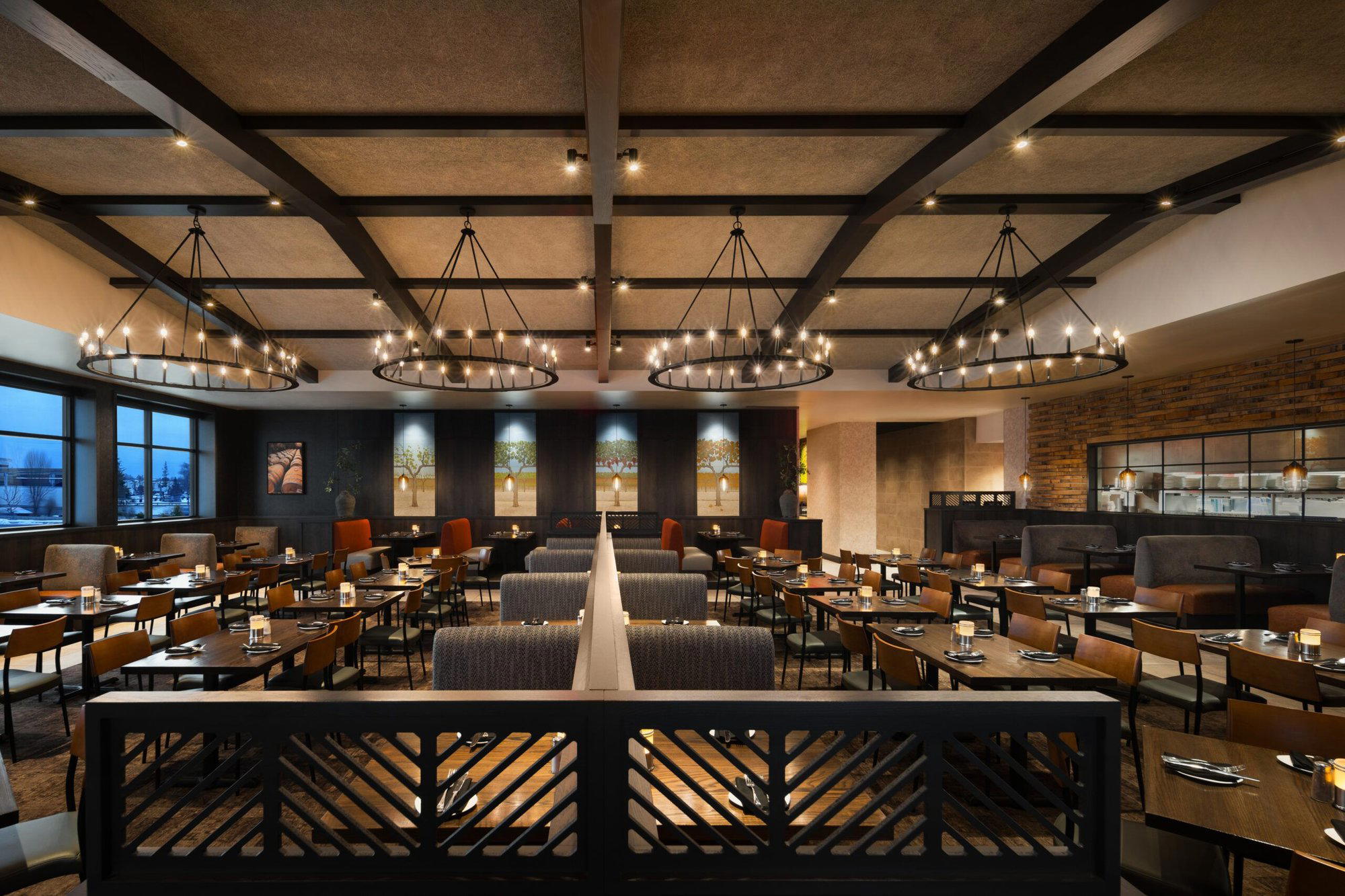
Where American Winery Culture Meets the Casual Dining Table
The American winery-restaurant hybrid occupies a specific and contested space in the dining world. It sits above the generic chain steakhouse but well below the precision-driven tasting-room experiences associated with destinations like Single Thread Farm in Healdsburg or The French Laundry in Napa. Cooper's Hawk Winery & Restaurant operates firmly in that middle register, a format that has proved genuinely durable across the American Midwest and beyond. The model rests on a direct proposition: wine produced in-house, served alongside a broad American menu, in a setting that feels more welcoming than intimidating. For a country where wine culture has historically been treated as either inaccessible or purely ceremonial, that democratizing instinct carries real cultural weight.
The address on US-30 in Montgomery, Illinois puts Cooper's Hawk in a suburban commercial corridor, which is entirely consistent with the brand's operating philosophy. These are not venues designed around pilgrimage; they are designed around accessibility. The physical environment follows the pattern established across the chain's locations: a retail wine shop at entry, a tasting bar positioned near the front, and a full-service dining room that functions independently of whether you arrived to taste wine or to eat dinner. The spatial logic separates Cooper's Hawk from both the traditional winery tasting room and the conventional restaurant, placing it in a category that is essentially its own.
The Wine Program and What It Represents
Cooper's Hawk produces wines under its own label rather than sourcing finished bottles from established regions. This approach places the concept in a different conversation than producers operating in Napa, Sonoma, or the Willamette Valley. The wines are designed for broad palatability rather than regional typicity or vintage variation in the way that, say, the Burgundy-influenced programs at some California estates pursue. That is not a criticism so much as a description of intent. The membership wine club, which is among the largest in the United States by subscriber count, demonstrates that the model has found a genuinely large audience that values regularity, accessibility, and the social experience of wine more than provenance-driven depth.
For diners whose reference points run toward destination-level wine programs at places like Blue Hill at Stone Barns in Tarrytown or Addison in San Diego, the Cooper's Hawk wine list will read differently than intended. But that comparison misreads the audience. The wine program here functions as a social and educational gateway, not as a sommelier-curated cellar selection. The tasting bar format allows guests to sample across the range before committing to a bottle, which reflects a pedagogical instinct that more formal dining rooms rarely accommodate.
The Food: Broad American with Regional Anchors
American casual dining has undergone considerable fragmentation over the past two decades, with the centre of the market splitting between fast-casual formats and more intentional mid-market dining rooms. Cooper's Hawk holds a position in the latter group, offering a menu that spans familiar American categories while nodding toward globally influenced flavours that have become standard in suburban dining across Illinois and the broader Midwest. The kitchen aims for consistency and breadth rather than specialization, which suits a dining room that serves large parties, wine club members, and date-night visitors simultaneously.
Montgomery's dining scene offers several alternatives for different occasions. Italian-influenced rooms like Amalfi Taste and Ravello serve the city's appetite for European-rooted cooking, while Jeff Ruby's Carlo & Johnny targets the steakhouse-and-cocktail demographic. For those drawn to Korean flavours, K-Pop Diner Korean Restaurant represents a more specific cultural focus, and La Jolla brings a coastal American sensibility to the local table. Cooper's Hawk sits somewhat apart from all of these, defined less by a culinary tradition and more by a complete entertainment format where wine is as central as food.
The Membership Model and Its Cultural Significance
The Wine of the Month Club attached to Cooper's Hawk is one of the more quietly significant developments in American wine retail over the past decade. Subscription wine clubs are not new, but building one around a physical restaurant-and-tasting-room network creates a recurring relationship with guests that is functionally different from a mailing-list allocation. Members return to pick up monthly selections, which drives tasting room visits, dinner reservations, and retail purchases in a reinforcing loop. The model has clear antecedents in European wine culture, where cooperative membership and direct-producer relationships have long been the norm, but the American suburban execution is distinctly its own thing.
The contrast with high-allocation programs at venues like Smyth in Chicago or the tightly curated wine lists at Le Bernardin in New York City is instructive. Those programs reward depth of knowledge and willingness to engage with a narrow, expert-selected range. Cooper's Hawk's membership rewards regularity and social engagement with wine as a lifestyle category. Both models serve real audiences; they just serve entirely different ones.
Planning Your Visit
Cooper's Hawk operates in a format where walk-in dining is typically possible, though weekend evenings at suburban locations tend to fill quickly, particularly among wine club members using the restaurant as a regular social venue. The tasting bar is generally accessible without a reservation and functions as a sensible starting point for first-time visitors who want to orient themselves to the wine range before sitting down to dinner. The retail shop at the front of each location allows guests to take bottles home, which extends the experience beyond the meal itself.
Venues like Smyth in Chicago demand advance planning and dietary-preference submissions weeks out; Cooper's Hawk operates with considerably less friction, which is precisely the point. The experience is designed to be repeated rather than anticipated, habitual rather than ceremonial. That distinction matters when setting expectations before arrival.
Price and Positioning
Comparable venues nearby, for context on price, style, and recognition.
| Venue | Cuisine | Price | Notes |
|---|---|---|---|
| Cooper's Hawk Winery & RestaurantThis venue — the venue you are viewing | American Fusion with Wine Pairings | $$$ | Not listed |
| Kitchen + Kocktails By Kevin Kelley - Chicago | River North, Polished Southern Soul Food | $$$ | Not listed |
| The Hampton Social | River North, New England-Style Seafood | $$$ | Not listed |
| Champagne Sunday Brunch at the Drake Oak Brook | Oak Brook, Contemporary American Brunch | $$$ | Not listed |
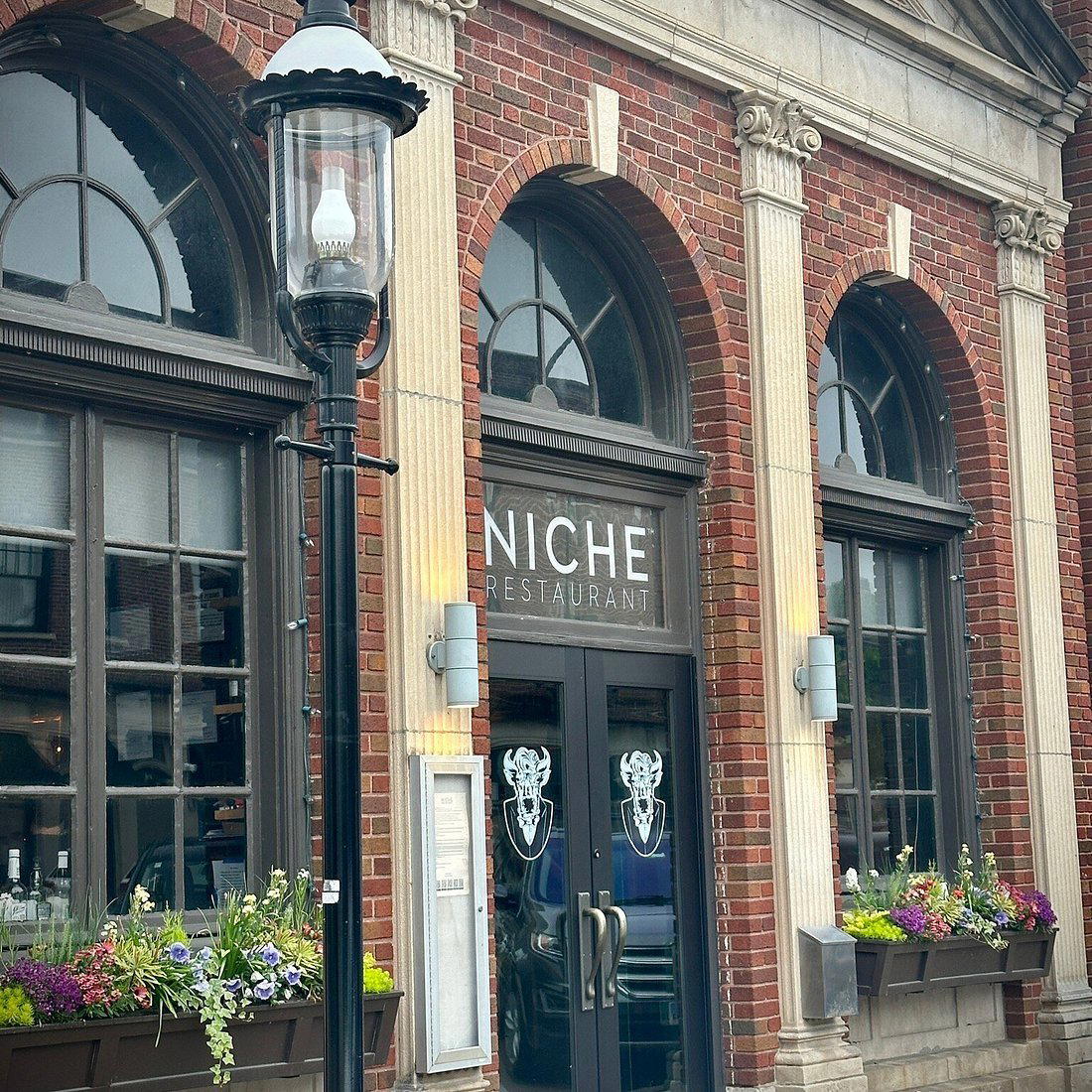
| Niche | Not listed | $$$ | downtown Geneva, American Contemporary Fine Dining |
| Bellemore | West Loop, Artistic American | $$$ | Not listed |
Continue exploring
More in Montgomery
Restaurants in Montgomery
Browse all →
Bars in Montgomery
Browse all →
Hotels in Montgomery
Browse all →
At a Glance
- Elegant
- Sophisticated
- Modern
- Date Night
- Business Dinner
- Group Dining
- Celebration
- Casual Hangout
- Wine Cellar
- Private Dining
- Open Kitchen
- Extensive Wine List
- Sommelier Led
Current opening hours
- Monday
- 11 AM–9 PM
- Tuesday
- 11 AM–9 PM
- Wednesday
- 11 AM–9 PM
- Thursday
- 11 AM–9 PM
- Friday
- 11 AM–10 PM
- Saturday
- 10 AM–10 PM
- Sunday
- 10 AM–9 PM
Hours can change for holidays and private events. Last verified .
Contemporary and refined with a Napa-style aesthetic, featuring a full-service bar and retail wine shop alongside the dining room.