K-Pop Diner Korean Restaurant
K-Pop Diner at 2783 Eastern Blvd brings Korean cooking to Montgomery, Alabama, a city whose dining scene has expanded steadily beyond its Southern comfort-food origins. The restaurant sits on Eastern Boulevard, one of the city's main commercial corridors, and represents the growing presence of Korean cuisine across mid-size American cities far from traditional Korean-American enclaves.
Pearl is the En Primeur Club membership app — saves, bookings, and concierge access live there. Same editors, same standards.
- Address
- 2783 Eastern Blvd, Montgomery, AL 36117
- Phone
- +13346790992
- Website
- kpopdinerkorean.com
- Directions
- Get directions
 Saves & bookings on Pearl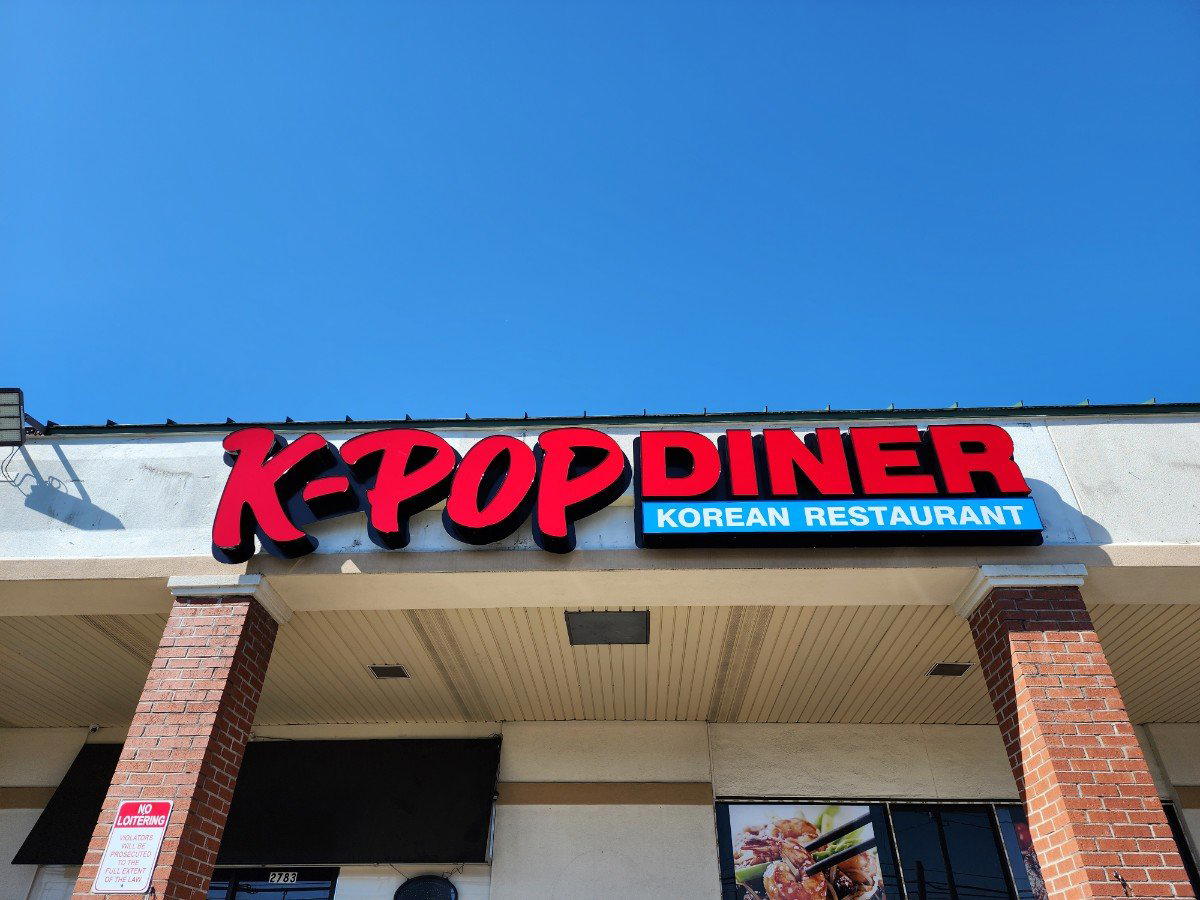
Korean Dining in Montgomery: What the Scene Looks Like Now
Montgomery's restaurant corridor along Eastern Boulevard reads as a reliable index of how mid-size Southern cities have absorbed new culinary traditions over the past decade. The stretch runs through a commercial zone that mixes national chains with independently operated kitchens, and among the latter, Korean cooking has found a foothold. K-Pop Diner at 2783 Eastern Blvd sits inside that shift, representing a category of restaurant that would have been unusual in Alabama's capital city twenty years ago but now addresses a genuine local appetite for East Asian cuisine beyond the familiar Chinese-American or Japanese-American formats.
Korean food's arrival in cities like Montgomery follows a pattern visible across the American South: initial exposure through Korean barbecue's interactive format, then a broadening interest in the wider pantry, fermented vegetables, braised proteins, rice-cake dishes, cold noodles. The cuisine's profile has also risen nationally through high-profile fine-dining interpretations. Atomix in New York City, for instance, operates at the tasting-menu tier and has brought sustained critical attention to Korean culinary traditions in a way that filters down to general awareness. That kind of visibility changes what diners in secondary markets expect and seek out.
The Cultural Architecture of Korean Food
Understanding what a Korean diner does well requires some grounding in what Korean cooking actually is, because the cuisine carries structural assumptions quite different from, say, Italian or Japanese traditions. A Korean meal is built around banchan, the rotating collection of small side dishes served alongside a main, which means portion logic, sequencing, and sharing norms all differ from a Western plate-service model. Fermentation is foundational: kimchi, doenjang (fermented soybean paste), and ganjang (soy sauce) are not condiments but load-bearing elements of flavor. The result is a cuisine where depth and funk appear at the table's edges rather than only at its center.
Korean barbecue, the format most familiar to American diners, is partly a modern restaurant invention, tabletop grilling as a social format that scales well for groups and creates a participatory dining ritual. But the broader Korean repertoire extends well beyond it: jjigae (stews), jeon (pan-fried savory pancakes), bibimbap, naengmyeon, and the entire spectrum of temple-derived vegetable cooking all represent traditions with centuries of development behind them. A restaurant presenting Korean food in a mid-market American city is, whether consciously or not, making curatorial choices about which slice of that tradition to surface.
Montgomery's Dining Context: Where Korean Fits
Montgomery's premium dining has concentrated in a small number of independently operated restaurants. Italian cooking has a strong foothold, Amalfi Taste, Ravello, and La Jolla each represent distinct positions in that space. American steakhouse formats also have presence, with Jeff Ruby's Carlo & Johnny at the upper end and Cooper's Hawk Winery & Restaurant offering a wine-forward casual-premium format. Korean cooking occupies a different register from all of these: it is neither European nor meat-forward in the American steakhouse sense, and it brings a fermentation-led flavor vocabulary that has no real equivalent in the city's existing restaurant base.
That distinctiveness is neither a selling point nor a liability in isolation. It means Korean food in Montgomery serves a specific function: it addresses diners looking for something outside the Italian-American and Southern-comfort axis that defines much of the city's independent dining. Korean dining also appears at the fine-dining end of the spectrum, where technique and tasting-menu structure shape the experience. At the other end of the spectrum, the kind of approachable Korean-American diner format that K-Pop Diner appears to represent has its own logic: accessible pricing, casual format, shareable dishes, and a menu structured around recognizable entry points like bibimbap, bulgogi, and Korean fried chicken.
The K-Pop Branding Frame and What It Signals
The name K-Pop Diner places the restaurant explicitly within contemporary Korean cultural exports rather than a more traditional culinary framing. That branding choice is not incidental. Korean pop music's global reach over the past decade has driven significant interest in Korean culture broadly, including food, a phenomenon sometimes called the Korean Wave, or Hallyu. Restaurants operating under this cultural umbrella often calibrate their menus and aesthetics toward accessibility and cultural curiosity rather than deep culinary tradition. That is a coherent market position in a city like Montgomery, where Korean food is still relatively new and building its audience. It is a different position from what you find at, say, Atomix, where the Korean reference is filtered through fine-dining discipline, but it serves a different function in a different market.
Planning a Visit: What to Know
K-Pop Diner is located at 2783 Eastern Blvd, Montgomery, AL 36117, on one of the city's main commercial corridors. The Eastern Boulevard strip is accessible by car and sits in a zone with standard commercial parking. The restaurant is walk-in friendly and has a casual dress code, so it suits spontaneous visits and relaxed meals. The restaurant addresses a part of the Montgomery dining market with a casual format.
K-Pop Diner operates well outside that formal tier, but the broader point stands: Korean cuisine is now present across the full spectrum of American dining, from tasting-menu counters to casual neighborhood spots, and Montgomery's version of that spectrum is expanding.
Budget Reality Check
Comparable venues nearby, for context on price, style, and recognition.
| Venue | Cuisine | Price | Notes |
|---|---|---|---|
| K-Pop Diner Korean RestaurantThis venue — the venue you are viewing | Eastern Blvd, Authentic Korean Diner | $$ | Not listed |
| Ravello Ristorante | Not listed | $$$$ | downtown Montgomery, Authentic Italian with Fresh Seafood |
| La Jolla | EastChase, Upscale American with Seafood | $$$ | Not listed |
Continue exploring
More in Montgomery
Restaurants in Montgomery
Browse all →
At a Glance
- Lively
- Warm
- Casual Hangout
- Family
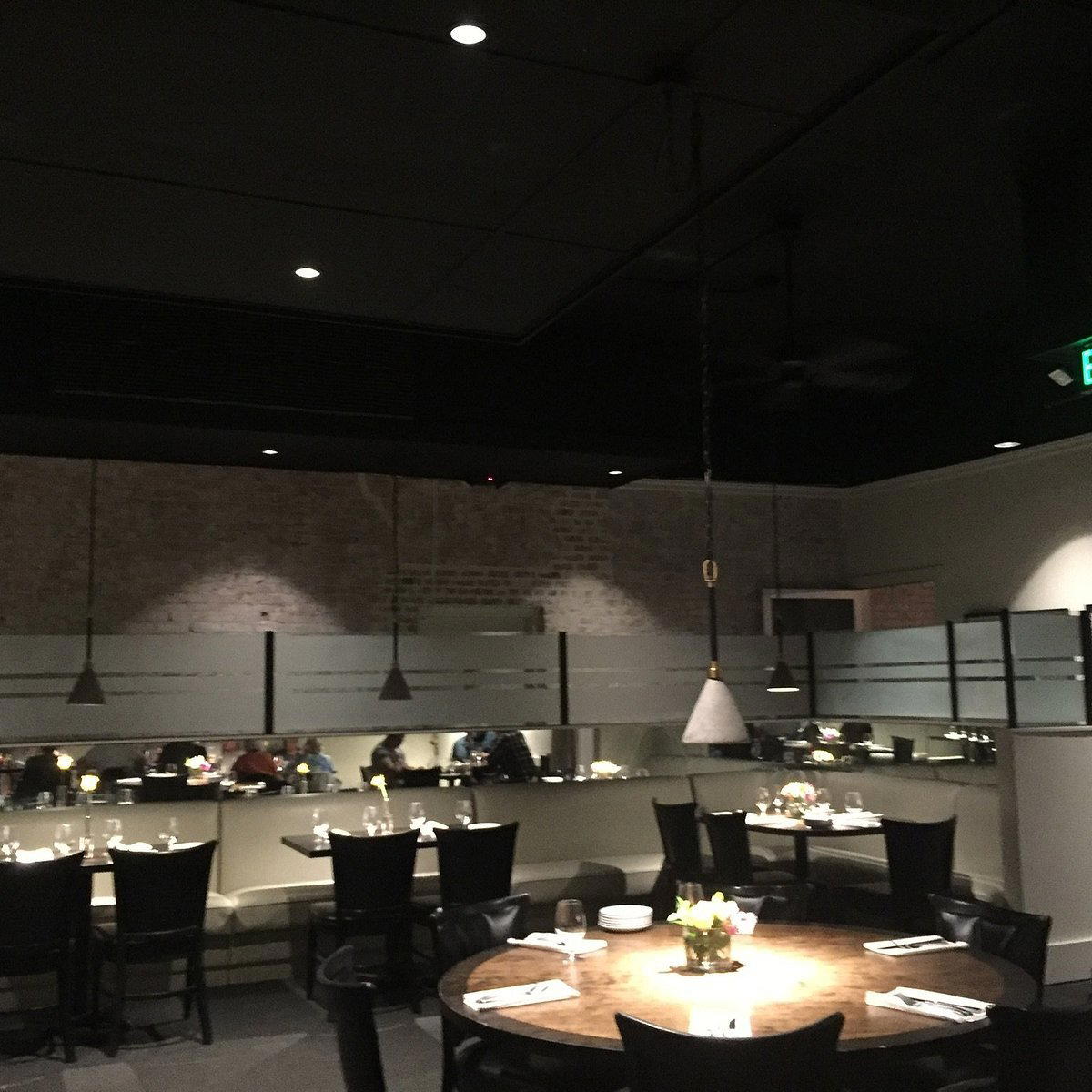
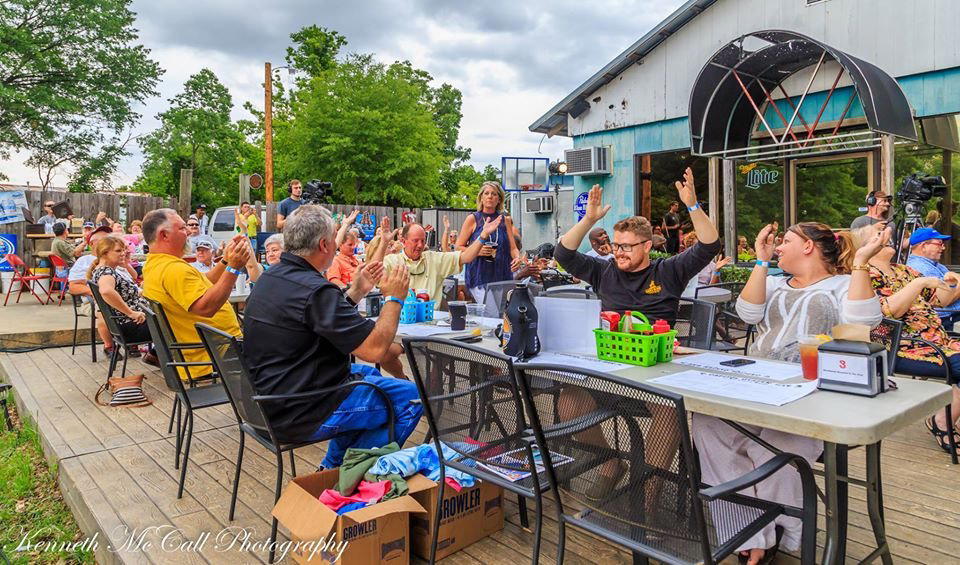
Warm and welcoming with a lively atmosphere.