726 N 24th St
Our verdict
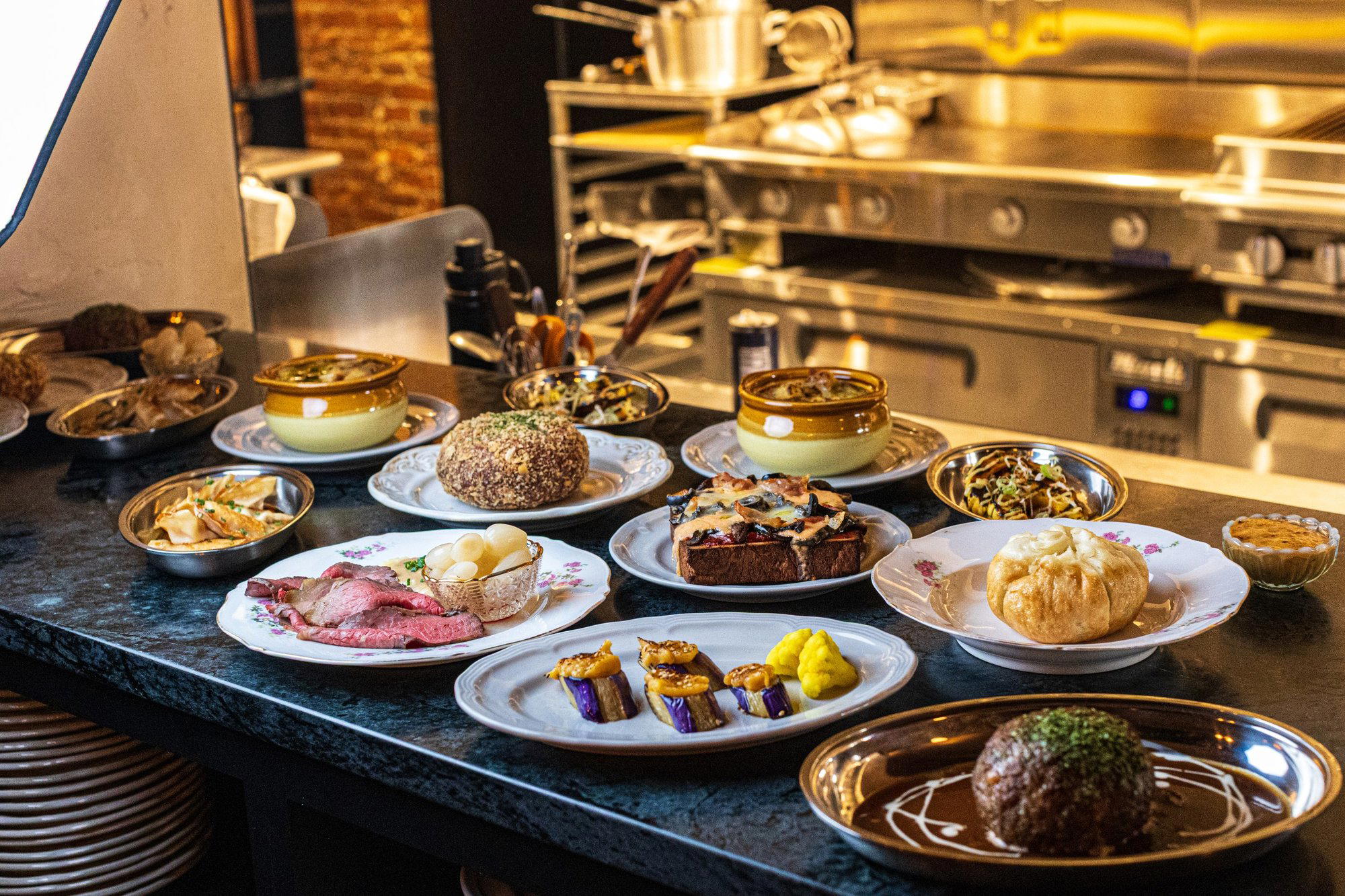
"Bridgids, Fairmount Art Museum by Radlands. Next level dishes for this unassuming neighborhood bar. The place sounds and looks Irish but the food is actually Italian. Crab meat on top of house made ricotta cheese on toast, topped with pickled onions, cherry tomatoes and balsamic reduction? Rad. Understated, non-trendy place, which is refreshing these days."

Pearl is the En Primeur Club membership app — saves, bookings, and concierge access live there. Same editors, same standards.
- Address
- 726 N 24th St, Philadelphia, PA 19130
- Hours
- Mon–Thu 5–10 PMFri–Sat 5 PM–12 AMSun 5–10 PM
- Directions
- Get directions
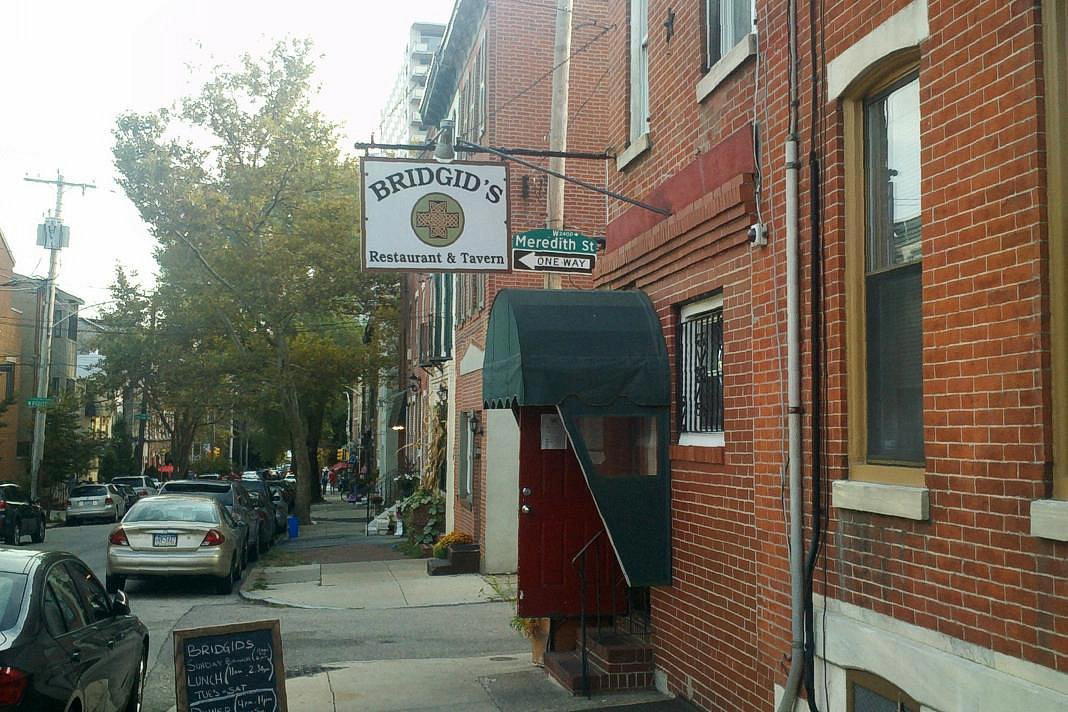
Fairmount and the Sourcing Question Philadelphia Keeps Asking
The block of North 24th Street that runs through Philadelphia's Fairmount neighborhood sits a short walk from the Art Museum steps and the Reading Terminal Market, two landmarks that quietly frame what dining in this city has always been about: access to good raw material and the discipline to do something with it. The address at 726 N 24th St lands inside a residential stretch of rowhouses and corner establishments that has, over the past decade, become one of the city's more quietly consequential dining corridors. It is the kind of block where the story begins before you reach the door.
Philadelphia's serious dining conversation has increasingly organized itself around a single question: where does the food come from, and how visibly does that sourcing shape what arrives at the table? That question has driven the most discussed openings in the city's New American tier, from Fork on Market Street to Friday Saturday Sunday on South 19th, both of which have built reputations partly on supplier relationships and seasonal discipline. The same lens applies at the neighborhood level in Fairmount, where proximity to the Reading Terminal's wholesale network and the Pennsylvania Dutch agricultural belt gives operators a shorter supply chain than most mid-Atlantic cities can claim.
The Fairmount Dining Context
Fairmount occupies a specific position in Philadelphia's neighborhood dining map. It is not a destination corridor in the way Fishtown or East Passyunk are, and it does not carry the institutional weight of Rittenhouse Square's more formal addresses. What it offers instead is a dining population that eats locally by habit rather than by trend, a condition that tends to reward operators who prioritize ingredient quality over theatrical presentation. The neighborhood's restaurant scene has grown steadily without the speculative churn that affects trendier zip codes, and that stability creates the conditions for sourcing-led cooking to take root.
Across Philadelphia's broader dining spectrum, the ingredient-sourcing emphasis connects the city to a national conversation visible at places like Blue Hill at Stone Barns in Tarrytown and Single Thread Farm in Healdsburg, where the farm-to-kitchen relationship is explicit and load-bearing, not decorative. Philadelphia's version of that model is less theatrical but geographically better positioned: Lancaster County farms, South Jersey produce operations, and Chesapeake Bay seafood suppliers all sit within two hours of Center City, giving chefs access to a seasonal pantry that rivals any metro on the East Coast.
What the Address Signals
In Philadelphia's dining geography, a 19130 zip code places an establishment in a neighborhood that filters for a particular kind of operator. The overhead profile, the local customer base, and the absence of heavy tourist foot traffic all push toward cooking that justifies itself on the plate rather than on the spectacle of its address. Comparable dynamics operate in other American cities: Lazy Bear in San Francisco and Addison in San Diego both demonstrate how neighborhood positioning and sourcing credentials can anchor a dining identity more durably than centrally located competitors. In Philadelphia, the same principle holds on North 24th Street.
The city's more adventurous dining has also diversified beyond its New American core. Kalaya has reshaped expectations around Thai cooking and ingredient specificity, while Mawn has extended the conversation into Cambodian and Pan-Asian sourcing traditions that draw on a different but equally rigorous supply logic. My Loup has brought a French-inspired framework to the same sourcing discipline. These are not outliers in Philadelphia's scene; they represent a structural shift in how the city's better kitchens think about what goes into the mise en place before service begins.
Sourcing as the Operative Frame
The most durable dining establishments in Philadelphia's mid-tier and above have tended to position ingredient sourcing not as a marketing posture but as an operational constraint that shapes the menu structure. When sourcing is genuinely load-bearing, the menu changes, the portion logic shifts, and the kitchen's relationship to seasonality becomes something a diner can track across multiple visits. That model, which defines the better end of the American regional restaurant tradition from The French Laundry in Napa to The Inn at Little Washington, requires a supply chain that the kitchen actually controls or at minimum selects with documented specificity.
Philadelphia's geographic advantage here is real and underappreciated nationally. The density of small-farm operations in southeastern Pennsylvania, the relative proximity of the Chesapeake and the Jersey Shore for seafood, and the persistence of the Reading Terminal as a wholesale and retail food hub give the city's sourcing-committed kitchens a credibility that comparable operations in New York, Chicago, or Los Angeles have to work harder to establish. Chefs in Fairmount who tap that network are working with ingredients that carry a provenance story that does not need to be invented.
The comparison set also extends internationally: the sourcing discipline visible at Atomix in New York's Korean fine dining scene, or at 8 1/2 Otto e Mezzo Bombana in Hong Kong, reflects a global shift toward kitchens that treat ingredient provenance as a non-negotiable starting point rather than an optional premium. Philadelphia is not an outlier in this shift; it is, if anything, better positioned than most American cities to participate in it. For a fuller picture of where the city's sourcing-led dining is concentrated, our full Philadelphia restaurants guide maps the scene by neighborhood and price tier.
The regional comparison also includes Emeril's in New Orleans, a useful reference point for how a city's culinary identity can be built around explicit sourcing relationships and regional ingredient specificity without sacrificing accessibility or neighborhood character. Philadelphia's Fairmount is operating in that same register, at a smaller scale, with a customer base that has come to expect it.
Planning Your Visit
Fairmount is accessible by the Broad Street Line to Fairmount Station or by a short ride from Rittenhouse Square. The neighborhood's dining options tend to fill on weekends from mid-evening onward, so mid-week visits or early reservations on Fridays and Saturdays are the more reliable approach. For the sourcing-led dining that defines the better establishments in this corridor, arriving with some knowledge of Pennsylvania's agricultural calendar adds a layer to the experience that a first-time visitor might otherwise miss: spring ramps, summer stone fruits, fall squash, and winter root vegetables mark the menu transitions that signal a kitchen is working directly with its suppliers.
Frequently asked questions
What should I order at 726 N 24th St?
What the Fairmount neighborhood context suggests is that sourcing-led kitchens in this corridor tend to build their menus around seasonal availability, so the most reliable approach is to ask your server what has come in most recently and let that anchor your choices. For verified dish-level detail at comparable Philadelphia addresses, our reviews of Fork and Friday Saturday Sunday include specific ordering guidance.
Is 726 N 24th St reservation-only?
In Philadelphia's mid-tier and above, most neighborhood establishments in Fairmount operate a hybrid model: reservations for dinner service, walk-in availability for bar seating or off-peak hours. If the address operates at the sourcing-led, lower-volume end of the market, as the neighborhood profile suggests, booking ahead is the more reliable strategy, particularly on weekends. For comparison, both Kalaya and My Loup take reservations through their respective booking systems, which are detailed in their EP Club profiles.
How does 726 N 24th St fit into Philadelphia's broader neighborhood dining scene?
The 19130 zip code places this address in Fairmount, a neighborhood that functions differently from Philadelphia's more high-profile dining corridors. The area's dining establishments tend to serve a repeat-visit local base rather than a destination-seeking crowd, which historically rewards operators who invest in ingredient sourcing and menu consistency over novelty. Compared to the concentrated dining density of East Passyunk or Fishtown, Fairmount's scene is smaller and less publicized, but the trade-off is a dining environment less subject to speculative turnover. Our full Philadelphia guide covers how Fairmount compares to other neighborhoods by price tier and cuisine type.
A Credentials Check
Comparable venues nearby, for context on price, style, and recognition.
| Venue | Cuisine | Price | Notes |
|---|---|---|---|
| 726 N 24th StThis venue — the venue you are viewing | Seasonal American Gastropub | $30–50 | Not listed |
| Tela's Market & Kitchen | American Cafe with Local Market Fare | Not listed | Francisville |
| Spot Gourmet Burgers | Gourmet Burgers & Cheesesteaks | $10–20 | Brewerytown |
| Tattooed Mom | Vegan-Friendly American Bar Food | $20–30 | South Street |
| Jack's Firehouse | Haute Country American | $30–50 | Fairmount |
| Down Home Diner | Classic American Diner | $10–20 | Center City East |
Continue exploring
More in Philadelphia
Restaurants in Philadelphia
Browse all →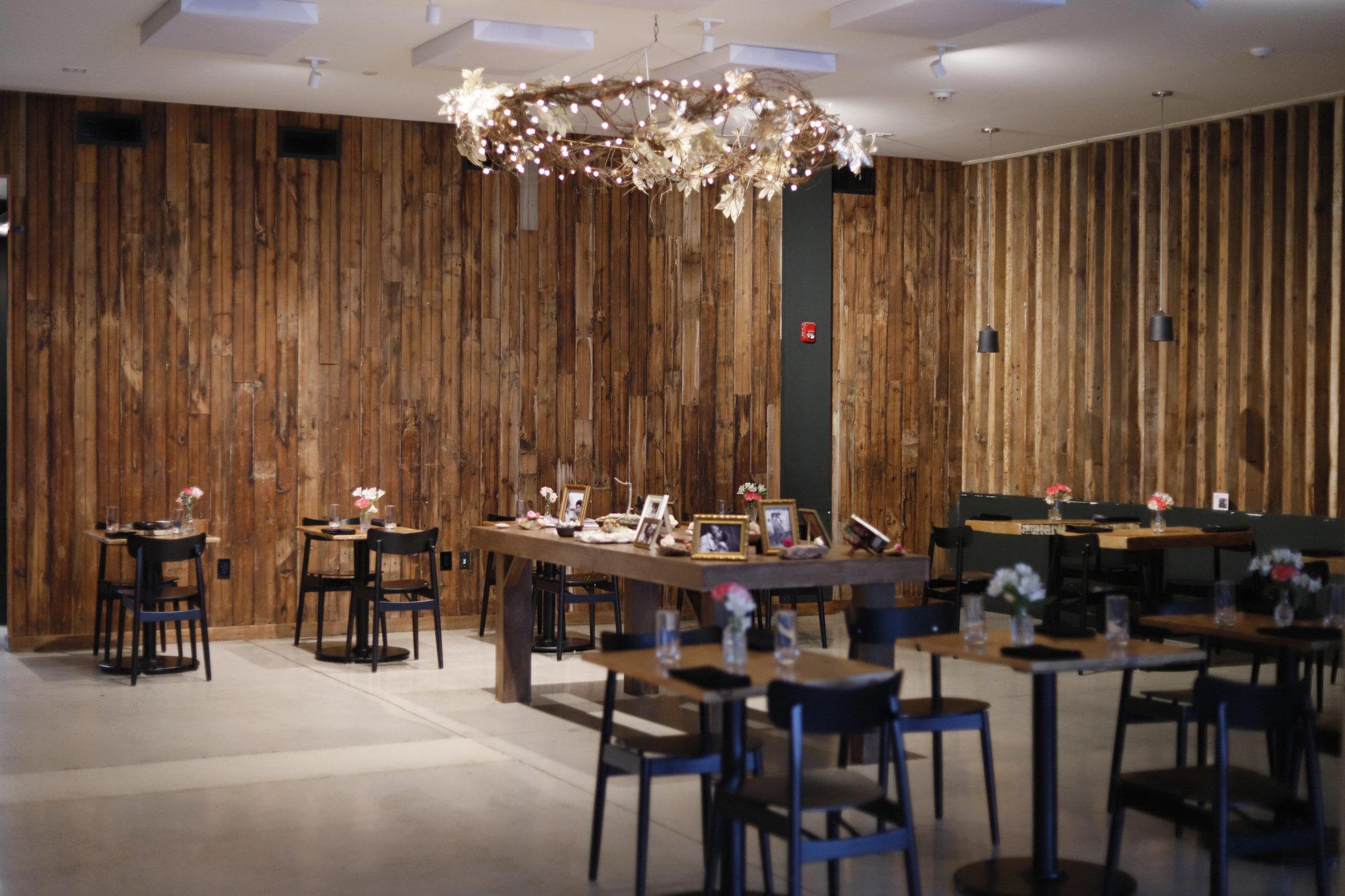
Bars in Philadelphia
Browse all →
Details
- Cozy
- Intimate
- Date Night
- Special Occasion
- Open Kitchen
- Craft Cocktails
- Farm To Table
- Local Sourcing
- A La Carte
Current opening hours
- Monday
- 5–10 PM
- Tuesday
- 5–10 PM
- Wednesday
- 5–10 PM
- Thursday
- 5–10 PM
- Friday
- 5 PM–12 AM
- Saturday
- 5 PM–12 AM
- Sunday
- 5–10 PM
Hours can change for holidays and private events. Last verified .
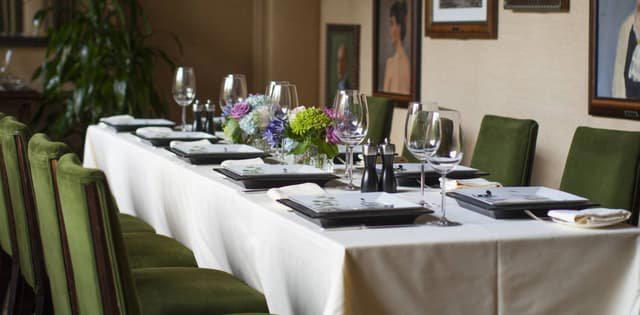
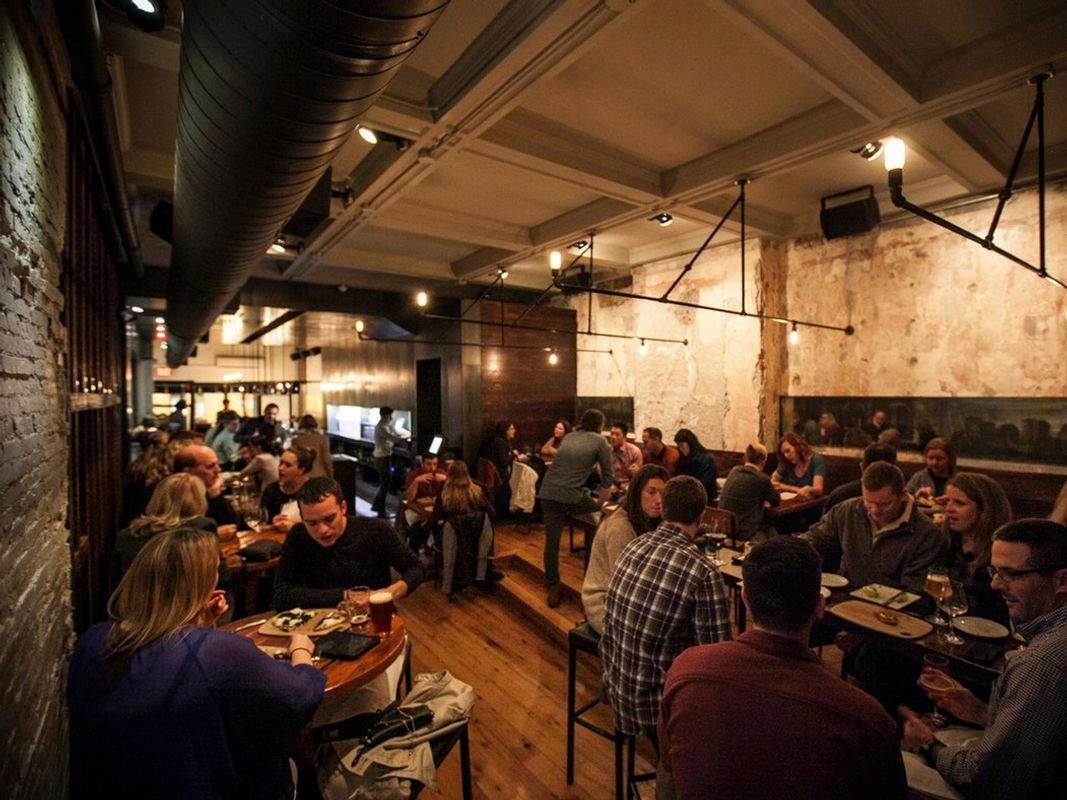
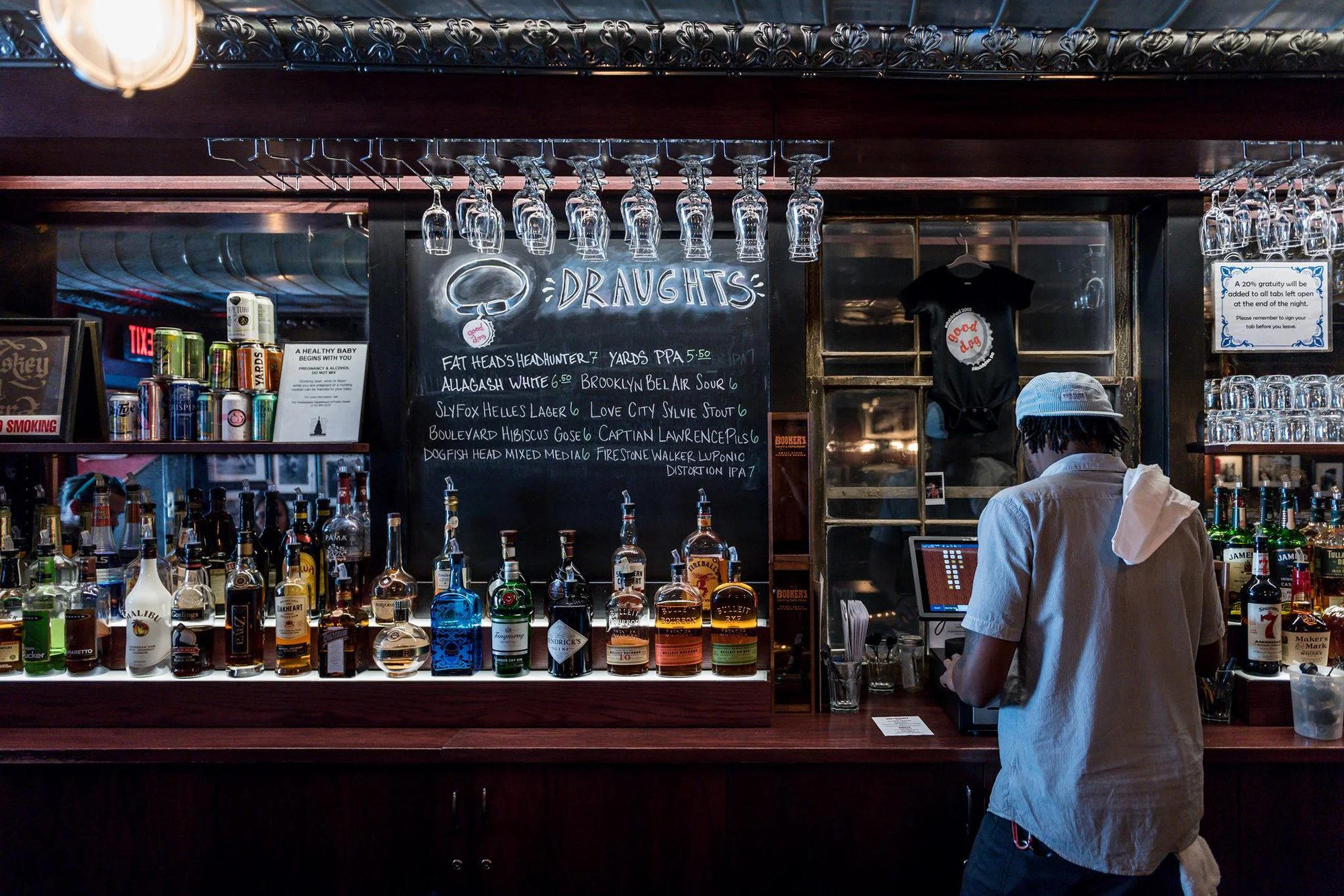
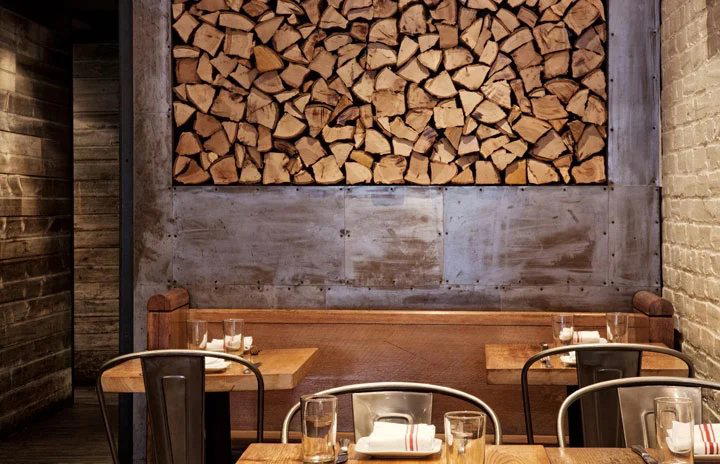
Cozy atmosphere with handmade ceramic dishware and upscale casual neighborhood bar vibe.