The Ritual Before the Food Arrives
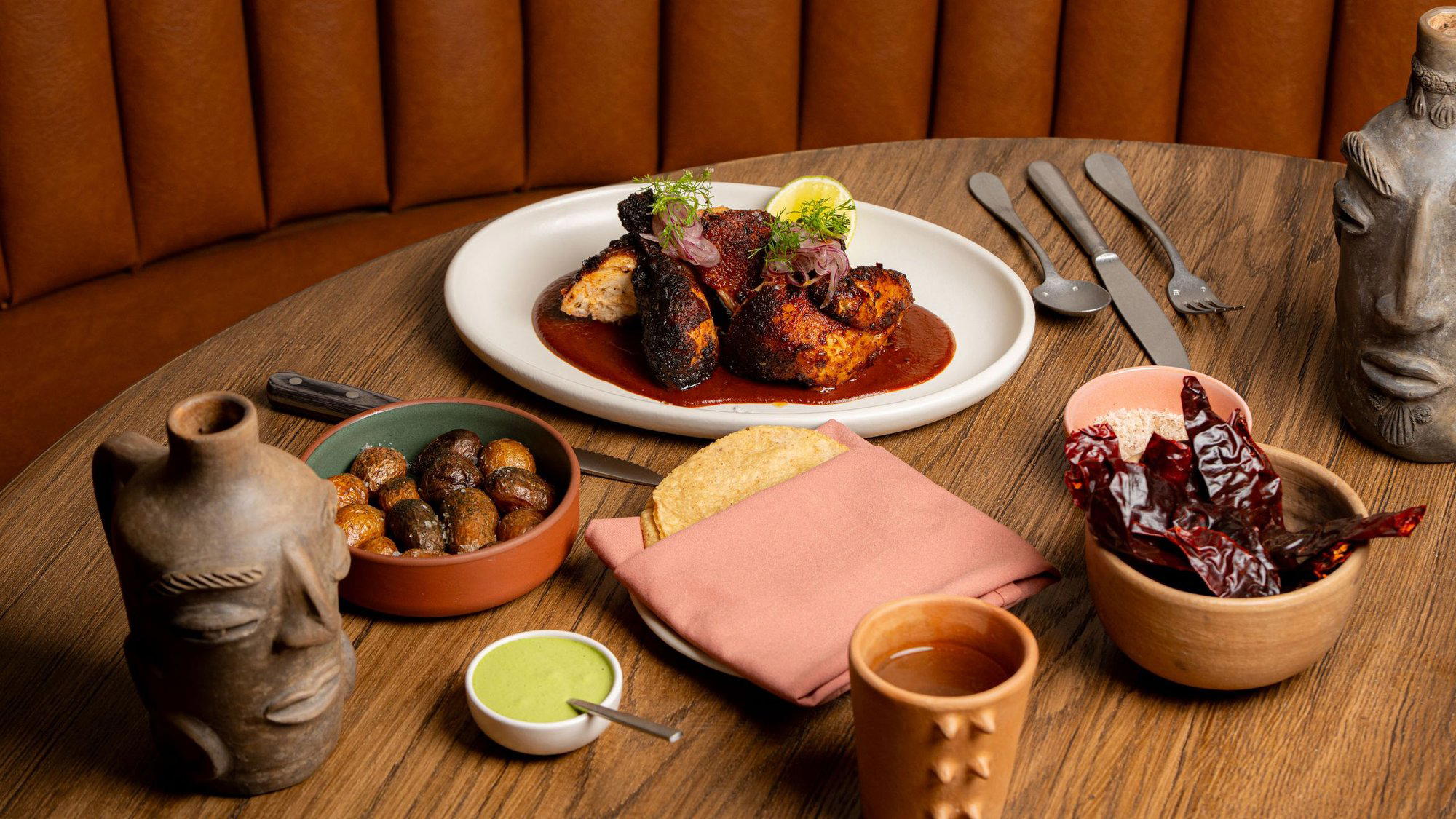
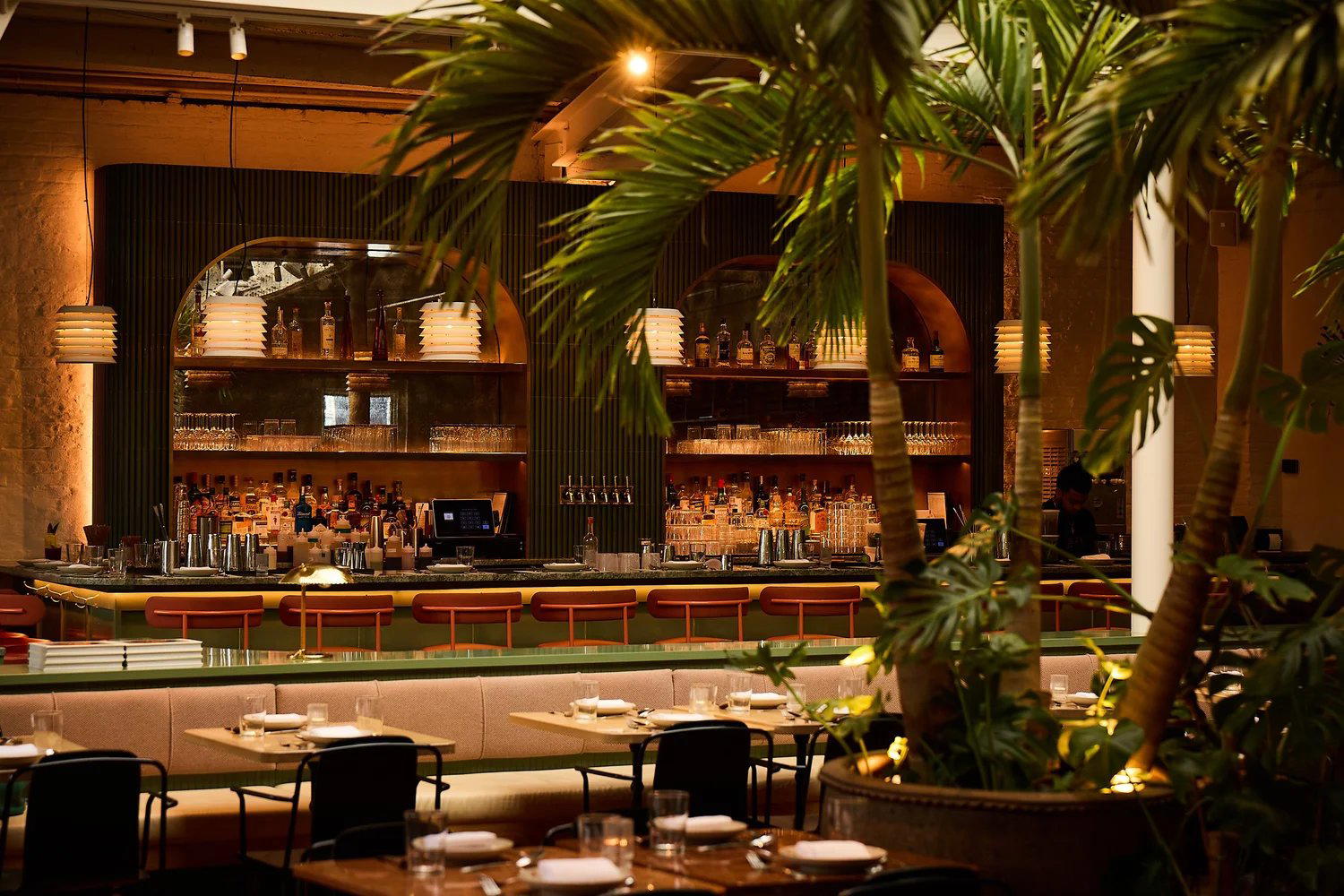
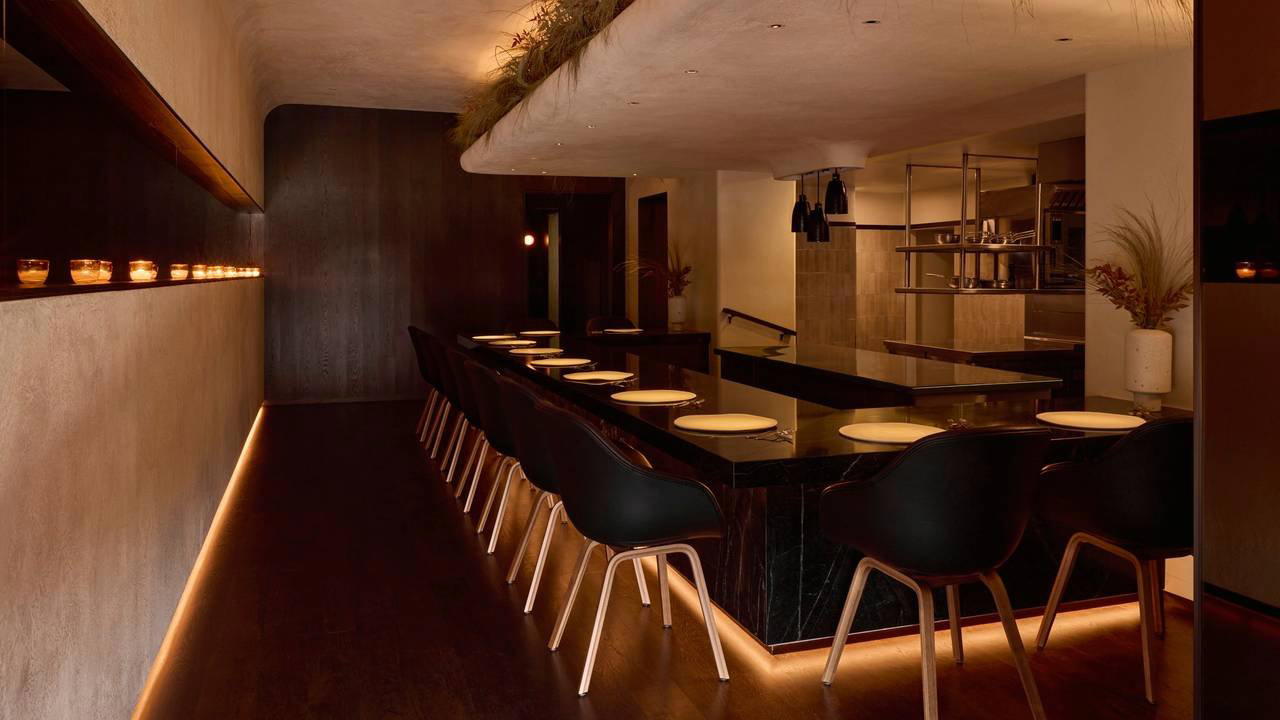
The editorial angle most useful for understanding Amá is not the menu itself but the pacing it implies. A restaurant earning this kind of recognition in a neighborhood that isn't a dining destination by default is making an implicit argument: the meal is the plan, not the prelude to something else. That argument structures everything from how tables are configured to the rhythm of service.
This dynamic has become one of the more interesting fault lines in American restaurant culture. On one side sit the highly produced tasting-menu formats, where pacing is scripted and the diner is a participant in someone else's choreography. Think of the precision demanded at places like Alinea in Chicago or the agricultural totality of Single Thread Farm in Healdsburg. On the other side are restaurants that return agency to the table: meals that move at a human pace, where ordering is a conversation rather than a contract, and where the second glass arrives because the first one was good, not because a timer went off.
Amá occupies the latter position. The Resy recognition frames it as a place worth committing to on its own terms, which is a different credential than a Michelin star or a 50 Best ranking. Resy's Hit List tends to identify restaurants where the experience is consistent enough to recommend to a friend without caveats, and where the room has its own character rather than borrowing one from a trend cycle.
Where Amá Sits in the Philadelphia Dining Order
Philadelphia's dining geography has a useful internal logic. The high-end tasting counter format is represented but not dominant, which means the city's better neighborhood restaurants absorb diners who, in New York, might default to a reservation at Atomix or, at the upper register, Le Bernardin. Philadelphia diners with serious appetites have developed a habit of spreading across the city's neighborhoods rather than concentrating in a single district, which is how a restaurant on West Oxford Street can accumulate the kind of attention that lands it on a national shortlist.
Mawn, with its Cambodian and Pan-Asian frame, represents one kind of specificity. My Loup, working through a French-inspired lens, represents another. These are not interchangeable options on a single evening's shortlist; they are distinct arguments about what a meal in Philadelphia can mean. Amá makes its own argument, and the 2025 Resy recognition suggests that argument is landing.
For comparison across American dining more broadly, the restaurants that tend to occupy this middle register between neighborhood accessibility and genuine culinary ambition often prove more durable than either the grand institution or the trend-forward opening. Lazy Bear in San Francisco built its reputation on a similar kind of commitment before accumulating more formal recognition. Emeril's in New Orleans defined an era through neighborhood-level credibility before becoming a reference point. Amá is earlier in that arc, but the Resy signal indicates it is moving along it.
Planning a Visit
Amá is located at 101 W Oxford Street in the Olde Richmond section of North Philadelphia, accessible from Center City by a short drive or rideshare north. The neighborhood is not a dense dining cluster, which means the visit functions as a standalone commitment rather than part of a multi-stop evening. Given the Resy placement and the kind of word-of-mouth that precedes national shortlist recognition, booking ahead is the practical approach. Walk-in availability on prime evenings is unlikely to be reliable, particularly now that the 2025 Hit List has broadened awareness beyond the local regulars who established its reputation.
The Resy platform is the logical starting point for reservations, consistent with how Hit List restaurants typically manage their bookings. For broader trip planning across Philadelphia's restaurant scene, bars, and places to stay, our full Philadelphia restaurants guide maps the current dining picture across neighborhoods, and our full Philadelphia hotels guide covers accommodation options across price tiers. Visitors with time to explore beyond restaurants will find further reference in our Philadelphia bars guide, our Philadelphia wineries guide, and our Philadelphia experiences guide.
For diners who have worked through the city's more established addresses and want to understand where Philadelphia's dining energy is moving, Amá represents a useful next stop. The 2025 Resy Hit List has a reasonable track record of identifying the restaurants that define a city's next phase rather than celebrating the previous one. Whether that trajectory holds at Amá is a question the meal will answer more reliably than any preview.