Amá sits within Philadelphia's growing cohort of cocktail bars that treat waste reduction as a technical discipline rather than a marketing angle. The program centers on culinary-style drinks built around anti-waste principles, placing it alongside bars nationally that have moved the conversation from sustainability as concept to sustainability as craft. A focused alternative to the city's more conventional bar scene.
 Discover on Pearl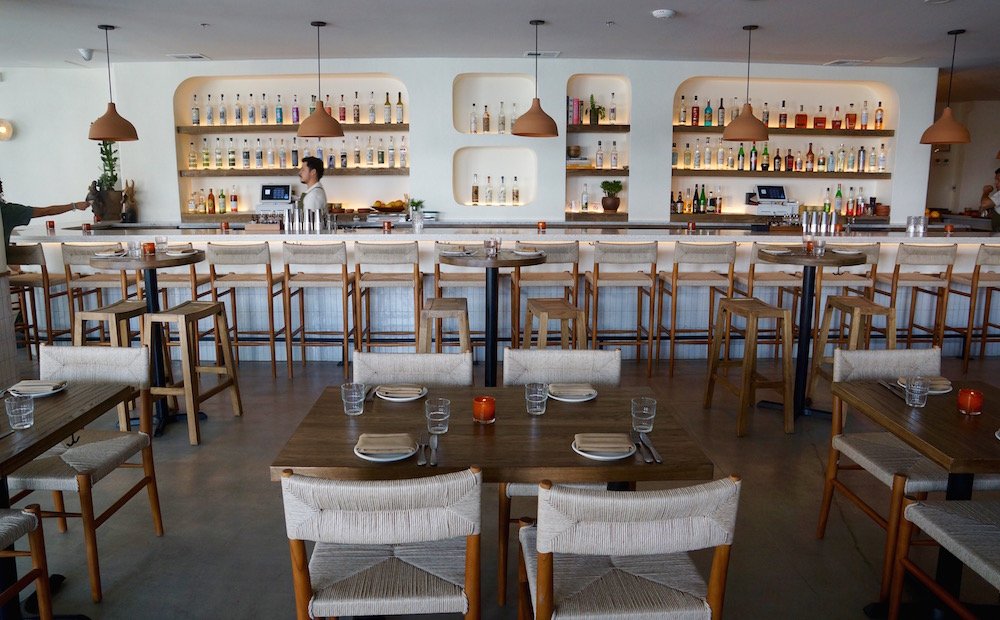
Where Philadelphia's Cocktail Scene Gets Serious About Waste
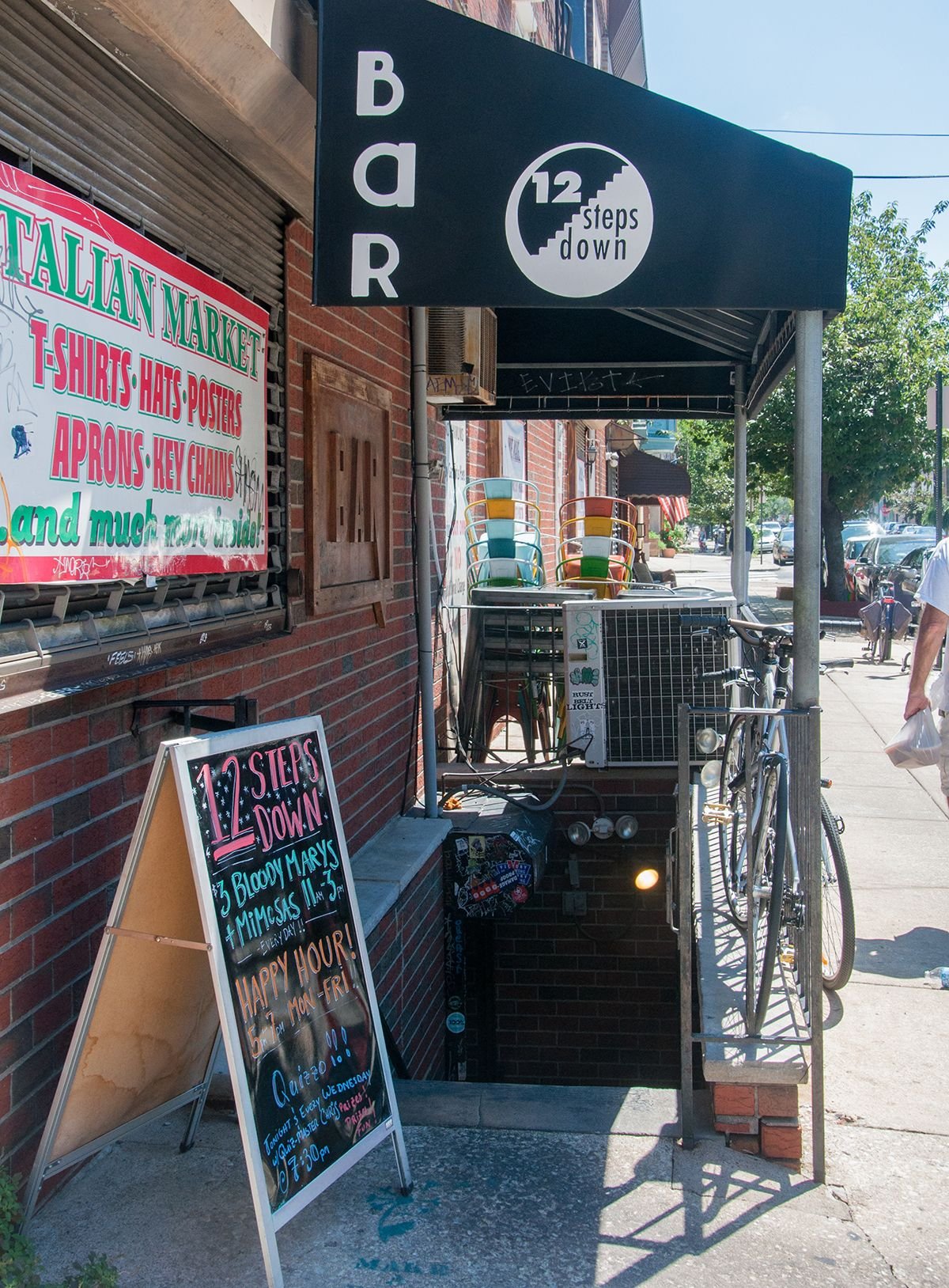
Philadelphia's bar culture has spent the better part of a decade sorting itself into legible tiers. The dive bar tradition that anchors neighborhoods like Fishtown and South Philly remains intact, represented by places like 12 Steps Down and 1501 Passyunk Ave. Above that, a craft cocktail layer has thickened considerably, with venues ranging from music-forward spaces like 48 Record Bar to the more culinarily curious 637 Philly Sushi Club. Amá occupies a narrower niche within that craft tier: a bar where the technical discipline behind the drinks is grounded in an anti-waste philosophy that runs through the entire program, not just the menu copy.
Anti-waste cocktail programs have evolved considerably across North American bar culture over the past several years. What began as a loose commitment to using citrus peels and spent herbs has matured, at the more serious end, into full culinary integration: cordials built from vegetable trim, spirits infused with coffee grounds, clarified juices from bruised fruit that would otherwise be discarded. Amá's culinary-style approach to cocktails positions it within this more disciplined cohort, alongside programs nationally that have treated zero-waste methodology as a genuine technical constraint rather than an ethical flourish.
The Anti-Waste Framework, Translated to the Glass
The bars that have pushed anti-waste cocktail thinking furthest tend to share a kitchen sensibility. Programs like Kumiko in Chicago have drawn on Japanese ingredient philosophy to extract value from what conventional bar operations discard. Jewel of the South in New Orleans applies classical technique to similar ends. Bar Leather Apron in Honolulu runs a tight, technically precise program where the absence of waste is a structural feature rather than an afterthought. What connects these programs is that the constraint itself generates creativity: when you cannot default to fresh-squeezed juice that goes unused by close, you develop new methods.
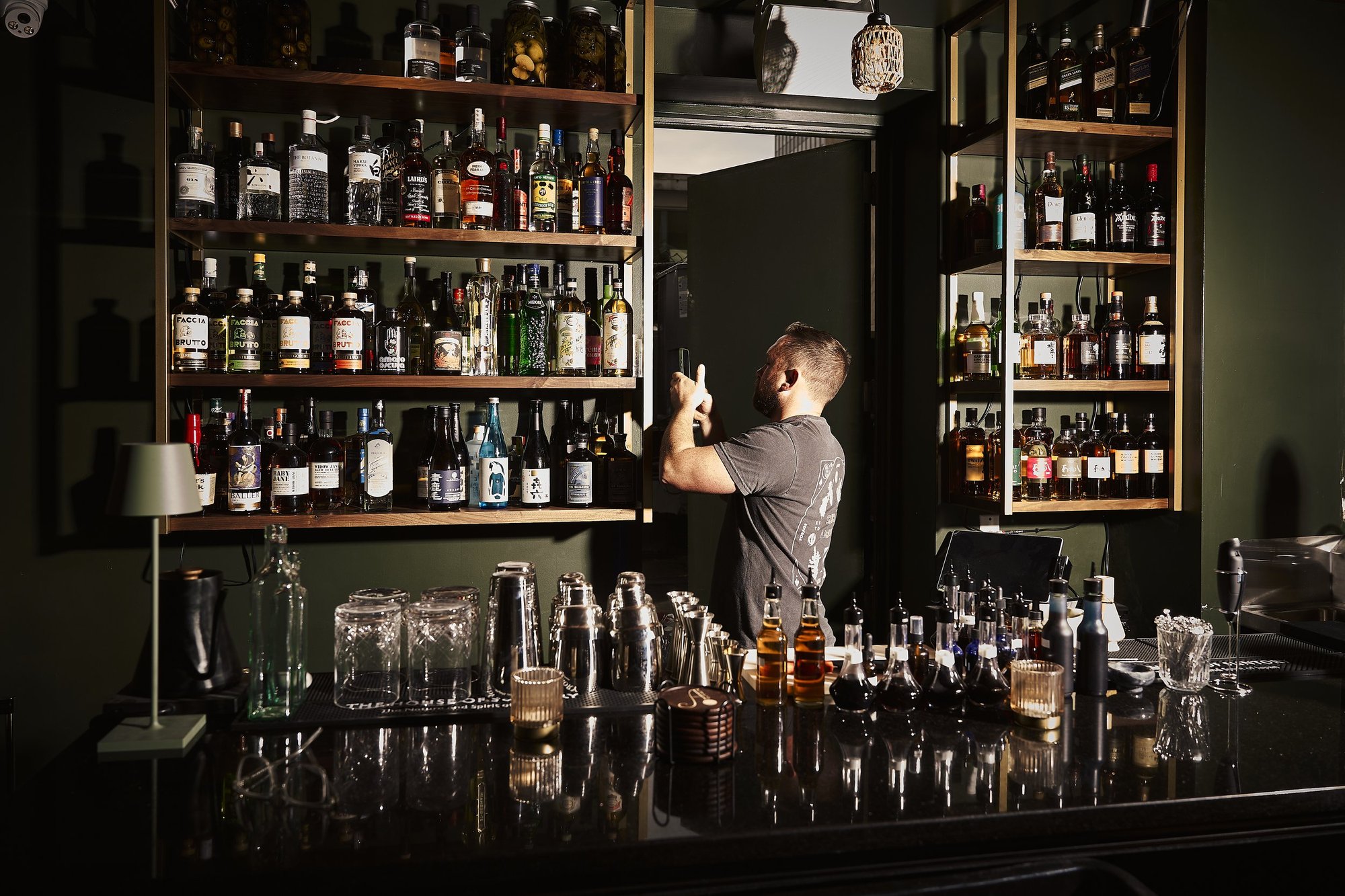
Amá's culinary-style framing suggests a similar orientation. Drinks conceived through a culinary lens typically involve longer preparation cycles, house-made components, and an attention to ingredient yield that conventional cocktail production rarely demands. The discipline required to build a full menu around those principles is not trivial, and bars that commit to it tend to develop programs that read as more cohesive than menus assembled from individual showpiece drinks.
How This Kind of Program Evolves
Anti-waste bar programs don't arrive fully formed. They typically begin with isolated decisions — saving citrus oleo saccharum here, dehydrating garnishes there — before the underlying logic gets systematized into something that shapes every drink on the menu. The editorial angle of evolution matters here because what defines a bar like Amá is not a fixed identity but a direction of travel. Programs built around culinary-style thinking tend to deepen over time as the team accumulates technique and the production infrastructure catches up with the ambition.
Nationally, the bars that have made the most of this approach are those that allowed the constraint to compound. Superbueno in New York City built a distinct identity through ingredient specificity. Julep in Houston developed a focused program that deepened rather than expanded over time. ABV in San Francisco placed technical precision at the center of its identity from early on. The trajectory for bars operating in this register tends to be one of increasing specificity: the longer the program runs, the more the waste-reduction logic gets baked into sourcing decisions, production schedules, and ultimately the flavor logic of the drinks themselves.
For a city like Philadelphia, where the cocktail scene is increasingly confident but still finding its national footing, a program with this kind of structural ambition represents a meaningful point of differentiation. The city's bar culture has produced credible craft offerings, but the bars that have pushed deepest into technique , rather than atmosphere or novelty , remain a smaller subset.
Placing Amá in a Broader Conversation
The culinary-cocktail crossover has been one of the more durable developments in American bar culture over the past decade. What started as chef-adjacent experimentation has become a recognized program type, with dedicated competitions, a growing body of technique literature, and training pipelines that blur the line between kitchen and bar. The Parlour in Frankfurt on the Main represents a European iteration of this convergence, where bar programs operate with the same ingredient seriousness as the kitchen next door.
Amá's positioning within this conversation is clearer than its positioning within Philadelphia's immediate competitive set. The anti-waste framework is a legible signal to a specific kind of drinker: someone interested in what's in the glass and why, rather than where the bar appears on a neighborhood crawl. That's a narrower audience than the one that fills South Philly's more casual spots on a Friday, but it's also a more loyal one. Bars built around genuine technical programs tend to develop the kind of repeat clientele that sustains them through trend cycles, because the appeal isn't atmospheric novelty , it's craft that develops over time.
For context on where Amá fits within the broader Philadelphia drinking scene, our full Philadelphia restaurants and bars guide maps the city's current tier structure across neighborhoods and formats.
Planning Your Visit
Specific booking details, hours, and pricing for Amá are not confirmed in our current database. As with most craft cocktail programs operating in this format, the practical approach is to check directly with the venue before planning around it. Bars in this register typically operate on evening schedules with limited seatings, and programs built around house-made components can shift seasonally as ingredient availability changes. Given the culinary-style structure of the drinks, arriving without a reservation on a weekend is a less reliable strategy than it might be at a higher-volume bar.
Frequently Asked Questions
- Is Amá more low-key or high-energy?
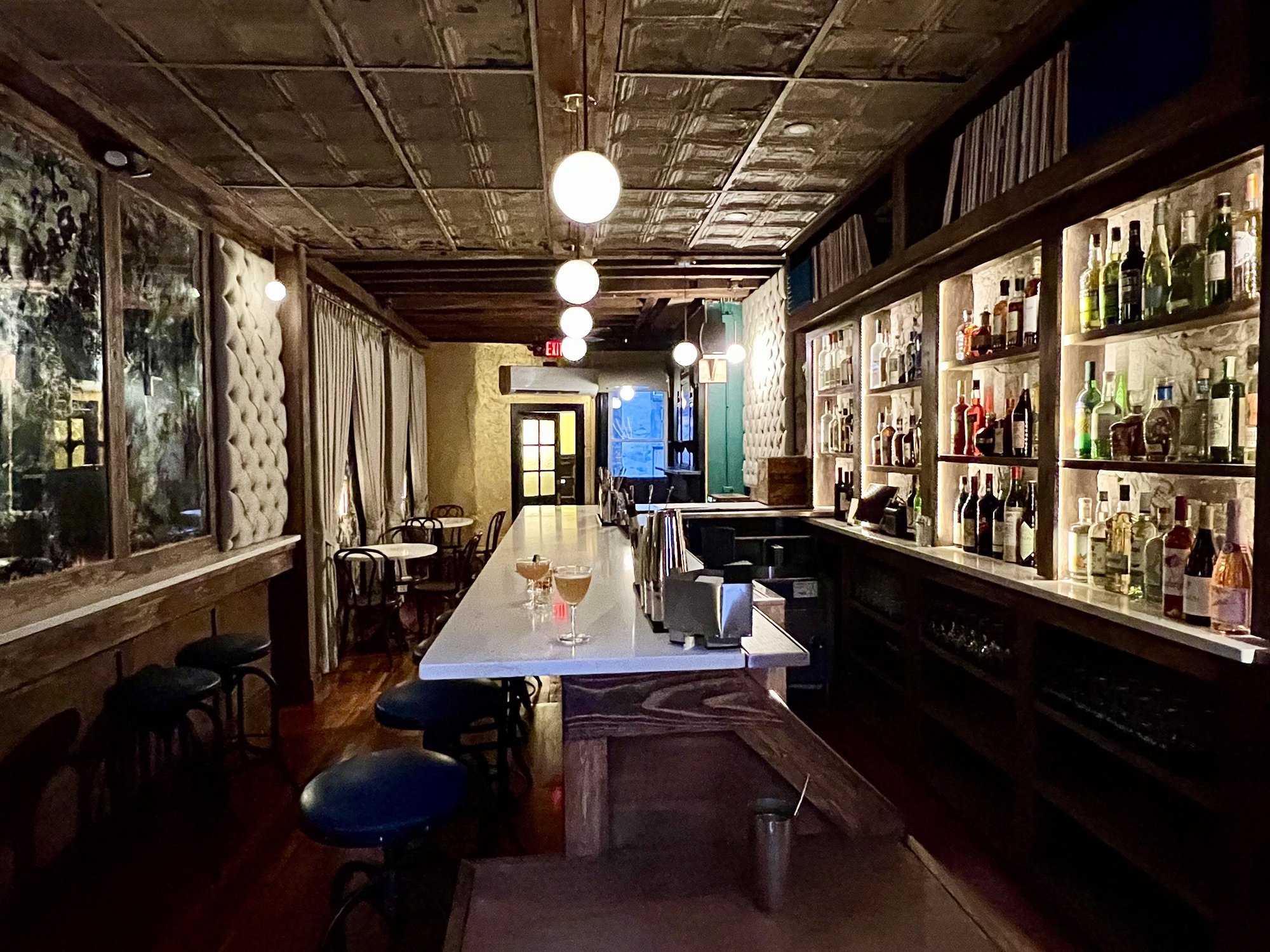
- Based on its positioning as a culinary-style anti-waste cocktail bar, Amá reads as belonging to the more focused, lower-key tier of Philadelphia's craft bar scene. Bars built around technical production programs tend to prioritize the drink over the room's energy, which generally produces a quieter, more deliberate atmosphere. That said, without confirmed data on capacity or format, the specific vibe on a given night is worth verifying directly.
- What should I try at Amá?
- The core program at Amá is built around culinary-style cocktails developed through an anti-waste methodology. That framework typically produces drinks where house-made components, unusual ingredient pairings, and extended preparation cycles are the point. Without confirmed menu data, the most reliable strategy is to ask the bar team what's currently driving the program , in bars of this type, the most technically interesting drink is rarely the one with the most familiar name.
- What's the standout thing about Amá?
- In a Philadelphia bar scene that has plenty of craft options, Amá's anti-waste discipline as a structural principle sets it apart from bars where sustainability is a menu note rather than a production method. The culinary-style approach means the program operates with a kitchen logic that most cocktail bars don't attempt. That's a meaningful distinction in a city where the upper tier of bar programming is still developing its identity.
- How does Amá's anti-waste approach compare to similar programs nationally?
- Anti-waste cocktail programs have become a recognized format across American bar culture, with notable examples in Chicago, New Orleans, Honolulu, and San Francisco. What distinguishes the more serious iterations is that waste reduction functions as a production constraint, not a marketing claim , it shapes which ingredients get used, how they're processed, and what gets on the menu. Amá's culinary-style framing places it within that more disciplined cohort, in a city that has not previously been associated with this particular bar format, which gives the program a degree of local distinctiveness by default.
At a Glance
These are the closest comparables we have in our database for quick context.
| Venue | Notes | Price |
|---|---|---|
| Amá | This venue | |
| Almanac | Japanese-inspired craft cocktails; hyper-seasonal, in-house fermentation | |
| Next of Kin | Cocktails, bar snacks | |
| Sacred Vice Brewing – Berks (taproom) | Brewery taproom; beer-focused, vinyl music selection | |
| Tria | ||
| Irwin's |
Continue exploring
More in Philadelphia
Bars in Philadelphia
Browse all →
Restaurants in Philadelphia
Browse all →
At a Glance
- Trendy
- Modern
- Lively
- Date Night
- Group Outing
- Special Occasion
- Standalone
- Seated Bar
- Lounge Seating
- Craft Cocktails
- Mezcal
- Tequila
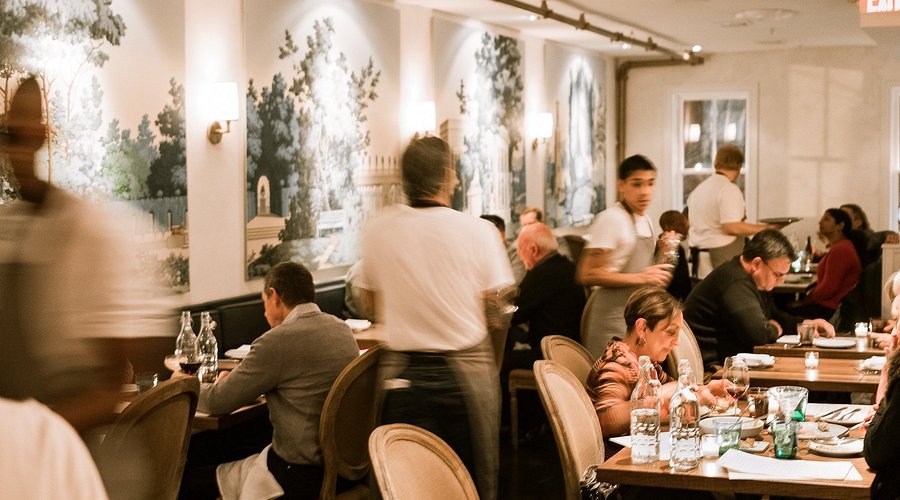
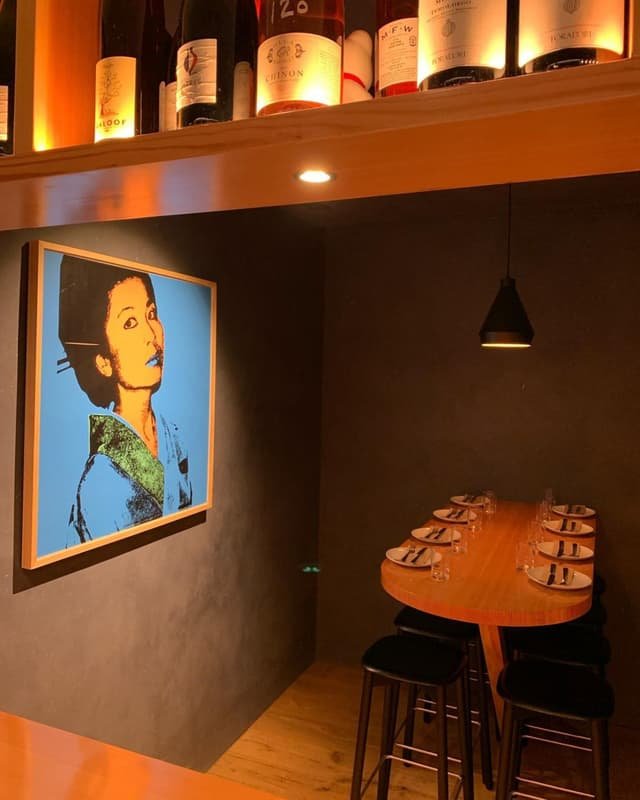
Modern open-wall design with sliding windows creating an airy, trendy atmosphere.