637 Philly Sushi Club
Our verdict
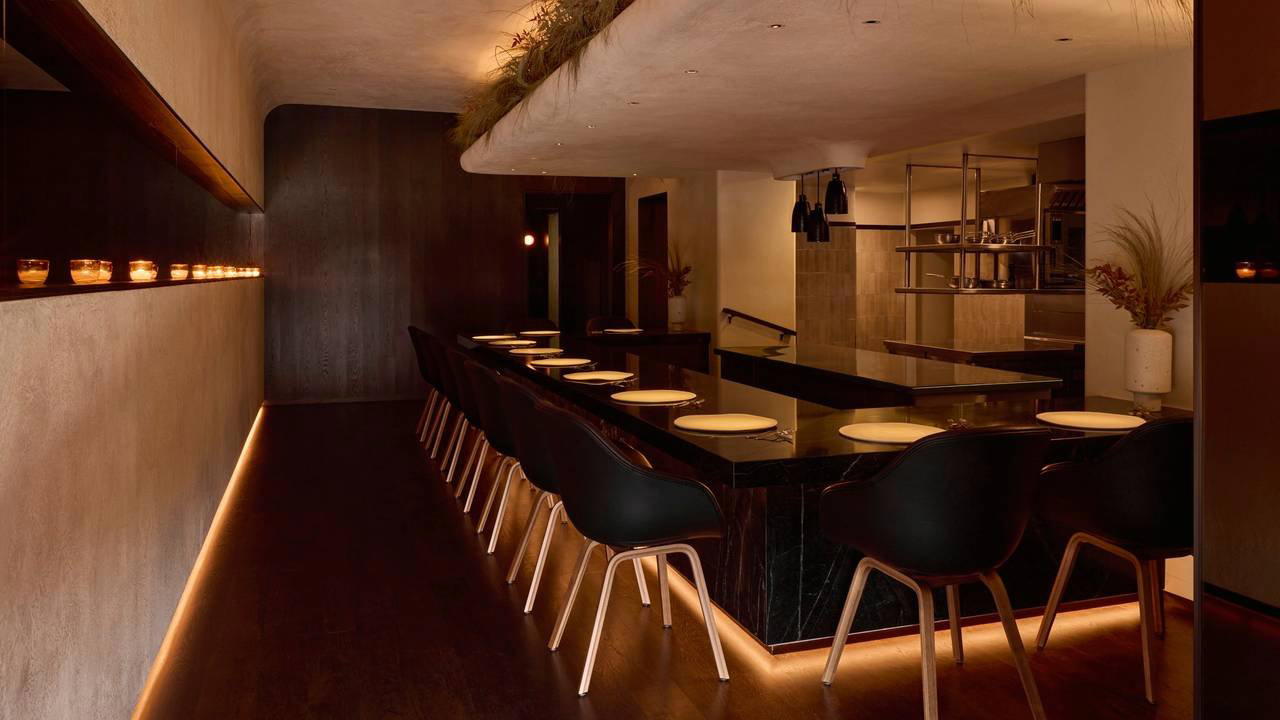
637 Philly Sushi Club operates out of a concealed space inside Yanaga Kappo Izakaya on North 3rd Street, placing it within a small national tier of reservation-only omakase formats that use existing restaurant infrastructure as cover. The format rewards planning: walk-ins don't apply here. Philadelphia's most discussed under-the-radar sushi experience demands advance coordination and delivers an intimate, counter-driven meal in return.

Pearl is the En Primeur Club membership app — saves, bookings, and concierge access live there. Same editors, same standards.
- Address
- Hidden Inside of Yanaga Kappo Izakaya, 637 N 3rd St, Philadelphia, PA 19123
- Phone
- (215) 305-4130
- Hours
- Mon–Tue ClosedWed 7–9 PMThu 7–10:30 PMFri–Sat 6–10:30 PMSun 6–8 PM
- Website
- ykisushi.com
- Directions
- Get directions
- Booking
- Book on OpenTable
The menu
What to order
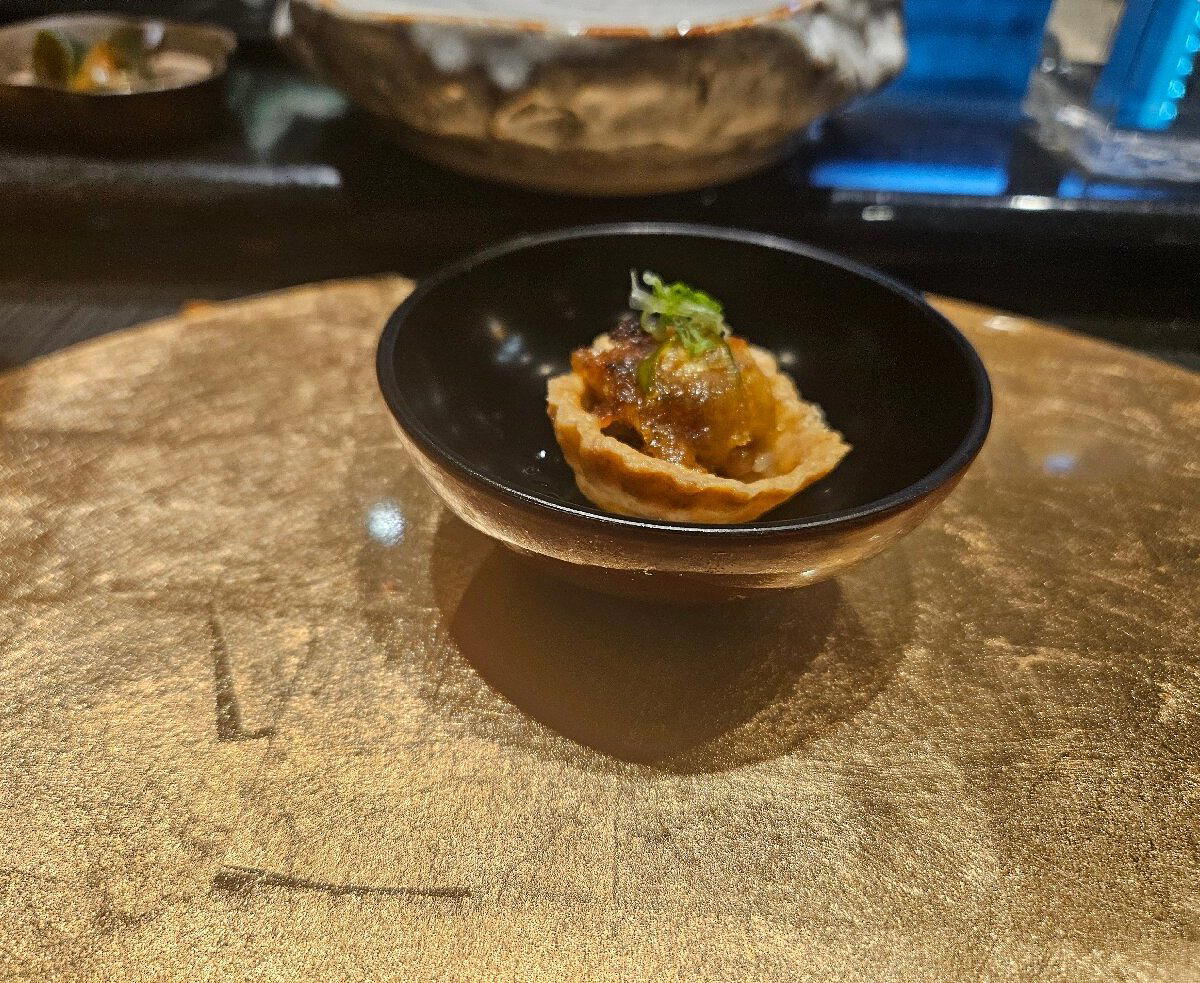
- Japanese deviled egg with toro tartare
- Hand-pressed bozushi
- Black cod hand roll
The Format Before the Fish
Philadelphia's serious dining scene has spent the past decade diversifying well past its cheesesteak shorthand, producing a generation of ambitious restaurants that hold their own against coastal peers. Fork and Friday Saturday Sunday anchor the New American end of that conversation, while Kalaya and Mawn have pushed the city's appetite for Southeast and South Asian cooking into genuine national recognition. Omakase, however, occupies a different register entirely — one defined less by neighborhood character and more by access architecture.
637 Philly Sushi Club sits at the deliberate end of that access spectrum. The operation runs inside Yanaga Kappo Izakaya at 637 N 3rd Street in Philadelphia's Northern Liberties district, a neighborhood that has absorbed several years of restaurant energy without yet acquiring the predictable polish of more tourist-facing corridors. The outer address is the izakaya. The sushi club itself is what you're after, and finding your way to it begins before you arrive at the door.
Concealment as Design Choice
Across American cities, a specific format has taken hold in premium sushi: the counter-within-a-counter, the reservation-only room appended to a more accessible host venue, the experience that uses existing infrastructure to limit scale and maintain control over the dining sequence. Lazy Bear in San Francisco built an early version of this logic for its prix-fixe format. Alinea in Chicago has long separated its experience tiers behind different booking systems. The underlying principle is consistent: scarcity, when genuine, changes the nature of what you're eating before the first course arrives.
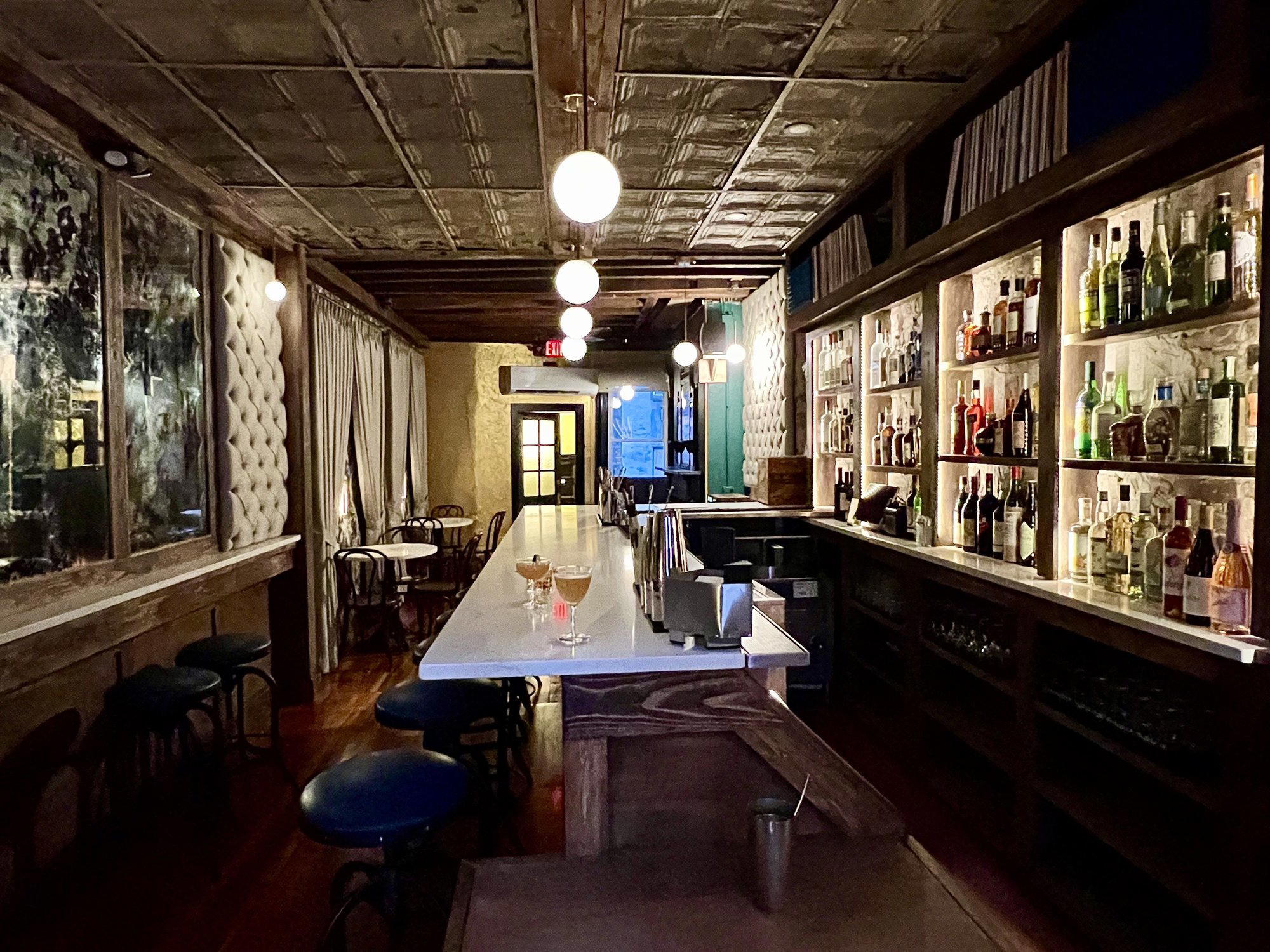
637 Philly Sushi Club applies that principle through physical concealment. Operating inside a functioning izakaya means the club has no independent street presence, no visible signage that differentiates it from its host, and no walk-in pathway. The izakaya format — Yanaga's kappo-inflected approach to Japanese drinking food, provides cover in the most literal sense. What happens behind or within that context is arranged entirely in advance.
This structure places 637 Philly Sushi Club alongside a small national tier of experience-led sushi formats that have chosen depth over volume. Compare the model to Atomix in New York City, which maintains a similarly controlled, reservation-driven architecture for its Korean tasting format, or the counter discipline visible at Providence in Los Angeles. The common thread is that the booking process is part of the product.
Planning Your Visit: What the Format Demands
The editorial angle that matters most for 637 Philly Sushi Club is logistical. This is not a restaurant you discover by walking past it on a Friday evening. The address resolves to the izakaya exterior, not to a dedicated entrance with its own identity. Anyone arriving without a confirmed reservation is arriving at the wrong venue, functionally speaking.
Northern Liberties sits north of Old City and is accessible by the Market-Frankford Line with a short walk from the Spring Garden or Girard stations. The neighborhood is walkable once you're in it, and the block on N 3rd Street sits within easy reach of the district's broader restaurant and bar cluster. Timing your arrival matters: the surrounding area operates at a different pace than, say, Rittenhouse Square, and the izakaya context suggests the evening begins on the host venue's terms, not the guest's.
Booking intelligence is limited by available public data, but the structural reality is clear: a concealed-format omakase operating inside another restaurant has finite capacity by definition. Counter seating in omakase formats of this type typically runs between six and twelve seats per service. If the format follows standard American omakase conventions, seatings are fixed in time, not staggered. That means the window for securing a place is narrow, and the cost of miscommunication, wrong date, wrong party size, unclear confirmation, is a missed seat.
For reference, the booking difficulty at this tier of American omakase has intensified significantly since 2020. Formats at The French Laundry in Napa and Single Thread Farm in Healdsburg open reservation windows weeks or months in advance. Comparable Philadelphia omakase formats operate on similar lead times. Treat the booking as the first commitment in the experience, not an afterthought.
Where This Sits in Philadelphia's Sushi Conversation
Philadelphia does not have the omakase density of New York or Los Angeles, which makes the formats that do operate here carry proportionally more weight in the local conversation. The city's Japanese dining has historically skewed toward accessible izakaya, ramen, and Japanese-American fusion, with serious omakase representing a narrow but growing niche. My Loup on the French-inspired end, and the izakaya tradition represented by Yanaga itself, frame the range of Japanese-adjacent cooking Philadelphia has supported.
A concealed omakase counter inside an established izakaya is a particular bet on format loyalty: the guests who find it are self-selecting for the experience before they've eaten a single piece of fish. That selectivity tends to produce a different room than a conventional restaurant, smaller, more engaged, with a higher tolerance for the constraints the format imposes. Whether those constraints resolve into a meal worth the planning is the question only a confirmed reservation can answer.
For context on what the American omakase tier looks like at its most decorated, Le Bernardin in New York City and Blue Hill at Stone Barns in Tarrytown represent the benchmark for seafood precision and ingredient-driven tasting formats respectively. Addison in San Diego and The Inn at Little Washington show how deeply the format has embedded itself in American fine dining's DNA beyond the coasts. 8½ Otto e Mezzo Bombana in Hong Kong and Emeril's in New Orleans extend the frame internationally and regionally, illustrating how reservation-architecture has become a feature, not a bug, of serious dining across formats.
637 Philly Sushi Club, operating at a more intimate scale in a city still building out its omakase infrastructure, occupies a position that depends on its format discipline holding. The concealment is not a gimmick if the meal earns it. For more on Philadelphia's broader dining options, see our full Philadelphia restaurants guide.
Frequently asked questions
How do I find 637 Philly Sushi Club?
637 Philly Sushi Club is located at Hidden Inside of Yanaga Kappo Izakaya, 637 N 3rd St, Philadelphia, PA 19123, Philadelphia.
Where exactly is 637 Philly Sushi Club located, and how do I find it?
637 Philly Sushi Club operates inside Yanaga Kappo Izakaya at 637 N 3rd St, Philadelphia, PA 19123, in the Northern Liberties neighbourhood. The entrance is through or adjacent to the izakaya, so arriving at the street address puts you at the right building. Confirming access details with the venue at the time of reservation is advisable, as the concealed counter format means it is not signposted independently.
What's the must-try dish at 637 Philly Sushi Club?
No specific menu items are publicly documented for 637 Philly Sushi Club. The format — a reservation-only counter operating inside Yanaga Kappo Izakaya at 637 N 3rd St — suggests a structured omakase sequence rather than an à la carte selection, meaning the kitchen dictates what you eat. check the venue's official channels through Yanaga Kappo Izakaya to confirm current offerings.
Can I walk in to 637 Philly Sushi Club?
No. The club operates inside Yanaga Kappo Izakaya at 637 N 3rd St, Philadelphia, and the concealed counter format is by design reservation-only. Turning up without a booking will put you in the izakaya dining room, not at the sushi counter. Secure a reservation before arrival.
What's the signature at 637 Philly Sushi Club?
The defining characteristic is structural rather than culinary: a dedicated sushi counter hidden within Yanaga Kappo Izakaya in Philadelphia's Northern Liberties, a format that keeps seatings small and access controlled. This counter-within-a-venue model, increasingly adopted by serious omakase operations across American cities, is the concept itself.
Peers Worth Knowing
Comparable venues nearby, for context on price, style, and recognition.
| Venue | Cuisine | Price | Notes |
|---|---|---|---|
| 637 Philly Sushi ClubThis venue — the venue you are viewing | Exclusive Omakase Sushi | Not listed | Not listed |
| Zama | Modern Japanese Sushi & Omakase | $30–50 | Rittenhouse Square |
| Scampi | Modern Italian Tasting Menu | $100–150 | South Street |
| Bibou | Classic French Fine Dining | Not listed | Italian Market |
| Fuji Mountain | Japanese Sushi and Seafood | $20–30 | Rittenhouse Square |
| Terakawa Ramen | Authentic Japanese Ramen | $20–30 | Chinatown |