Alma de Cuba
Our verdict
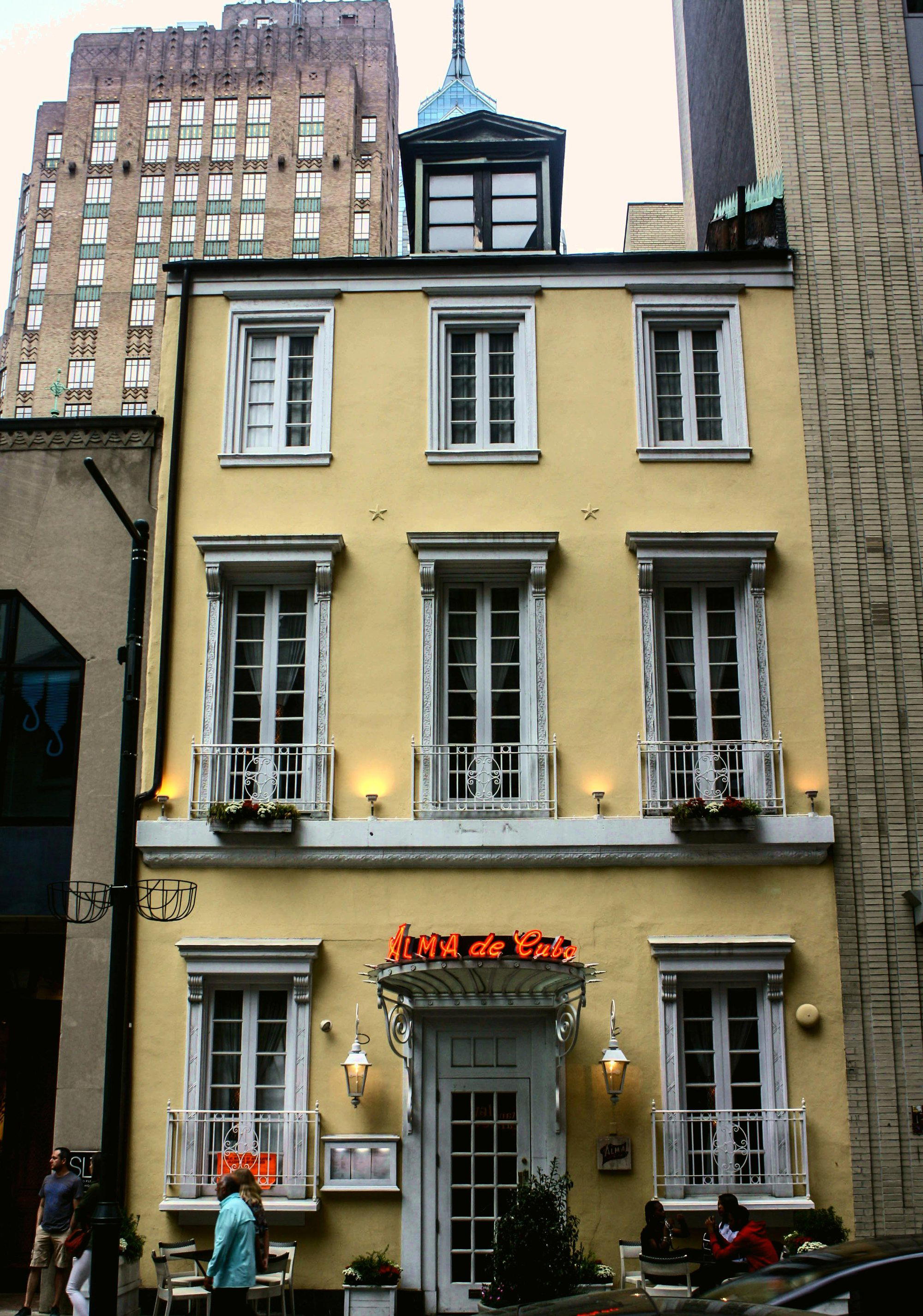
On Walnut Street in Center City Philadelphia, Alma de Cuba occupies a category that Philadelphia does well: Latin-inflected dining in a setting built for atmosphere as much as appetite. The address places it in the thick of the city's mid-block dining corridor, where the competition runs from polished New American to sharp-edged Filipino, and the room itself does much of the initial work before a plate arrives.

Pearl is the En Primeur Club membership app — saves, bookings, and concierge access live there. Same editors, same standards.
- Address
- 1623 Walnut St, Philadelphia, PA 19103
- Website
- almadecubarestaurant.com
- Directions
- Get directions
The menu
What to order
- Fire and Ice Ceviche
- Lechon Asado
- Skirt Steak with Black Beans and Tomato Escabeche
- Duck Empanadas
Walnut Street and the Room That Arrives Before the Food
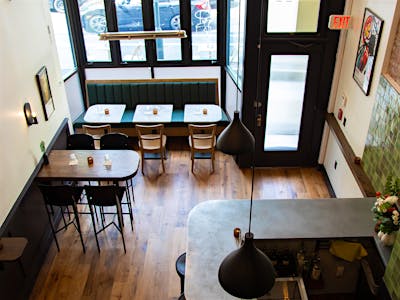
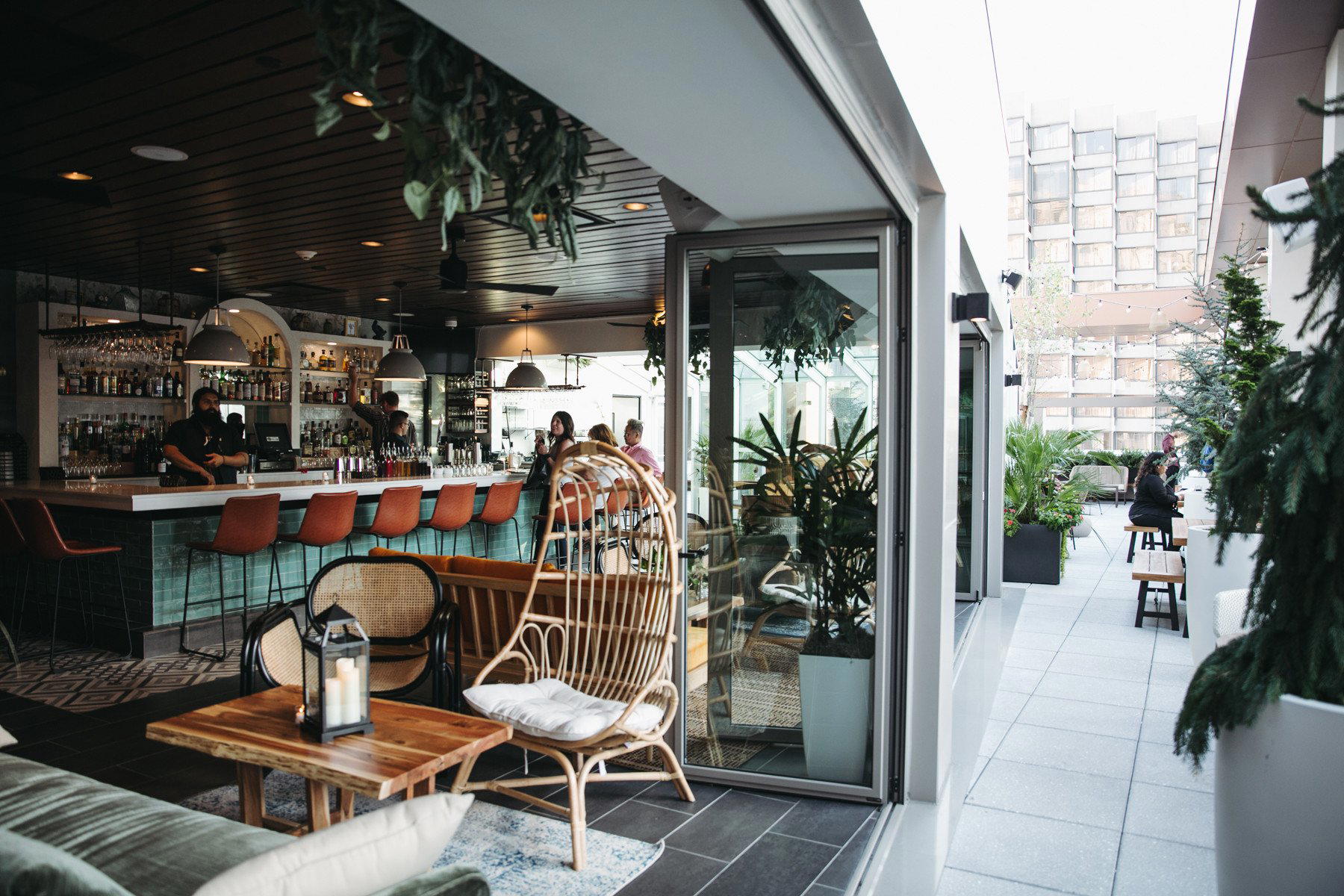
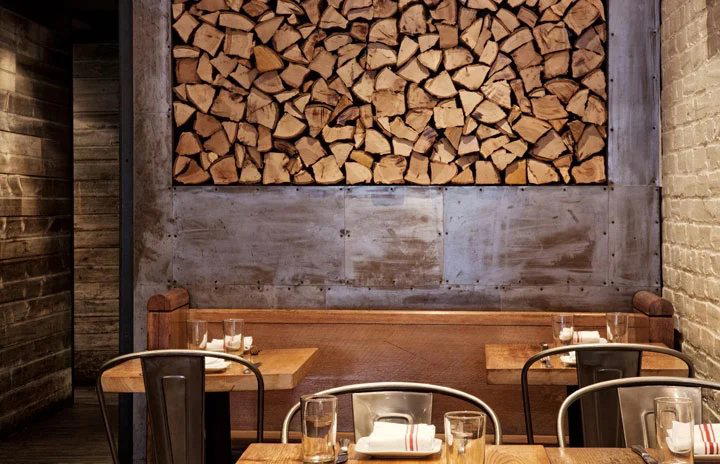
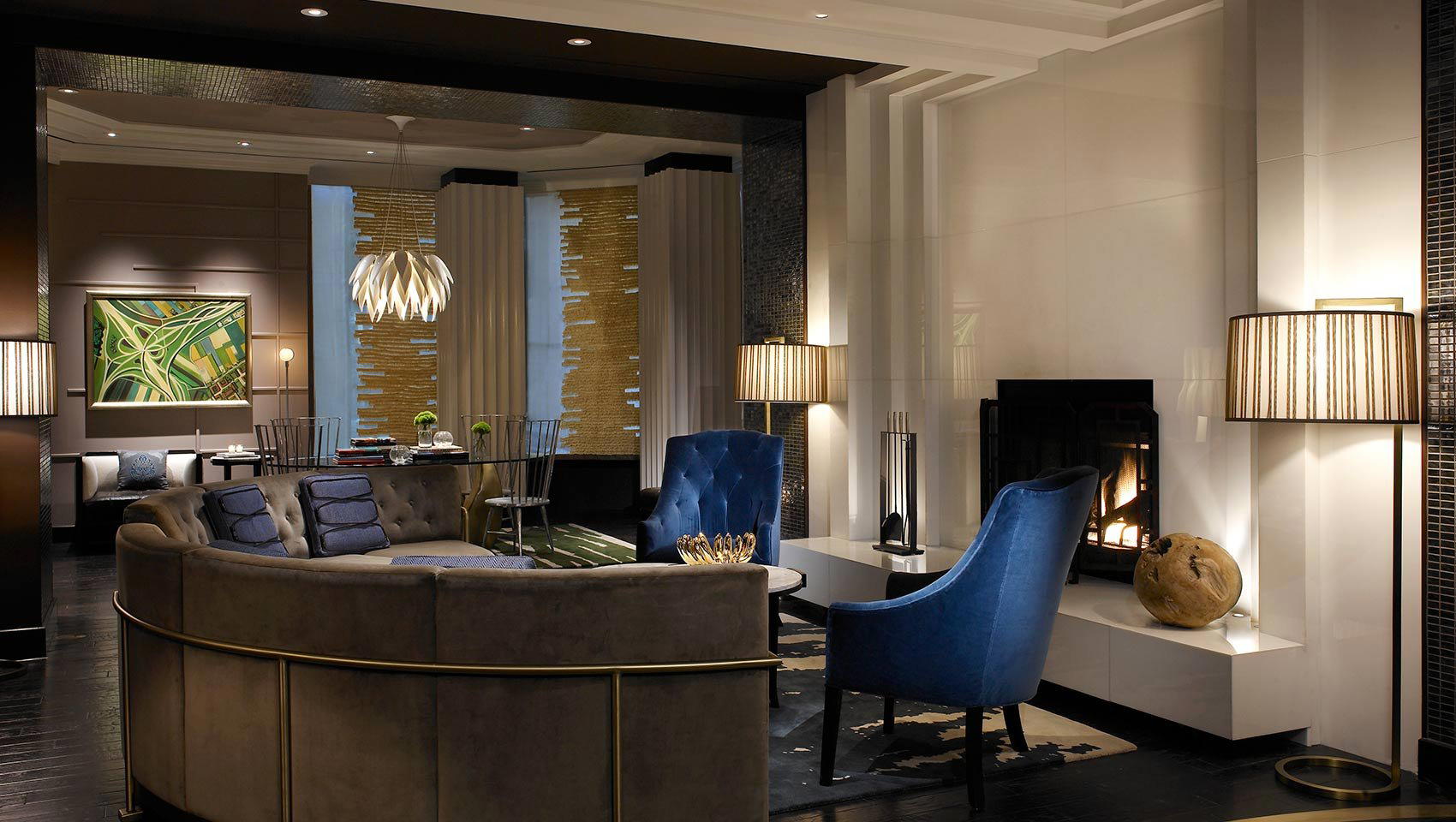
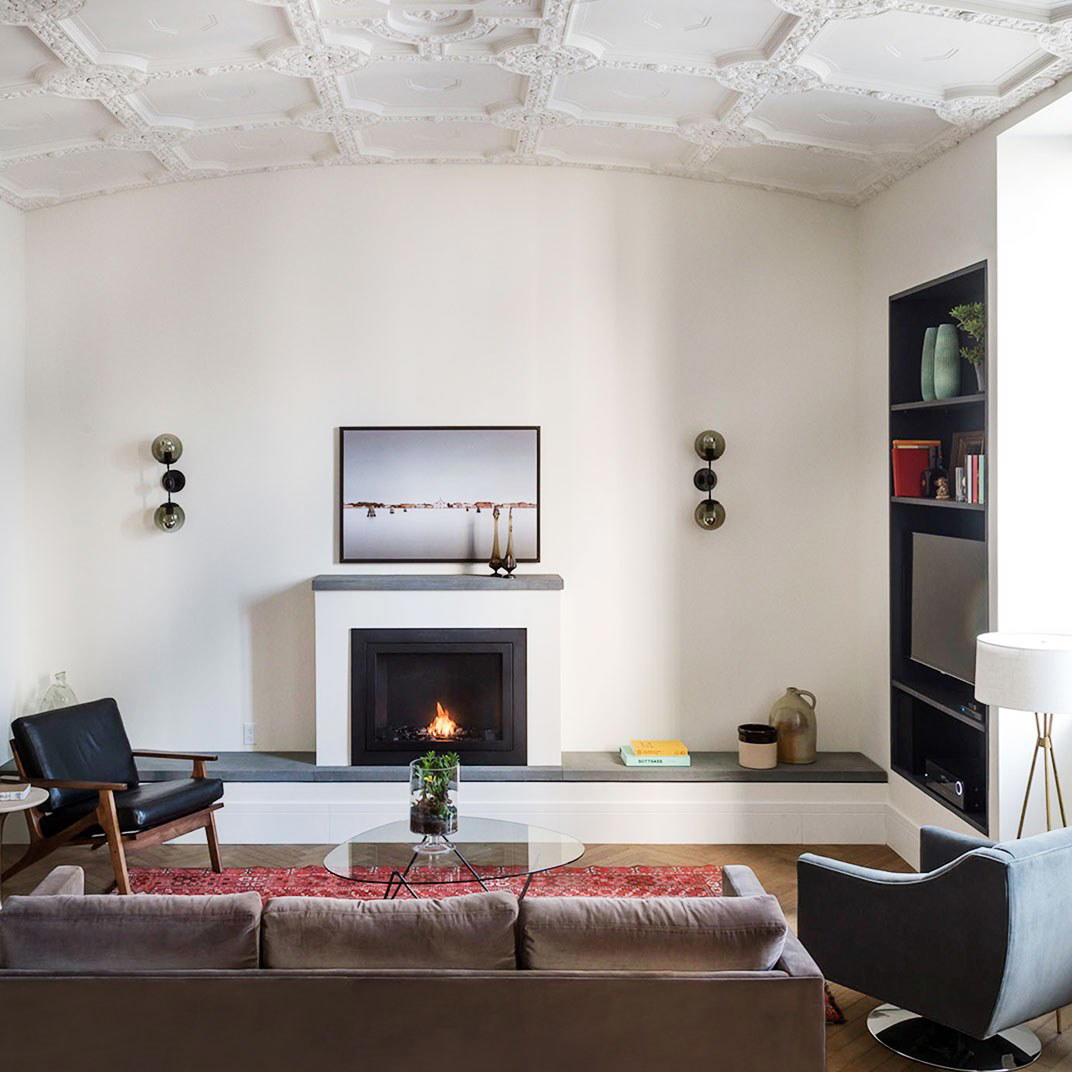
There is a recognizable grammar to Center City Philadelphia's dining rooms along Walnut Street: the high ceilings, the crowd noise that suggests density rather than chaos, the lighting calibrated to make an early Thursday feel like a late Saturday. Alma de Cuba, at 1623 Walnut St, works within that grammar and then pushes against it. The address is one of the more trafficked stretches of Philadelphia's restaurant corridor, where the sidewalk outside offers a compressed survey of how the city eats across a single block. Inside, the shift in register is immediate. Cuban-inflected design vocabulary — warm tones, a layered bar presence, a vertical sense of space — sets Alma de Cuba apart from the more restrained New American rooms that characterize much of this stretch.
The sensory experience here begins at the door. The sound profile inside is active rather than subdued, the kind of ambient energy that Philadelphia's mid-to-upper tier restaurant scene tends to cultivate on Rittenhouse-adjacent blocks. That energy is neither accidental nor incidental: Latin dining rooms in American cities have historically leaned into warmth and volume as atmospheric signals, and Alma de Cuba participates in that tradition while sitting in a city where the comparison class runs toward Fork and Friday Saturday Sunday, both of which operate with considerably quieter registers.
Cuban Cooking in an American City: What the Category Means Here
Cuban cuisine in the United States occupies a specific position in the broader Latin cooking conversation. It is not the same category as Mexican regional cooking, which Philadelphia addresses with real seriousness at places like South Philly Barbacoa, nor does it share the pan-Asian breadth of newer arrivals like Mawn. Cuban cooking, as interpreted in upscale American dining rooms, draws from a set of ingredients and techniques, plantains, citrus-forward marinades, slow-cooked proteins, rum in various forms, that translate into a recognizable flavor profile even when the kitchen's treatment is contemporary rather than traditional.
Alma de Cuba operates in that interpreted register. The kitchen's approach, as with most Cuban-inflected fine dining in the Northeast, works within the tension between fidelity to a culinary tradition and adaptation for a Philadelphia clientele whose palate is shaped by the city's own ingredient culture and dining expectations. That tension is not a flaw; it is the engine of the category. At its most effective, it produces cooking that is warmer and more aromatic than the French-influenced rooms up the street, and more structured than the casual Cuban counters that populate other parts of the city.
The Bar as a Second Dining Room
One of the structural facts about Alma de Cuba is that the bar program carries significant weight in the overall experience. Rum-based cocktail programs are among the more demanding to execute with consistency: the base spirit's variance across production styles, ages, and origins requires a level of category fluency that not every bar achieves. Mojitos, daiquiris, and more ambitious rum constructions form the backbone of a Latin-inflected bar in this price tier. The bar at Alma de Cuba functions as a destination in itself, which means the room works on multiple tracks simultaneously, as a dining destination, as a cocktail stop before or after, and as a social space that activates earlier in the evening than the dining room proper.
That dual function places Alma de Cuba in a different competitive set than, say, the tasting-menu rooms Philadelphia visitors might consider. The comparison is less to My Loup's focused French-inspired format and more to the kind of full-service, atmosphere-forward rooms that cities like New York, Miami, and Chicago have developed around Latin cuisine. Among US fine dining rooms with similar atmospheric ambitions, the range runs from the technically restrained approach of Le Bernardin in New York City on one end to the more experiential, multi-course format of Lazy Bear in San Francisco on the other. Alma de Cuba sits in neither of those poles; it occupies the middle register where atmosphere and cuisine carry roughly equal weight.
Positioning Within Philadelphia's Dining Tier
Philadelphia has developed a restaurant scene over the past decade that punches above what its national profile might suggest. The city's Michelin footprint, though smaller than New York or Chicago, reflects a kitchen culture that takes technique seriously. Alma de Cuba is not a Michelin-chasing tasting-menu operation in the manner of rooms like Smyth in Chicago or Providence in Los Angeles; it is a full-service restaurant built around a cuisine type that Philadelphia's dining public does not encounter at the density it finds New American or French cooking.
That relative scarcity gives Alma de Cuba a positioning advantage that more crowded categories do not enjoy. In a city where the better-known upscale rooms skew toward European culinary traditions, a Cuban-inflected kitchen with serious bar credentials and a room designed for a full evening occupies its own space in the market. The Walnut Street location amplifies this: foot traffic from Rittenhouse Square and the theater district creates a natural audience for a restaurant that works as well for pre-theater dining as for a seated two-hour dinner.
Planning a Visit: What to Know
Alma de Cuba sits at 1623 Walnut St, directly accessible from Center City and within walking distance of Rittenhouse Square. For visitors building a Philadelphia itinerary around the city's restaurant scene, it anchors an evening well when paired with a pre-dinner walk through the square or a post-dinner bar stop along the same corridor. For the full picture of where Alma de Cuba fits among Philadelphia's dining options, the EP Club Philadelphia restaurants guide provides context across the city's full range of cuisine types and price tiers.
Reservations are advisable for weekend evenings, when the combination of the bar crowd and dining room occupancy creates consistent demand. Midweek visits offer easier access and a somewhat more measured pace in the room, which suits guests whose priority is the food rather than the social atmosphere. The bar is accessible without a reservation on most nights, making it a practical option for visitors who want to experience the program without committing to a full dinner booking in advance.
Frequently asked questions
Is Alma de Cuba suitable for children?
Alma de Cuba's Walnut Street address puts it squarely in Philadelphia's adult dining circuit, where the bar program is central to the experience and the room runs loud on busy evenings. Families with younger children may find the energy and late-night crowd a mismatch. Older children comfortable with a lively dining room should have no issue.
Is Alma de Cuba formal or casual?
The room on Walnut Street reads as dressed-up casual rather than formally dressy — Center City Philadelphia's prevailing register for serious dinner spots. You won't see ties required, but the crowd typically arrives in something beyond jeans and sneakers. Think sharp but relaxed.
How does Alma de Cuba fit into Philadelphia's broader Latin dining scene?
Cuban cooking occupies a distinct lane within Philadelphia's Latin restaurant conversation, separate from the city's Mexican and South American offerings. Alma de Cuba's position on Walnut Street in Center City places it among Philadelphia's higher-profile dining addresses rather than in the neighborhood spots that anchor other Latin cuisines in the city. For visitors building a Philadelphia dining itinerary, it represents one of the few venues where Cuban food is the primary lens rather than a menu footnote.
What dish is Alma de Cuba famous for?
What is consistently noted is that the kitchen draws on Cuban cooking traditions, and the bar program commands as much attention as the food. Checking directly with the restaurant before visiting will give you the current menu picture.
How do I find Alma de Cuba?
Alma de Cuba is located at 1623 Walnut St, Philadelphia, PA 19103, Philadelphia.
Should I book Alma de Cuba in advance?
For dinner on Walnut Street in Center City Philadelphia, booking ahead is advisable, particularly on Thursday through Saturday evenings when the corridor runs at capacity. Walk-ins can sometimes be accommodated at the bar, which functions as a full second dining room in its own right. check the venue's official channels to confirm reservation options.
What's the standout thing about Alma de Cuba?
The bar program is the defining structural feature: rum-based cocktails are treated with the same seriousness as the kitchen output, which is uncommon in Philadelphia's Cuban dining category. That dual focus — kitchen and bar operating at comparable weight — gives the Walnut Street address a different shape from most Latin restaurants in the city.
Peers in This Market
| Venue | Cuisine | Price | Awards | Notes |
|---|---|---|---|---|
| Alma de CubaThis venue — the venue you are viewing | Modern Cuban & Nuevo Latino | $30–50 | Not listed | Not listed |
| Friday Saturday Sunday | Modern American Tasting Menu | $100–150 | 1 Michelin Star · World's 50 Best #40 | New American |
| Fork | Seasonal New American | Not listed | James Beard Award Outstanding Restaurateur #1 · Wine Spectator Award of Excellence | New American |
| South Philly Barbacoa | Authentic Mexican Barbacoa Taqueria | $10–20 | James Beard Award Best Chef: Mid Atlantic · Chef's Table Featured on Chef's Table | Mexican |
| Jean-Georges Philadelphia | Modern French Fine Dining | $200–300 | La Liste Top Restaurants · Wine Spectator Best of Award of Excellence | French |
| Helm | Seasonal New American Small Plates | $50–100 | Not listed | Filipino |
Continue exploring
More in Philadelphia
Restaurants in Philadelphia
Browse all →
Bars in Philadelphia
Browse all →
Details
- Romantic
- Elegant
- Sophisticated
- Lively
- Date Night
- Special Occasion
- After Work
- Celebration
- Live Music
- Open Kitchen
- Historic Building
- Design Destination
- Private Dining
- Craft Cocktails
- Extensive Wine List
- A La Carte
- Small Plates
- Mojitos
- Caipirinhas
- Pisco Cocktails
Evokes pre-Castro Havana with romantic ambient lighting, stylish décor, and elegant architectural details in a restored historic building; the bar area pulses with energy.