Sor Ynez
Sor Ynez occupies a ground-floor unit on North American Street in Philadelphia's Kensington-adjacent corridor, where the city's newer wave of independent restaurants has taken root away from the tourist-facing blocks of Old City and Rittenhouse. Positioned alongside Latin-influenced kitchens that have reshaped the Philadelphia dining conversation, it draws a crowd that treats the neighborhood as a destination rather than a compromise.
Pearl is the En Primeur Club membership app — saves, bookings, and concierge access live there. Same editors, same standards.
- Address
- 1800 N American St Unit G, Philadelphia, PA 19122
- Phone
- +12153092582
- Website
- sorynez.com
- Directions
- Get directions
 Saves & bookings on Pearl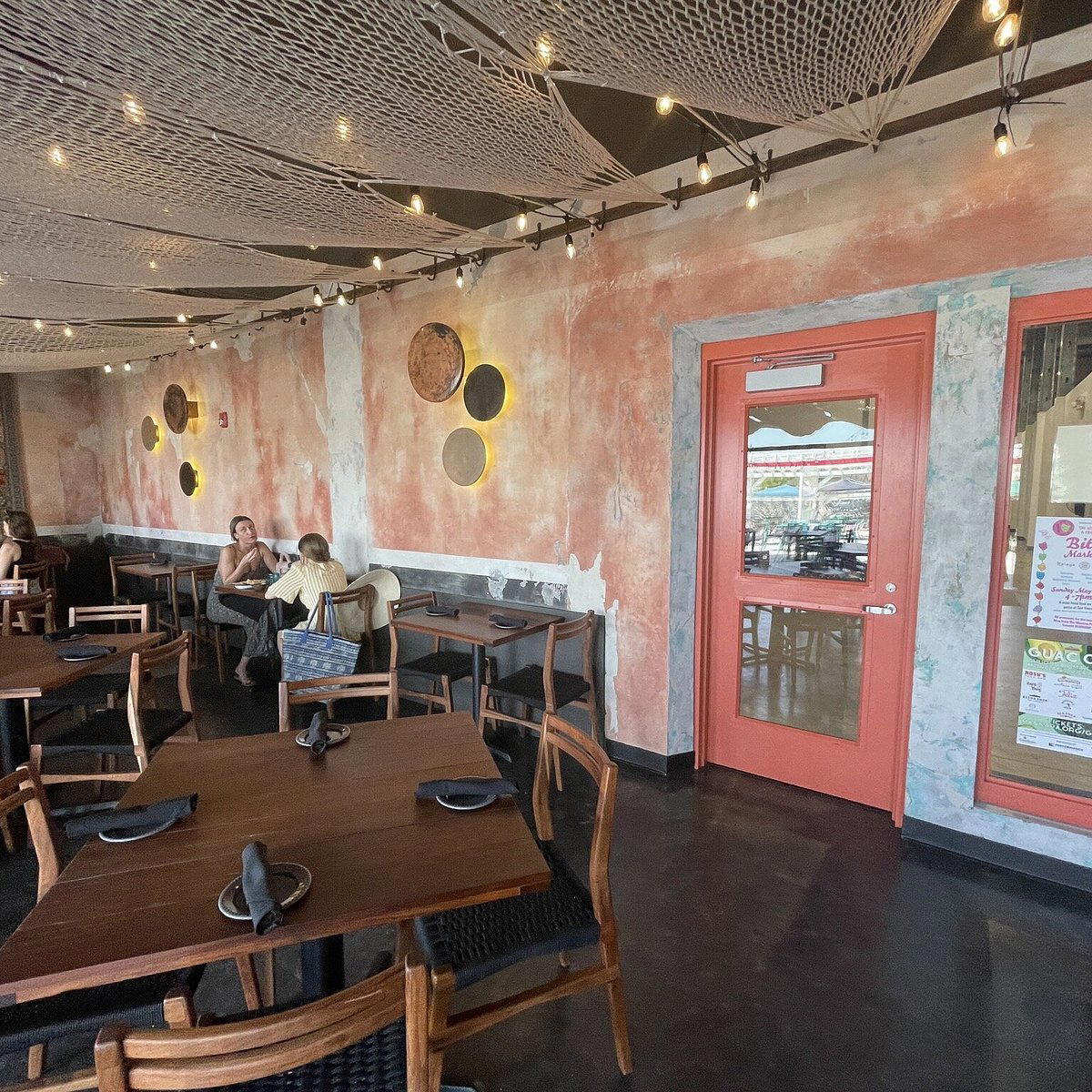
A Street That Rewrote the Map
Philadelphia's dining geography has shifted steadily northward over the past decade. The blocks around North American Street, once industrial in character and largely bypassed by restaurant-goers, now anchor a circuit of independent kitchens that operate outside the gravitational pull of Center City's established corridors. Sor Ynez, a Modern Rustic Mexican restaurant in Philadelphia, sits at 1800 N American Street inside this shift. The address alone signals something about what kind of restaurant this is: not a venue that opened where foot traffic was guaranteed, but one that opened where the rent allowed a certain kind of ambition to take shape without the pressure of a Rittenhouse Square lease.
In a city where Fork (New American) and Friday Saturday Sunday (New American) have long anchored the upscale end of the market with menus that read as classically American in their foundations, and where Kalaya and Mawn (Cambodian, Pan-Asian) have pushed the city's appetite for precision-driven non-European cooking, Sor Ynez occupies a register that Philadelphia has historically underserved: Latin-rooted, neighborhood-scaled, and deliberately unpretentious in format even when the cooking asks for serious attention.
Day Into Night: How the Experience Divides
The lunch-versus-dinner divide is one of the more reliable lenses through which to read a restaurant's real identity. At lunch, the city's restaurant scene tends toward pragmatism: faster turns, lighter plates, a crowd that is often mixed between professionals on a clock and regulars who know the room. At dinner, the same kitchen can become something categorically different, with longer pacing, more layered plates, and a clientele that has made a deliberate choice to be there.
In Philadelphia's North American Street corridor, that divide operates with particular clarity. The neighborhood's weekday daytime foot traffic is not the same as its evening crowd, and restaurants that open for both services have to work harder to bridge the two moods. A midday visit to this part of the city still carries the texture of a working neighborhood: the industrial units around the address, the lack of obvious tourist infrastructure, the sense that you found the place rather than that it was handed to you. By evening, the same room becomes the destination it was designed to be, with the crowd arriving from across the city rather than from the blocks immediately surrounding it.
A lunch here reads differently from a dinner in the same way that My Loup (French-Inspired) operates across two distinct registers depending on time of day: the kitchen's vocabulary stays consistent, but the social contract around it changes. At dinner, the investment of the evening, including the commute to an off-center address, sharpens attention on the food. At lunch, the experience is closer to a discovery, something you can tell people about with the authority of someone who sought it out.
Latin Cooking in a City Finding Its Footing
Philadelphia's relationship with Latin cuisine has historically been shaped by its South Philly Mexican community, where places like South Philly Barbacoa built reputations through craft and specificity rather than through formal dining-room ambition. The movement from community staple to destination restaurant has been gradual, and venues that operate in that in-between register, drawing from Latin tradition without either reducing it to comfort-food shorthand or overcoding it as fine dining, are still relatively uncommon in the city.
Sor Ynez appears to occupy this space. The North American Street address, the ground-floor unit format, and the neighborhood context all suggest a room where the food carries the argument rather than the setting. That is not a critique; it is a description of a specific kind of restaurant that Philadelphia currently has more room for than it has practitioners of. Cities with stronger Latin fine-dining lineages, such as New York or Los Angeles, have established templates against which Philadelphia venues inevitably get measured. The more interesting comparison is domestic and local: how does a room like this read against the city's own evolving expectations for what a serious Latin kitchen looks like?
For broader reference, the national conversation around serious Latin-rooted cooking has moved well beyond the taqueria-or-tasting-menu binary. Restaurants across the country, from the deeply sourced farm-to-table operations like Blue Hill at Stone Barns in Tarrytown to the precision-driven formats of Atomix in New York City, have demonstrated that cuisine rooted in a specific cultural tradition can operate at the highest technical level without losing its identity to the conventions of European fine dining. Philadelphia is catching up to that conversation, and venues on North American Street are part of the evidence.
Where It Sits in Philadelphia's comparable set
Positioning the restaurant against the city's better-documented restaurants places it alongside peers like Fork or the critical consensus that has gathered around Kalaya. Restaurants in this part of the city, operating in independent formats without hotel backing or a pre-existing celebrity chef halo, tend to build their reputations through word of mouth and repeat visits rather than through awards cycles. The comparison set for the restaurant is less Le Bernardin in New York City or The French Laundry in Napa and more the cohort of neighborhood-anchored independents that have shaped dining culture in cities where the industry operates below the national critical radar.
That comparable set rewards a different kind of attention from visitors. You are not arriving with a checklist of press-confirmed experiences. You are arriving to form your own read on a kitchen that is still accumulating its critical record, which, for a certain kind of diner, is the more interesting proposition.
A Lean Comparison
Comparable venues nearby, for context on price, style, and recognition.
| Venue | Cuisine | Price | Notes |
|---|---|---|---|
| Sor YnezThis venue — the venue you are viewing | West Kensington, Modern Rustic Mexican | $$$ | Not listed |
| Cantina la Martina | Upper Kensington, Authentic Mexican | $$ | Not listed |
| Mona | Not listed | $$$ | Washington Square West, Modern Greek & Mediterranean |
| Dolce Italian - Philadelphia | Not listed | $$$ | Avenue of the Arts, Classic Italian with House-Made Pastas |
| L'Anima | Not listed | $$$ | Southwest Center City, Contemporary Italian |
| Tortilleria San Roman | Not listed | $ | Italian Market, Authentic Mexican Tortilleria |
Continue exploring
More in Philadelphia
Restaurants in Philadelphia
Browse all →
Bars in Philadelphia
Browse all →
At a Glance
- Rustic
- Cozy
- Trendy
- Date Night
- Special Occasion
- Open Kitchen
- Craft Cocktails
- Sustainable Seafood
- Local Sourcing
Current opening hours
- Monday
- Closed
- Tuesday
- 12–9 PM
- Wednesday
- 12–9 PM
- Thursday
- 12–9 PM
- Friday
- 12–9 PM
- Saturday
- 12–9 PM
- Sunday
- Closed
Hours can change for holidays and private events. Last verified .
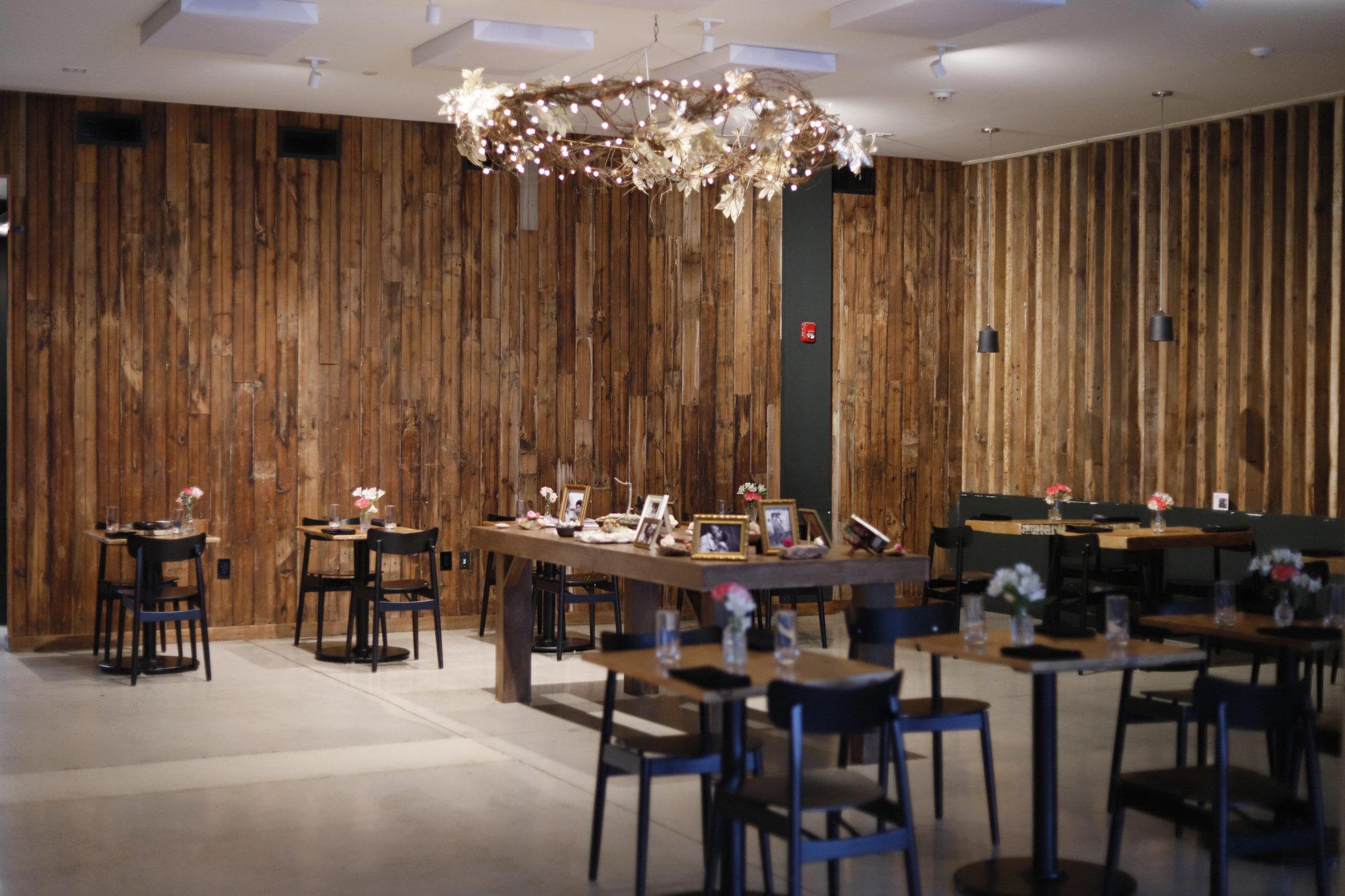
Relaxed, rustic industrial space with a fun, homey atmosphere evoking a vacation in Mexico.