Banshee
Our verdict
Banshee sits in Philadelphia's growing cohort of Modern American bistros shaped by Mediterranean cooking principles: seasonal produce, restrained technique, and an emphasis on vegetables alongside quality proteins. Among a city dining scene that rewards specificity, it positions itself in the mid-tier bistro bracket where the kitchen's Mediterranean-influenced sensibility sets the tone rather than any single signature format.

Pearl is the En Primeur Club membership app — saves, bookings, and concierge access live there. Same editors, same standards.
- Address
- Philadelphia, United States
- Directions
- Get directions
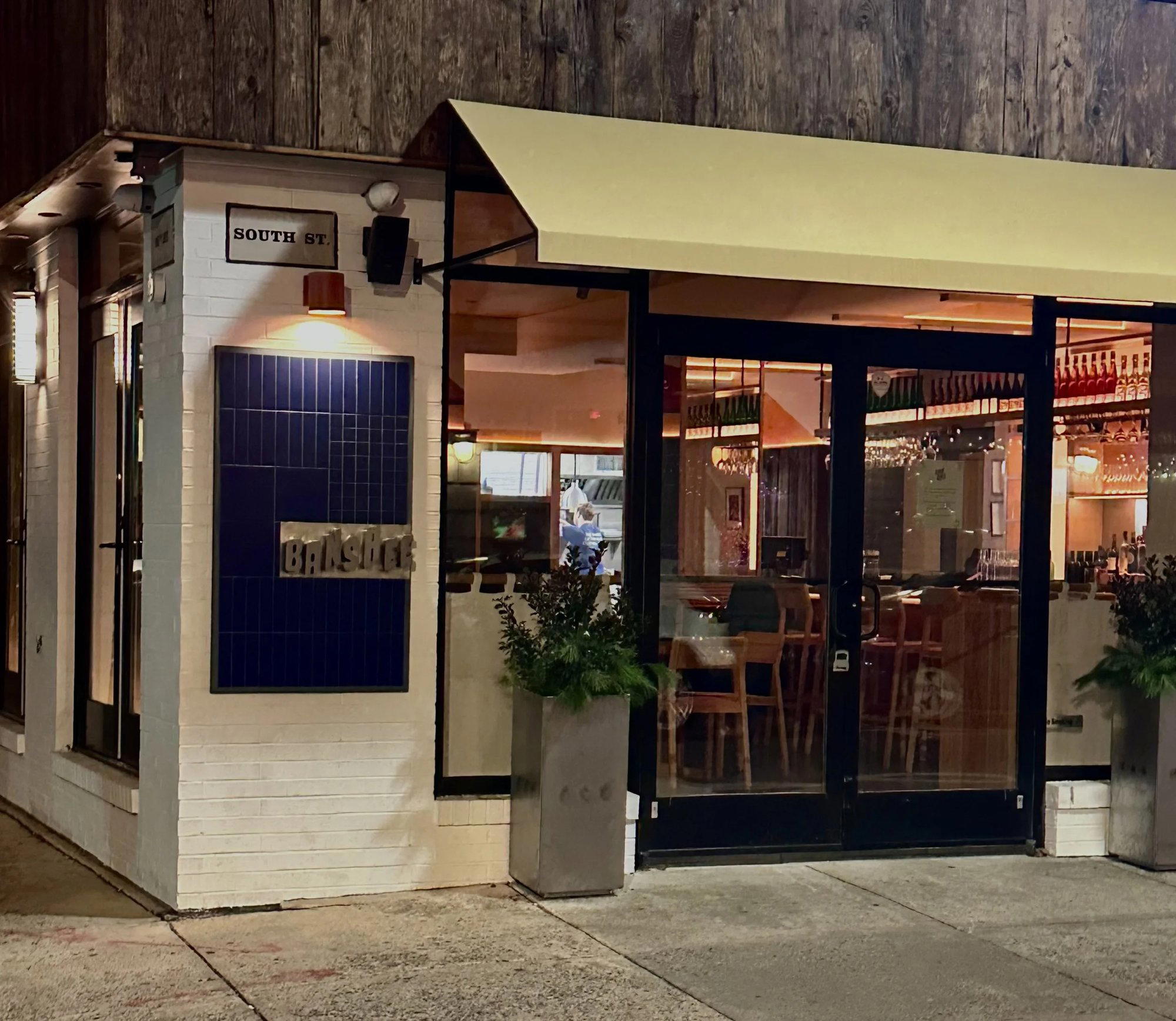
The menu
What to order
- Hamachi crudo
- Pork collar
- Tarte flambée
Where Philadelphia's Bistro Scene Meets the Mediterranean Pantry
Philadelphia's mid-tier dining tier has grown more precise over the past decade. The city that spent years building its New American credibility through places like Fork and Friday Saturday Sunday has quietly developed a parallel lane: kitchens that draw on Mediterranean cooking logic rather than the French-American canon. Banshee belongs to this second lane. Its Modern American bistro format is shaped by Mediterranean-influenced thinking, which in practice means the plate architecture leans on olive oil, legumes, herbs, and acid rather than butter and reduction. That's a meaningful distinction in a city where the richness dial still runs high at many comparable addresses.
The Mediterranean influence here isn't a branding exercise. It reflects a broader shift in how American bistro kitchens have repositioned themselves over the past fifteen years, particularly in cities where the dining public has grown more attentive to how a meal feels the next morning. Across the country, kitchens at this price tier have migrated toward lighter cooking fats, shorter protein portions alongside more substantive vegetable work, and wine lists built around the southern European arc rather than the California-France axis. Banshee reads as a Philadelphia expression of that national reorientation.
The Mediterranean Diet as a Kitchen Philosophy, Not a Menu Category
The distinction between performing Mediterranean cooking and actually practicing it is one the sharpest food writers have been making since at least the 1990s. Real Mediterranean kitchen logic is not a cuisine in the strict sense; it is a set of proportions and priorities. Grains, legumes, and vegetables carry structural weight on the plate. Animal proteins are present but not dominant. Olive oil is the fat of first resort. Fresh herbs and citrus do the finishing work that cream and butter do elsewhere.
Kitchens that operate by these proportions tend to produce food that holds up differently under critical assessment. The cooking at Alain Ducasse's properties, including Louis XV in Monte Carlo, has long referenced the Provençal-Mediterranean pantry at a fine-dining register. At the bistro level, the same logic requires discipline of a different kind: you cannot use luxury ingredients to cover the structural decisions. The vegetables, grains, and aromatics have to carry weight on their own terms. Banshee's Mediterranean-influenced positioning places it in a cohort where that discipline is the operative test.
For the diner, the practical effect is a style of eating that nutritional research has validated more consistently than almost any other pattern. The traditional Mediterranean diet, as documented across Cretan and southern Italian populations in mid-twentieth-century studies, was high in plant fiber, moderate in protein, and rich in monounsaturated fats. Contemporary bistro kitchens drawing on that heritage are not making health claims; they are working with an ingredient logic that happens to produce food with a lighter metabolic footprint than a butter-forward European-American kitchen. The difference is felt over a meal, not just read on a menu.
Banshee in Philadelphia's Competitive Bistro Set
Philadelphia's restaurant density means that positioning matters at every price point. The city supports a wide range of serious kitchens, from the vegetable-forward specificity of Mawn's Cambodian-influenced program to the French-leaning precision of My Loup, and at the more casual register, the cult authority of South Philly Barbacoa. Each of these kitchens has a clear identity that earns its place in a competitive field. Banshee's Mediterranean-influenced Modern American format gives it a distinct register: lighter than a traditional American bistro, more produce-forward than the city's Italian-American addresses, and without the single-cuisine specificity of the city's ethnic dining leaders.
That positioning is neither a weakness nor a default. In American cities, the modern bistro that draws loosely on Mediterranean principles occupies a specific demand slot: it serves the diner who wants a composed, seasonal meal without the ceremony or price of a tasting-menu room. Compare Banshee's bracket to the upper tier nationally, where restaurants like Le Bernardin in New York or The French Laundry in Napa operate with formality and price points that exclude most regular dining decisions, and the bistro tier comes into focus. Venues like Lazy Bear in San Francisco, Alinea in Chicago, Atomix in New York, Single Thread Farm in Healdsburg, and Emeril's in New Orleans each anchor a high-commitment, destination-dining format. Banshee operates in a different register entirely: a neighborhood-scaled room where the Mediterranean influence shapes cooking decisions without imposing a formal tasting structure.
Planning Your Visit
Philadelphia's bistro tier is broadly walkable and transit-accessible from the city's central neighborhoods. For those building a fuller Philadelphia itinerary, the city's food and drink offer extends well beyond any single address: our full Philadelphia restaurants guide covers the wider dining field, while our Philadelphia bars guide maps the cocktail and wine bar landscape that pairs well with a bistro dinner. Those extending their stay will find our Philadelphia hotels guide useful for orienting accommodation choices by neighborhood. Wine-focused visitors can cross-reference our Philadelphia wineries guide, and for curated experiences beyond the table, our Philadelphia experiences guide provides a practical framework. Given the limited specific operational data currently available for Banshee, confirming current hours and reservation availability directly with the venue before your visit is advisable.
Frequently asked questions
How does Banshee's Mediterranean-influenced cooking differ from typical Philadelphia bistro menus?
Philadelphia's bistro scene has historically leaned toward New American frameworks built around Italian-American and mid-Atlantic traditions, making Mediterranean technique as a structuring philosophy a distinct point of difference rather than a menu garnish. At Banshee, the Mediterranean influence shapes how the kitchen sources and handles ingredients, not just which flavors appear on the plate. That distinction puts it in a different conversation from the city's more protein-forward mid-tier rooms.
What dish is Banshee famous for?
Banshee operates within a Modern American bistro format shaped by Mediterranean-influenced cooking, so the menu tends to organize around seasonal produce, olive oil-forward preparations, and proteins treated with restraint rather than richness. Without a single signature dish dominating the conversation, the kitchen's identity sits in its approach rather than one marquee plate. Philadelphia's bistro tier rewards exactly this kind of consistency over spectacle.
Is Banshee reservation-only?
Philadelphia's mid-tier bistro addresses split fairly evenly between walk-in rooms and reservation-led seatings, so contacting the venue directly before visiting is the practical approach. Given the city's dining density, arriving without a plan on weekend evenings carries real risk at kitchens of this type.
Just the Basics
Comparable venues nearby, for context on price, style, and recognition.
| Venue | Cuisine | Price | Awards | Notes |
|---|---|---|---|---|
| BansheeThis venue — the venue you are viewing | Modern Fusion Bistro | $50–100 | Not listed | Not listed |
| DaVinci & Yu | Italian-Asian Fusion | Not listed | Not listed | East Passyunk Crossing, Italian-Asian Fusion |
| Bistro Perrier | Classic French Bistro | $50–100 | Wine Spectator Award of Excellence | Spruce Hill, Classic French Bistro |
| Rice & Sambal | Modern Indonesian | $100–150 | Not listed | East Passyunk Crossing, Modern Indonesian |
| Alice | Seasonal American with Charcoal-Fired Cuisine | $50–100 | Not listed | Bella Vista, Seasonal American with Charcoal-Fired Cuisine |
| Tuna Bar | Modern Japanese Raw Bar | $30–50 | Not listed | Old City, Modern Japanese Raw Bar |
Continue exploring
More in Philadelphia
Restaurants in Philadelphia
Browse all →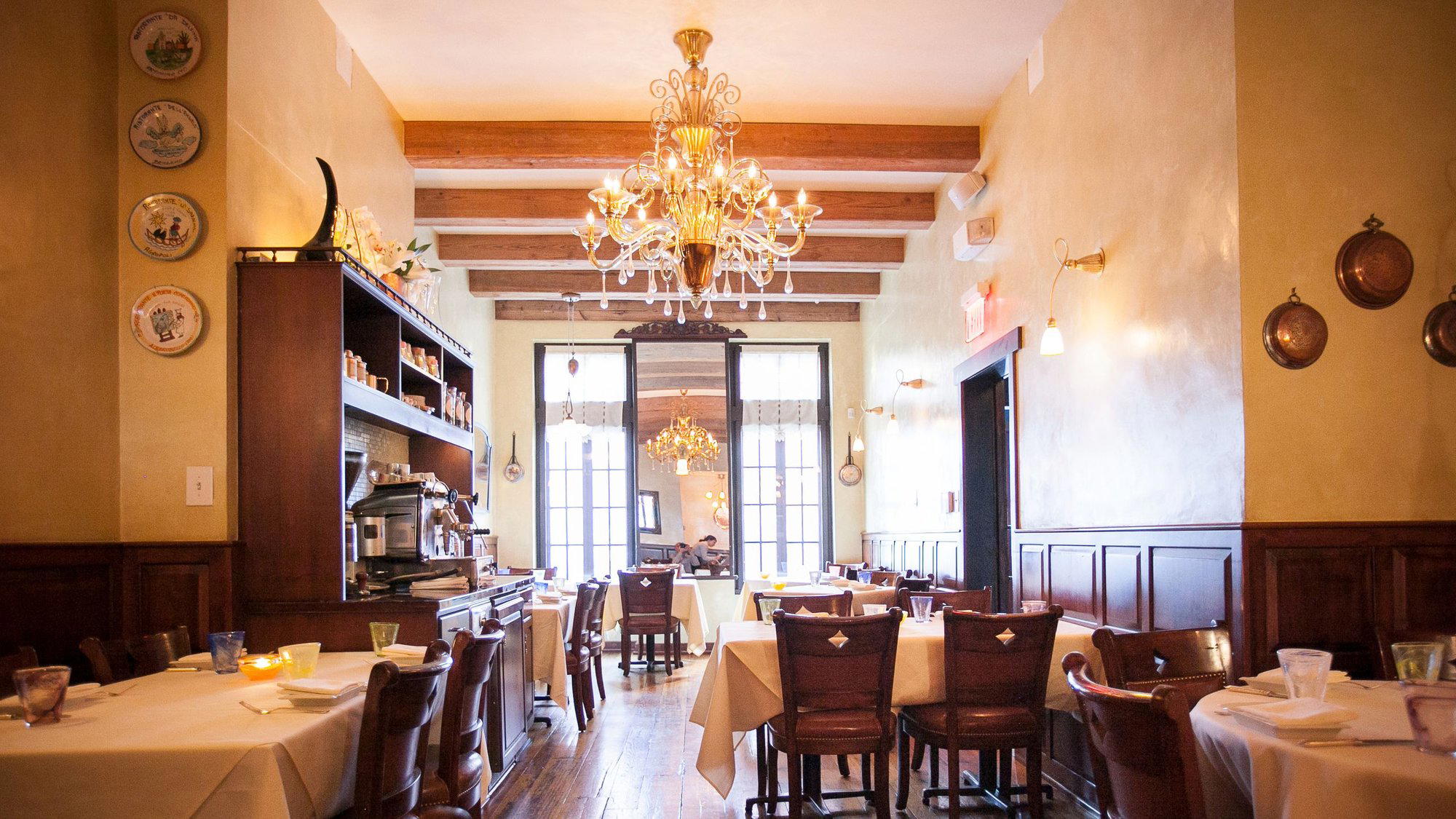
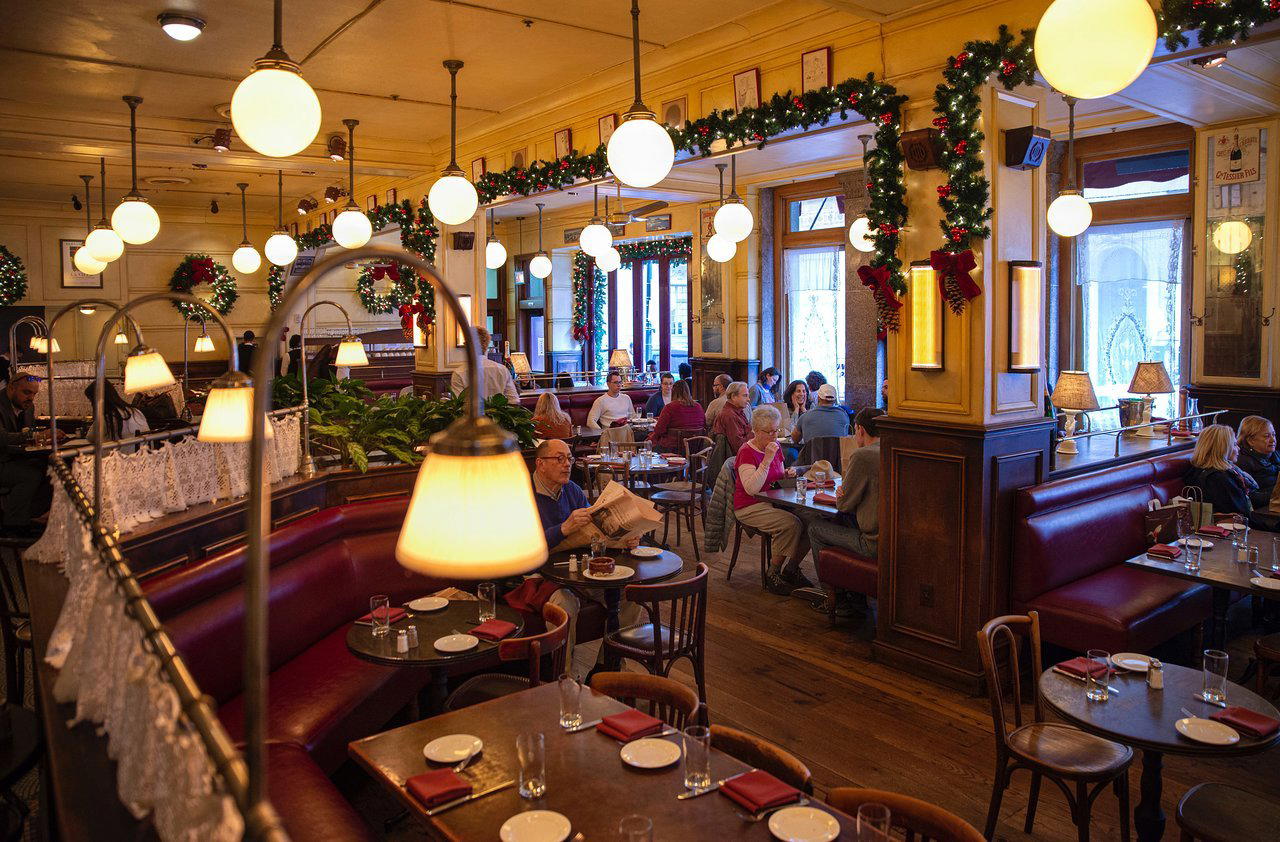
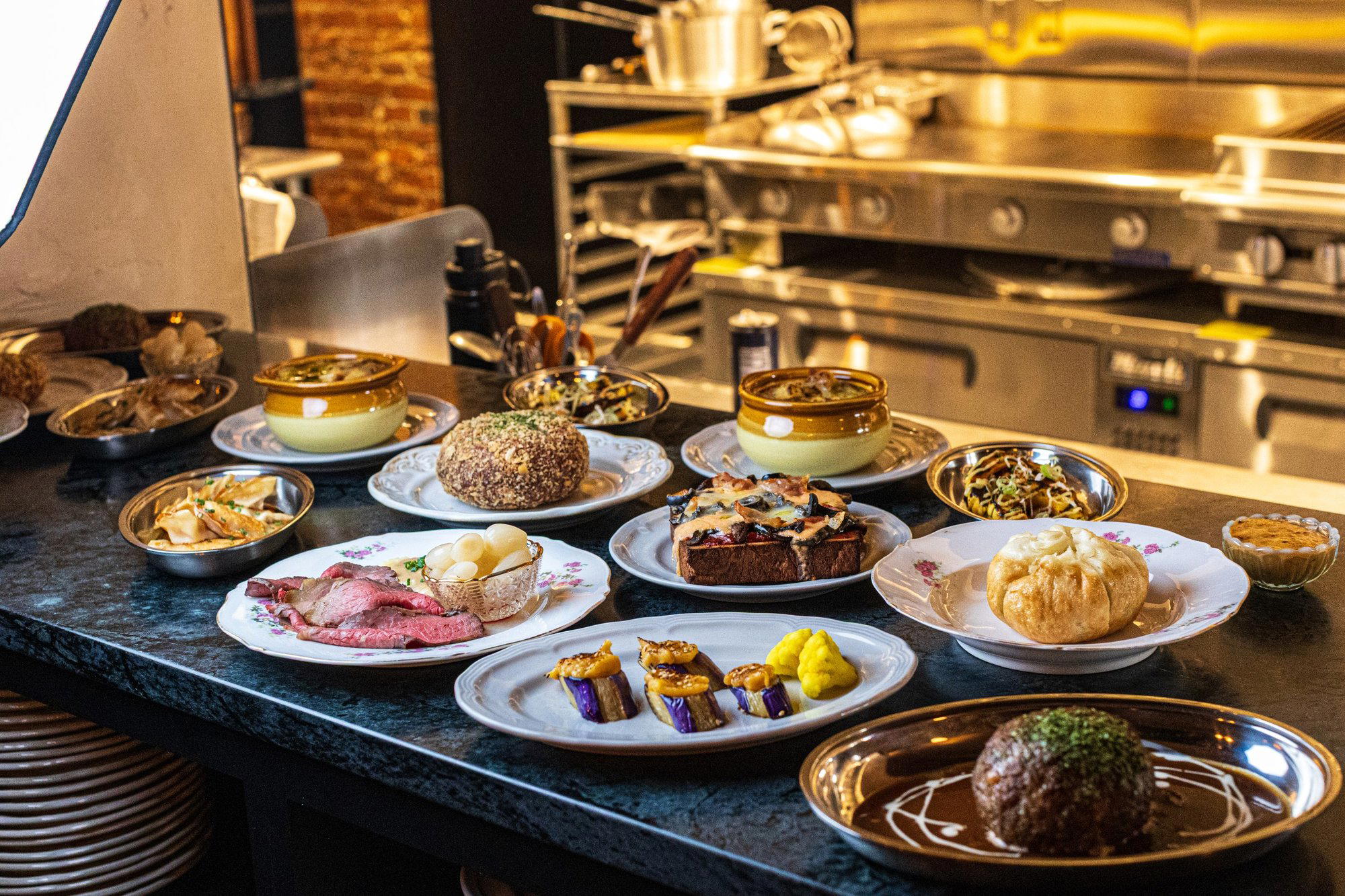
Bars in Philadelphia
Browse all →
Details
- Modern
- Cozy
- Trendy
- Intimate
- Sophisticated
- Date Night
- Special Occasion
- Open Kitchen
- Natural Wine
- Craft Cocktails
- Small Plates
- A La Carte
- Natural Wine
- Craft Cocktails
- Vegetarian Friendly
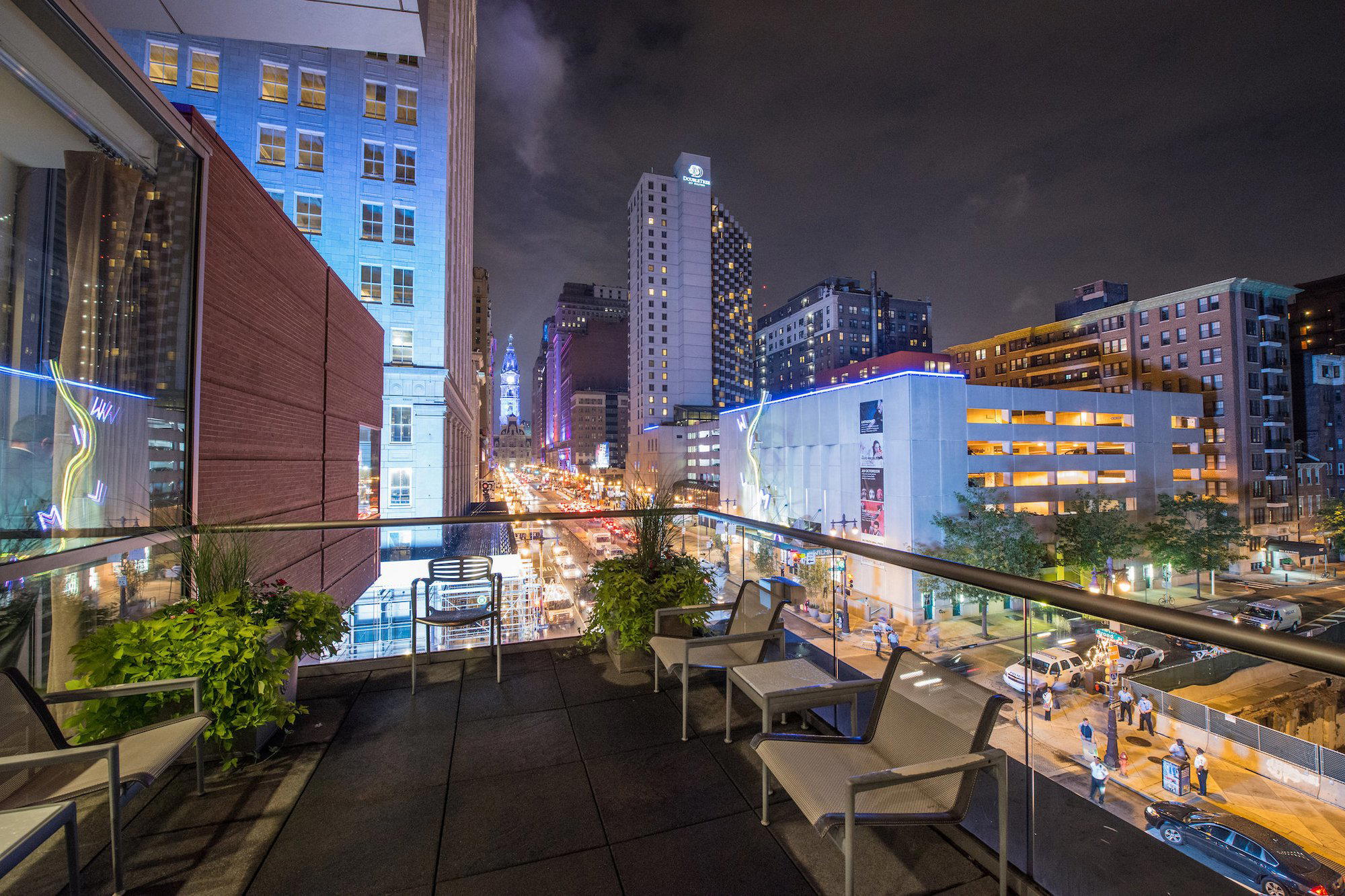
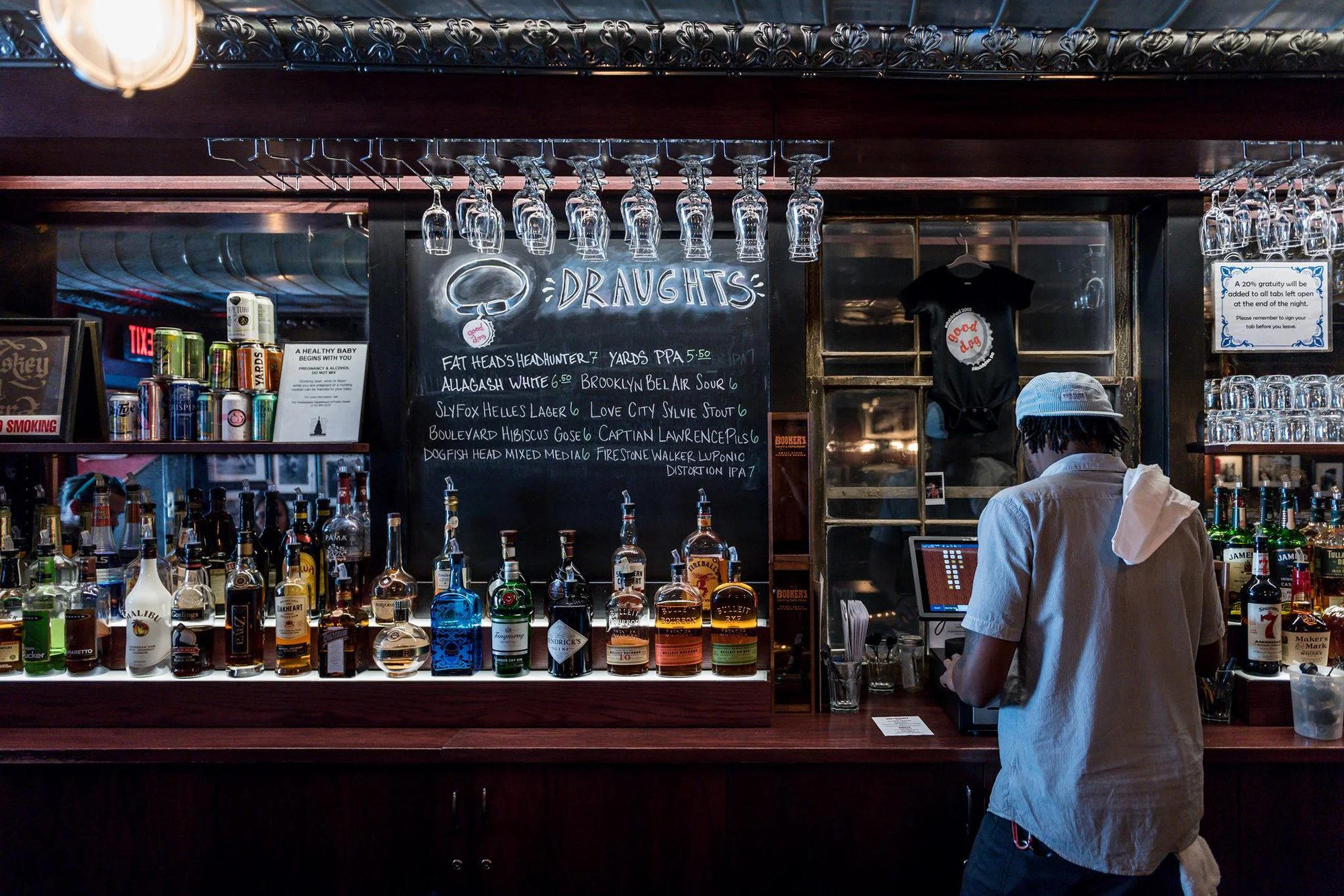
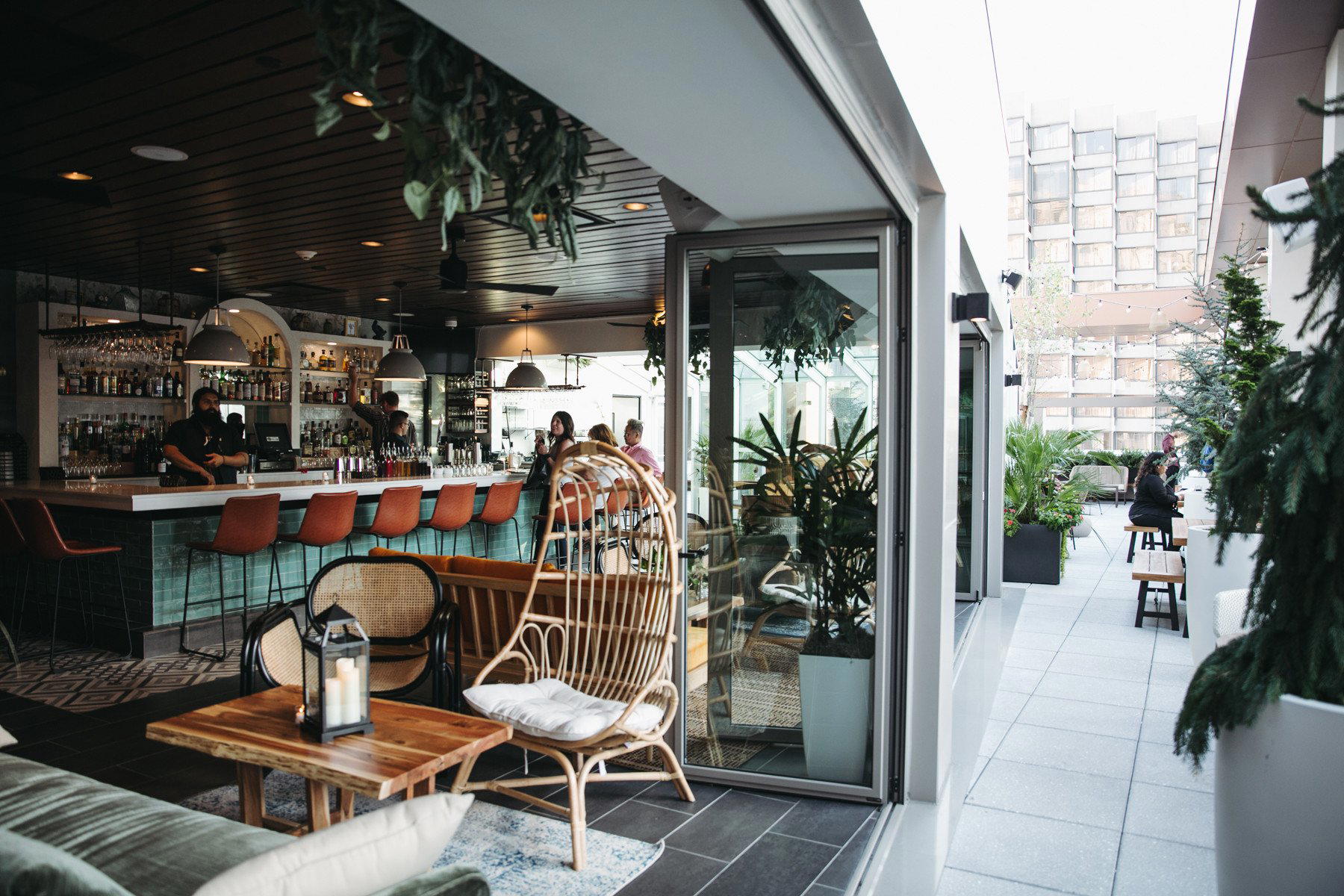
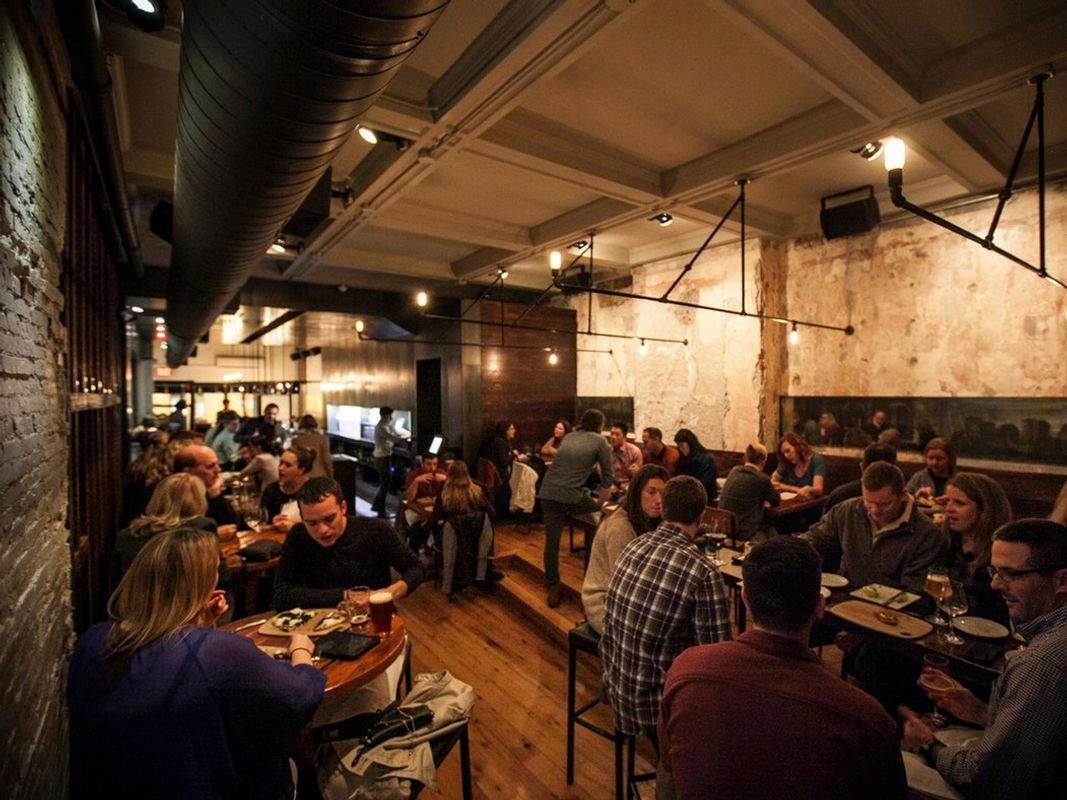
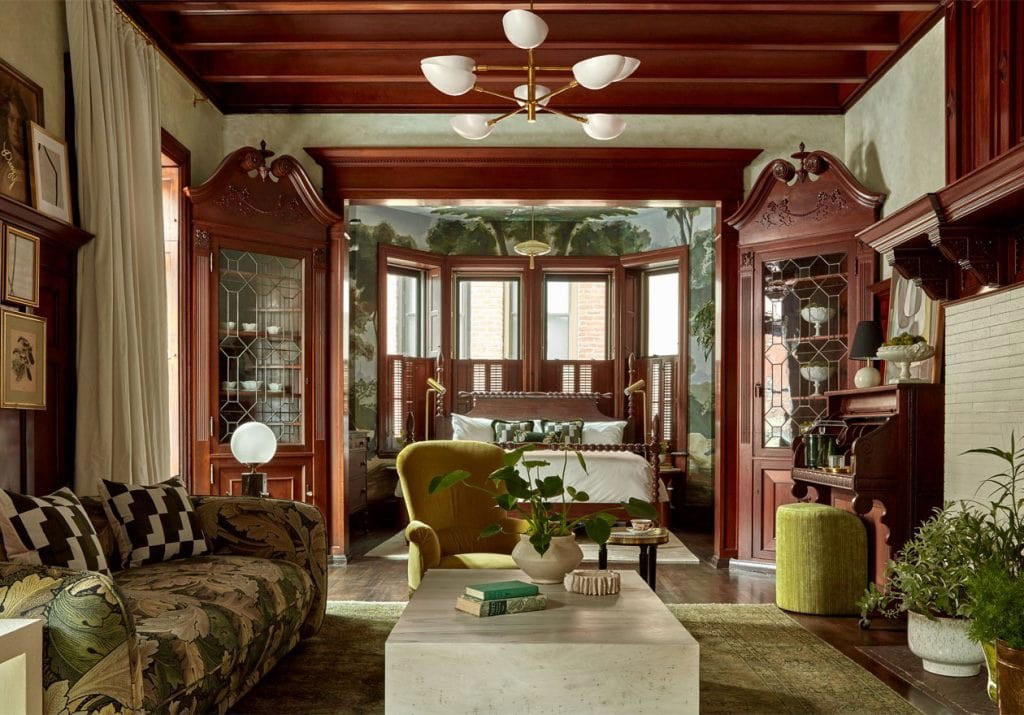
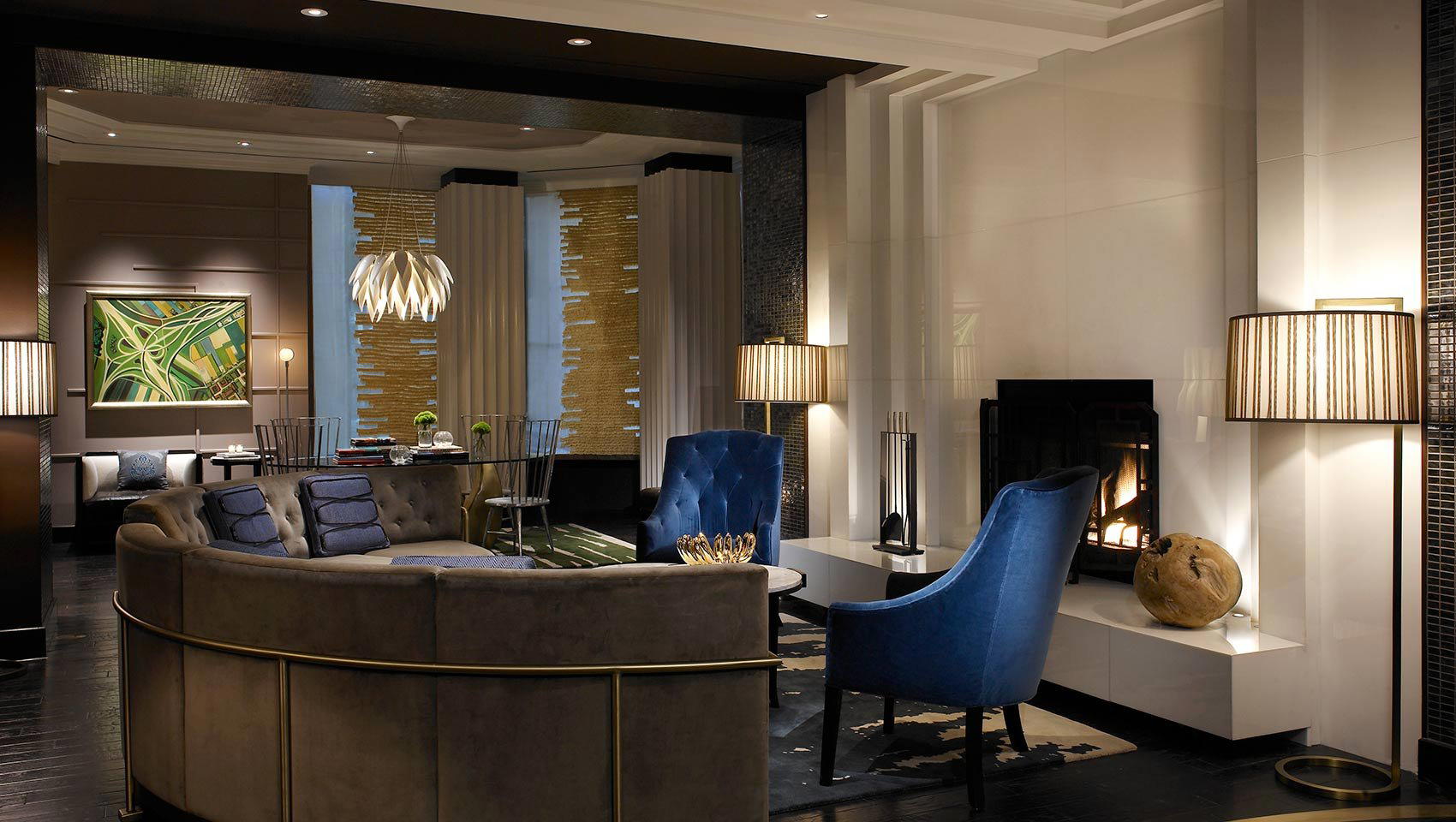
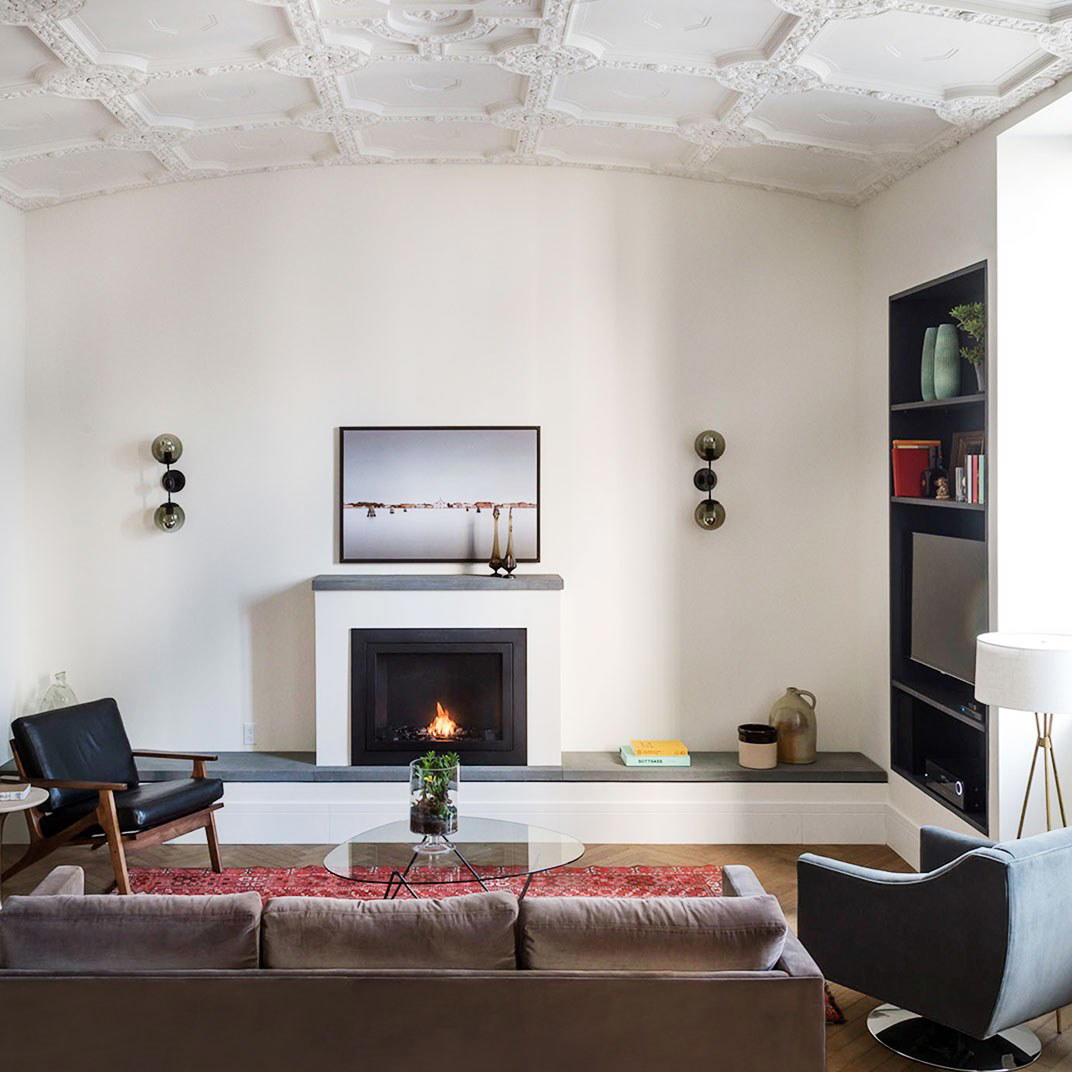
Mid-century slick design blending Japanese and Scandinavian aesthetics with clean lines, softness, texture, and warm lighting for an inviting, cozy atmosphere.