
Michelin Bib Gourmand
Our verdict
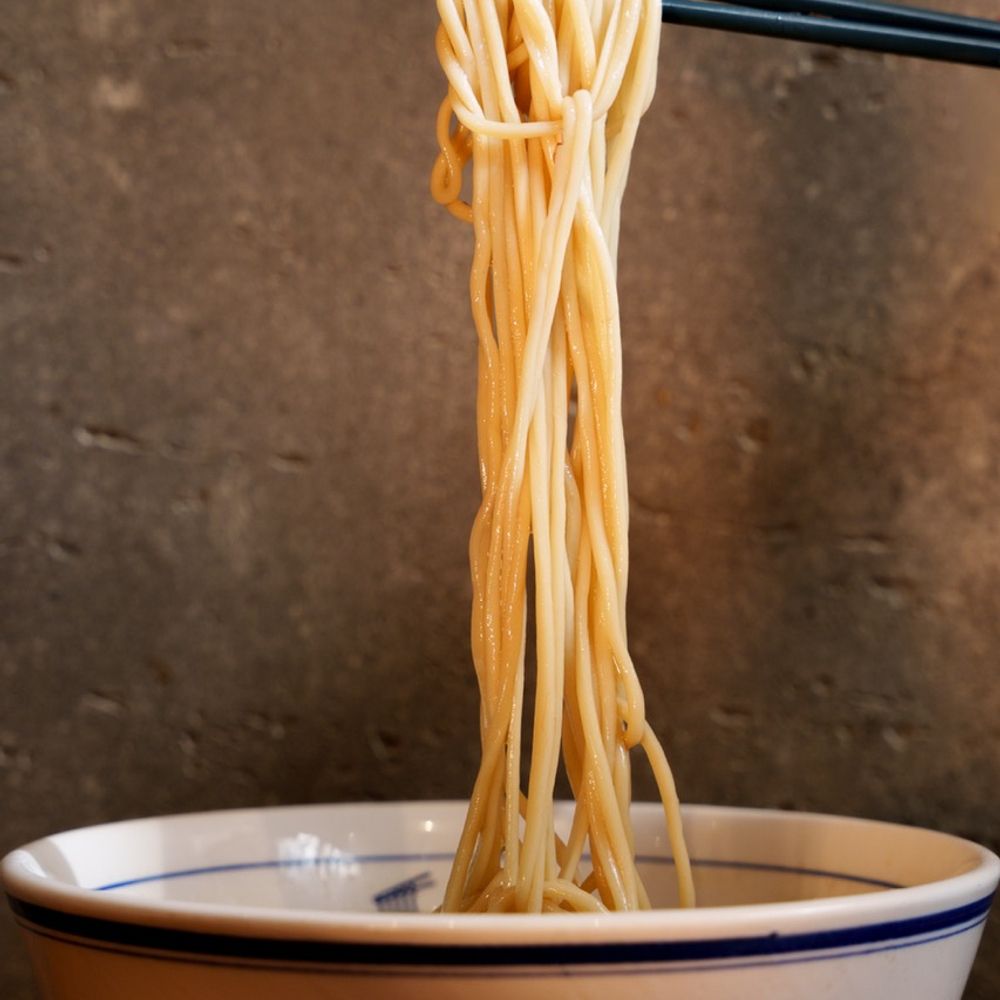
Alley Mian is a noodle specialist on rue de l'Ecuyer serving house-made noodles and gutsy stocks in the centre of Brussels. The kitchen focuses on ingredient depth rather than menu breadth, drawing on Chinese noodle-house traditions adapted to Belgian sourcing. It operates as a casual format, positioned outside the city's fine-dining tier.

Pearl is the En Primeur Club membership app, where members save venues, book tables and use the concierge.
The menu
What to order
- Oil-splashed noodles
- Roujiamo (Chinese hamburger)
- Chinese ravioli with beef in rich stock
- Spicy Szechuan-style noodle soups
The stretch of rue de l'Ecuyer between Place de la Monnaie and the Grand-Place runs through a neighbourhood dense with chain coffee shops and quick-service lunch counters. Alley Mian occupies a narrow shopfront on that strip, marked by a modest signboard and a window view into a kitchen where noodle-making equipment takes up most of the counter space. The interior is spare, tile floors, minimal seating, no tablecloths, and the format is closer to a Hong Kong dai pai dong than a European bistro. Customers order at the counter, watch noodles pulled or cut to order, and wait for bowls to arrive steaming from the pass.
Brussels has seen a gradual expansion of specialist Asian noodle formats over the past five years, moving beyond the older Cantonese and Vietnamese restaurants clustered around Porte de Namur. Our full Brussels restaurants guide tracks this shift, which has brought hand-pulled noodle specialists, Japanese ramen counters, and regional Chinese operators into the centre. Alley Mian sits within that wave, distinguishing itself through in-house noodle production and a stock program that runs daily batches from beef shank, pork bone, and poultry frames. The kitchen does not rely on imported stock concentrates or pre-portioned noodle packs, and that choice shapes both the menu structure and the daily rhythm of service.
House-Made Noodles and Stock Depth
The noodle production at Alley Mian uses high-protein European wheat flour milled in Belgium, sourced through a local distributor serving bakeries and pasta makers. The dough is kneaded by hand, rested, and either hand-pulled into thick strands or rolled and cut into ribbon widths depending on the dish. This approach differs from the alkaline noodle tradition common in Japanese ramen, where kansui lends a yellow tint and firm bite. Alley Mian's noodles are neutral, pale, and absorbent, designed to carry the weight of the stock rather than assert their own flavour. The texture is softer than what ramen specialists produce, closer to the hand-cut wheat noodles served in Shaanxi or Shanxi province.
Stock production begins early each morning. Beef shank is simmered with ginger, scallion, and star anise for four hours, then strained and reduced to concentrate flavour. Pork bone stock runs longer, six to eight hours, and is clarified once to remove excess fat. Chicken stock is lighter, built from carcasses and feet, seasoned with white pepper and salt. The kitchen rotates through these three bases depending on the week's menu, and bowls are assembled to order: noodles blanched, stock ladled over, toppings arranged on leading. The result is a dish that reads as fundamentally ingredient-driven, with little reliance on compound sauces or layered garnishes.
Toppings vary by season and supplier availability, but the kitchen maintains a short rotation of braised beef shank, stewed pork belly, pickled mustard greens, soft-boiled eggs, and fresh coriander. Chilli oil is house-made from Sichuan peppercorns and dried chilies, steeped in rapeseed oil and stored in sealed jars. The menu does not list signature dishes by name, and the kitchen does not market specific bowls as flagship items. Instead, the offering is structured around stock type and protein choice, allowing customers to select noodle width and spice level at the counter.
Sourcing and Ingredient Provenance
Alley Mian sources meat from a single butcher in Anderlecht, who supplies beef shank and pork shoulder to several Chinese and Korean restaurants in the city. Poultry comes from a cooperative in Wallonia that specialises in free-range chickens raised for Asian restaurant use. Vegetables, mustard greens, bok choy, scallions, are purchased from a wholesaler near Tour & Taxis who imports from Dutch growers with ties to East Asian diaspora communities. The kitchen does not label ingredients as organic or heritage, and the sourcing logic is practical rather than ideological: find reliable suppliers who understand the textural and flavour requirements of noodle-house cooking, then build recipes around what those suppliers can deliver consistently.
This supply-chain approach differs from the farm-to-table model adopted by Brussels fine-dining operators such as 65 degrés or Arthur Amblard, where ingredient provenance is foregrounded in menu descriptions and supplier relationships are marketed as part of the dining experience. At Alley Mian, provenance matters for quality control and cost predictability, but it is not communicated to diners beyond the fact that noodles and stocks are made in-house. The kitchen's focus is on ingredient depth, extracting maximum flavour from bones, rendering fat from pork belly until it collapses, salting mustard greens to the point where acidity balances richness, rather than ingredient rarity or geographic specificity.
The beer list is minimal: a single Belgian pale ale from a local brewery, plus bottled Chinese lager. Wine is not offered. The beverage program reflects the format rather than a philosophical stance; the kitchen assumes most customers want cold lager or tea to accompany noodles, and the counter space does not accommodate a wine fridge or cocktail station. For diners seeking a fuller beverage pairing, the proximity to Brussels' bar scene means a post-meal drink is a short walk away, though the dining room itself is designed for turnover rather than lingering.
Neighbourhood Context and Competitive Positioning
Rue de l'Ecuyer sits between two tourist corridors, the Grand-Place to the southwest and Place de la Monnaie to the northeast, and the block attracts a mix of office workers on lunch break, international visitors, and local residents who shop at the nearby Carrefour Express. Alley Mian operates as a daytime-focused spot, open for lunch and early dinner, and the turnover is brisk during the midday rush. The format is not suited to long group meals or celebratory dinners, and the kitchen does not take reservations. Walk-in service means wait times can stretch to twenty minutes during peak hours, but the counter seating and visual transparency of the kitchen give diners something to watch while they wait.
Compared to other noodle specialists in Brussels, Alley Mian is positioned at the more austere end of the spectrum. It lacks the polished interior design of Japanese ramen counters that have opened near Porte de Louise, and it does not offer the expanded menu breadth of larger Chinese restaurants such as Aux Armes de Bruxelles or the brasserie formats that dominate the Îlot Sacré. The kitchen's strength is technical consistency within a narrow range, and the pricing reflects that focus: bowls are priced below fifteen euros, making Alley Mian one of the more affordable serious-cooking options in the city centre. For context, Aster (Creative) operates at a higher price tier with a broader tasting-menu format, while Au Vieux Saint Martin (French Bistro, Belgian) serves traditional Belgian dishes at mid-range pricing. Alley Mian occupies a different category entirely, more aligned with the fast-casual noodle specialists emerging across European cities than with Belgium's established restaurant culture.
The kitchen's reputation is built on word-of-mouth and repeat custom rather than media coverage or social-media visibility. It does not appear in Michelin guides or Gault&Millau; rankings, and it has not been featured in major food publications. The lack of external validation means the venue relies on direct customer experience to build its audience, and the format, visible noodle-making, fast service, ingredient transparency, provides enough sensory proof to sustain that model. For diners familiar with noodle-house traditions in Hong Kong, Taipei, or Los Angeles (where spots like Jōdo Saké Bar or Onigiri Time in Pasadena operate in similar casual formats), Alley Mian reads as a competent execution of a recognisable template, adapted to Belgian ingredient supply chains and a European customer base.
The verdict: Alley Mian is a disciplined noodle counter that prioritises ingredient depth and technical consistency over atmosphere or menu variety. It serves a specific function, reliable, affordable, stock-forward noodle bowls in the centre of Brussels, and it does so without attempting to compete with the city's fine-dining or brasserie traditions. For diners seeking a midday meal that emphasises craft and clarity over spectacle, it is a functional choice. For those interested in the broader context of Brussels' dining scene, our full Brussels restaurants guide and our full Brussels hotels guide map the city's range across price tiers and formats.
Frequently asked questions
Is Alley Mian okay with children?
Alley Mian operates a counter-and-table format on rue de l'Ecuyer that accommodates families.
Is Alley Mian better for a quiet night or a lively one?
Rue de l'Ecuyer sits between the Grand-Place and Place de la Monnaie, drawing steady foot traffic throughout the day. Alley Mian's open kitchen and stock-focused preparation generate activity and noise, making it better suited to casual, energetic dining than a hushed evening.
Has Alley Mian won any awards?
Alley Mian has received recognition including: Gutsy stocks, house-made noodles and flavours....
How do I find Alley Mian?
Alley Mian is located at rue de l'Ecuyer 45, Brussels, Bruxelles-Capitale, 1000, BEL, Brussels.
Quick Comparison
Comparable venues by cuisine and price in the same metro.
| Venue | Cuisine | Price | Awards |
|---|---|---|---|
| Alley MianThis venue (the venue you are viewing) | Hand-pulled Chinese Noodle Bar | $20–30 | Michelin Bib Gourmand |
| The Lobster House | Belgian Seafood & Shellfish | $30–50 | Not listed |
| Le Marmiton | Traditional Belgian Brasserie | $50–100 | Not listed |
| Bouillon | Traditional Belgian Brasserie | $30–50 | Not listed |
| Neuhaus-Bruxelles | Belgian Chocolatier Cafe | Not listed | Not listed |
| Vincent | Traditional Belgian Brasserie | $50–100 | Not listed |
Recognition history
Dated appearances from independent guides and award organizations, with the underlying list record or original source where available.
Michelin Bib Gourmand
Michelin
Continue exploring
More in Brussels
Restaurants in Brussels
All restaurants in Brussels →
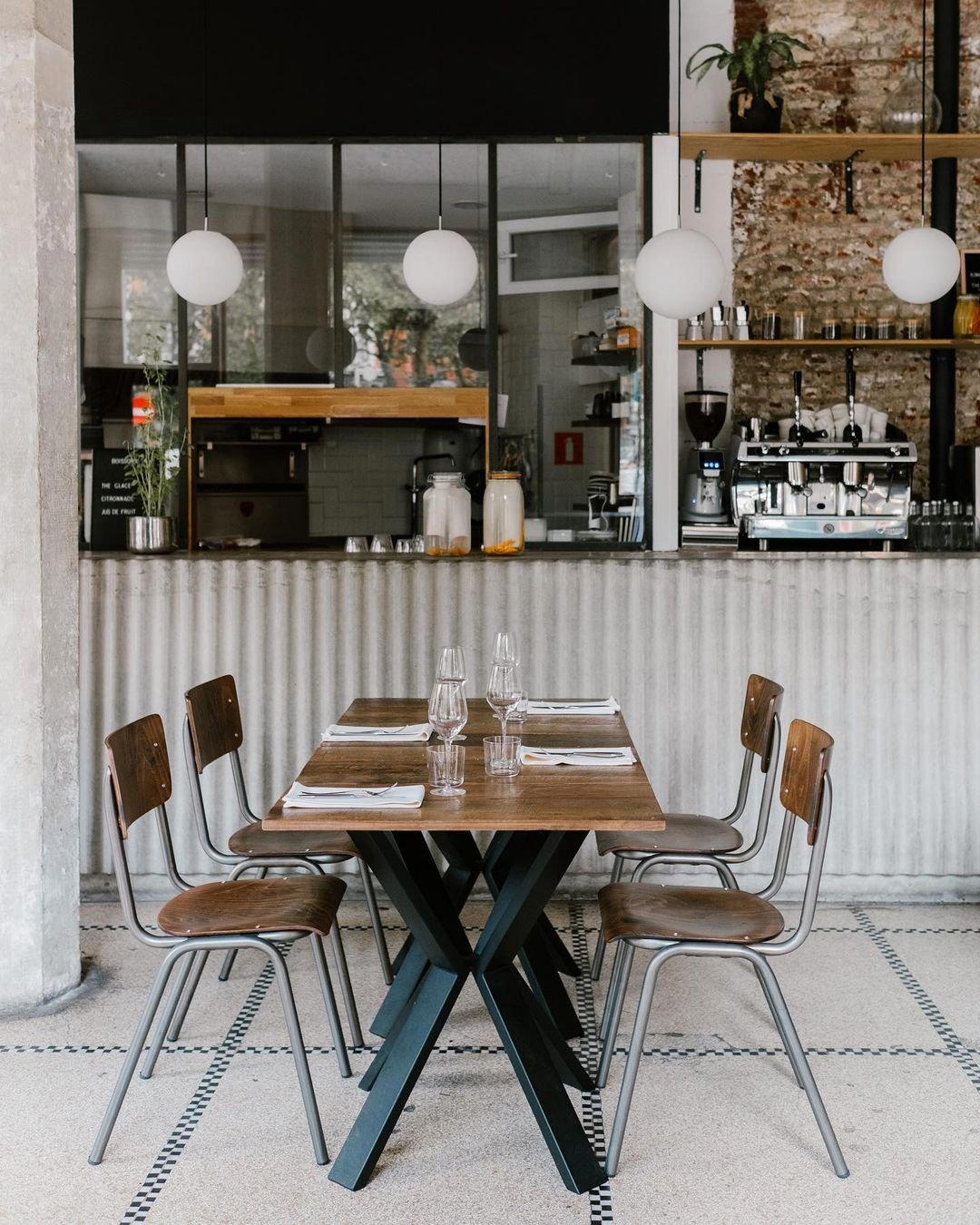
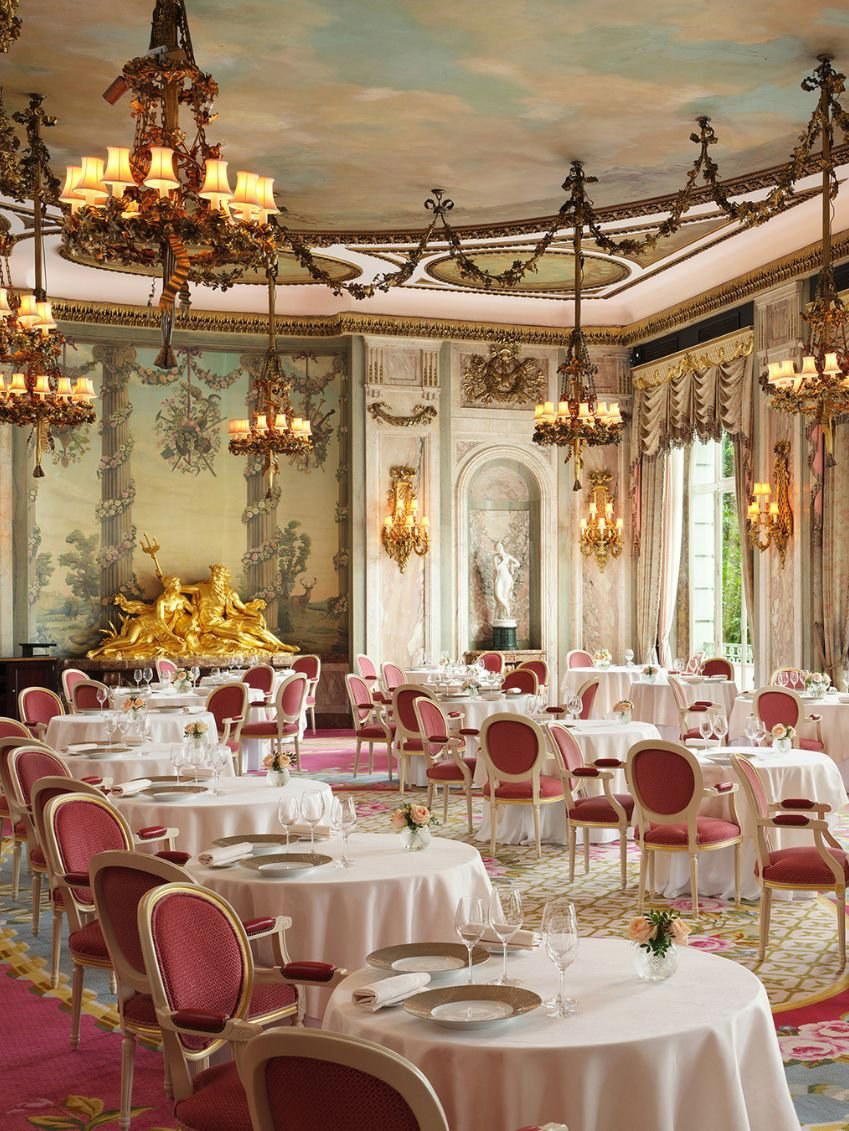
Bars in Brussels
All bars in Brussels →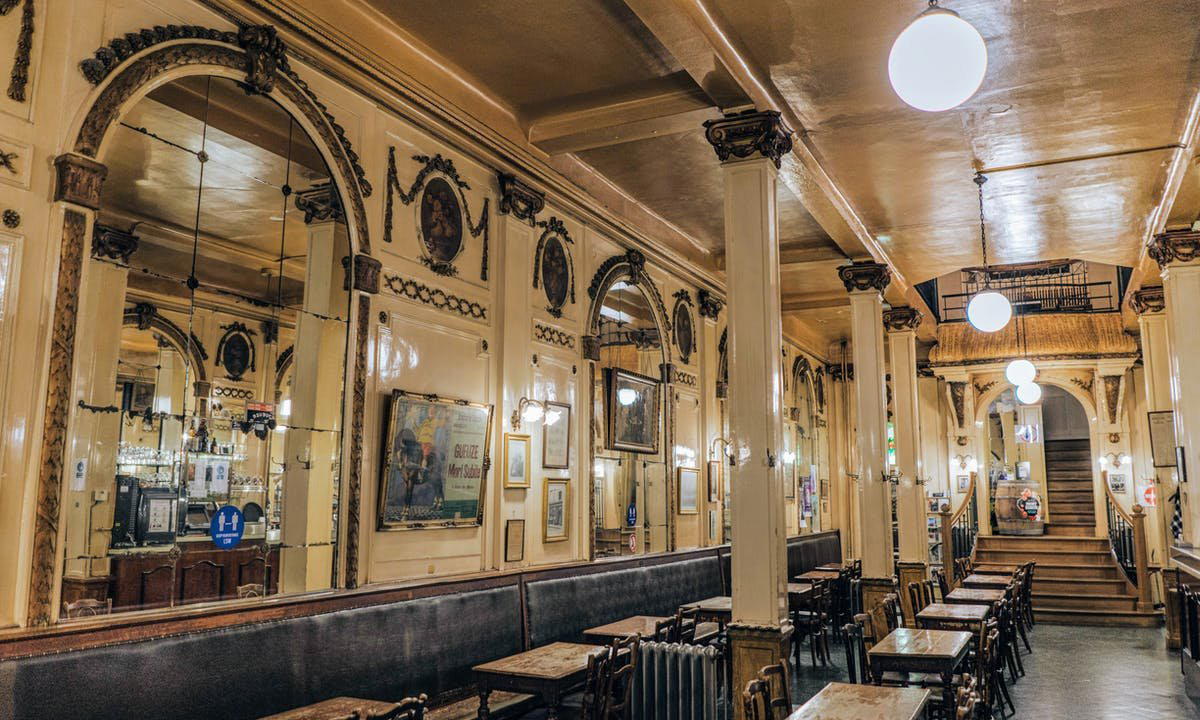
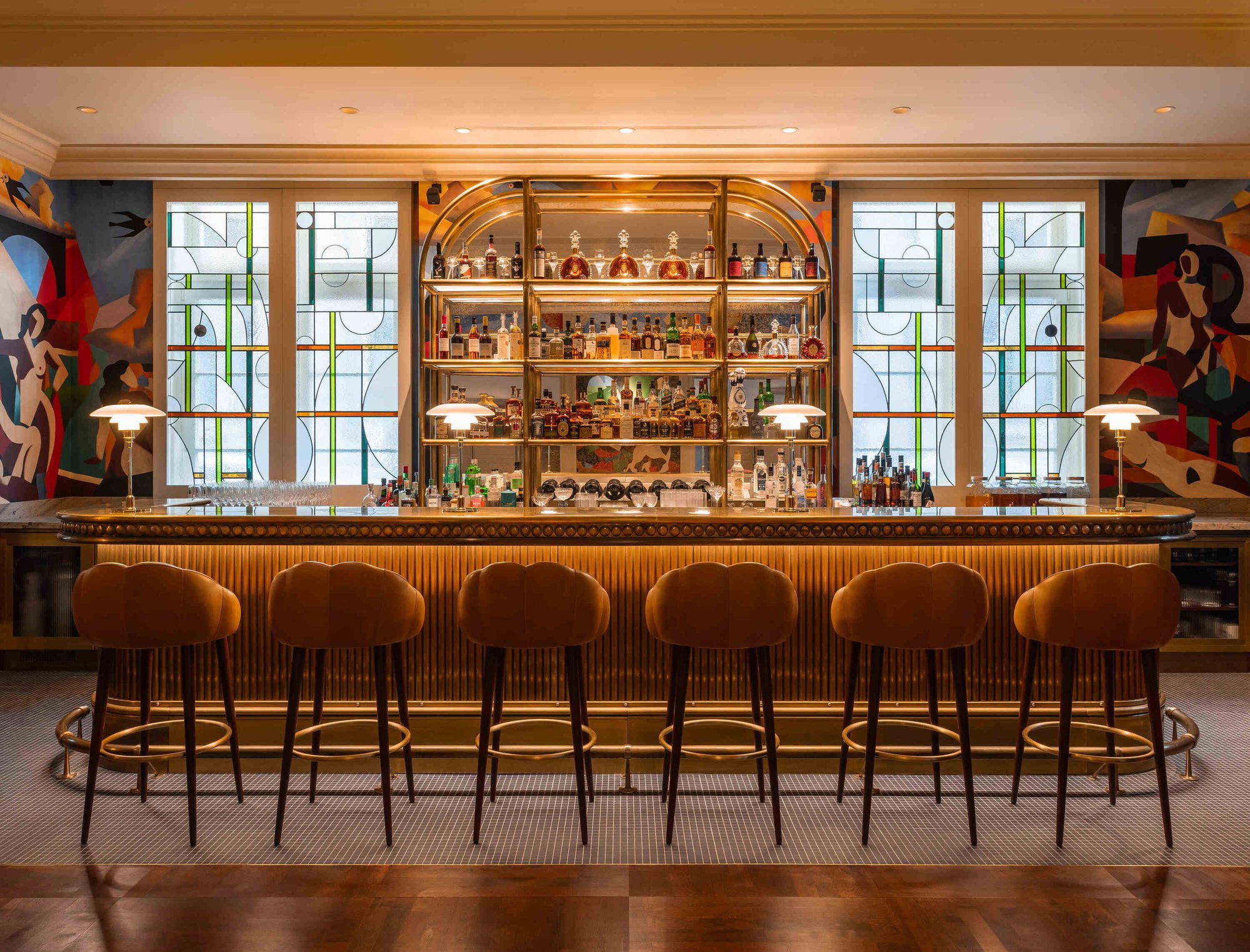
Hotels in Brussels
All hotels in Brussels →
Wineries in Brussels
Browse all →
Details
- Lively
- Modern
- Cozy
- Trendy
- Industrial
- Casual Hangout
- Group Dining
- Solo
- After Work
- Late Night
- Open Kitchen
- Standalone
- Design Destination
- Local Sourcing
- Street Scene
- A La Carte
- Counter Dining
- Tea
- Soft Drinks
- Bubble Tea
- Vegetarian Friendly
Current opening hours
- Monday
- Closed
- Tuesday
- 12–3 PM, 5:30–9:30 PM
- Wednesday
- 12–3 PM, 5:30–9:30 PM
- Thursday
- 12–3 PM, 5:30–9:30 PM
- Friday
- 12–3 PM, 5:30–9:30 PM
- Saturday
- 12–3 PM, 5:30–9:30 PM
- Sunday
- 12–3 PM, 5:30–9:30 PM
Hours can change for holidays and private events. Hours as of .
A buzzy, modern noodle house with raw concrete, light wood tables and hanging greenery, evoking Asian street-food vibes with metal tableware and big steaming bowls, creating a casual yet stylish atmosphere.