

Michelin Plate · We're Smart World 1 Radish
Our verdict
On Rue Antoine Dansaert, Aster represents a growing current in Brussels dining where vegetables take structural precedence rather than decorative roles. Holding a Michelin Plate (2025) and included in the We're Smart Green Guide, it applies contemporary technique to plant-forward cooking at a price point that sits comfortably below the city's classic fine-dining tier.

Pearl is the En Primeur Club membership app, where members save venues, book tables and use the concierge.
The menu
What to order
- Braised wild garlic root
- Rock salmon glazed in chestnut miso
- Nori croissant
- Cabbage carbonara
Dansaert's Plant-Forward Turn
Rue Antoine Dansaert has long been Brussels' reference point for considered consumption: independent fashion, small-production wine bars, and restaurants that treat their sourcing as an argument rather than a footnote. Aster, at number 202, reads as a natural extension of that character. The street's atmosphere is unhurried without being sleepy, and the restaurants that perform well here tend to share a common disposition: a preference for specificity over spectacle.
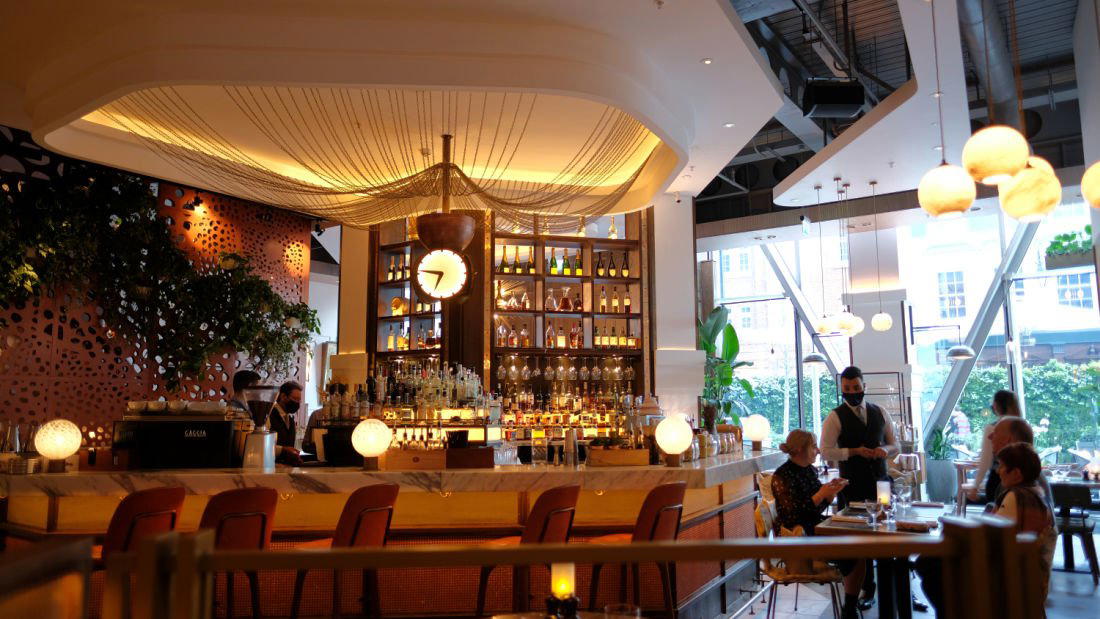
Inside, the mood aligns with that register. The space does not announce itself. What arrives instead is the kind of environment where the cooking is clearly meant to be the focal point, a posture that suits the kitchen's direction precisely, because the food at Aster is, by design, ingredient-led rather than theatrically constructed.
Where the Ingredients Do the Arguing
Belgium sits in an interesting position within European plant-forward cooking. The country has historically centred its fine-dining identity around classical French-Belgian technique, think Comme chez Soi and La Villa Lorraine by Yves Mattagne at the top of that tradition, where vegetables appear as accompaniment, their quality understood but their role secondary. The shift toward kitchens that treat produce as the primary structural material is still relatively recent at this tier, and Aster is part of the generation making that case in Brussels.
The We're Smart Green Guide recognition matters here as a specific signal rather than a general endorsement. The guide focuses on chefs who use vegetables not as a lifestyle statement but as a serious culinary material, and inclusion requires demonstrating technical depth with plant-based cooking. Aster's entry notes that vegetables sometimes reach 100 percent of the plate composition, meaning this is not a kitchen that adds a roasted celeriac as a nod to seasonality and calls it done. The proportion itself is part of the editorial position.
The Michelin Plate awarded in 2025 adds a second layer of external validation. At Michelin's tier structure, the Plate designation marks cooking that inspires, rather than simply satisfying, the inspectors. For a restaurant described in the awards record as a "new" entry, holding both recognitions simultaneously indicates a kitchen that arrived with a defined point of view rather than finding its footing publicly.
Sourcing discipline in this format requires more than seasonal awareness. When vegetables carry the full weight of a plate, the difference between produce grown for yield and produce grown for flavour becomes immediately legible. The We're Smart Green Guide's criteria explicitly reward chefs who build relationships with growers and treat the supply chain as a creative partner. That context reframes what appears on the plate at Aster: the simplicity of the creations referenced in the awards notes is not minimalism for its own sake, but a consequence of using ingredients where the raw material is already doing significant work.
Brussels' Creative Restaurant Tier, Where Aster Sits
The city's highest-recognised tables, Eliane, La Villa in the Sky, Bozar Restaurant, occupy a different price and format bracket. Aster's €€€ positioning places it at a more accessible entry point within the creative category, closer in pricing to the city's quality brasserie tier than to its multi-starred fine-dining rooms, without the cooking signalling a compromise in ambition.
Across Belgium, plant-led and produce-first cooking has found its most developed expression outside the capital: Willem Hiele in Oudenburg and Bartholomeus in Heist are the country's clearest examples of kitchens where the coastal and agricultural terroir becomes the explicit subject of the menu. Hof van Cleve in Kruishoutem and Boury in Roeselare represent a different position: classical technique at the highest level of recognition, where produce quality is a precondition rather than a stated philosophy. Aster occupies a distinct position within this national picture: a Brussels address where plant-forward technique is the organising principle, not a secondary feature, and where the price point makes the cooking accessible to a dining frequency that a starred tasting-menu format does not.
Internationally, the creative-cuisine category has seen plant-forward approaches gain traction at the highest levels. Tables such as Alléno Paris au Pavillon Ledoyen and Enrico Bartolini operate in a different register entirely, but they confirm that technical ambition and ingredient-led cooking are not in tension at the creative end of the European market. Aster's position is earlier in its trajectory, but the external recognitions it has already gathered suggest the kitchen understands that register.
Planning a Visit
Aster is located at Rue Antoine Dansaert 202, in the lower town, a neighbourhood that rewards a longer evening: the street and its adjacent blocks have enough in the way of wine bars and small producers to build a complete outing around a dinner booking. The €€€ pricing sits in the mid-upper range for Brussels without reaching the commitment level of the city's classic fine-dining rooms. Booking details are best confirmed directly through current channels, as hours and reservation methods are subject to change for newer restaurants of this type. For a broader picture of where Aster sits within the city's restaurant offering, our full Brussels restaurants guide maps the range from brasserie to fine dining. If you're planning a longer stay, our Brussels hotels guide, bars guide, wineries guide, and experiences guide cover the wider picture. For those travelling beyond the capital, Zilte in Antwerp and d'Eugénie à Emilie in Baudour are worth noting as regional comparisons at different points on the Belgium creative-dining spectrum.
Frequently asked questions
What price level is Aster?
Pricing at Aster is listed as €€€.
Is Aster Michelin-listed?
Aster has received recognition including: Vegetables get a nice presence in Aster's kitchen, sometimes even brought up to 100% pure. Good vibes, simple creations with the use of new techniques will make you remember a stop at this new restaurant. We too are going to keep following ….
What should I eat at Aster?
Aster's kitchen places vegetables at the centre of its plates, with some dishes reaching 100 percent plant-based composition using contemporary techniques. The We're Smart Green Guide, which tracks plant-forward cooking across Europe, has already included Aster for its commitment to that direction. The kitchen also holds a Michelin Plate for 2025, signalling broader recognition beyond the plant-based category. Ordering across the full menu gives the clearest picture of how far the vegetable-led approach extends on any given service.
What's the address for Aster?
Aster is located at Rue Antoine Dansaert 202, 1000 Bruxelles, Belgium, Brussels.
Fast Comparison
| Venue | Cuisine | Price | Awards | Notes |
|---|---|---|---|---|
| AsterThis venue (the venue you are viewing) | Creative Pescatarian Fine Dining | Not listed | Michelin Plate · We're Smart World 1 Radish | Not listed |
| Comme chez Soi | Classic French Fine Dining | $200–300 | 1 Michelin Star · World's 50 Best #49 | French - Belgian, Classic Cuisine |
| La Villa Lorraine by Yves Mattagne | Modern French Fine Dining | $200–300 | Michelin Plate · La Liste Top Restaurants | Modern Cuisine |
| senzanome | Modern Italian Fine Dining | $150–200 | Michelin Plate | Modern Italian, Italian |
| Au Vieux Saint Martin | Traditional Belgian Brasserie | $30–50 | Michelin Plate | Not listed |
| Aux Armes de Bruxelles | Traditional Belgian Brasserie | $50–100 | Michelin Plate | Not listed |
Recognition history
Dated appearances from independent guides and award organizations, with the underlying list record or original source where available.
Michelin Plate
Michelin
We're Smart World 1 Radish
We're Smart World

Continue exploring
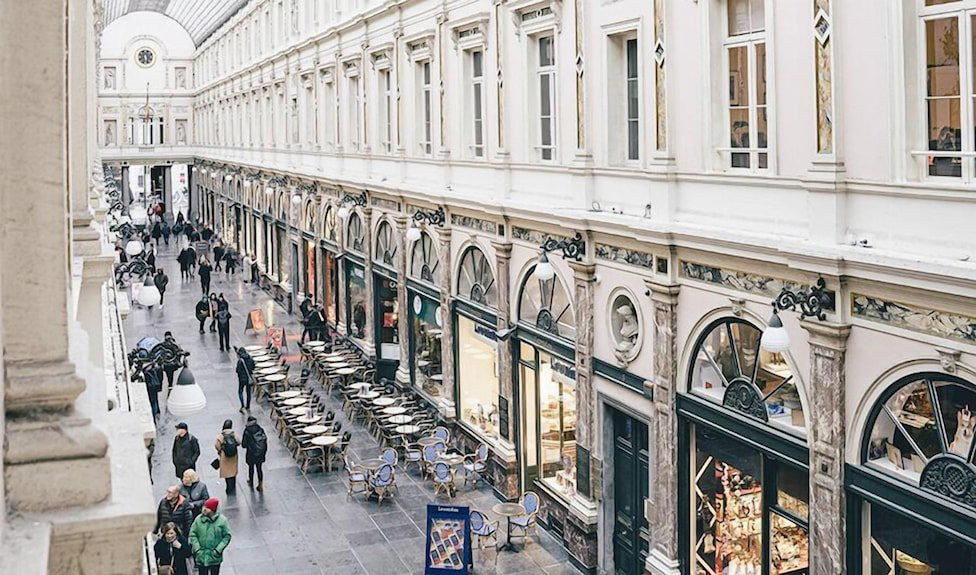
More in Brussels
Restaurants in Brussels
All restaurants in Brussels →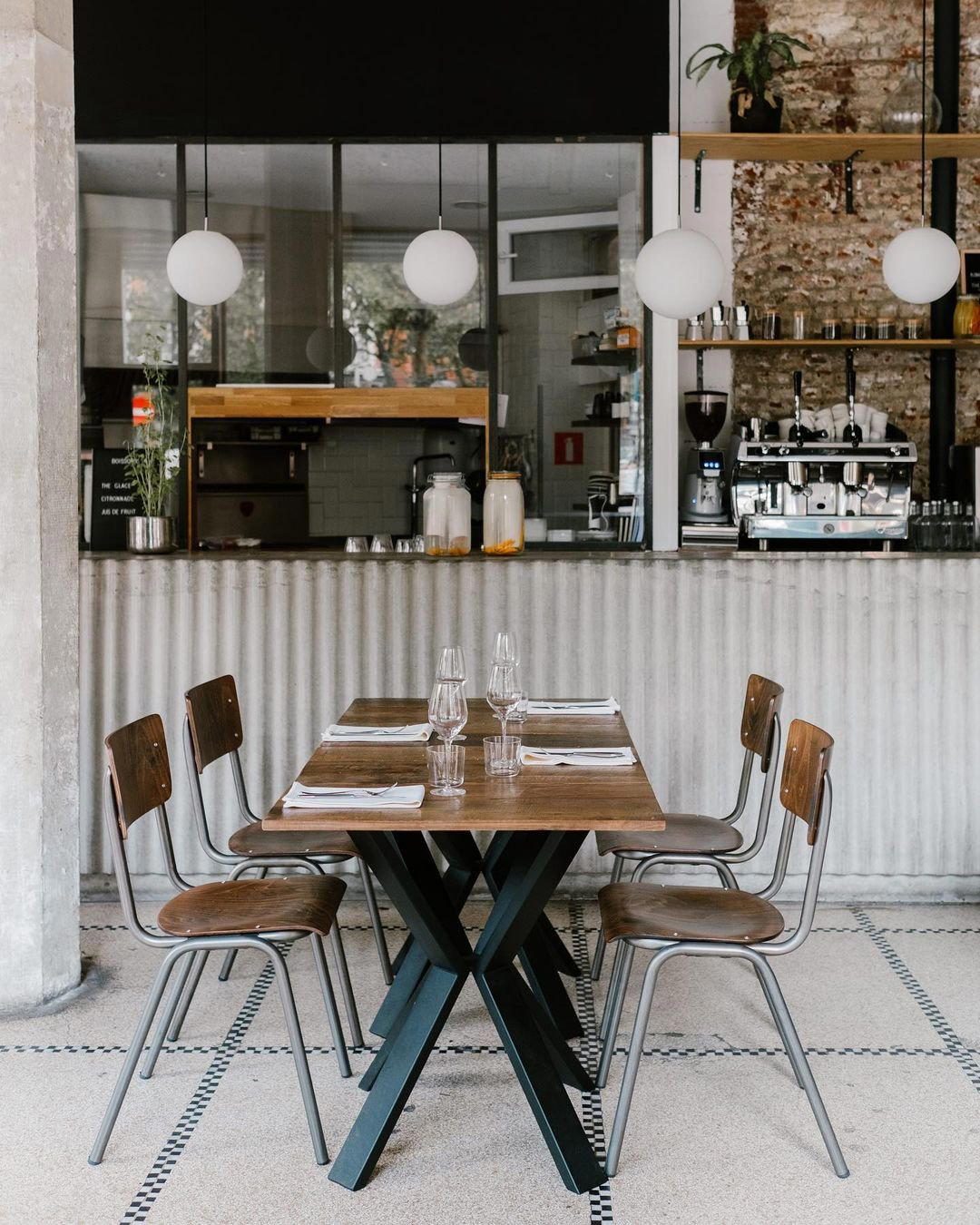
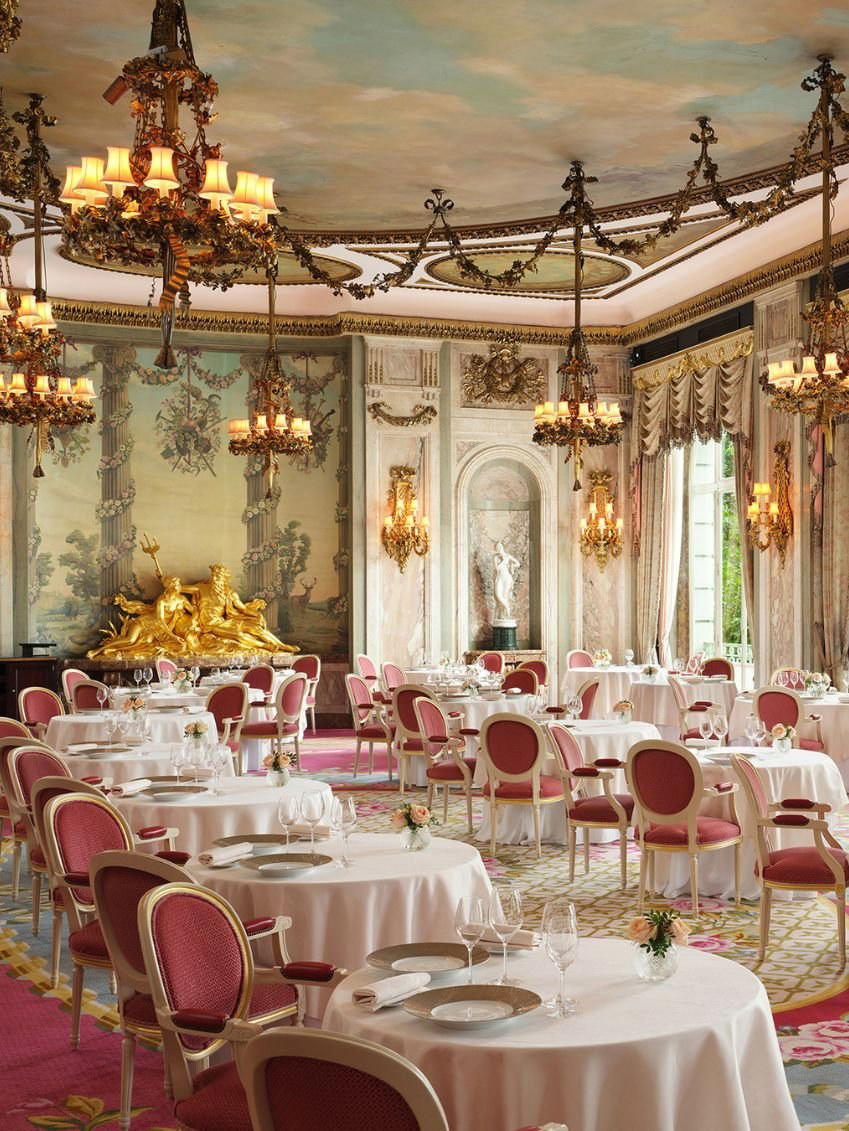
Bars in Brussels
All bars in Brussels →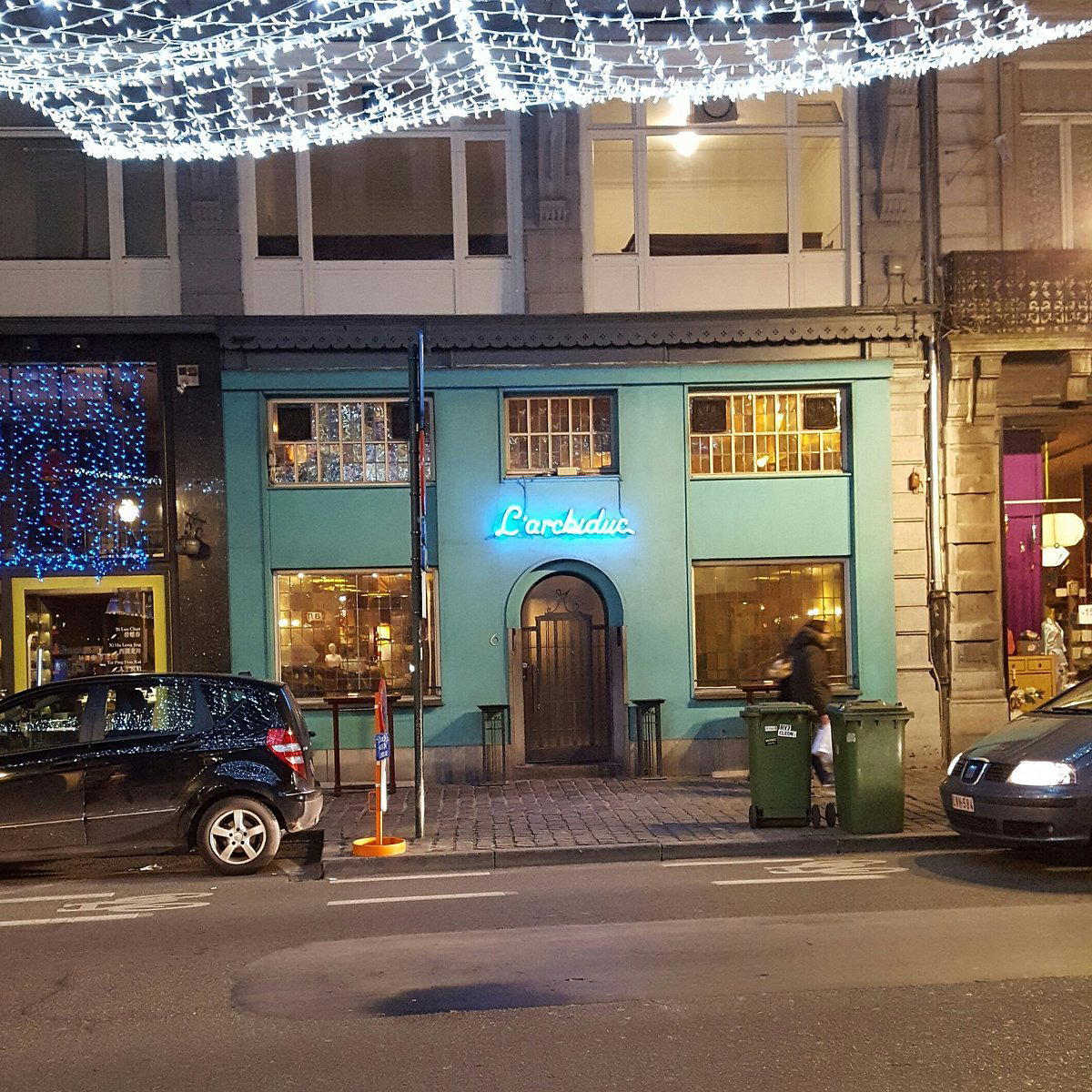
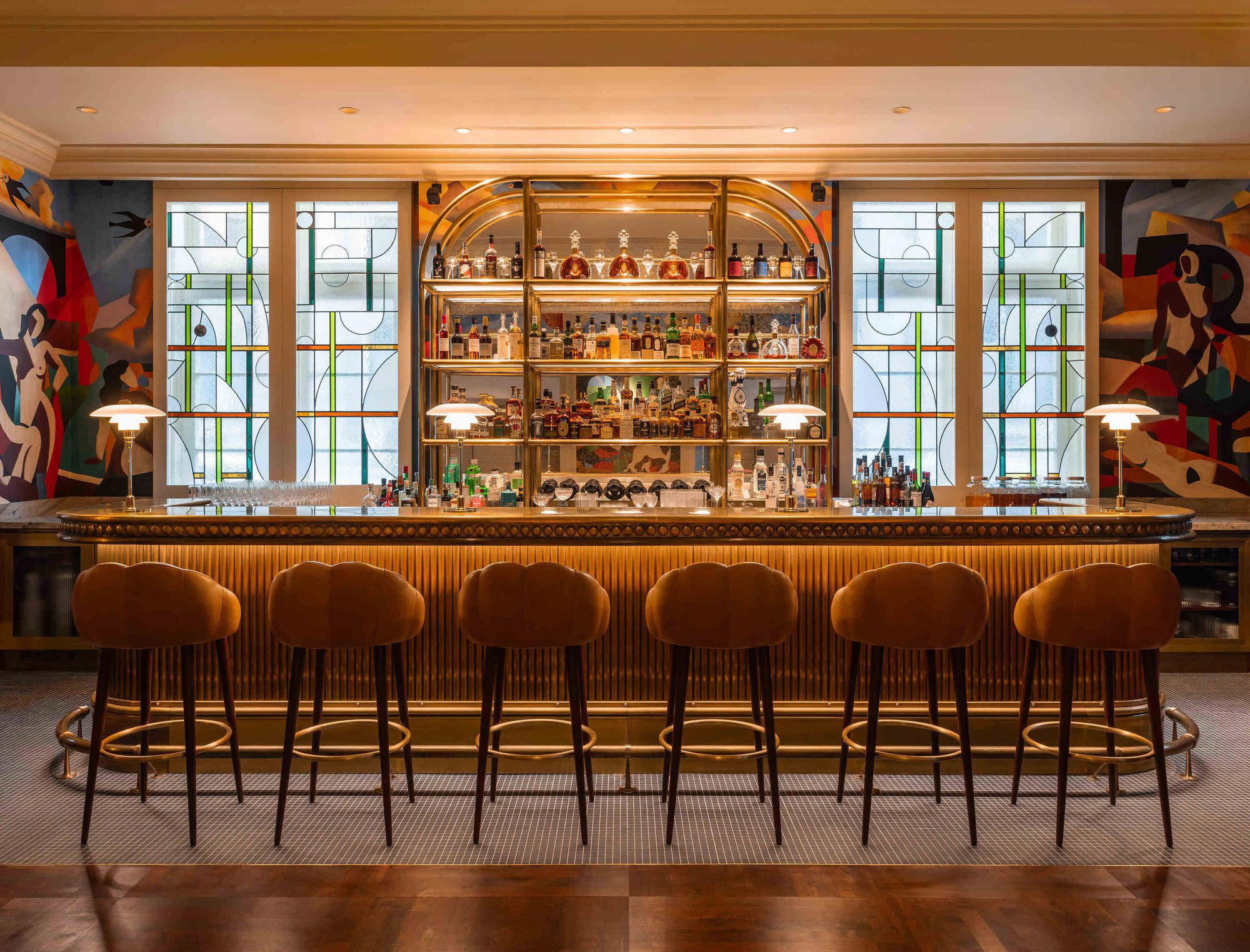
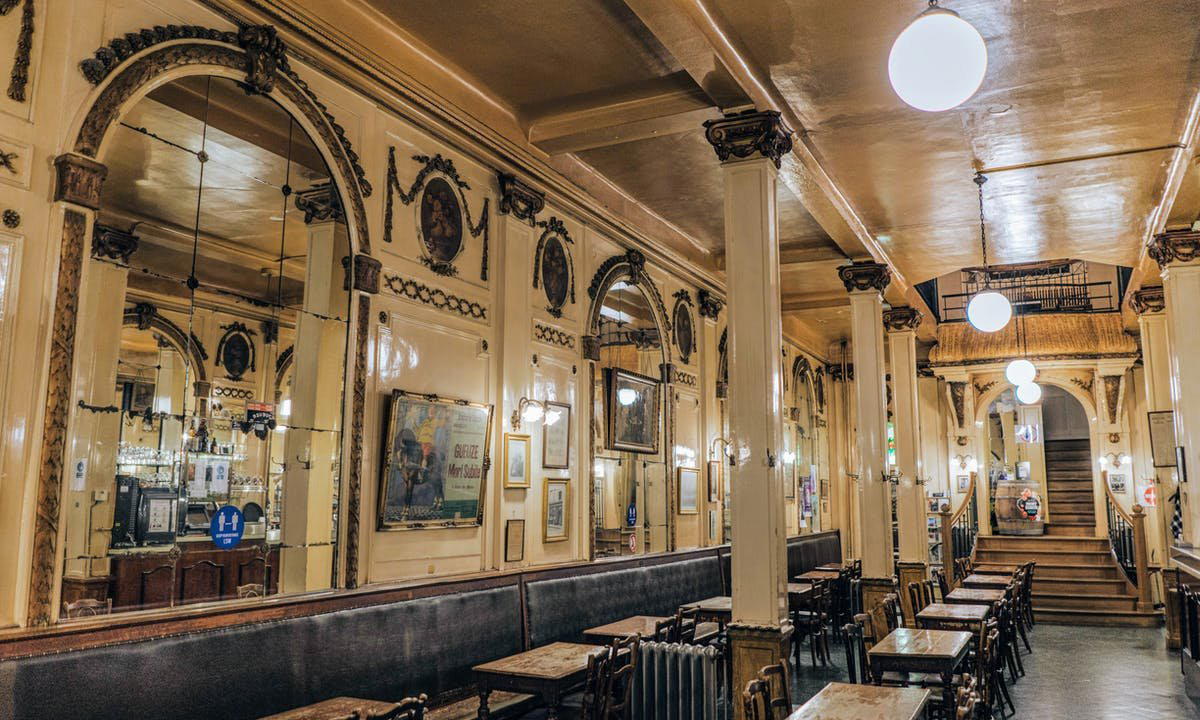
Hotels in Brussels
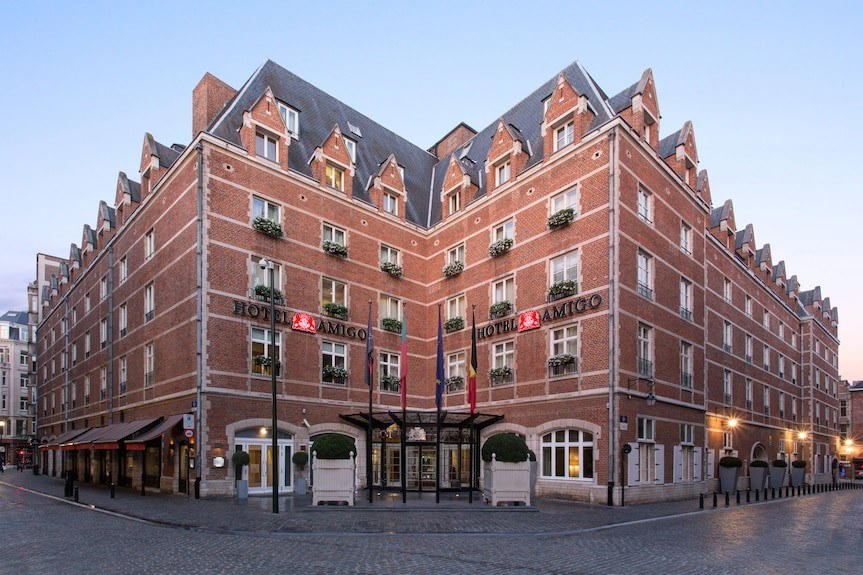
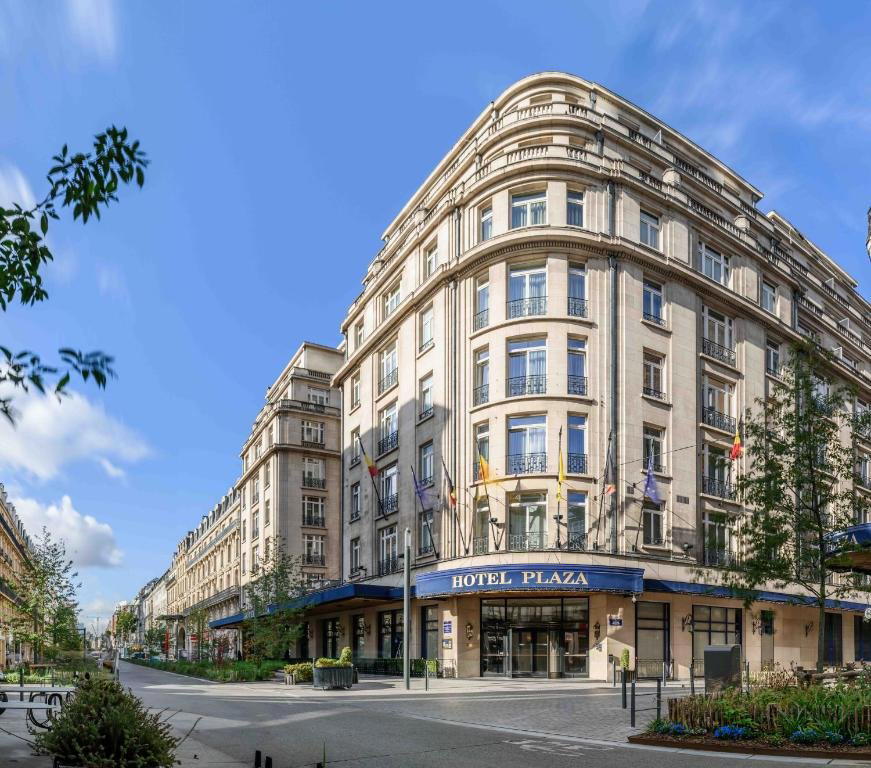
All hotels in Brussels →
Wineries in Brussels
Browse all →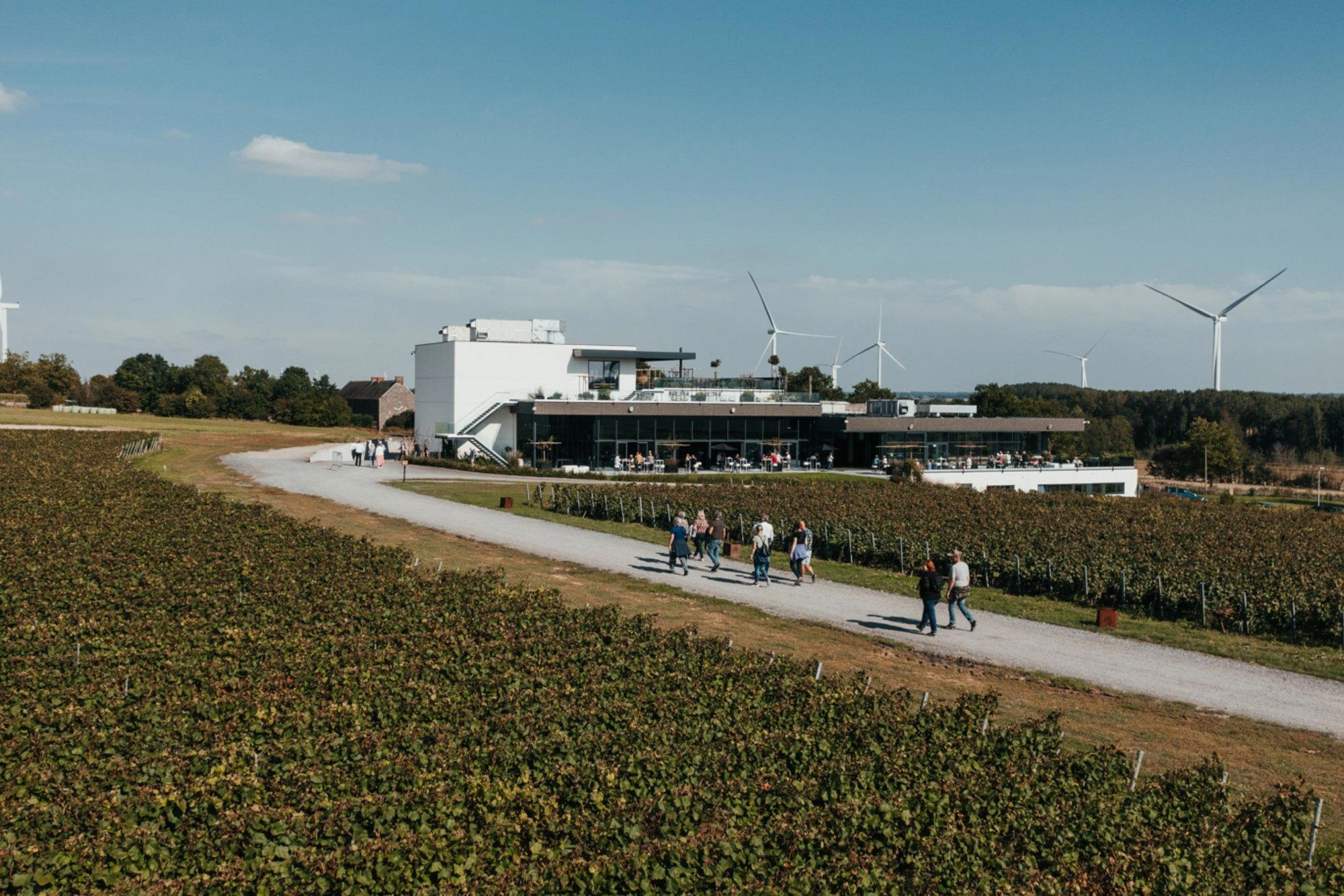
Details
- Modern
- Cozy
- Intimate
- Sophisticated
- Date Night
- Special Occasion
- Open Kitchen
- Design Destination
- Standalone
- Natural Wine
- Sommelier Led
- Local Sourcing
- Sustainable Seafood
- Tasting Menu
- Prix Fixe
- Wine
- Vegetarian Friendly
- Pescatarian Friendly
Current opening hours
- Monday
- Closed
- Tuesday
- Closed
- Wednesday
- Closed
- Thursday
- 7–10:30 PM
- Friday
- 7–10:30 PM
- Saturday
- 12–2 PM, 7–10:30 PM
- Sunday
- 12–5 PM
Hours can change for holidays and private events. Hours as of .
Minimalist, intimate fire-led dining with an open kitchen and a cozy, inviting feel; the room centers on the visible charcoal/flame cooking and a small, focused tasting-menu experience.