All Time
All Time occupies a low-key corner of Los Feliz's Hillhurst Avenue, sitting in the tier of neighborhood-rooted Los Angeles restaurants where the room does as much work as the menu. Against the city's more formal dining rooms, it reads as deliberately casual in format while maintaining clear editorial attention to what arrives on the table. The address at 2040 Hillhurst Ave places it within walking distance of the area's concentrated café and restaurant culture.
Pearl is the En Primeur Club membership app — saves, bookings, and concierge access live there. Same editors, same standards.
- Address
- 2040 Hillhurst Ave, Los Angeles, CA 90027
- Phone
- +1 323 660 3868
- Website
- alltimelosangeles.com
- Directions
- Get directions
 Saves & bookings on Pearl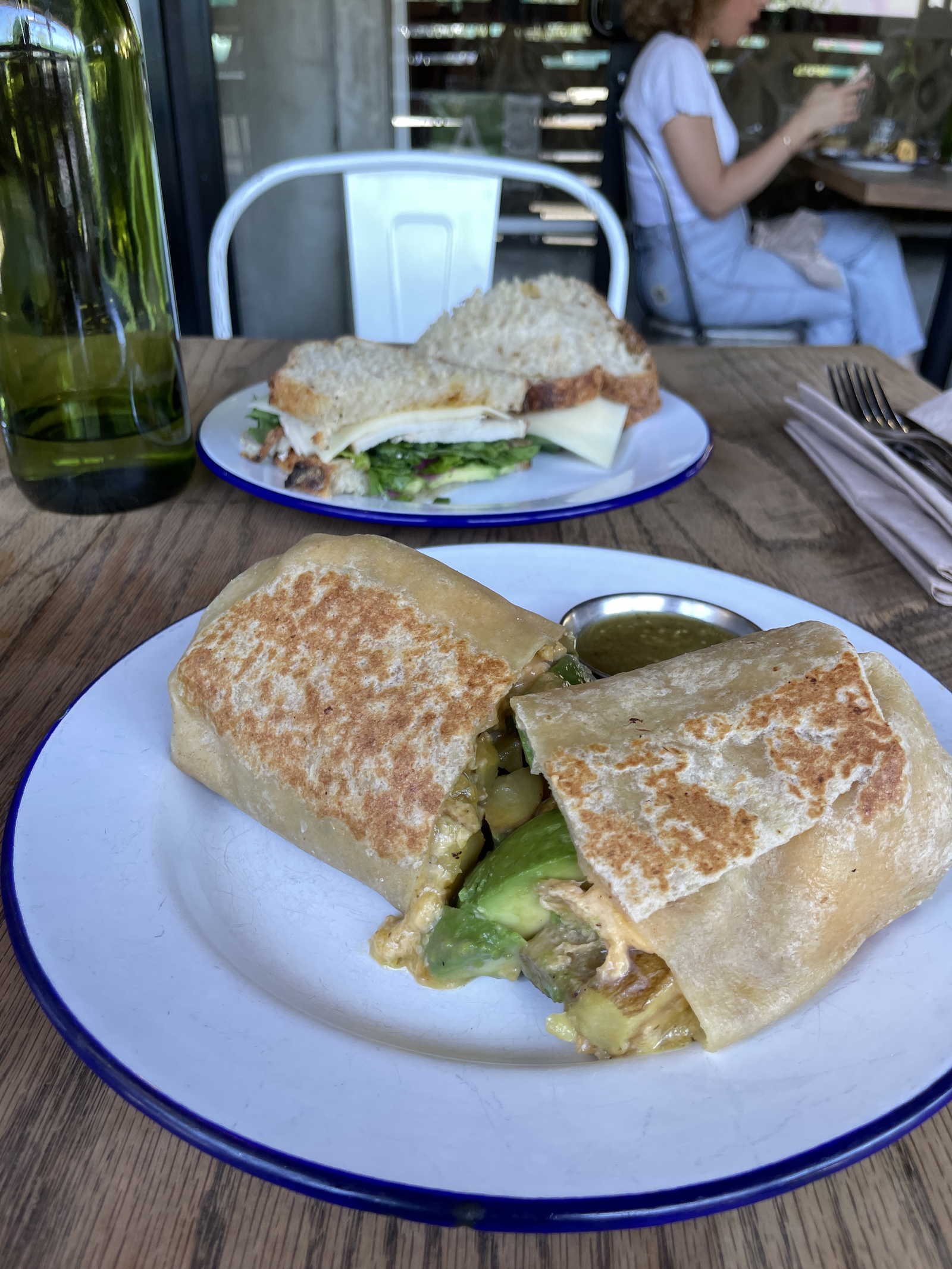
A Room That Sets Its Own Terms
Los Feliz's Hillhurst Avenue has quietly become one of Los Angeles's more interesting stretches for neighborhood dining, operating at a register distinct from the high-production rooms of Beverly Hills or the chef-driven tasting counter circuit concentrated in West LA and downtown. The street rewards the kind of attention that visitors often reserve for flashier corridors. All Time, at 2040 Hillhurst Ave, sits within that context: a casual Modern American Comfort restaurant whose physical presence communicates intention without announcement.
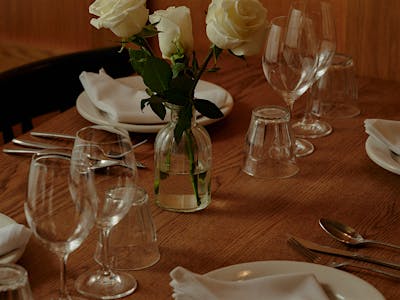
The design language of places like this one belongs to a specific Los Angeles tradition: rooms that resist the overdressed interior while still making clear that the space was considered. The contrast with the city's more architecturally ambitious dining rooms, among them Vespertine's tower structure or the formal envelope of Providence, is sharp. All Time operates in the other direction, where the physical container steps back and the food is asked to carry the register. That choice is as deliberate as any chandelier.
Los Feliz and the Neighborhood Restaurant Argument
The neighborhood restaurant has been a contested category in American dining for the past decade, pulled between accessibility and ambition. The strongest examples, from Lazy Bear in San Francisco to Smyth in Chicago, have resolved that tension by committing fully to one direction rather than hedging. In Los Angeles, the question of what a neighborhood restaurant owes its neighborhood has particular weight, partly because neighborhoods here are so geographically self-contained that a restaurant's radius of loyal diners is often smaller and more consistent than in denser cities.
Hillhurst's dining cluster, which includes a range of formats from coffee to full-service, functions more like a village high street than a destination dining corridor. That context shapes what All Time is and what its regulars expect from it. The all-day format, common across this tier of Los Angeles café-restaurant hybrids, allows a room to serve the same physical space across breakfast, lunch, and the hours between, which changes the economics and the atmosphere simultaneously. The light that enters such rooms at 9am reads entirely differently from what it does at noon, and spaces designed for that range tend to have a stripped quality that denser dinner-only rooms can avoid.
Placing All Time in the Los Angeles Dining Map
Los Angeles's restaurant scene has stratified clearly over the past several years. At one end, the tasting-counter operations like Kato, Hayato, and Somni have pulled serious dining attention and critical recognition into the upper price tier. At the other end, the city's taco stands and market counters hold ground that few other American cities can match. The middle, where full-service neighborhood rooms operate without the infrastructure of a major group or the critical apparatus of a Michelin-starred program, is where interesting quiet work often happens.
The restaurant sits somewhere in that middle. Its Hillhurst address connects it to a residential audience rather than a tourist circuit, which tends to produce a different kind of discipline: menus that have to make sense on a Tuesday morning and a Saturday afternoon, rooms that have to feel right to someone who has been in three times that week. Compare that to the occasion-dining model at Osteria Mozza or the destination logic of The French Laundry in Napa, and the operating premises are almost opposite.
The comparison class for the restaurant runs closer to the day-to-night café-restaurant that has become a recognizable format in American cities with strong residential dining cultures. Frasca Food and Wine in Boulder and Addison in San Diego occupy different price tiers and formats, but they share the logic of serving a community that returns rather than a market of first-time visitors. The ambition expressed through consistency rather than through formal occasion is a harder thing to sustain and often a less legible one to outside critics.
What the Space Signals
The editorial angle on a room like this is almost always architectural. Interior choices in the all-day café-restaurant category carry meaning because the budgets are tighter and the design decisions more exposed. A kitchen that opens toward the dining room, a counter that allows solo diners to eat without awkwardness, natural light managed through window placement rather than artificial supplement: these are not accidental. They reflect a point of view about how people should occupy a space across different hours and in different configurations.
Rooms in this category across American cities, from the raw-wood counter operations that defined early Portland dining to the tile-and-plaster register visible in many Los Angeles neighborhoods, share a vocabulary that communicates informality without carelessness. The design says: we thought about this, but we thought about it in service of you being comfortable, not in service of you noticing how much we thought about it. That distinction, between design as atmosphere and design as statement, is where the neighborhood restaurant makes its argument most clearly.
Contrast with the maximalist spaces elsewhere in the American dining range, from The Inn at Little Washington to Blue Hill at Stone Barns in Tarrytown, where the physical container is itself part of the pitch, and the restraint of a place like All Time reads as a position rather than a limitation. International parallels exist too: the spare, material-led rooms of Atelier Moessmer Norbert Niederkofler in Brunico reach the same conclusion from an entirely different culinary tradition.
Planning a Visit
The restaurant is located at 2040 Hillhurst Ave in Los Feliz, accessible from the 5 and 101 freeways and within the walkable core of the neighborhood. Street parking on Hillhurst and surrounding residential blocks is the primary option. The all-day format typical for this category means the room operates across a longer window than a dinner-only restaurant, which spreads demand and tends to make walk-in access more realistic during off-peak hours.
The Short List
Comparable venues nearby, for context on price, style, and recognition.
| Venue | Cuisine | Price | Notes |
|---|---|---|---|
| All TimeThis venue — the venue you are viewing | Los Feliz, Modern American Comfort | $$ | Not listed |
| Masa of Echo Park | Echo Park, Chicago Deep Dish Pizza | $$ | Not listed |
| FIVE on the Hill | Hollywood Hills, Modern American | $$ | Not listed |
| C J's Cafe | Not listed | $$ | Mid-Wilshire, Southern Soul Food Breakfast |
| Garden Cafe (of Sherman Oaks) | Sherman Oaks, American Cafe | $$ | Not listed |
| Neighborly | Not listed | $$ | Brentwood, California Fast-Casual Food Hall |
Continue exploring
More in Los Angeles
Restaurants in Los Angeles
Browse all →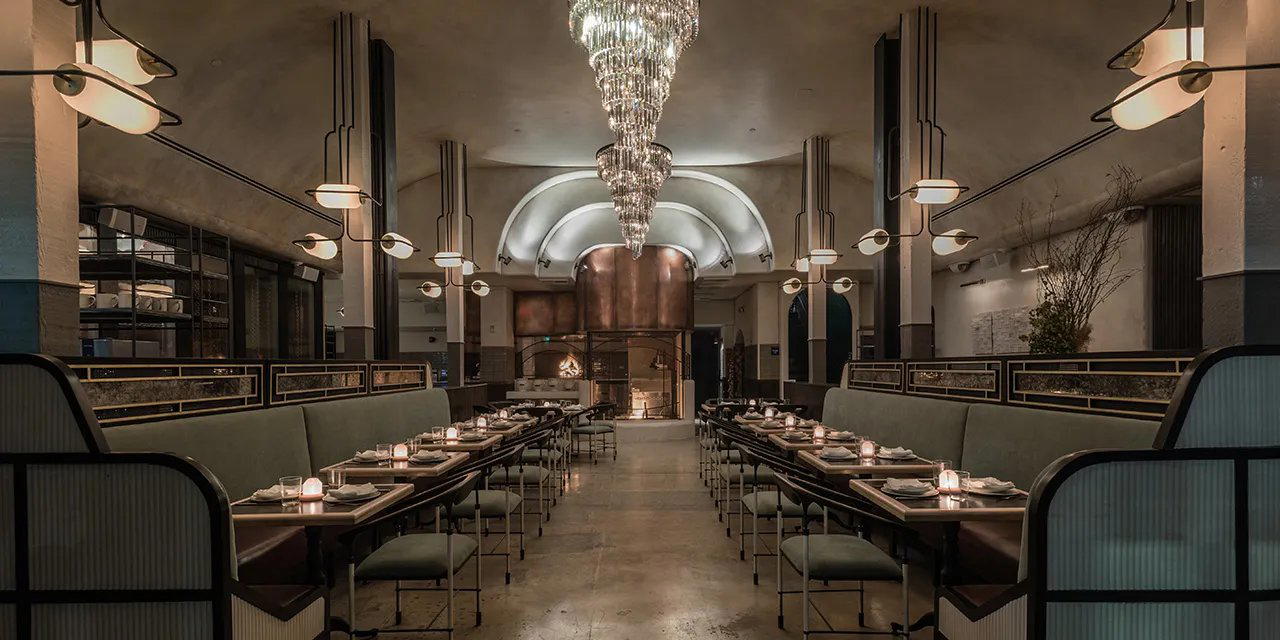
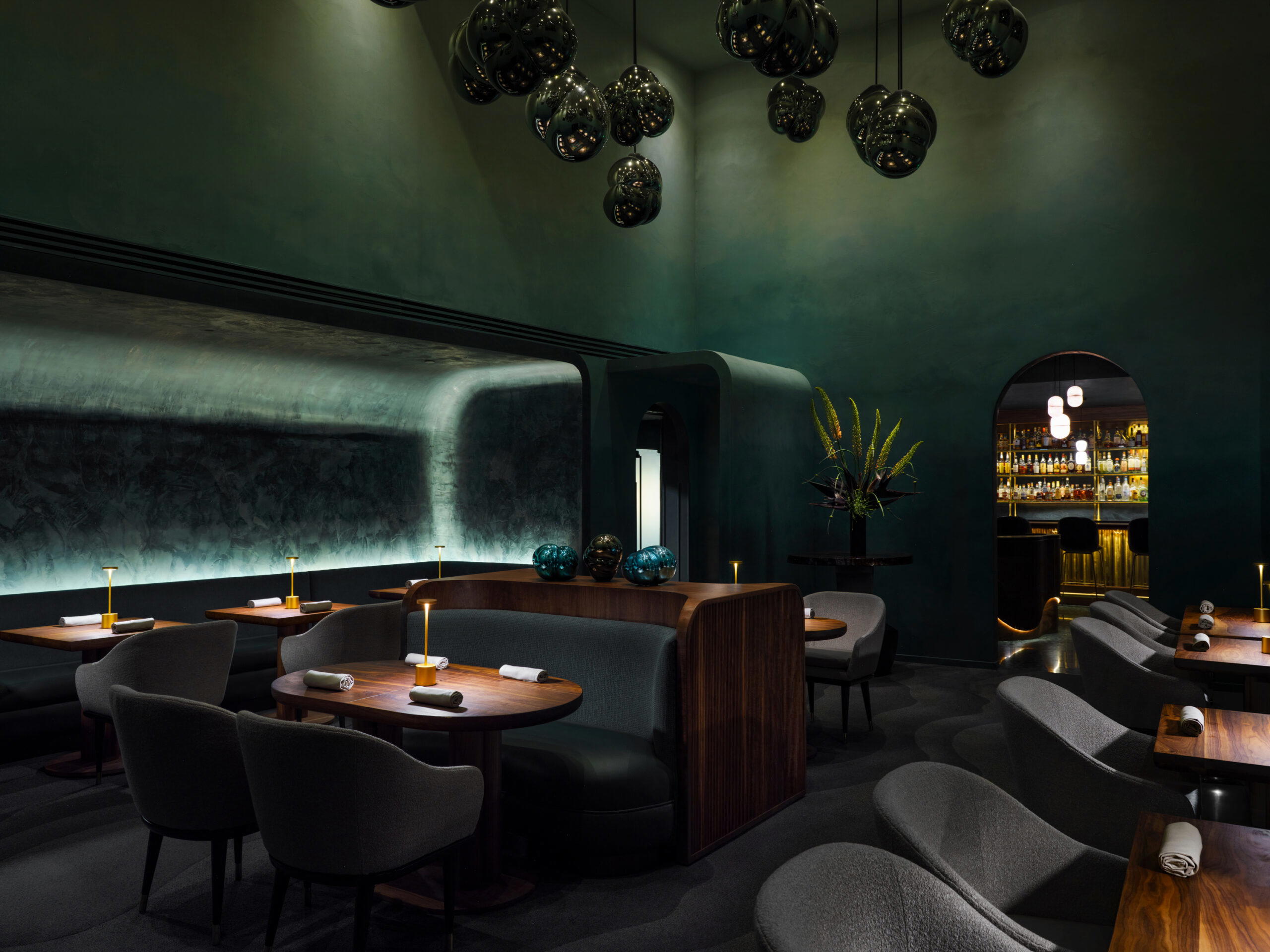
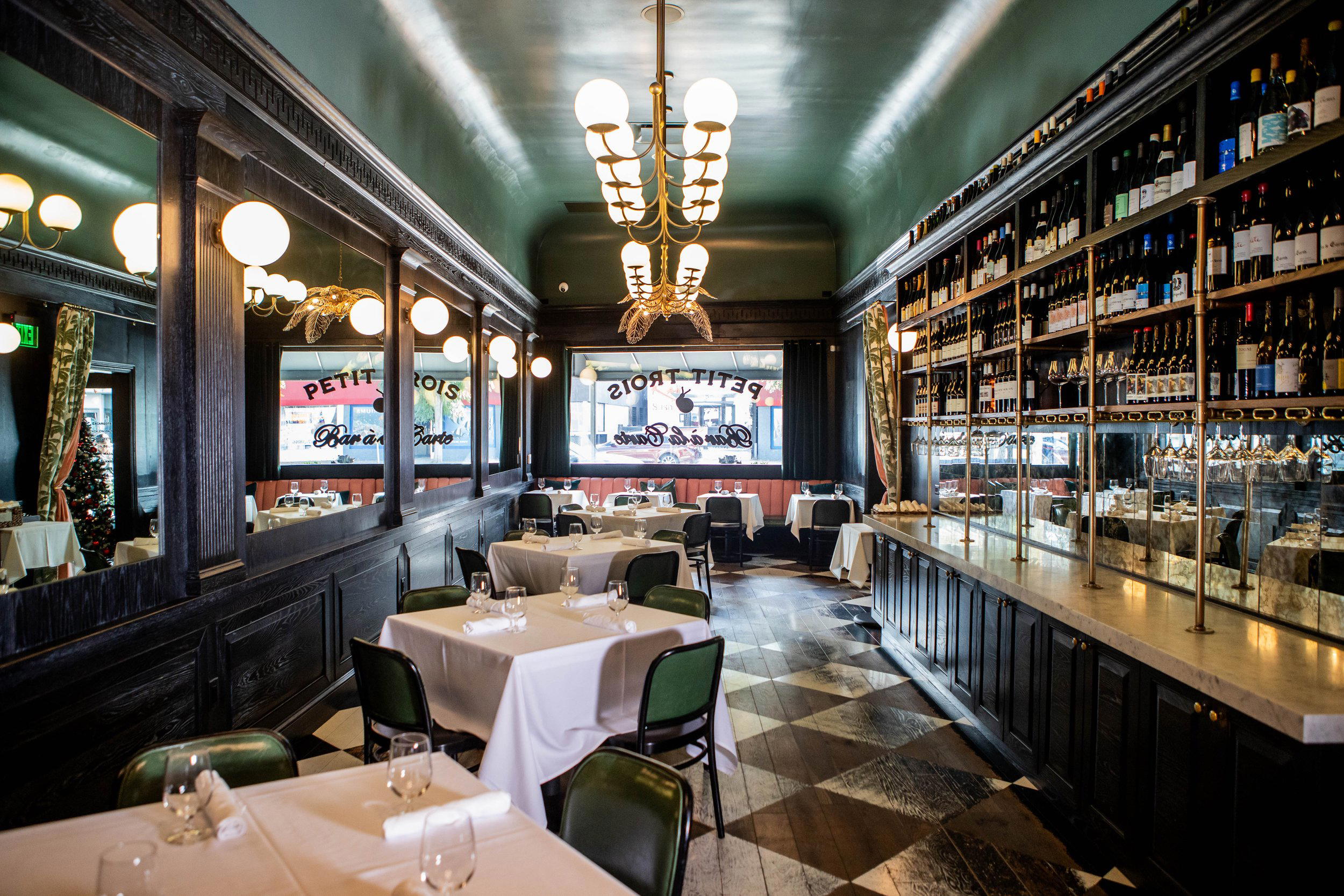
Bars in Los Angeles
Browse all →

Hotels in Los Angeles
Browse all →
Wineries in Los Angeles
Browse all →
At a Glance
- Lively
- Modern
- Trendy
- Casual Hangout
- Brunch
- Group Dining
- Open Kitchen
- Terrace
- Craft Cocktails
- Local Sourcing
Current opening hours
- Monday
- 8 AM–3 PM, 5–10 PM
- Tuesday
- 8 AM–3 PM, 5–10 PM
- Wednesday
- 8 AM–3 PM, 5–10 PM
- Thursday
- 8 AM–3 PM, 5–10 PM
- Friday
- 8 AM–3 PM, 5–10 PM
- Saturday
- 8 AM–3 PM, 5–10 PM
- Sunday
- 8 AM–3 PM, 5–10 PM
Hours can change for holidays and private events. Last verified .
Lively atmosphere with string-lit patio well-suited for casual dining and drinks with friends.