Neighborly
Neighborly, on San Vicente Boulevard in Brentwood, operates as a multi-restaurant food hall and marketplace at a price point that sits well below the tasting-menu tier defining much of Los Angeles's fine-dining conversation. Where destination restaurants demand advance planning and ceremony, Neighborly trades on accessibility and range, gathering multiple culinary formats under one address for a crowd that wants quality without the commitment.
Pearl is the En Primeur Club membership app — saves, bookings, and concierge access live there. Same editors, same standards.
- Address
- 11754 San Vicente Blvd, Los Angeles, CA 90049
- Phone
- (424) 289-4124
- Website
- beneighborly.com
- Directions
- Get directions
 Saves & bookings on Pearl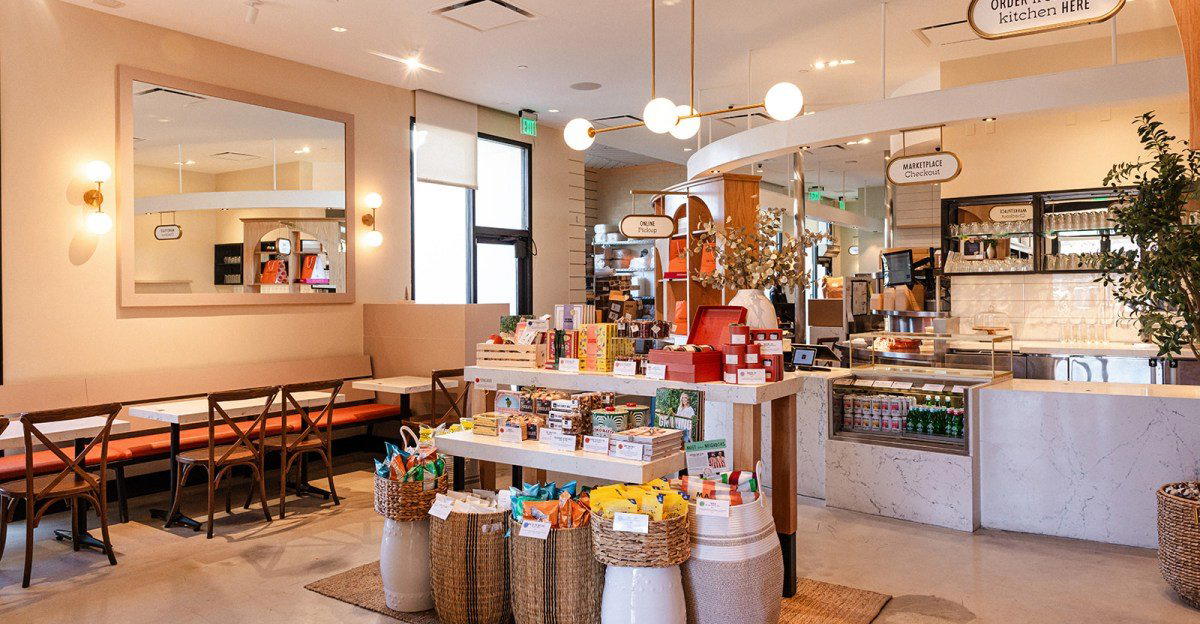
Brentwood's Gathering Point: The Food Hall Model in West Los Angeles
San Vicente Boulevard in Brentwood has long functioned as one of Los Angeles's quieter corridors of money, tree-lined, residential in character, and anchored by the kind of low-profile retail that assumes its customer base rather than advertising to it. The food hall format found fertile ground here. Neighborly, at 11754 San Vicente, sits within that pattern: a multi-restaurant food hall and marketplace positioned for a neighborhood that wants culinary range within a single destination rather than a reservation circuit across multiple venues.
The food hall model itself deserves some framing. At its best, it creates genuine cross-pollination between operators, allowing complementary kitchens to build a collective identity that no single restaurant could project alone. The question for any food hall is whether the assembly of vendors adds up to something coherent, or simply occupies square footage efficiently.
Where Neighborly Sits in the Los Angeles Dining Conversation
Los Angeles's dining conversation has, over the past several years, split along fairly clear lines. On one end, tasting-menu restaurants like Kato and Hayato operate at the $$$$ tier with structured formats, advance booking requirements, and a kind of ceremony that positions them closer to Somni or Providence than to anything walk-in. On the other end, the city's notable informal dining culture, from Eastside taquerías to Holbox's Mexican seafood at Grand Central Market, operates with immediacy and low overhead. The food hall occupies an increasingly important middle band: accessible enough for weeknight use, credentialed enough to attract operators who care about sourcing and technique.
Emeril's in New Orleans anchored a neighborhood's culinary identity as a flagship destination restaurant. Lazy Bear in San Francisco went the opposite direction, turning communal dining into a high-commitment ticketed format. The food hall model sidesteps both, prioritizing throughput and variety over ceremony. That is a genuine editorial position, not a compromise, it reflects a different thesis about what dining is for on a given evening.
Brentwood's residential density and demographic profile make it a practical location for this format. The neighborhood draws professionals who eat out frequently but not always ceremonially, and who value proximity over destination travel within the city. A food hall on San Vicente speaks directly to that pattern: the kind of place you visit because it is nearby and reliable, and where you might discover something you return for specifically.
The Team Dynamic Inside a Multi-Operator Format
The editorial angle that distinguishes the better food halls from the worse ones is how the operators relate to each other. In a standard food court, the relationship is purely spatial, vendors share a landlord, not a philosophy. In a well-curated food hall, there is something more deliberate at work: a marketplace that makes curatorial decisions about which operators to include, which formats complement each other, and how the collective offering is communicated to the guest.
This curatorial function is the food hall equivalent of the chef-sommelier-front-of-house dynamic at a full-service restaurant. At properties like Frasca Food and Wine in Boulder, the precision of that internal collaboration is itself a selling point. At Single Thread Farm in Healdsburg, the integration between kitchen, front-of-house, and farm operation is so tight that the team dynamic is the product. In a food hall, the equivalent integration happens at the curation and operations level: who selected these vendors, how do they handle shared infrastructure, and does the guest experience reflect intentional design or random aggregation?
The marketplace component at Neighborly adds a dimension that pure restaurant formats lack. A market attached to a food hall signals something about the operator's relationship with product, it suggests a belief that the guest's engagement with food extends beyond the meal itself, into the purchase of ingredients, prepared goods, or the kind of pantry items that carry a culinary point of view home. That thesis connects Neighborly's format to a broader American pattern: the market-restaurant hybrid, seen at venues like Blue Hill at Stone Barns in Tarrytown or, at a different scale, the farm-to-shelf retail operations attached to destination restaurants in the Northeast and Pacific Northwest.
Placing Neighborly Against the West Side's Wider Dining Options
West Los Angeles's dining options run the full spectrum. At the formal end, Osteria Mozza has held its position as the reference point for Italian cooking in the city for well over a decade. Further afield, Addison in San Diego operates California's only three-Michelin-star kitchen as a pure tasting-menu destination. Atomix in New York City and The French Laundry in Napa sit at the global reference tier. Neighborly is not competing with any of those properties, which is the point. It competes with the question of what to do on a Tuesday when the tasting menu is too much and takeout is too little, a question Los Angeles residents ask as often as anyone in any food city in the country.
The food hall format, when it functions well, answers that question with more precision than a single-concept casual restaurant can. Multiple kitchens under one roof means the group with divergent appetites, the solo diner with limited appetite, and the family covering several dietary directions can all land somewhere satisfying. That flexibility is a structural advantage, not a consolation prize.
Additional context on how comparable formats operate in other American cities can be found in our coverage of Smyth in Chicago, Le Bernardin in New York City, and The Inn at Little Washington.
Know Before You Go
- Address: 11754 San Vicente Blvd, Los Angeles, CA 90049
- Format: Multi-restaurant food hall and marketplace
- Neighborhood: Brentwood, West Los Angeles
- Hours: Not listed
- Reservations: Walk-in friendly
- Price range: About $20 per person
- Parking: Street parking and lot access typical for San Vicente Blvd commercial strip
A Tight Comparison
Comparable venues nearby, for context on price, style, and recognition.
| Venue | Cuisine | Price | Notes |
|---|---|---|---|
| NeighborlyThis venue — the venue you are viewing | Not listed | $$ | Not listed |
| Rustic Kitchen | Not listed | $$ | Westdale, American Farm-to-Table Wine Bar |
| Superba Food + Bread Venice | Venice, Modern American Bakery Cafe | $$ | Not listed |
| MIXT Salads | Silver Lake, Customizable Salads | $$ | Not listed |
| Layla Bagel | Pico, Sourdough Bagels | $$ | Not listed |
| Shaky Alibi | Fairfax, Belgian Liège Waffles Cafe | $$ | Not listed |
Continue exploring
More in Los Angeles
Restaurants in Los Angeles
Browse all →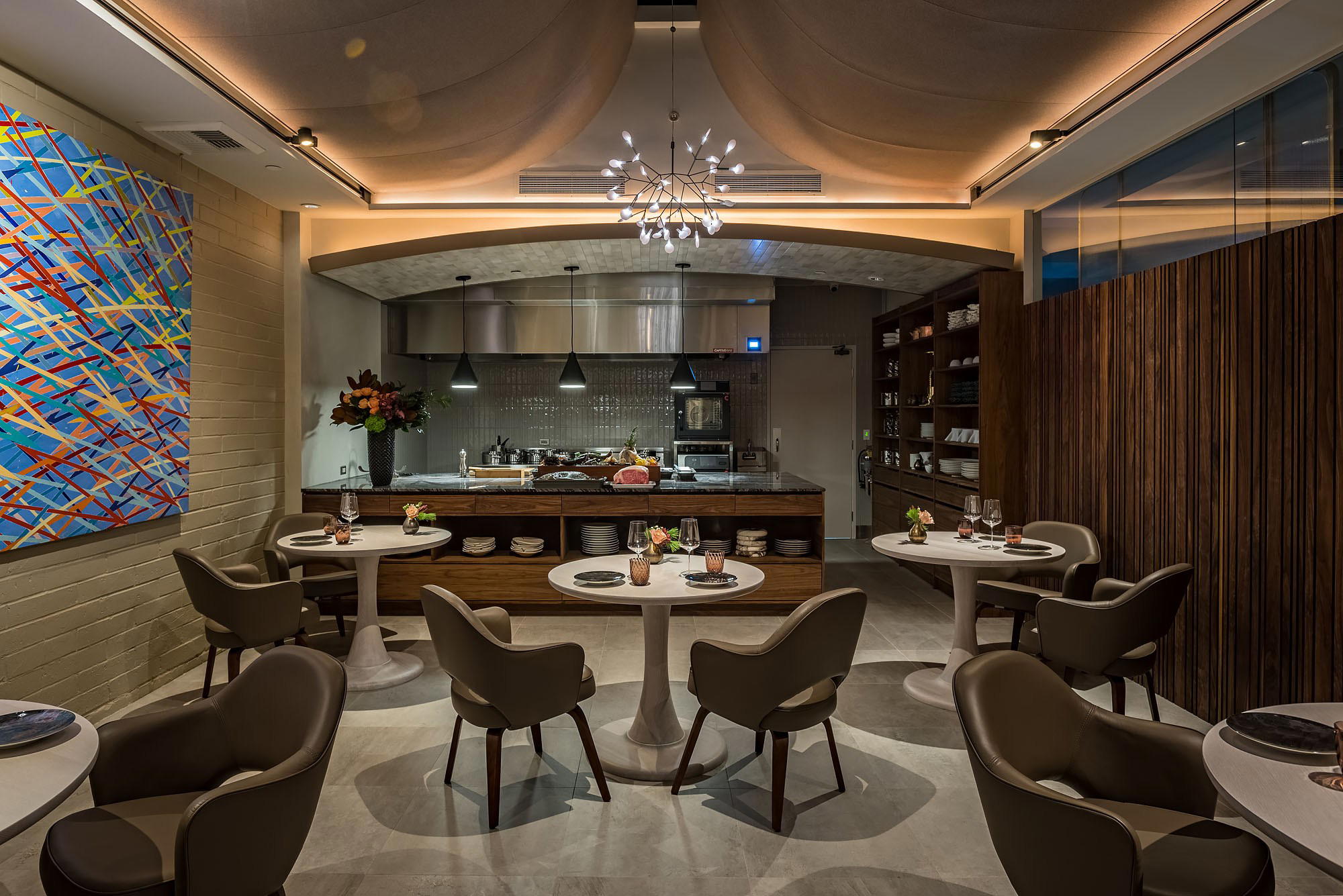
Bars in Los Angeles
Browse all →
Hotels in Los Angeles
Browse all →

Wineries in Los Angeles
Browse all →
At a Glance
- Modern
- Lively
- Trendy
- Family
- Casual Hangout
- Open Kitchen
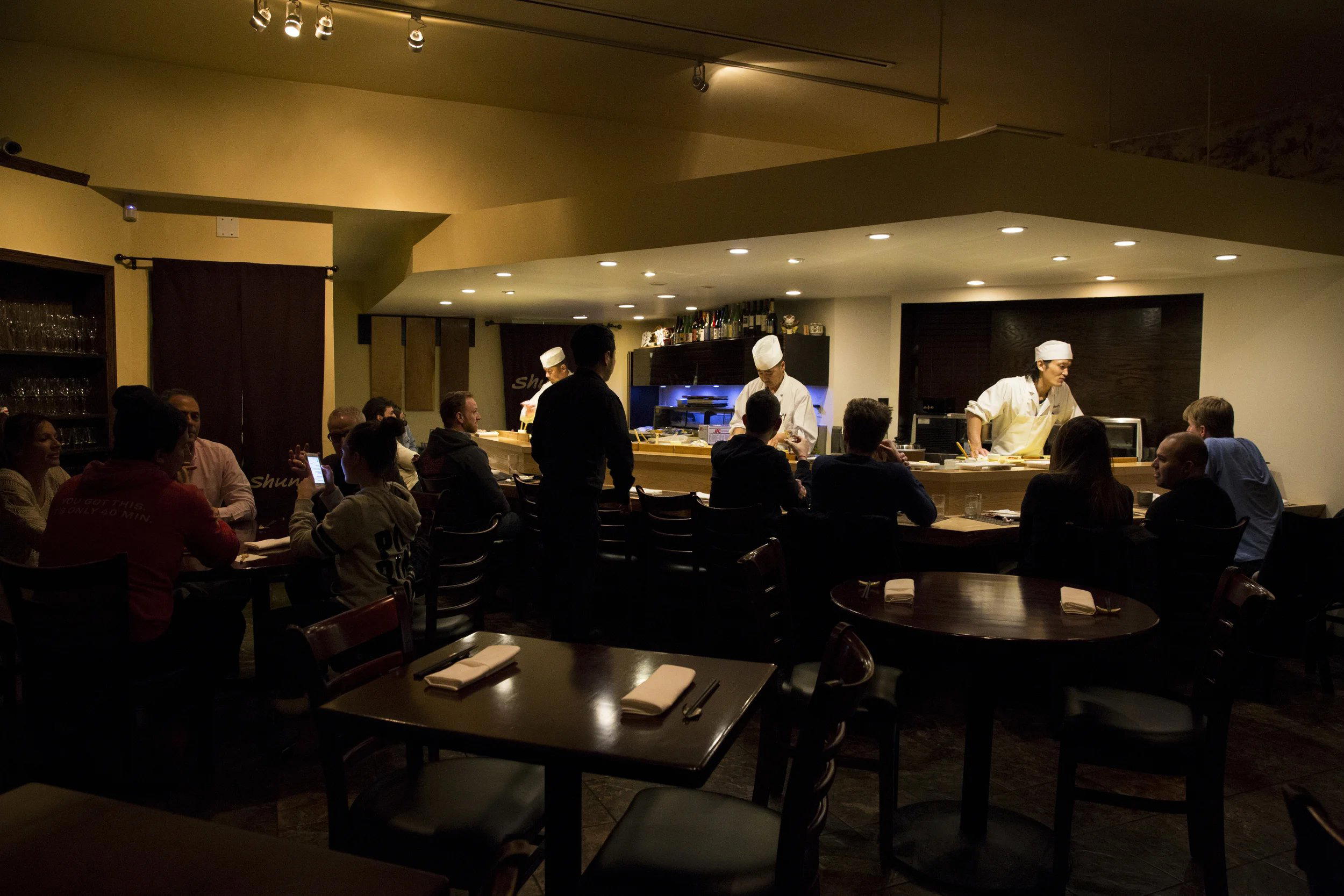
Casual fast-casual atmosphere with indoor and outdoor seating around an open-view kitchen.