
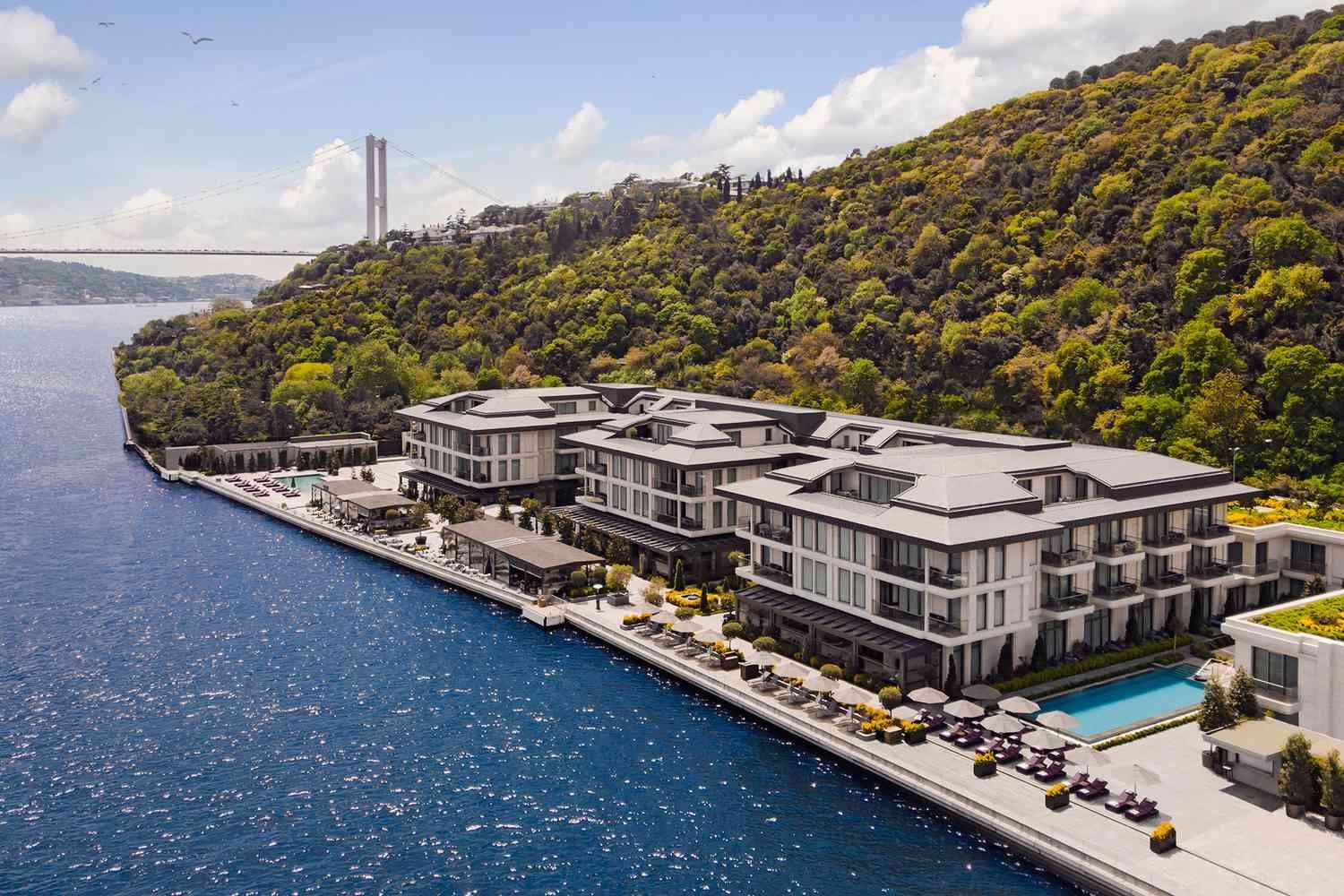
Alexandra sits along the Bosphorus-facing stretch of Arnavutköy in Beşiktaş, one of Istanbul's most historically layered waterfront neighbourhoods. The address places it within walking distance of the Bebek promenade and the broader dining corridor connecting European Istanbul's coastal villages. For travellers moving between the city's culinary districts, it is a reference point worth understanding in context.
Pearl is the En Primeur Club membership app — saves, bookings, and concierge access live there. Same editors, same standards.
- Address
- Arnavutköy, Bebek Arnavutköy Cd No
- Phone
- +905302875848
- Website
- alexandrabar.com
- Directions
- Get directions
 Saves & bookings on Pearl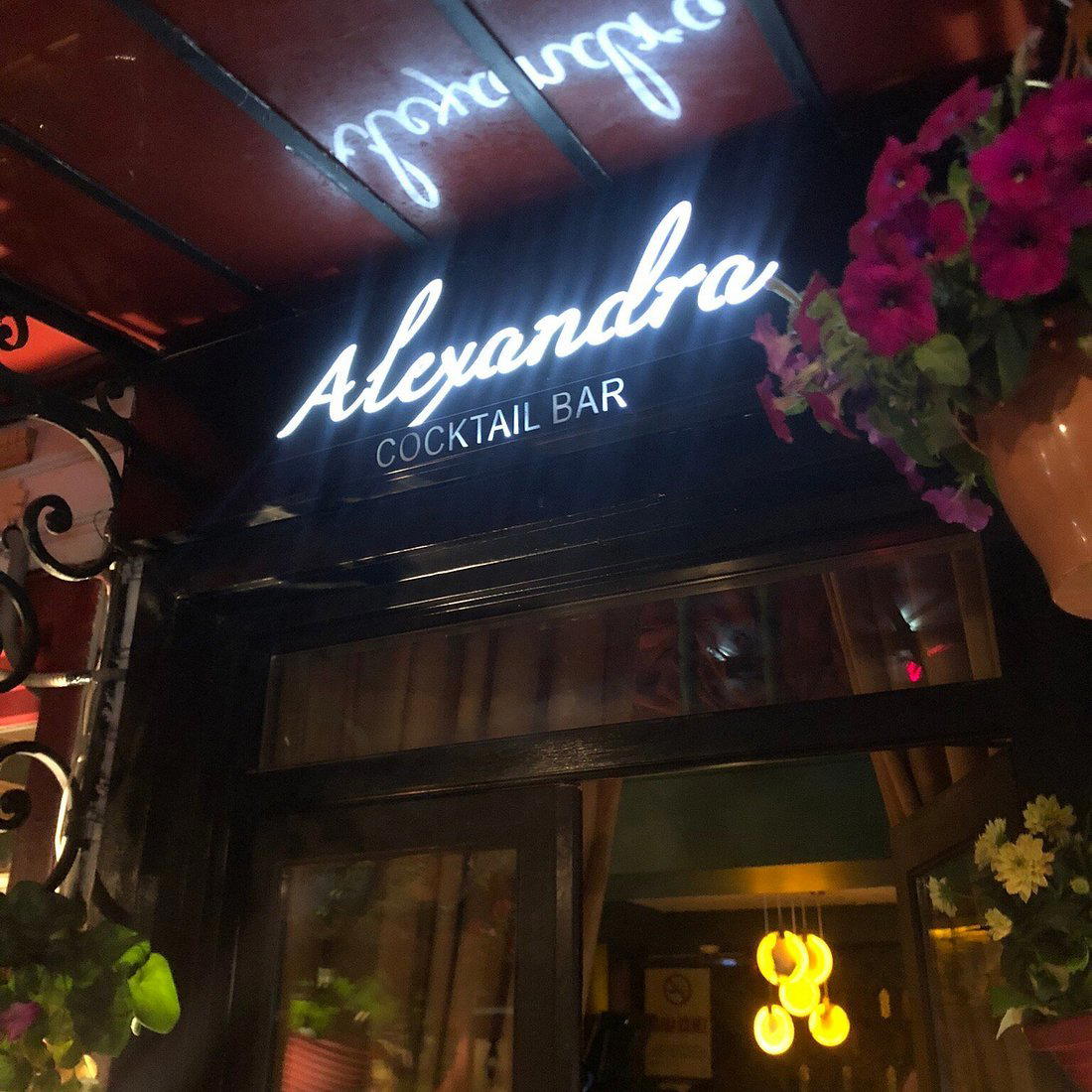
Arnavutköy and the Logic of Eating on the Bosphorus Shore
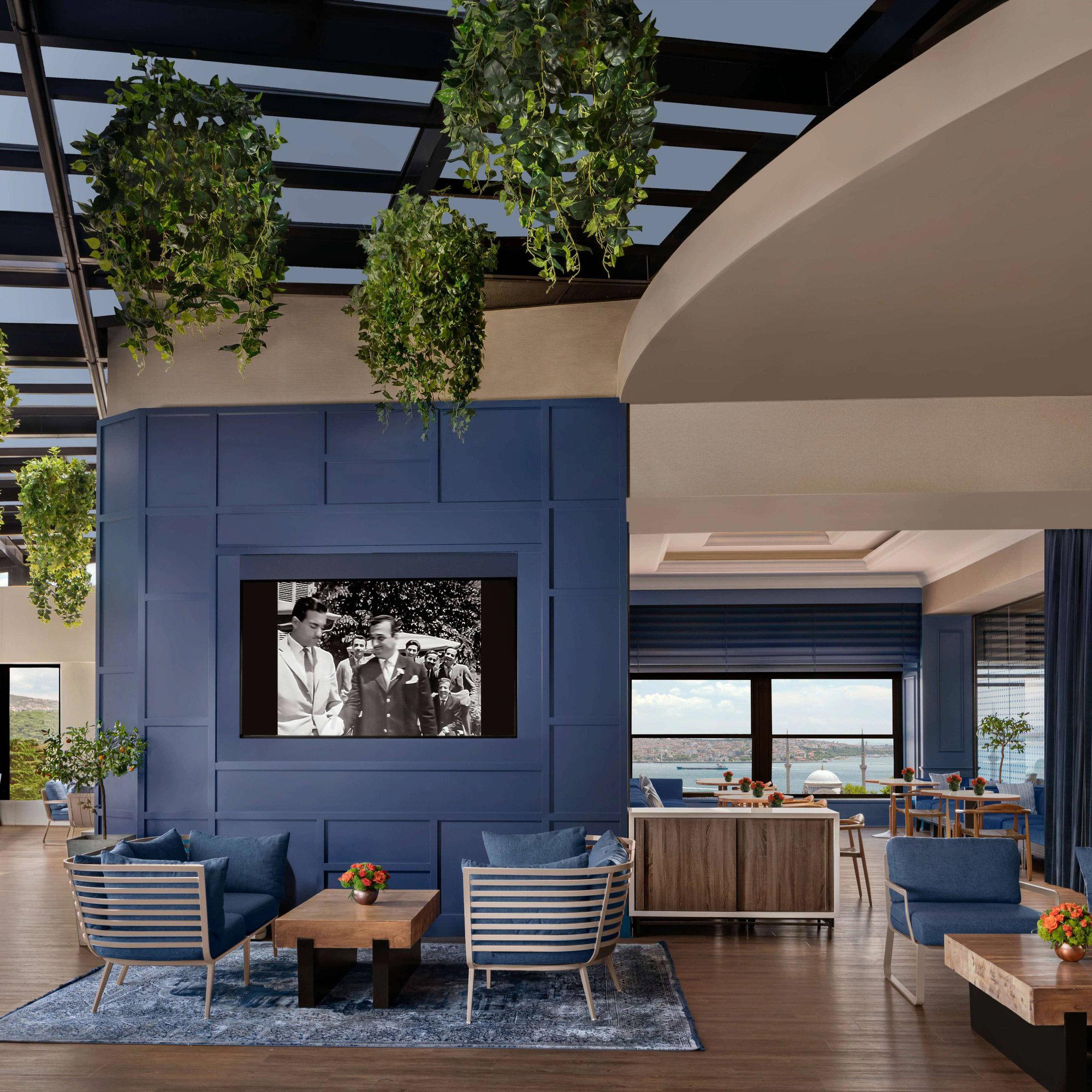
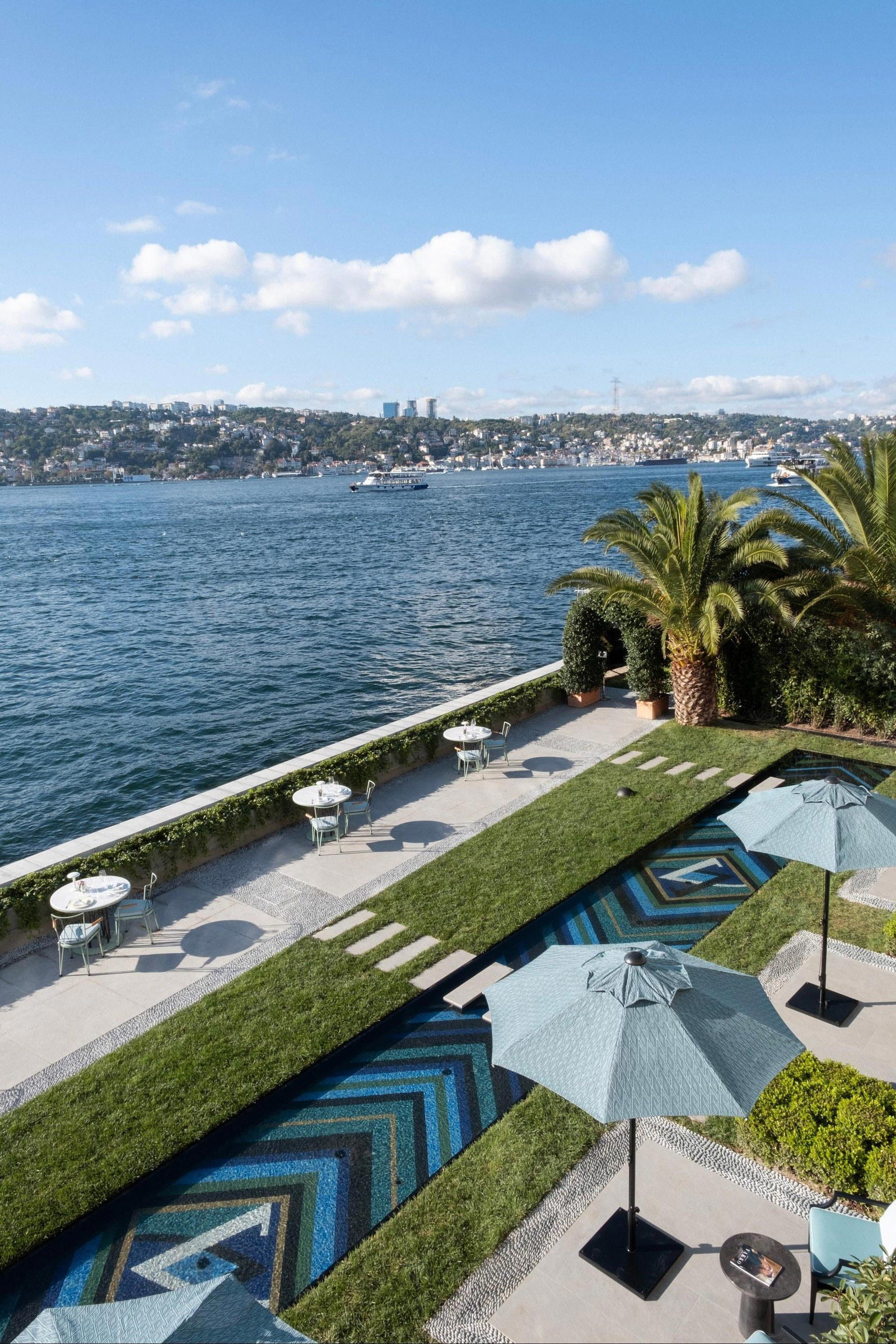
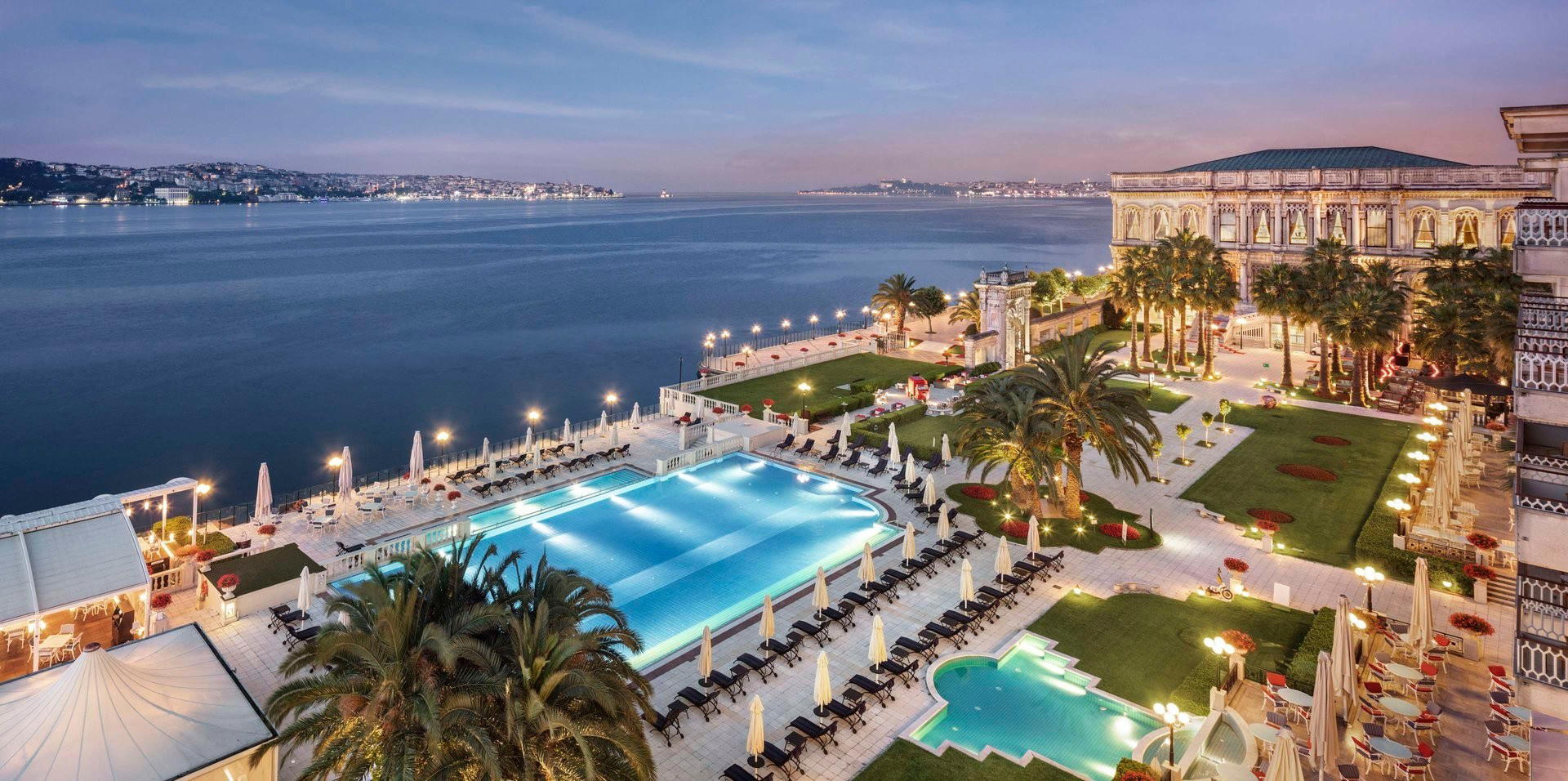
There is a particular quality to dining along the Arnavutköy waterfront that no amount of interior design can replicate. The neighbourhood sits between Bebek and Ortaköy on Istanbul's European shore, and its defining characteristic is the compressed tension between Ottoman-era wooden yalı buildings, narrow cobbled streets, and an uninterrupted view across the Bosphorus strait toward the Asian hills. Restaurants that occupy this corridor are not simply competing on food; they are competing on place, and the two are difficult to disentangle. Alexandra, addressed on Bebek Arnavutköy Caddesi, operates within that layered geography.
Beşiktaş as a broader district has evolved considerably as a dining destination. What was once defined almost exclusively by meyhane culture and fish restaurants has expanded to include formats ranging from rooftop dining (as seen at 16 Roof Swissotel) to Italian-inflected trattoria formats (Morini) and neighbourhood-scale everyday dining (Joanna). The Arnavutköy sub-neighbourhood represents its own distinct register within that range: quieter, more residential, with a clientele that skews toward established Istanbul families and the diplomatic community rather than the louder tourist traffic of Ortaköy or Taksim.
Where the Food Comes From, and Why That Matters Here
The ingredient sourcing logic that defines serious Turkish cooking is among the most geographically specific in the Eastern Mediterranean. Turkey's agricultural and maritime diversity is not abstract: the Aegean coast produces olive oils and herbs that differ in character from their Anatolian counterparts; the Black Sea supplies anchovies, hazelnuts, and dairy traditions built on mountain pasture; the Marmara Sea, which meets the Bosphorus just below Arnavutköy, has historically supplied the bluefish, sea bass, and bream that anchor coastal Istanbul's dining culture. A restaurant on this stretch of shoreline is, by geographic logic, in close proximity to that supply chain.
This matters because the leading Turkish restaurant kitchens in Istanbul have increasingly framed themselves around sourcing specificity rather than technique novelty. At the more ambitious end of the city's dining spectrum, places like Turk Fatih Tutak in Istanbul have built recognition around the interrogation of Anatolian ingredient traditions, drawing on producers from across Turkey's distinct agricultural zones. Further from Istanbul, the same approach appears at Maçakızı in Bodrum and Narımor in Izmir, each anchored by its regional supply geography. For a restaurant on the Arnavutköy shore, the Marmara catch, Thrace-sourced produce, and the proximity of the covered markets in Beşiktaş itself constitute a natural sourcing radius that serious kitchens in the area have historically drawn from.
The broader context here is that Istanbul's restaurant scene has been moving away from the anonymous ingredient sourcing that characterised the city's mass-market fish restaurant boom of the 2000s. In its place, a smaller cohort of establishments has begun treating provenance as a primary signal of quality, a shift visible in how menus are written and how kitchen relationships with producers are discussed. This is not unique to Istanbul: the same arc has played out in Copenhagen, Lima, and Tokyo. But in Istanbul it has a particular texture, because the country's regional diversity means sourcing specificity carries enormous range.
Reading the Arnavutköy Dining Scene
The Arnavutköy corridor functions as a distinct micro-scene within Beşiktaş. Its restaurants tend to serve a slower, longer meal than those in higher-footfall areas of the district. The neighbourhood's residential character means weeknight tables are often taken by locals, while weekends draw visitors who make the deliberate trip along the Bosphorus road from Beşiktaş proper or from Bebek. This is a meaningful distinction: it shapes service pacing, menu depth, and the overall register of what a meal here feels like.
Comparable dynamics appear in other historically layered Istanbul neighbourhoods. Asitane in Fatih operates in a similarly residential, historically dense context, and has built its identity around Ottoman culinary archaeology rather than contemporary technique. In Beyoğlu, Dürümzade occupies the opposite end of the format spectrum: single-item, street-adjacent, and defined by craft rather than setting. These contrasts illustrate the breadth of serious eating available across Istanbul's districts, and they help locate Arnavutköy in the map: it is where setting and sourcing converge, where the meal is expected to be unhurried, and where the view across the strait is part of what you are paying for.
For a broader orientation to the district's dining options, the full Beşiktaş restaurants guide covers the range from high-volume steakhouse formats like Nusr-Et Steakhouse to neighbourhood-scale alternatives like Limoré. Turkey's regional dining scene beyond Istanbul is equally worth tracking: Hiç Lokanta in Urla, Kritikos Meyhane in Mudanya, Bayramoğlu Döner in Beykoz, Casa Lavanda in Sile, and Kısmet Etliekmek ve Lahmacun Salonu in Karaman each represent the depth of Turkey's regional food traditions, and collectively suggest the direction serious Turkish cooking is moving: toward specificity, provenance, and the kind of place-rootedness that Istanbul's leading coastal addresses have always traded on. Internationally, the sourcing-led argument that defines this tier of Turkish cooking finds a structural parallel in how restaurants like Le Bernardin in New York City have built authority around ingredient provenance, or how Atomix in New York City frames Korean culinary heritage through rigorous sourcing discipline.
Planning a Visit
Alexandra's address on Bebek Arnavutköy Caddesi places it in a stretch leading reached by taxi or the Bosphorus road from central Beşiktaş, as parking along the waterfront is limited and the street is narrow. The neighbourhood is walkable from Bebek to the north, and the broader Arnavutköy strip is navigable on foot once you have arrived. Given the limited publicly available information on current hours, booking format, and pricing, direct confirmation with the venue before visiting is the practical approach. The address itself is a reliable anchor: the Bebek-Arnavutköy corridor is one of Istanbul's more recognisable dining strips, and the location is findable for drivers and pedestrians alike.
How Alexandra Besiktas compares with similar nearby venues.
| Venue | Cuisine | Price |
|---|---|---|
| Aman da Bravo | Modern Turkish | Not listed |
| Sunset Grill & Bar | International | ₺₺₺₺ |
Recognition history
Dated appearances from independent guides and award organizations, with the underlying list record or original source where available.
Gault & Millau Türkiye 1 Toque
Gault & Millau · Gault & Millau Türkiye 2026 - 1 Toque
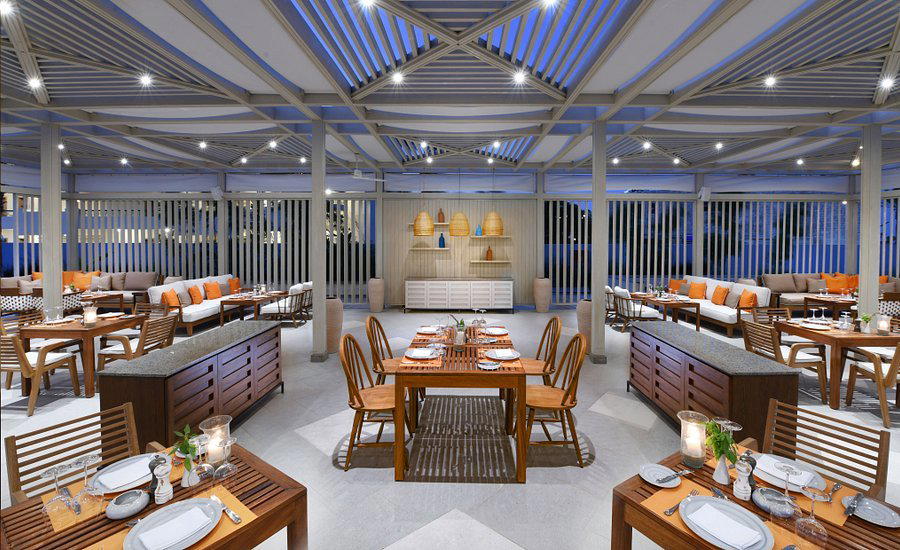
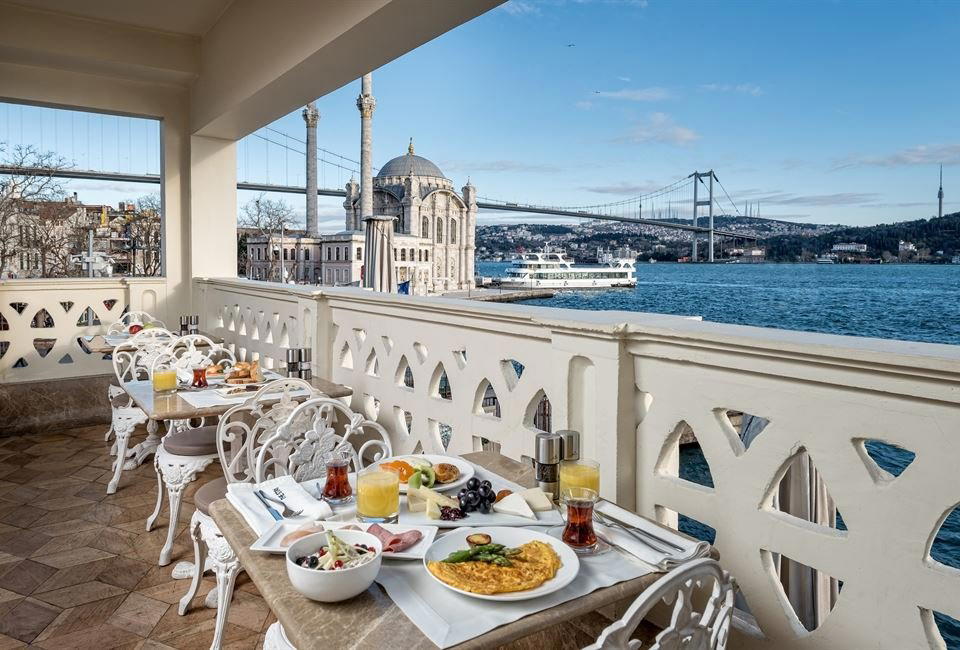
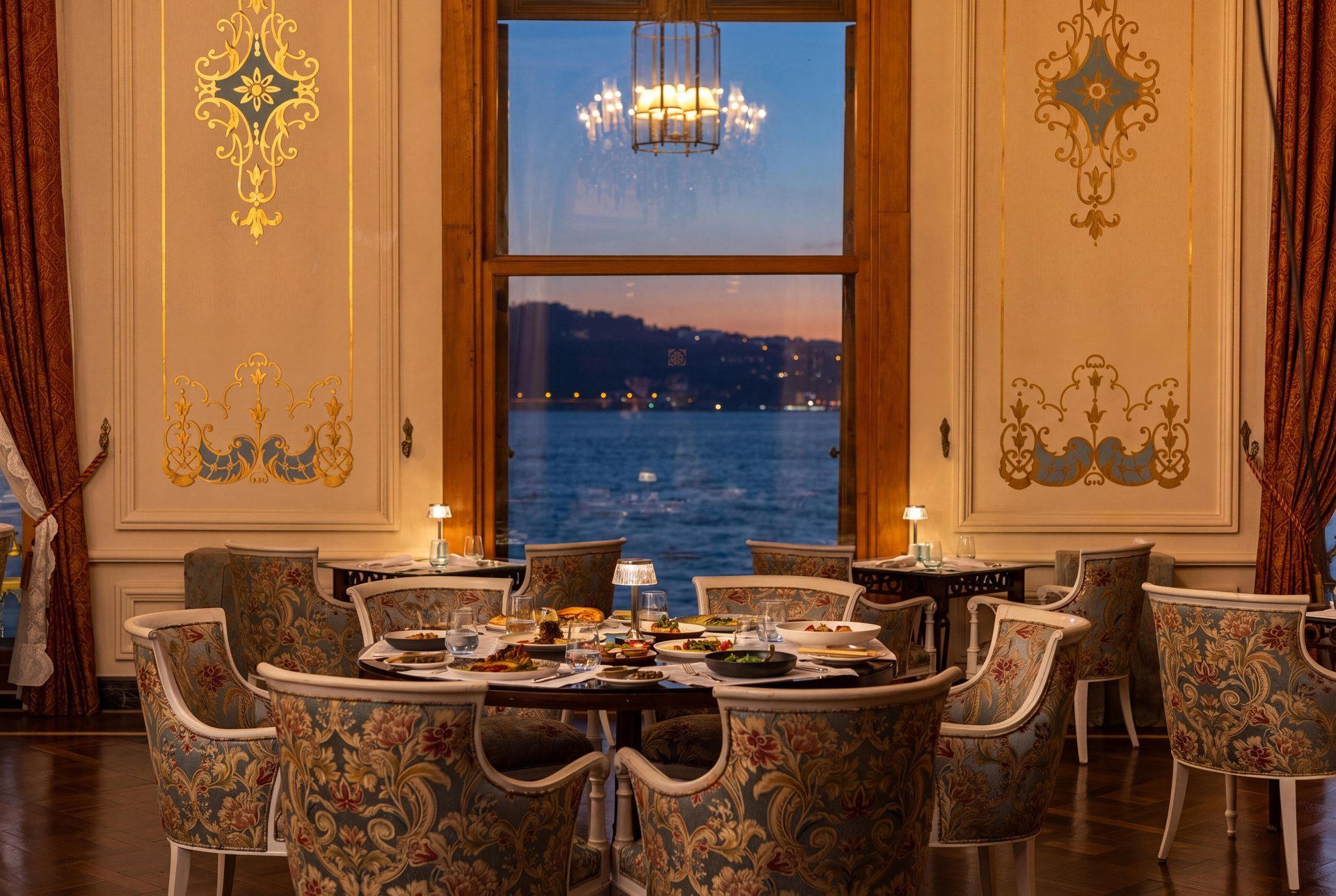
At a Glance
- Trendy
- Lively
- Scenic
- Casual Hangout
- After Work
- Group Dining
- Waterfront
- Terrace
- Craft Cocktails
- Waterfront
Current opening hours
- Monday
- 2 PM–2 AM
- Tuesday
- 2 PM–2 AM
- Wednesday
- 2 PM–2 AM
- Thursday
- 2 PM–2 AM
- Friday
- 2 PM–2 AM
- Saturday
- 2 PM–2 AM
- Sunday
- 2 PM–2 AM
Hours can change for holidays and private events. Last verified .
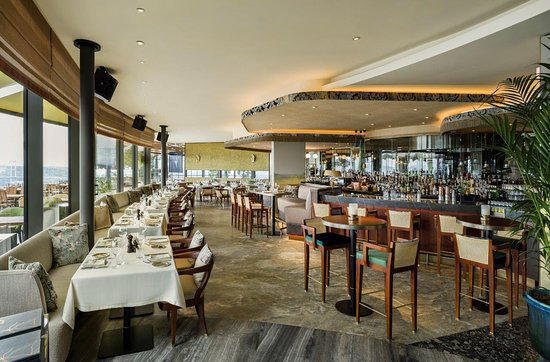
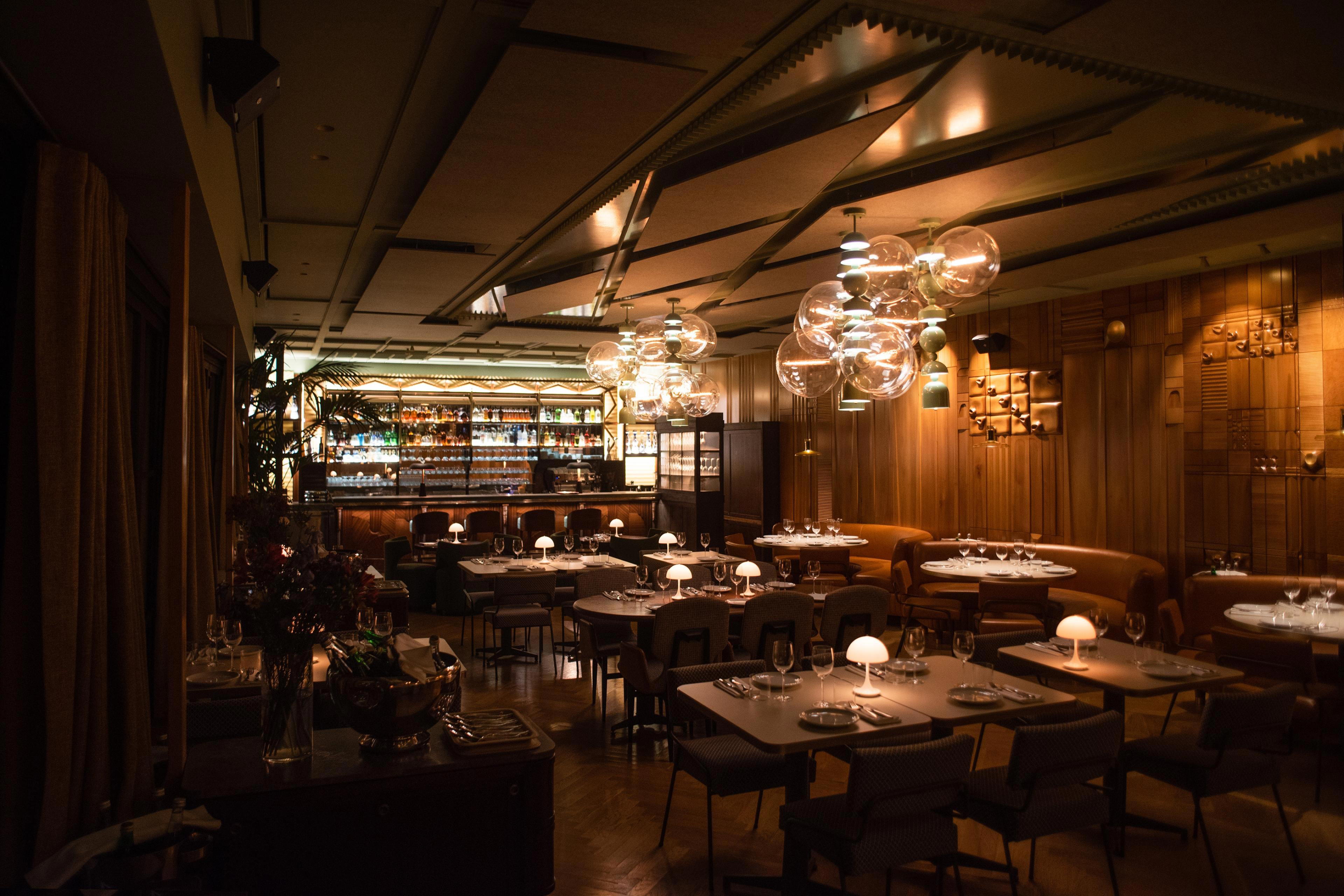
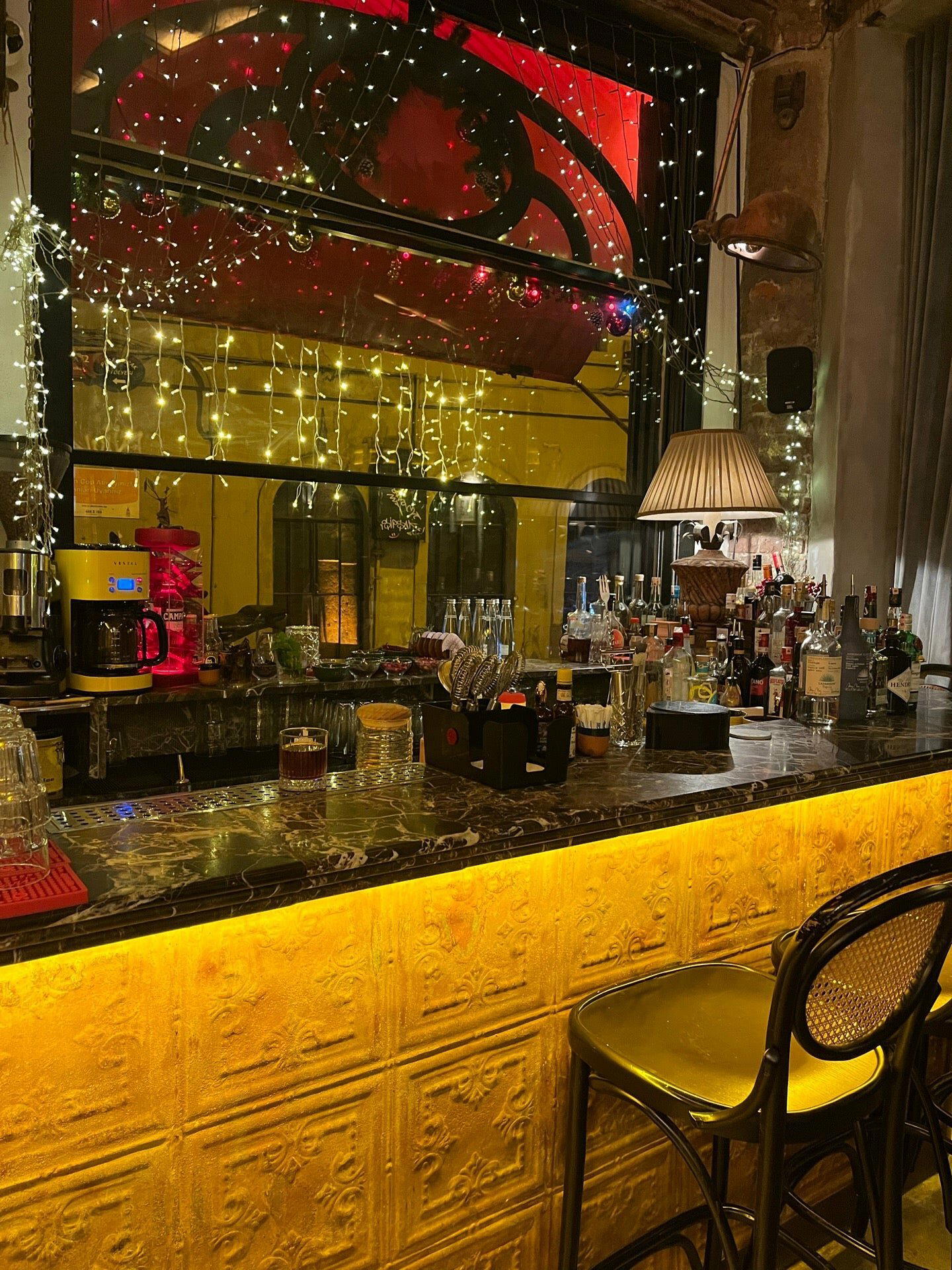
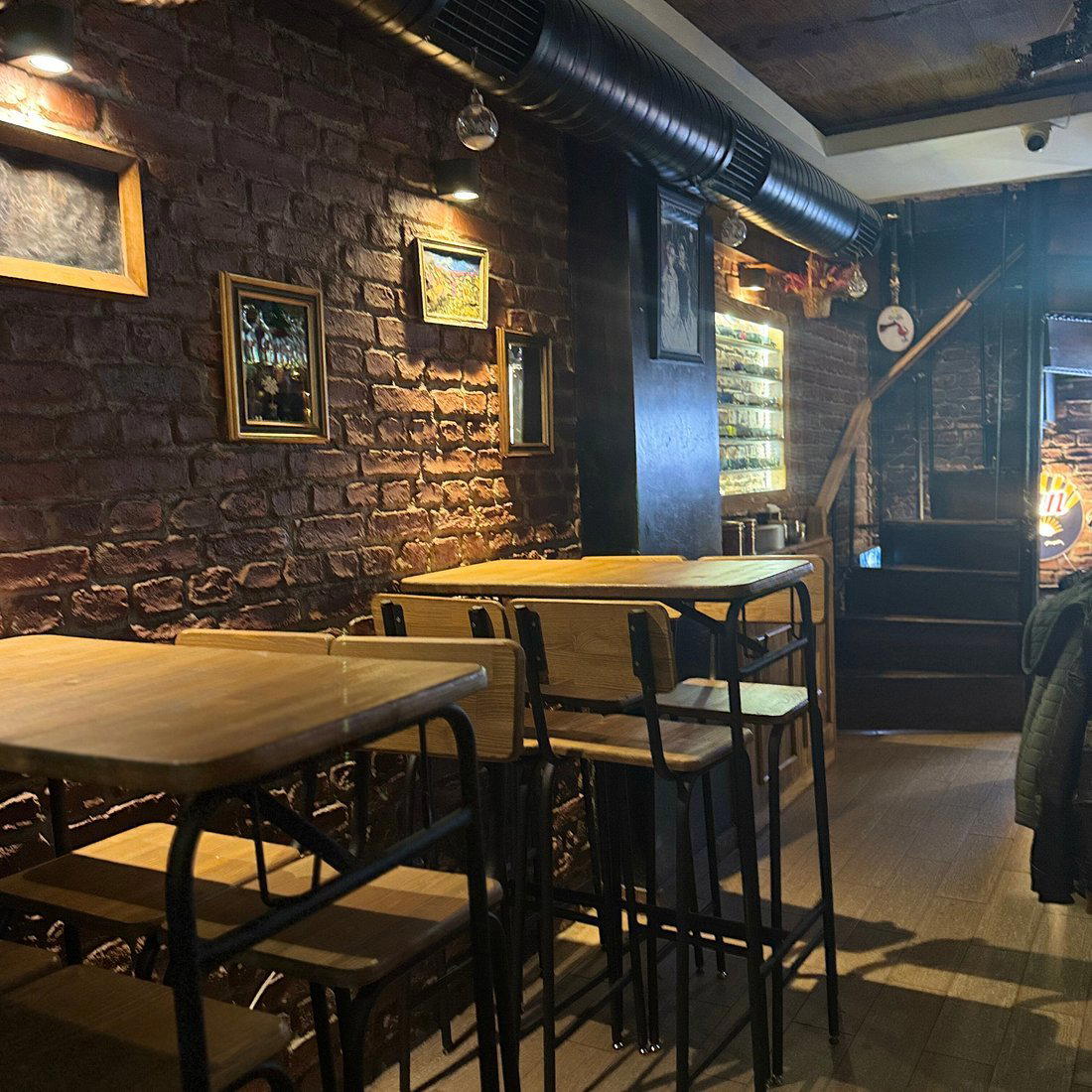
Cool ambiance with good music, lively and social atmosphere with many tourists, waterfront setting near the Bosphorus.
Know Before You Go
- Getting there
- Arnavutköy, Bebek Arnavutköy Cd No