Joanna sits on the Arnavutköy stretch of the Bosphorus shore in Beşiktaş, one of Istanbul's most storied waterfront dining corridors. The address places it inside a neighbourhood where Ottoman-era yalıs meet contemporary restaurant culture, and where proximity to the strait shapes both the produce on the plate and the pace of the evening.
Pearl is the En Primeur Club membership app — saves, bookings, and concierge access live there. Same editors, same standards.
- Address
- Arnavutköy, Bebek Arnavutköy Cd No
- Phone
- +905491304949
- Website
- opentable.com
- Directions
- Get directions
 Saves & bookings on Pearl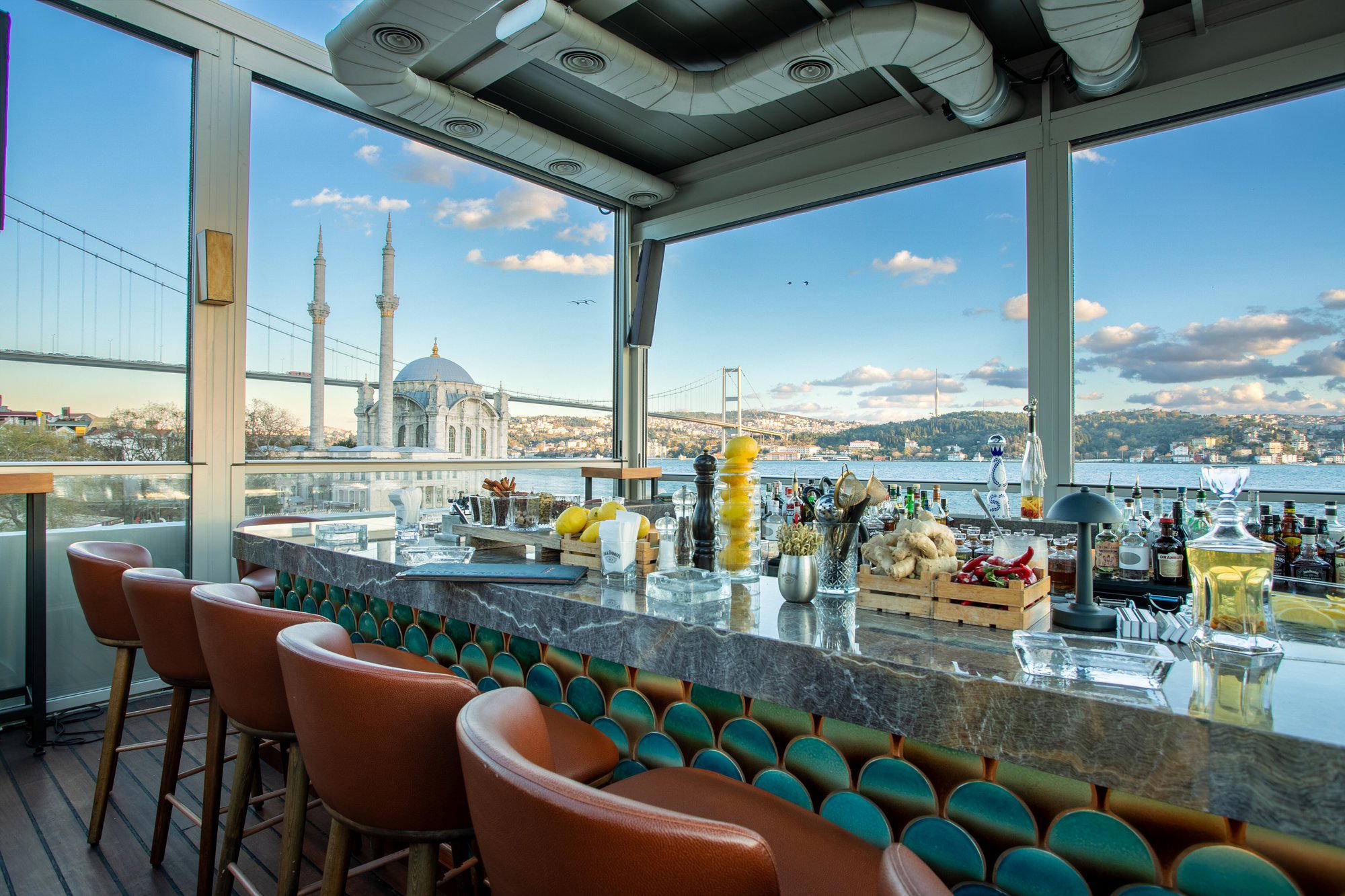
Where the Bosphorus Sets the Terms
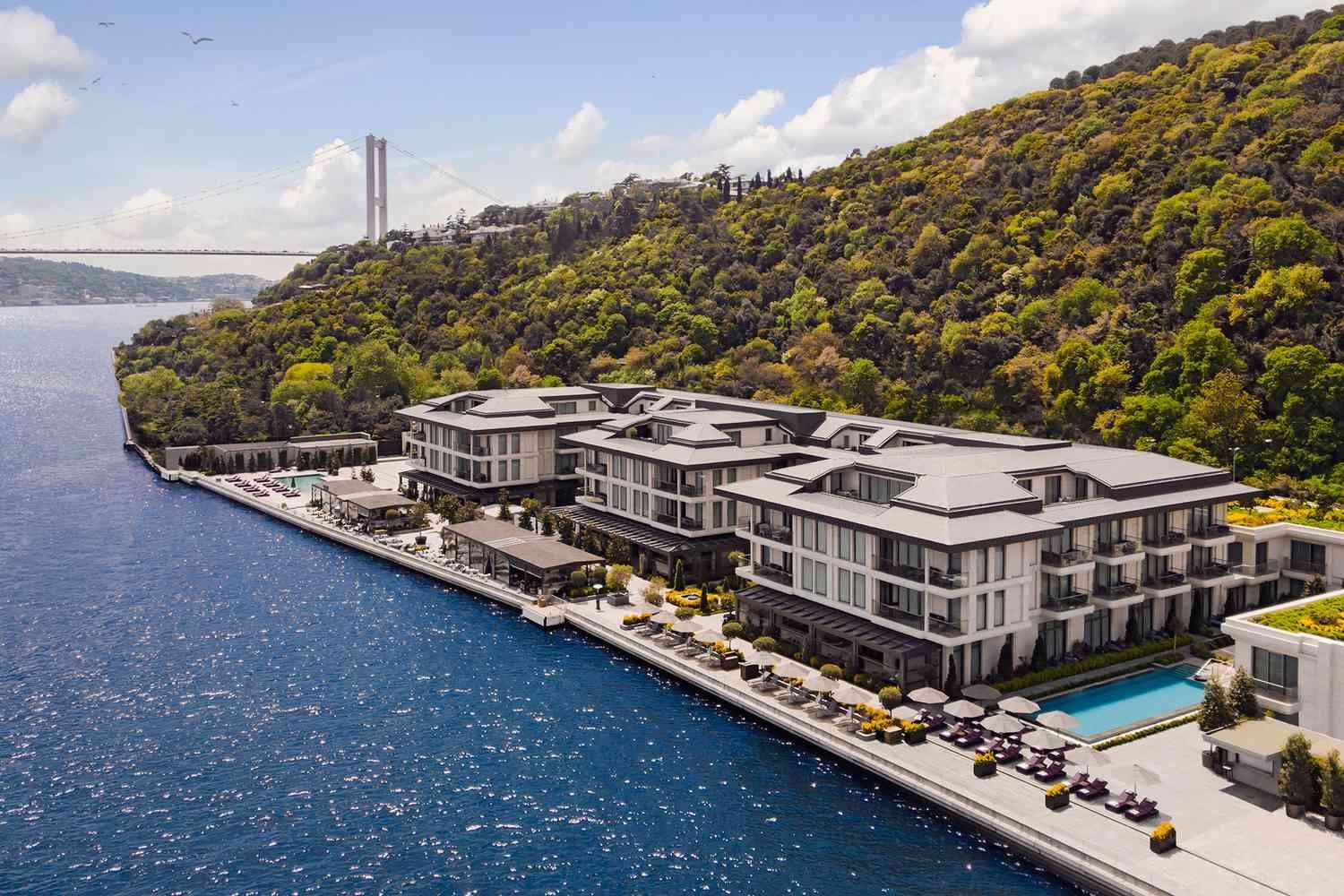
Arnavutköy is not a neighbourhood that announces itself. The steep cobbled streets that descend from the hills of Beşiktaş toward the water arrive at a shoreline that has been a dining destination since the late Ottoman period, when the village's fish taverns drew Istanbul society across the strait. Today that same strip, Bebek Arnavutköy Caddesi, holds one of the more concentrated runs of waterfront tables in the city. Joanna occupies an address on this stretch, where the physical conditions of the Bosphorus — its light in the late afternoon, its current-cooled air, the passage of tankers at close range — function as a constant presence in the dining room rather than a backdrop to it.
That relationship between place and plate is the defining characteristic of serious cooking along this corridor. Istanbul's waterfront restaurant tradition is not primarily about fine-dining formalism; it is about the quality of the ingredient arriving from the water and the surrounding market networks, prepared with enough restraint to let provenance speak. The taverna and meyhane traditions that shaped this neighbourhood's food culture reward freshness and simplicity over technique-first showmanship. Joanna sits within that inherited framework, on a street that has been asking the same questions of its cooks for generations.
Beşiktaş and the Cultural Weight of Its Table
To understand what a restaurant on Arnavutköy Caddesi is working with, it helps to place Beşiktaş in Istanbul's broader restaurant geography. The district sits on the European shore, roughly between the more institutionally formal dining of Nişantaşı and the looser, more tavern-oriented culture of the Bosphorus villages further north toward Sarıyer. It is a neighbourhood with a local population as committed to the table as any tourist cohort, which means restaurants here operate under sustained scrutiny from residents who eat out regularly and know what the street has historically produced.
That peer pressure runs across price tiers. At the upper register, addresses like 16 Roof Swissotel and Alexandra compete on view, polish, and format. Morini brings an Italian kitchen into the mix, and Nusr-Et Steakhouse operates at the intersection of spectacle and meat cookery. Joanna's position on the Arnavutköy waterfront places it in a different register from these: closer to the neighbourhood's older fish-and-meze vernacular than to the district's newer, more format-conscious dining. For a fuller picture of what the area offers, the full Beşiktaş restaurants guide maps the range.
The Cultural Roots of Waterfront Eating in Istanbul
The meyhane tradition that underpins much of Istanbul's waterfront dining is worth examining because it shapes expectations in ways that visitors from Western fine-dining backgrounds sometimes misread. A meyhane is not simply a tavern; it is a social institution organised around the slow accumulation of small plates, rakı, and conversation over several hours. The rhythm is not set by the kitchen's tasting menu logic; it is set by the table. Cold meze, tarama, haydari, patlıcan ezmesi, arrive first and linger. Hot dishes follow when the table is ready, not when the pass is clear. Fish, when it appears, is treated with the straightforwardness that only very fresh product can sustain: grilled, with little interference.
This tradition has direct parallels with Greek taverna culture on the other side of the Aegean, and with the Lebanese meze table further east. What distinguishes the Istanbul version is the specific geography of the Bosphorus, which supplies a narrower but more prized range of fish, lüfer (bluefish), kalkan (turbot), palamut (Atlantic bonito), whose seasonality is strictly observed by cooks and diners alike. The autumn palamut run and the winter lüfer season are not marketing concepts here; they are genuine calendrical events that determine what appears on the plate. Restaurants like Asitane in Fatih approach Ottoman culinary heritage from a more research-led direction, while Turk Fatih Tutak operates at the contemporary fine-dining end of Turkish cuisine. The waterfront meyhane format that Arnavutköy represents sits between those poles: culturally grounded, ingredient-led, and largely resistant to the pressures of international restaurant fashion.
Beyond Istanbul, this tension between tradition and contemporary intervention shows up across Turkish dining. Maçakızı in Bodrum has made Aegean coastal cooking a destination proposition. Narımor in Izmir works within the produce networks of the Aegean hinterland. At the more casual end of the spectrum, Dürümzade in Beyoğlu and Kısmet Etliekmek ve Lahmacun Salonu in Karaman demonstrate that the most culturally embedded Turkish eating is often found outside formal restaurant settings altogether. The regional picture also includes Hiç Lokanta in Urla, Kritikos Meyhane in Mudanya, Bayramoğlu Döner in Beykoz, and Casa Lavanda in Sile, each addressing a different strand of the country's eating culture. The format discipline that serious places like Le Bernardin in New York City or Atomix in New York City have built around fish and tasting-menu precision represents one end of a global spectrum; Arnavutköy's fish restaurants occupy the other, less codified, more contingent on the morning's catch.
Planning a Visit
Arnavutköy is reachable from central Istanbul by taxi or by the Bosphorus ferry services that connect the European shore villages. The neighbourhood is on the denser restaurant-going circuit, which means weekend evenings along the waterfront fill quickly. Visitors without reservations have better odds on weekday evenings or at lunch, when the light on the strait is arguably better anyway. As a general principle for Istanbul's more established waterfront addresses, booking a few days ahead is prudent for dinner; walk-in capacity depends on the season. Dress expectations in this part of Beşiktaş lean toward smart-casual rather than formal, consistent with the neighbourhood's character as a place where residents eat regularly rather than occasionally.
How Joanna Besiktas compares with similar nearby venues.
| Venue | Cuisine | Price |
|---|---|---|
| Aman da Bravo | Modern Turkish | Not listed |
| Sunset Grill & Bar | International | ₺₺₺₺ |
| 29 | Turkish | ₺₺₺ |
At a Glance
- Elegant
- Intimate
- Energetic
- Date Night
- Special Occasion
- Terrace
- Private Dining
- Waterfront
Current opening hours
- Monday
- 12 PM–2 AM
- Tuesday
- 12 PM–2 AM
- Wednesday
- 12 PM–2 AM
- Thursday
- 12 PM–2 AM
- Friday
- 12 PM–2 AM
- Saturday
- 12 PM–2 AM
- Sunday
- 12 PM–2 AM
Hours can change for holidays and private events. Last verified .
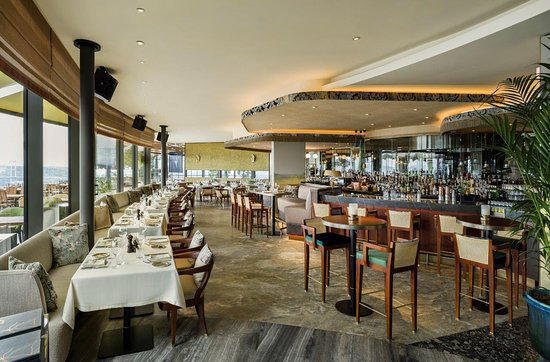
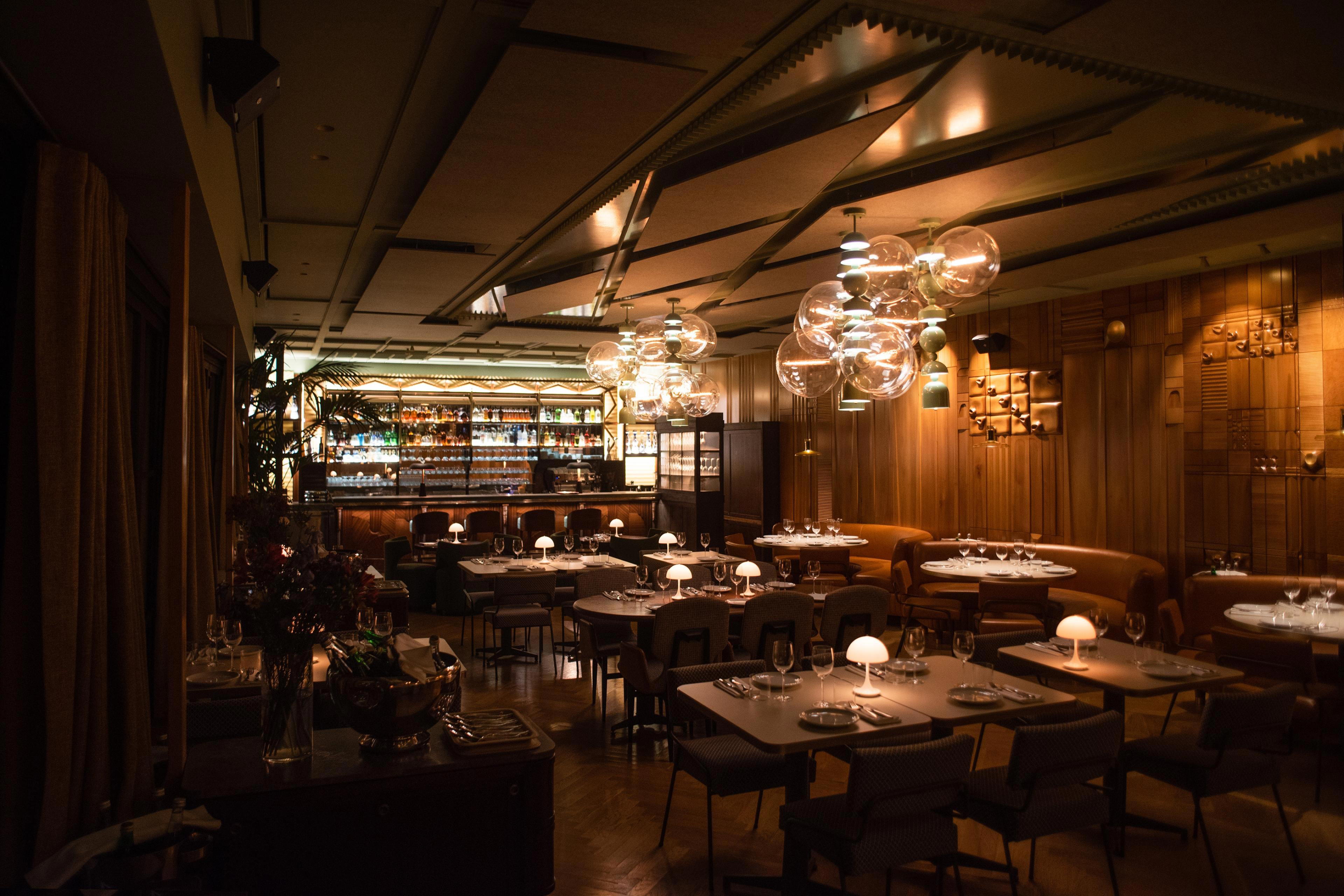
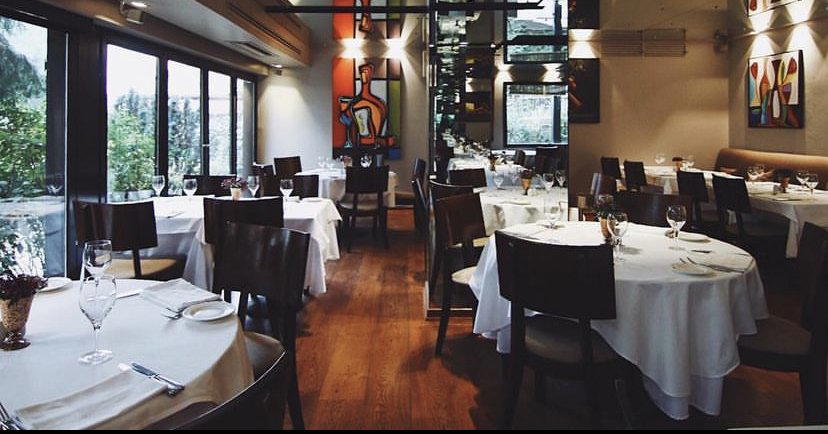
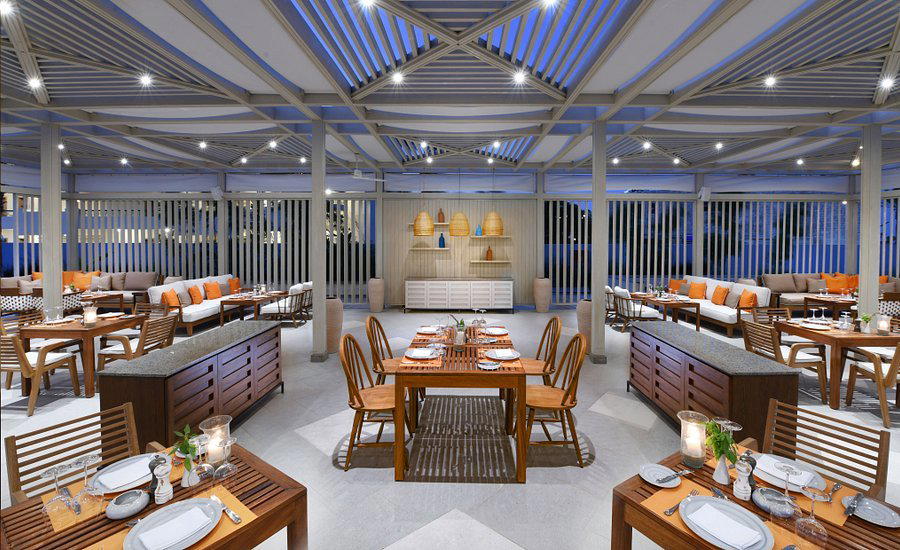
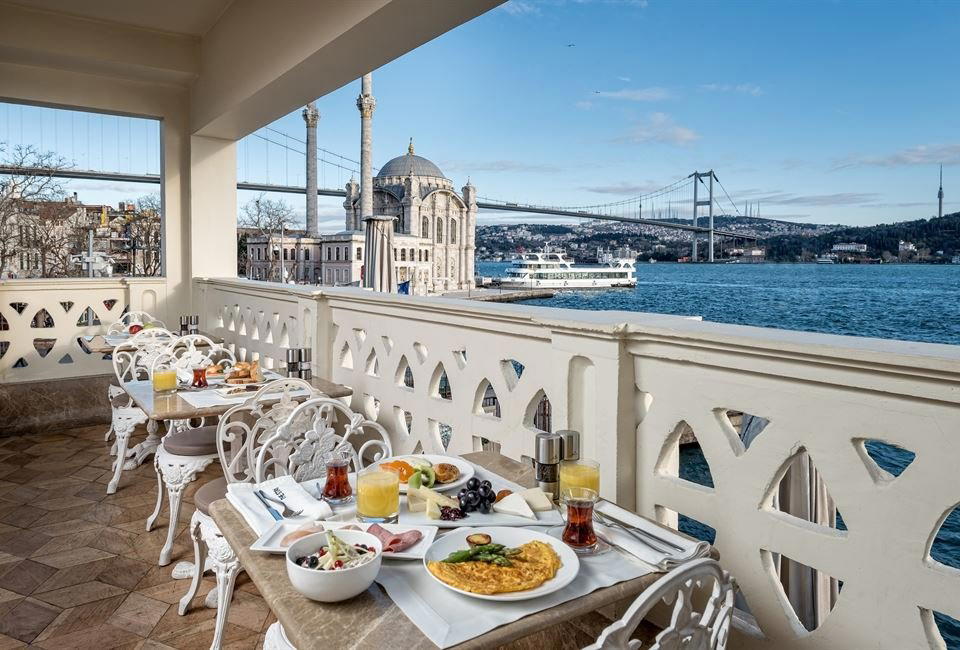
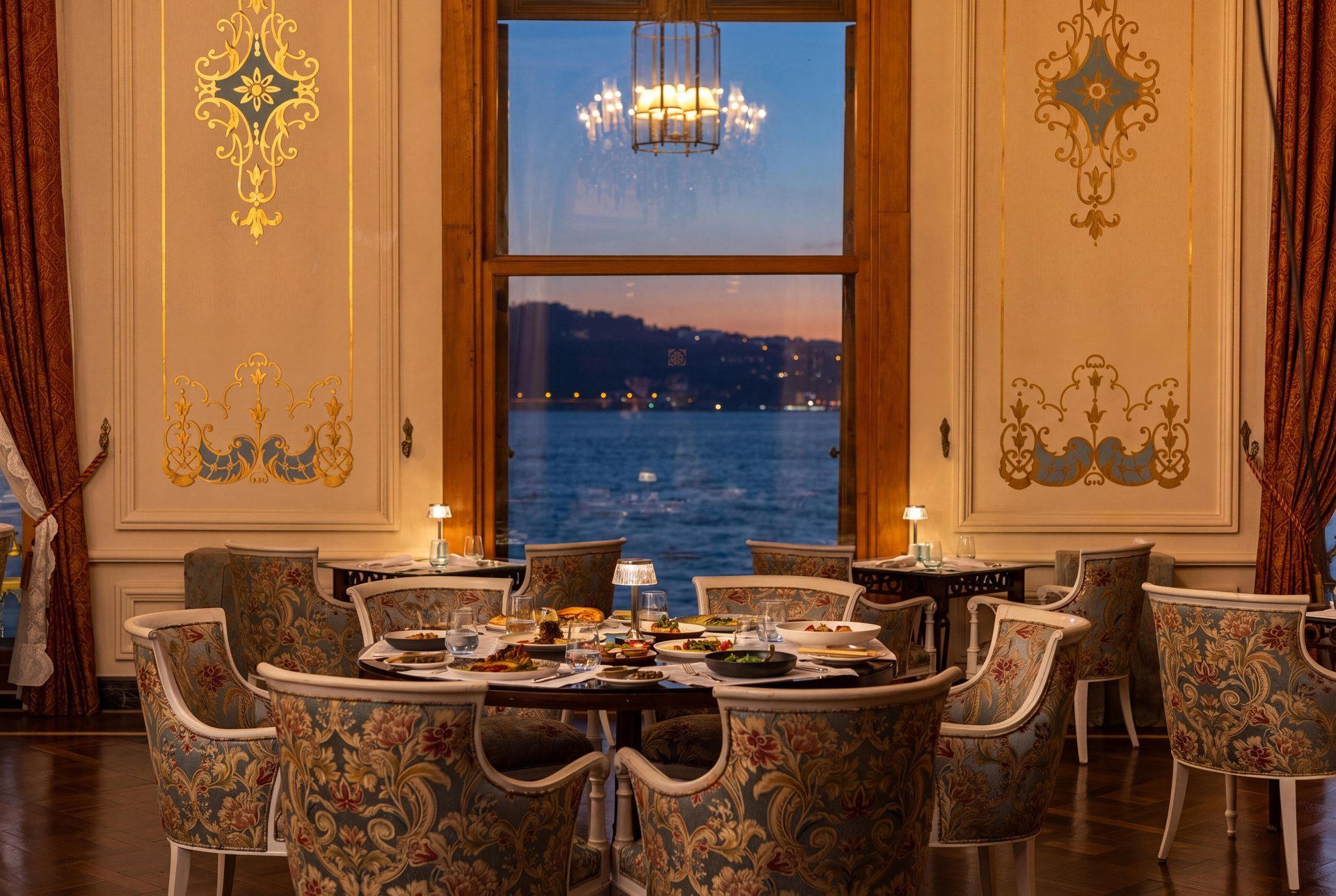
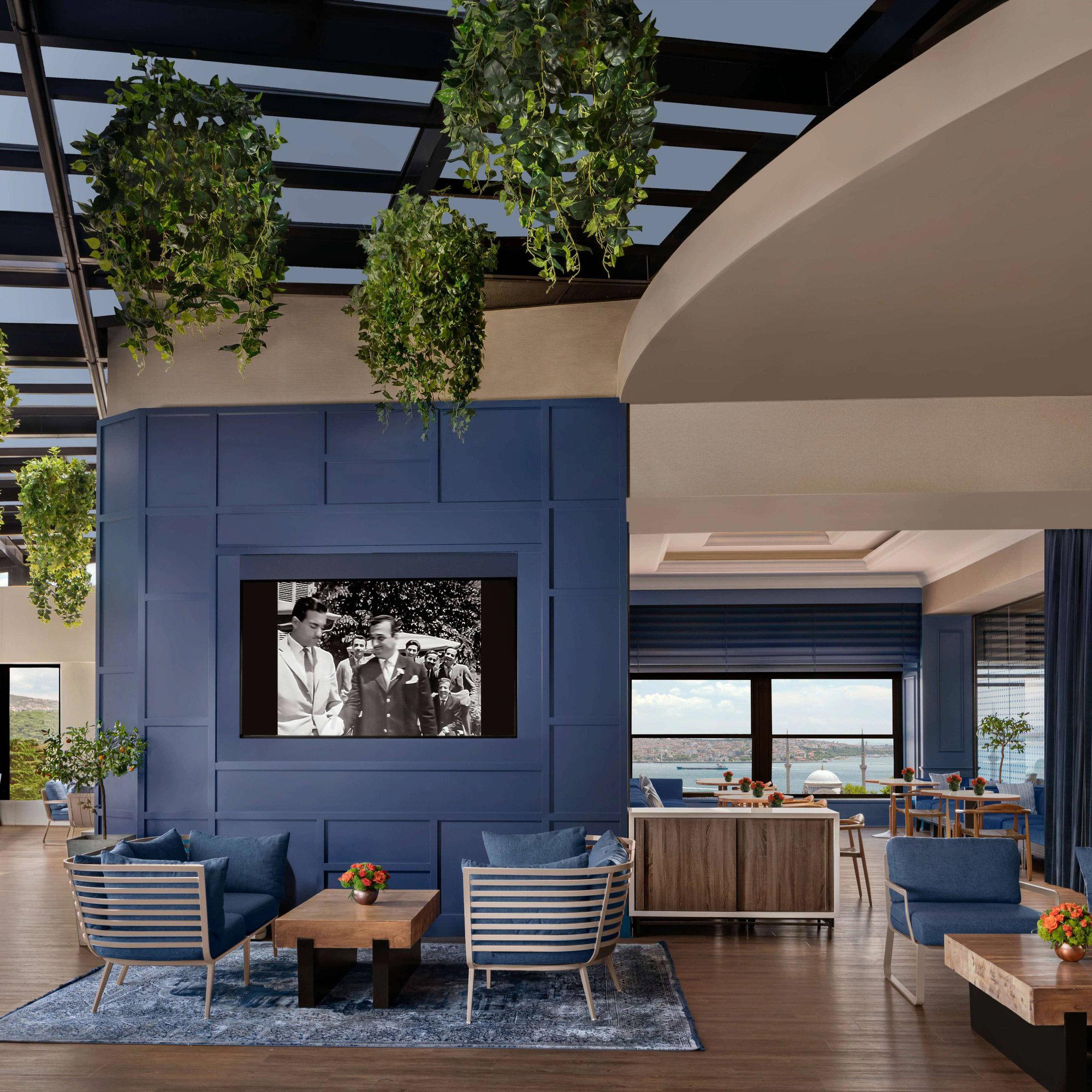
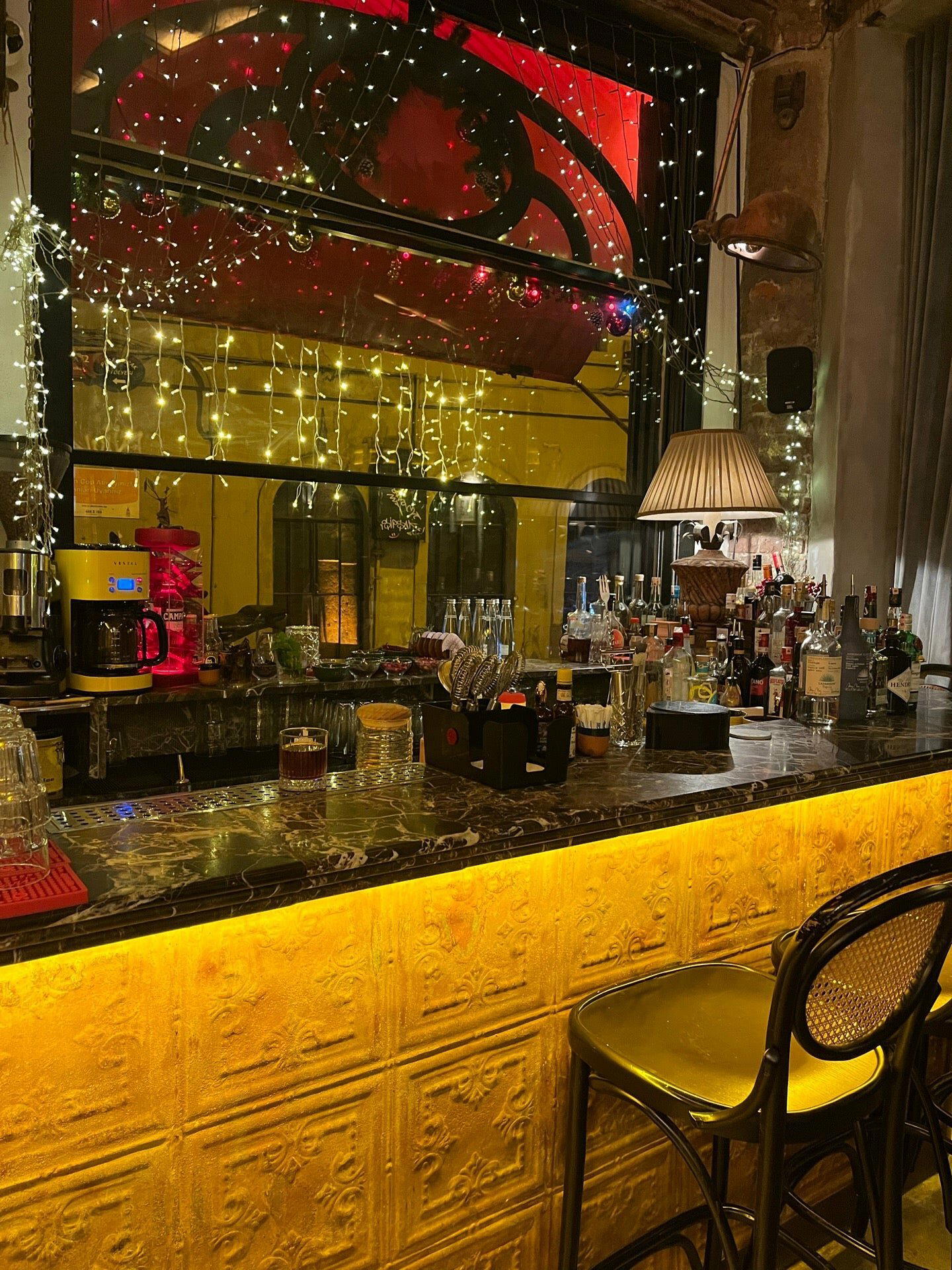
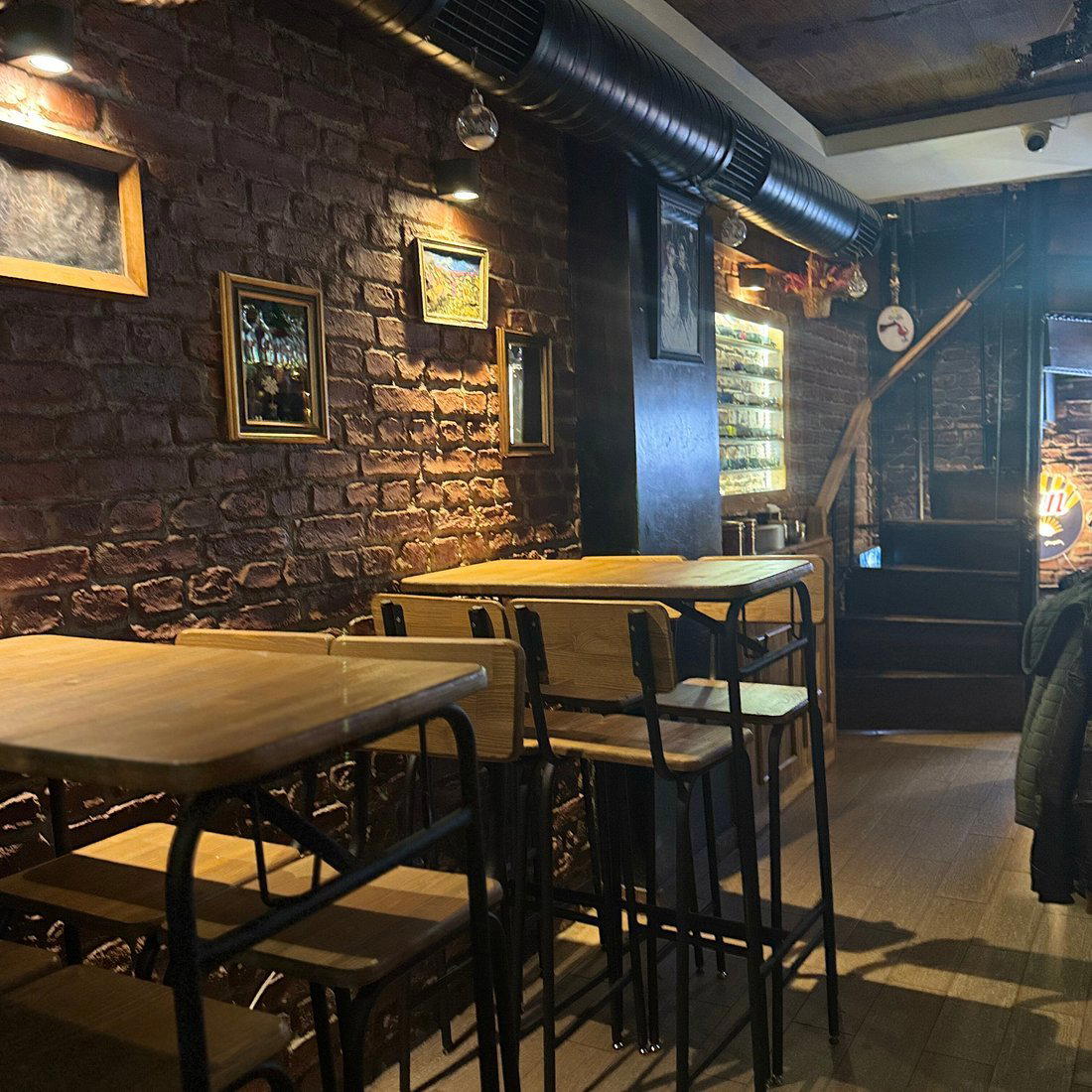
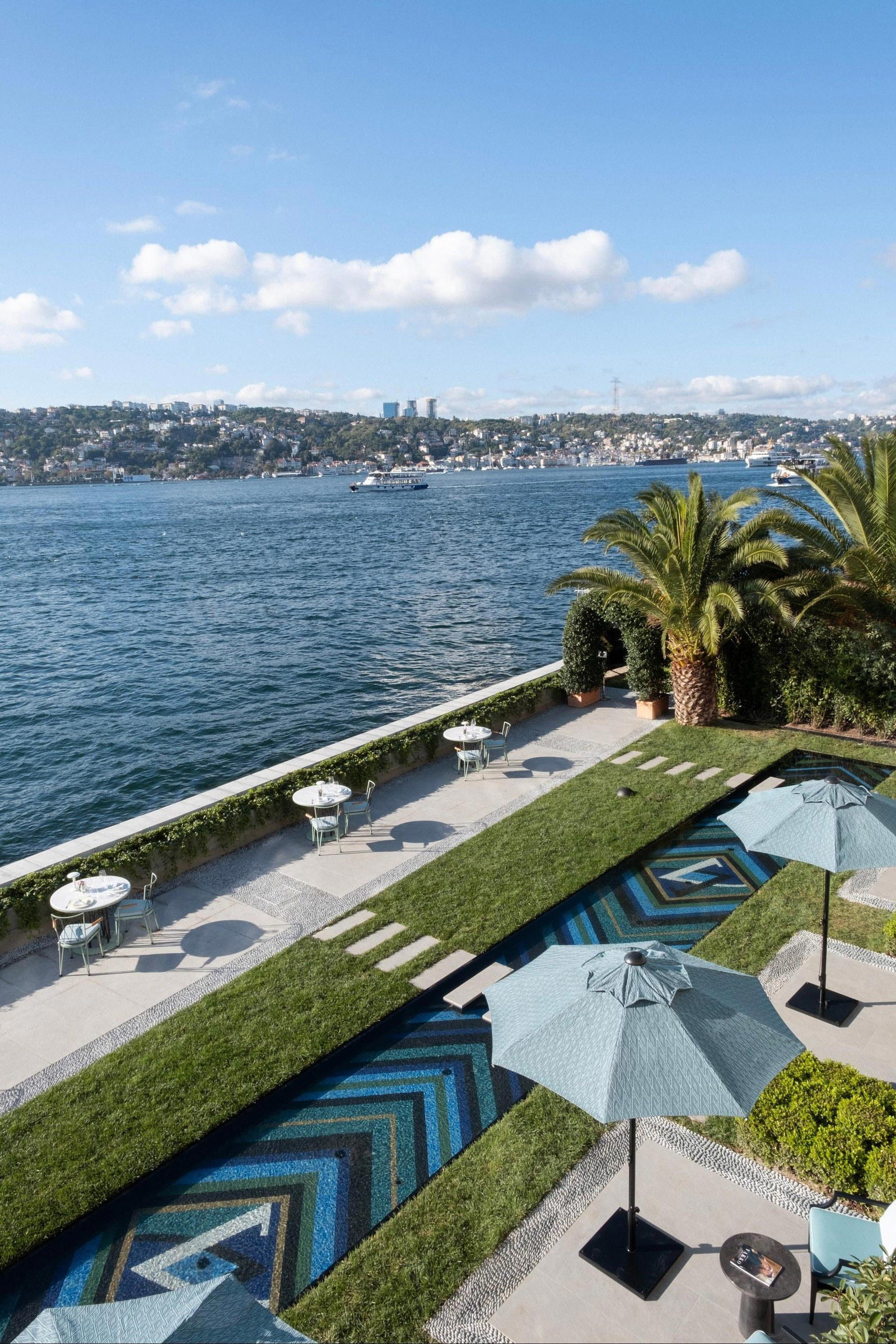
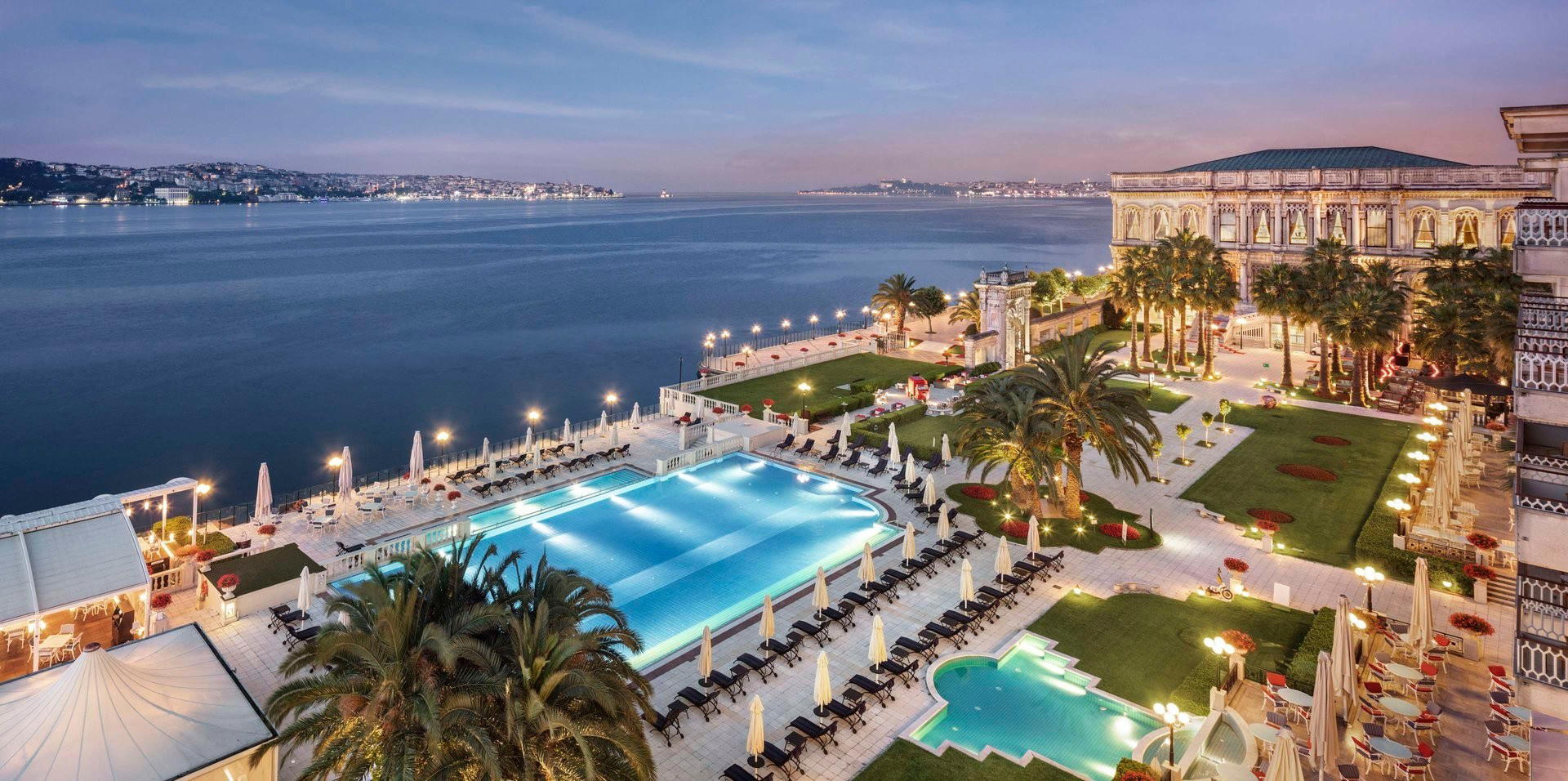
Evening energy in the Living Room, intimate private gatherings in The Study, and open-sky Bosphorus views from the Terrace.
Know Before You Go
- Getting there
- Arnavutköy, Bebek Arnavutköy Cd No