
In Beşiktaş, Sıralı Kebap occupies a high-ceilinged room with large windows and an open wood-fired kitchen that sets the terms immediately: this is a serious kebab house, not a casual grill stop. Lahmacun arrives fresh from the wood oven, kebabs come with a tangy tomato and olive salad, and the kitchen's handling of live fire reflects the kind of technical discipline that separates the city's better traditional tables from the crowd.
Pearl is the En Primeur Club membership app — saves, bookings, and concierge access live there. Same editors, same standards.
- Address
- Nispetiye Caddesi No:74, Beşiktaş
- Phone
- +90 212 263 63 43
- Website
- siralikebap.com
- Directions
- Get directions
 Saves & bookings on Pearl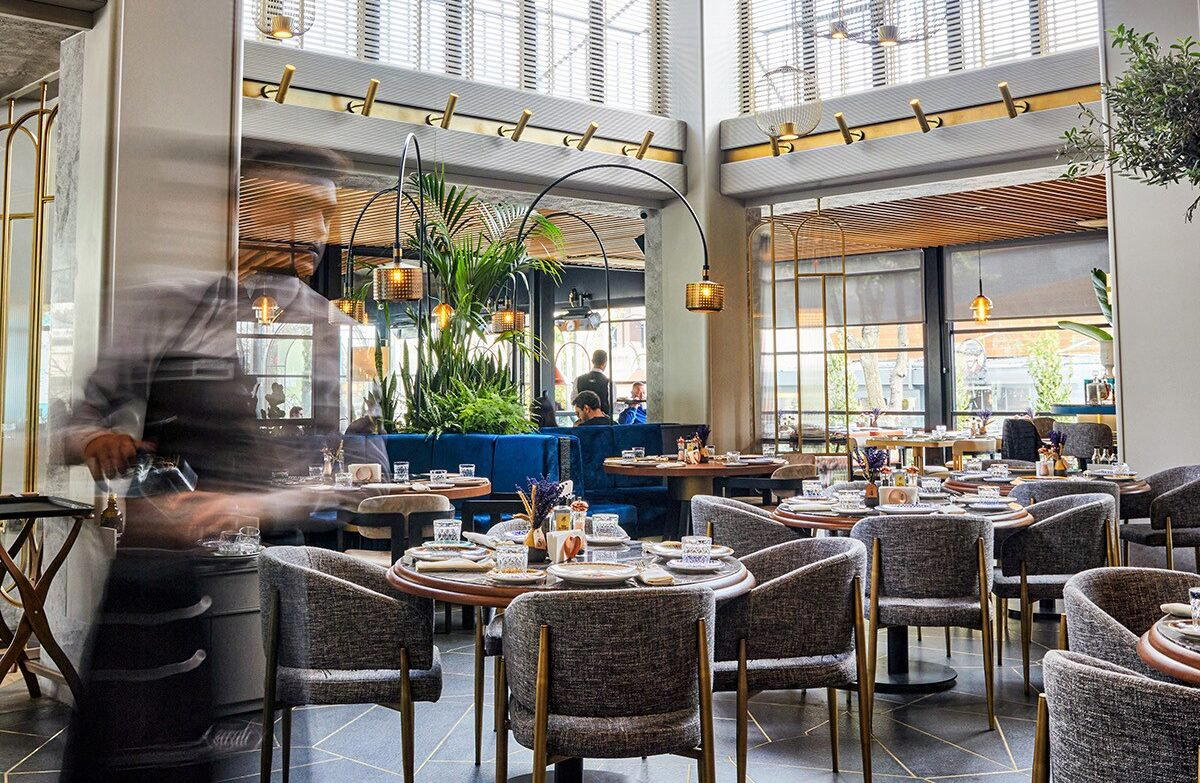
Fire, Precision, and the Beşiktaş Standard
Sıralı Kebap is a restaurant in Beşiktaş, Istanbul, serving Authentic Turkish Kebap at roughly $45 per person. The district runs on a local economy, a mixed residential and commercial crowd, and a dining culture that tends to reward substance over spectacle. That context matters when reading a place like Sıralı Kebap, on Nispetiye Caddesi. The room announces itself through scale: high ceilings, large windows that bring in the street, and a kitchen open enough that the fire is part of the theatre. None of this is accidental. In Istanbul's traditional kebab tradition, the kitchen has always been a statement of confidence.
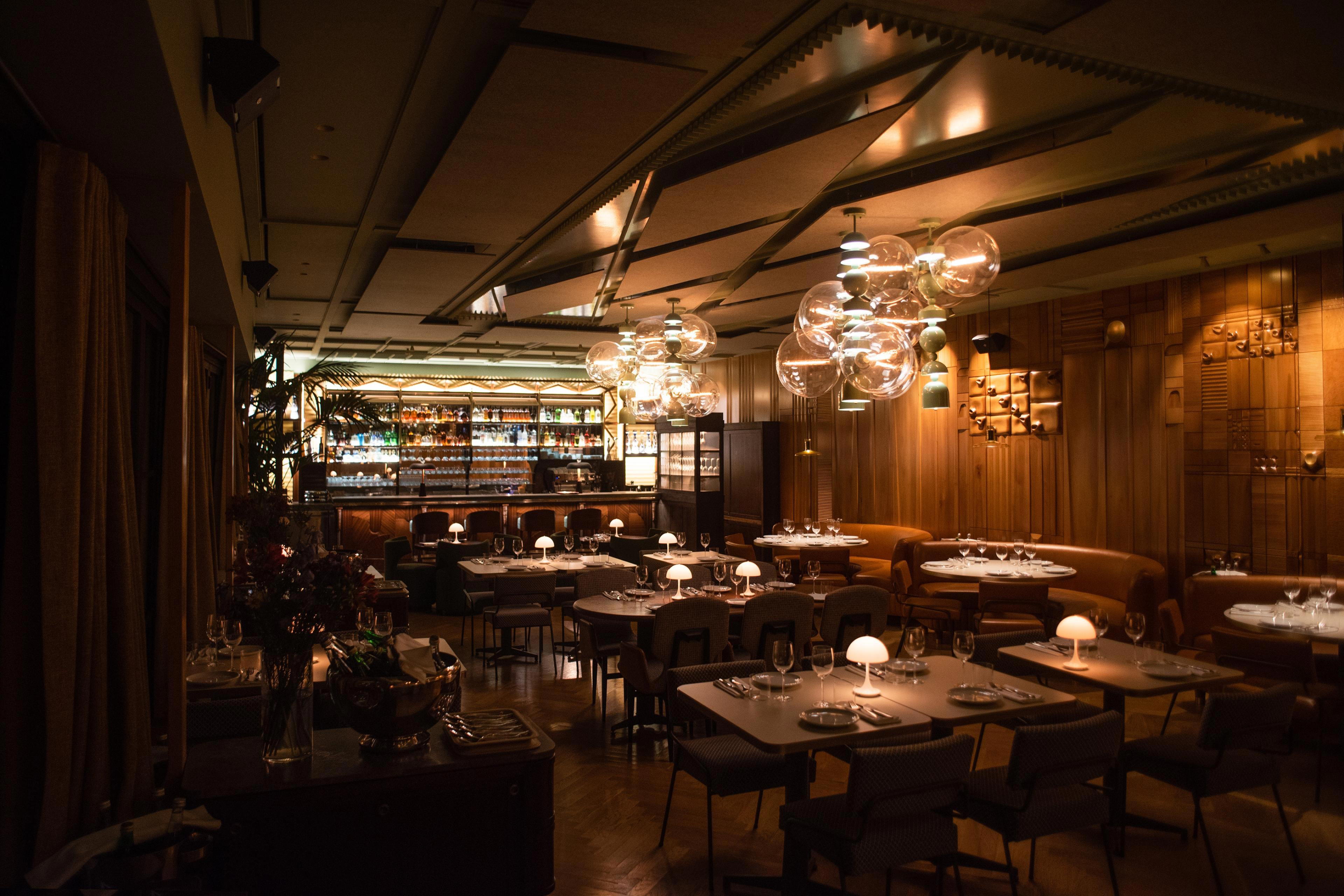
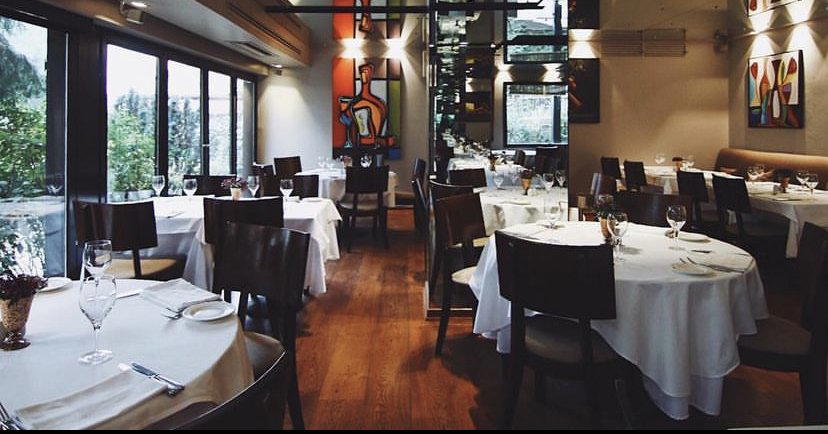
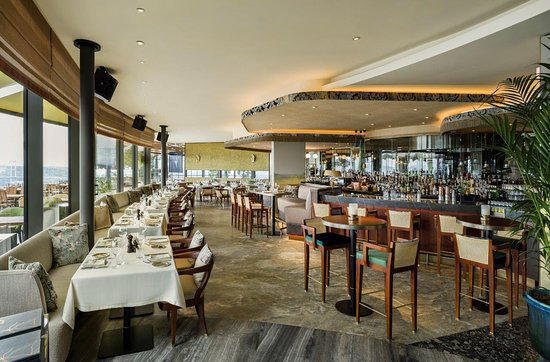
The physical proportions are generous without being cavernous. The space works for an intimate dinner as readily as it accommodates larger groups working through a spread of dishes, which is precisely how much traditional Turkish eating is designed to function: shared, sequential, and unhurried. The energy is lively in the way that high-ceilinged rooms with open kitchens tend to produce, but the proportions absorb that energy rather than amplify it into noise.
Wood Fire as Technique, Not Aesthetic
Across Istanbul's premium dining tier, restaurants like Turk Fatih Tutak, Mikla, and Neolokal have built reputations by applying contemporary kitchen thinking to Turkish ingredients. Sıralı Kebap operates in a different register: it is not a modernist project, but its kitchen shares one discipline with those higher-priced peers. The wood-fired oven is handled with real skill, and that distinction cuts sharply in a category where fire management is often treated as background process rather than primary craft.
The lahmacun here is made with beef and lamb and comes directly from the wood-fired oven. Lahmacun is one of Turkey's most deceptively demanding preparations: the dough must be thin enough to blister without losing structural integrity, the meat topping seasoned precisely, and the fire temperature consistent enough to produce the same result across service. When it works, the product is crisp at the edge, yielding at the centre, and legible as something cooked rather than manufactured. The finishing touches the kitchen applies to dishes across the menu reflect a similar attentiveness to detail, the kind that distinguishes a kitchen that cooks from one that merely assembles.
The kebab selection arrives with a salad built around tomatoes and olives, the acidity calibrated to work against the fat in the meat rather than simply decorating the plate. That balance, between char, fat, and a countervailing sharpness, is the structural logic of Ottoman-descended grill cooking, and it is one that too many restaurants in this category abandon in favour of richer, more immediately crowd-pleasing combinations.
Where Sıralı Kebap Sits in Istanbul's Dining Picture
Istanbul's restaurant scene has stratified considerably over the past decade. At the summit of the price range, a cluster of ₺₺₺₺ tables, including the fusion-leaning Arkestra and the traditional-rooted Casa Lavanda, compete on tasting menus, imported technique, and produce sourcing stories. The restaurant does not sit in that tier by format or price signalling, but it operates in the same city conversation about what Turkish cooking can deliver when kitchens take their craft seriously.
That conversation extends beyond Istanbul. Along the Aegean and Mediterranean coasts, restaurants like Maçakızı in Bodrum and Narımor in Izmir have built strong local reputations by anchoring menus in regional ingredient traditions. In Antalya, 7 Mehmet has spent decades making a case for southern Anatolian cooking as a serious category. The restaurant belongs to this broader pattern: traditional formats executed with precision, in locations that serve primarily local audiences rather than arriving tourists.
The wood-fired technique at the centre of the menu also connects to a wider global return to live-fire cooking. From the wood-fired programs at Emeril's in New Orleans to the charcoal-focused menus that have become a signature at some of New York's more technically serious kitchens, including the seafood-centred fire work at Le Bernardin, the discipline of managing direct heat has re-emerged as a meaningful differentiator. In Turkey, that conversation never went away. The question has always been which kitchens were doing it well.
The Range of the Menu
The menu at the restaurant spans enough ground to reward groups who want to move through several preparations rather than anchoring on a single dish. The lahmacun and kebab formats are the structural core, but the breadth of the traditional Turkish menu here is designed for the kind of shared eating that makes larger parties work as well as quieter tables. That format flexibility is a practical advantage in Beşiktaş, where the dining crowd ranges from after-work locals to families and visitors who know to look in residential neighbourhoods for kitchens that perform to a local standard rather than a tourist one.
For those moving beyond Istanbul, Agora Pansiyon in Milas, Ahãma in Göcek, and Aravan Evi in Ürgüp each represent a distinct regional tradition worth building a trip around.
Planning Your Visit
The restaurant is located at Nispetiye Caddesi No:74 in Beşiktaş, a neighbourhood well connected to the rest of the city by both road and public transport. The restaurant suits a range of group sizes, from two to larger parties, and the room's proportions mean the atmosphere holds across the table count. For groups, ordering across the menu, lahmacun from the wood oven, a selection of kebabs, and the accompanying salads, covers the kitchen's range most effectively.
At-a-Glance Comparison
Comparable venues nearby, for context on price, style, and recognition.
| Venue | Cuisine | Price | Awards | Notes |
|---|---|---|---|---|
| Sıralı KebapThis venue — the venue you are viewing | Authentic Turkish Kebap | $$$ | Michelin Plate | Not listed |
| Sapa İstanbul | Modern Turkish Fine Dining | $$$ | Michelin Plate | Kucukbakkalkoy |
| Ruby | Turkish with Italian Influences | $$$ | Michelin Plate | Yildiz |
| Alaf | Modern Anatolian Nomadic Cuisine | $$$ | Michelin Plate | Kurucesme |
| Zübeyir Ocakbaşı | Traditional Turkish Grill | $$$ | Not listed | Sehit Muhtar |
| Aila | Modern Turkish | $$$ | Michelin Plate | Fulya |
Recognition history
Dated appearances from independent guides and award organizations, with the underlying list record or original source where available.
Michelin Plate
Michelin · 2026 Michelin Plate
At a Glance
- Elegant
- Lively
- Classic
- Family
- Celebration
- Business Dinner
- Open Kitchen
- Local Sourcing
Current opening hours
- Monday
- 12 PM–12 AM
- Tuesday
- 12 PM–12 AM
- Wednesday
- 12 PM–12 AM
- Thursday
- 12 PM–12 AM
- Friday
- 12 PM–12 AM
- Saturday
- 12 PM–12 AM
- Sunday
- 10 AM–1 AM
Hours can change for holidays and private events. Last verified .
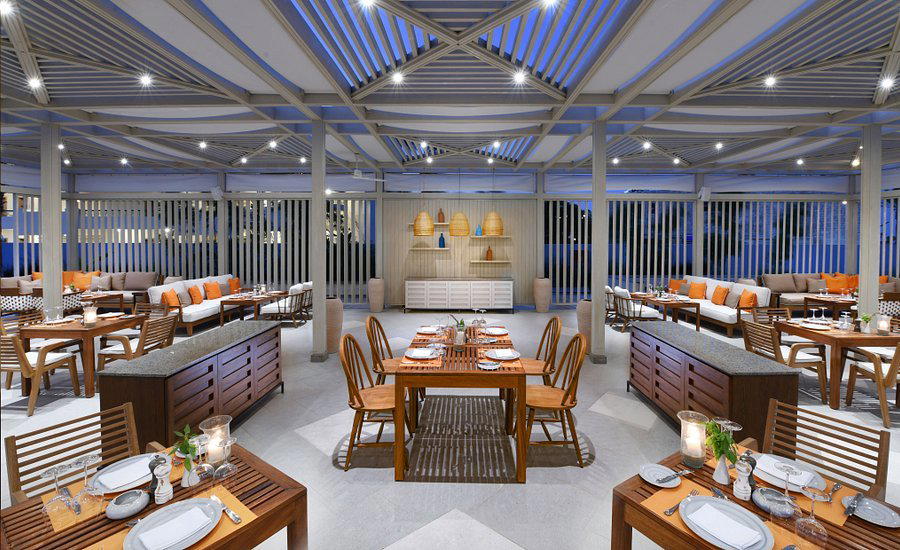
Elegant and warm with high ceilings, large windows bringing in light, gold-wired fixtures creating a dim romantic vibe at dinner, and a lively yet sophisticated atmosphere.