Alaia
Alaia occupies a residential address in Tizapán San Ángel, one of Mexico City's quieter southern neighborhoods, placing it at a remove from the high-traffic dining corridors of Polanco and Roma. The space and its position in the city's broader modern Mexican dining conversation make it a reference point for those tracking the scene beyond its most publicized addresses.
Pearl is the En Primeur Club membership app — saves, bookings, and concierge access live there. Same editors, same standards.
- Address
- Cda. Canoa 80, Tizapán San Ángel, Tizapán, Álvaro Obregón, 01090 Ciudad de México, CDMX, Mexico
- Phone
- +525556166336
- Website
- alaia.com.mx
- Directions
- Get directions
 Saves & bookings on Pearl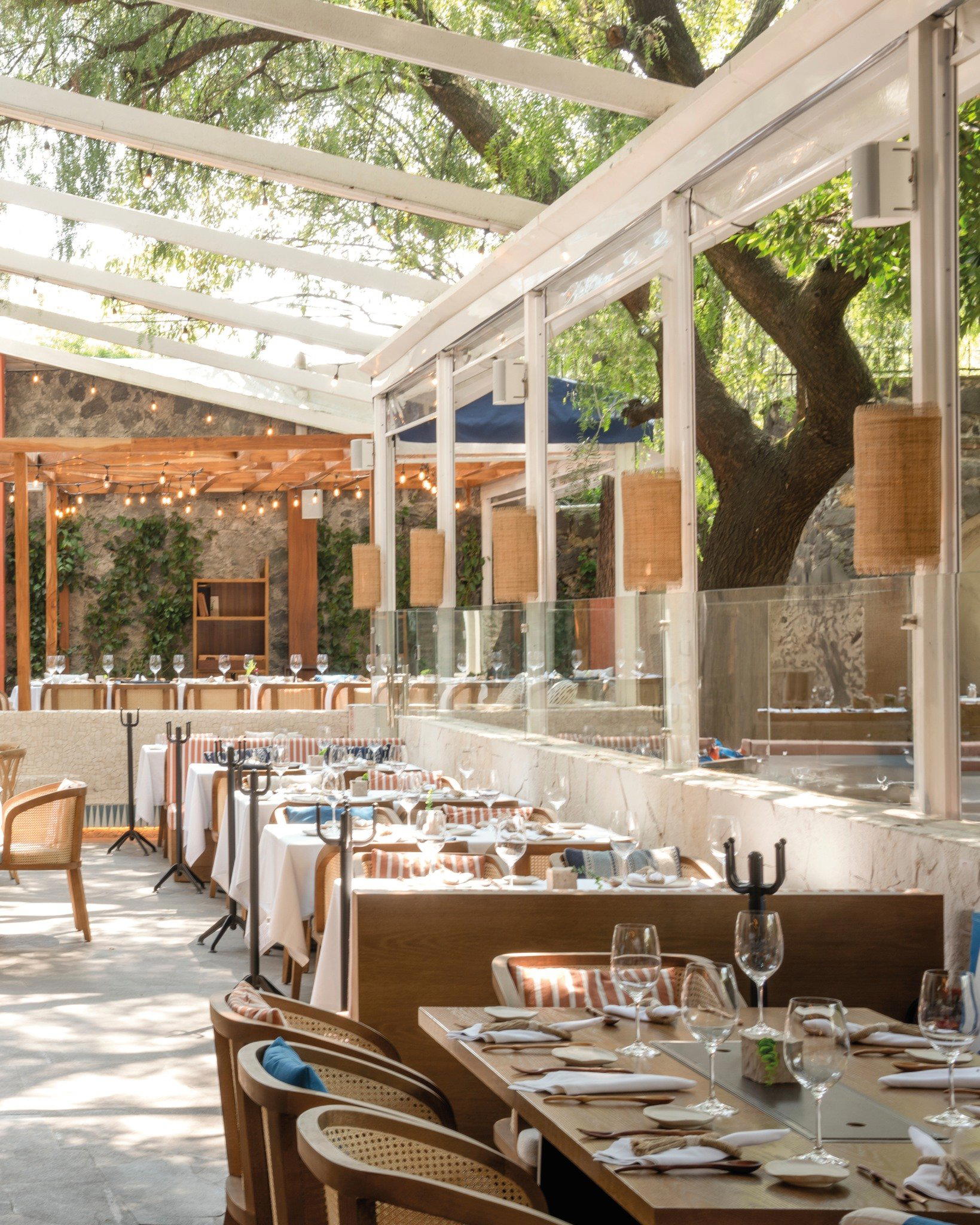
San Ángel's Quieter Register
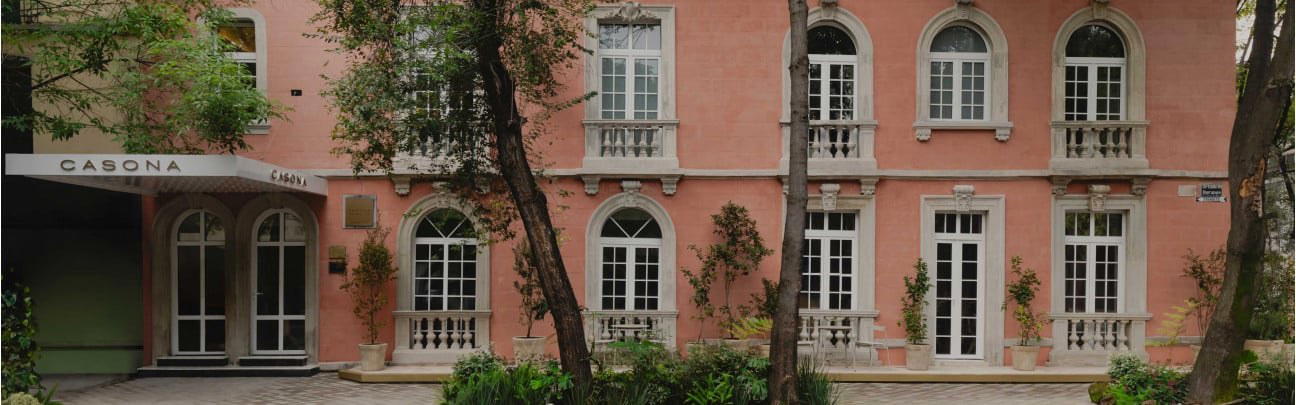
Mexico City's most-discussed restaurants cluster in Polanco and Roma Norte, where foot traffic, press access, and tourist itineraries converge. The southern neighborhoods operate on a different rhythm. Tizapán San Ángel, where Alaia occupies a callejón address on Callejón Canoa, belongs to a part of the city defined by colonial-era street patterns, walled residential properties, and an absence of the branded hotel corridors that frame dining in the north.
That geographic remove is itself a design choice. In a city where restaurants like Pujol and Quintonil operate inside the visible premium tier of Polanco, positioning in San Ángel signals something different about intended audience and format. The neighborhood has historically attracted artists, academics, and old-money families rather than the business-lunch circuit, and restaurants in this corridor tend to reflect that constituency.
The Physical Container
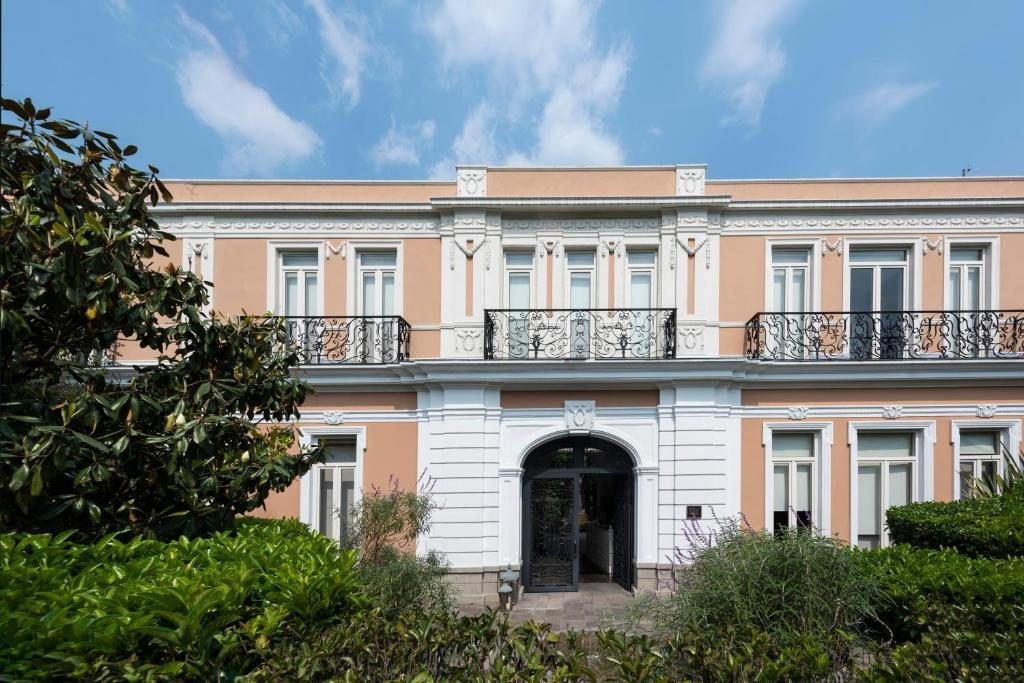
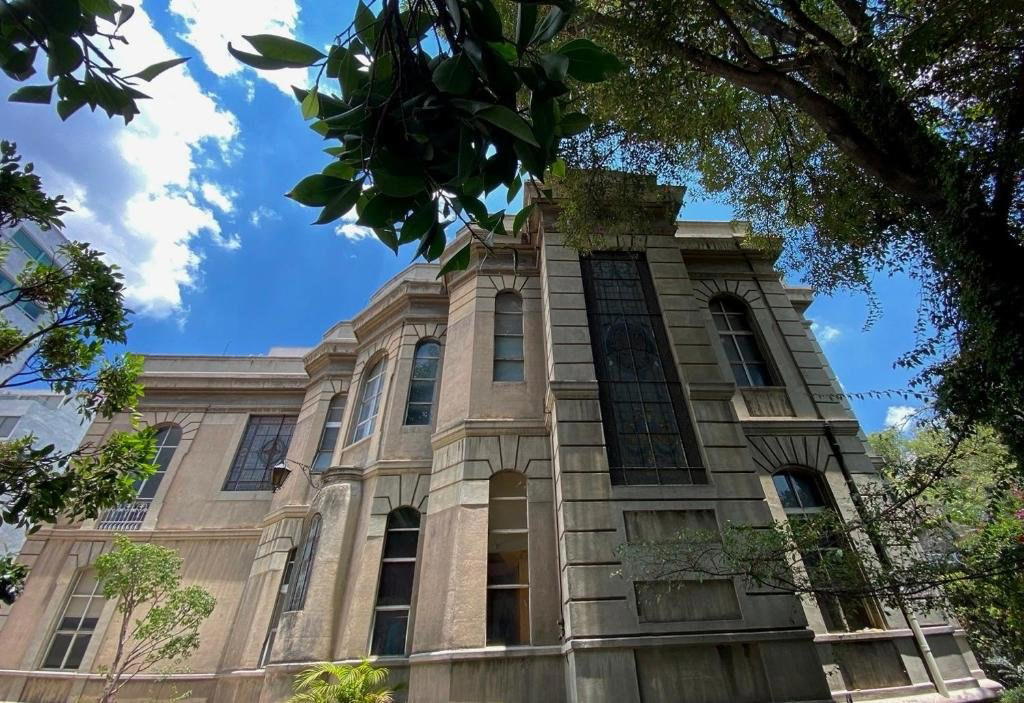
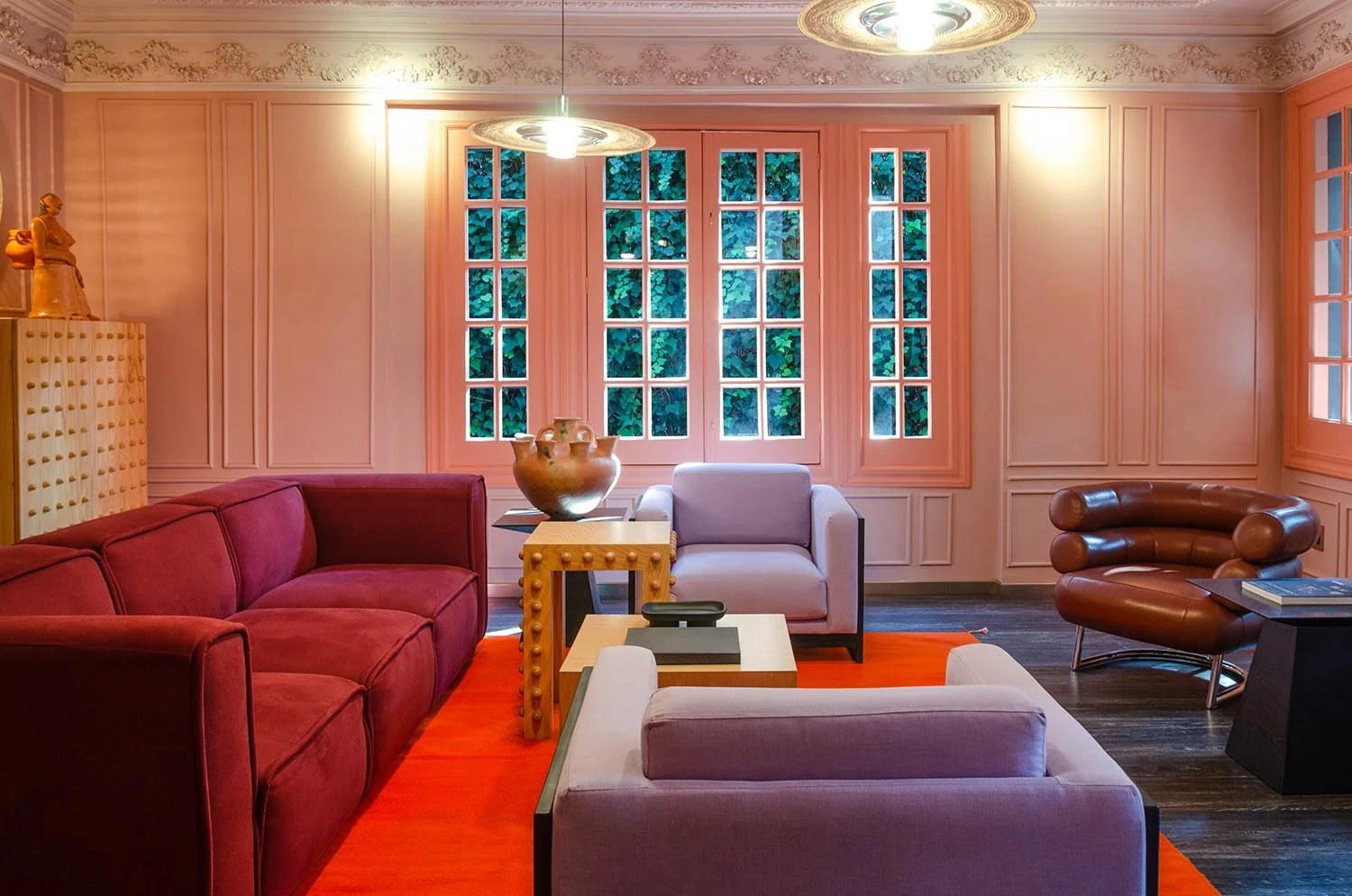
San Ángel's residential architecture sets a particular context for dining rooms in the area. Properties here are frequently converted from domestic use, meaning interiors retain proportions designed for living rather than service: lower ceilings than purpose-built restaurants, room sequences that were once corridors and salons, garden boundaries that create distinct outdoor thresholds. The street address on Callejón Canoa places Alaia within this idiom, on a named laneway rather than an arterial road, which is as much a spatial signal as it is a navigational one.
This kind of interior tends to produce dining rooms where the architectural envelope does more atmospheric work than decoration. In Mexico City's southern neighborhoods, particularly considered spaces use original materials, preserved floor levels, and the natural light specific to a property's orientation. The design conversation in these rooms is between the building and its history rather than between a designer and a brief. That is the register Alaia's location operates within, even before the specific interior details are assessed.
For comparison, Rosetta in Colonia Roma occupies a similar logic: a converted house, a specific address with residential character, an interior that references the building's past. The format rewards guests who understand what they are looking at. Those expecting the polished anonymity of a hotel restaurant will read the room differently than those attuned to what a retained ceiling or an original tile floor communicates about a city's layered use of space.
Where Alaia Sits in the Mexico City Scene
The city's fine dining tier has become more internally differentiated over the past decade. At the leading, a small number of addresses hold international recognition and price accordingly. Below that, a mid-premium tier operates with serious kitchen ambition, neighbourhood-specific identities, and price points closer to Em or Sud 777 than to the tasting-menu flagships. San Ángel addresses tend to sit in this mid-premium bracket, appealing to a local clientele that knows the neighborhood and returns regularly rather than a destination-dining visitor on a single-night itinerary.
That positioning carries its own logic. Restaurants in residential southern Mexico City survive on repeat local custom rather than destination traffic. The menu and format need to hold up across multiple visits in a way that a once-a-year tasting experience does not. This shapes pacing, portion logic, and the degree to which the kitchen engages with seasonal adjustment. It is a different operational pressure from what drives programming at the Polanco flagship tier.
Mexico's broader restaurant geography has diversified considerably. Serious kitchens now operate in Guadalajara, Monterrey, and Oaxaca, with destination-level coastal addresses at Valle de Guadalupe, Puerto Morelos, Playa del Carmen, and Tulum. The capital's identity in this national conversation rests less on being the only serious dining city and more on offering depth at every neighborhood level, including in its less-trafficked southern quadrants. Alaia's address in Tizapán San Ángel contributes to that depth. At about $50 per person, it sits in the upper casual range for the area.
Planning Your Visit
Getting to Tizapán San Ángel from the main hotel corridors of Polanco or Condesa takes approximately 25 to 35 minutes by car, depending on traffic. The neighborhood is not well served by metro, and rideshare is the practical approach for most visitors. Callejón Canoa is a narrow residential street, so drop-off logistics are simpler than parking. The address rewards those who look up the route in advance rather than relying on a general-area search. Booking is recommended. Alaia is open Monday through Saturday from 1:30 to 11 PM and Sunday from 1:30 to 6 PM, with smart casual dress. Within Mexico's wine and agricultural belt, Olivea in Ensenada and Lunario in El Porvenir show how the same residential-scale intimacy applies in a different landscape. Pangea in San Pedro Garza García holds comparable status in the Monterrey scene as a neighborhood-anchored address that draws serious local repeat custom.
Budget and Context
Comparable venues nearby, for context on price, style, and recognition.
| Venue | Cuisine | Price | Notes |
|---|---|---|---|
| AlaiaThis venue — the venue you are viewing | Not listed | $$$$ | Not listed |
| La Mallorquina Arcos | Cooperativa Palo Alto, Authentic Spanish | $$$$ | Not listed |
| J by José Andrés | Not listed | $$$$ | Polanco Chapultepec, Spanish-Mexican Fusion Tapas |
| VEGA | Guadalupe Inn, Spanish | $$$ | Not listed |
| Ultramarinos de Fran | Not listed | $$$$ | Polanco Chapultepec, Spanish Seafood and Wine Bar |
| Zagala | Not listed | $$$$ | Lomas de Virreyes, Spanish Basque Cuisine |
Continue exploring
More in Mexico City
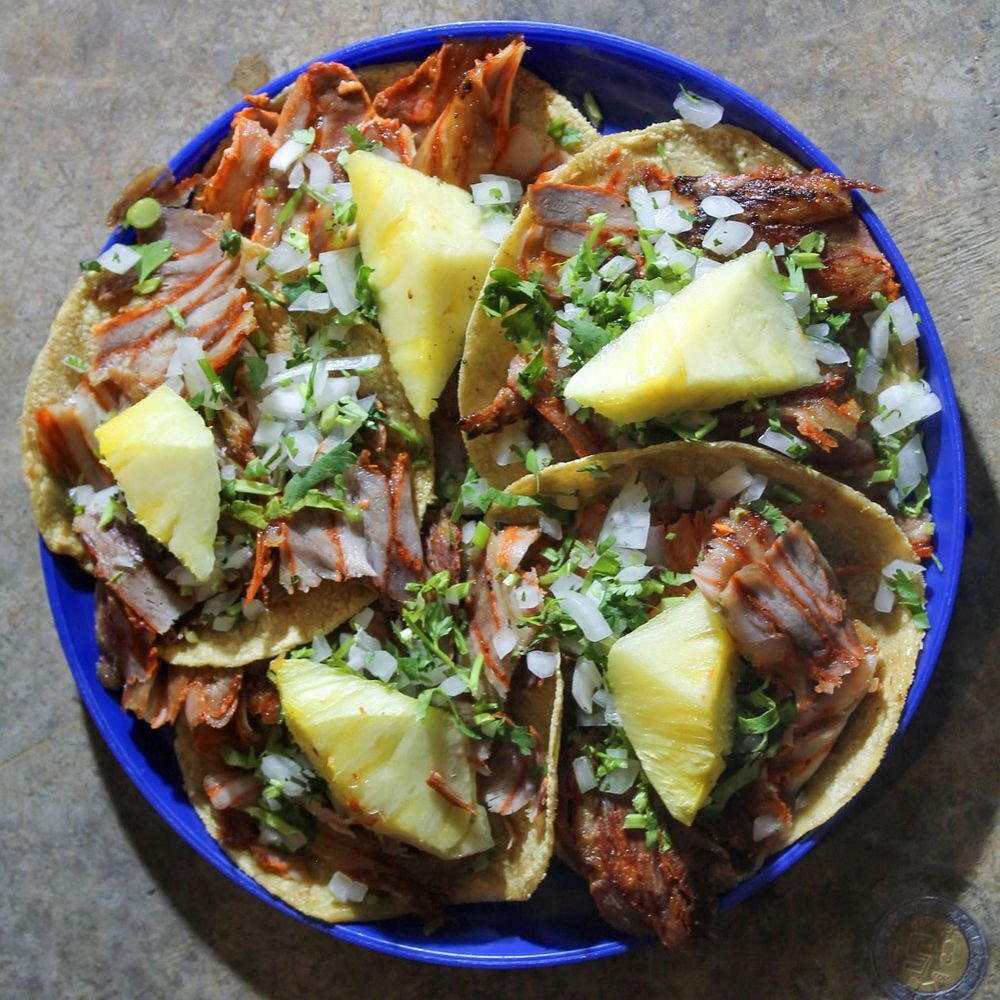
Restaurants in Mexico City
Browse all →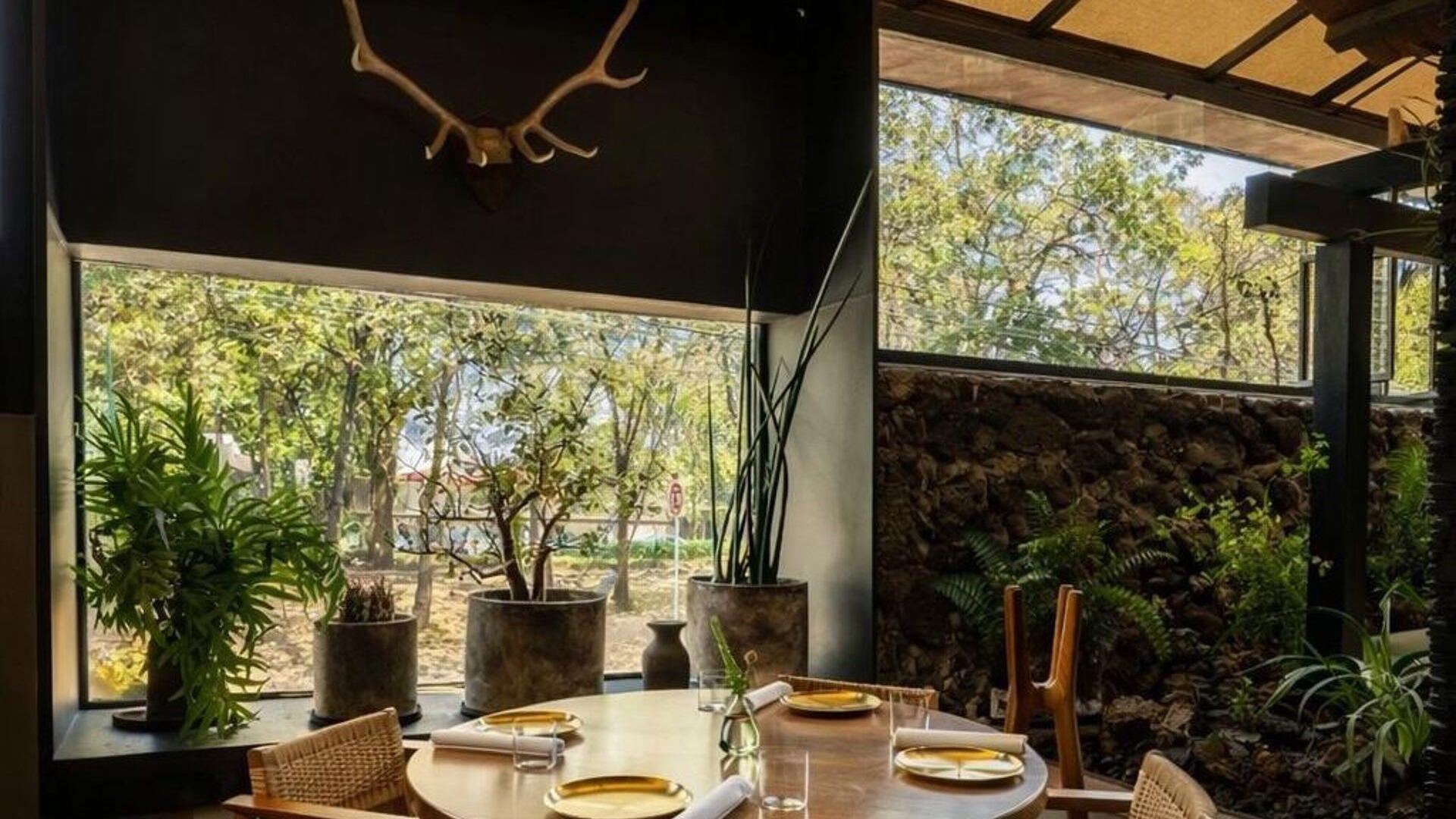
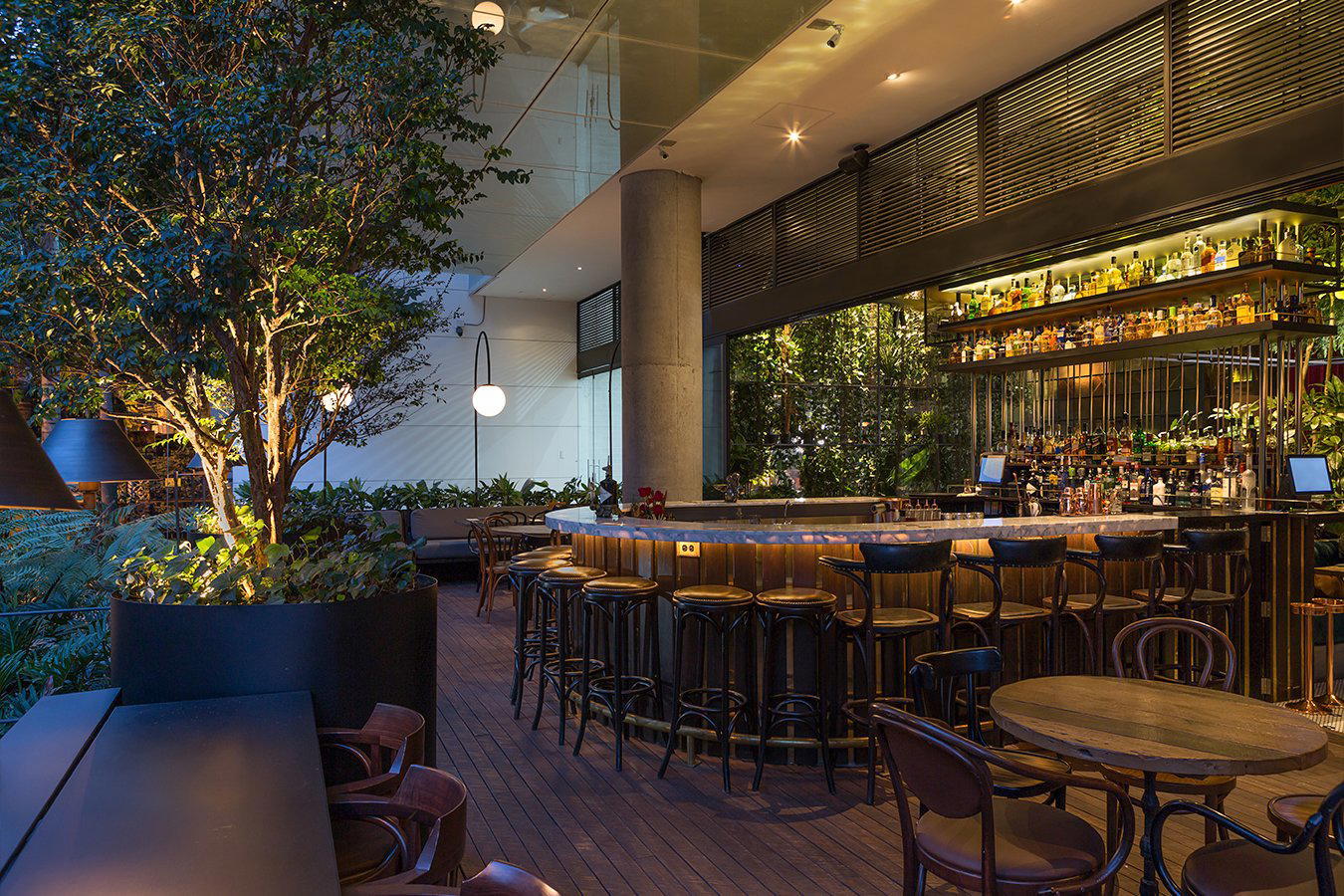
Bars in Mexico City
Browse all →


At a Glance
- Elegant
- Classic
- Sophisticated
- Special Occasion
- Family
- Business Dinner
- Standalone
Current opening hours
- Monday
- 1:30–11 PM
- Tuesday
- 1:30–11 PM
- Wednesday
- 1:30–11 PM
- Thursday
- 1:30–11 PM
- Friday
- 1:30–11 PM
- Saturday
- 1:30–11 PM
- Sunday
- 1:30–6 PM
Hours can change for holidays and private events. Last verified .
Elegant atrium dining room with white linens, creating a home-like formal atmosphere ideal for families and special occasions.