In the Friulian hill town of Moruzzo, Al Tiglio Cucina Naturale takes a sourcing-first approach to the cooking of northeastern Italy, drawing on the agricultural depth of the Udine province. The kitchen's orientation toward natural ingredients and local producers places it within a small but serious tier of Italian restaurants where the supply chain is as considered as the technique. For those travelling through Friuli-Venezia Giulia, it merits a deliberate detour.
Pearl is the En Primeur Club membership app — saves, bookings, and concierge access live there. Same editors, same standards.
- Address
- Via Centa, 8/A, 33030 Moruzzo UD, Italy
- Phone
- +39432642024
- Website
- altiglioveg.it
- Directions
- Get directions
 Saves & bookings on Pearl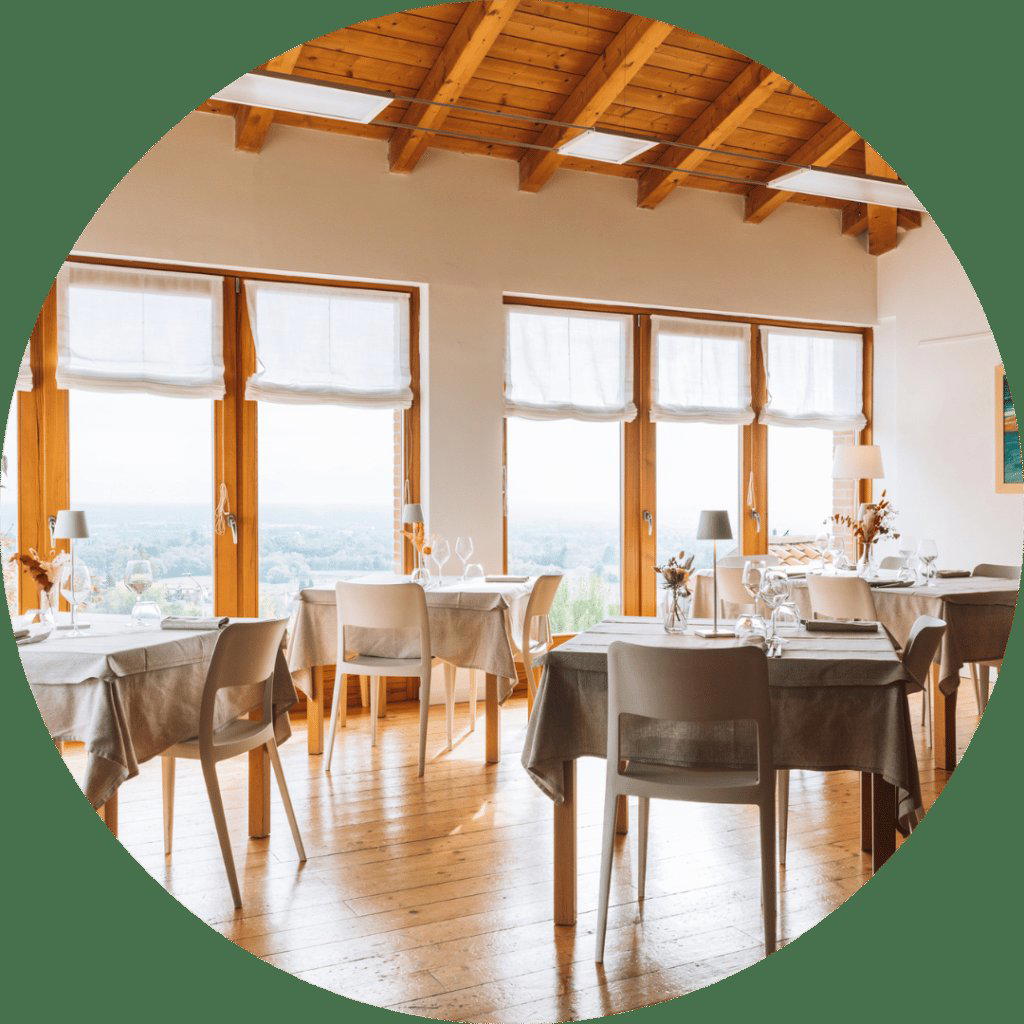
Where Friulian Farmland Meets the Plate
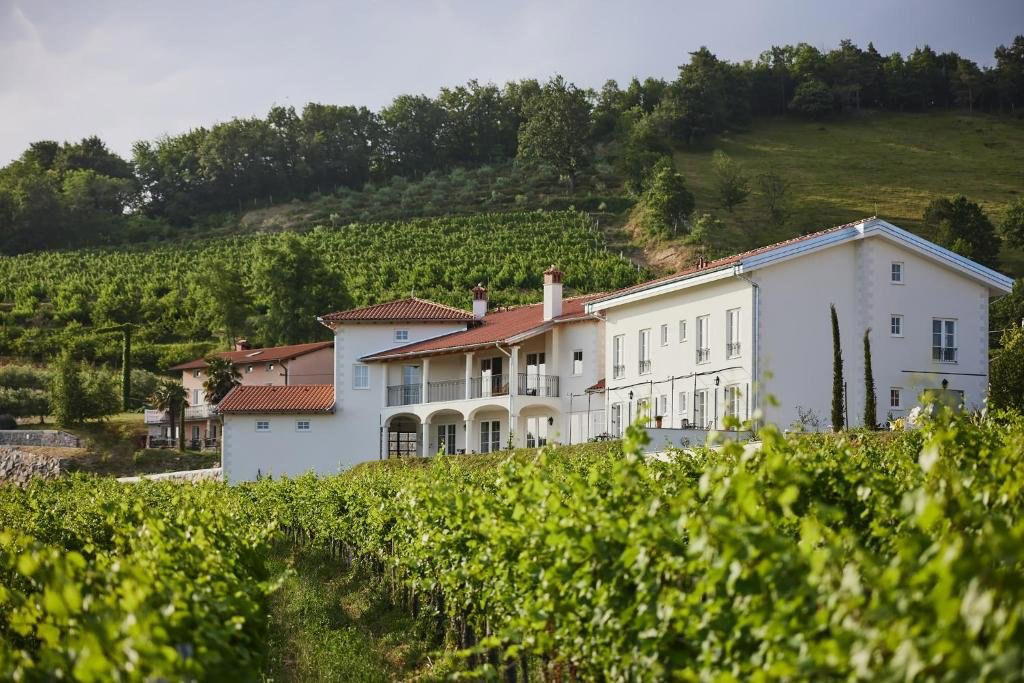
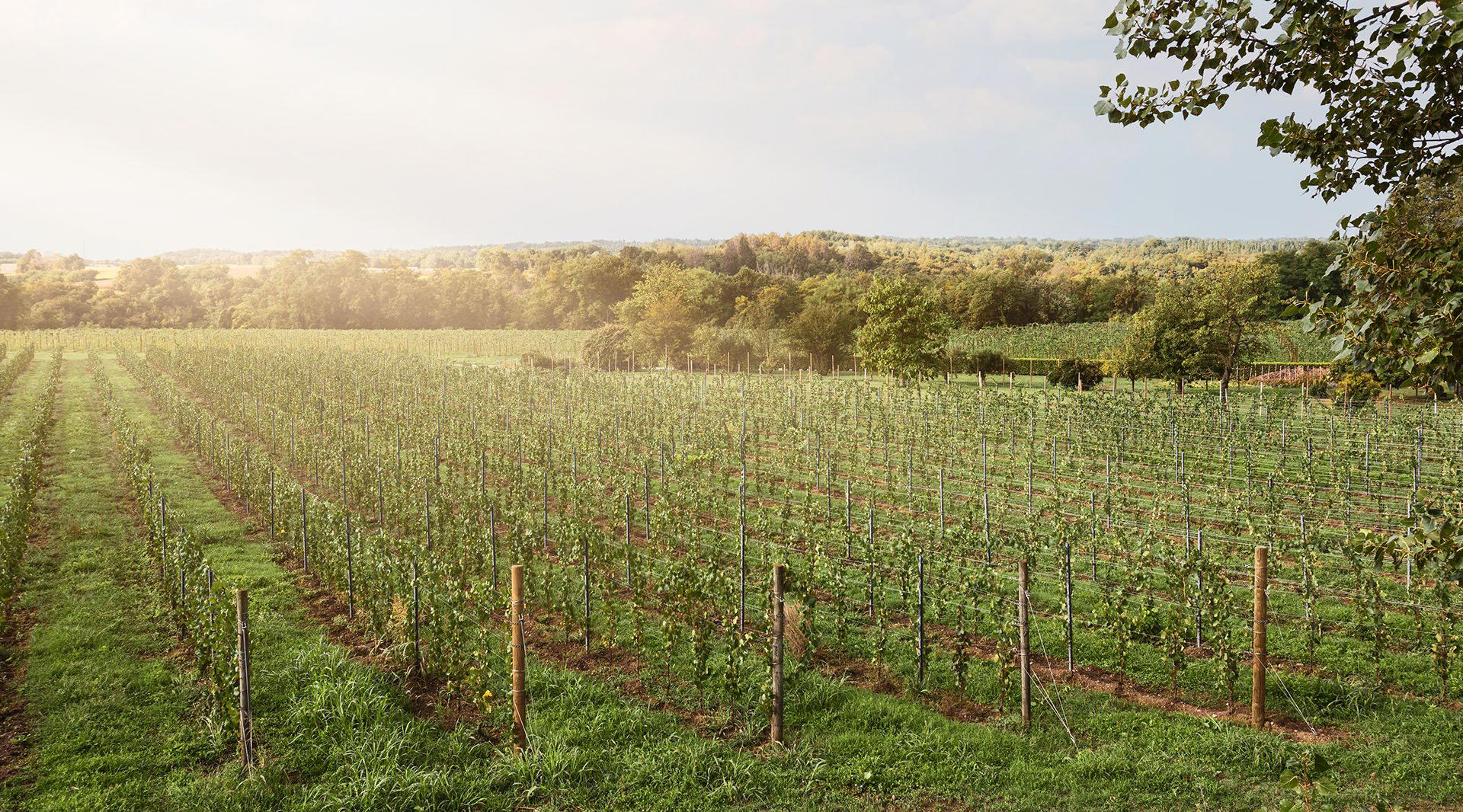
The road into Moruzzo runs through the kind of terrain that shaped Friulian cooking long before the region's restaurants attracted outside attention: rolling hills, scattered farmsteads, and a proximity to both the Alpine foothills and the Adriatic plain that gives the province an unusual range of raw materials. Al Tiglio Cucina Naturale sits on Via Centa in this small commune in the Udine district, and the setting itself is an argument for the kitchen's philosophy. This is not a restaurant that imports its identity from a city dining scene. The ingredients and the environment are continuous with one another.
Friuli-Venezia Giulia occupies a specific position in Italian culinary geography. It borders Austria and Slovenia, which means its food traditions carry central European inflections, smoked meats, dairy-rich preparations, polenta forms distinct from Venetian usage, layered over a Mediterranean base. The wines of Collio and the Colli Orientali del Friuli are among the more respected whites in Italy. The point worth making here is that any kitchen operating in this province has access to a supply of ingredients, cured pork, fresh mountain herbs, aged Frico cheese, river fish, that few Italian regions can match in diversity.
The Sourcing Logic Behind "Cucina Naturale"
The phrase "cucina naturale" carries real weight in contemporary Italian restaurant culture, where it has come to signal a commitment to minimal intervention, seasonal discipline, and traceable supply chains. Restaurants that adopt this framing are positioning themselves against two failure modes: the fine-dining tendency to process ingredients until their origin is unreadable, and the casual trattoria's indifference to where things come from. Al Tiglio's name in this register suggests a kitchen that takes the provenance question seriously.
In northeastern Italy, that sourcing logic connects directly to the agricultural character of the Udine plain and the foothills above it. Small-scale producers in this part of Friuli supply milk, aged cheeses, heritage pork, foraged mushrooms, and river fish to a network of restaurants that increasingly treat supplier relationships as a form of editorial curation. The comparison set here includes restaurants like Atelier Moessmer Norbert Niederkofler in Brunico, where the kitchen's Alpine sourcing philosophy has been codified into a formal system, and Dal Pescatore in Runate, where decades of working with specific producers in the Po Valley have produced a cuisine inseparable from its geography. Al Tiglio operates in a smaller register than either of those, but the underlying commitment to place-led sourcing belongs to the same tradition.
That tradition has become one of the more legible signals of seriousness in Italian restaurant culture. At Osteria Francescana in Modena, the sourcing of Emilian ingredients is treated as a conceptual framework, not just a supply decision. At Piazza Duomo in Alba, the Piedmontese larder, truffles, Barolo grapes, Fassona beef, defines the boundaries of the menu. What connects these approaches is the insistence that the ingredient's origin is part of the dish's meaning, not merely its backstory.
A Small Kitchen in a Region of Serious Eating
Moruzzo has no culinary celebrity status, which in some ways works in its favour. The restaurants that draw sustained critical attention in Italy are often located in towns similarly distant from major urban centres: Reale in Castel di Sangro, Uliassi in Senigallia, Quattro Passi in Marina del Cantone. The pattern across these venues is consistent: a specific, supply-rich geography; a kitchen willing to stay in one place long enough to build genuine supplier relationships; and a clientele that travels to the food rather than expecting the food to travel to them.
Al Tiglio fits that geographic logic. The Udine province is not a destination for the same reasons as Tuscany or the Amalfi Coast, but it rewards the kind of traveller who reads menus and producer lists with the same attention they give to wine labels. The surrounding countryside connects to some of Italy's most interesting small-production food culture: San Daniele prosciutto, Montasio cheese, and the freshwater fish of the Tagliamento river system are all within reach. A kitchen that takes its sourcing seriously in this area has access to ingredients that rarely appear on restaurant menus at any price point outside the region.
For context on how sourcing-focused Italian restaurants function at the highest price tier, Le Calandre in Rubano and Da Vittorio in Brusaporto offer instructive comparisons, both operate at the €€€€ level and have built their reputations partly on the depth of their regional sourcing. Enoteca Pinchiorri in Florence, Villa Crespi in Orta San Giulio, and Enrico Bartolini in Milan represent the more urban end of Italian fine dining, where ingredient sourcing is one signal among many rather than the central organising principle. Al Tiglio's framing as "cucina naturale" suggests the kitchen is more interested in the former mode.
International reference points such as Le Bernardin in New York City and Lazy Bear in San Francisco demonstrate how sourcing-led restaurants operate outside Italian culinary frameworks, while Gambero Rosso in Marina di Gioiosa Ionica, Casa Perbellini 12 Apostoli in Verona, and La Pergola in Rome anchor the Italian tradition at different price and format points.
Planning a Visit
Al Tiglio Cucina Naturale is located at Via Centa, 8/A in Moruzzo, a small commune in the Udine district of Friuli-Venezia Giulia. Given Moruzzo's size and the specialised nature of a restaurant operating under a natural cuisine philosophy in a rural setting, advance planning is advisable.
Comparable Spots, Quickly
Comparable venues nearby, for context on price, style, and recognition.
| Venue | Cuisine | Price | Notes |
|---|---|---|---|
| Al Tiglio Cucina NaturaleThis venue — the venue you are viewing | Italian Vegan Fine Dining | $$$ | Not listed |
| Al Fiume Stella | Modern Italian Seafood | $$$ | Precenicco |
| Antica Trattoria Belletti | Traditional Emilian Trattoria | $$$ | Montepastore |
| Al Bàcar | Friulian Italian Trattoria | $$$ | Fagagna |
| LPV Ristorante | Classic Venetian Fine Dining | $$$ | Riva degli Schiavoni |
| Al Giardinetto | Italian Seafood with Regional Friulian Specialties | $$$ | Cormons |
Continue exploring
More in Moruzzo
Restaurants in Moruzzo
Browse all →
Bars in Moruzzo
Browse all →
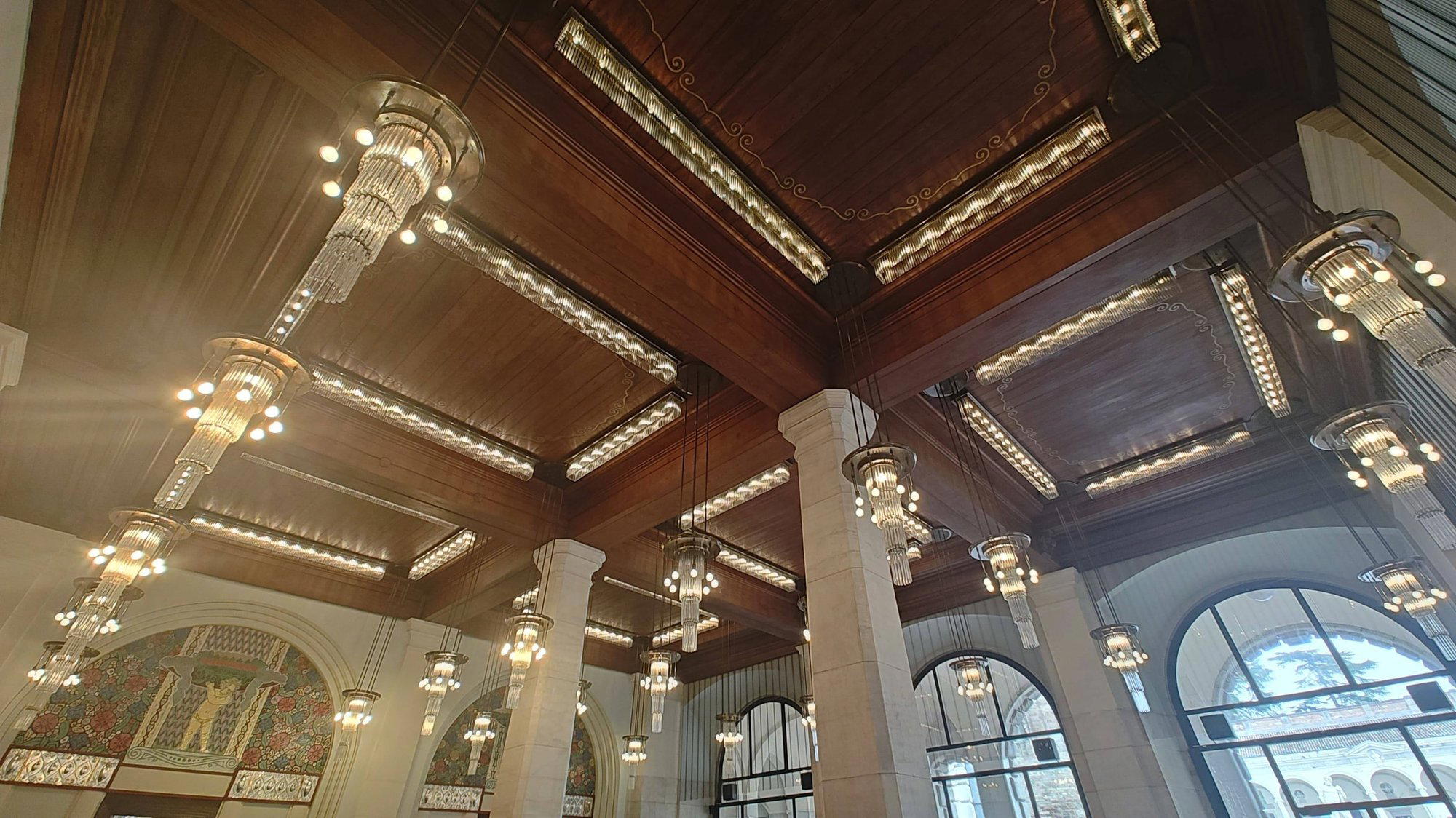
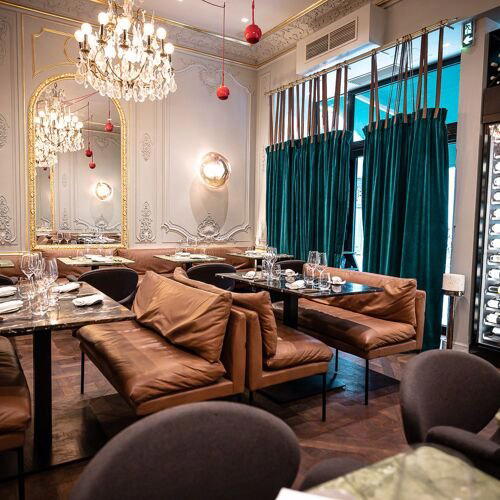
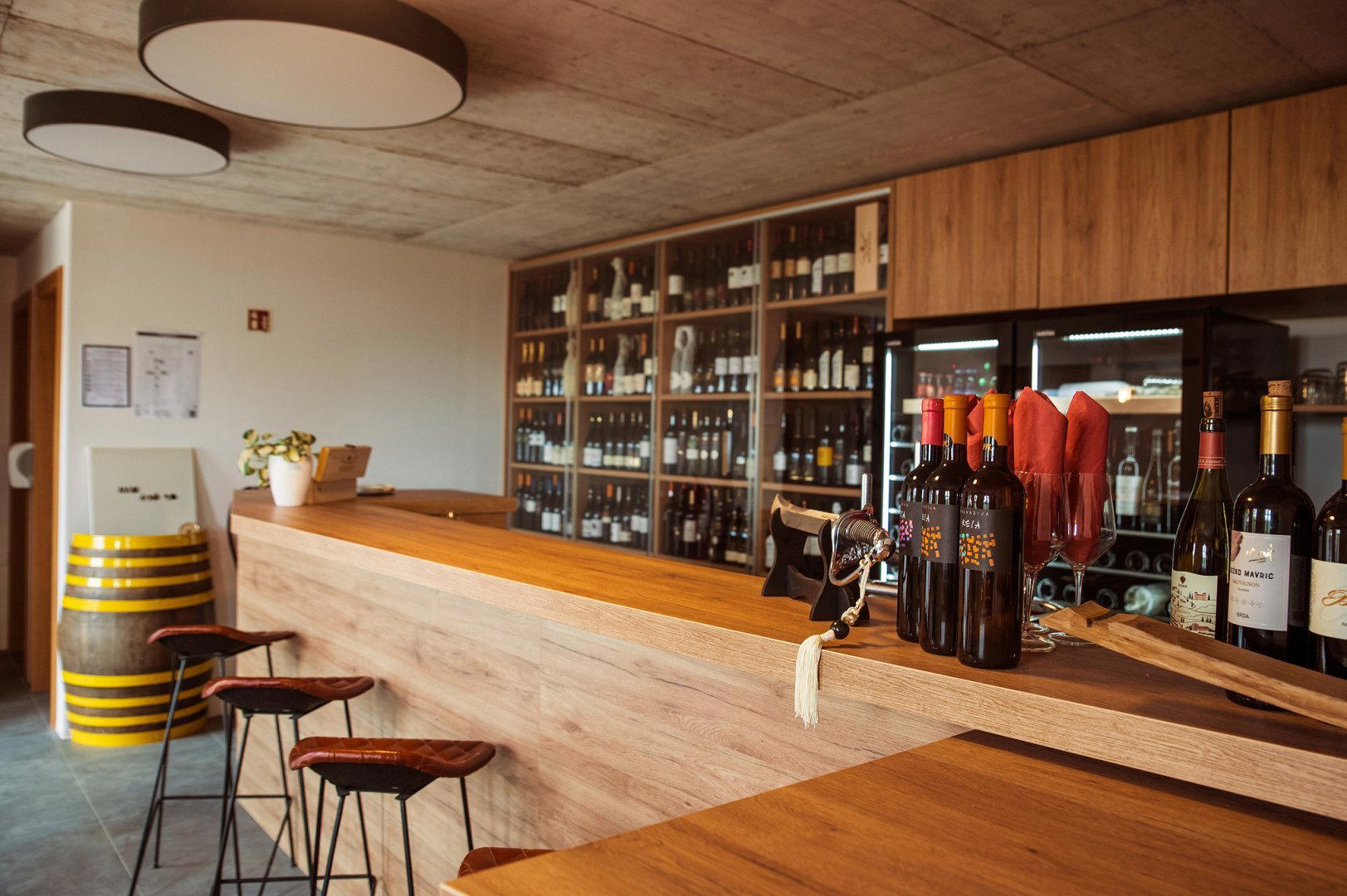
Hotels in Moruzzo
Browse all →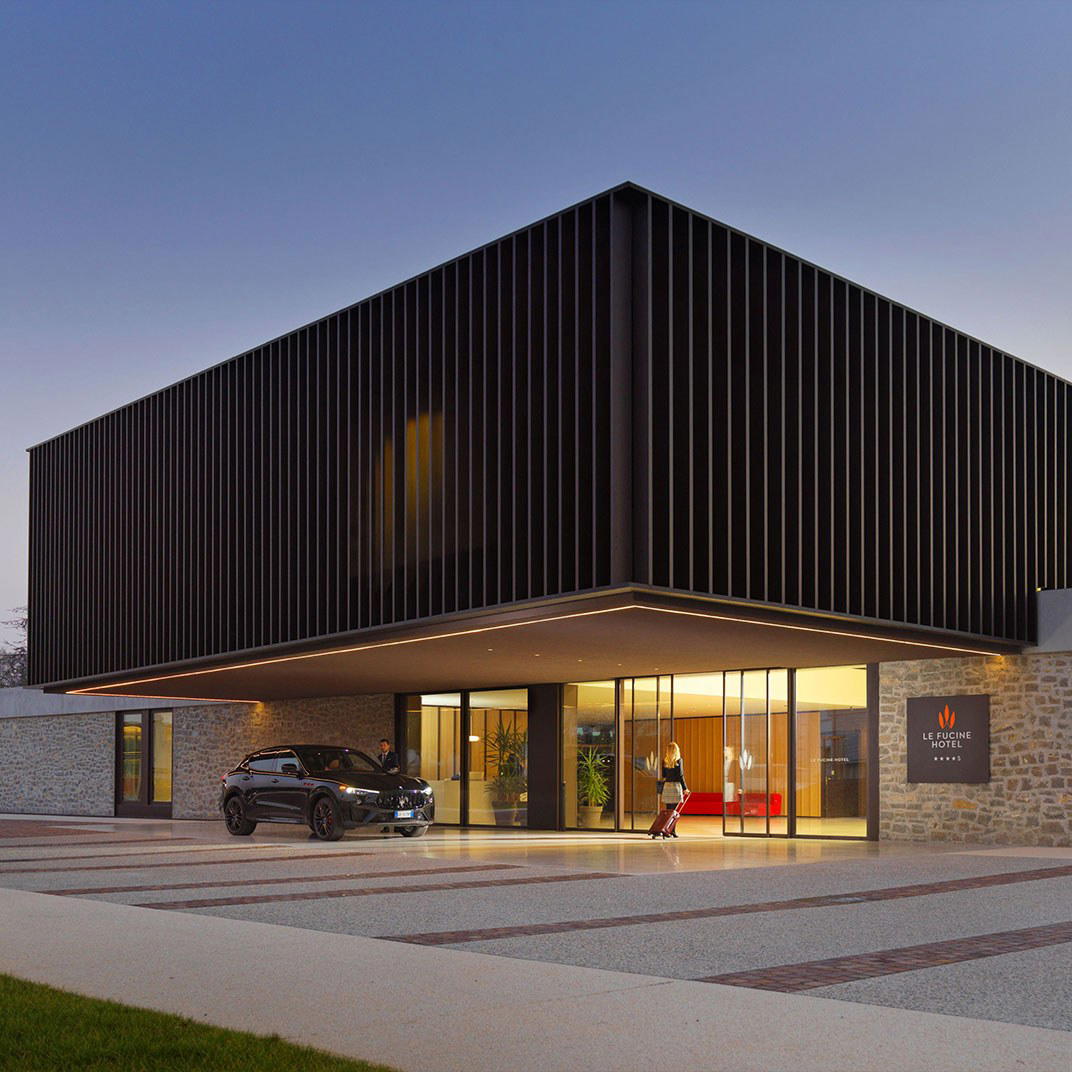
At a Glance
- Cozy
- Elegant
- Rustic
- Intimate
- Scenic
- Date Night
- Special Occasion
- Terrace
- Open Kitchen
- Natural Wine
- Organic
- Local Sourcing
- Farm To Table
- Vineyard
Current opening hours
- Monday
- Closed
- Tuesday
- 7–11 PM
- Wednesday
- 7–11 PM
- Thursday
- 7–11 PM
- Friday
- 7–11 PM
- Saturday
- 12–3 PM, 7–11 PM
- Sunday
- 12–3 PM
Hours can change for holidays and private events. Last verified .
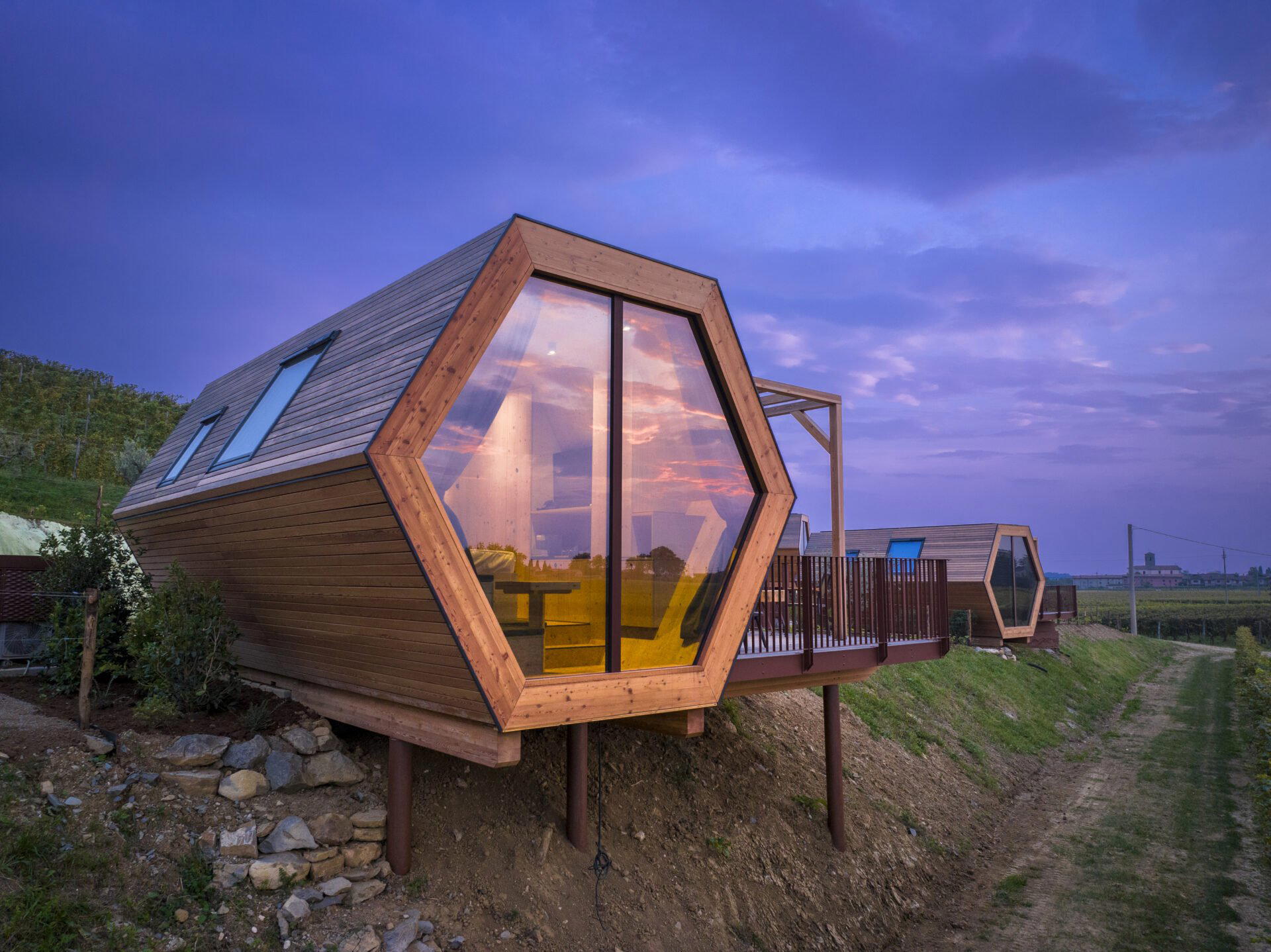
Welcoming and elegant with cozy, refined elements, large windows offering far-reaching views, and a relaxing terrace atmosphere.