In the quiet hill town of Fagagna, in Friuli-Venezia Giulia, Al Bàcar occupies the kind of address that rewards travellers who look beyond the obvious dining circuits. The kitchen draws on the agricultural depth of the Friulian plain, where provenance is a practical reality rather than a menu talking point. It sits within a small local dining scene that takes its regional pantry seriously.
 Discover on Pearl
Pearl is the En Primeur Club membership app — saves, bookings, and concierge access live there. Same editors, same standards.
- Address
- Via Umberto I, 29, 33034 Fagagna UD, Italy
- Phone
- +39432811036
- Website
- module.thefork.com
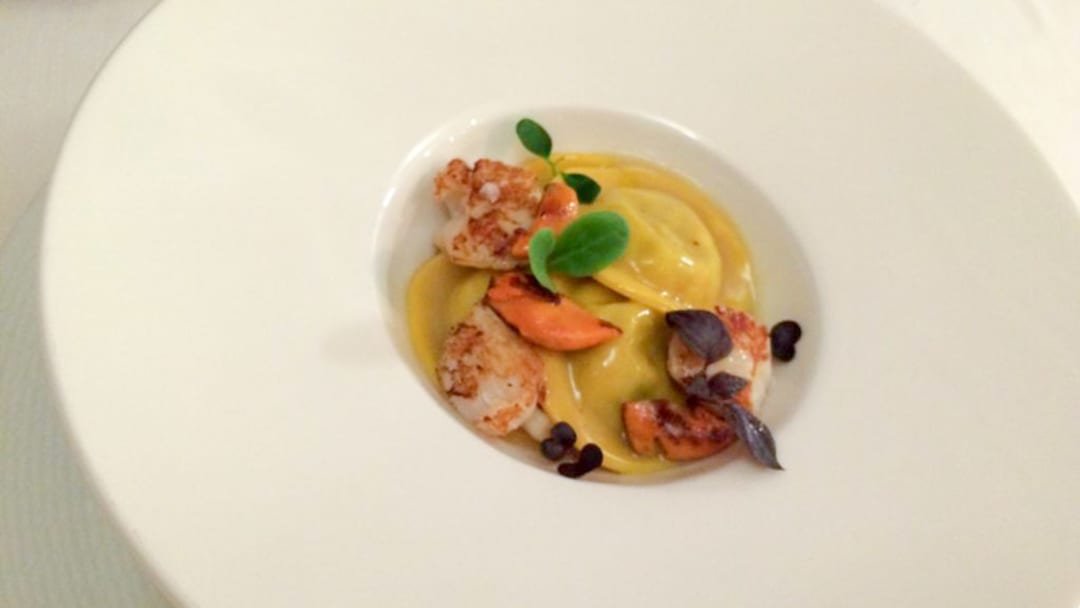
Friuli on a Plate: Why Fagagna's Dining Scene Earns Attention
Friuli-Venezia Giulia is a region that Italian food culture often overlooks, usually in favor of Emilia-Romagna or Piemonte. That oversight is partly a matter of geography: the region sits in Italy's northeastern corner, sharing borders with Slovenia and Austria, and its towns don't draw the same tourist volume as Bologna or Alba. Fagagna, a small hill settlement on the Friulian plain above Udine, fits that pattern precisely. It does not announce itself. But it maintains a clutch of kitchens that treat the regional pantry, San Daniele prosciutto, Montasio cheese, freshwater fish from the Tagliamento basin, wild herbs from the Carnic foothills, as primary material rather than decorative garnish.
Al Bàcar, on Via Umberto I, operates within this context. The address is residential in character, which is typical for trattoria-adjacent dining in Friulian towns of this scale. Approaching it, you're walking through the kind of village fabric that hasn't been formatted for tourism: stone buildings, quiet streets, a pace that slows the moment you arrive. That physical environment shapes the meal before a dish is served.
Ingredient Sourcing as the Kitchen's Organizing Principle
Friuli's agricultural identity is specific enough to function as a culinary framework on its own. The plain between Udine and the pre-Alps produces ingredients with real geographical character: Frico, the cheese and potato preparation that has been central to Friulian cooking for centuries, depends on Montasio at different stages of ageing, fresh for pliability, aged for structure. Prosciutto di San Daniele, cured in the town thirty kilometres northwest of Fagagna, develops its particular sweetness from the confluence of Adriatic air and Alpine cold that moves through the Tagliamento valley. These are not interchangeable with products from other Italian regions, and kitchens in Fagagna that use them well are drawing on a supply chain that exists almost entirely within a hundred-kilometre radius.
Restaurants operating at this level of regional specificity belong to a tradition that has been gaining credibility across northern Italy's smaller towns. Dal Pescatore in Runate built its reputation over decades by treating the Po Valley larder as its primary subject. Atelier Moessmer Norbert Niederkofler in Brunico has made Alpine sourcing the structural basis of a multi-Michelin-starred program. Al Bàcar operates in a smaller, less decorated tier than either of those, but the underlying logic is comparable: the region's produce, used with fidelity to local technique, is the content of the menu.
This matters to the traveller making a deliberate choice about where to eat in Friuli. Dining at a kitchen that sources locally and cooks regionally is a different experience from eating Italian food that happens to be served in Italy. The former tells you something about the place. The latter does not.
The Dining Scene in Fagagna: How Al Bàcar Fits
Fagagna supports a small number of serious restaurants for a town of its size. Al Castello and San Michele occupy the same local tier, each with their own approach to the Friulian kitchen. The town is not a dining destination in the way that Alba is for white truffles or Modena for the cooking of Osteria Francescana, but it holds its own within the region's quieter dining circuit. Visitors who arrive specifically for the food tend to plan a route through Friuli that connects Fagagna with Udine and the hill towns to the north, rather than treating it as a standalone stop.
That regional circuit logic is relevant to how Al Bàcar is experienced. It rewards an unhurried visit, the kind of lunch that extends into mid-afternoon, or an early dinner that fits a wider Friulian itinerary.
Northern Italy's Small-Town Dining Tradition: Context and Comparison
Italy's most interesting restaurant activity has increasingly shifted away from its major cities. The kitchens drawing the most critical attention over the past decade include Piazza Duomo in Alba, Le Calandre in Rubano, and Reale in Castel di Sangro, all operating in towns that require deliberate travel rather than incidental visits. The pattern these restaurants share is a commitment to place: the sourcing, the technique, and the service style all carry geographical information that you couldn't replicate in Milan or Rome.
Al Bàcar belongs to this broader Italian tendency, operating at a more local scale than starred destinations like Enrico Bartolini in Milan or Enoteca Pinchiorri in Florence, but consistent with the same underlying premise: that the leading expression of Italian cooking happens when kitchen and supply chain are close together. Uliassi in Senigallia demonstrates this for Adriatic seafood; Quattro Passi in Marina del Cantone does it for Campanian coastal produce. The Friulian version of that argument is less internationally publicised, which makes kitchens like Al Bàcar more instructive for the reader who wants to understand how Italian regional cooking actually functions, rather than how it is marketed.
Planning a Visit
Fagagna sits approximately fifteen kilometres northwest of Udine, accessible by car along the SP 49. There is no direct rail connection to the town itself; Udine is the nearest main station, served by Trenitalia from Venice and Trieste, with the final leg to Fagagna leading covered by taxi or hire car. Given the limited public transport options and the town's small scale, Al Bàcar is most practically reached as part of a longer Friulian drive rather than a day trip from a major hub.
Al Bàcar is recommended for reservations and typically operates Monday through Saturday from 7:30 AM to 10:30 PM, with Sunday closed. Reservations are recommended.
Comparable Spots, Quickly
Comparable venues nearby, for context on price, style, and recognition.
| Venue | Cuisine | Price | Awards | Notes |
|---|---|---|---|---|
| Al BàcarThis venue — the venue you are viewing | Friulian Italian Trattoria | $$$ | , | |
| Al Castello | Seasonal Friulian Italian | $$$ | , | Fagagna |
| San Michele | Modern Italian Regional Fine Dining | $$$ | Michelin Plate | Fagagna |
| Ristorante Da Boschet | Modern Italian Seafood | $$$ | , | Gorgo |
| Al Forno | Traditional Venetian Trattoria with Grill | $$$ | , | Refrontolo |
| Osteria Perbacco | Modern Venetian Italian | $$$ | , | Scorze |
Continue exploring
More in Fagagna
Restaurants in Fagagna
Browse all →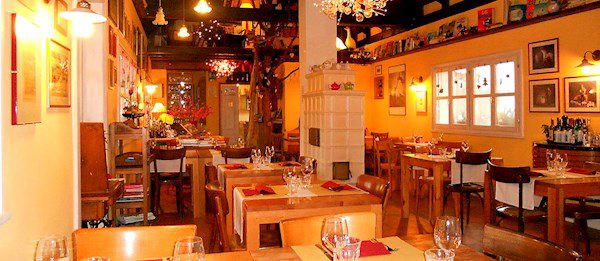
Bars in Fagagna
Browse all →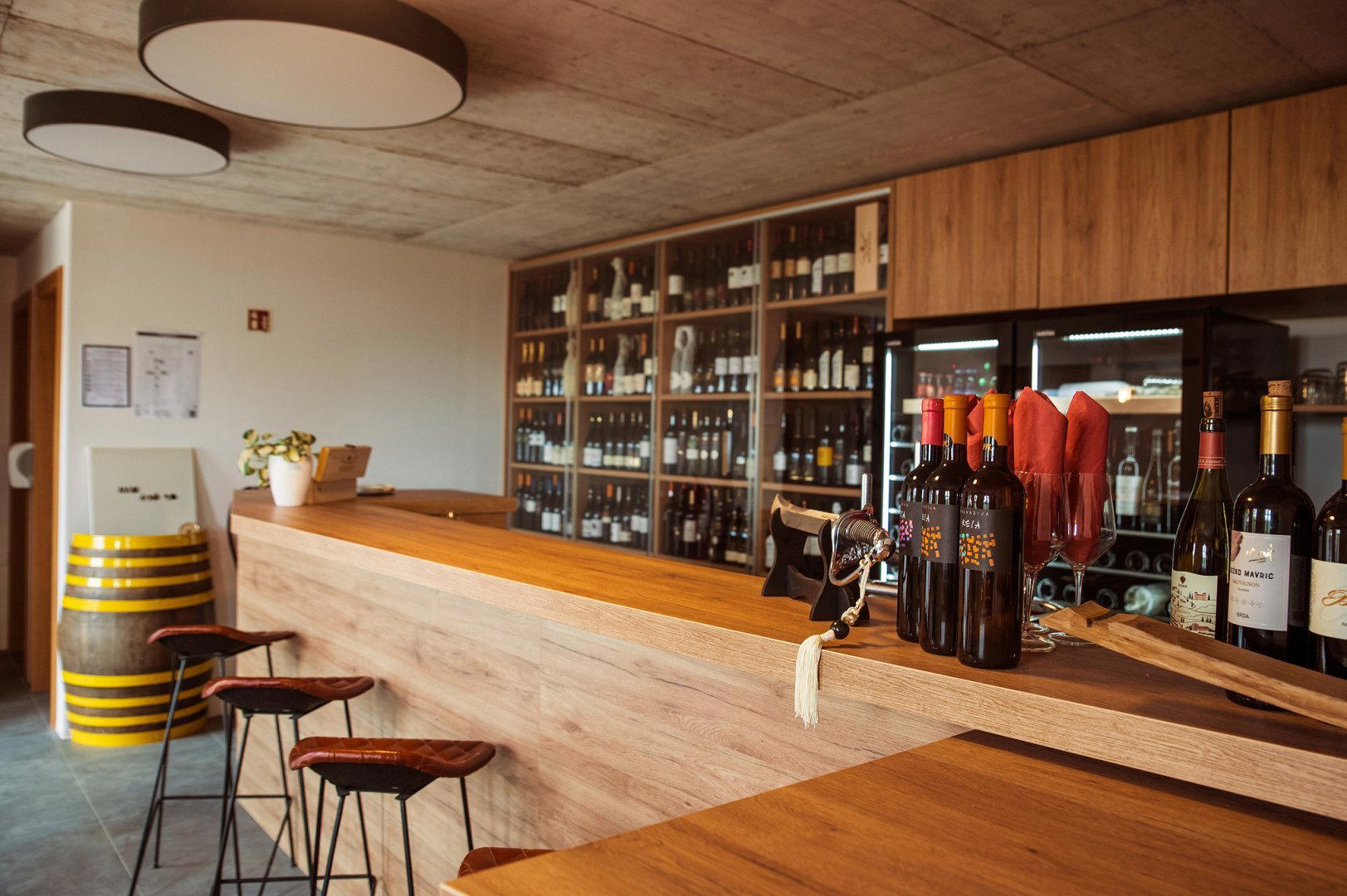
Hotels in Fagagna
Browse all →
At a Glance
- Elegant
- Rustic
- Cozy
- Date Night
- Business Dinner
- Special Occasion
- Standalone
- Extensive Wine List
- Local Sourcing
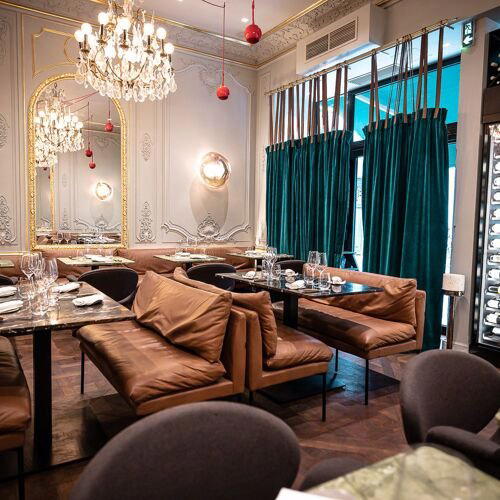
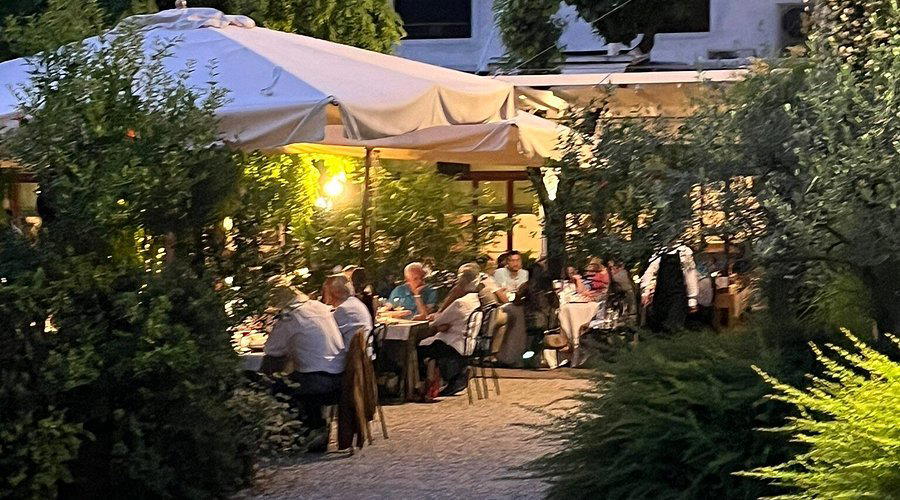
Dimmed lighting with modern and elegant atmosphere, divided into aperitivo area and refined dining space.