A konoba in the old-city grain of Rijeka's street grid, Konoba Nebuloza sits at Ul. Franje Račkoga 1 and operates in the tradition of the Kvarner tavern: unhurried service, Adriatic produce, and a format built around the rhythm of a long meal rather than a quick cover turn. It represents the category of neighbourhood dining that Rijeka's residents rely on rather than visit for occasion.
Pearl is the En Primeur Club membership app — saves, bookings, and concierge access live there. Same editors, same standards.
- Address
- Ul. Franje Račkoga 1, 51000, Rijeka, Croatia
- Phone
- +38551374501
- Website
- konobanebuloza.com
- Directions
- Get directions
 Saves & bookings on Pearl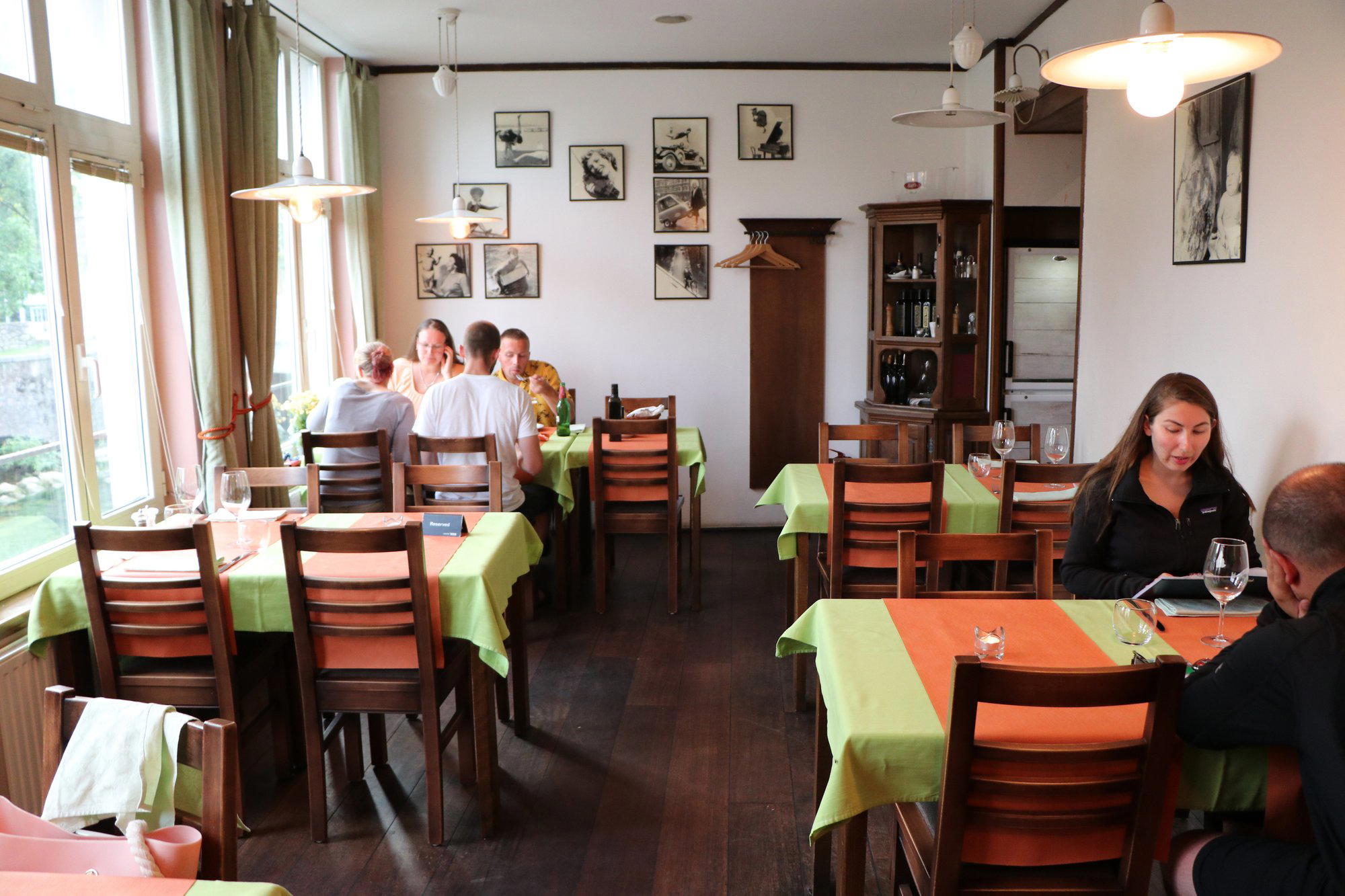
The Konoba Tradition and Where Nebuloza Fits
The konoba format is among the more durable dining institutions on the eastern Adriatic coast. The word itself, rooted in the Venetian word for cellar or storeroom, signals something about the ethos: food kept close to its source, service stripped of ceremony, and a meal paced by conversation rather than a kitchen's cover count. Along the Croatian littoral, from Istrian hill towns to Dalmatian port cities, the konoba has absorbed modernisation selectively, holding on to long tables, carafe wine, and the expectation that you do not hurry.
Rijeka occupies an interesting position within that tradition. As Croatia's principal northern port and its third-largest city, it sits at the crossroads of Central European, Italian, and Adriatic influences, and its dining character reflects all three. The city's food scene divides roughly into two registers: the ambitious modern end, where Nebo by Deni Srdoč operates at the fine-dining tier, and the neighbourhood end, where konobas and bistros do the daily work of feeding people well without pretension. Konoba Nebuloza, a Croatian Seafood Konoba at Ul. Franje Račkoga 1 in Rijeka, belongs to the second category.
Approaching the Address
Ul. Franje Račkoga runs through the part of Rijeka that predates the Habsburg-era expansion, where the street scale is compressed and the ground floors of narrow buildings have been bars, workshops, and eating places for generations. Arriving at this address, the physical cues are typical of the format: no valet, no canopy branding, and a frontage that does not signal itself aggressively to passing trade. This is consistent with how the leading konobas position themselves across the Croatian coast. The regulars know where they are; the newcomers find their way.
That low-profile exterior is not false modesty. It is the spatial grammar of a category where the interior arrangement, the table configuration, and the welcome at the door carry more communicative weight than the shopfront. In the konoba tradition, the room earns its reputation through return visits rather than first impressions.
The Ritual of the Konoba Meal
The editorial angle that matters most at a place like Konoba Nebuloza is not a single dish or a named chef, but the pacing and customs of the meal itself. Across the Kvarner coast, the konoba meal follows a recognisable arc. It opens with a spread of small preparations, often cold, that arrive without being individually ordered: preserved fish, olives, bread. This is the taverna logic inherited partly from the Italian osteria model and partly from the domestic table, where abundance signals hospitality rather than upselling.
The middle of the meal in this format is typically built around grilled fish or slow-cooked meat, depending on the season and the day's market. On the Kvarner, fish from the bay has historically defined the better konobas: scampi from the Kvarner Gulf appear on tables from Opatija to Rab in a way that has no direct parallel further south on the Dalmatian coast, where different species and preparation traditions dominate. Whether Nebuloza follows this precisely is not something we can confirm, but the address and the format place it within a culinary geography where these are the defining reference points.
Closing ritual of the konoba meal is also worth noting: a small glass of rakija or a house dessert, offered as a gesture of hospitality rather than charged as a separate line item, is common in this category across the Croatian coast. It is part of the meal's social contract rather than its commercial structure. Comparable neighbourhood-format restaurants elsewhere in Croatia, including Bistro Grad in Rijeka's contemporary bistro tier, follow a slightly more transactional model. The konoba format resists that.
Rijeka in Context: A Dining City Below the Radar
Rijeka receives considerably less dining attention than Croatia's tourist-circuit cities. Dubrovnik draws visitors to Restaurant 360; Sibenik has Pelegrini; Rovinj draws the Istrian fine-dining crowd to Agli Amici Rovinj; Korčula has LD Restaurant. Rijeka sits off that circuit, which means its neighbourhood dining operates closer to the everyday register that locals actually use, without the pricing premium that coastal tourism applies to Dalmatian restaurant menus in summer.
That makes Rijeka an interesting city for the kind of traveller who wants to read a place through its ordinary dining rather than its trophy tables. The city's konobas and older-format restaurants exist in a peer relationship with venues like Cacao, Capote y Olé, and Conca d'oro, each of which serves a different segment of the city's dining habits. Taken together, these venues map a food culture shaped by the port, by Central European influence, and by the Adriatic larder rather than by tourism infrastructure. For broader Croatian coastal context, Boskinac in Novalja, Alfred Keller in Mali Lošinj, and Korak in Jastrebarsko each represent how the Kvarner and northern Croatian dining tradition extends beyond the city's boundaries.
At the other end of the ambition spectrum, venues like Dubravkin Put in Zagreb and Krug in Split show how Croatian cities at different scales are building out their fine-dining tiers. Rijeka's contribution to that conversation runs through Nebo by Deni Srdoč at the formal end; the konoba tier, of which Nebuloza is a representative address, anchors the other. Internationally, for reference only, the long-paced tasting format that defines the opposite end of the dining ritual spectrum can be found at Le Bernardin in New York City or the fermentation-forward precision of Atomix. The konoba exists in deliberate contrast to both. See our full Rijeka restaurants guide for the complete picture of the city's dining options across price points and styles. For those interested in the island-organic end of Adriatic eating, BioMania Bistro Bol in Bol offers a Dalmatian counterpoint worth noting.
Planning Your Visit
Konoba Nebuloza is located at Ul. Franje Račkoga 1, in central Rijeka, within walking distance of the Korzo pedestrian strip and the city's main transit connections. The address is reachable on foot from the bus and rail terminals without difficulty. As is standard for this category across Croatia, arriving with a flexible schedule is advisable: the konoba meal is not designed around a fixed duration, and booking ahead for dinner, particularly mid-week, is generally prudent at neighbourhood venues of this type, though walk-in lunch is common in the format.
Cuisine and Credentials
Comparable venues nearby, for context on price, style, and recognition.
| Venue | Cuisine | Price | Awards | Notes |
|---|---|---|---|---|
| Konoba NebulozaThis venue — the venue you are viewing | Croatian Seafood Konoba | $$ | Not listed | Not listed |
| Na Kantunu Tavern | Croatian Seafood Tavern | $$ | Not listed | :null |
| Cacao | Dessert Patisserie with Vegan Options | $$ | Not listed | City Center |
| Bistro Grad | Modern Italian-Croatian Bistro | $$ | Michelin Plate | port area |
| Capote y Olé | Authentic Spanish Tapas & Paella | $$ | Not listed | Luka |
| Hidden Wine Bistro | Mediterranean Farm-to-Table Wine Bistro | $$$$ | Michelin Plate | City Center (Ulica Korzo area) |
Continue exploring
More in Rijeka
Restaurants in Rijeka
Browse all →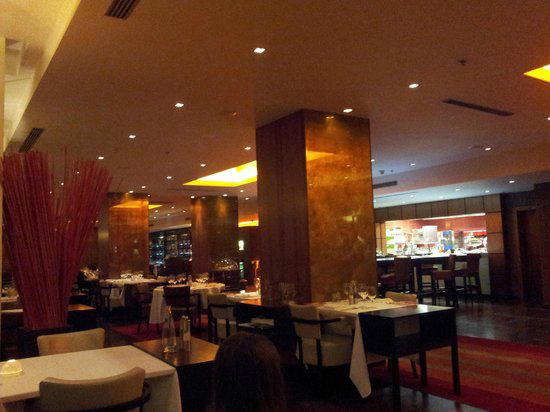
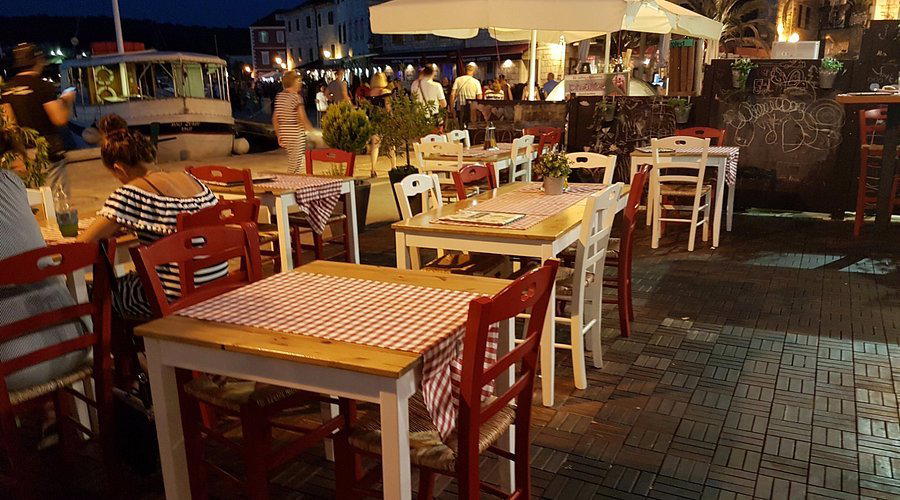
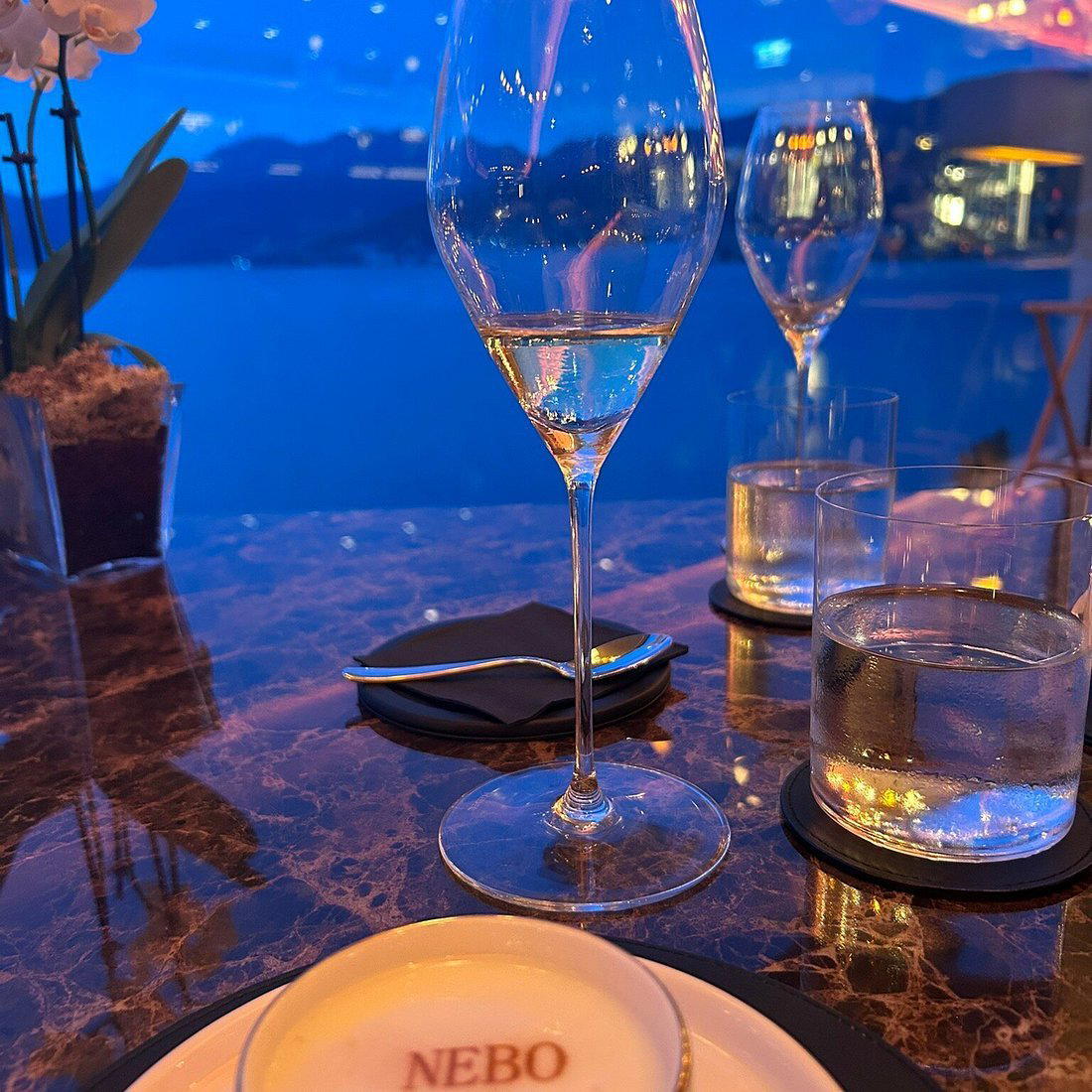
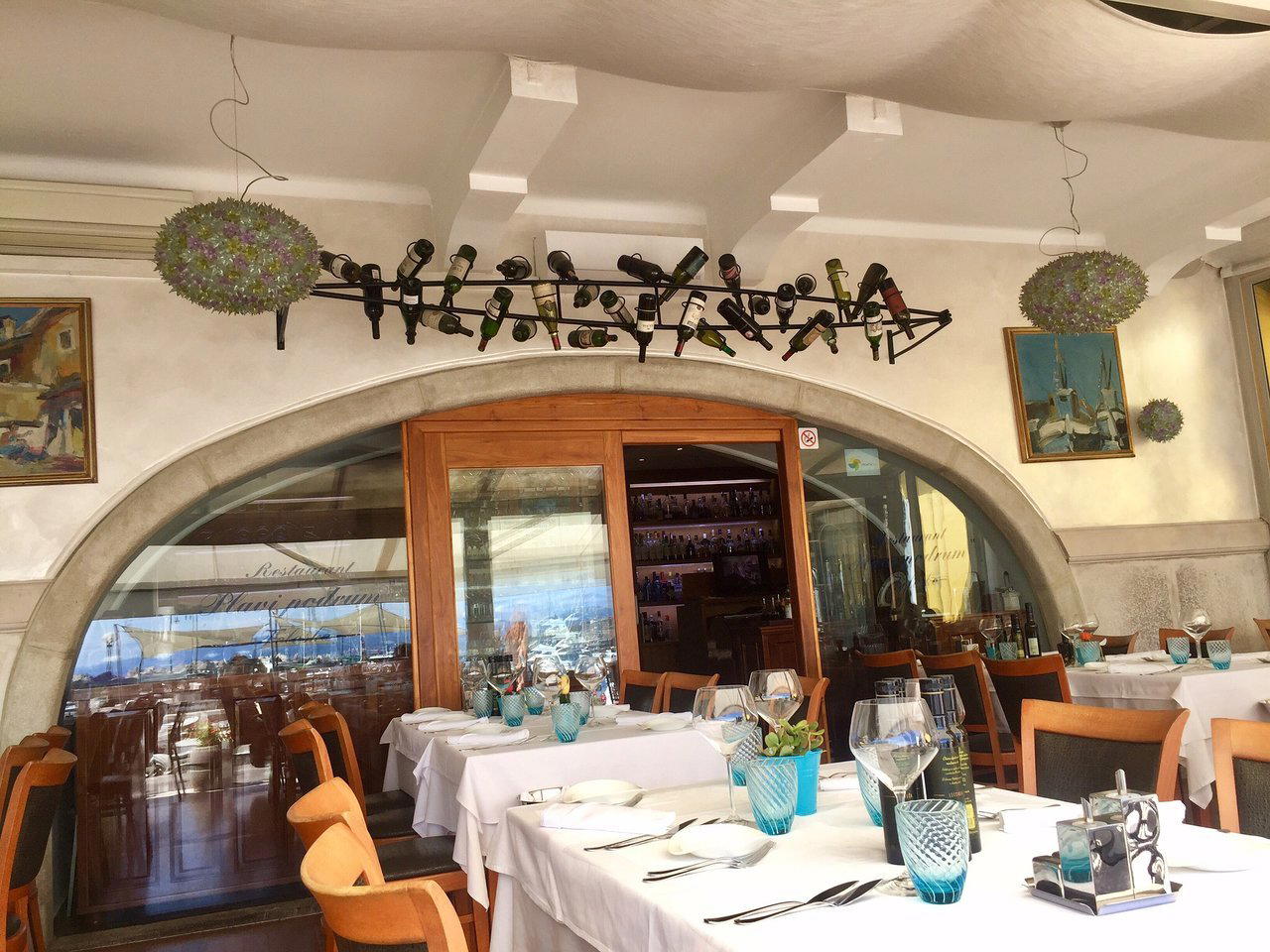
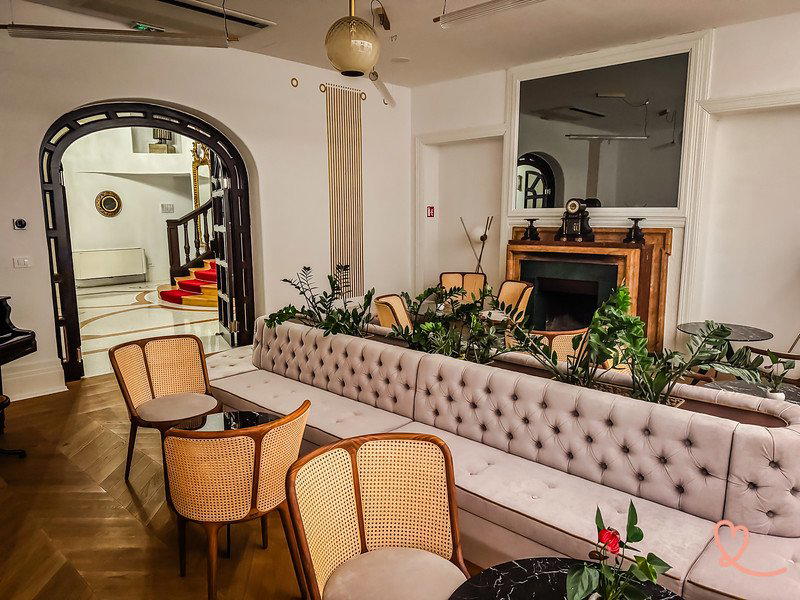
Bars in Rijeka
Browse all →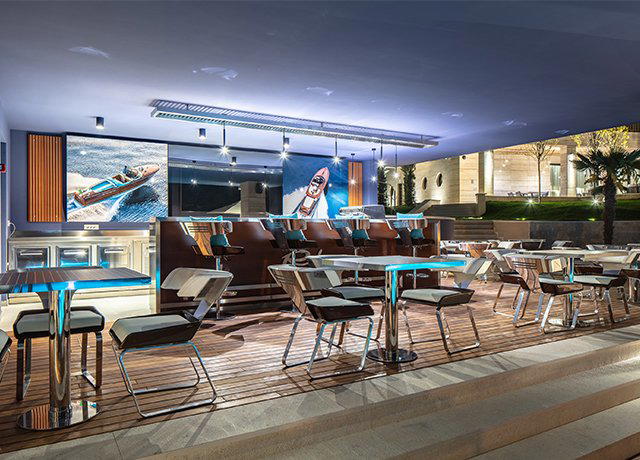
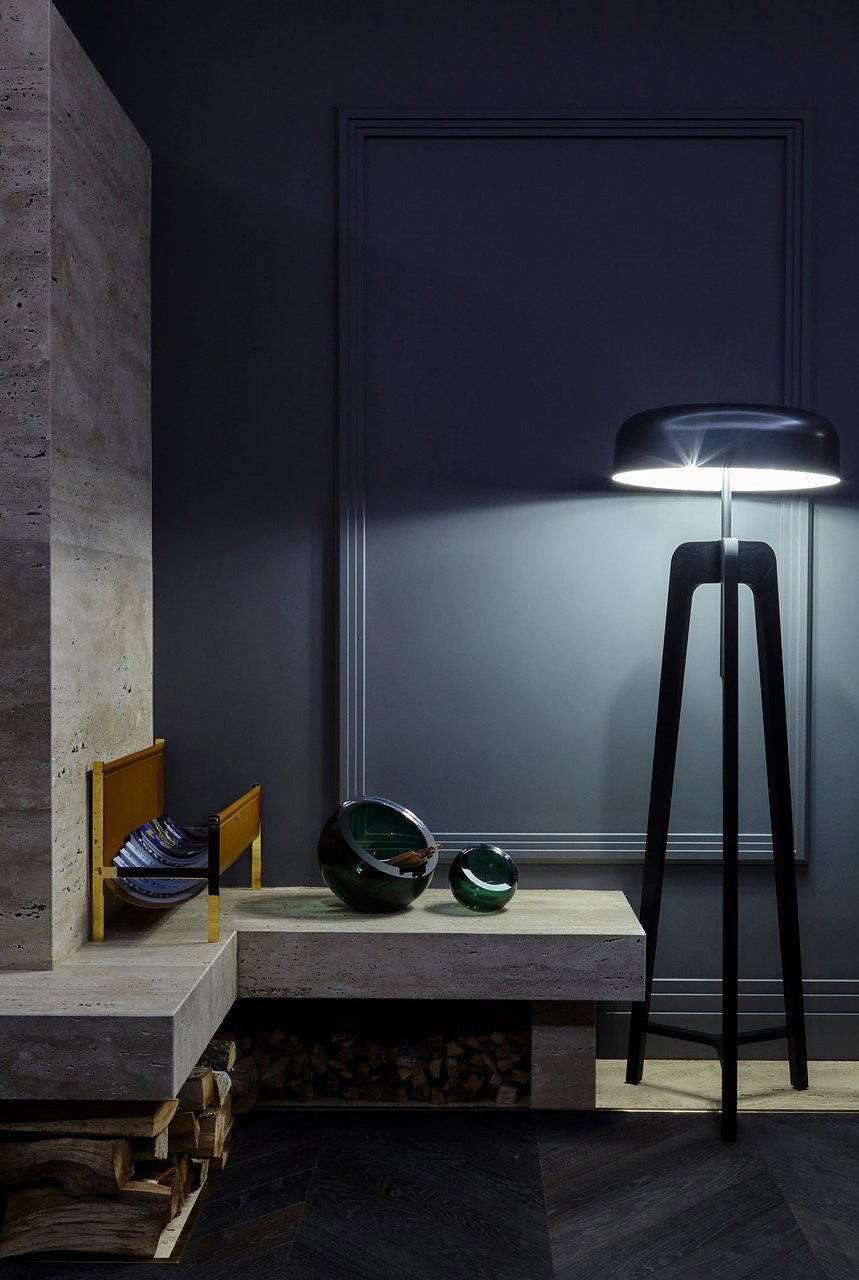

Hotels in Rijeka
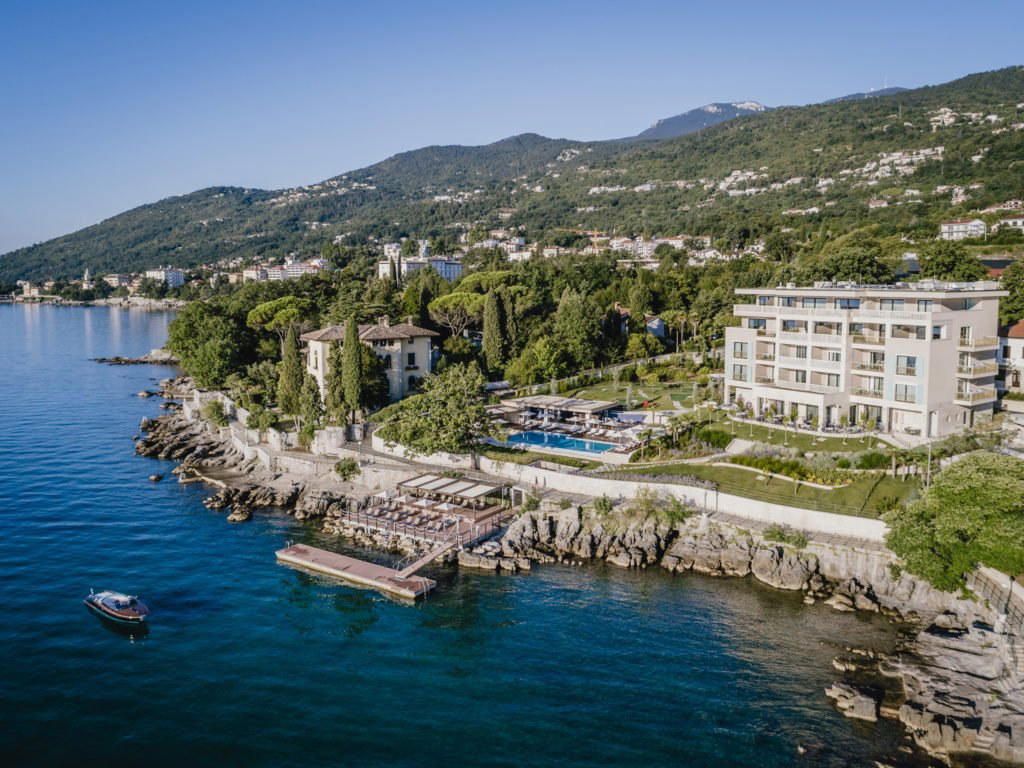
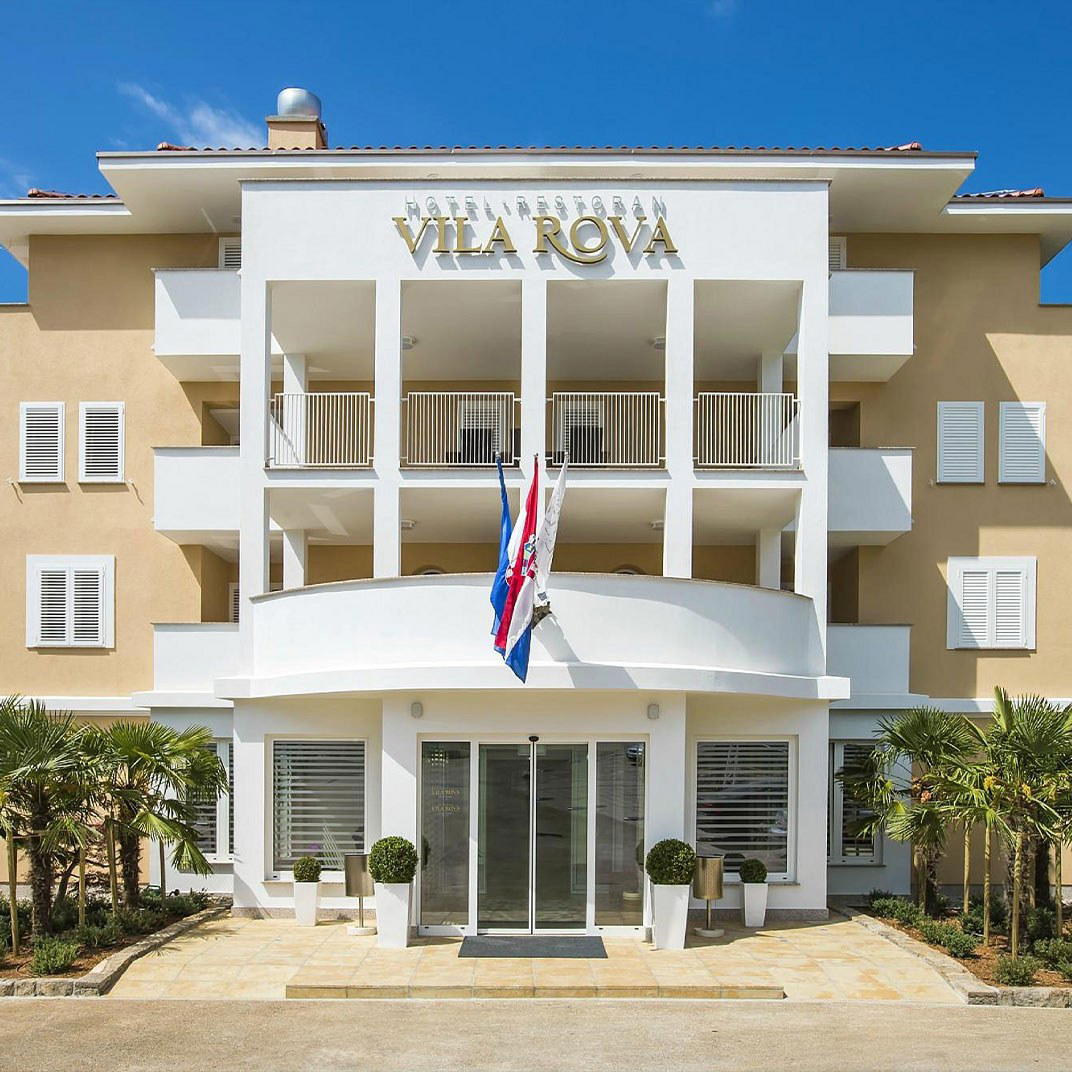
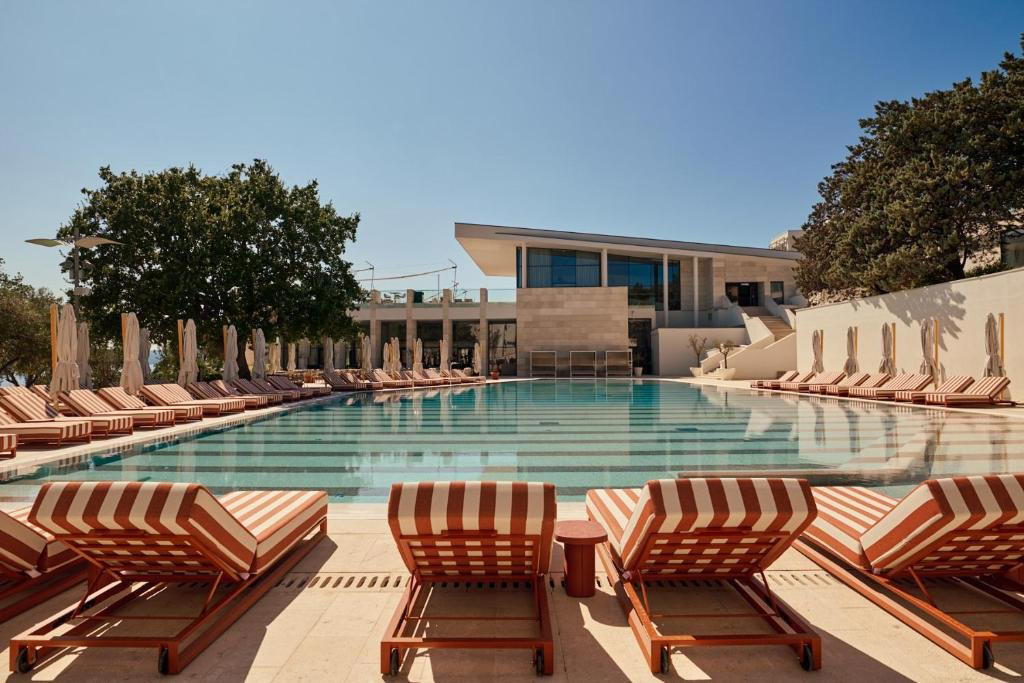
Browse all →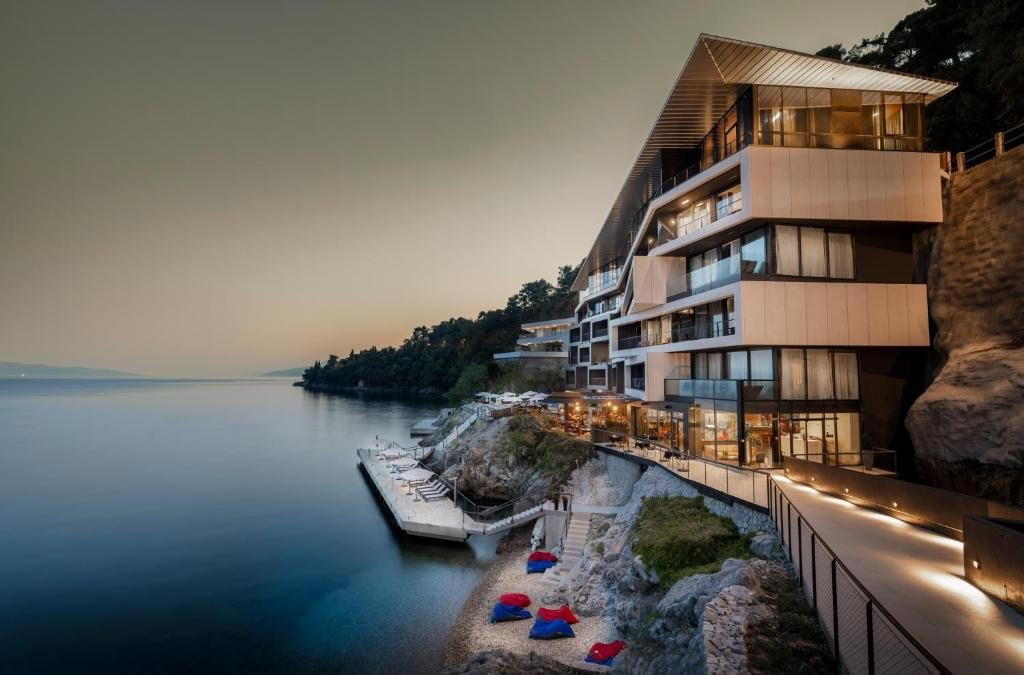
At a Glance
- Rustic
- Cozy
- Casual Hangout
- Date Night
- Waterfront
- Local Sourcing
- Waterfront
- Street Scene
Cozy and inviting with warm interior that captures authentic seaside tavern atmosphere.