Al Moro


Michelin Plate
Our verdict
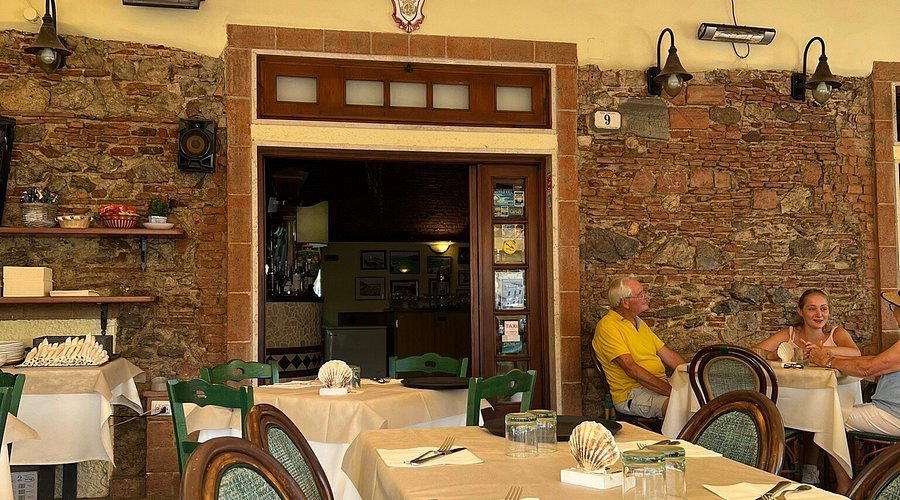
A Michelin Plate holder ranked #132 on Opinionated About Dining's Casual Europe list for 2025, Al Moro operates from a rustic address near Vicolo delle Bollette in Rome, offering Roman trattoria cooking with a Mediterranean lean. The wooden gazebo courtyard sets an informal register that the kitchen matches with ingredient-led simplicity.

Pearl is the En Primeur Club membership app, where members save venues, book tables and use the concierge.
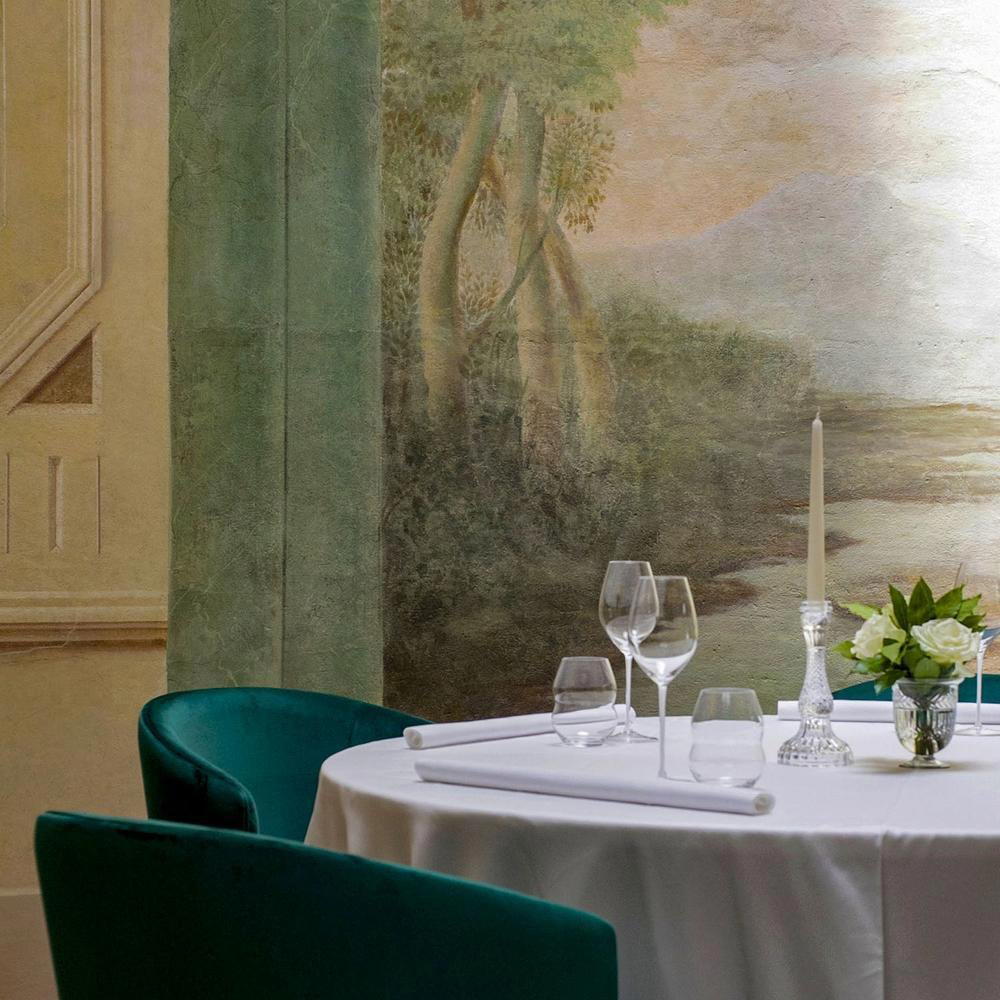
A Courtyard in Rome Where the Food Does the Talking
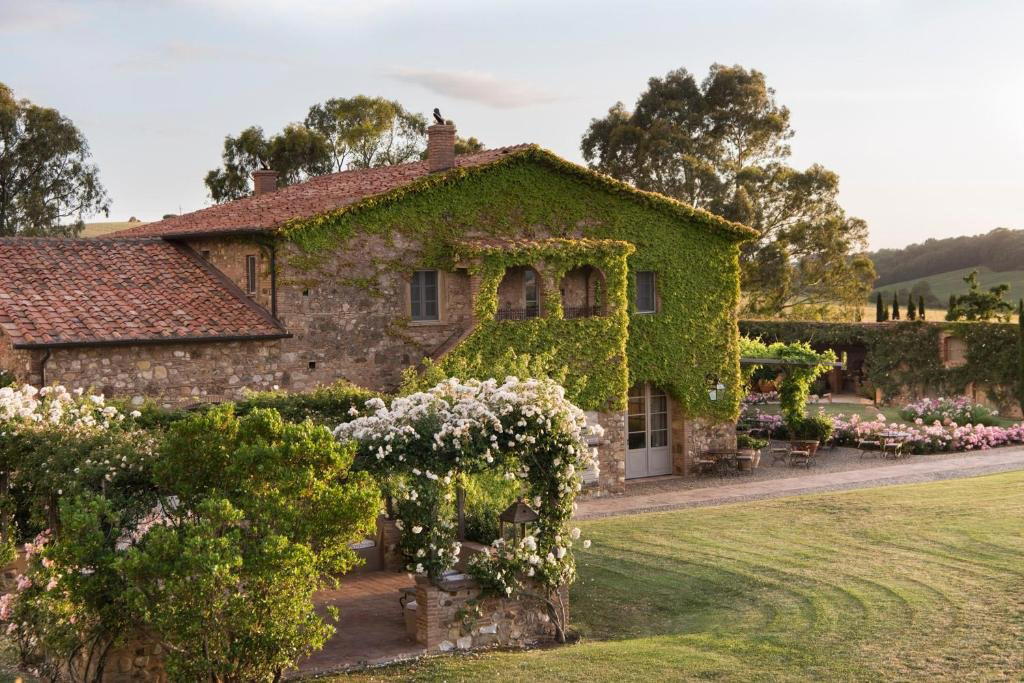
Roman trattoria dining occupies a particular niche in Italy's restaurant culture: it resists the tasting-menu format, it resists chef-as-auteur branding, and it tends to resist the kind of performative renovation that turns old rooms into Instagram sets. The category is defined by repetition and reliability, by knowing what your kitchen does well and doing it every service without apology. Al Moro, tucked off Vicolo delle Bollette in central Rome, belongs to that tradition. The approach to the space tells you this immediately: a rustic building, a wooden gazebo casting shade over the outdoor section, and a general atmosphere calibrated toward ease rather than ceremony.
Approaching from the street, the restaurant reads as deliberately understated. The courtyard space under the gazebo is the room that defines the experience here, seated outside, shaded, with the noise of the city a full remove away. For a city where outdoor dining is often compromised by traffic proximity or tourist-volume crowds, this kind of contained outdoor setting is worth noting. Al Moro's address, away from the primary tourist corridors, keeps the atmosphere informal in a way that a more central location would make difficult to sustain.
The Ingredient Foundation: Where Olive Oil Sets the Register
Mediterranean cooking of the kind practised here is, at its core, structured around a handful of base ingredients, and olive oil is the one that most honestly signals kitchen intent. Roman and Central Italian producers have long worked with cultivars, including Frantoio, Leccino, and the Lazio-specific Itrana, that yield oils with green-fruit aromatics and a peppery finish suited to both raw application and high-heat cooking. A kitchen that sources with care at this level communicates a broader commitment to ingredient quality before a single dish arrives at the table.
Al Moro's awards record supports the idea that its sourcing is taken seriously. The Michelin Plate, held in both 2024 and 2025, marks the kitchen as meeting Michelin's baseline standard for good cooking without reaching for star territory, which in a trattoria context is precisely appropriate. Notably, the OAD assessors specifically reference the oyster selection as part of the kitchen's commitment to quality produce, a detail that speaks to the kitchen's willingness to bring high-perishability, high-standard ingredients into what is otherwise an informal format.
That combination of a small raw selection alongside Mediterranean cooked dishes reflects something broader about where serious trattoria cooking sits in 2025: it is not trying to compete with Italy's tasting-menu houses. Venues like Osteria Francescana in Modena, Enoteca Pinchiorri in Florence, or the three-Michelin-star operations at Dal Pescatore in Runate and Le Calandre in Rubano operate in a different register entirely, with price points to match (€€€€ against Al Moro's €€€). The comparison is worth making not to diminish what Al Moro does, but to locate it correctly: this is a restaurant where the Mediterranean ingredient is the point, served in a format that does not require it to carry the weight of theatrical presentation.
Context Within Rome's Casual Dining Scene
Rome's restaurant culture has always been stratified differently from Milan or Florence. The city has relatively few multi-star establishments given its size and gastronomic reputation, but it has a dense and competitive casual tier that stretches across Roman classics, neighborhood osterie, and Mediterranean-inflected trattorias. Within that tier, consistent recognition from both Michelin and OAD is not common, and Al Moro's dual presence on both lists in consecutive years signals a kitchen that holds its standard across services and seasons.
At that volume, a high score is a more reliable indicator than a smaller sample: it reflects the aggregate experience of diners across different days, different tables, and different expectations. For a restaurant at the €€€ price point, that consistency is what the audience is paying for.
The cuisine type, listed as Roman Trattoria and Mediterranean, positions the kitchen in a broad territory. Roman trattoria cooking has specific reference points: cacio e pepe, coda alla vaccinara, abbacchio, the carbonara canon. Mediterranean signals a wider ingredient palette, likely including the seafood and oyster elements the awards record references. The intersection of these two orientations is a kitchen that probably treats the Roman canon as its structural spine while using Mediterranean produce, particularly coastal fish and shellfish, as seasonal and quality-dependent supplements.
How Al Moro Compares Across Italy's Dining Scene
Italy's leading table experiences occupy a separate tier entirely. Creative contemporary work from chefs like those at Atelier Moessmer Norbert Niederkofler in Brunico, Reale in Castel di Sangro, Piazza Duomo in Alba, or Enrico Bartolini in Milan demands a different commitment in time, budget, and format. So does the coastal seafood mastery evident at Uliassi in Senigallia or the Amalfitano precision at Quattro Passi in Marina del Cantone. And for context beyond Italy, the technical seafood standards at Le Bernardin in New York City or the Korean fine dining rigour at Atomix in New York City represent how far the international comparison set extends. Casa Perbellini 12 Apostoli in Verona offers another Italian reference point at the formal end of the spectrum.
Al Moro is not in competition with any of these. Its recognition from OAD and Michelin sits it firmly in the serious casual tier, where ingredient discipline and atmospheric consistency outweigh creative ambition as the relevant criteria.
Planning Your Visit
Al Moro operates lunch and dinner Monday through Saturday, with service from 12:30 to 3:30 pm and 7:30 to 11:30 pm each day. The restaurant is closed on Sundays. The address is Vicolo delle Bollette, 13, Rome, placing it within the historic centre and accessible by foot from much of the central city. The €€€ price tier places it above neighbourhood-casual but below the full fine-dining bracket, making it appropriate for a meal where the expectation is quality produce in a relaxed setting rather than a composed tasting experience.
For those building a broader Roman or Italian visit around food and hospitality, the EP Club guides for Marina Di Campo restaurants, hotels, bars, wineries, and experiences offer further itinerary depth across the region.
Frequently asked questions
Is Al Moro suitable for children?
The informal trattoria format and shaded outdoor courtyard make Al Moro a reasonable choice for families. At the €€€ price point, the setting is relaxed rather than formal, with service running through a standard lunch and dinner split Monday to Saturday. Sunday closure is worth factoring into any family travel planning.
What is the atmosphere like at Al Moro?
Al Moro operates from a rustic building with a wooden gazebo shading an outdoor courtyard, placing it firmly in the informal end of Rome's €€€ tier. The Michelin guide describes the atmosphere as relaxed, and the OAD Casual Europe ranking at #132 in 2025 confirms its standing as a serious but unpretentious dining room. It sits deliberately off Rome's main tourist corridors.
Is Al Moro award-winning?
Al Moro has received recognition including: Situated away from the main tourist area, in a rustic building that is striking for its attractive outdoor space shaded by a wooden gazebo, this restaurant boasts an informal and relaxing atmosphere. The Mediterranean cuisine is full of cha….
| Venue | Cuisine | Price | Awards | Notes |
|---|---|---|---|---|
| Al MoroThis venue (the venue you are viewing) | Mediterranean Seafood | $50–100 | Michelin Plate | Not listed |
| Atelier Moessmer Norbert Niederkofler | Modern Alpine Fine Dining | $300–500 | 3 Michelin Stars · World's 50 Best #20 | Italian, Creative |
| Dal Pescatore | Classic Italian Fine Dining | $200–300 | 3 Michelin Stars · World's 50 Best #38 | Italian, Italian Contemporary |
| Enoteca Pinchiorri | Contemporary Italian Fine Dining | $200–300 | 3 Michelin Stars · World's 50 Best #32 | Italian - French, Italian Contemporary |
| Enrico Bartolini | Modern Italian Fine Dining | $300–500 | 3 Michelin Stars · World's 50 Best #85 | Creative |
| Osteria Francescana | Avant-Garde Italian Contemporary | $300–500 | 3 Michelin Stars · World's 50 Best #1 | Progressive Italian, Creative |
Recognition history
Dated appearances from independent guides and award organizations, with the underlying list record or original source where available.
Michelin Plate
Michelin
Opinionated About Dining Casual in Europe Ranked #132
Opinionated About Dining
Full recognition history (6 entries)
Michelin Plate
Michelin
Michelin Plate
Michelin
Opinionated About Dining Casual in Europe Ranked #131
Opinionated About Dining
Opinionated About Dining Casual in Europe Recommended
Opinionated About Dining
Continue exploring
More in Marina Di Campo
Restaurants in Marina Di Campo
All restaurants in Marina Di Campo →
Hotels in Marina Di Campo
Browse all →

Details
- Rustic
- Cozy
- Relaxed
- Elegant
- Date Night
- Special Occasion
- Terrace
- Extensive Wine List
- Local Sourcing
- A La Carte
- Wine
- Vegetarian Friendly
- Gluten Free Options
Informal and relaxing atmosphere in a rustic setting with warm hospitality and wine pairings.