Al Fresco brings Tuscan Italian cooking to an unlikely address on Obukhovske Highway outside Kyiv, under chef Marcos Saenz. The setting trades urban density for open air and space, framing the cuisine in a context that has no direct parallel in the city centre. For diners seeking the lean, herb-forward register of Tuscany rather than Roman richness or Neapolitan heat, it occupies a distinct position in Kyiv's Italian options.
 Discover on Pearl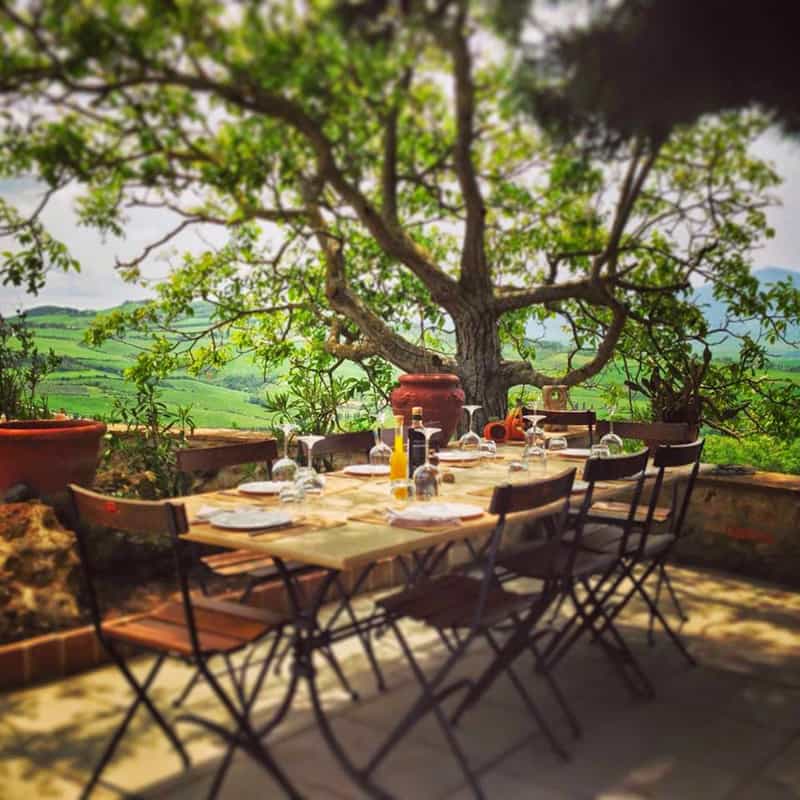
Tuscany Outside the City: What Al Fresco's Location Says About Its Ambitions
Kyiv's Italian restaurant scene clusters, as it does in most Eastern European capitals, around a familiar repertoire: pasta dishes assembled from broadly southern Italian reference points, wood-fired pizzas in the Neapolitan style, and wine lists weighted toward Sicilian and Pugliese bottles. Tuscan cooking, with its more austere grammar of aged cheeses, white beans, game, and bitter greens finished with cold-pressed olive oil, is a narrower proposition. It requires restraint where Neapolitan cooking rewards exuberance, and it asks diners to accept that the dish on the plate will often look plainer than it tastes. Al Fresco, positioned on Obukhovske Highway in Khodosivka on the southern edge of Kyiv Oblast, places itself squarely in that Tuscan register, with chef Marcos Saenz working a tradition that answers to a different set of rules than the Italian cooking most Kyiv diners encounter first.
The address itself is an editorial statement. Unlike Kanapa, which operates within the city's dense restaurant corridor as a Modern European address, or Beef, which draws on the urban dining-out impulse, Al Fresco sits where the city thins out and the surrounding landscape opens. For a cuisine rooted in the Florentine hills and the Val d'Orcia's spare agrarian character, there is a logic to the removal. Tuscan food did not develop in a metropolitan context. It developed in farmhouses, market towns, and osterie attached to producers who grew everything within walking distance. A restaurant that replicates those conditions at the periphery of a capital city is making an argument about authenticity through geography.
The Tuscan Frame: What the Cuisine Actually Means
Understanding what Tuscan cooking is, and is not, matters when assessing how a kitchen performs within it. Roman cooking is richer, built on cured pork fat, sharp pecorino, and emulsified pasta sauces. Neapolitan cooking is louder, shaped by tomato acidity and high-hydration dough. Milanese cooking leans on butter, risotto, and the slow braise traditions of the Po Valley. Tuscany sits apart from all three. Its signal dishes, whether ribollita, pappardelle with wild boar ragu, bistecca alla Fiorentina, or the simple combination of cannellini beans with good oil and sage, are exercises in reduction rather than addition. The region's wines follow the same logic: Brunello di Montalcino and Chianti Classico are structured, tannic, built for the table rather than the glass.
Internationally, Tuscan Italian restaurants that hold serious recognition include Il Canto in Siena, Castello Banfi — Il Borgo in Montalcino, La Buona Novella in Florence, Le Rondini in Radda in Chianti, and Osteria di Porta al Cassero in Montalcino. These are kitchens working in the source territory, with access to regional producers, heritage breeds, and seasonal ingredients tied to a specific landscape. Transplanting that tradition to Kyiv Oblast, as Al Fresco does, is a different undertaking. The measure of success is whether the kitchen holds to the structural discipline of the cuisine rather than softening it into a generic Italian idiom. Ukraine does have relevant raw material: the country produces pork, lamb, and grain at scale, and its agricultural output is substantial enough that a chef willing to work with local producers can find analogues for many Tuscan staples without importing everything at a cost that distorts the menu's integrity.
For Ukrainian diners with a reference point for Italian cooking beyond the city, the comparison is interesting. La Luce in Lviv operates within a similar Italian frame in a western Ukrainian city with stronger historical ties to central European culinary traditions. The contrast between those two cities' Italian offerings reflects broader patterns in how European cuisines migrate and adapt.
Chef Marcos Saenz and the Question of Authority
Tuscan cuisine practised outside Tuscany stands or falls on the kitchen's commitment to the region's specific logic rather than a generalised Mediterranean warmth. Chef Marcos Saenz leads Al Fresco's kitchen. The database record does not carry biographical detail or training lineage, so it is not possible to trace his formation with precision. What is observable is the choice of regional framing: a kitchen that commits to Tuscan cooking specifically, rather than Italian cooking broadly, is making a decision that narrows the menu and disciplines the sourcing. That level of specificity is itself a credential of intent, whatever the chef's background.
Across the broader Kyiv dining scene, the Italian category has grown without always deepening. The question Al Fresco poses is whether Tuscan specificity can hold in a market where the reference points for Italian food are often Roman and Neapolitan by default. That is the same challenge facing Italian regional kitchens in cities from London to Seoul: the cuisine's leading work is regional, and the most common versions are not.
Planning a Visit: Getting There and What to Expect
Al Fresco's address at Obуховское шоссе 6 in Khodosivka places it south of central Kyiv on the highway toward Obukhiv. The drive from the city centre takes between 25 and 40 minutes depending on traffic, which is a meaningful commitment for a dinner reservation. That distance filters the clientele toward diners with a specific intention to be there, rather than those who have wandered in from a nearby street. Kyiv's restaurant culture includes several out-of-city dining destinations that operate on this model, where the journey becomes part of the occasion. For visitors staying in the city centre, arranging private transport or a taxi is the practical approach. There is no public transit stop of use at this location.
Phone and website details are not held in the current database record, so booking should be confirmed through a hotel concierge or through Kyiv dining aggregator platforms. Hours are similarly unconfirmed in this record, and advance verification is advisable before making the trip south.
Diners comparing options in the city's Italian and European category should weigh Al Fresco against La Maison, which sits within a different European tradition, or look at the broader picture through our full Kyiv restaurants guide. For those building a wider Kyiv itinerary, the Kyiv hotels guide, bars guide, wineries guide, and experiences guide provide category-level coverage across the city.
Internationally, Tuscan cooking at its most rigorous can be tracked at reference addresses in other cities covered by EP Club, including high-precision European kitchens like Le Bernardin in New York and ambitious tasting-format restaurants like Atomix and Lazy Bear in San Francisco, which operate in entirely different registers but illustrate the range of commitment a serious kitchen can bring to a defined culinary identity. Closer in spirit is Emeril's in New Orleans, another example of a named kitchen working a regional tradition far from its source territory.
Frequently Asked Questions
- What kind of setting is Al Fresco?
- Al Fresco is located outside Kyiv's city centre on Obukhovske Highway in Khodosivka, which gives it a more open, out-of-town character than the restaurants concentrated in Kyiv's core dining districts. It does not carry awards or price-range data in the current record, so it sits in a less-mapped tier relative to Kyiv's most formally recognised addresses, but the Tuscan Italian framing and the deliberate remove from urban density suggest a venue oriented toward occasion dining rather than convenience.
- Is Al Fresco good for families?
- The out-of-town location and open-air character implied by the name suggest the setting may accommodate groups, but without confirmed seating capacity, hours, or pricing in the current record, it is not possible to make specific claims about family suitability. In Kyiv generally, restaurants at this price and positioning tier tend to be adult-led dinner destinations. Verifying directly before arrival is advisable, particularly for visits with younger children.
- What should I eat at Al Fresco?
- The kitchen works in the Tuscan Italian tradition under chef Marcos Saenz, which means the menu logic should prioritise legume-based dishes, hand-cut pasta with game or pork-based sauces, and preparations where quality of raw ingredient and cooking technique carry more weight than sauce complexity. Signature dishes are not confirmed in the current database, so specific recommendations cannot be made. Approaching the menu by asking for the kitchen's most regionally faithful preparations is a reasonable strategy at any serious Tuscan address.
Comparable Spots, Quickly
A fast peer set for context, pulled from similar venues in our database.
Need a table?
Our members enjoy priority alerts and concierge-led booking support for the world's most difficult tables.
Get Exclusive Access