

Star Wine List
Our verdict
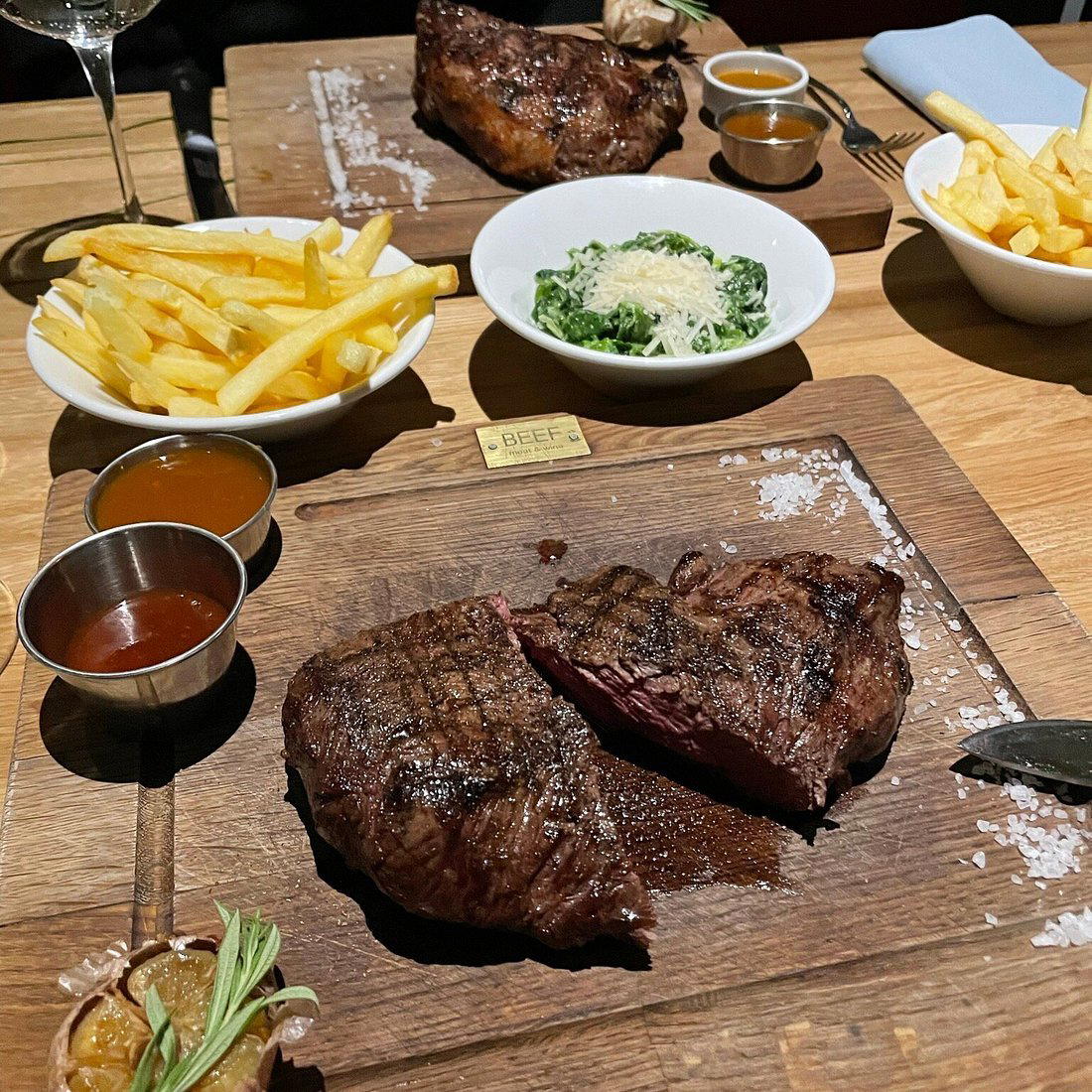
One of Kyiv's most seriously appointed steakhouses, Beef on Shota Rustaveli Street runs a charcoal grill programme built around A5 Japanese and Australian Wagyu, USDA Prime, and locally dry-aged cuts, alongside a wine list that ranges from Old World classics to boutique producers. Chef Kseniia Amber leads the kitchen. The open-kitchen format and dark-wood interior make it a natural choice for both business dinners and longer celebratory meals.

Pearl is the En Primeur Club membership app, where members save venues, book tables and use the concierge.
The menu
What to order
- Ukrainian Fillet
- Ribeye
- T-Bone Steak
- Beef Burger
Fire, Provenance, and the Quiet Ambition of Kyiv's Steak Scene
A city defined by its resilience has developed, in parallel, a restaurant culture that takes ingredient sourcing with unusual seriousness. Kyiv's premium dining room in 2025 is not chasing international trends for their own sake; it is asking where the meat comes from, how it was aged, and what the wine list says about the kitchen's ambitions. Beef, on Shota Rustaveli Street, sits at the sharper end of that conversation. The address is not incidental: Rustaveli is one of central Kyiv's more considered dining corridors, a street where the clientele tends to arrive with a reservation and a purpose.
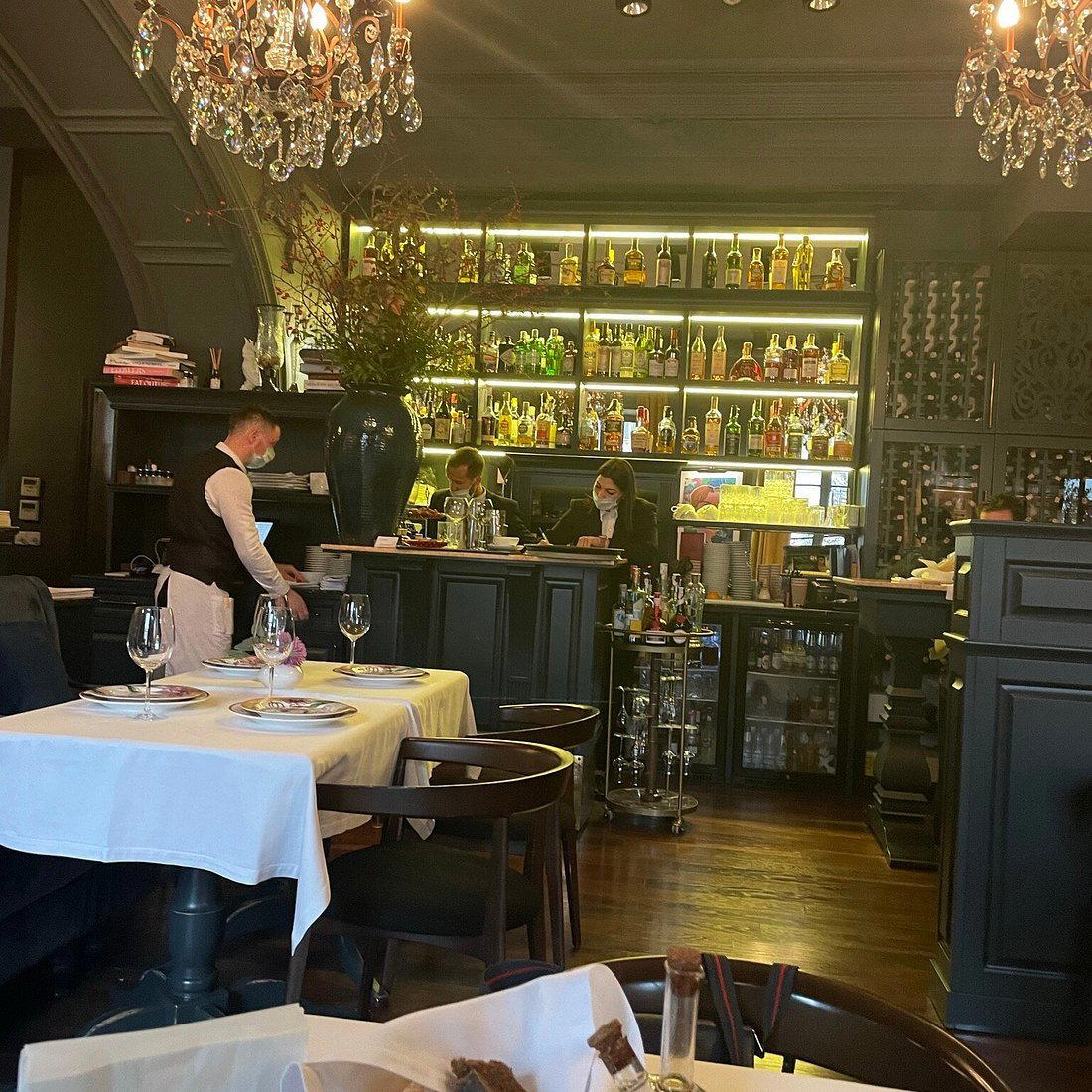
The room makes its priorities clear before the food arrives. Dark wood panelling, considered lighting, and an open kitchen positioned as a focal point rather than a background feature all signal that the cooking here is meant to be watched as well as eaten. The atmosphere reads as urban and composed, suited equally to a long business dinner and a table celebrating something worth celebrating. The open kitchen, built around a charcoal grill, gives the room a low, consistent warmth, both thermal and atmospheric.
Where the Meat Comes From, and Why That Question Matters
The sourcing programme at Beef is the editorial argument of the restaurant. In markets where premium steakhouses often rely on a single reliable supplier and present it as a virtue, Beef runs a genuinely international steak card: A5 Japanese Wagyu, Australian Wagyu, USDA Prime ribeye, and local dry-aged selections. That range is not decorative. Each origin brings a different fat structure, texture, and flavour register to the grill, and a kitchen that can handle all of them competently is making a statement about range and technical discipline.
Ageing programme spans wet and dry methods, with sourcing extending across the USA, Spain, and Ukraine. Dry-ageing, which concentrates flavour through controlled moisture loss over weeks, demands both infrastructure and confidence in the product; the domestic dry-aged options in particular represent a wager on Ukrainian beef that most Kyiv restaurants have not been willing to place. That the programme includes local selections alongside Japanese and American premium cuts suggests a kitchen interested in building a credible domestic category rather than simply importing prestige.
Grill method is charcoal throughout. At the highest tier of steak cooking, charcoal is chosen over gas or electric for its ability to produce surface caramelisation without the controlled-temperature safety net; it requires more from the cook and returns more to the plate. Under Chef Kseniia Amber, the grill programme is reportedly executed with precision and restraint, seasoning used to amplify rather than obscure the character of each cut.
Beyond the Grill: Technical Range and the Wine Programme
Menu structure at Beef follows a logic common to serious steakhouses globally: the grill is the centre of gravity, but the supporting dishes are tested seriously. Beef tartare with mustard emulsion and grilled octopus with smoked paprika oil appear as starters, both technically demanding preparations that indicate a kitchen capable of working across temperature registers and ingredient types rather than one that retreats to simplicity outside the grill station.
Side dishes, including charcoal-blistered vegetables, truffle mashed potato, and potato gratin, are calibrated to accompany rather than compete. This is a discipline more steakhouses fail than succeed at: sides that arrive over-seasoned or over-constructed pull attention from the main event; those that arrive bland read as afterthoughts. The choice of charcoal-blistered vegetables as a side is also a coherent gesture, connecting the supporting cast to the kitchen's primary tool.
Wine list is among the more considered in Kyiv's steakhouse category. The cellar spans Old World classic regions and smaller boutique producers, a combination that signals a wine buyer with range rather than one operating on autopilot from a standard distributor list. For a city whose wine culture has developed substantially over the past decade, a list with this kind of depth is a signal to regulars as much as to first-time visitors. Pairing recommendations are described as intuitive and informed, which in practice means the floor staff understand the wine programme well enough to guide rather than simply recite. For more on Kyiv's wider wine and dining scene, see our full Kyiv restaurants guide and our full Kyiv wineries guide.
The Basque Cheesecake and How a Restaurant Closes a Meal
Dessert programme is anchored by a Basque cheesecake described as creamy, lightly smoky, and well-balanced, qualities that reflect the kitchen's broader preference for restraint over excess. The Basque cheesecake has become a reference point on menus across Europe and beyond precisely because its imprecision, that slightly collapsed, burnished exterior, reads as craft rather than error. A kitchen that has committed to a house signature dessert and held it over time is one that understands the value of consistency.
Where Beef Sits in Kyiv's Dining Context
Kyiv's premium restaurant segment has diversified considerably in recent years, with modern European formats like Kanapa and addresses such as La Maison and Al Fresco (Tuscan Italian) offering alternatives to the steakhouse format. Beef occupies a specific and deliberate position within that set: it is not trying to compete on tasting-menu complexity or on the kind of conceptual dining that cities like New York have built around restaurants such as Atomix or Alinea in Chicago. Its argument is ingredient provenance, grill discipline, and wine programme depth, delivered with consistency across an international sourcing base.
Internationally, the premium steakhouse category is shaped by institutions with long track records and deep sourcing networks. The comparison set for a restaurant like Beef is not Le Bernardin or Alain Ducasse at Louis XV; it is the tier of city-defining destination steakhouses that anchor a local premium dining scene and draw both residents and international visitors on a repeat basis. Within Eastern Europe, that category remains relatively sparse, which gives Kyiv's entry point more significance than it might in a more crowded market. For reference elsewhere in Ukraine, La Luce in Lviv represents a different register of premium dining in the country's western city.
Those planning a broader Kyiv trip can also consult our full Kyiv hotels guide, our full Kyiv bars guide, and our full Kyiv experiences guide for planning across categories.
Planning Your Visit
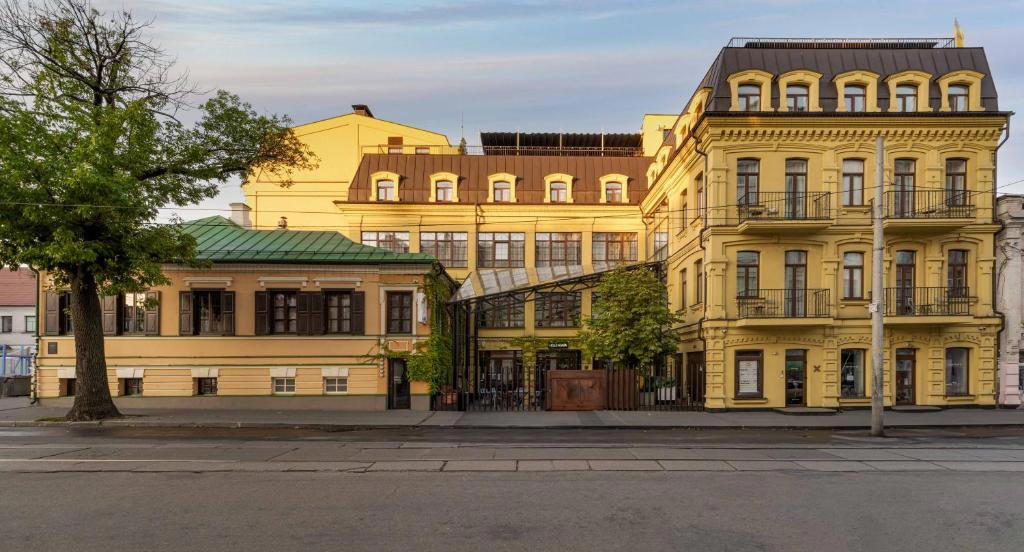
Beef is located at Shota Rustaveli Street 11, in central Kyiv. The restaurant draws a consistent mix of business and celebratory diners, and the combination of a focused steak programme and serious wine list means the room tends to run at capacity on evenings; advance reservation is advisable rather than optional. Hours, booking method, and current pricing are best confirmed directly with the venue, as these details shift with the broader operating context in the city. The dress code is not formally stated, but the room's design and clientele register as smart casual at minimum.
Frequently asked questions
What's the address for Beef?
Beef is located at Shota Rustaveli St, 11, Kyiv, Ukraine, 02000, Kyiv.
Is Beef chef-led?
The chef associated with Beef is Kseniia Amber.
What do people recommend at Beef?
The steak programme is the primary draw, covering A5 Japanese Wagyu, Australian Wagyu, USDA Prime ribeye, and dry-aged domestic cuts, all grilled over charcoal. Beef tartare with mustard emulsion and grilled octopus with smoked paprika oil are cited as strong openers, while the Basque cheesecake has become a house signature dessert worth saving room for.
Is Beef Michelin-listed?
Beef has received recognition including: In the heart of Kyiv, BEEF meat & wine continues to assert itself in 2025 as one of the world’s premier destinations for serious steak lovers and wine connoisseurs alike. With its sleek ambiance, expertly sourced meats and impeccable servic….
Should I book Beef in advance?
For a restaurant of this profile in Kyiv's premium dining tier, advance booking is advisable, particularly on evenings when business and celebratory crowds converge. The combination of a destination-level steak programme and one of the city's most considered wine lists means tables at Shota Rustaveli St 11 are not reliably available on a walk-in basis.
What has Beef built its reputation on?
Beef's standing in Kyiv rests on a sourcing programme that spans multiple countries and ageing methods, wet and dry aged, with origins including the USA, Spain, and Ukraine, alongside a charcoal grill kitchen run with consistent discipline. The wine programme, covering both classic Old World regions and boutique producers, reinforces its position as one of the more serious all-round dining addresses in eastern Europe.
Budget Reality Check
| Venue | Cuisine | Price | Awards | Notes |
|---|---|---|---|---|
| BeefThis venue (the venue you are viewing) | Premium Steakhouse | $50–100 | Star Wine List | Not listed |
| Kanapa | Modern Ukrainian Cuisine | $30–50 | Not listed | Modern European |
| Al Fresco | Authentic Italian with Seafood | $20–30 | Wine Spectator Award of Excellence | Tuscan Italian |
| La Maison | Mediterranean & Pan-Asian Fusion | $50–100 | Wine Spectator Best of Award of Excellence | Not listed |
Recognition history
Dated appearances from independent guides and award organizations, with the underlying list record or original source where available.
Star Wine List
Star Wine List
World's Best Steaks 101 Best Steak Restaurants #79
World's Best Steaks
Continue exploring
More in Kyiv
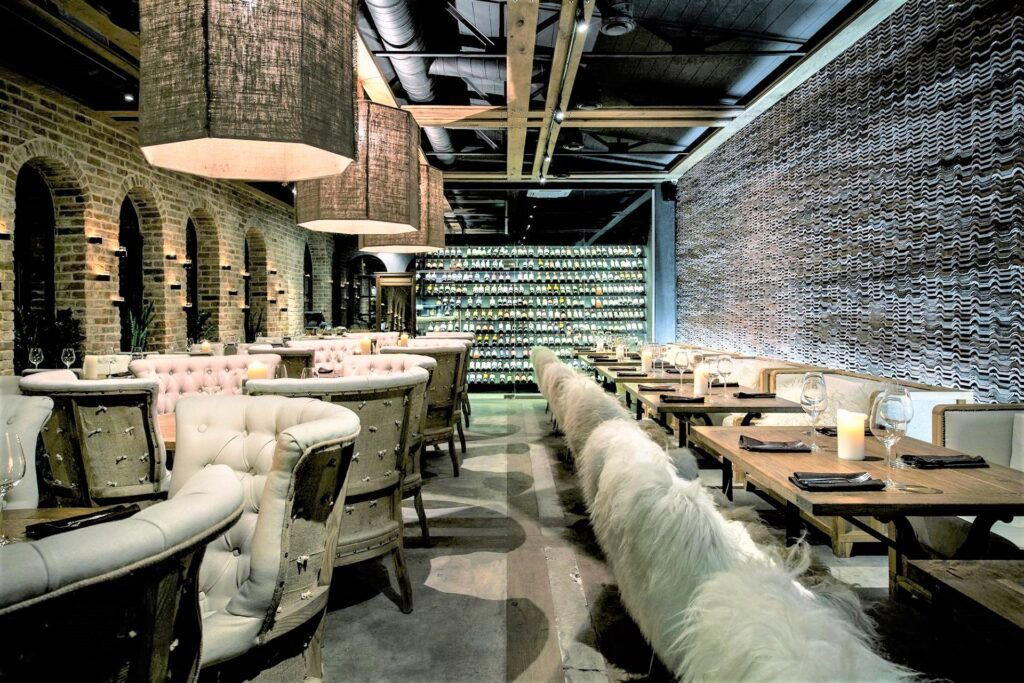
Restaurants in Kyiv
All restaurants in Kyiv →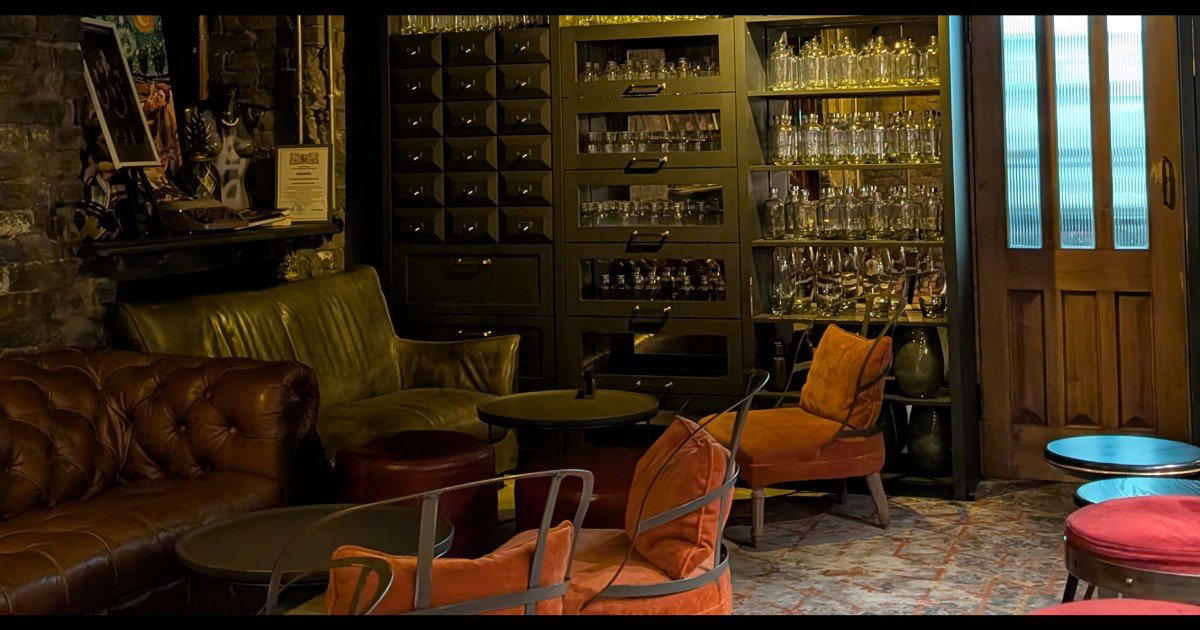
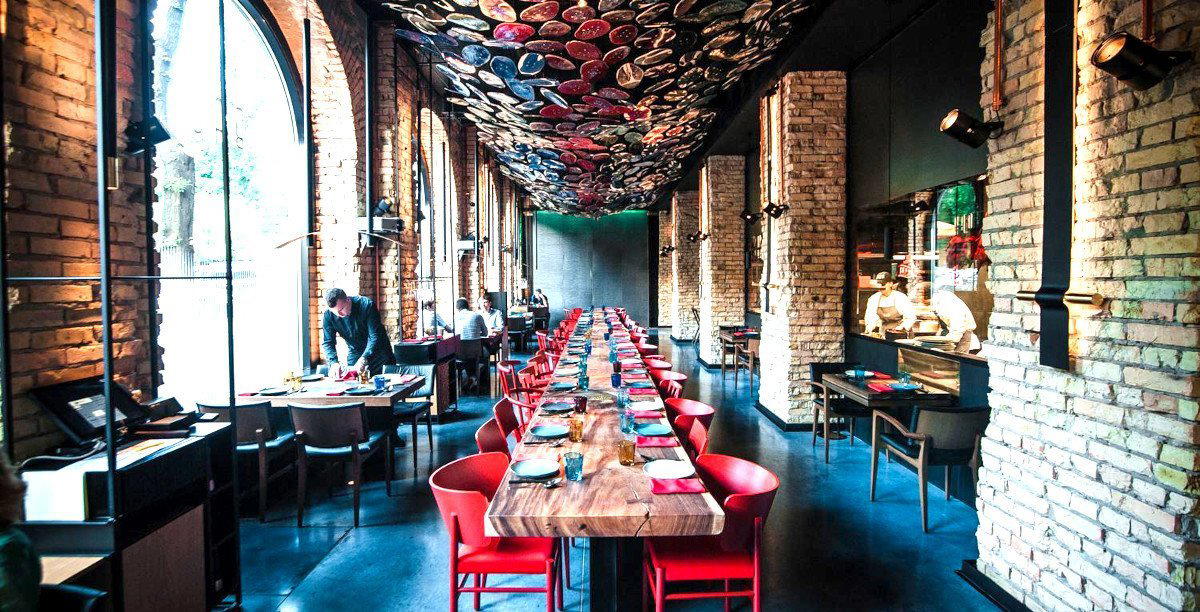
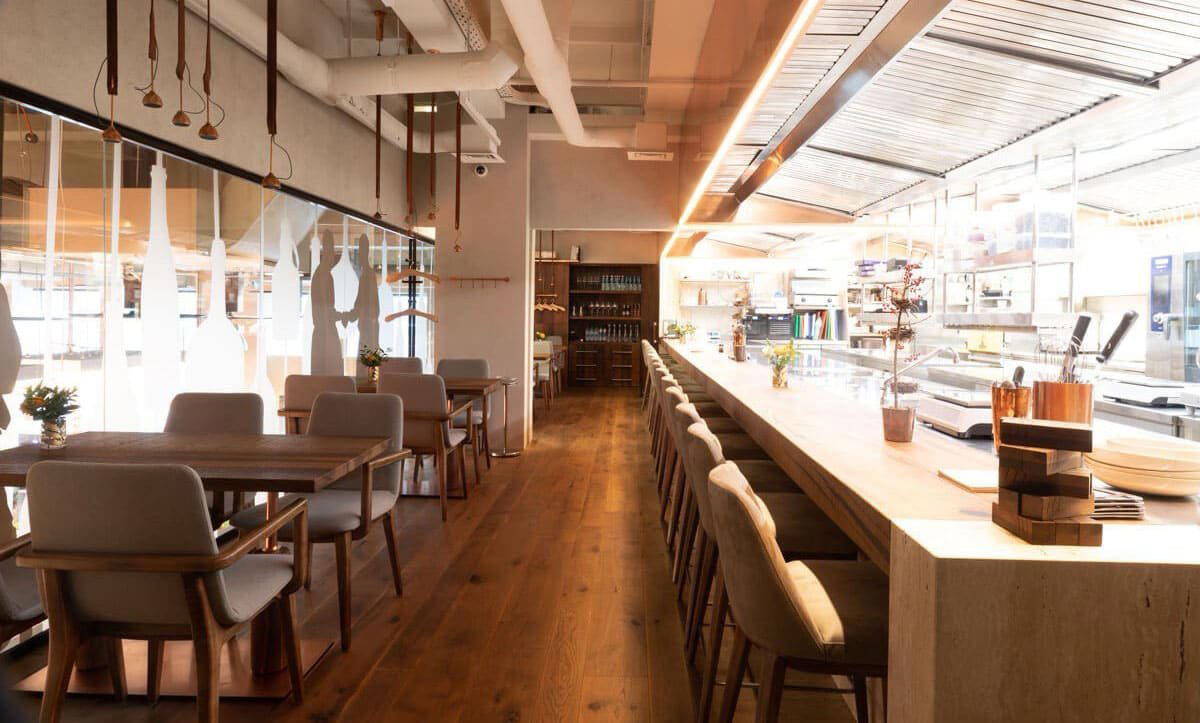
Bars in Kyiv
All bars in Kyiv →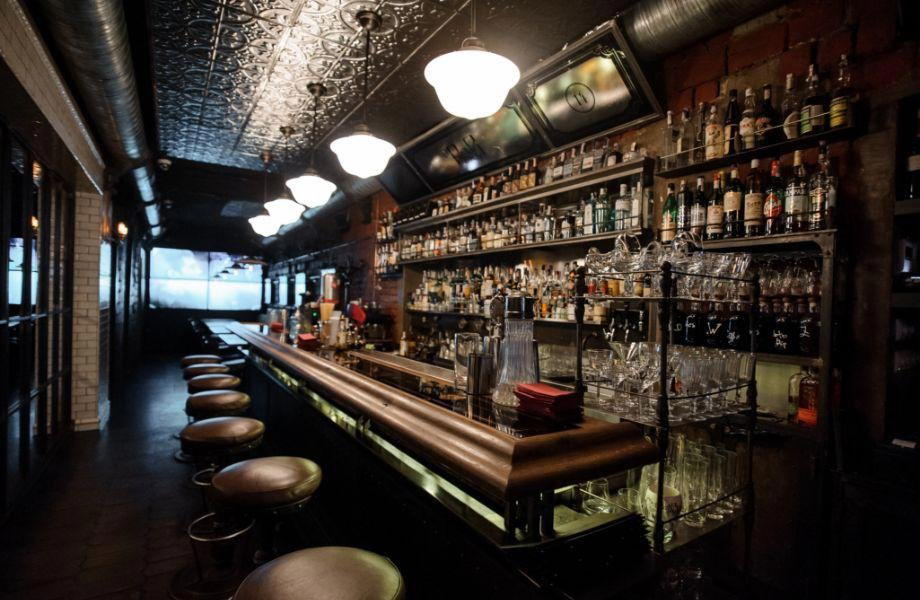
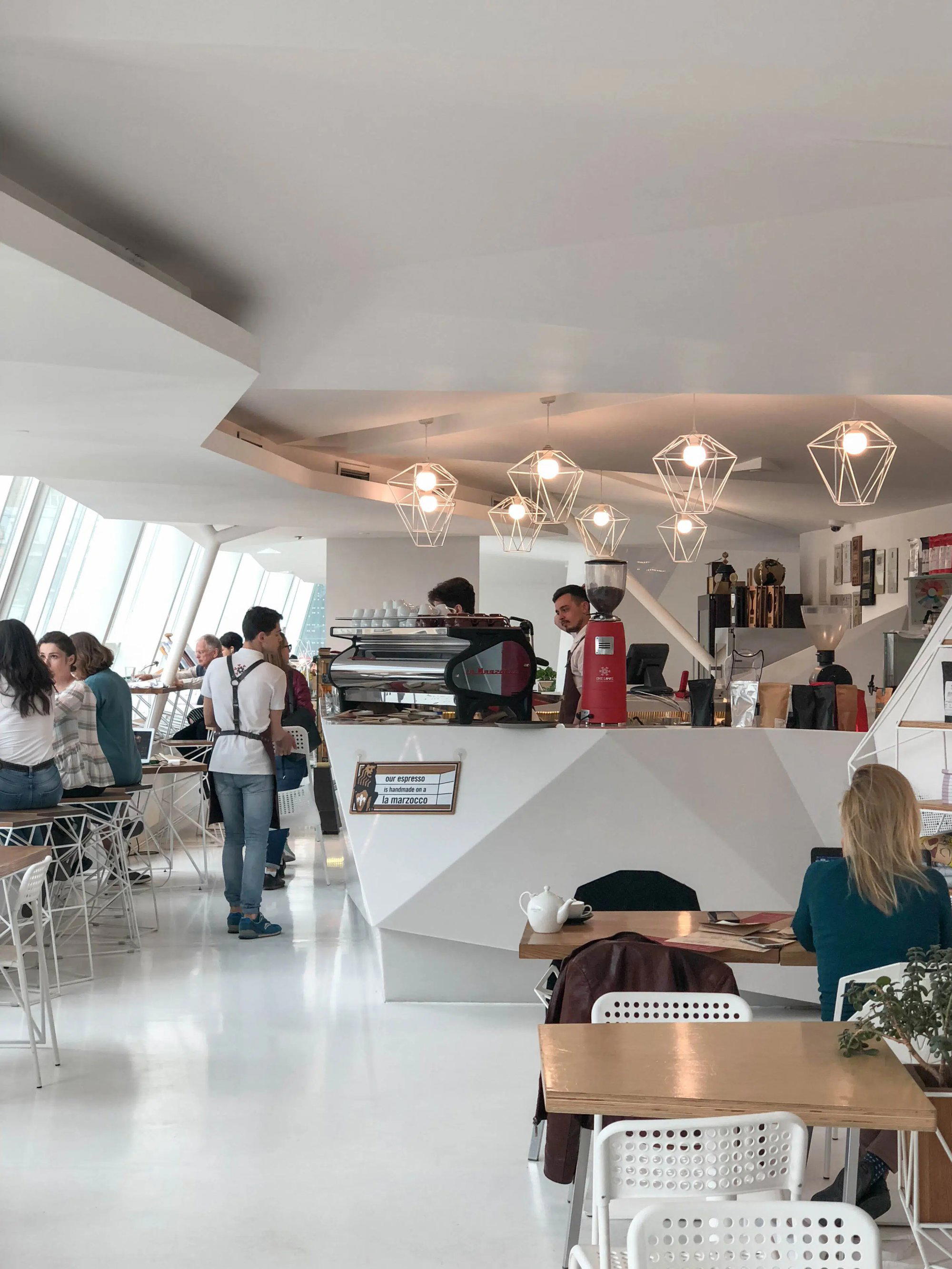
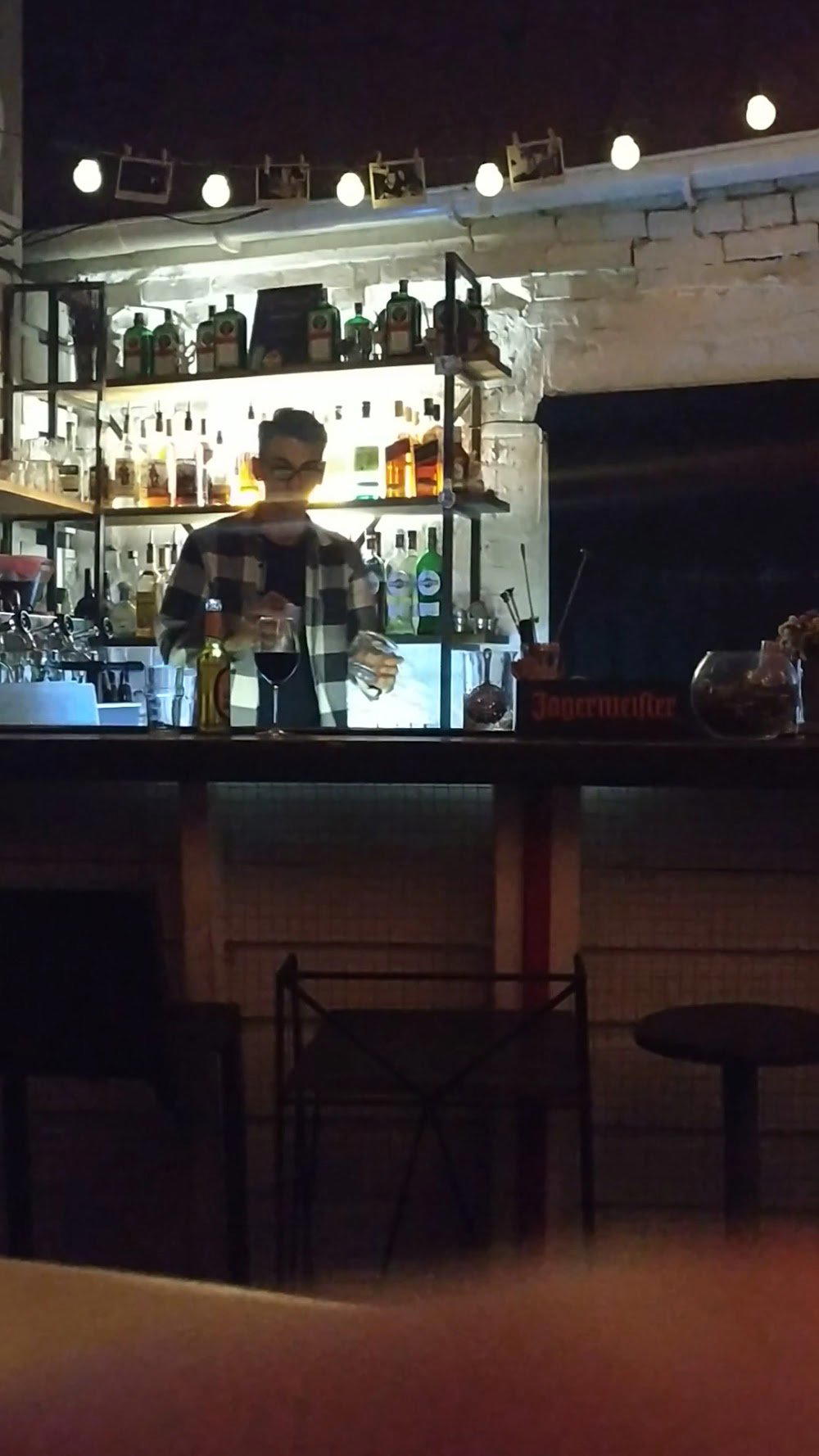
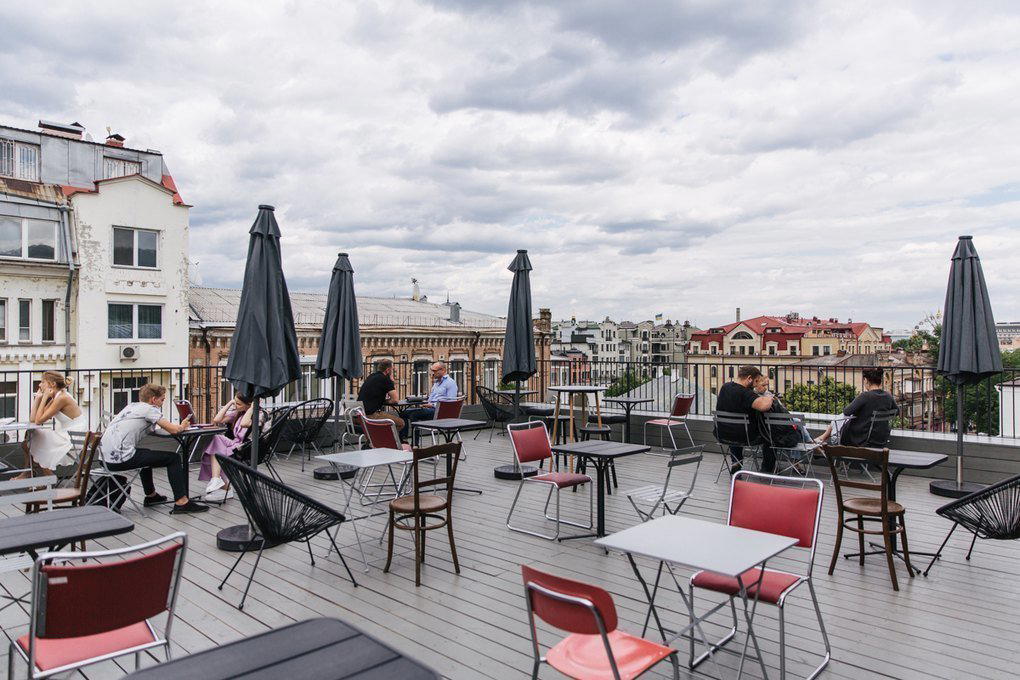

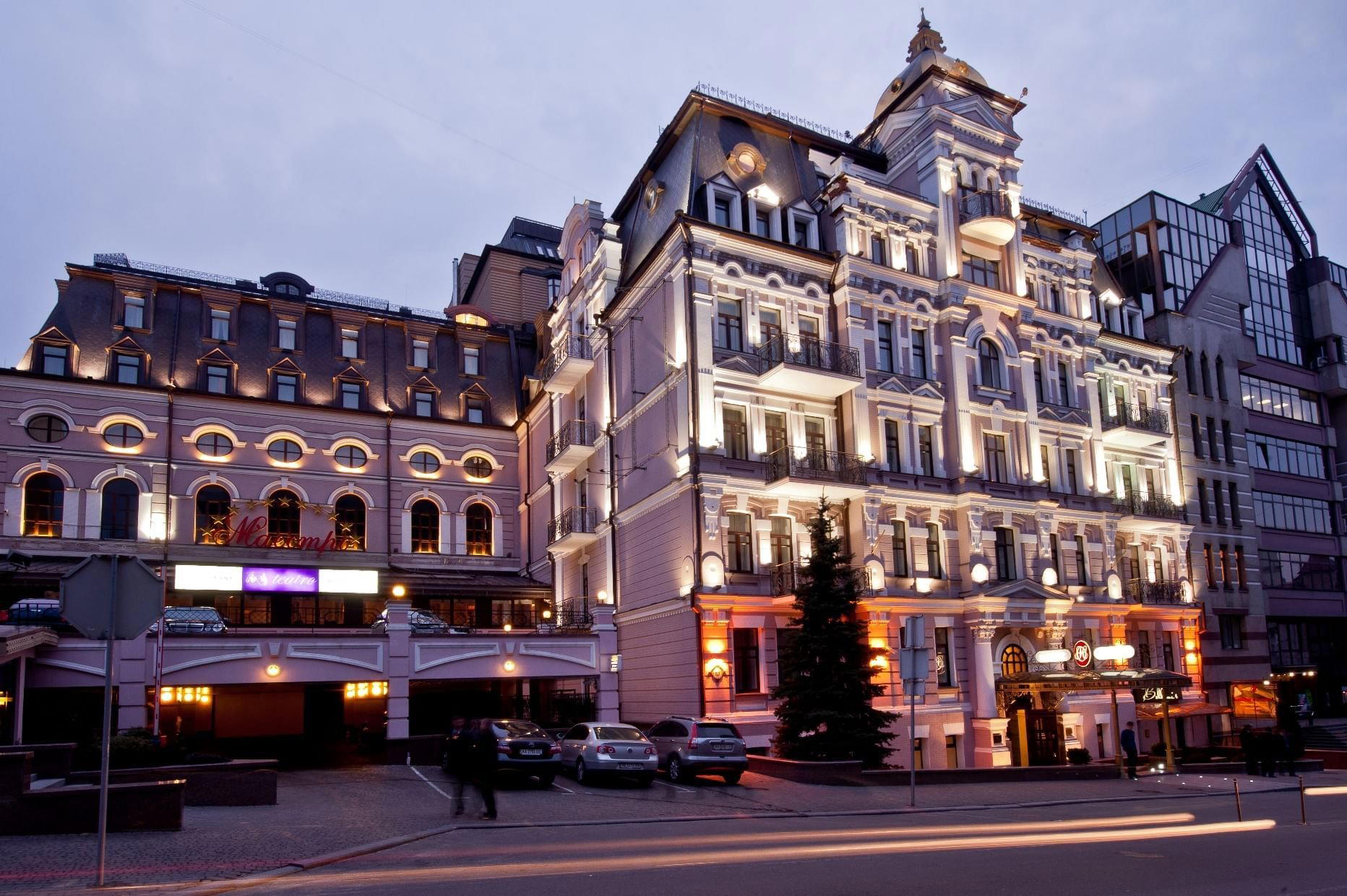
BEEF Meat&Wine
The wine
- Wine program
- Deep wine list
- Extensive wine list
- Sommelier-led
Details
- Elegant
- Sophisticated
- Modern
- Cozy
- Date Night
- Business Dinner
- Special Occasion
- Celebration
- Open Kitchen
- Private Dining
- Extensive Wine List
- Sommelier Led
- Local Sourcing
- A La Carte
- Wine
- Cocktails
- Vegetarian Friendly
Current opening hours
- Monday
- 9 AM–11 PM
- Tuesday
- 9 AM–11 PM
- Wednesday
- 9 AM–11 PM
- Thursday
- 9 AM–11 PM
- Friday
- 9 AM–11 PM
- Saturday
- 10 AM–11 PM
- Sunday
- 10 AM–11 PM
Hours can change for holidays and private events. Last verified .
Modern upscale steakhouse with dimmed, intimate lighting, pleasant background music, and a cozy yet business-like atmosphere with a gigantic open kitchen visible to diners.