Google: 4.7 · 815 reviews

La Luce brings Italian cuisine to the heart of Lviv with a wine program that punches well above what you'd expect east of Vienna. With 530 selections, a 5,000-bottle inventory weighted toward Italy, France, and Ukraine, and a corkage fee policy that signals genuine hospitality, it sits in a different tier from most of the city's dining options. Chef Yurii Bilen leads the kitchen; Wine Director Bohdan Pavliukh anchors the cellar.
 Discover on Pearl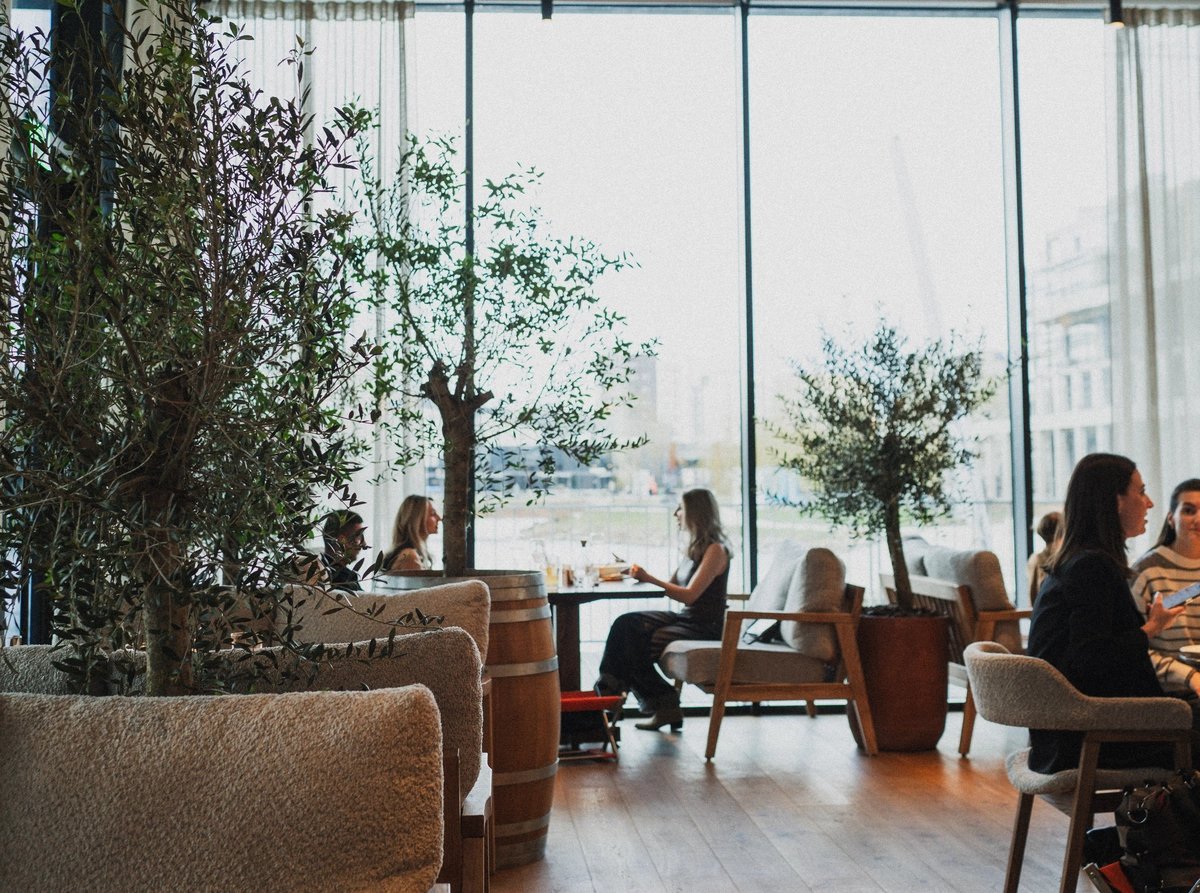
Italian Cooking in a City That Takes Its Wine Seriously
Lviv has a dining scene that moves faster than most Western visitors expect. The city's restaurant culture, rebuilt and reoriented over the past decade, now includes a small tier of addresses serious enough to attract wine professionals from Kyiv and beyond. La Luce, on Akademika Pidstryhacha Street, operates in that upper register — an Italian kitchen paired with one of the more considered wine programs in Ukraine. The combination is rarer than it should be: Italian food in Central and Eastern Europe often arrives either as generic comfort fare or as transplanted fine-dining pastiche. La Luce reads differently from the moment you arrive, the room carrying the quiet confidence of a place that knows its reference points and has chosen them deliberately.
The address itself matters. Akademika Pidstryhacha Street sits close to Lviv's historic core, where the density of Habsburg-era architecture creates a particular kind of atmospheric pressure — the sense that the city has always expected a certain standard from its public spaces. That expectation extends to the table. The room at La Luce is not loud in its design; it earns attention through proportion and light rather than spectacle, which aligns with how the kitchen approaches Italian cooking: as a cuisine where the quality of ingredients carries the argument, not the drama of the plate.
Where the Food Comes From, and Why That Question Matters Here
Italian cooking is, at its foundation, a sourcing argument. The reason a plate of pasta in Bologna tastes different from one in London or Lviv is not primarily technique , it is provenance. Flour, cured pork, cheese, olive oil: the great Italian regions built their reputations on ingredient identity, and any serious Italian kitchen operating outside Italy must decide how it handles that gap. Chef Yurii Bilen's approach at La Luce is to treat the sourcing question as the central one, which shapes how the menu reads and how individual dishes land.
Ukrainian produce has developed serious quality credentials in categories like dairy, grain, and seasonal vegetables, and Lviv's position in the country's west gives it access to agricultural traditions that lean closer to Central Europe than to the steppe. A kitchen that engages with those local supply chains, rather than importing everything from Italy at considerable cost and quality loss, can achieve something more coherent than a straight transplant. The result, across lunch and dinner service, is Italian cooking that uses the logic of the original cuisine , restraint, seasonality, the primacy of a single good ingredient , while grounding itself in what western Ukraine actually produces well. For context on how Italian kitchens handle the sourcing tension in different international cities, the work at 8½ Otto e Mezzo Bombana in Hong Kong offers a useful comparison point: premium Italian technique operating far from its origin, solving the ingredient question through rigorous procurement.
The cuisine pricing sits at the lower end of the scale (a typical two-course meal under $40), which is significant. It suggests the kitchen is not building its margin into portion theatre or luxury-ingredient name-dropping, but is instead working with materials priced for daily-restaurant reality in Lviv. That discipline, common in Italy itself, is often lost in transplanted versions of the cuisine.
The Wine Program: 530 Selections and a Clear Point of View
The wine program at La Luce is where the venue stakes its most distinctive claim. A 530-selection list backed by a 5,000-bottle inventory is substantial for any restaurant; in Lviv, it is an outlier. Wine Director Bohdan Pavliukh, supported by sommeliers Nazarii Prystupa, Dmytro Syniavskyi, and Yevhen Oliynyk, has built a list with three declared strengths: Italy, France, and Ukraine. That last entry is the most interesting. Ukrainian wine has been developing with increasing seriousness, particularly from the south and the Transcarpathian west, and a list that positions it alongside Italy and France as a pillar rather than an afterthought represents a genuine editorial stance.
Wine pricing sits at the higher end of the local spectrum ($$$ by the list's own markup logic, with a meaningful concentration of bottles above $100), which places La Luce in the premium tier for wine-focused dining in the city. The corkage fee of $25 is a further signal: it is a policy that serious wine venues use to accommodate guests who carry meaningful bottles, and it implies the kind of clientele and conversation the restaurant is positioned to host. For comparison, consider how wine-forward Italian restaurants in major markets , Le Bernardin in New York City or Alain Ducasse at the Louis XV in Monte Carlo , treat the wine list as a parallel editorial argument to the kitchen's. La Luce operates at a different scale, but the instinct is the same.
List's depth in Italian and French wine is what you would expect from a venue anchored in Italian cuisine, but the Ukrainian component is worth investigating at the table. Lviv guests who already know the Italian and French selections well will find more to discover in that column, and the sommelier team has the credentials to guide the conversation. Bohdan Pavliukh's role as Wine Director, with a named team beneath him, points to a program with internal structure rather than one person building it informally.
Lviv's Italian Tier, Placed in Context
Lviv's restaurant scene has diversified considerably, with addresses like Terra Emiily Restaurant expanding the city's range of serious dining options. Italian food occupies a specific lane here: it is popular enough to attract multiple operators but demanding enough, when done with integrity, to separate committed kitchens from casual ones. La Luce's combination of a trained wine team, a named chef, and a price structure that keeps the cuisine accessible while investing heavily in the cellar is a coherent model , one that treats the dining room as a place where the wine and the food are expected to hold a conversation, not to operate in separate registers.
For visitors planning an evening around the wine program, the practical consideration is timing. Restaurants at this tier in Lviv fill during weekend evenings, and a list of 530 selections rewards guests who arrive with time to read it properly. Lunch service runs alongside dinner, which makes La Luce worth considering as a midday option when the room is likely quieter and the kitchen is operating at the same standard.
Those building a longer Lviv itinerary can find the city's full dining picture in our full Lviv restaurants guide, alongside our full Lviv bars guide and our full Lviv hotels guide. Wine-focused visitors may also want to consult our full Lviv wineries guide for context on the Ukrainian producers that appear on lists like La Luce's. The experiences guide for Lviv covers the city's broader cultural programming. For those arriving from Kyiv, Al Fresco offers a useful point of comparison for how Tuscan-Italian cooking reads in a Ukrainian capital context.
Planning Your Visit
La Luce sits at Akademika Pidstryhacha St, 1, in central Lviv, within walking distance of the city's main historic district. Owners Roman Shuptar and Evgeniy Sushko, with General Manager Laka Volodymyr overseeing operations, run a restaurant that serves lunch and dinner. The cuisine pricing (under $40 for two courses without drinks) keeps the kitchen accessible, while the wine program's premium tier pricing means a full evening with serious bottles will reach considerably higher. The $25 corkage fee applies for guests who bring their own wine. No phone or online booking details are listed in current records; arriving in person or checking local reservation platforms for current availability is advisable.
Fast Comparison
These are the closest comparables we have in our database for quick context.
Continue exploring
More in Lviv

At a Glance
- Elegant
- Cozy
- Sophisticated
- Modern
- Date Night
- Business Dinner
- Celebration
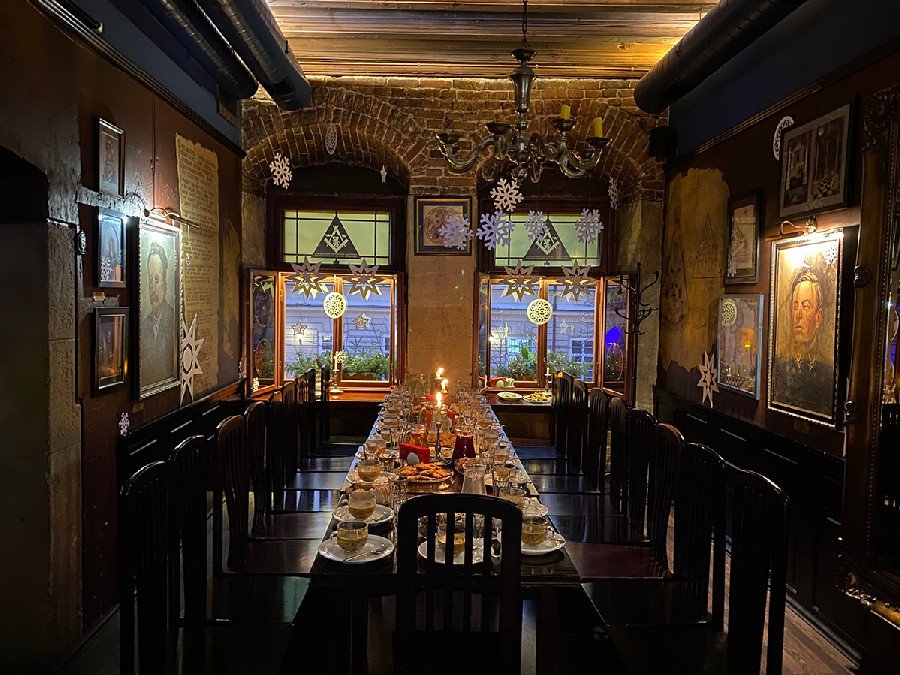
- Private Dining
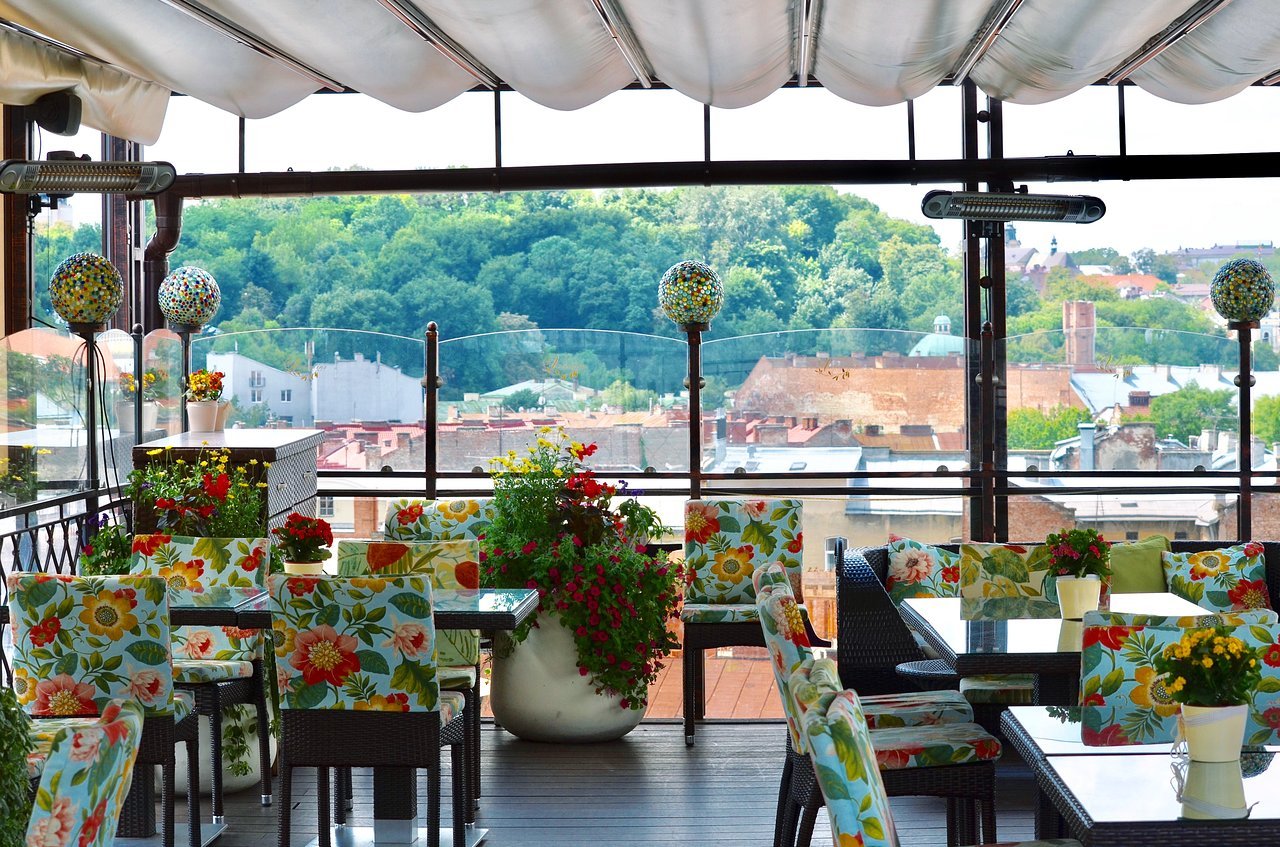
- Terrace
- Extensive Wine List
- Sommelier Led
- Local Sourcing
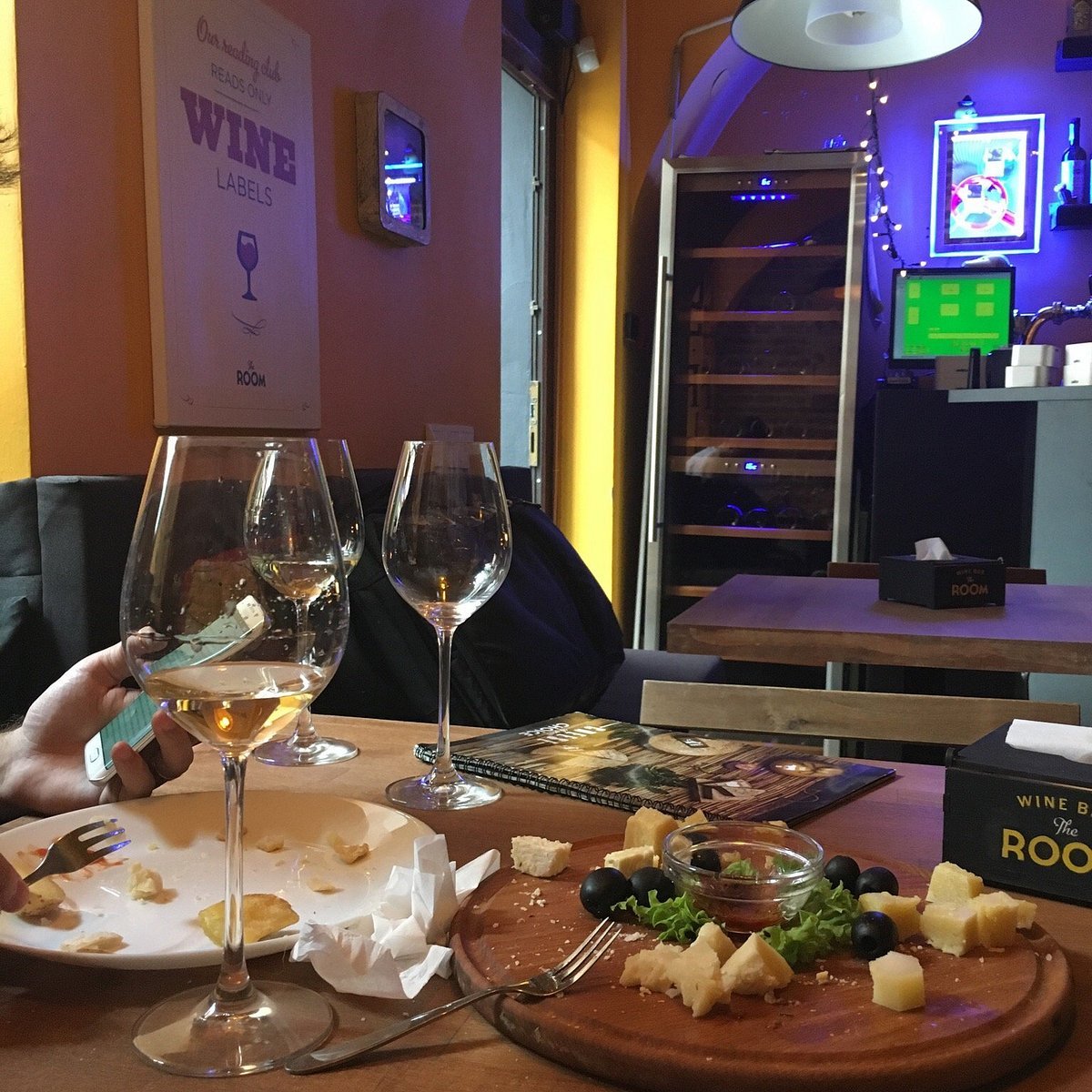
Warm, inviting atmosphere with clean lines, comfortable seating, soft lighting, and modest acoustic control for private, conversational dining.